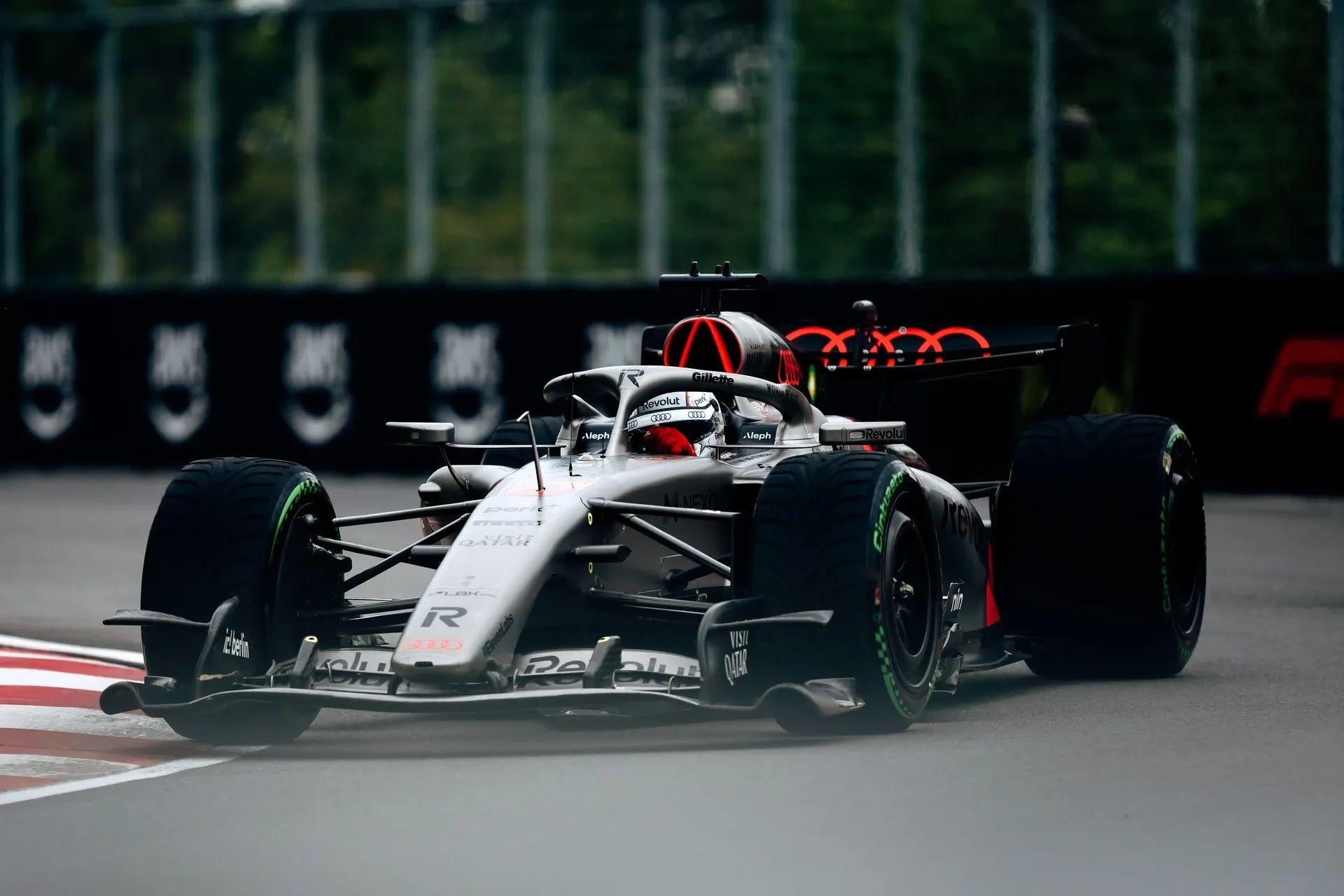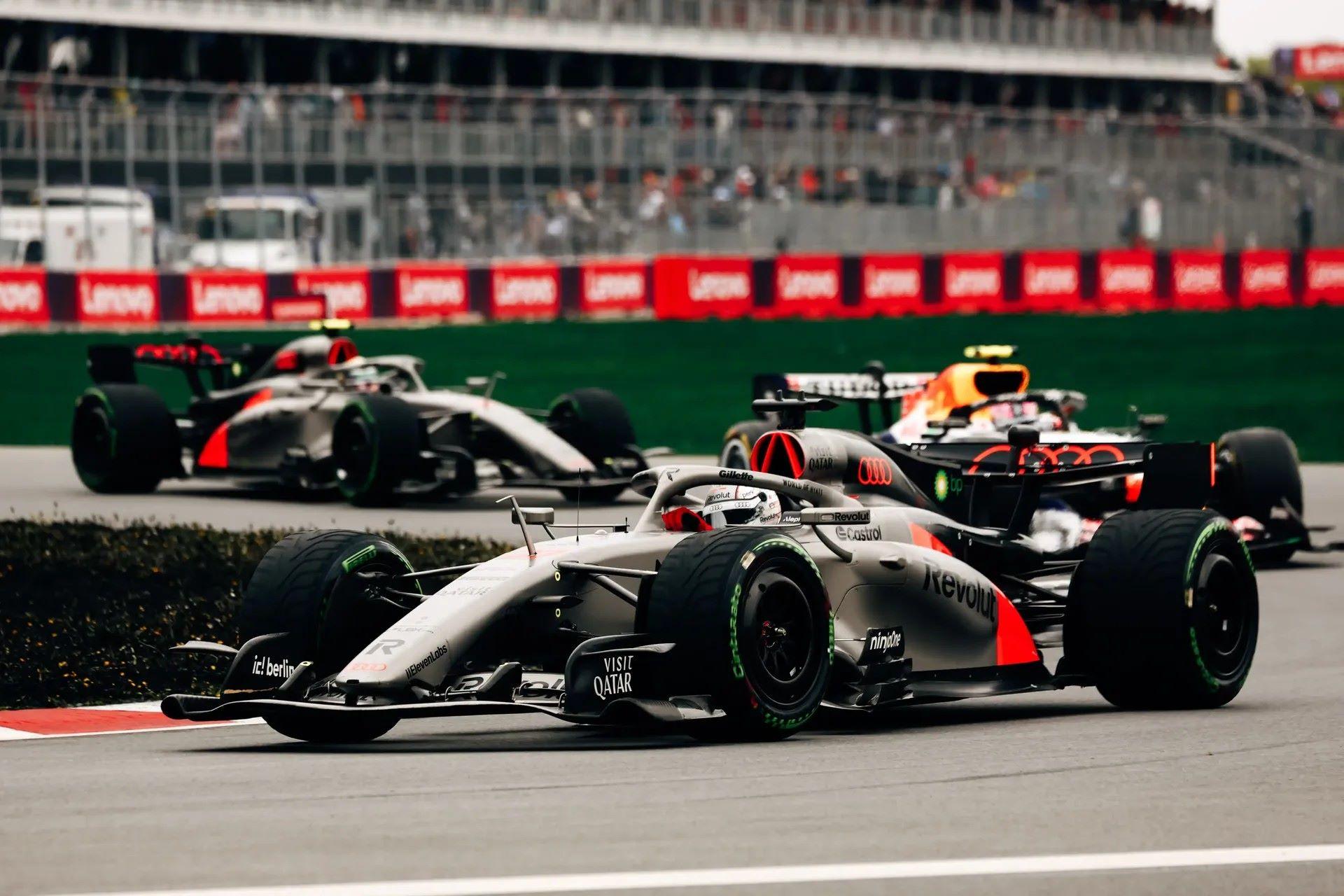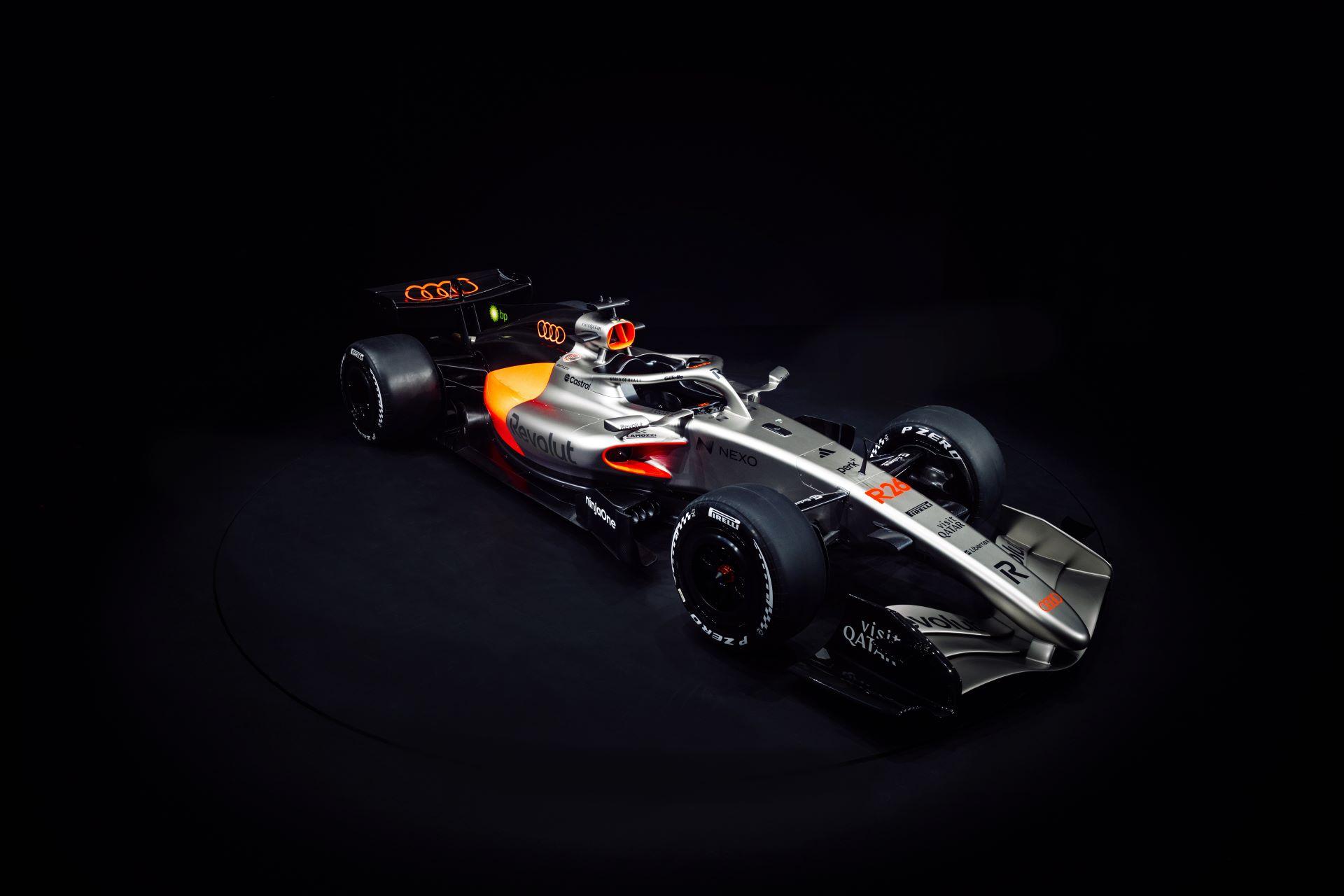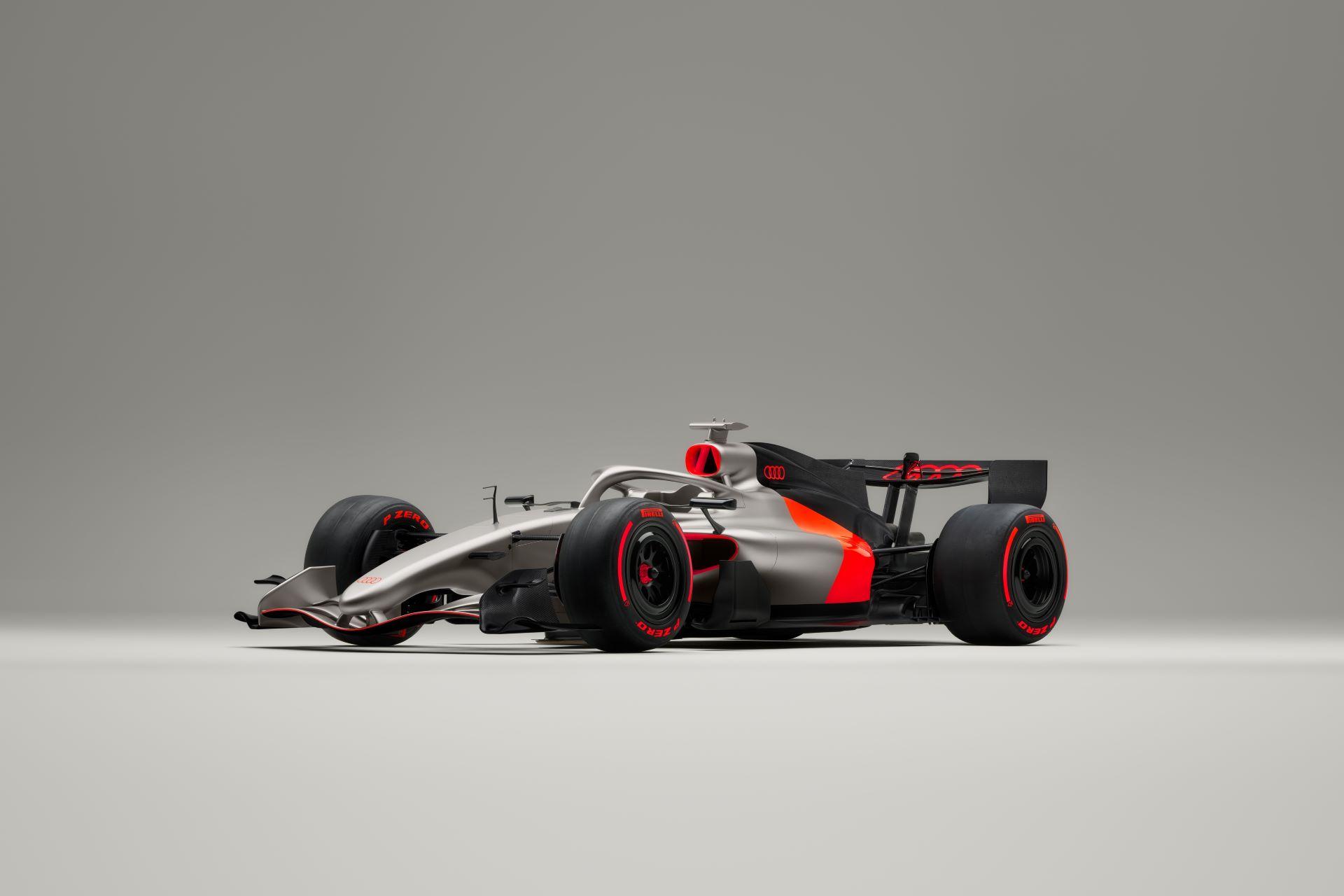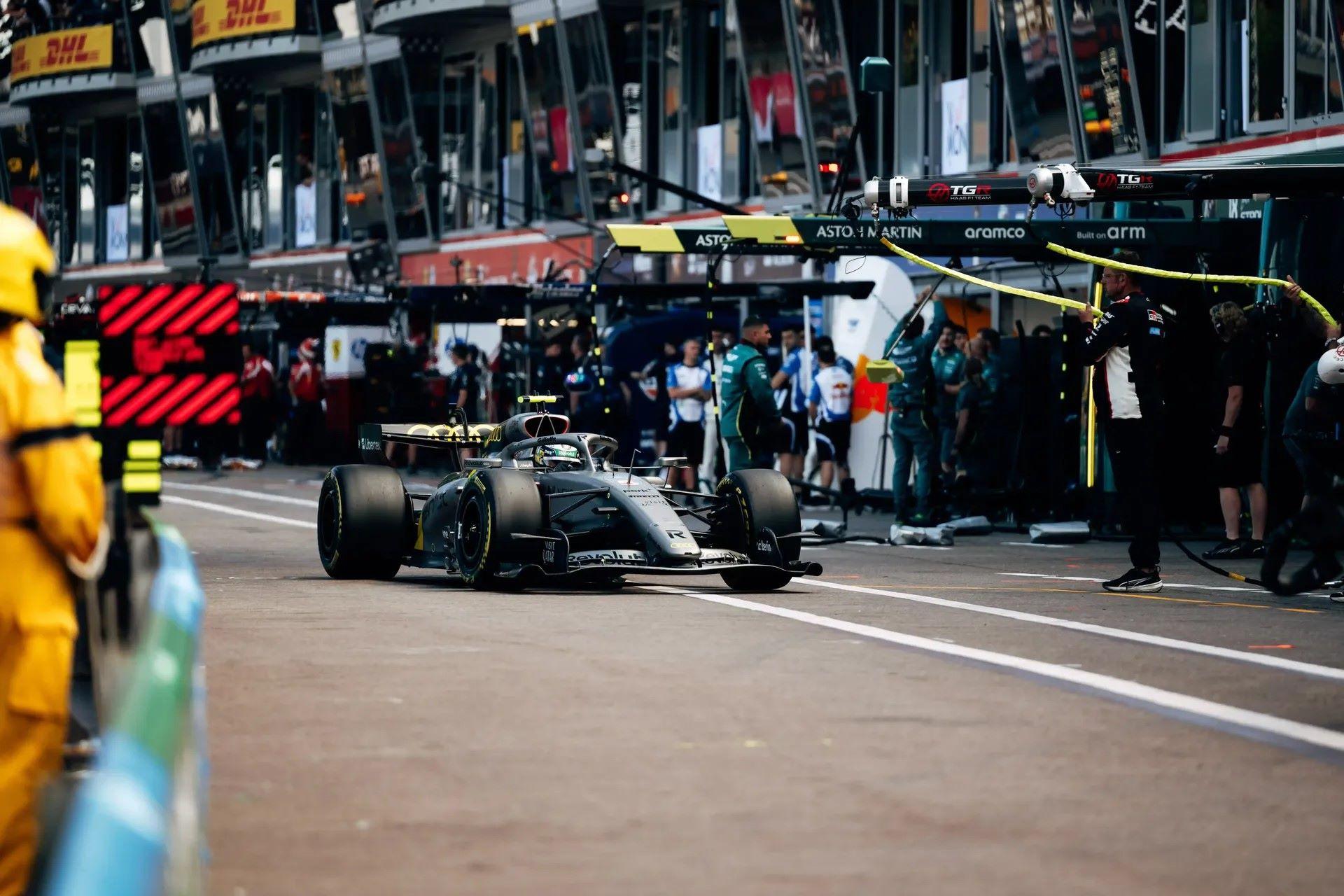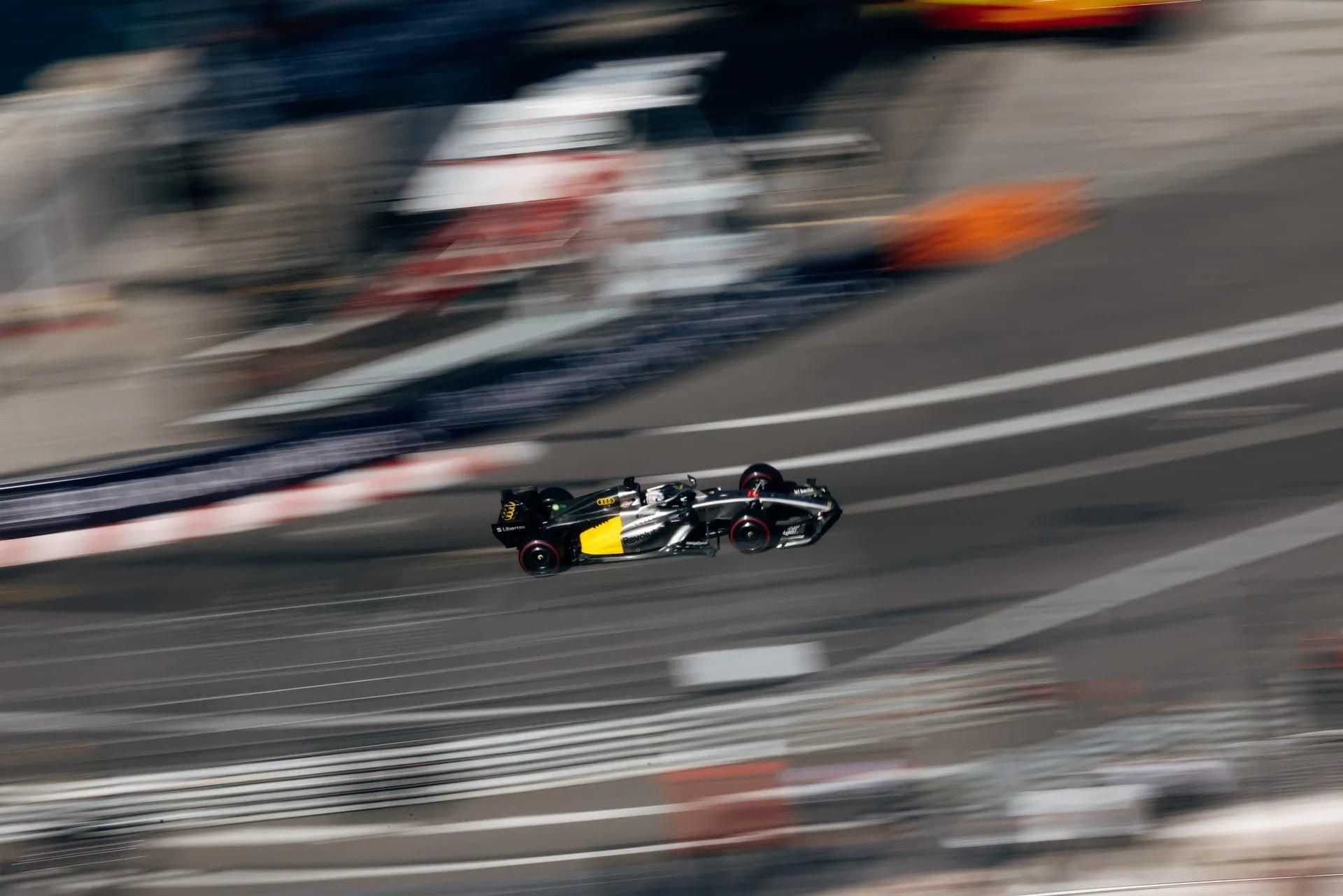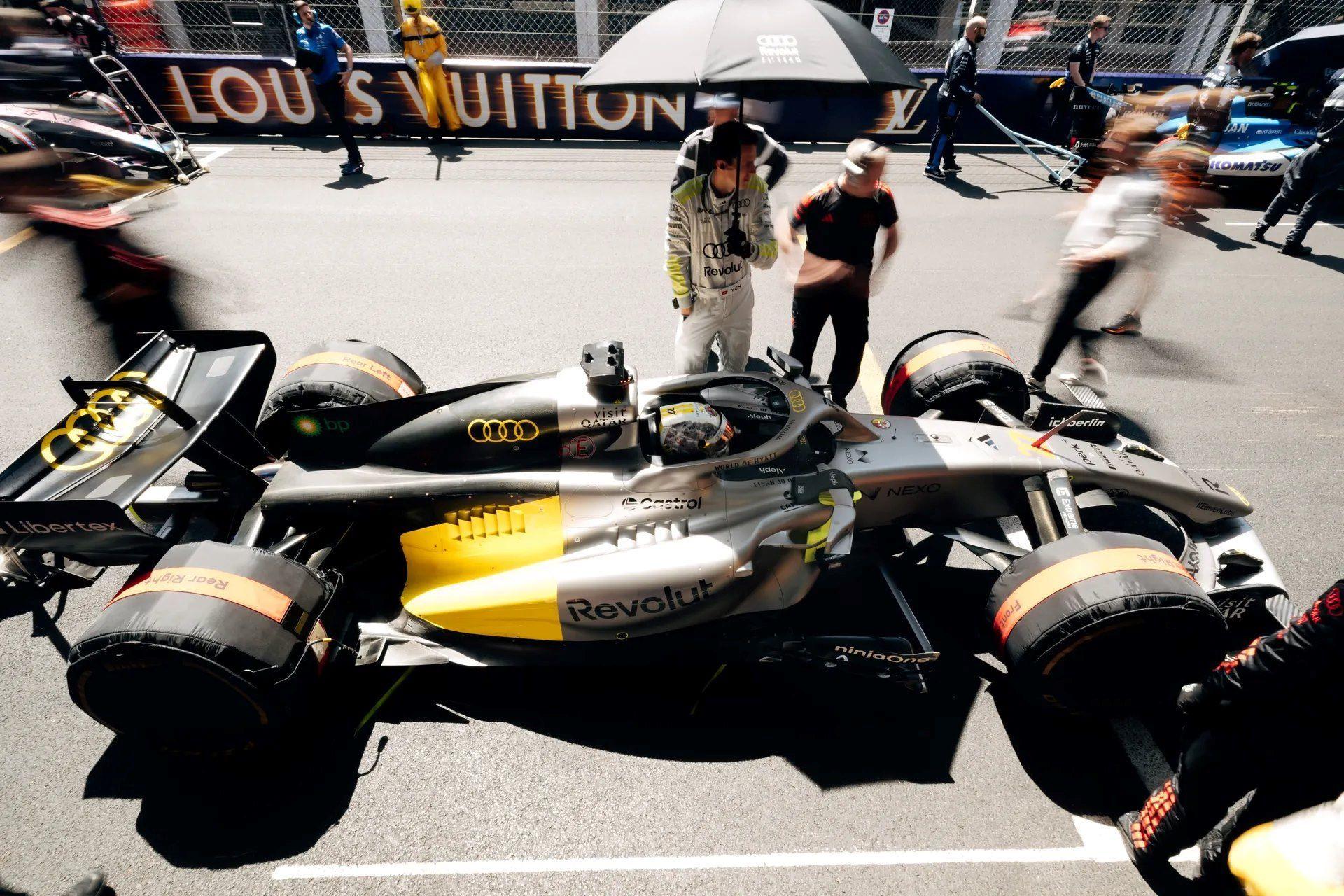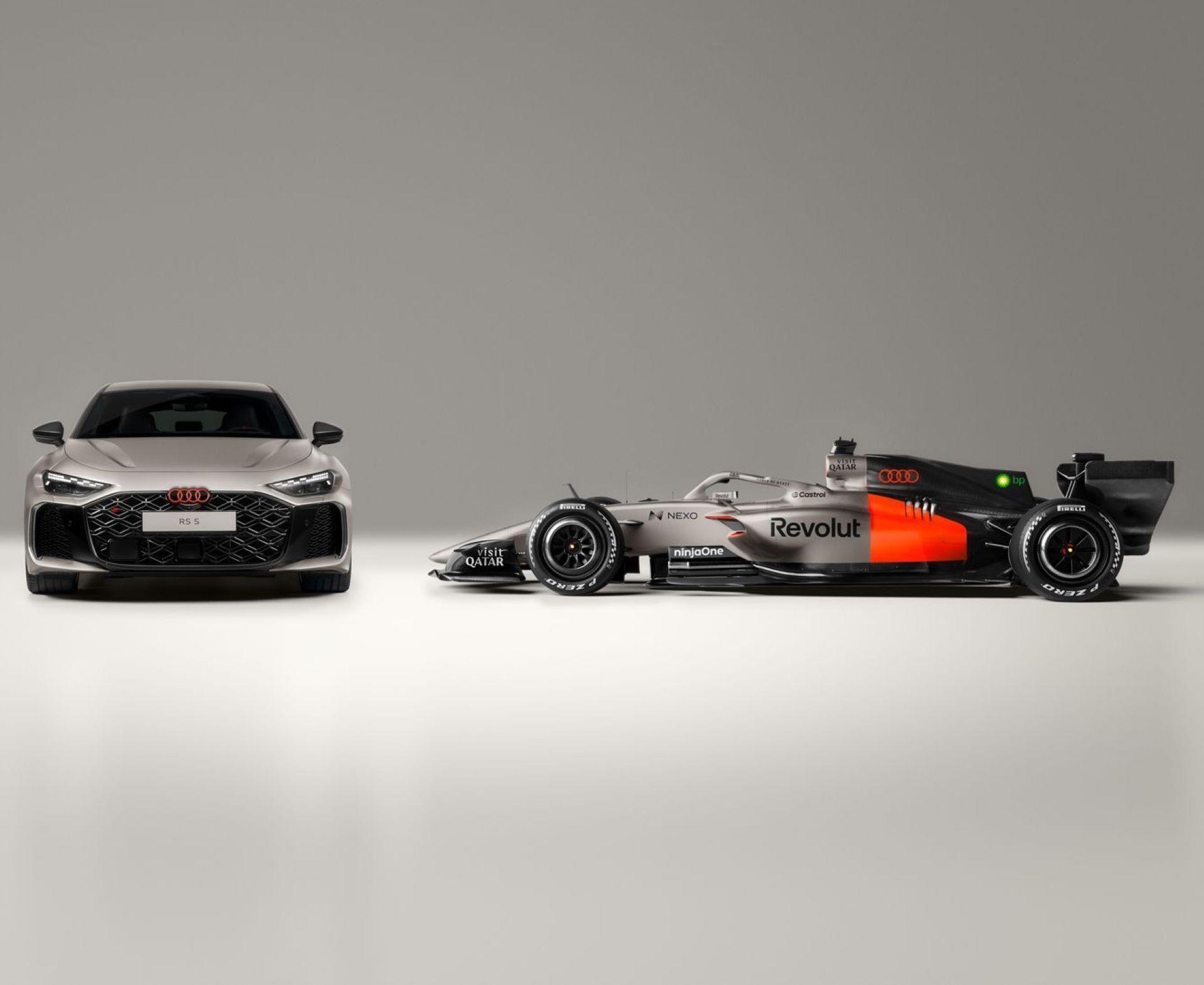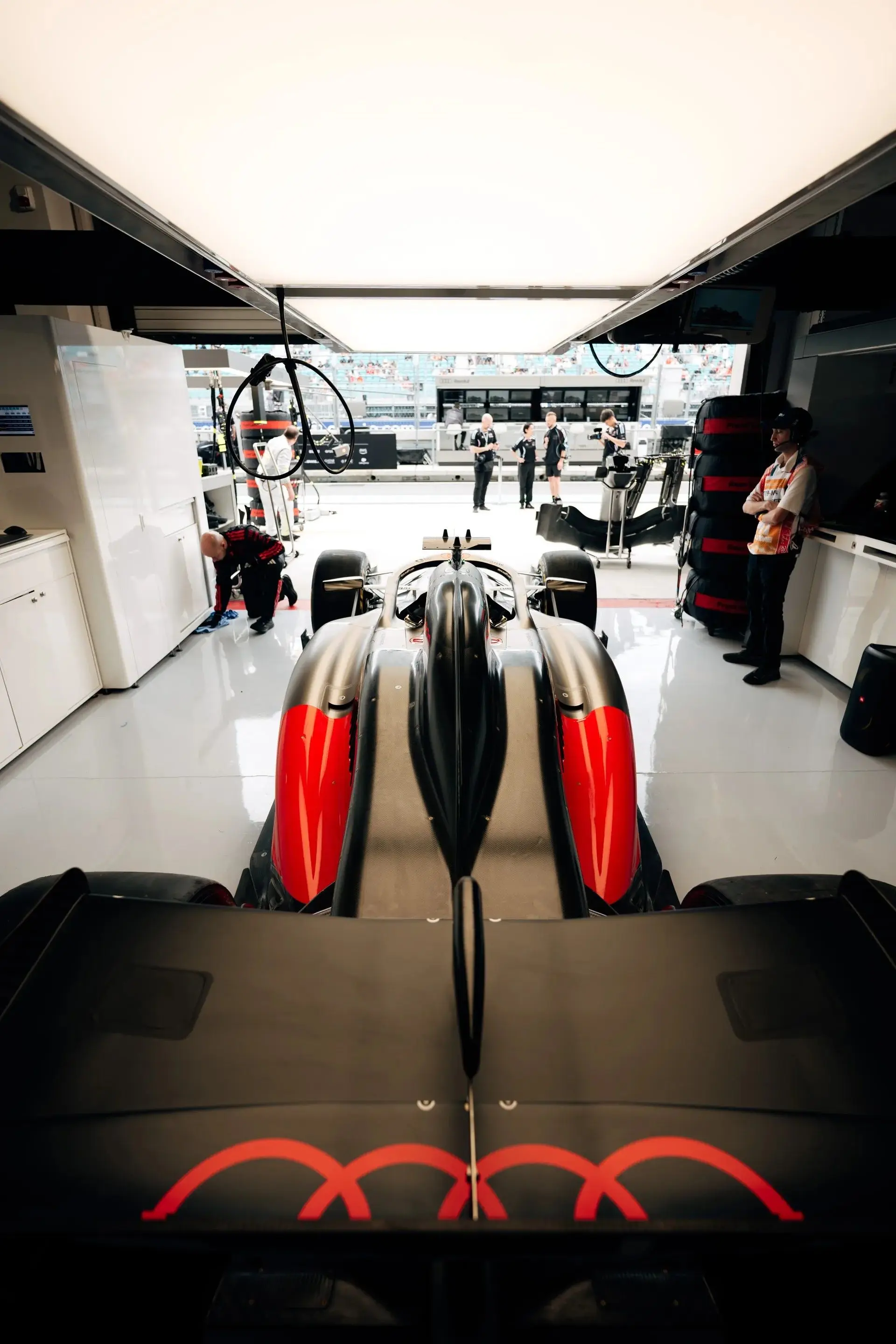




Johannesburg, March 2026 — Progress rarely arrives gift-wrapped in Formula 1, and for Audi South Africa, the Chinese Grand Prix proved exactly that. It was a weekend defined less by silverware and more by substance, as the Audi Revolut F1 Team continued to build its foundation in the heat and complexity of Shanghai.
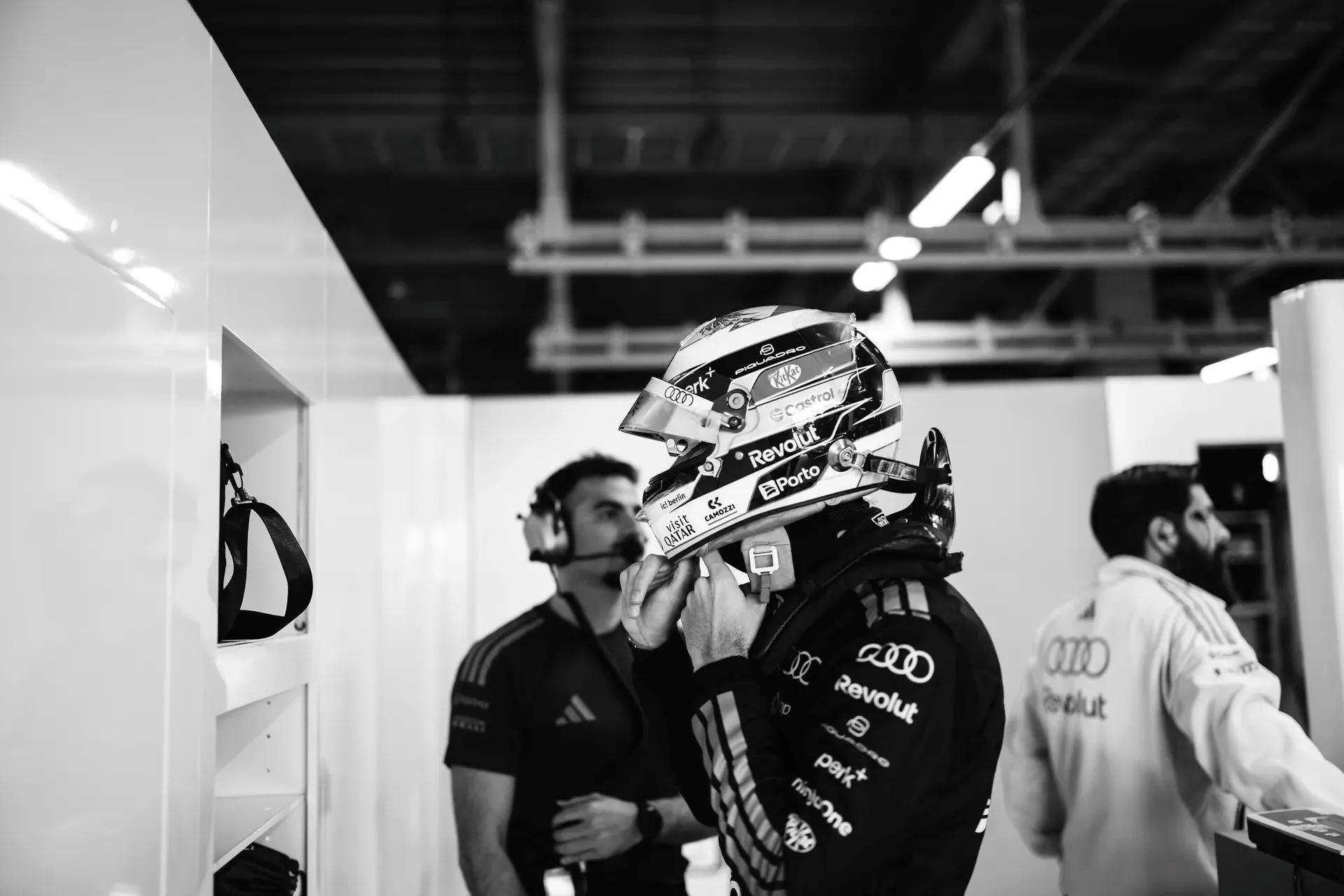
At the centre of that effort was Nico Hülkenberg, who crossed the line in 11th place after completing his first full race distance of the season. In a midfield pack that behaves more like a storm than a structure, the German driver kept his composure to deliver a result that, while just outside the points, carried far greater significance behind the scenes.
Having been unable to start in Melbourne due to a technical issue on the way to the grid, Hülkenberg’s run in China marked a crucial reset. Every lap became a data point, every stint a lesson in understanding a car still revealing its character.
“It wasn’t the smoothest race, but the main thing for me was finally getting a full distance under the belt after missing Melbourne,” Hülkenberg reflected. “These cars are still pretty new territory, especially with energy management, so every lap is useful right now. There’s a lot to unpack from today. We’ll go through everything next week, tidy a few things up and go again in Japan.”
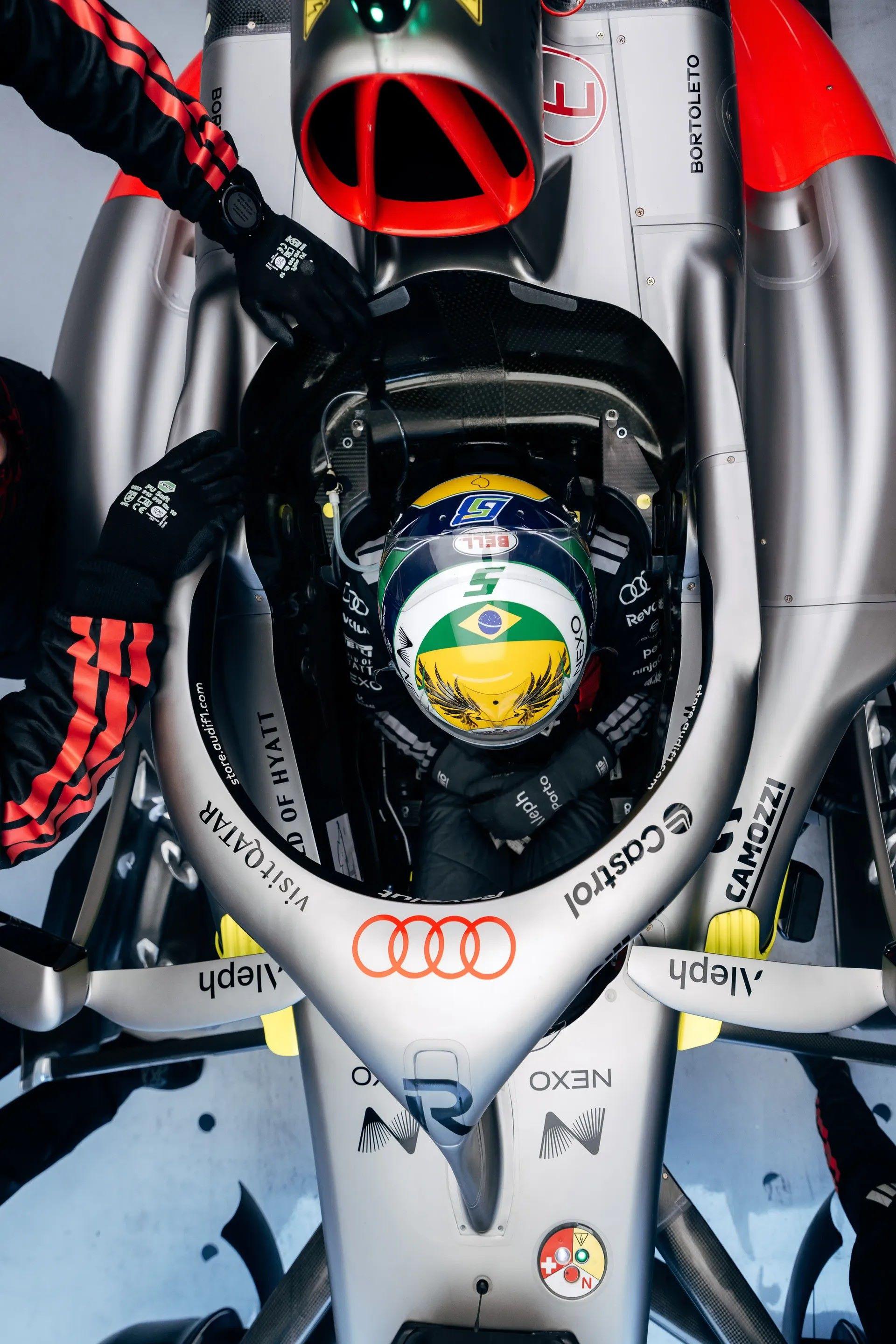
While one side of the garage focused on gathering mileage, the other was dealt a frustrating blow before the race had even begun. Gabriel Bortoleto’s car developed a technical issue en route to the grid, forcing an immediate return to the garage. Despite the team’s efforts, the problem could not be resolved in time, resulting in a withdrawal before lights out.

For a team in its infancy, such moments are as instructive as they are disappointing. The failure will now undergo detailed analysis, feeding into the broader development cycle as Audi continues to refine both car and power unit under Formula 1’s evolving technical landscape.
There is a certain rhythm to a debut season in Formula 1, one that oscillates between promise and problem-solving. Shanghai leaned heavily toward the latter, but not without delivering value. Completing a full race distance, particularly under race conditions that test both machinery and mindset, offers insight no simulation can replicate.
Attention now turns to the Japanese Grand Prix at Suzuka, a circuit revered as much for its technical demands as its unforgiving nature. Taking place from 3–5 April 2026, the third round of the championship presents another opportunity for Audi to convert lessons into momentum.
For now, the scoreboard may not tell the full story, but within the data streams and debrief rooms, the narrative is steadily taking shape.