


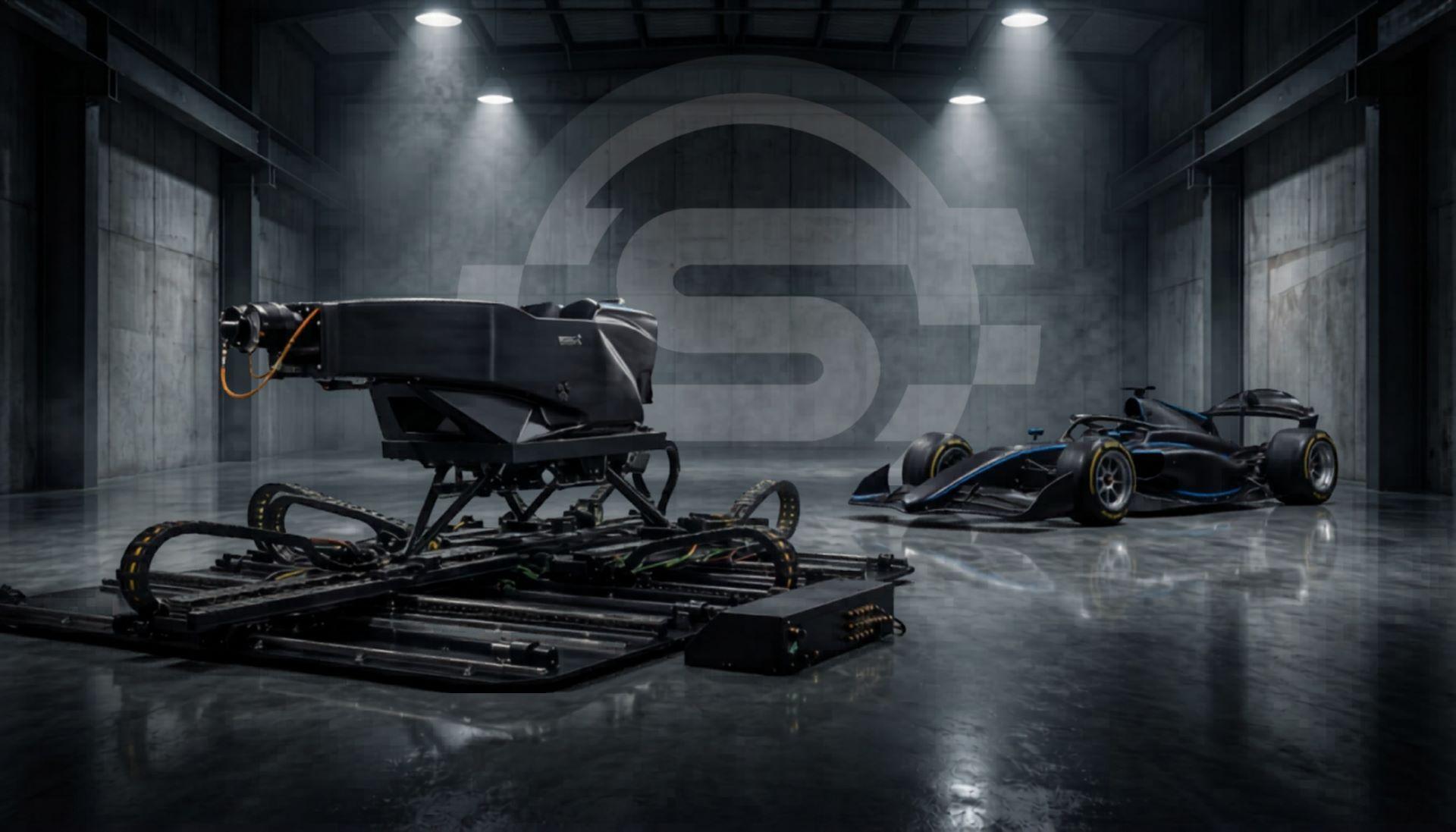
Ansible Motion has introduced a decisive step forward in motorsport engineering with the launch of the Delta T1 Sport, a compact yet high-fidelity Driver-in-the-Loop (DIL) driving simulator designed to dissolve long-standing barriers to professional-grade virtual vehicle development. Built for elite realism without the traditional demands of space, infrastructure, or cost, the system brings engineering-class simulation within reach of a far broader range of teams and manufacturers.
At the heart of this new platform is a philosophy of accessibility without compromise. The Delta T1 Sport has been engineered to deliver ultra-low latency response, high dynamic fidelity, and a deeply immersive driver experience within a dramatically reduced footprint. For many organisations, particularly those operating outside the largest factory environments, this marks a shift from aspiration to practical adoption of advanced simulation.
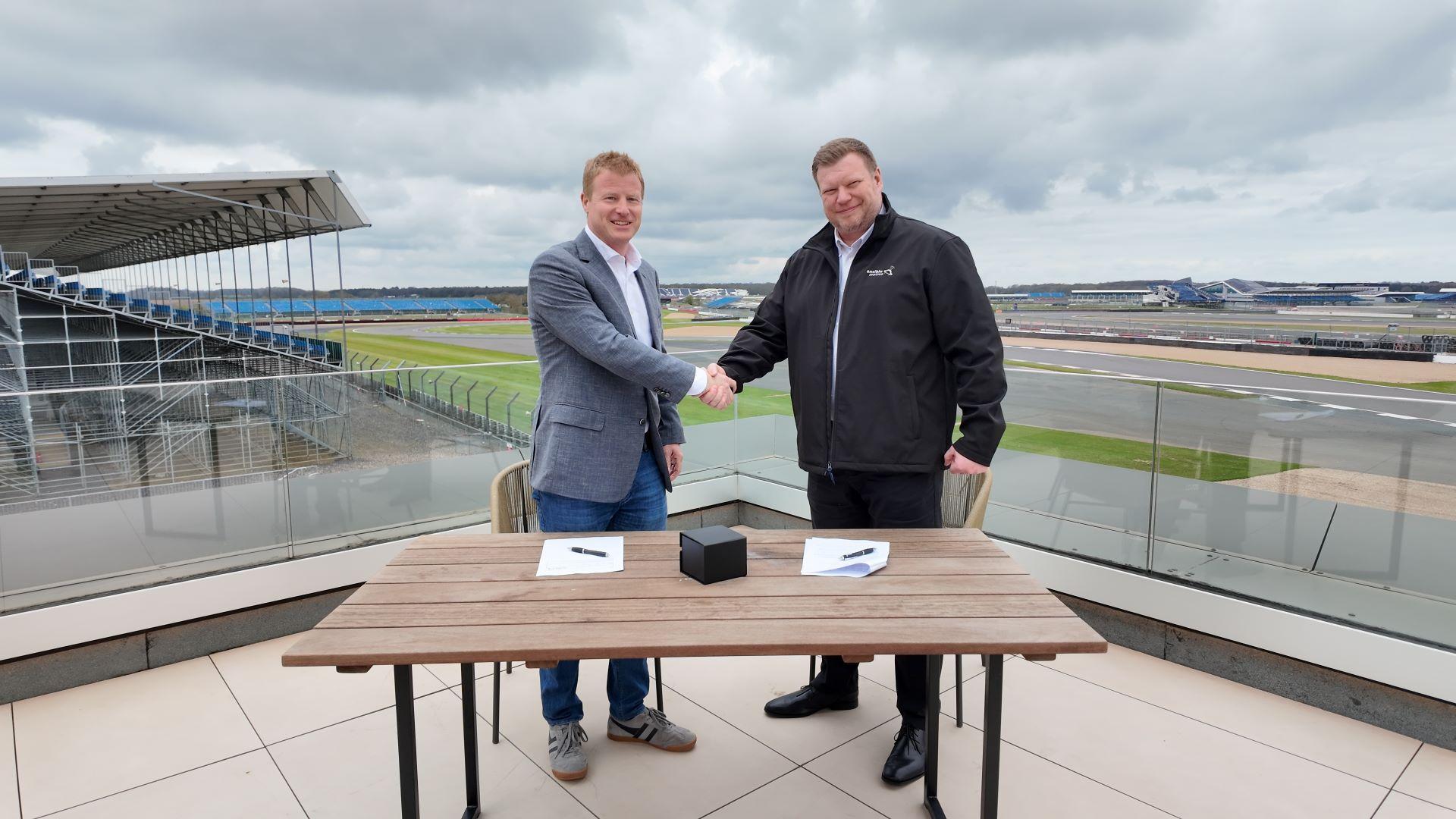
Lola Cars has become the first customer to adopt the Delta T1 Sport, installing the system at its Silverstone headquarters. The historic British manufacturer, renowned for its legacy of over 500 championship victories since its founding in 1958 and its modern revival in 2022, will integrate the simulator directly into its ABB FIA Formula E World Championship programme, including preparations for its GEN4 campaign. For Lola, the system is expected to accelerate development cycles, refine software validation, and sharpen race preparation in a category defined by efficiency and precision.
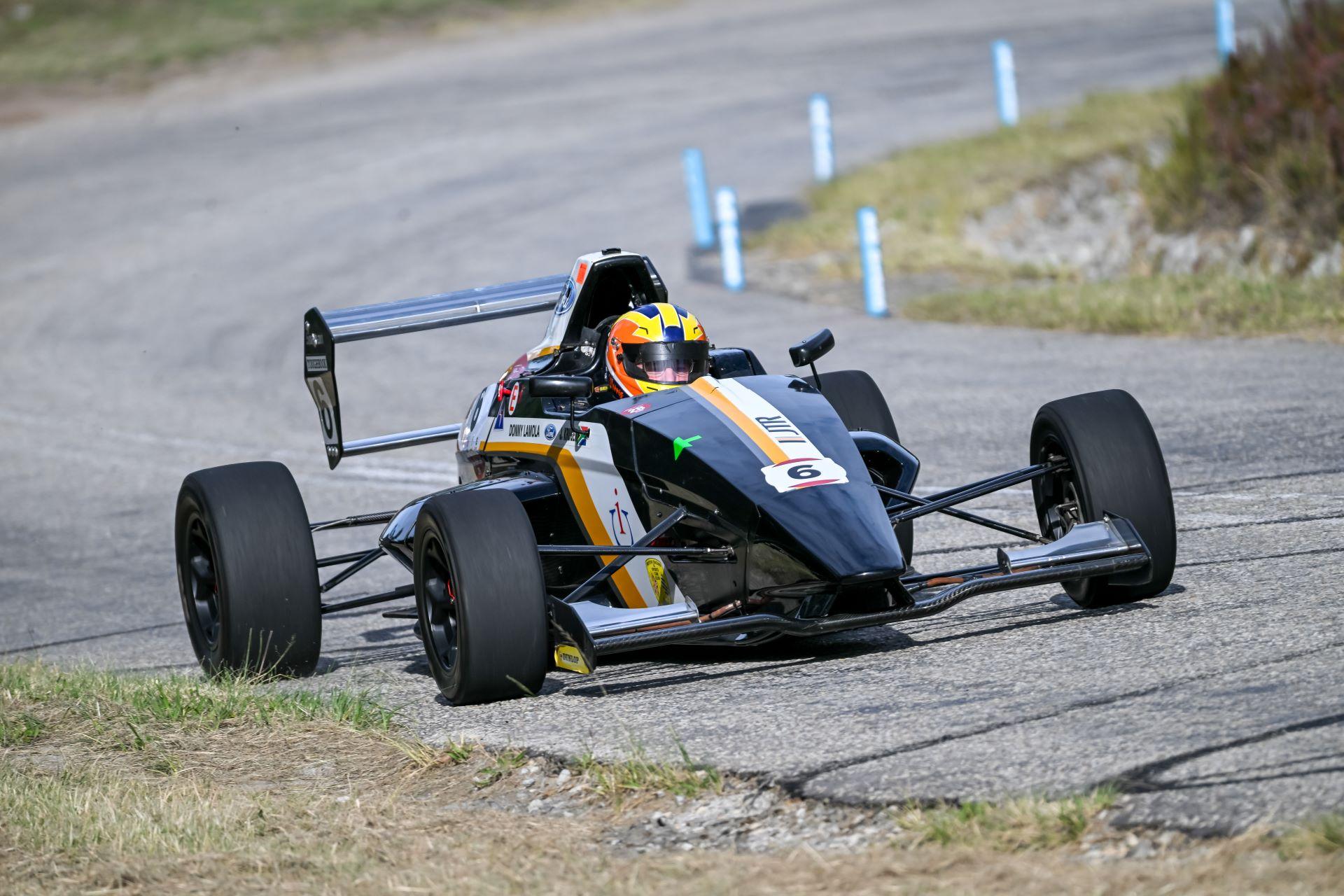
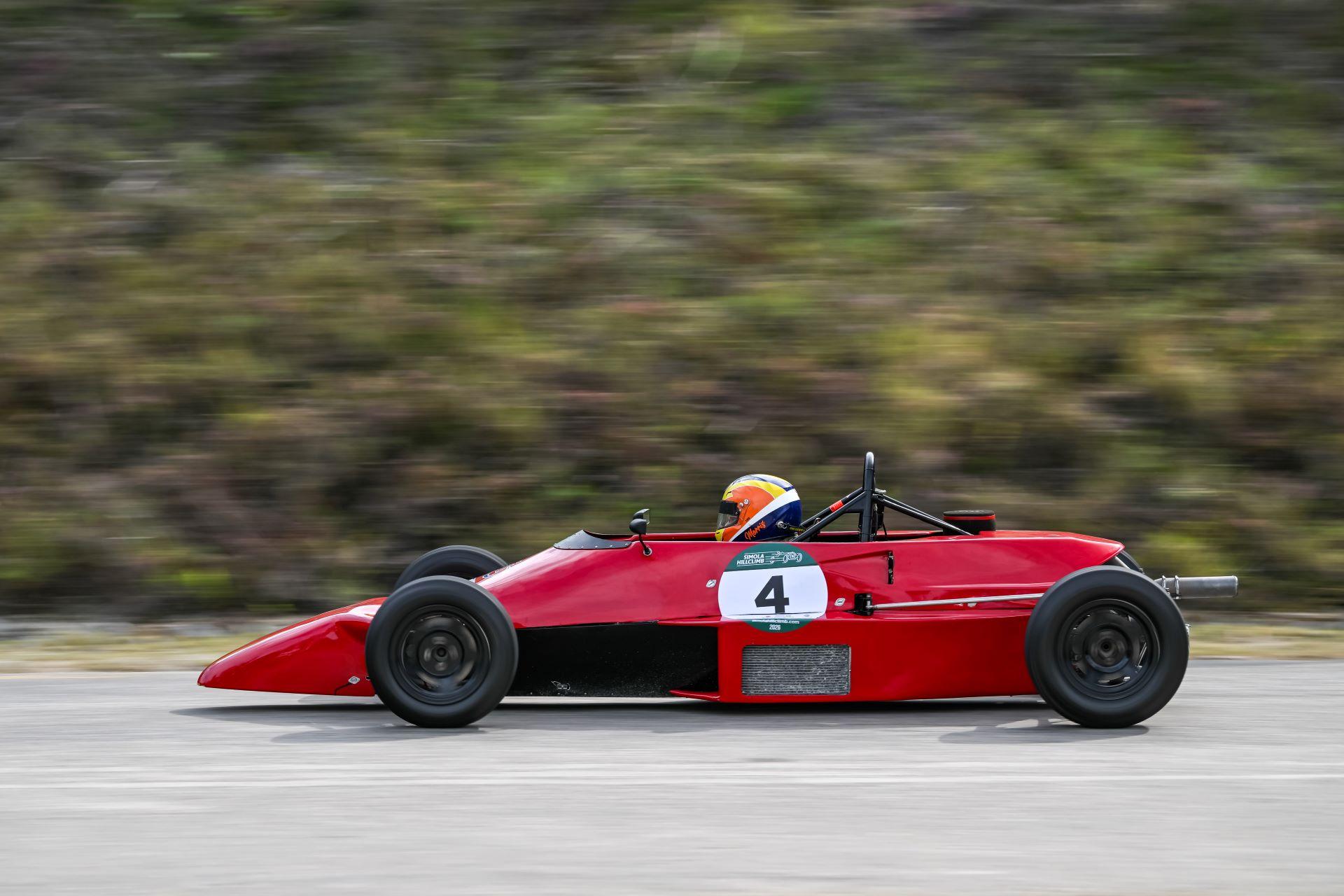
The Delta T1 Sport is designed specifically for single-seater and cockpit-based racing disciplines such as Formula E, Formula 2, Formula 3, Formula 4, Formula Regional, Super Formula, LMP2, and LMH/LMDh. Its versatility positions it as a central development tool for teams operating across both open-wheel and prototype racing environments.
Its defining innovation is the all-new patented Triform motion system (AML TMS1), a six-degrees-of-freedom architecture that blends high mechanical stiffness with low dynamic mass to preserve precise vehicle dynamics while minimising system complexity. The simulator delivers motion capabilities including up to 1 metre of surge, 1.2 metres of sway, 0.2 metres of heave, alongside rotational freedom of up to 120 degrees of yaw, 22 degrees of roll, and 16 degrees of pitch. A carefully tuned 300kg payload capacity ensures compatibility with full racing cockpit environments while maintaining performance integrity.
Despite this capability, the entire system is packaged within a remarkably compact 2.4 by 2.4 metre footprint, significantly reducing installation requirements and eliminating the need for specialised facility infrastructure. This combination of agility and realism reflects more than 17 years of Ansible Motion development in high-end DIL simulation, refined into a system designed to prioritise ground-plane fidelity and driver perception of vehicle behaviour at the limit.
According to Ansible Motion managing director Dan Clark, the system represents a new category of simulator that delivers elite-level insight without traditional barriers, enabling teams to unlock performance gains through more efficient and integrated development workflows. Lola Cars chairman Till Bechtolsheimer echoed this sentiment, describing the technology as a critical accelerator for engineering processes and innovation pathways, while technical director Peter McCool highlighted its expected impact on car development, simulation validation, and customer-facing applications.
Beyond its standalone capabilities, the Delta T1 Sport is designed as part of a connected simulation ecosystem. It integrates seamlessly with Software-in-the-Loop and Hardware-in-the-Loop environments, and benefits from Ansible Motion’s broader toolchain alongside real-time visualisation technology developed with rFpro. This allows teams to unify motion and visual simulation into a coherent development environment, further enhanced through compatibility with external engineering platforms such as AVL RACETECH systems.
The simulator also supports a wide range of configurable driver environments, including advanced vision systems such as projection, LED walls, and extended reality solutions, alongside haptic feedback steering systems, adjustable seating and pedal configurations, and immersive cockpit technologies designed to replicate real-world race conditions with precision.
With its combination of compact engineering, advanced motion fidelity, and deep systems integration, the Delta T1 Sport signals a widening of access to professional-grade simulation. It is not merely a tool for elite factory teams, but a scalable platform designed to extend the reach of Driver-in-the-Loop development across a far broader motorsport landscape, reshaping how performance is understood, tested, and ultimately achieved.