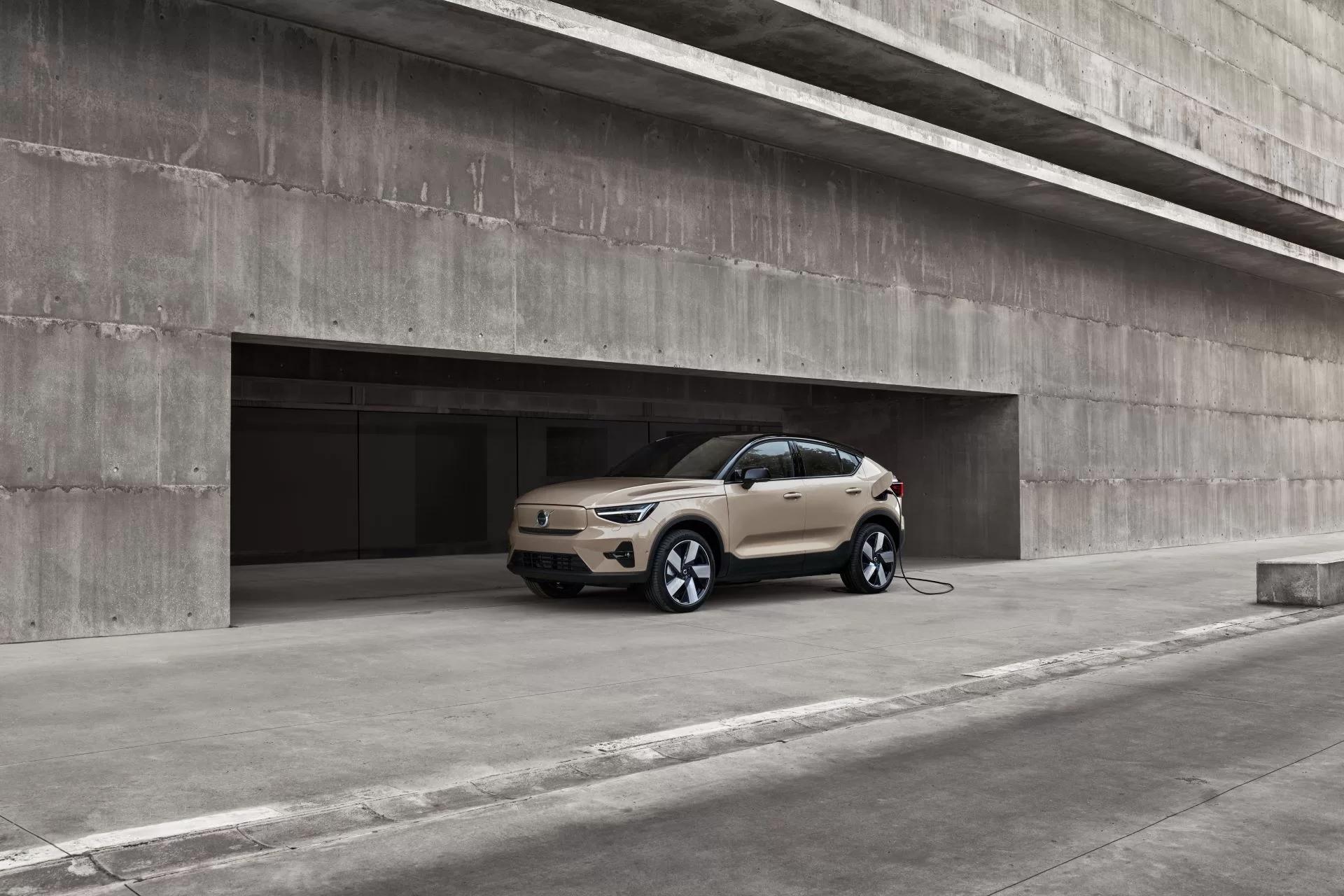
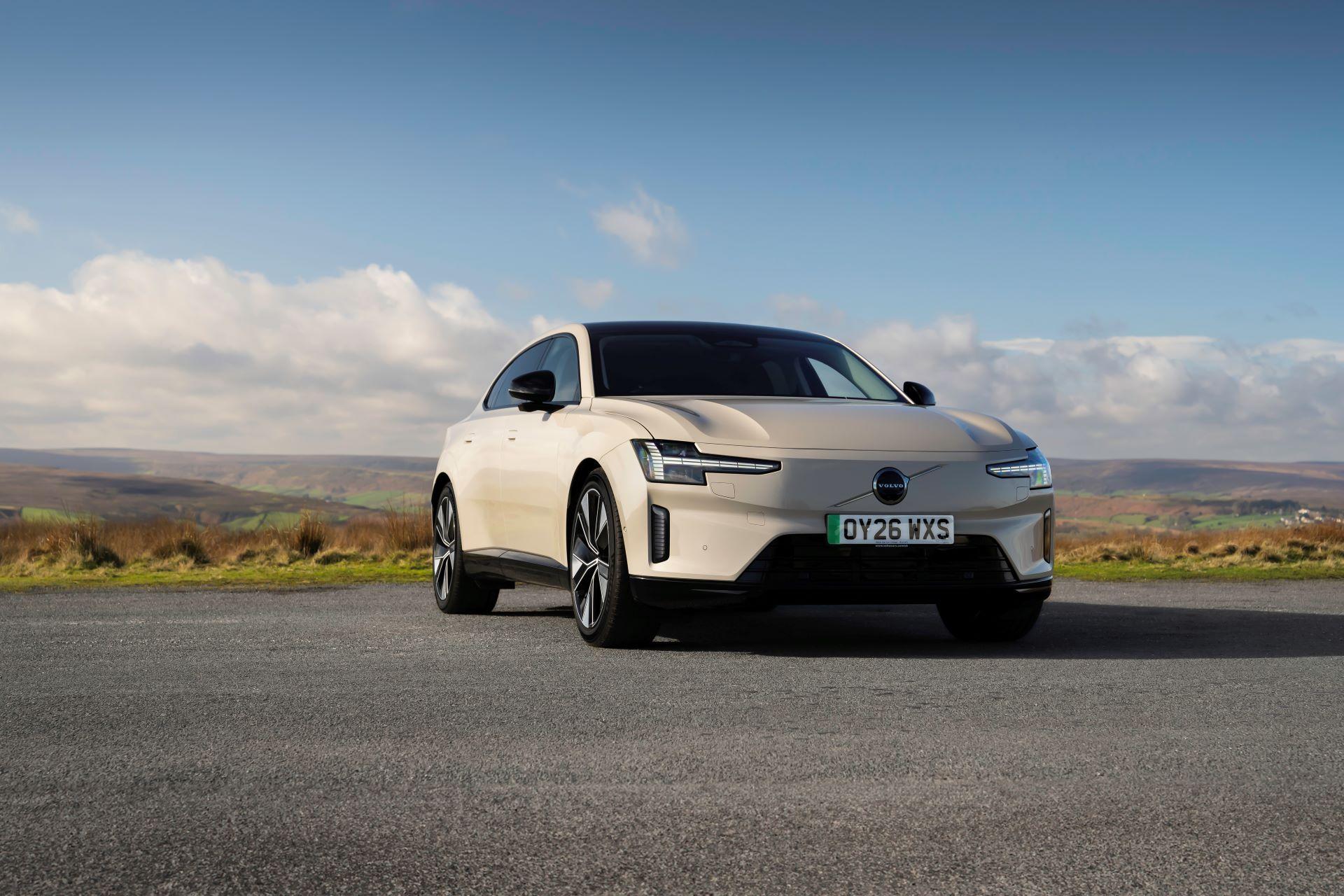
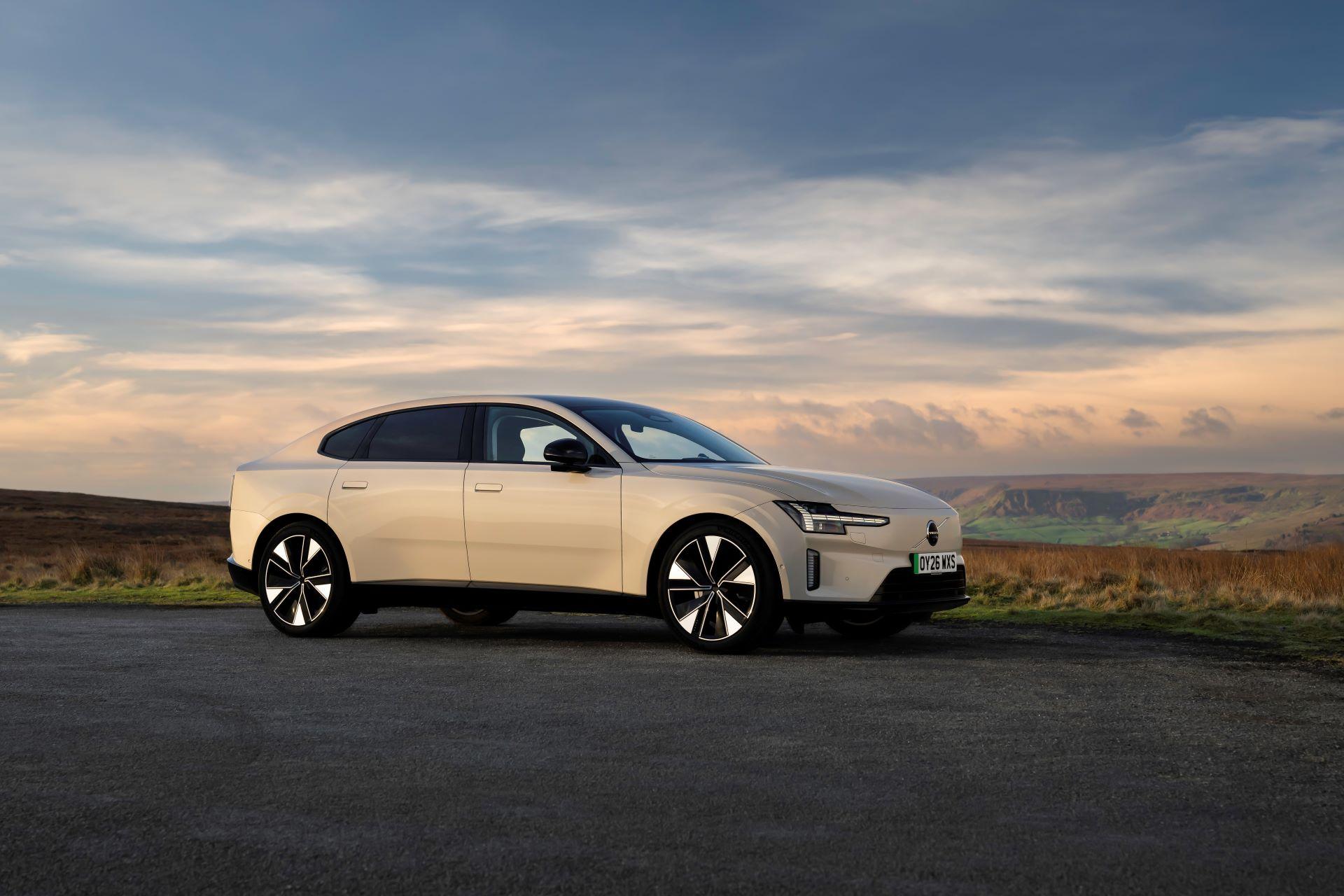
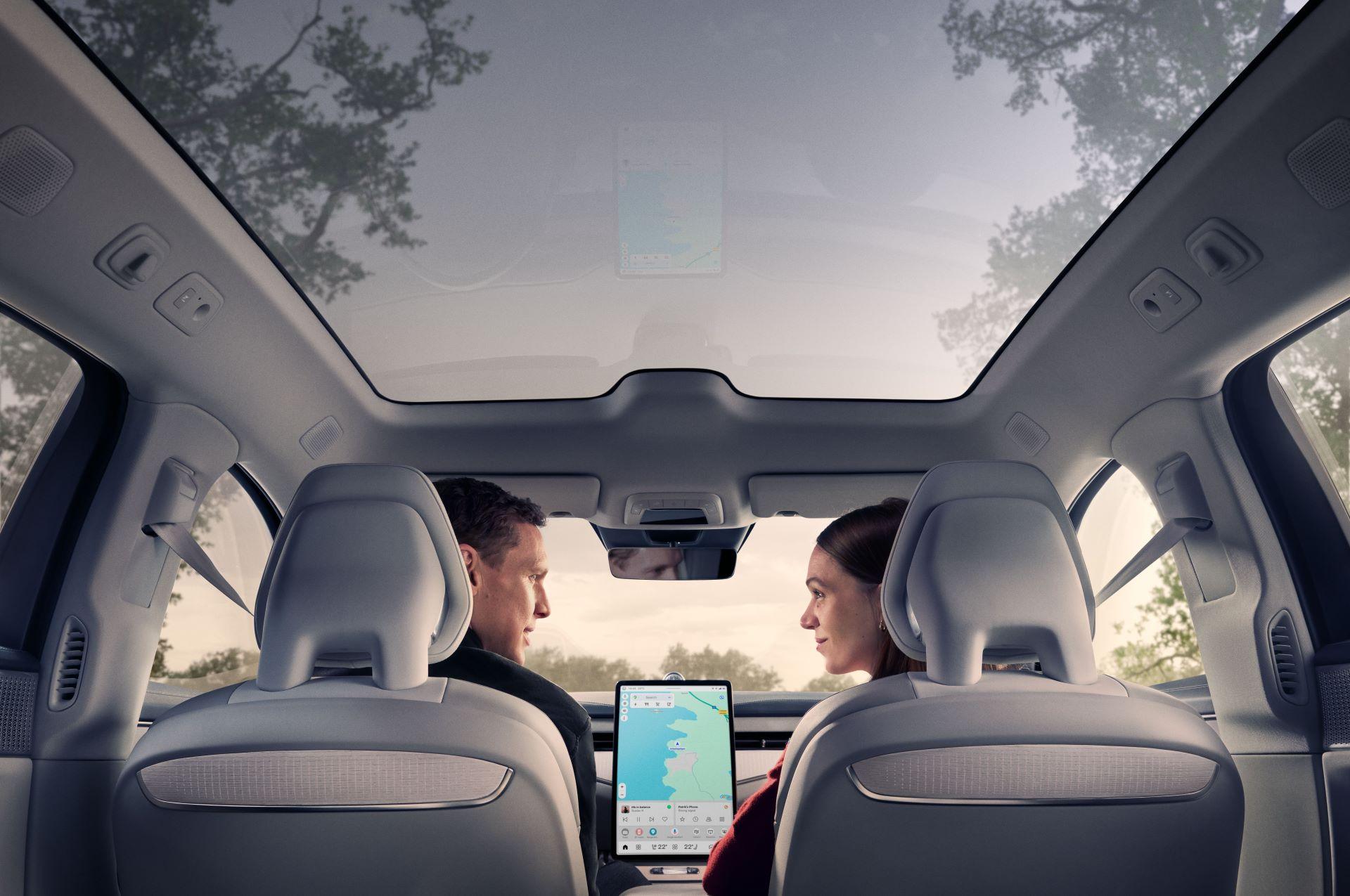
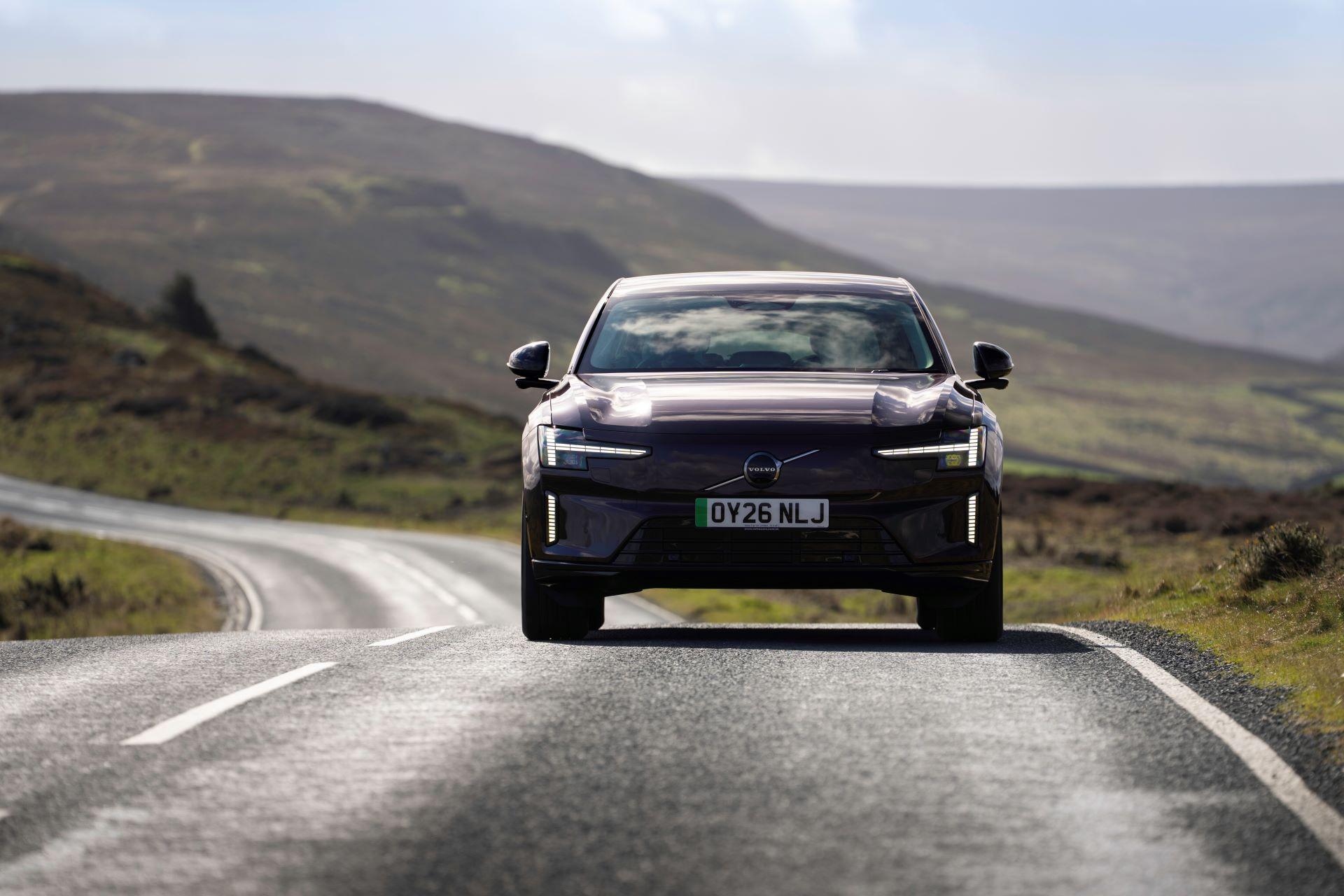
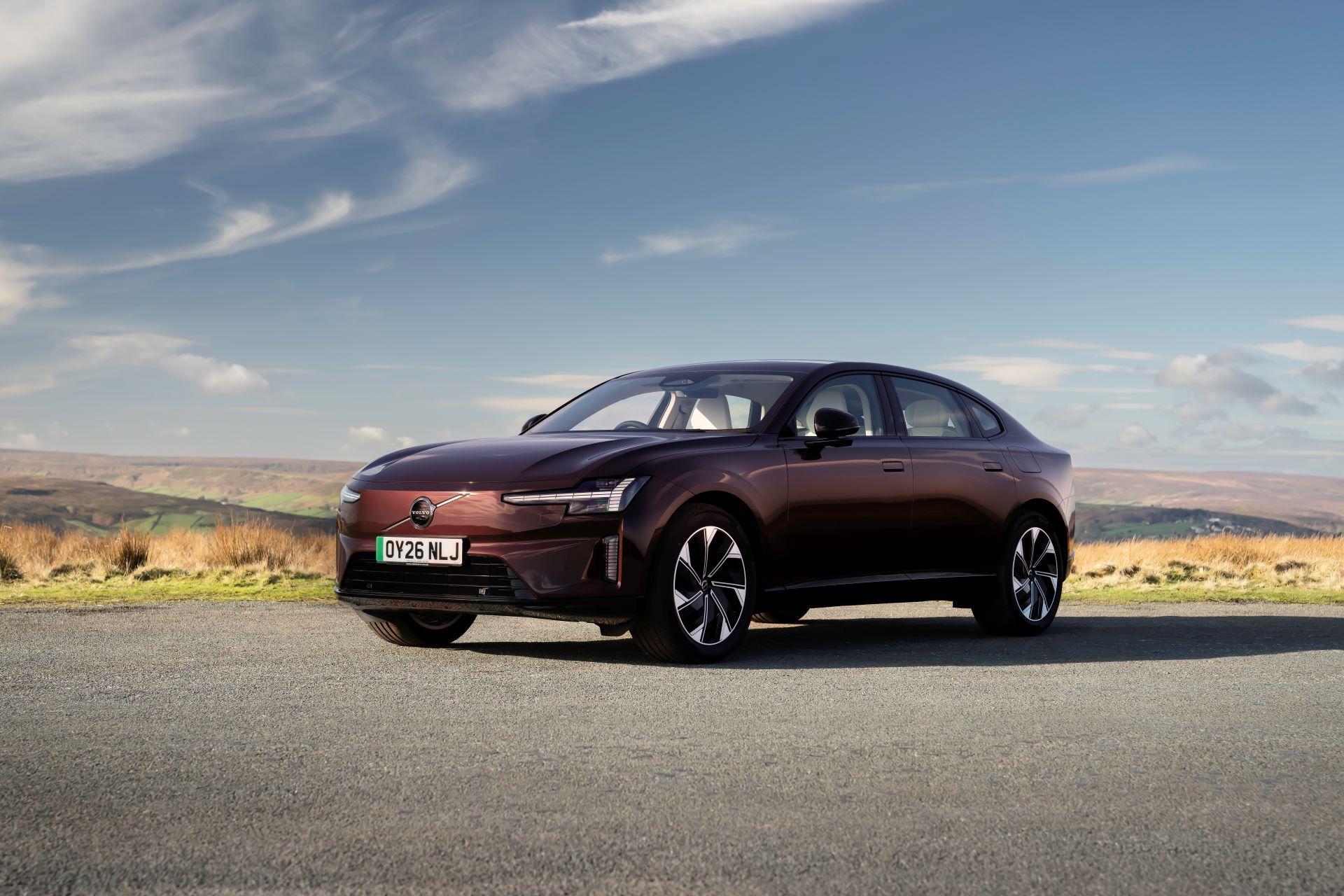
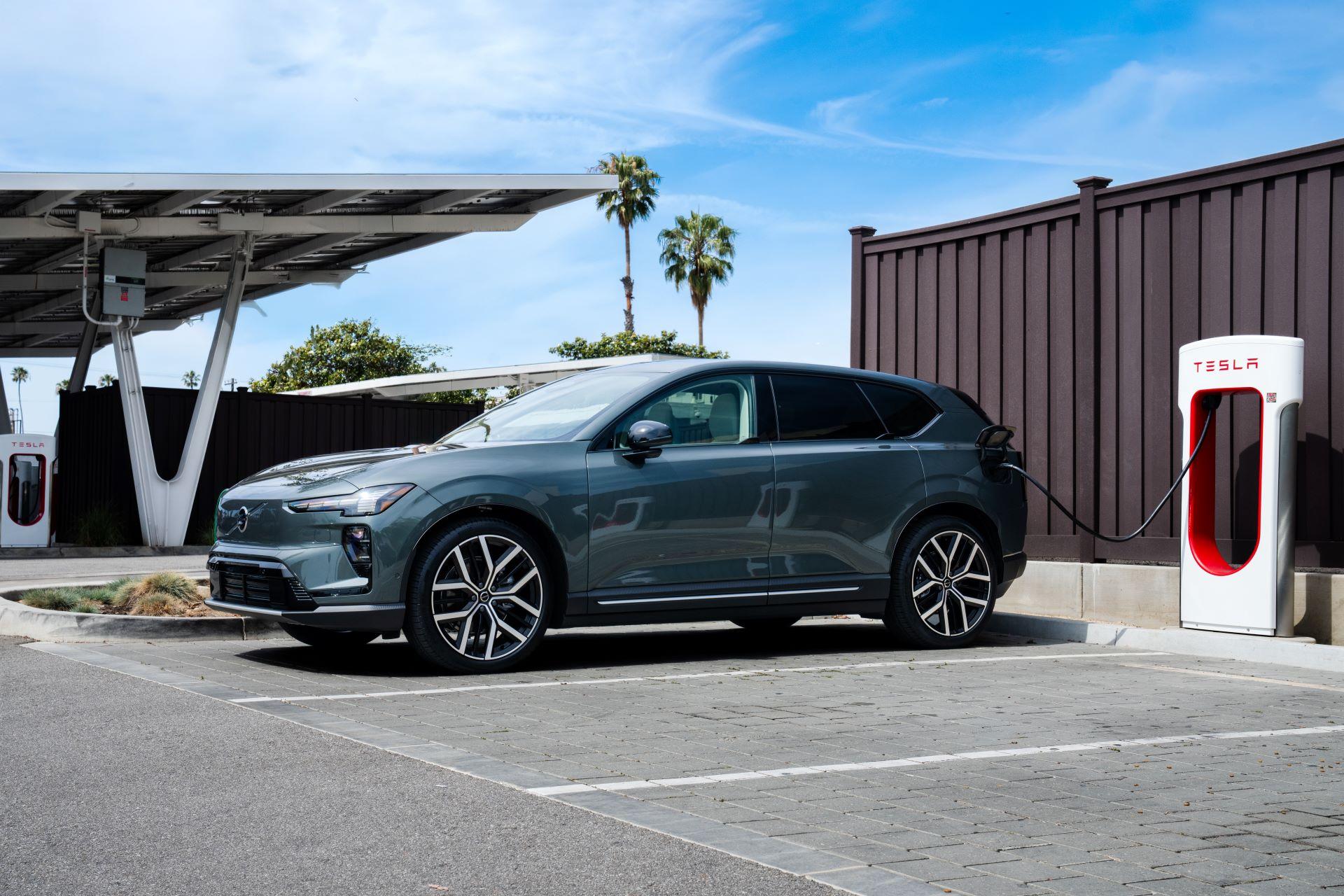
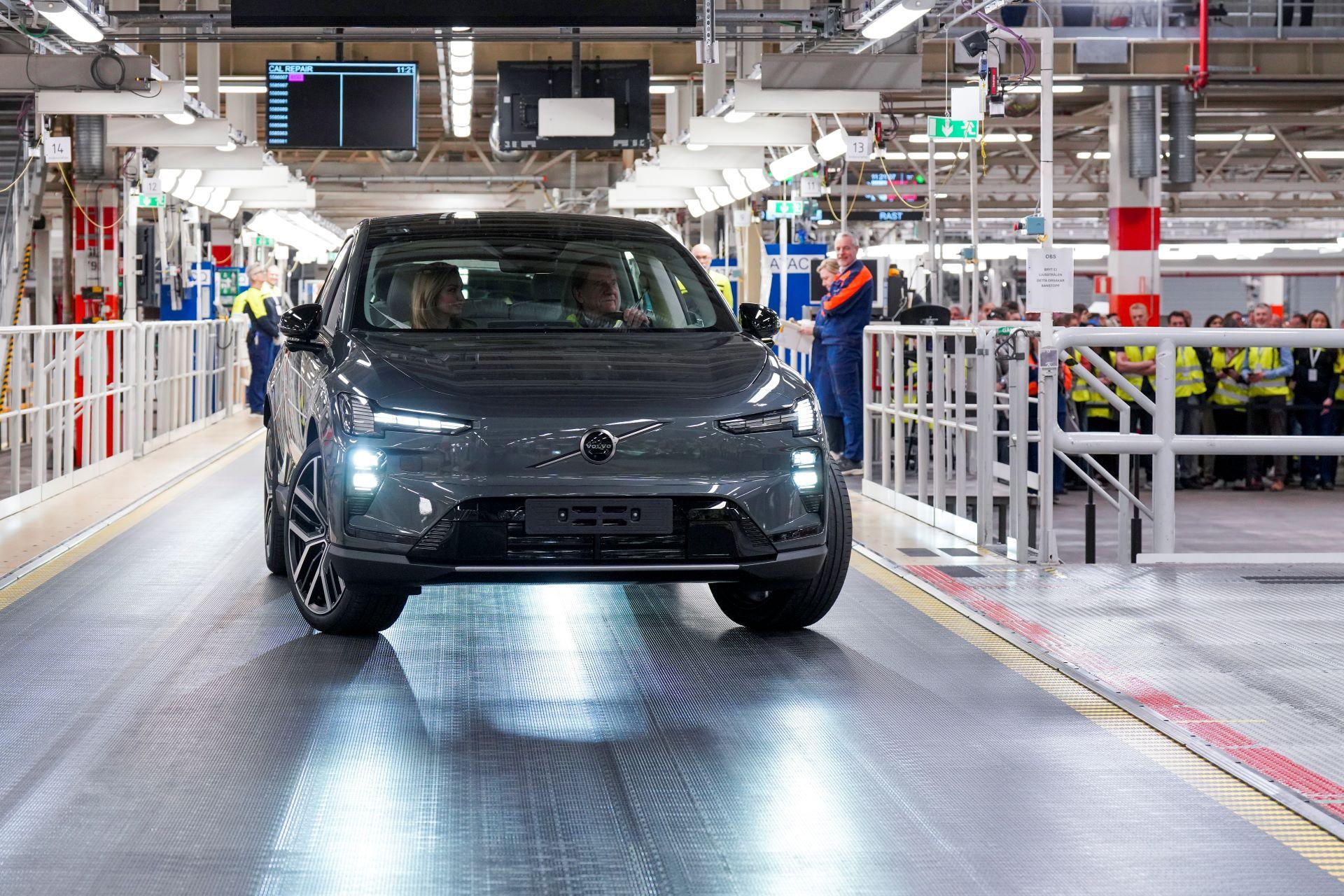
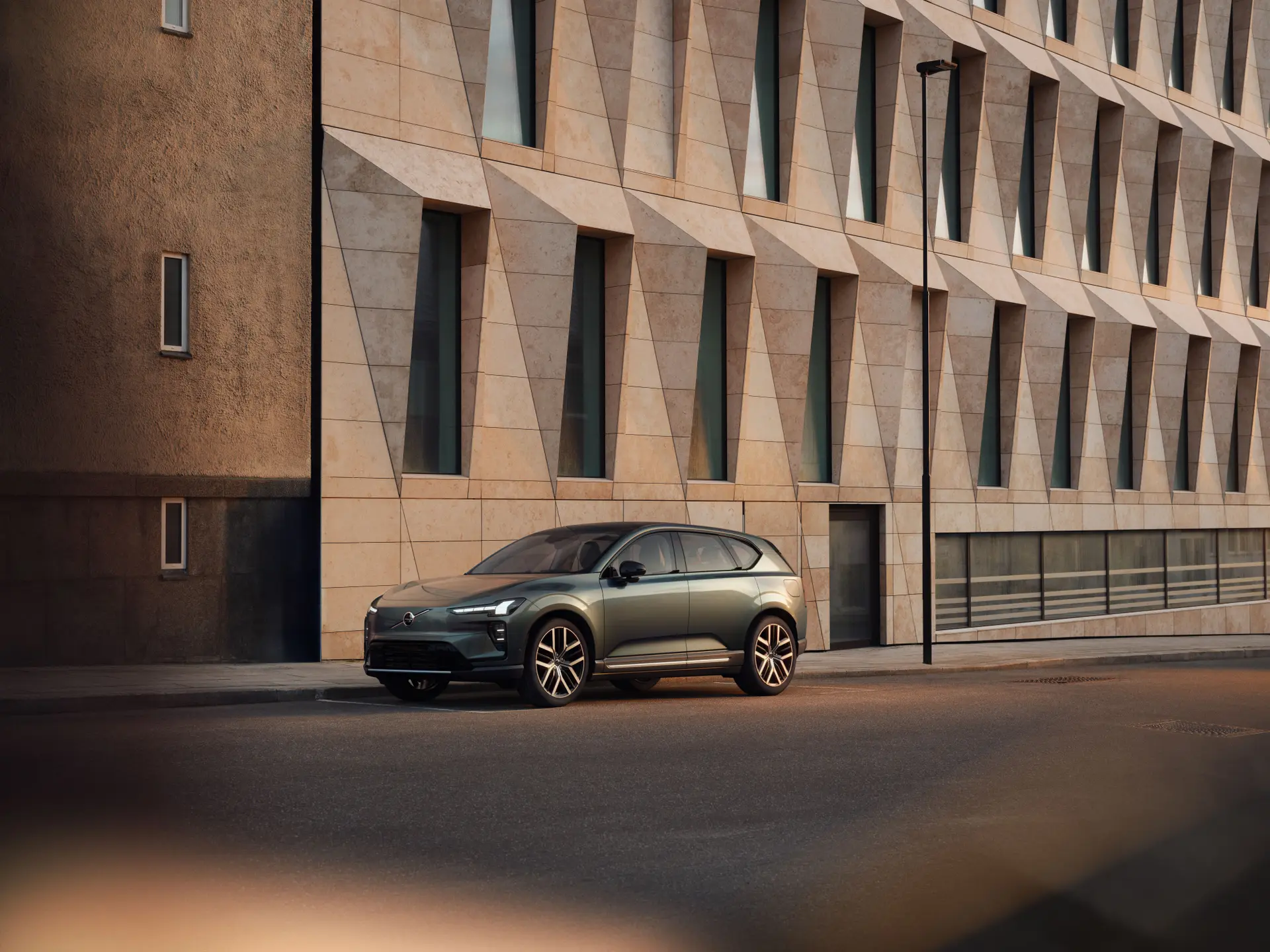
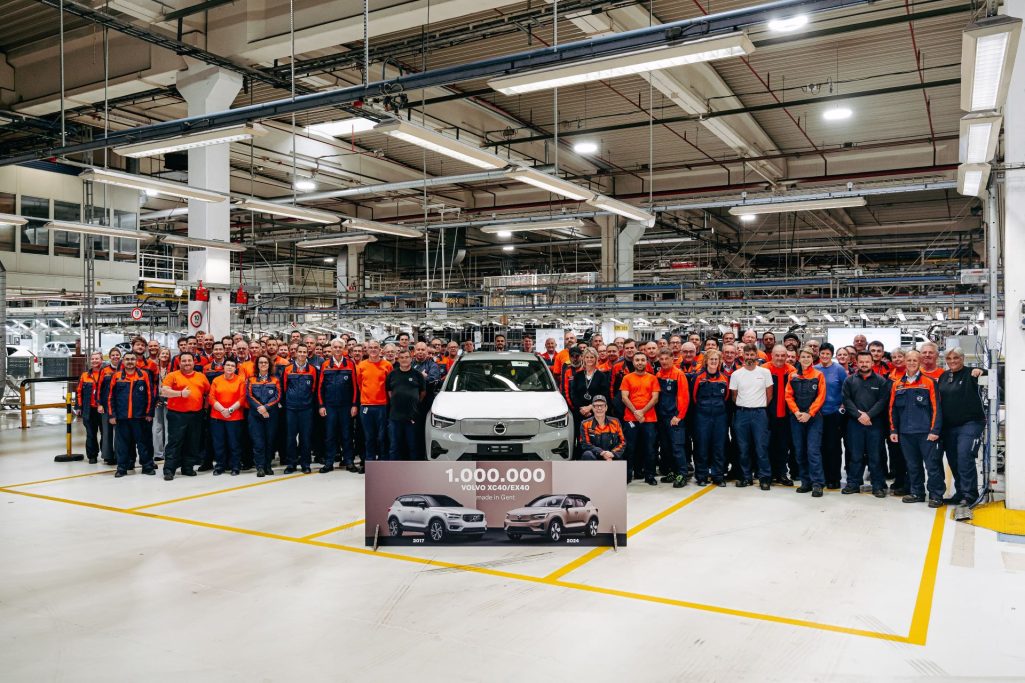
In just seven years, Volvo’s Ghent manufacturing plant in Belgium has reached a remarkable milestone: the production of its one-millionth XC40/EX40. This achievement highlights both the enduring global popularity of Volvo’s small premium SUV and the brand’s commitment to building cars where they are sold.
“We passed a very important milestone in the history of Volvo Car Gent today, and I’m very proud to announce that we have produced our one-millionth XC40/EX40,” said Stefan Fesser, Plant Manager at the Ghent facility. “With our dedicated and highly skilled team, we are following our strategy towards electrification, demonstrated by the fact that we have already built more than 175,000 fully electric versions of this model.”
A Trailblazer in Premium SUVs
Introduced in September 2017 at a special event in Milan, the XC40 marked a pivotal moment for Volvo, as it was the company’s first-ever small premium SUV. The model was an instant success, garnering global attention and taking home the prestigious European Car of the Year award in 2018—the first Volvo model in history to do so.
In 2020, the XC40 became available as a fully electric version, making it the first Volvo to embrace electrification at scale. This move paved the way for Volvo to establish itself as a leader in the premium electric vehicle (EV) market. The electric version of the XC40 also introduced over-the-air software updates, further enhancing its technological appeal by allowing continuous improvements over time. Powering the electric variant are Volvo’s in-house-developed electric motors, underscoring the company’s focus on self-sufficiency and innovation in the EV space.
Earlier this year, as part of Volvo’s streamlined naming strategy for electric vehicles, the pure electric XC40 was renamed the EX40. While the plug-in hybrid version of the XC40 was discontinued last year, the mild-hybrid XC40 continues to be a mainstay in Volvo’s lineup.
Global Bestseller
Since its debut, the XC40 has remained one of Volvo’s three best-selling models globally. In 2023, it ranked as the second-best-selling vehicle in Volvo’s portfolio, surpassed only by the larger XC60. This success story continues, as the XC40 remains the second-best-seller for the first nine months of 2024.
The fully electric EX40 is now part of Volvo’s growing lineup of five fully electric models. With five more electric models currently in development, Volvo’s journey towards full electrification is well underway. By 2030, the brand aims for 90 to 100 percent of all Volvo cars sold worldwide to be electric, with the remaining portion comprised of mild hybrids, if necessary.
Ghent: The Beating Heart of Volvo’s Electrification Strategy
The introduction of the XC40 marked the beginning of a new era for the Ghent plant. Volvo made significant investments to transform the facility into a global export hub, positioning it as a critical player in the brand’s long-term electrification strategy.
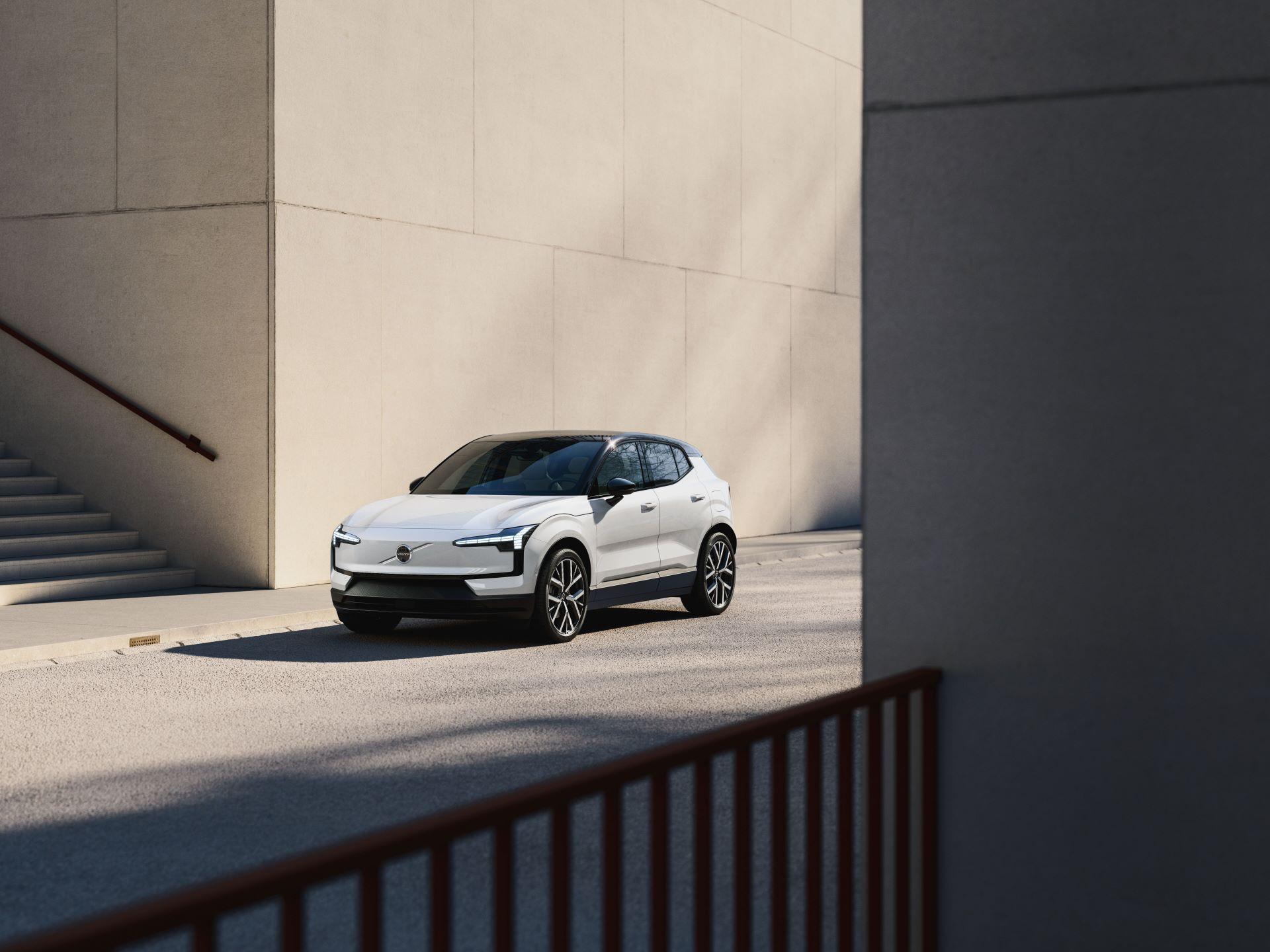
The Ghent plant’s role in this strategy is far from over. Volvo is continuing to invest heavily in the facility to prepare it for the production of the highly anticipated EX30, a fully electric model, which will start rolling off the assembly line in early 2025. This move is part of a broader long-term investment commitment to Europe as Volvo accelerates its transition towards an all-electric future.
Looking Ahead
The success of the XC40 and its electric sibling, the EX40, is a testament to Volvo’s forward-thinking approach in the premium SUV market. As Volvo pushes further into electrification, the milestone of one million XC40/EX40 units produced in Ghent serves as a powerful reminder of the company’s commitment to innovation, sustainability, and building cars that resonate with modern consumers. With the EX30 set to begin production soon and more electric models on the horizon, Volvo’s vision for an electric future continues to take shape.
As Stefan Fesser noted, this milestone is just the beginning: “We are proud of our achievements so far, and we are excited for the future as we continue to evolve towards full electrification.”