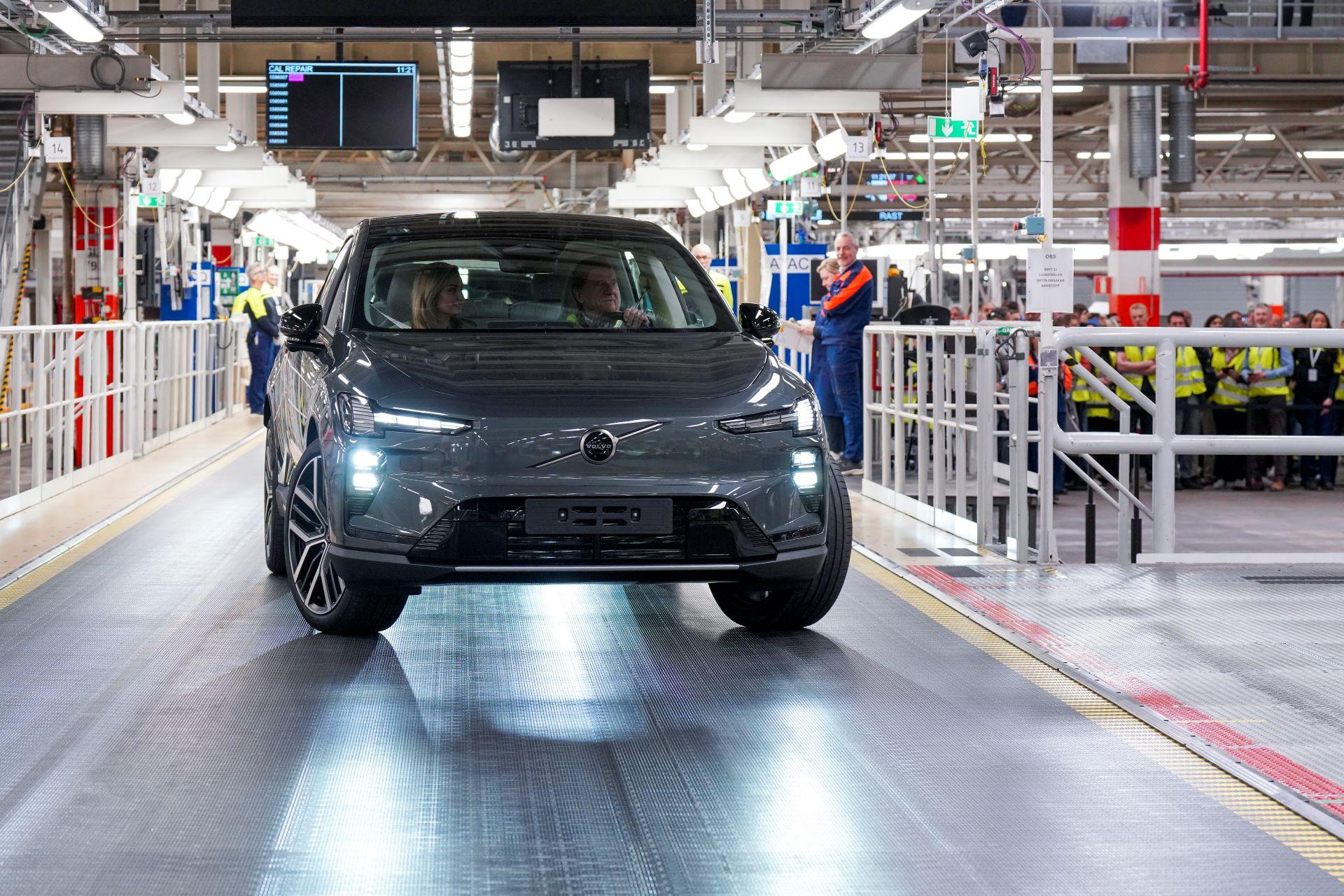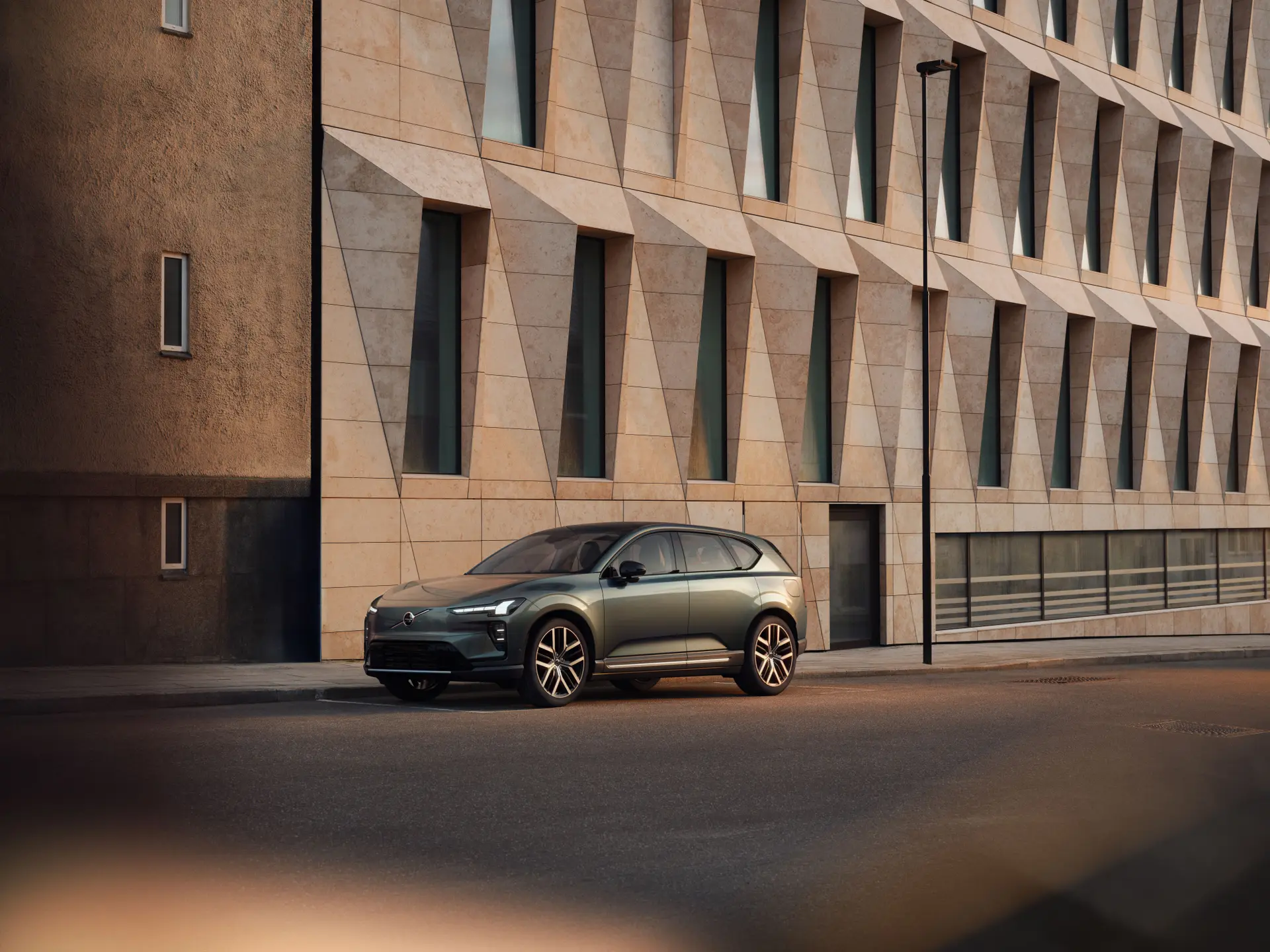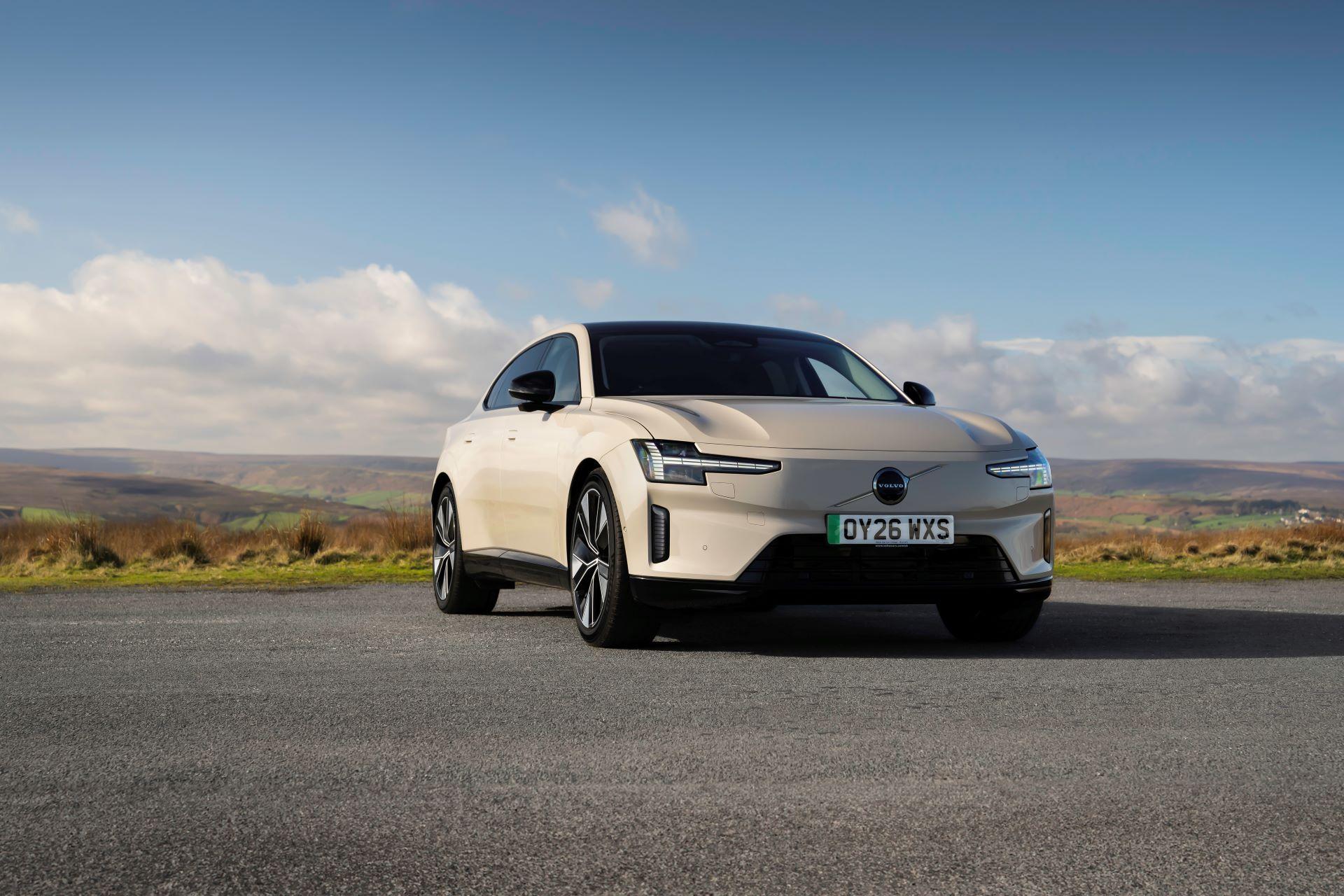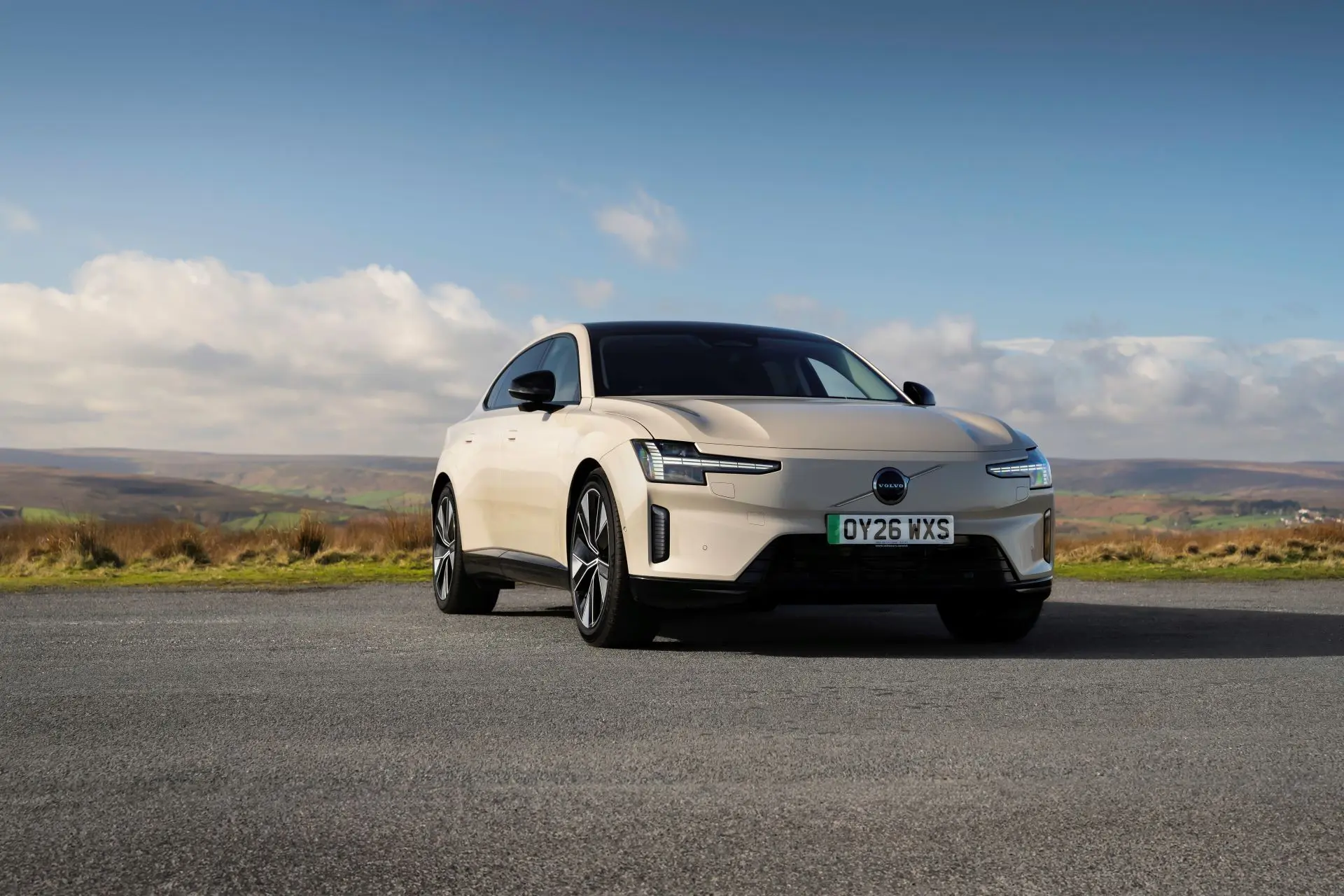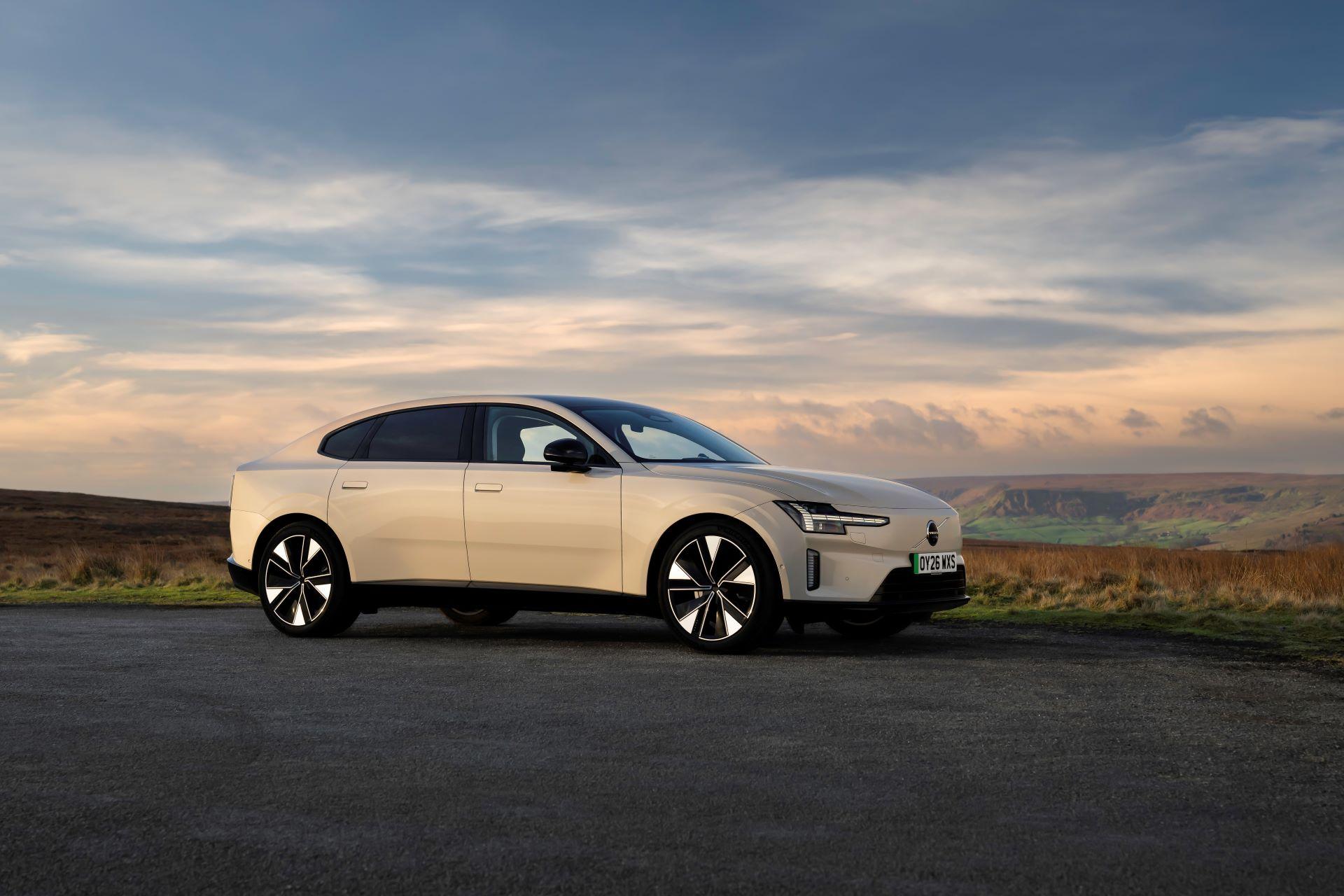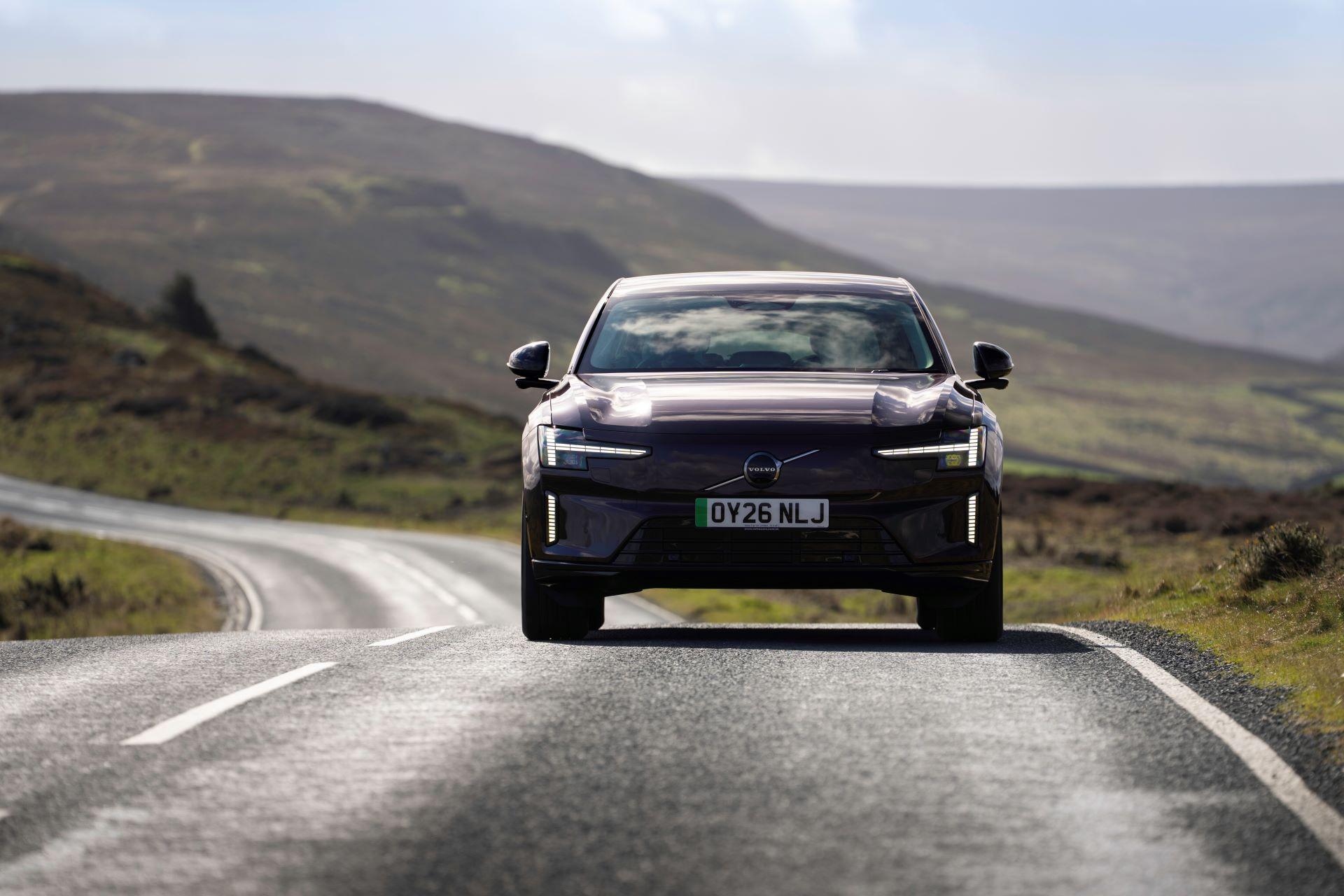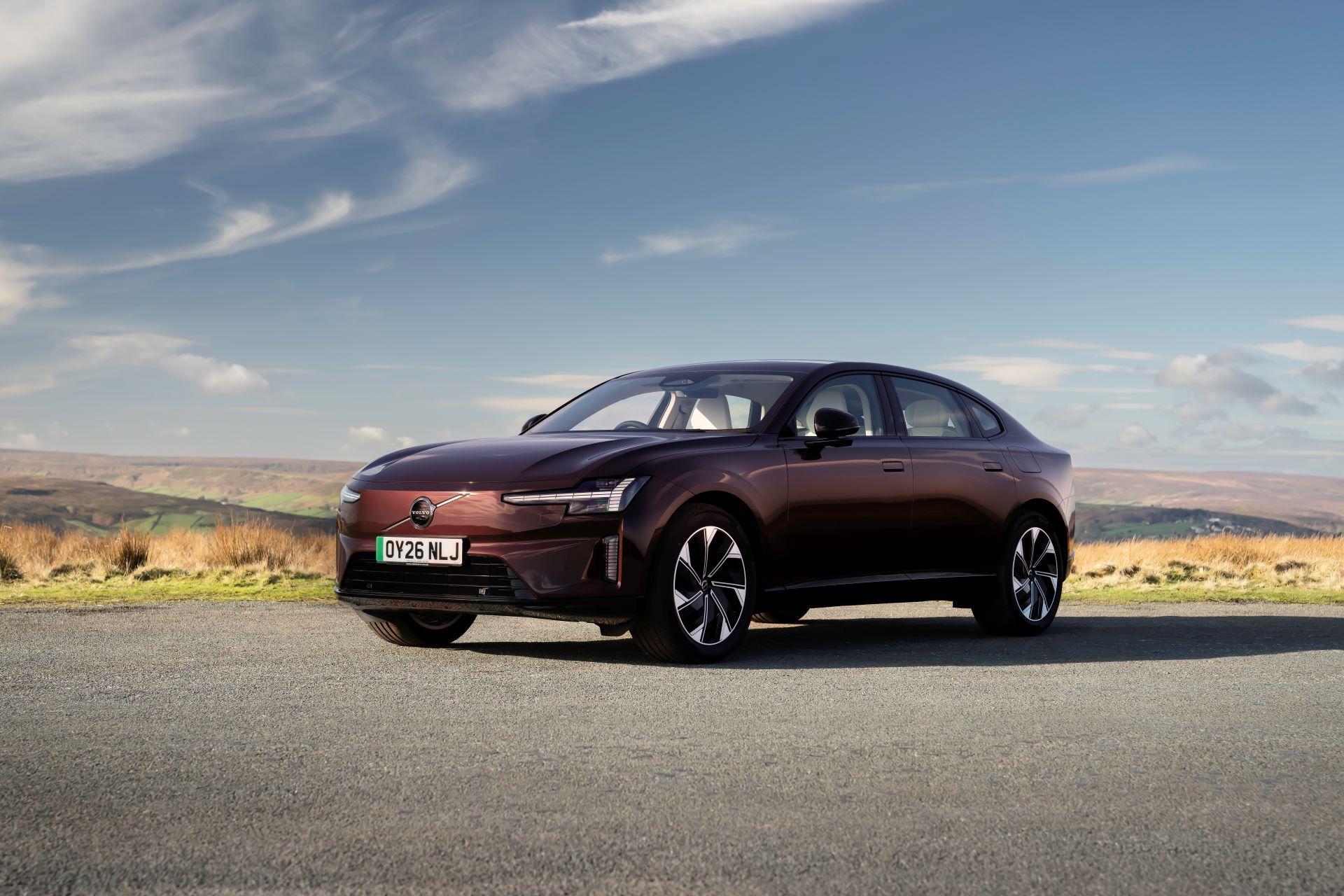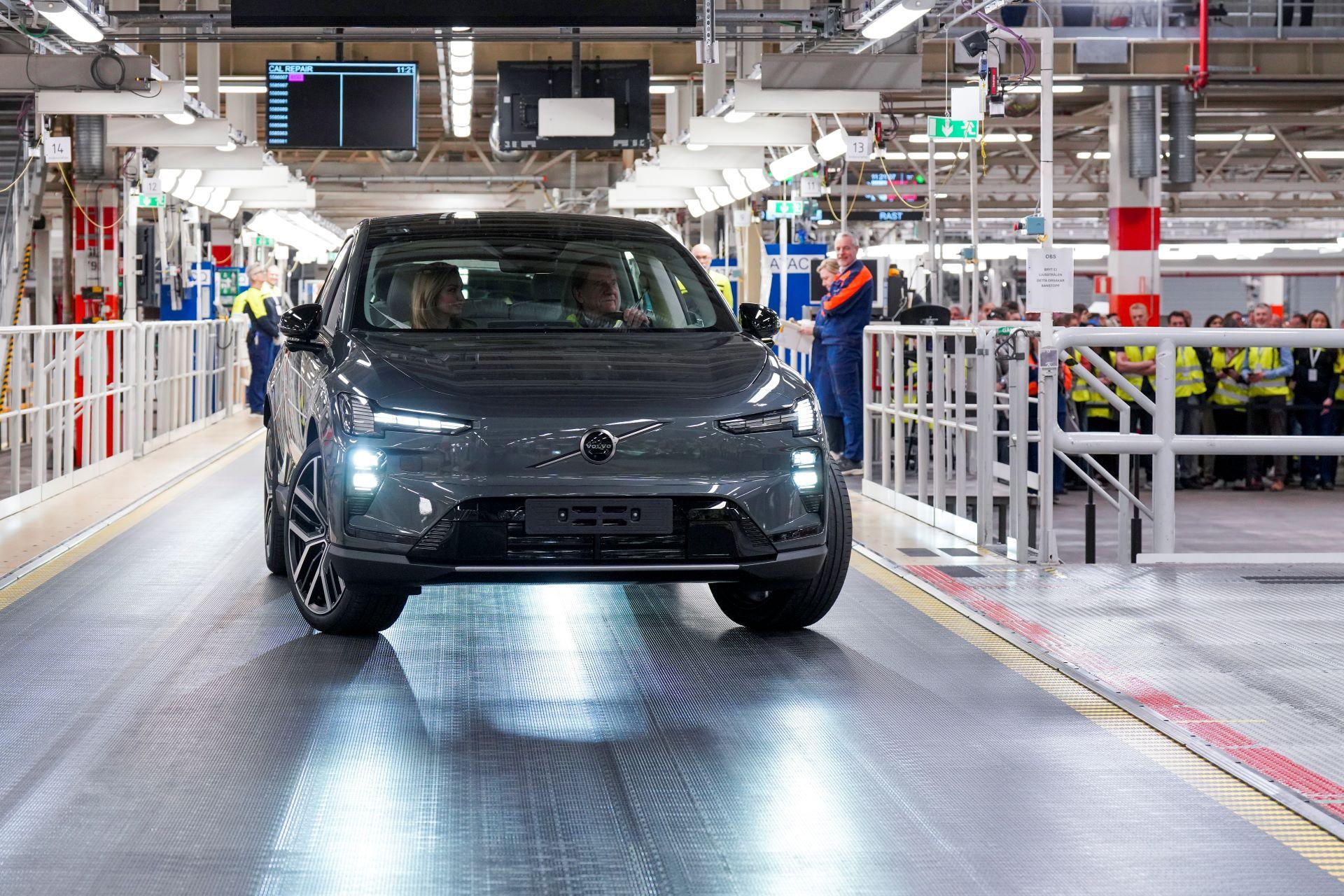
Volvo Cars has officially begun production of its all-new, fully electric EX60, marking a pivotal moment in the company’s transition toward a fully electric future and reinforcing Sweden’s role at the centre of premium EV manufacturing.
The mid-size SUV is being built at Volvo Cars’ Torslanda plant in Gothenburg, located just outside the company’s headquarters. It is the first fully electric Volvo to be designed, developed, and manufactured entirely in Sweden, underscoring a long-term commitment to strengthening domestic engineering and production capabilities.
Early demand for the EX60 has already exceeded expectations across key European markets, including Sweden and Germany. Retail orders have come in significantly above internal forecasts in nearly all major European regions, prompting Volvo Cars to increase planned production volumes for 2026. Order books for the United States and Asia are set to open later this spring, further expanding global momentum.
In response to this strong demand, Volvo Cars is preparing for a carefully managed production ramp-up. The company has also indicated that it may extend operations at the Torslanda plant by an additional week this summer, a first in its history, to support increased output.
Volvo Cars CEO Håkan Samuelsson described the start of production as an important milestone for both the company and Sweden. He noted that the focus now shifts to scaling production efficiently while maintaining high quality standards, with the EX60 positioned as a key driver of profitable growth in the coming years.
The EX60 programme is backed by approximately SEK 10 billion in investment at the Torslanda facility. Upgrades include mega casting capabilities, a new battery assembly plant, and a fully modernised paint shop and final assembly line, all designed to support next-generation electric vehicle production at scale.
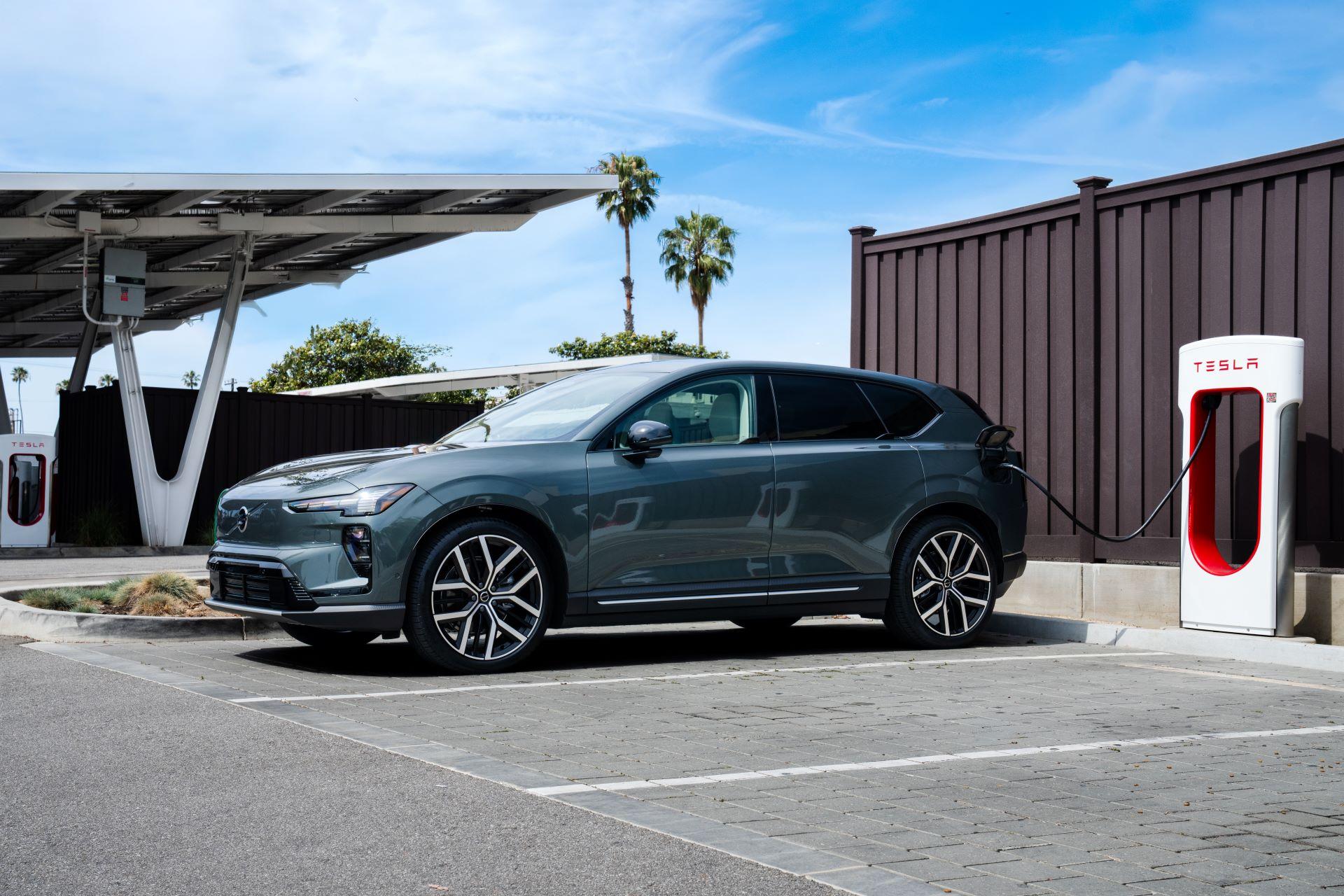
Performance is central to the EX60’s appeal. The vehicle delivers a class-leading driving range of up to 503 miles and can charge from 10 to 80 per cent in just 16 minutes under optimal conditions. It is priced in line with Volvo’s best-selling XC60 plug-in hybrid, making it a key model in the company’s transition strategy toward full electrification.
Beyond its product significance, the EX60 is expected to have a meaningful economic impact. With projected volumes, it is set to become one of Sweden’s largest export products in terms of value, strengthening Western Sweden’s position as a leading automotive manufacturing and development hub.
Volvo Cars notes that range and charging figures are based on WLTP testing under controlled conditions, and real-world performance will vary depending on driving style, temperature, terrain, and other external factors.
With production now underway, the EX60 stands as a defining model for Volvo Cars, combining industrial investment, technological advancement, and global market demand into a single, strategically important vehicle programme.