



Volvo Cars has reached a milestone that places it at the very top of the automotive software hierarchy, earning the highest possible ranking for software-defined vehicle capability from S&P Global Mobility. In an industry where legacy manufacturers are still learning to think in code as much as steel, Volvo stands alone as the only traditional carmaker to achieve Level 5 SDV capability.
This recognition signals more than just technical progress. It reflects a fundamental shift in how vehicles are designed, developed and experienced. Software is no longer a supporting act tucked behind mechanical engineering; it has become the central nervous system of the modern car. For Volvo, this means vehicles that evolve over time, improving long after they leave the showroom floor.
At the core of this transformation is the ability to deliver over-the-air updates that can meaningfully enhance a vehicle’s performance and functionality. Features that once required a dealership visit can now arrive silently overnight, like a digital upgrade whispering through the car’s systems. Safety functions can be refined, charging speeds increased, range extended and user interfaces reimagined without the owner lifting a finger. The car becomes less of a static product and more of a living platform, continuously shaped by data and innovation.
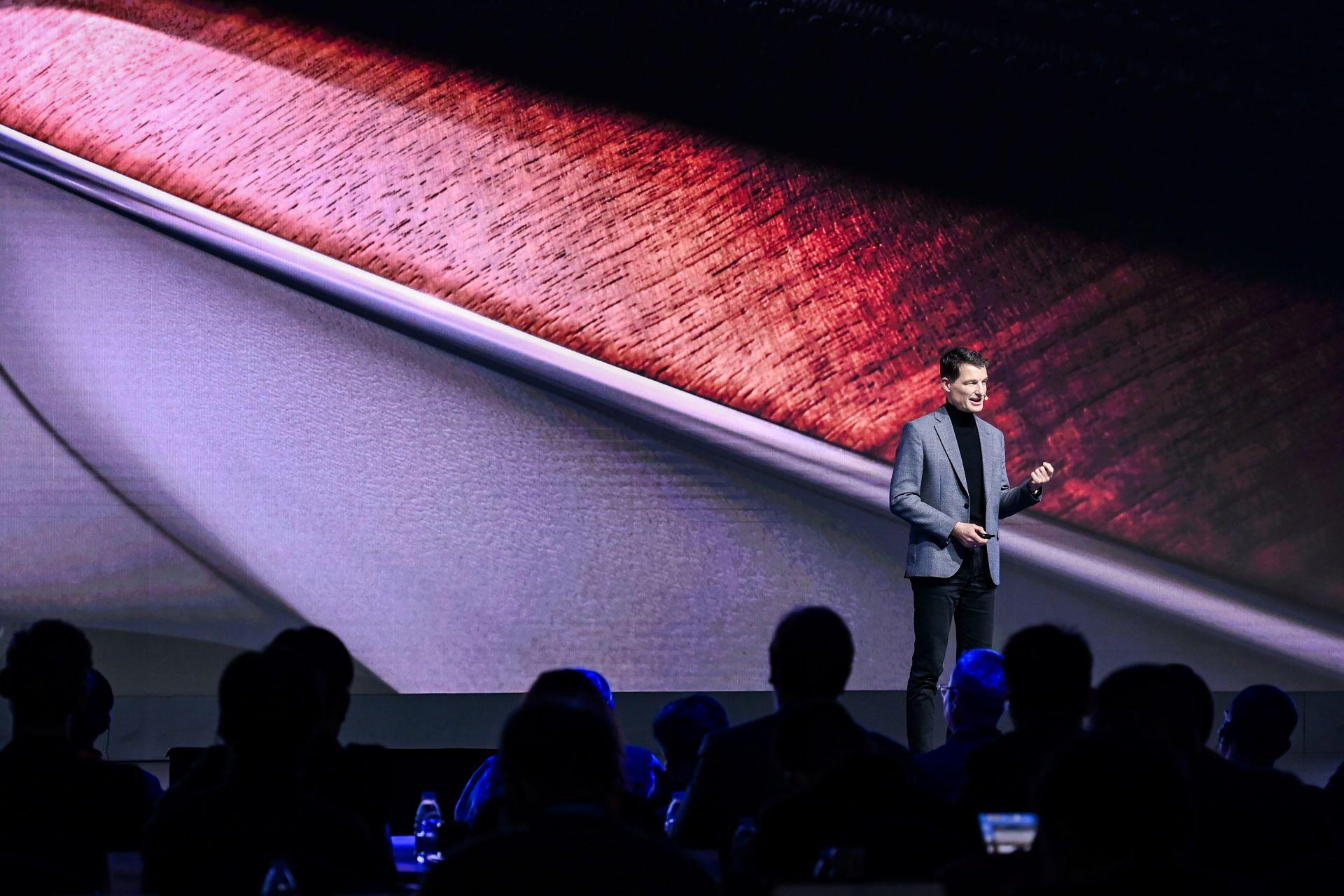
According to CEO Håkan Samuelsson, this achievement is the result of years of focused engineering investment. That effort has enabled Volvo to accelerate both development speed and customer experience, creating a step change that few competitors have managed to match. In practical terms, this means faster iteration cycles, smarter vehicles and a tighter feedback loop between real-world driving data and future system improvements.
The implications for safety are particularly significant. Software-defined vehicles allow Volvo to process vast streams of real-world data and convert them into actionable insights. These insights feed directly into the development of advanced driver assistance systems and future safety technologies, reinforcing the brand’s long-standing reputation for protecting occupants and other road users. Instead of waiting for generational model updates, improvements can be deployed continuously, raising the safety baseline across the entire fleet.

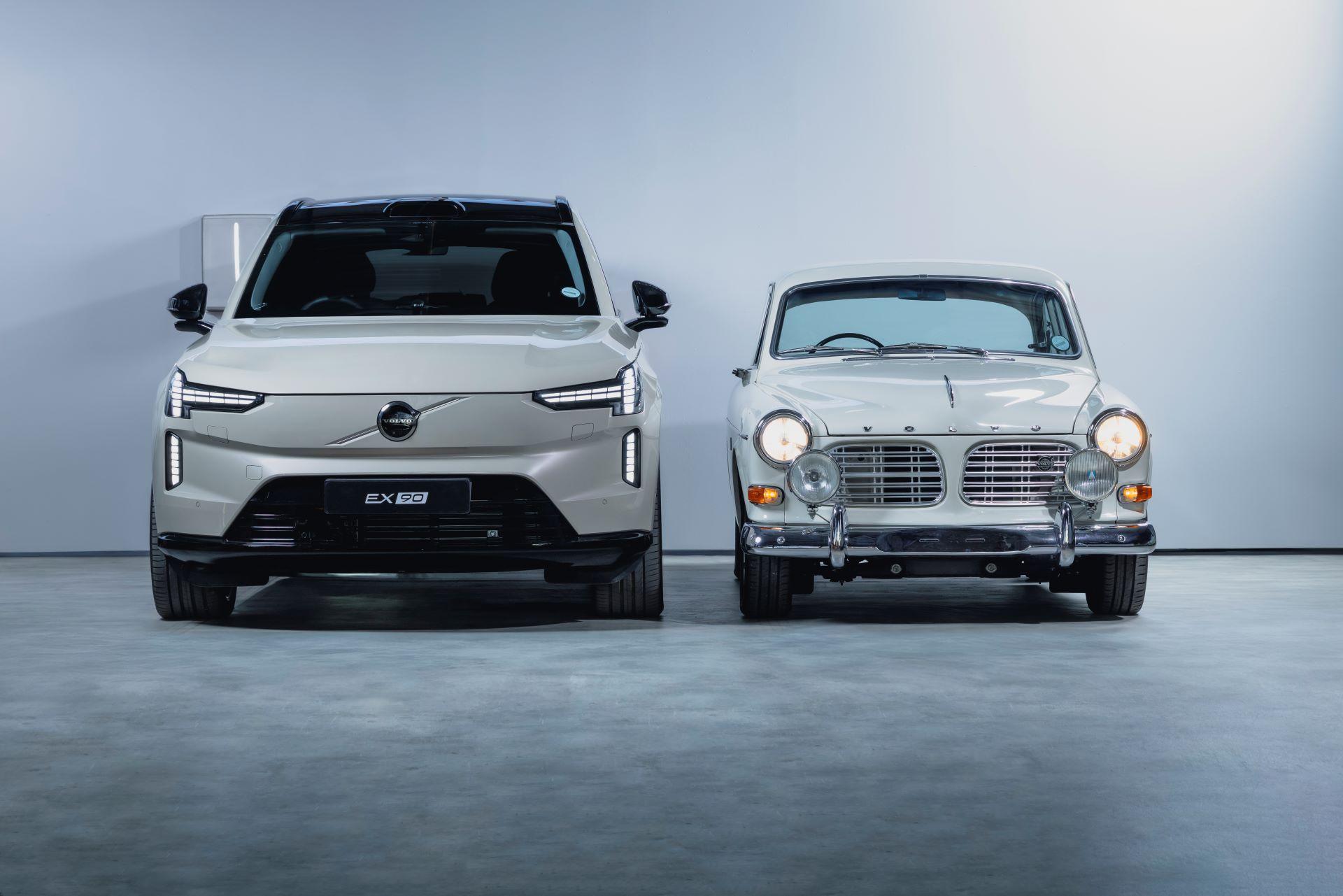
Powering this capability is Volvo’s in-house developed core system, HuginCore™. This integrated platform brings together electrical architecture, core computing, zone controllers and software into a unified framework. It serves as the digital backbone for the company’s next-generation models, including the EX90, ES90 and EX60. By standardising this architecture across vehicles, Volvo can scale innovations rapidly, ensuring that advancements are not isolated to a single model but distributed across its lineup.
The result is a more cohesive ecosystem where hardware and software operate in sync, enabling faster innovation cycles and more consistent user experiences. It also allows Volvo to future-proof its vehicles, ensuring they remain relevant in a rapidly evolving technological landscape.
S&P Global Mobility’s recognition underscores the significance of this achievement. As a leading authority in automotive intelligence, its evaluation highlights not only Volvo’s current capabilities but also its readiness for a future where software defines the competitive edge. In reaching Level 5 SDV capability, Volvo has effectively crossed a threshold, moving from adaptation to leadership in the software-driven era of mobility.
For customers, this translates into vehicles that improve with time, blending performance, safety and convenience into a dynamic, ever-evolving package. For the industry, it sets a benchmark that will be difficult to ignore. And for Volvo, it marks the culmination of a transformation that is as much about rewriting its DNA as it is about rewriting code.