

Volkswagen Accelerates Carbon Neutrality with Green Steel Innovation
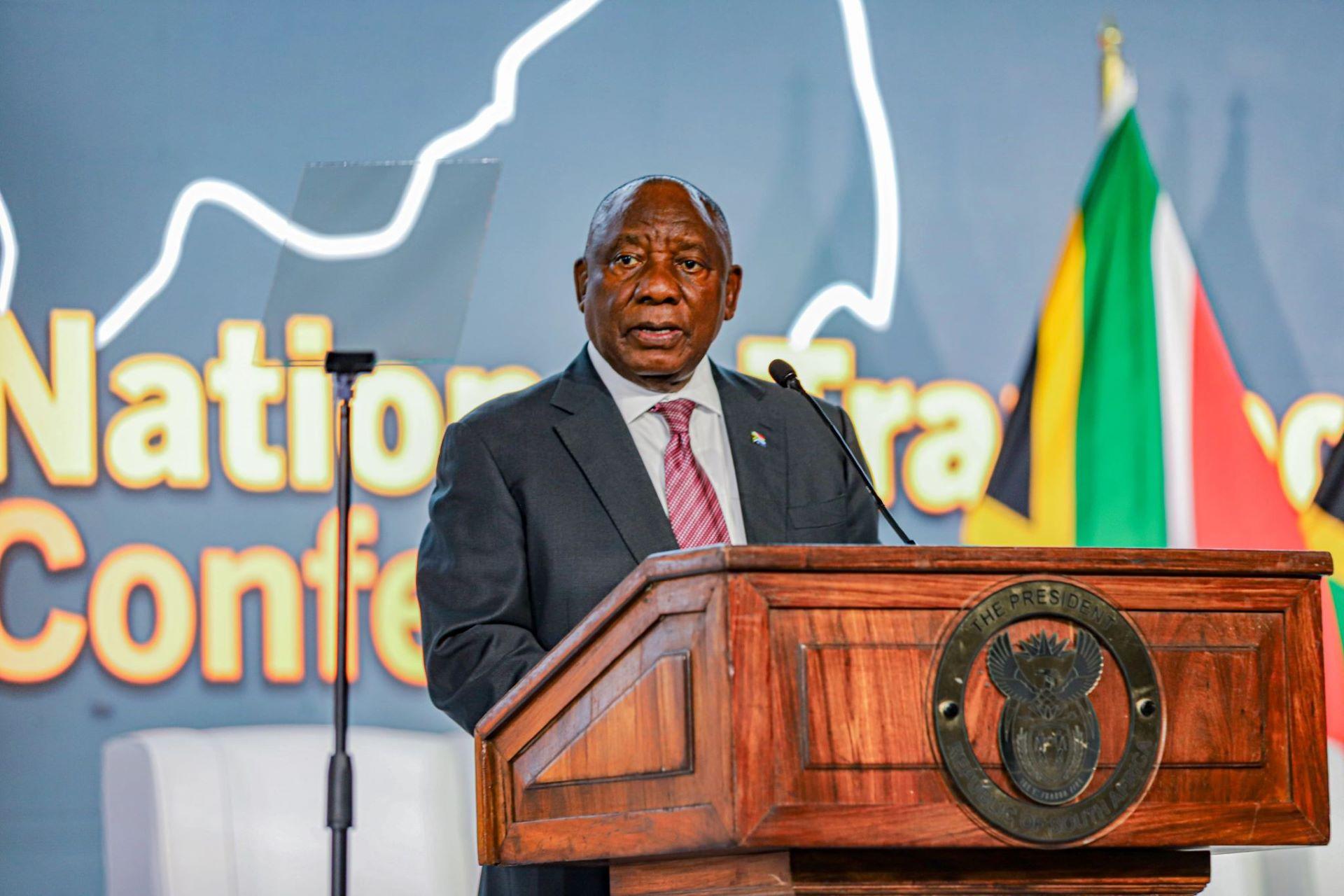
In a bold move towards carbon neutrality by 2050, Volkswagen Group is revolutionizing its supply chains with the integration of low-carbon steel. Dirk Große-Loheide, Member of the Board of Management of the Volkswagen Brand, emphasized the pivotal role of green steel in Volkswagen’s sustainability strategy:
“Decarbonising supply chains is a decisive factor for the Volkswagen Group on the road to carbon neutrality. We want to achieve this goal by 2050 at the latest, and using low-carbon steel is an important step in this direction. Green steel will help us make supply chains at Volkswagen even more environmentally friendly going forward.”
Highlights of Volkswagen’s green steel initiative include:
Significant Supply Coverage: Volkswagen AG plans to cover up to 300,000 tons of Europe’s annual steel requirements with low-carbon steel from 2027 onwards.
Mine to Metal Strategy: The production of flat steel in Oman will be fully vertically integrated, starting from mined iron ore to the generation of green energy and hydrogen, culminating in the production of low-carbon steel through secondary metallurgy.
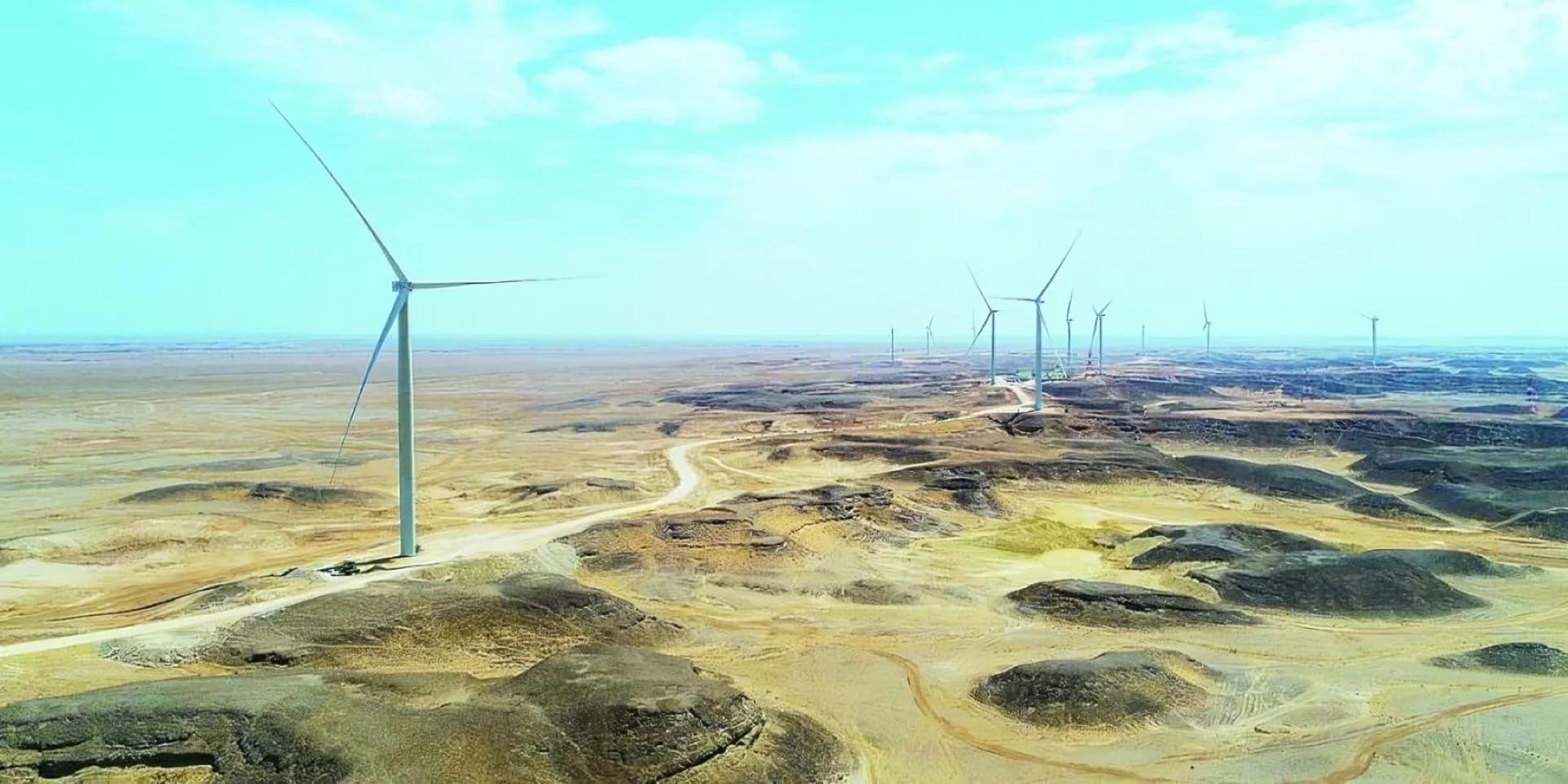
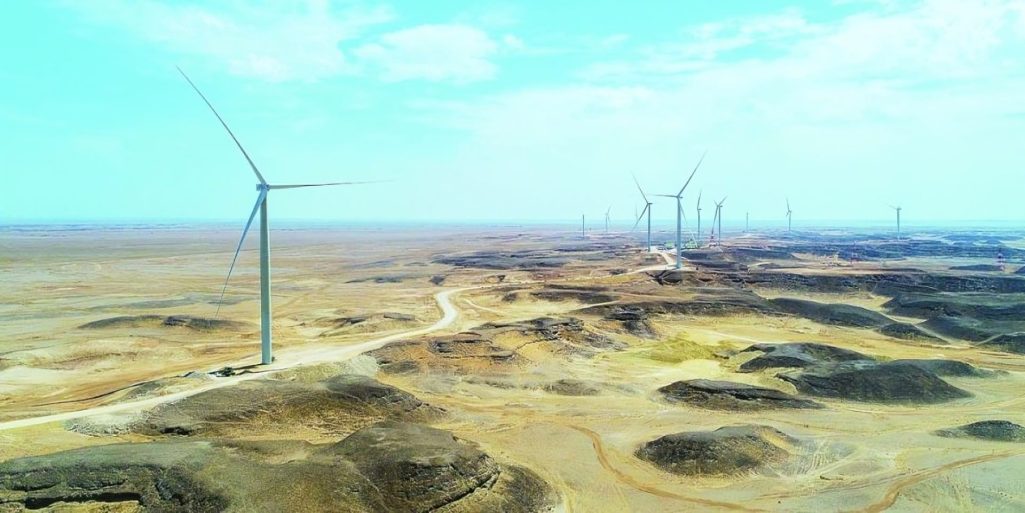
Renewable Energy in Oman: Oman’s abundant wind and solar energy resources provide an ideal foundation for producing green hydrogen, crucial for the low-carbon steel production process.
Cutting-edge Emissions Reduction: Vulcan Green Steel, in partnership with Volkswagen, aims to reduce carbon emissions in steel production by an impressive 70%.
Volkswagen’s strategic partnership with Vulcan Green Steel, as outlined in a Memorandum of Understanding (MoU), marks a cornerstone in their green steel strategy. This collaboration is part of Volkswagen’s broader efforts to expand the usage of green steel across its production lines. Additionally, Volkswagen has bolstered its commitment through partnerships with Salzgitter AG and investments in Swedish green steel manufacturer H2 Green Steel.
The development at Vulcan Green Steel’s facility in Oman is set to commence operations in 2026, with automotive-grade and high-strength steels slated for production by 2027. Initially powered by natural gas, the facility will transition to green energy, achieving a remarkable 70% reduction in carbon emissions upon completion.