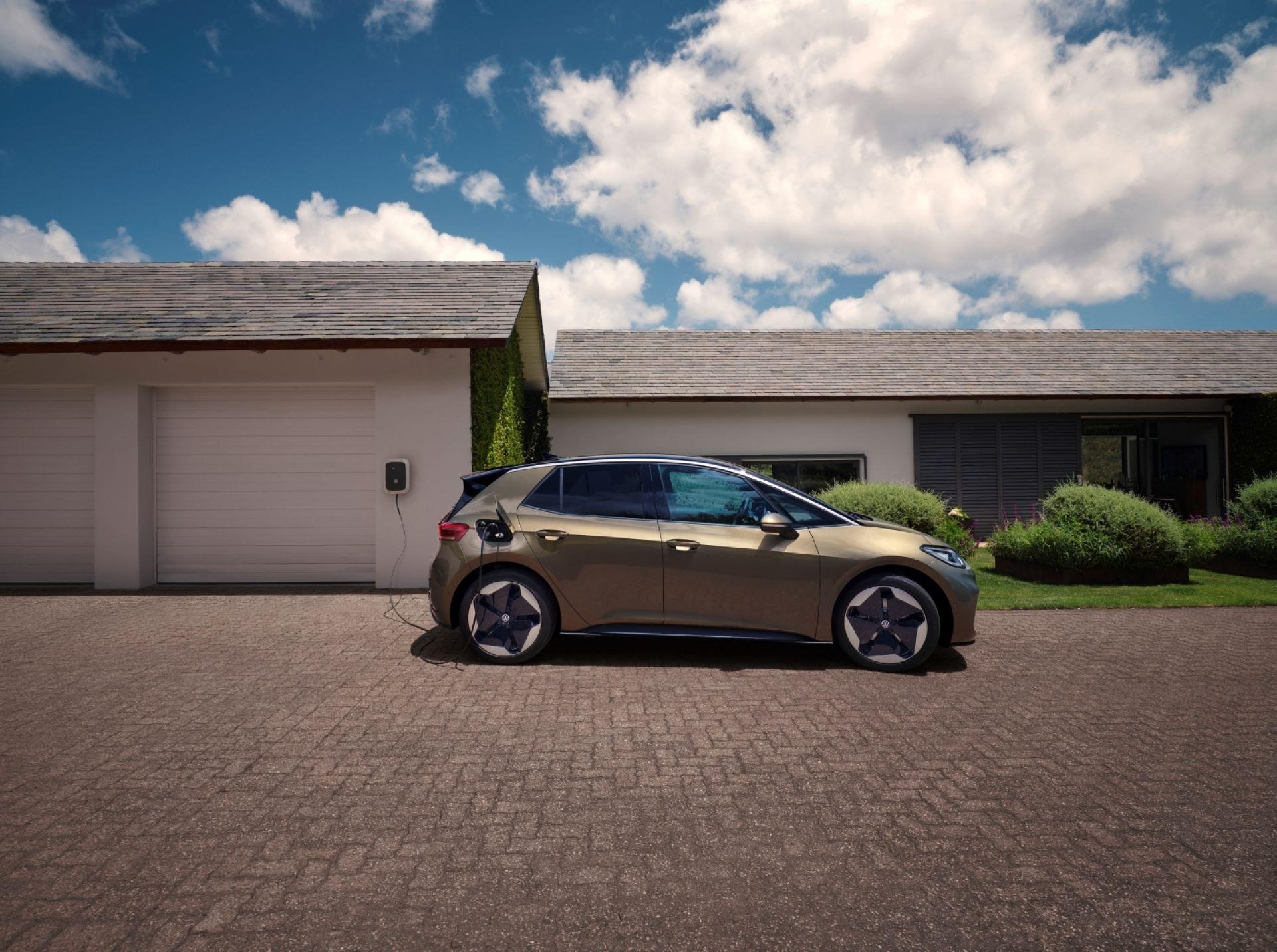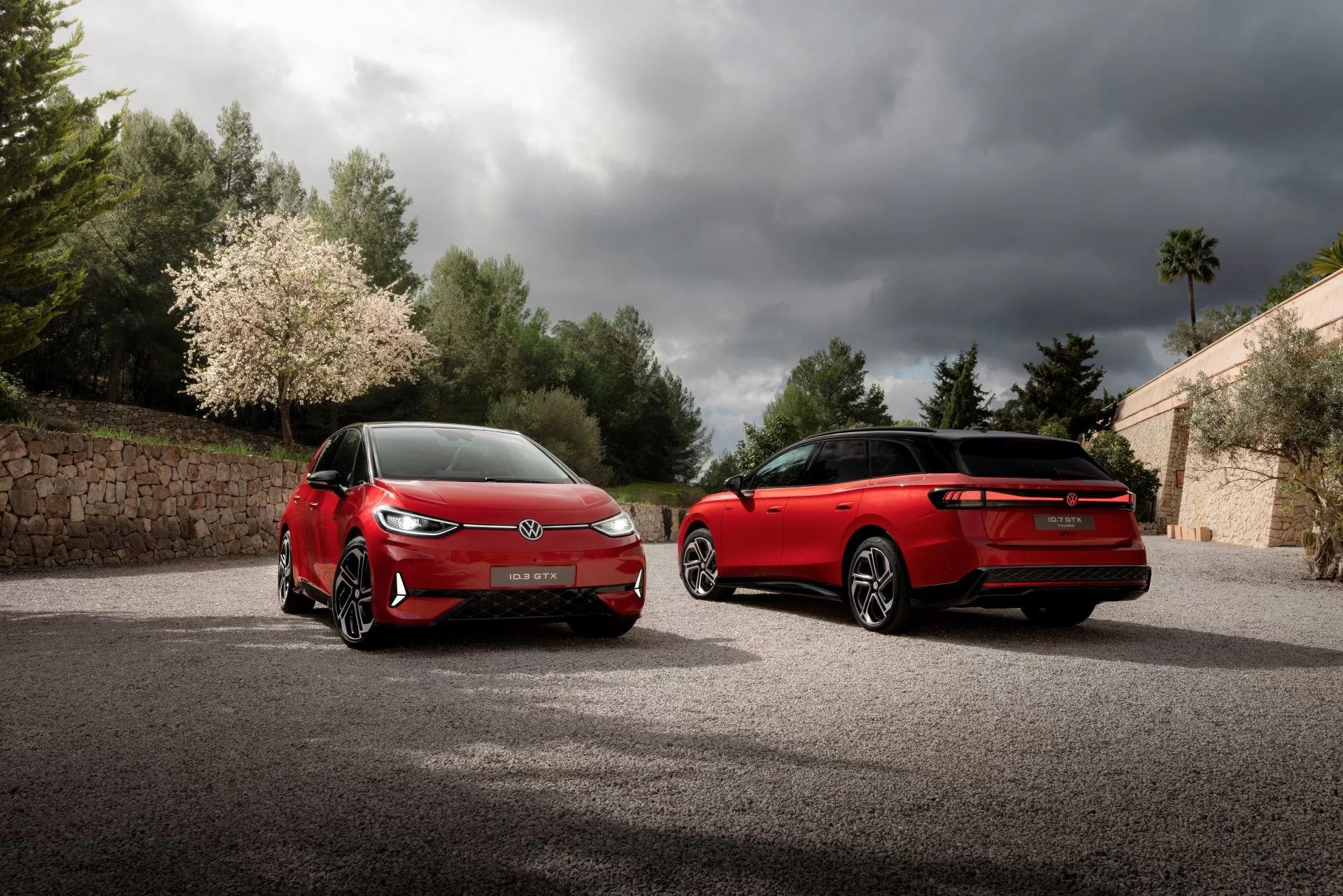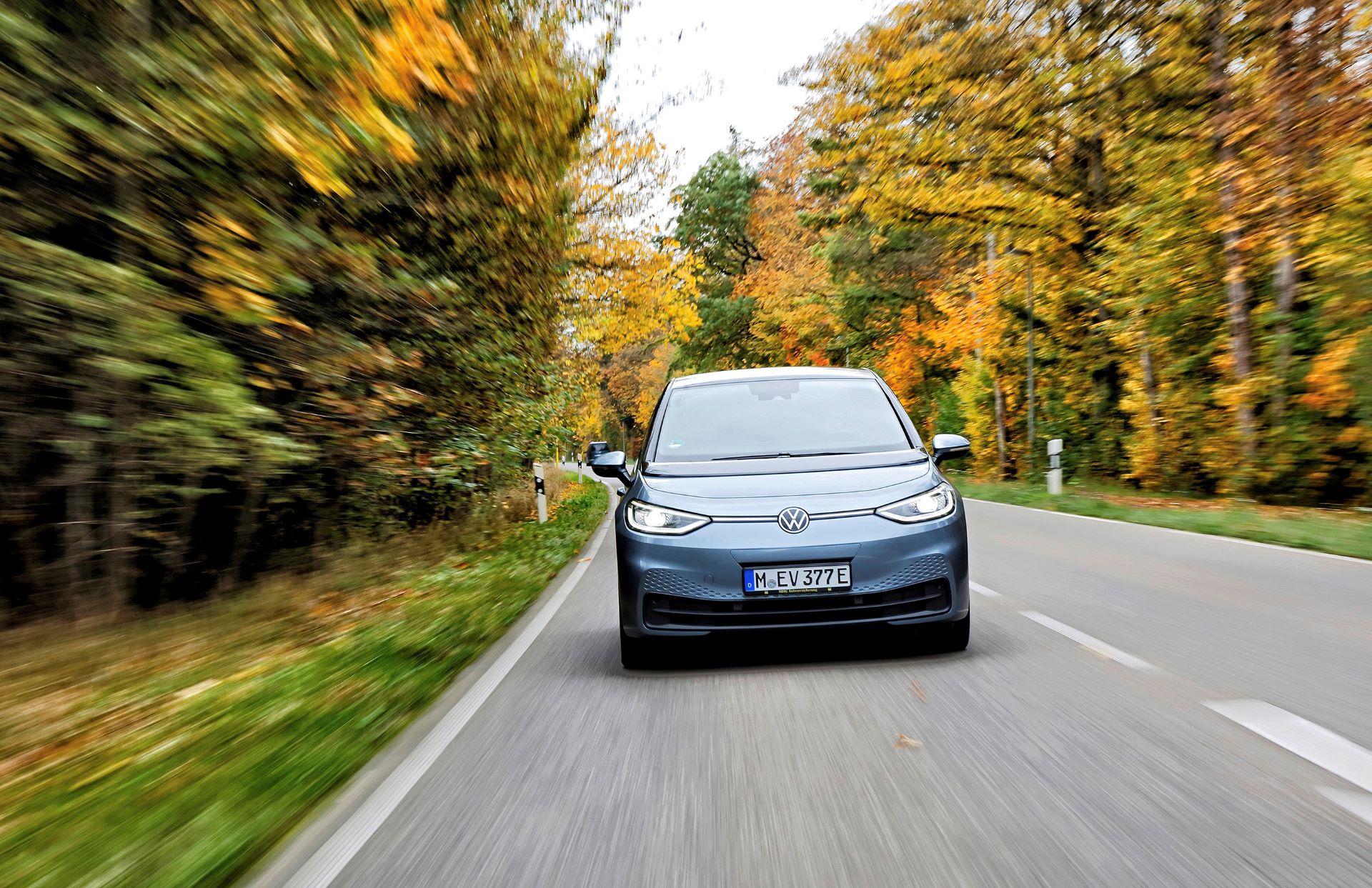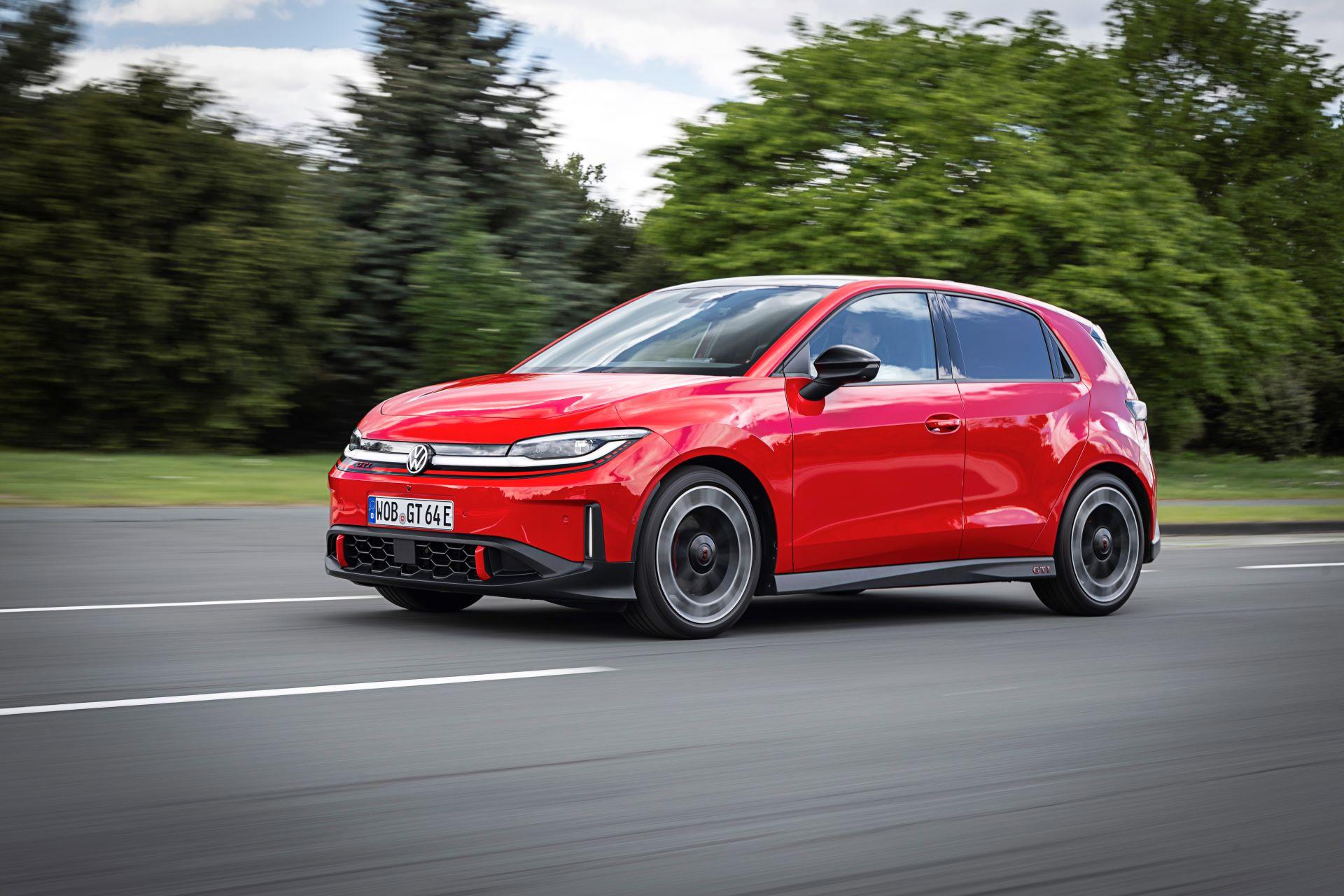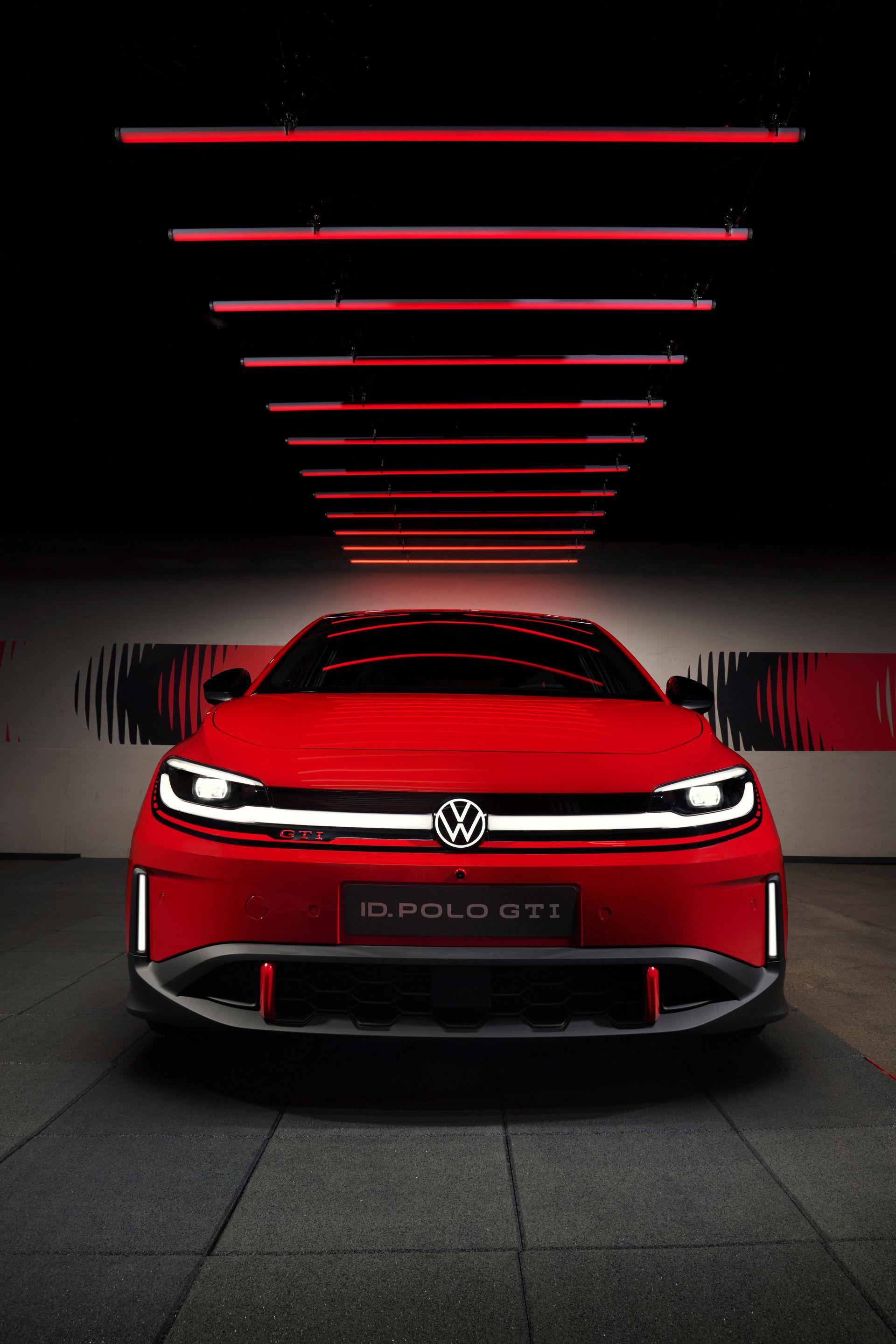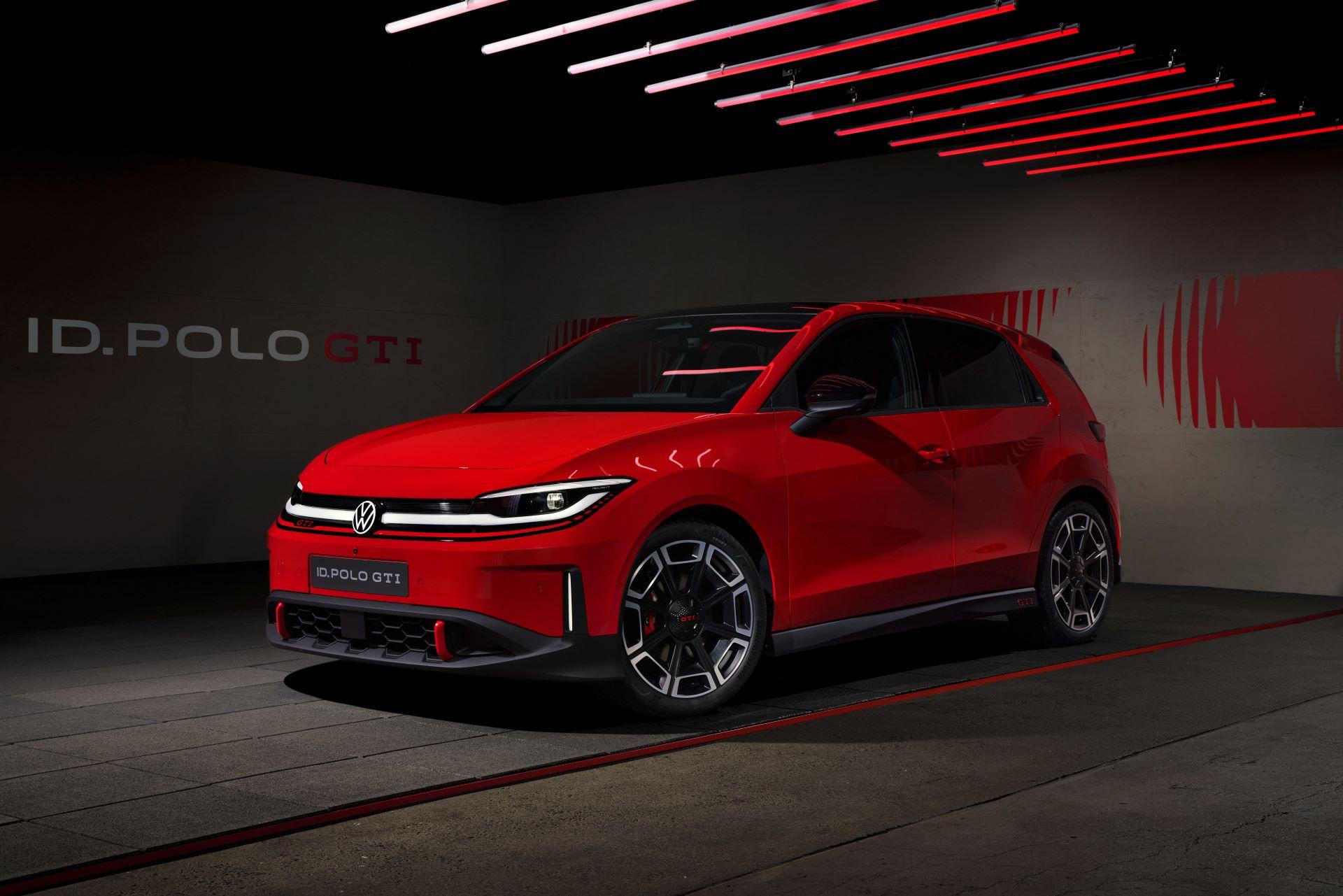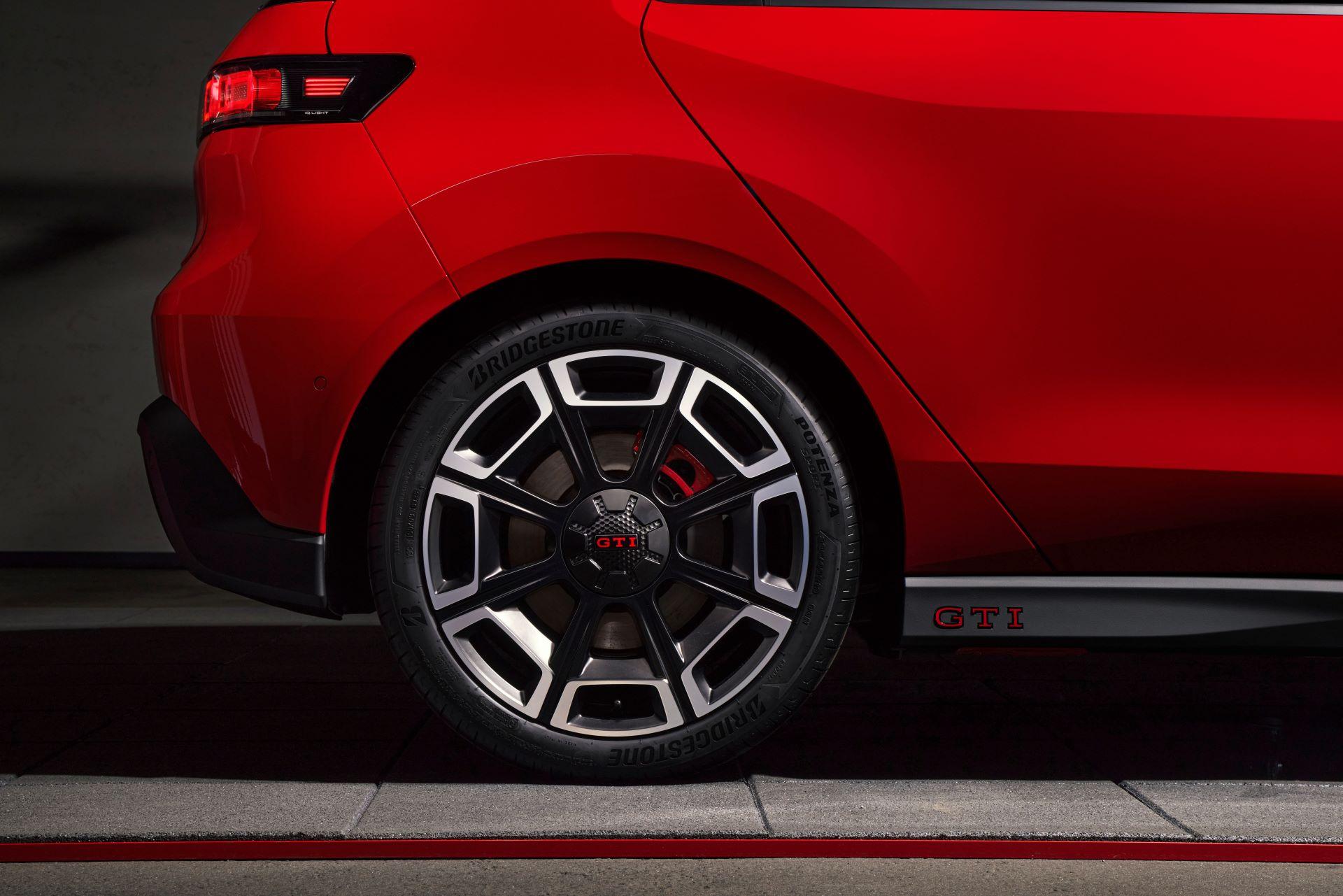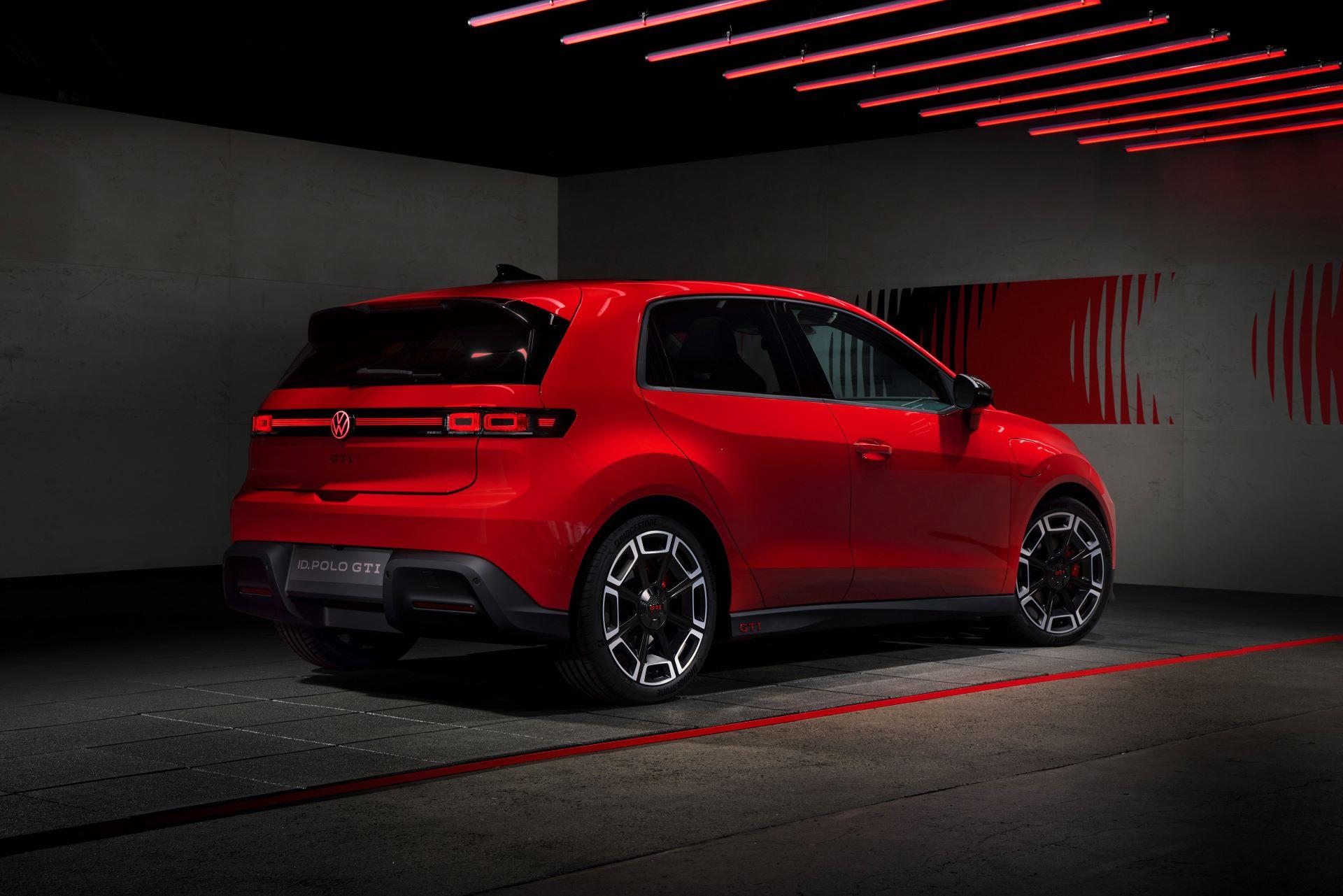



In Wolfsburg, a familiar name steps into a new era as Volkswagen ID.3 Neo is revealed as a thoroughly reimagined successor to the ID.3. This is not a subtle refresh or a mid-cycle polish, but a deliberate reinvention shaped by sharper design intent, smarter technology, and a renewed focus on everyday usability. With pre-sales set to begin across Germany and multiple European markets, Volkswagen is signalling a confident next chapter for its electric compact line.
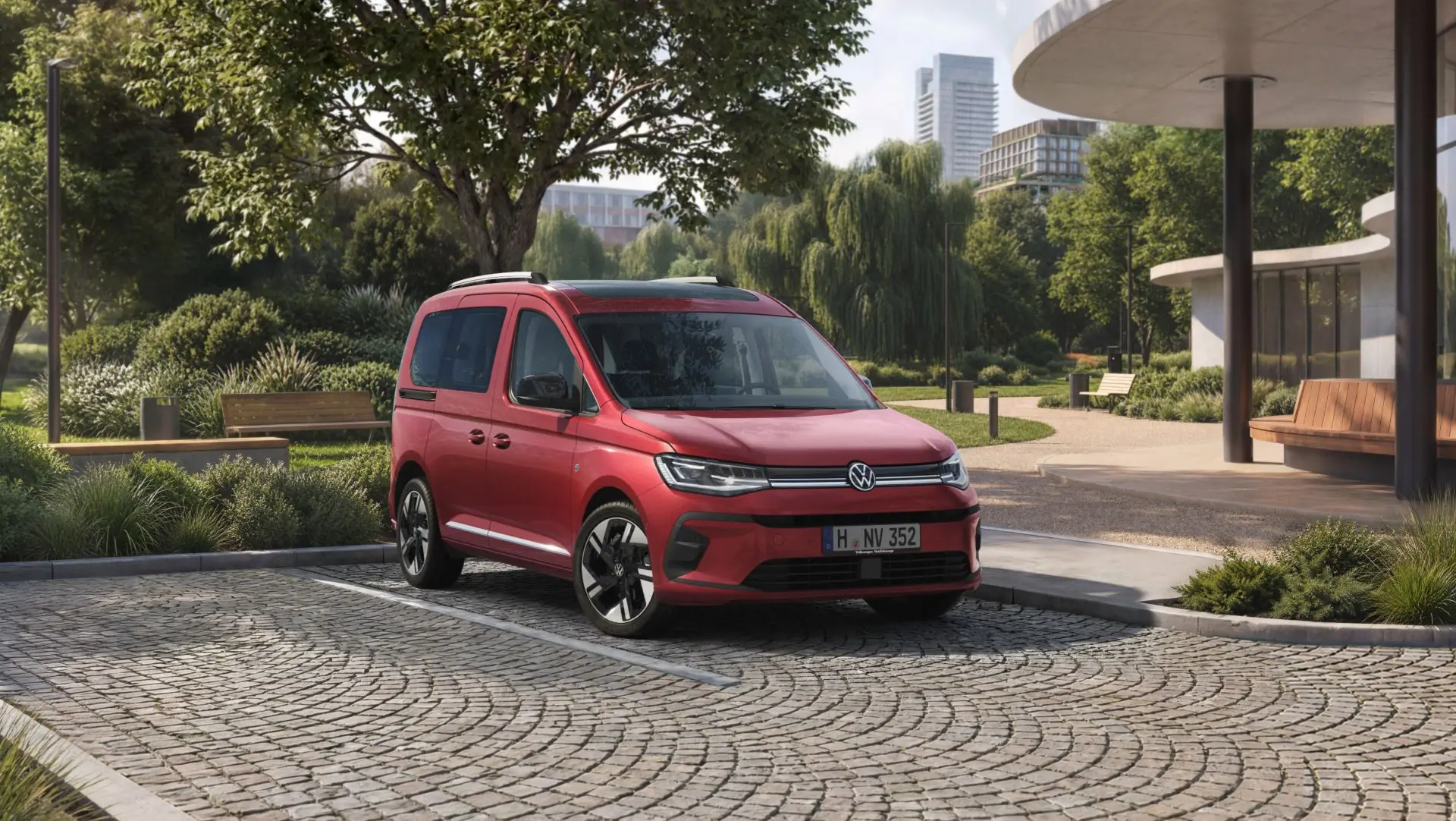
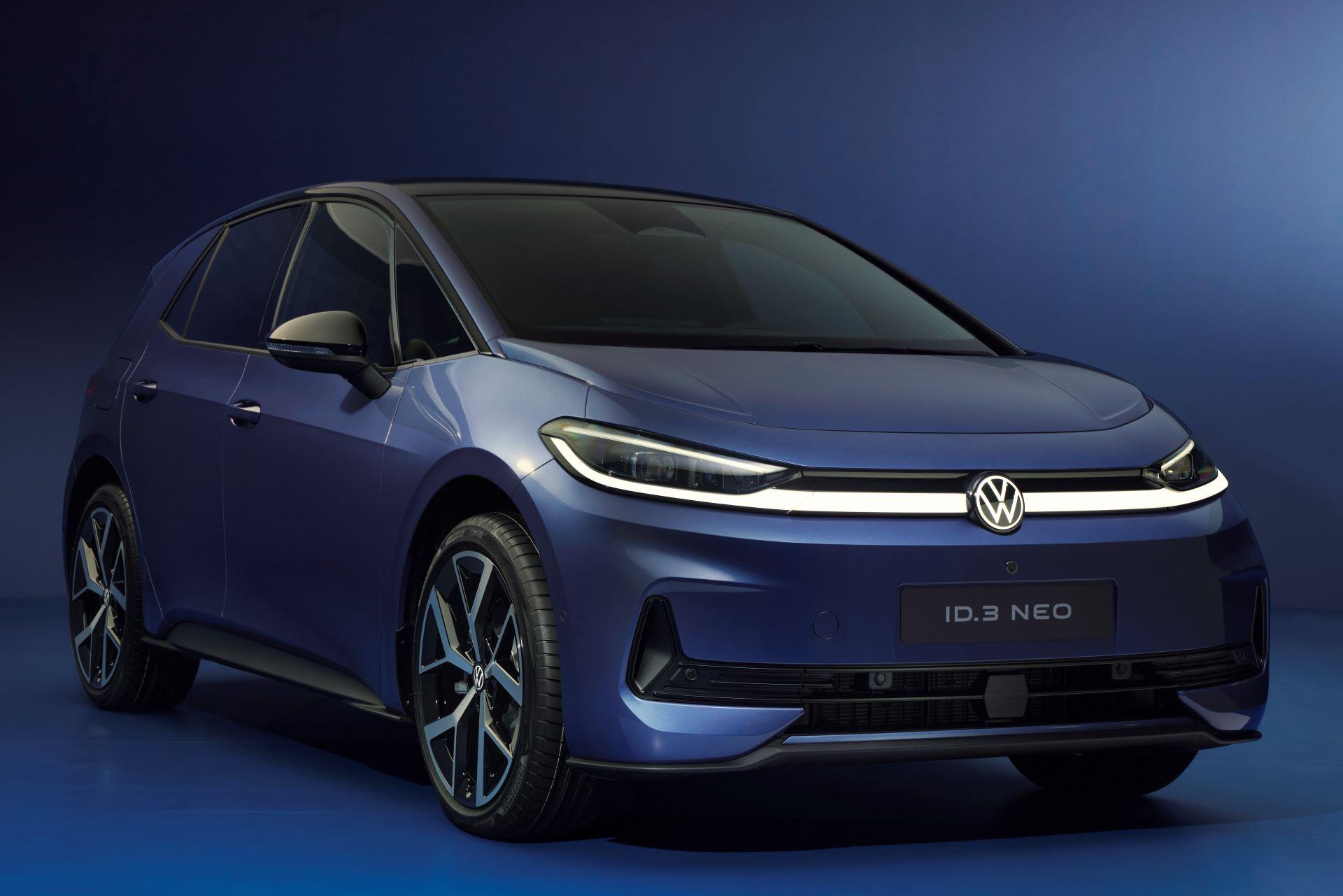
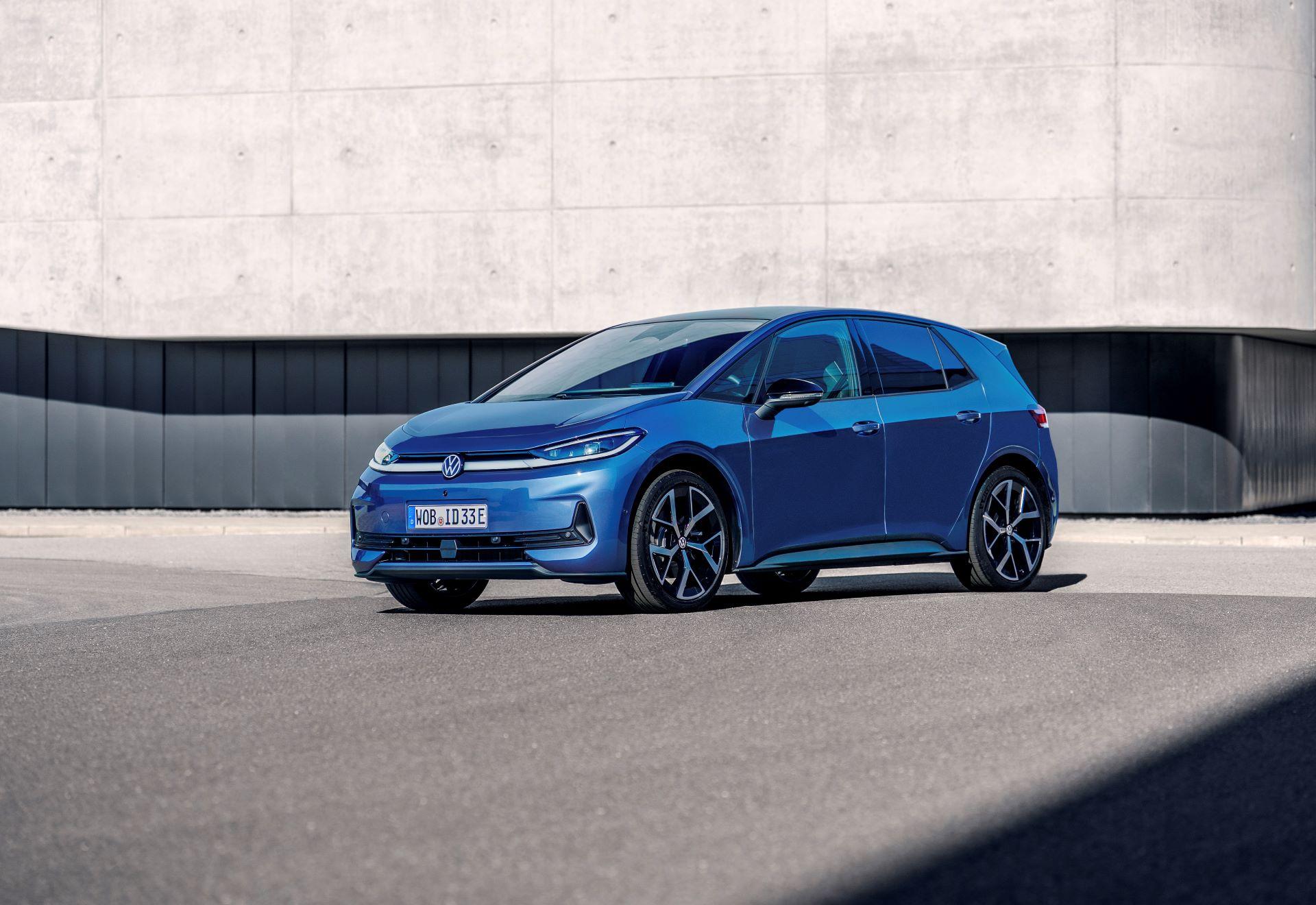
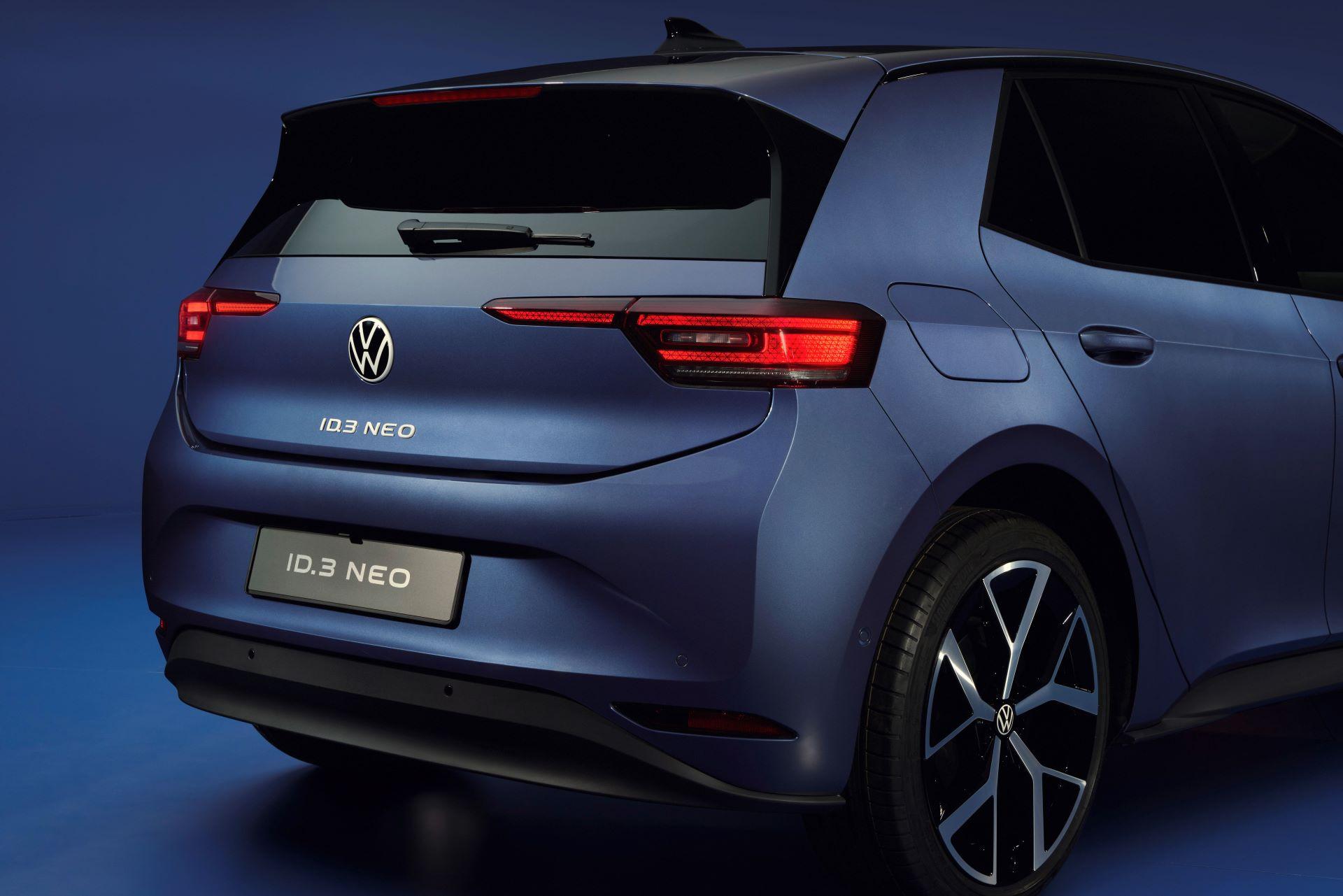
At the heart of the transformation is a new design language that brings clarity and presence to the ID.3 Neo. The front end has been re-sculpted with a continuous light strip and illuminated logo that immediately anchors it within the latest Volkswagen family identity. Guided by the brand’s “Pure Positive” design philosophy, the car adopts cleaner surfaces and a more horizontal visual flow, giving it a lower, more planted stance. Even the treatment of the roof, rear spoiler and tailgate, now finished in body colour, works to stretch the silhouette visually, making the vehicle appear longer and more dynamic without changing its compact proportions.
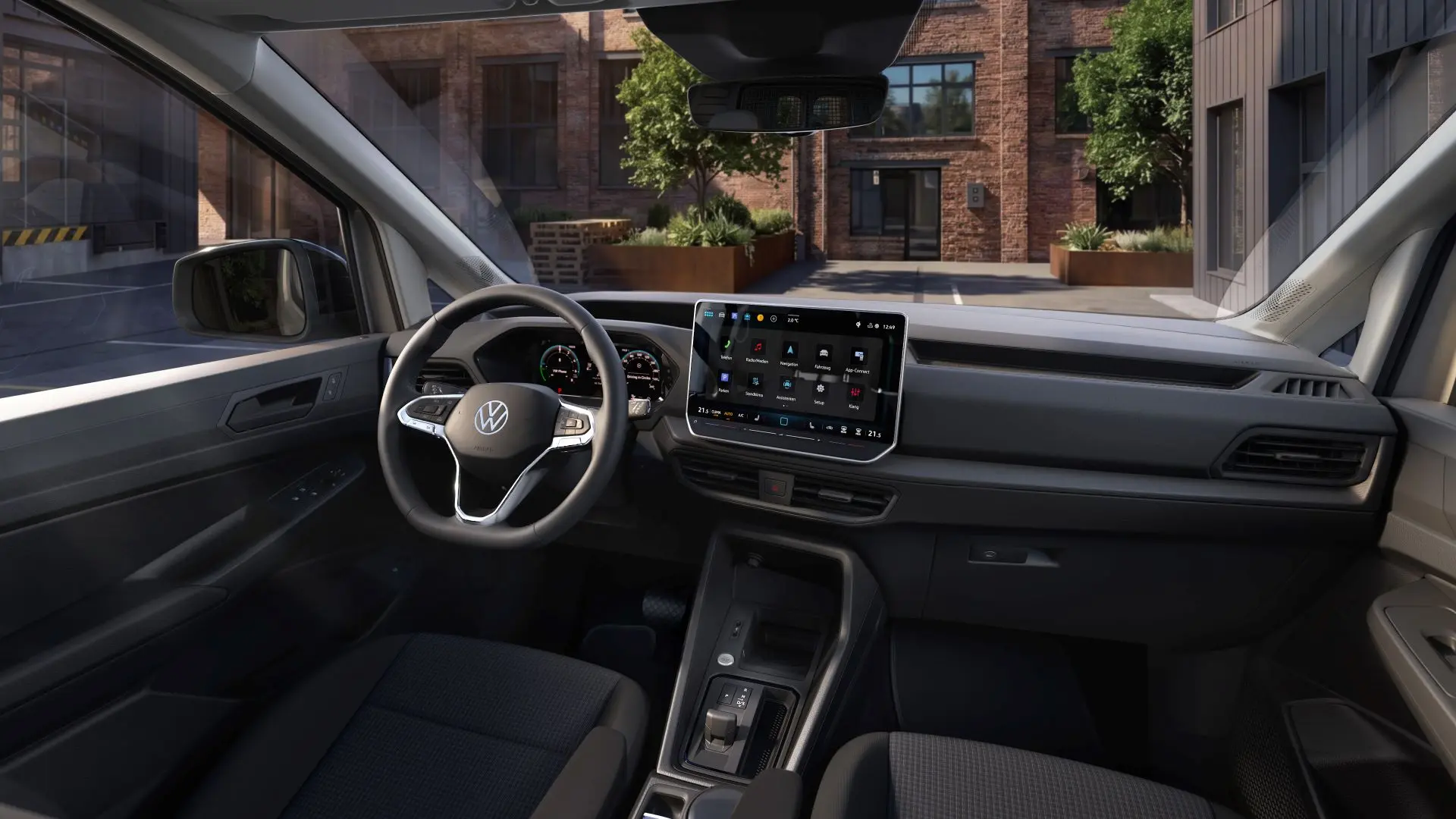
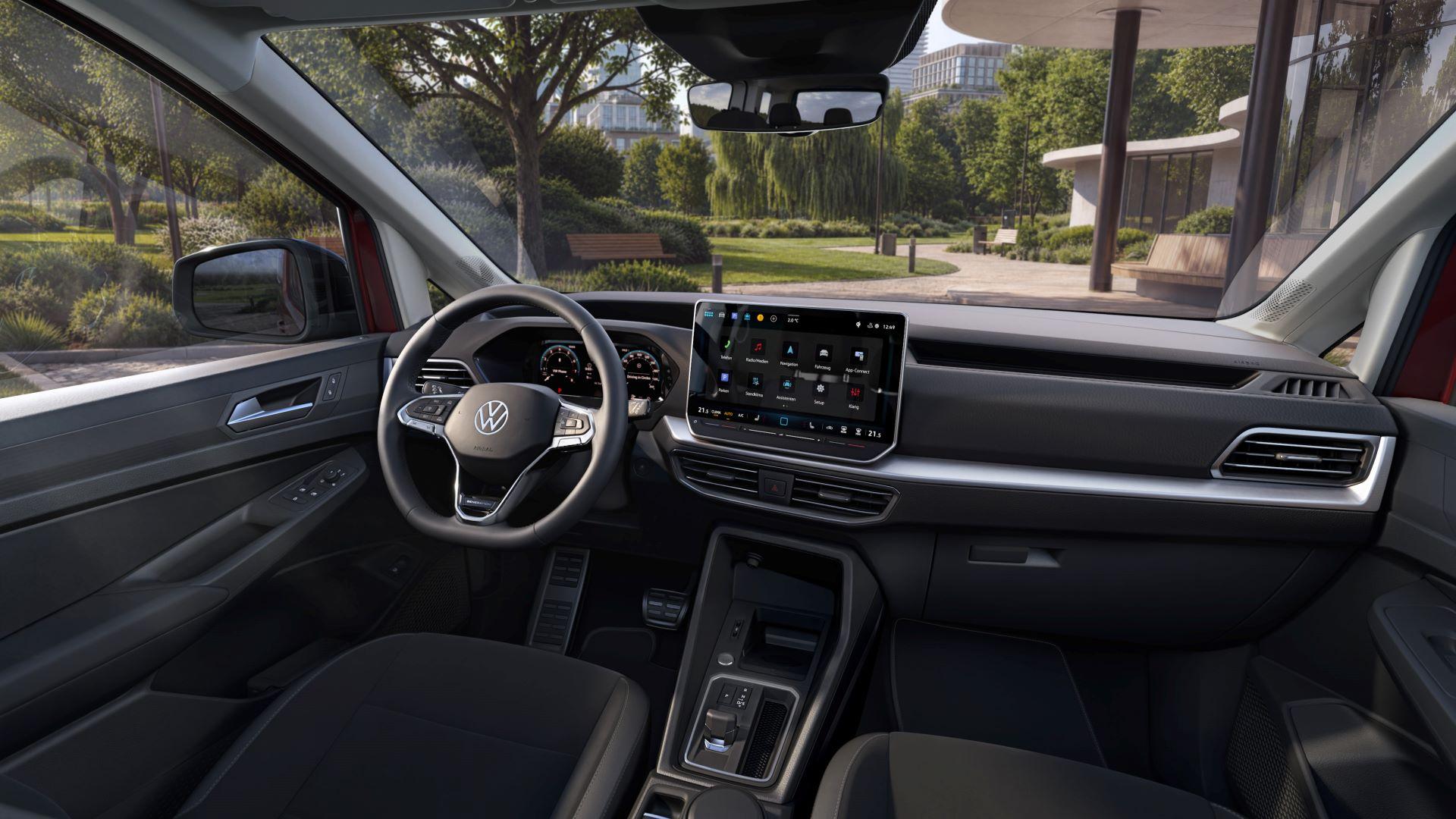
Inside, the evolution is even more pronounced. The cabin has been rethought as a calm, intuitive space where form follows function with greater discipline. Materials feel more premium, surfaces are cleaner, and the layout prioritises ease of understanding at a glance. A redesigned multifunction steering wheel introduces clearer physical controls, while the dashboard is structured to reduce visual noise and increase ergonomic logic. Central to the experience is the new Innovision infotainment system, combining a 10.25-inch Digital Cockpit with a 12.9-inch central display, delivering fluid graphics and simplified interaction that feels closer to consumer electronics than traditional automotive systems.
This emphasis on intuitive operation reflects Volkswagen’s wider intention to make electric mobility feel effortless rather than experimental. As Martin Sander, Board Member for Sales, Marketing and Aftersales, notes, the goal has been to place customer benefit at the centre of the development process, balancing long-range capability with a design and interface philosophy that feels natural from the first drive.
Performance and efficiency have also taken a significant leap forward. The new drive system in the ID.3 Neo has been engineered for lower consumption and higher torque, allowing for smoother responses while extending range capability. Depending on configuration, outputs span from 125 kW to 170 kW, paired with a choice of three battery sizes. In its most efficient specification, the model achieves up to 630 km (WLTP) of range, positioning it among the most capable electric vehicles in its class for long-distance usability.
Charging performance is equally considered. The smaller battery variants support DC fast charging of up to 105 kW, while the larger 79 kWh battery can accept up to 183 kW, enabling quicker replenishment during longer journeys. The result is a system designed not just for theoretical range, but for practical travel rhythms where stops are shorter and more predictable.
Technology extends beyond propulsion and charging. The latest software generation introduces an expanded ecosystem of digital services, including an in-car app store that allows users to download and activate features in a similar way to a smartphone. Navigation, entertainment, charging services and gaming applications can be tailored to individual preferences, reflecting the increasing convergence between automotive and digital lifestyles.
Driver assistance has also been strengthened, with a suite of standard systems such as Lane Assist and Front Assist complemented by enhanced optional technologies. Among them is the upgraded Connected Travel Assist, which now incorporates traffic light recognition, helping to smooth urban driving and improve situational awareness. One-pedal driving functionality further refines the electric experience, allowing the vehicle to decelerate to a full stop through regenerative braking alone, increasing efficiency while reducing driver input in stop-start conditions.
Practical innovation continues with vehicle-to-load capability, enabling the ID.3 Neo to act as a mobile power source. With up to 3.6 kW of output, the vehicle can energise external devices ranging from e-bikes to outdoor appliances, reinforcing its role as more than just a means of transport.
Optional equipment further broadens the appeal, with features such as an augmented reality head-up display, panoramic sunroof, 360-degree camera system, premium Harman Kardon audio, massage and memory seat functions, and advanced parking assistance. These additions push the model into a space where compact size no longer means compromise on comfort or sophistication.
Across design, technology and efficiency, the ID.3 Neo represents a clear statement of intent. It refines the electric compact formula into something more mature, more intuitive and more versatile, while retaining the accessibility that defined its predecessor. As it prepares to enter European markets, it stands as a key step in Volkswagen’s ongoing evolution toward a more connected and customer-focused electric future.