

Wolfsburg, Germany — October 22, 2024
Volkswagen Group and Thyssenkrupp Steel have taken a significant step towards decarbonising the automotive industry. At the International Suppliers Fair (IZB) in Wolfsburg, the two giants signed a memorandum of understanding (MoU) for the supply of low-carbon steel from Thyssenkrupp’s forthcoming direct reduction plant. This collaboration will see Volkswagen benefit from the use of bluemint® Steel, a revolutionary material aimed at reducing carbon emissions in the production process, further aligning with the automaker’s ambitious climate goals.
This agreement represents more than just a supply chain partnership—it underscores a shared commitment to sustainability, innovation, and electromobility, with both companies working together to drive the industry towards a carbon-neutral future.
Decarbonising Volkswagen’s Supply Chain
Volkswagen Group’s climate strategy is heavily focused on reducing carbon emissions across all areas of its operations, including the supply chain. Steel production, a significant contributor to global CO₂ emissions, accounts for 15-20% of an electric vehicle’s total emissions, making it a prime target for decarbonisation efforts.
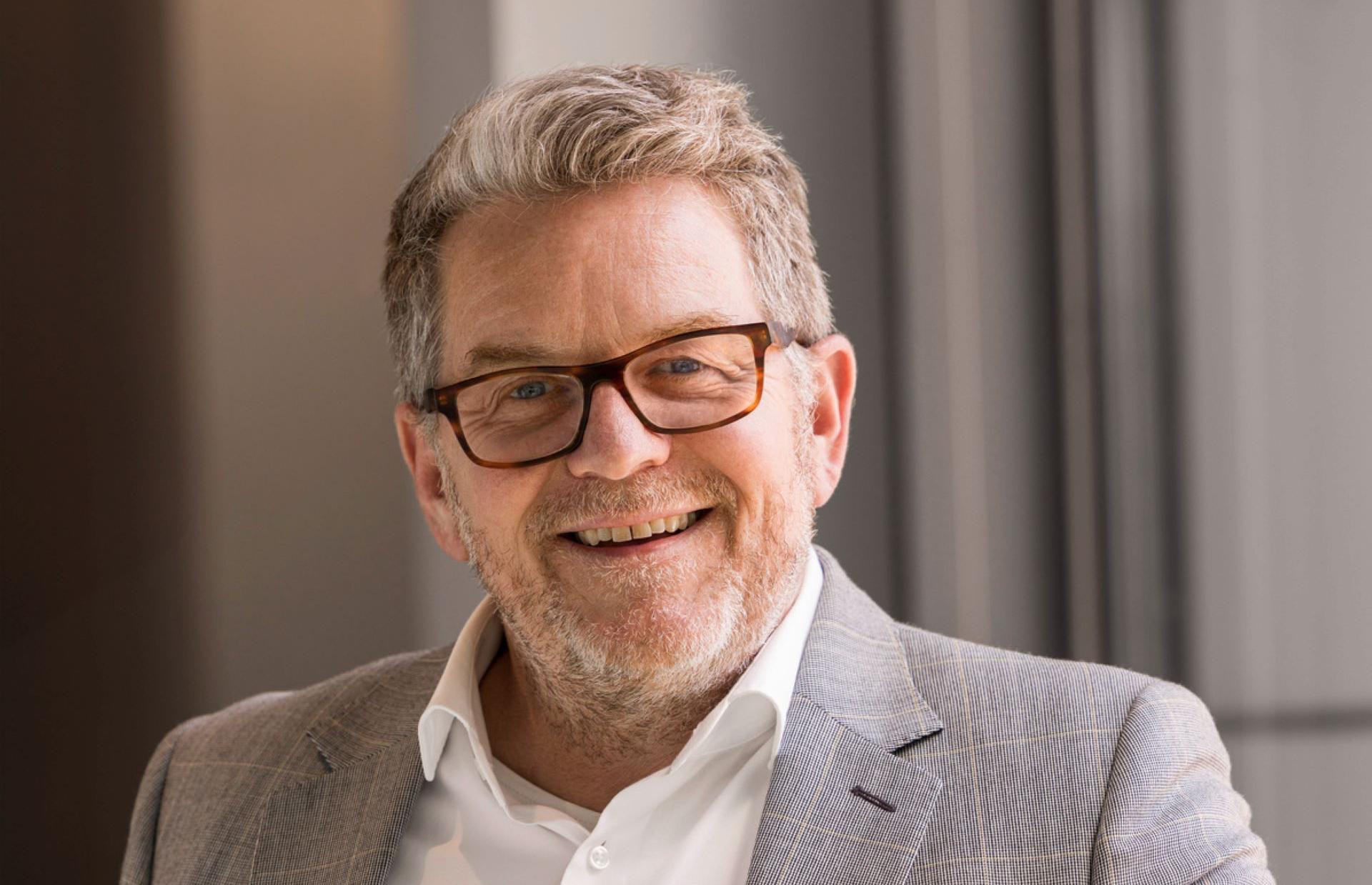
Dirk Große-Loheide, Member of the Board of Management of the Volkswagen Brand responsible for Procurement, highlighted the importance of this collaboration:
“Decarbonising supply chains is a decisive factor for the Volkswagen Group on the road to carbon neutrality. We want to achieve this goal by 2050 at the latest, and using low-carbon steel is an important step in making supply chains at Volkswagen Group even more environmentally friendly going forward.”
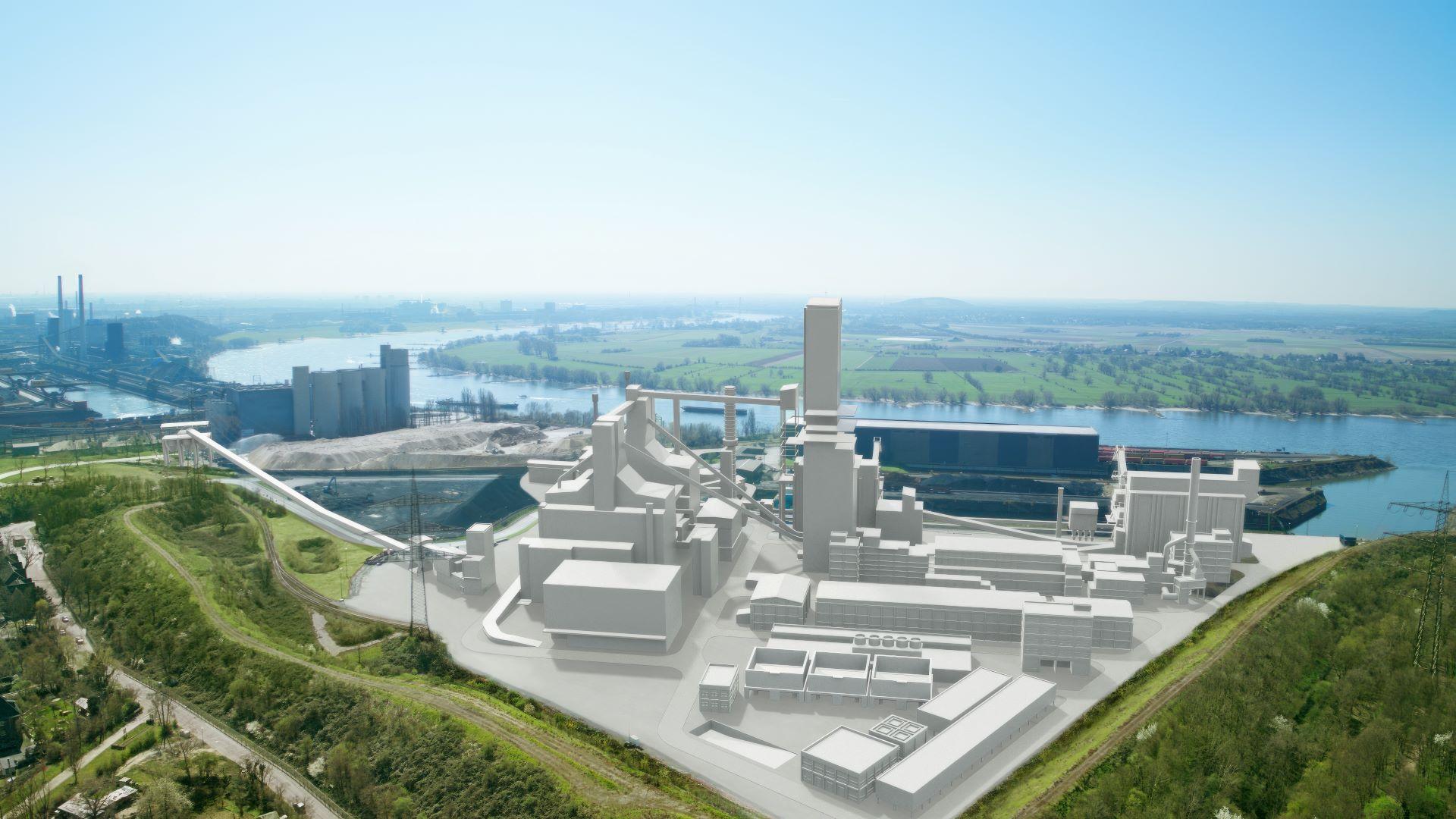
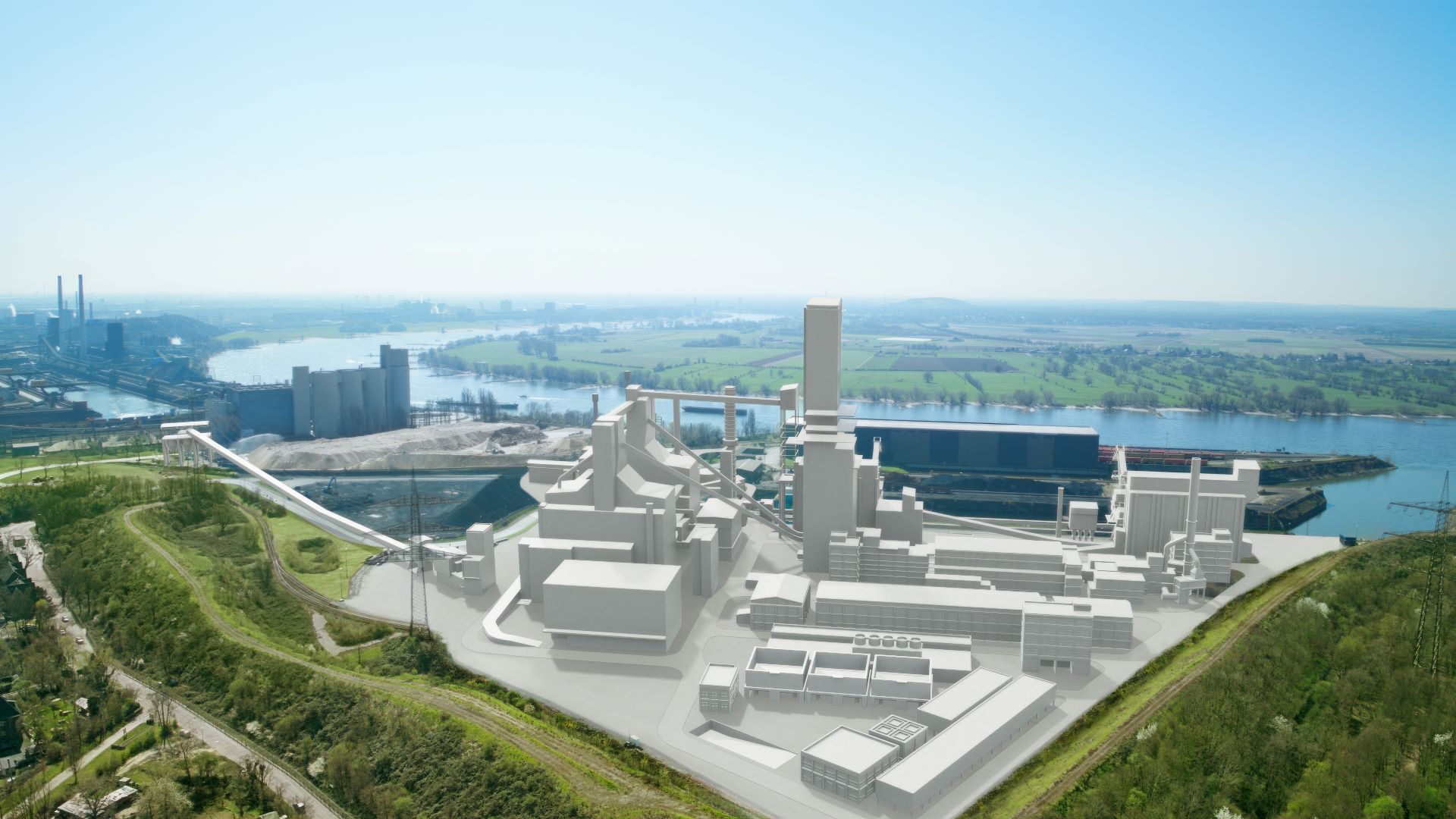
Thyssenkrupp Steel’s bluemint® Steel, produced at the company’s new direct reduction plant, will play a pivotal role in this initiative. The plant, scheduled to commence operations in 2027, will rely on hydrogen and green electricity, significantly reducing its carbon footprint. Initially, natural gas will serve as the reducing agent during the plant’s ramp-up phase, but it will gradually be replaced by hydrogen, further slashing emissions. Once operational, bluemint® Steel will be certified in accordance with Germany’s LESS Label A standards, which ensure nearly emission-free steel production when hydrogen from renewable sources is used.
Green Steel: A Cornerstone of Volkswagen’s Climate Strategy
Volkswagen has been laying the groundwork for sustainable steel production for years, forming partnerships across the green steel ecosystem. In addition to its alliance with Thyssenkrupp Steel, Volkswagen has collaborated with Salzgitter AG since 2022, and more recently, it signed an MoU with Vulcan Green Steel. Moreover, through its subsidiary Scania, Volkswagen holds a stake in Swedish green steel manufacturer H2 Green Steel. These partnerships form a key part of Volkswagen’s strategy to adopt green steel at scale, further reducing CO₂ emissions in the manufacturing process.
Dennis Grimm, Spokesman of the Executive Board of Thyssenkrupp Steel, echoed the shared vision of a decarbonised future:
“Our long-standing partnership with Volkswagen Group demonstrates that, alongside our technical development work, we can also collaborate in making great strides toward a sustainable future.”
Driving Electromobility with Steel Innovation
This partnership is not just about reducing carbon emissions—it’s about driving innovation in electromobility. Steel plays a critical role in the construction of electric vehicles, serving as a material for the bodies, structural components, and electric motors. Electric vehicles require more steel than their combustion counterparts due to the additional weight of their batteries. As such, the collaboration between Volkswagen and Thyssenkrupp will foster the development of advanced, lightweight steel solutions designed to enhance vehicle performance and energy efficiency.
Volkswagen aims to integrate bluemint® Steel into its production line by 2028, with supplies expanding gradually. This will allow the automaker to maintain premium quality across its vehicle portfolio while simultaneously reducing the environmental impact of its steel consumption.
A Joint Commitment to Sustainability
The Volkswagen-Thyssenkrupp partnership is a shining example of how strategic alliances can accelerate the transition to a more sustainable automotive industry. By leveraging Thyssenkrupp’s innovative steel production technologies, Volkswagen is not only taking significant steps towards achieving its 2050 carbon neutrality target but also leading the way for the broader automotive industry in adopting greener materials and manufacturing processes.
As the world increasingly pivots towards electrification and sustainability, collaborations like this will be crucial in ensuring the industry’s long-term success. With the support of low-carbon steel solutions, Volkswagen is positioning itself as a leader in the movement towards a cleaner, more sustainable future for mobility.