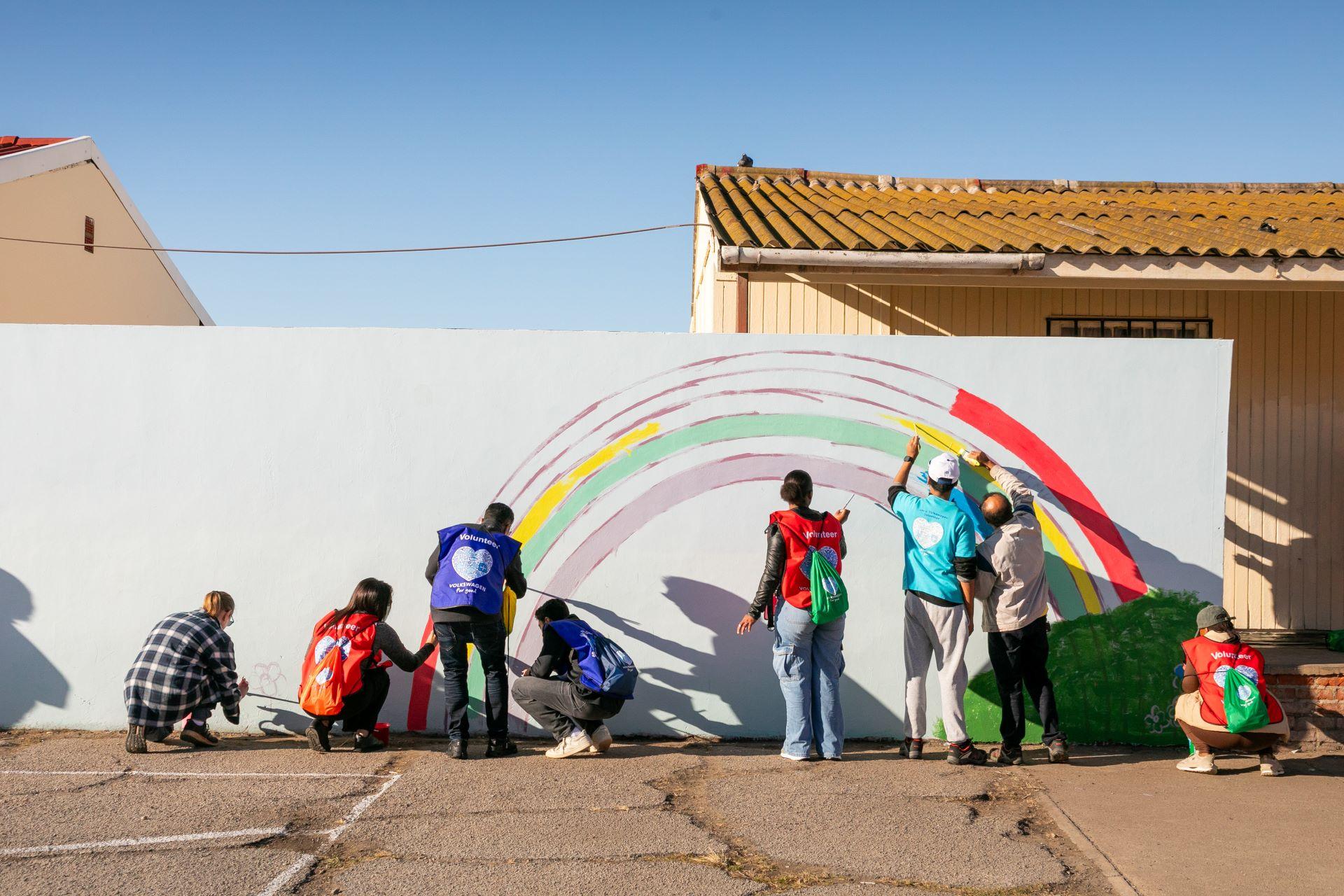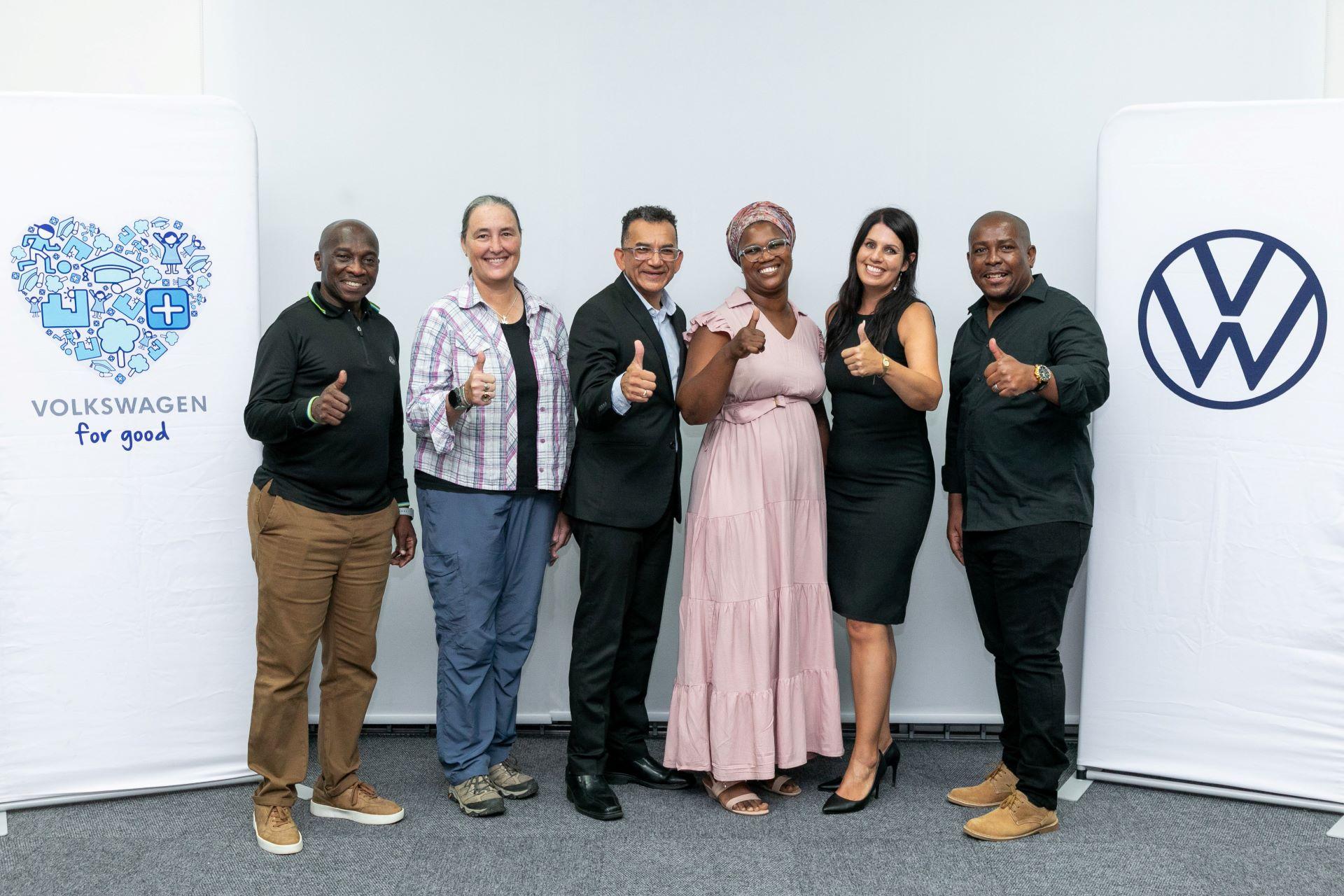
Volkswagen Group Africa (VWGA) has reinforced its commitment to community upliftment, youth development and environmental sustainability with a R500 000 investment in four non-governmental organisations operating in and around Nelson Mandela Bay. The funding, channelled through the VW Community Trust, will be distributed over the next 12 months to support organisations working at the intersection of social care, disaster response and ecological preservation.
At the heart of the initiative is a simple but powerful idea: sustained support creates sustained impact. Rather than a once-off intervention, the funding is designed to strengthen long-term capacity in organisations that are already embedded in the communities they serve.
Among the beneficiaries is Family Restoration Services, based in Motherwell, which has been providing care and long-term support for orphaned and vulnerable children since 2005. Its work focuses on stability, dignity and continuity for children who require both immediate care and sustained developmental support.
Also supporting vulnerable children is the Zanethemba Charity Foundation, a relatively newer addition to the VW Community Trust network. Established in 2008, the organisation operates as a place of safety in Nelson Mandela Bay, offering refuge and structured care for up to 12 children at a time. Its model prioritises focused, high-touch support in environments where individual attention can make a decisive difference.
On the disaster response front, Sinako-We Can plays a critical role in helping families recover after fires, floods and other disruptive events. Registered in 2019, the organisation assists displaced residents in rebuilding homes and re-establishing basic living arrangements, often stepping in during moments when formal systems are stretched thin and immediate assistance is essential.
Completing the quartet is the Zwartkops Conservancy, one of the region’s longest-standing environmental stewards. Active since 1968, the conservancy has been central to biodiversity protection efforts in Nelson Mandela Bay, driving initiatives that include clean-ups, habitat restoration and environmental education programmes aimed at fostering long-term ecological awareness.
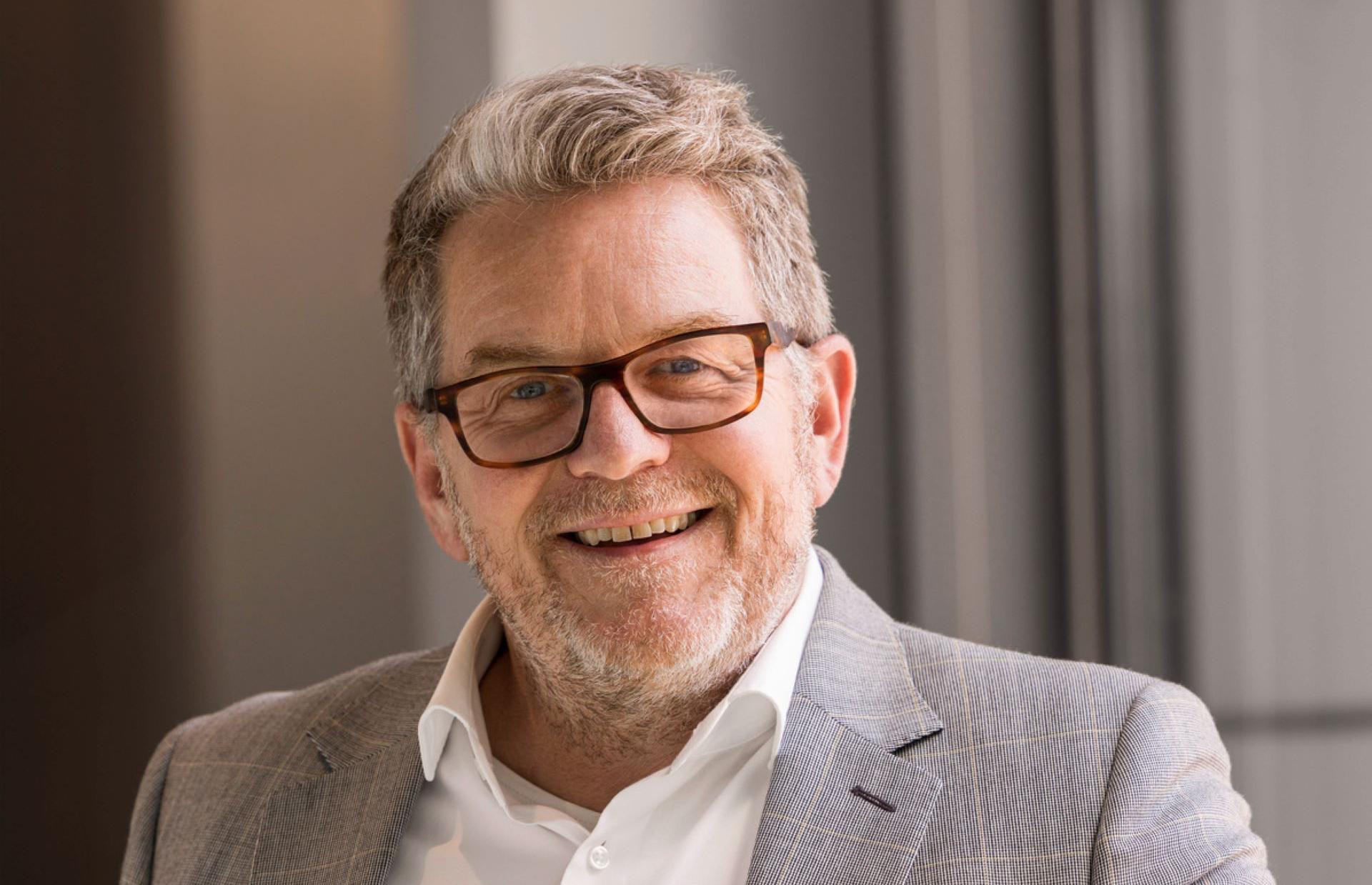
According to VWGA Corporate and Government Affairs Director Nonkqubela Maliza, the initiative reflects a philosophy of shared responsibility and consistent engagement. “Much like the organisations we are supporting, Volkswagen Group Africa has a long legacy of making an impact,” she said. “By partnering with NGOs consistently, we can reach more people in need of help and make a lasting difference. For us, corporate social investment is exactly that: an intentional investment in uplifting the communities in which we belong and operate.”
In a region where social and environmental challenges often intersect, the collaboration underscores the role that structured corporate partnerships can play in reinforcing community resilience. From protecting vulnerable children to restoring ecosystems and supporting disaster recovery, the initiative reflects a broad but interconnected vision of care.
VWGA’s R500 000 commitment may be modest in scale compared to global corporate figures, but its impact lies in its precision. By targeting organisations already active on the ground, the investment becomes less about symbolism and more about sustained, practical change within the communities of Nelson Mandela Bay.