


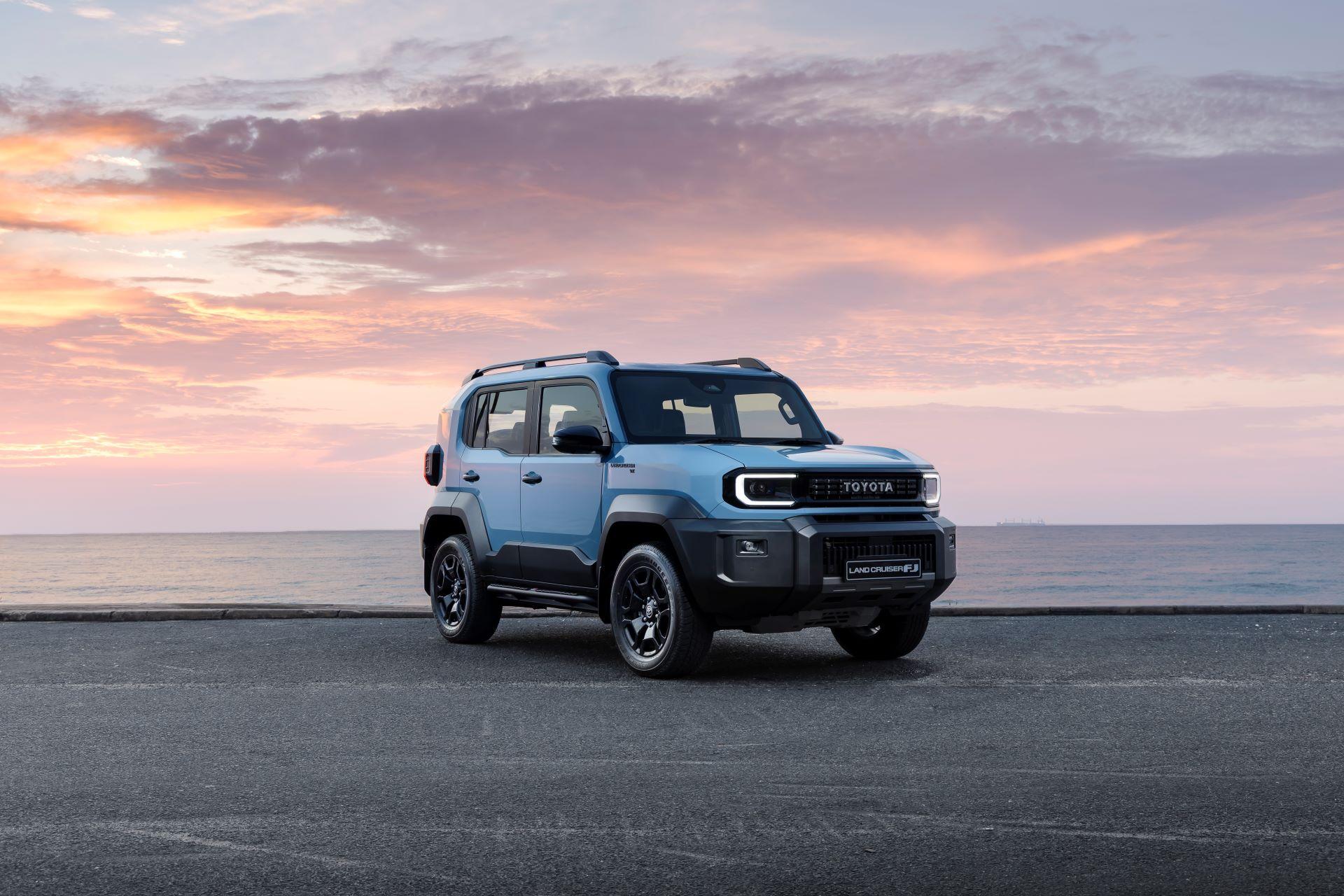

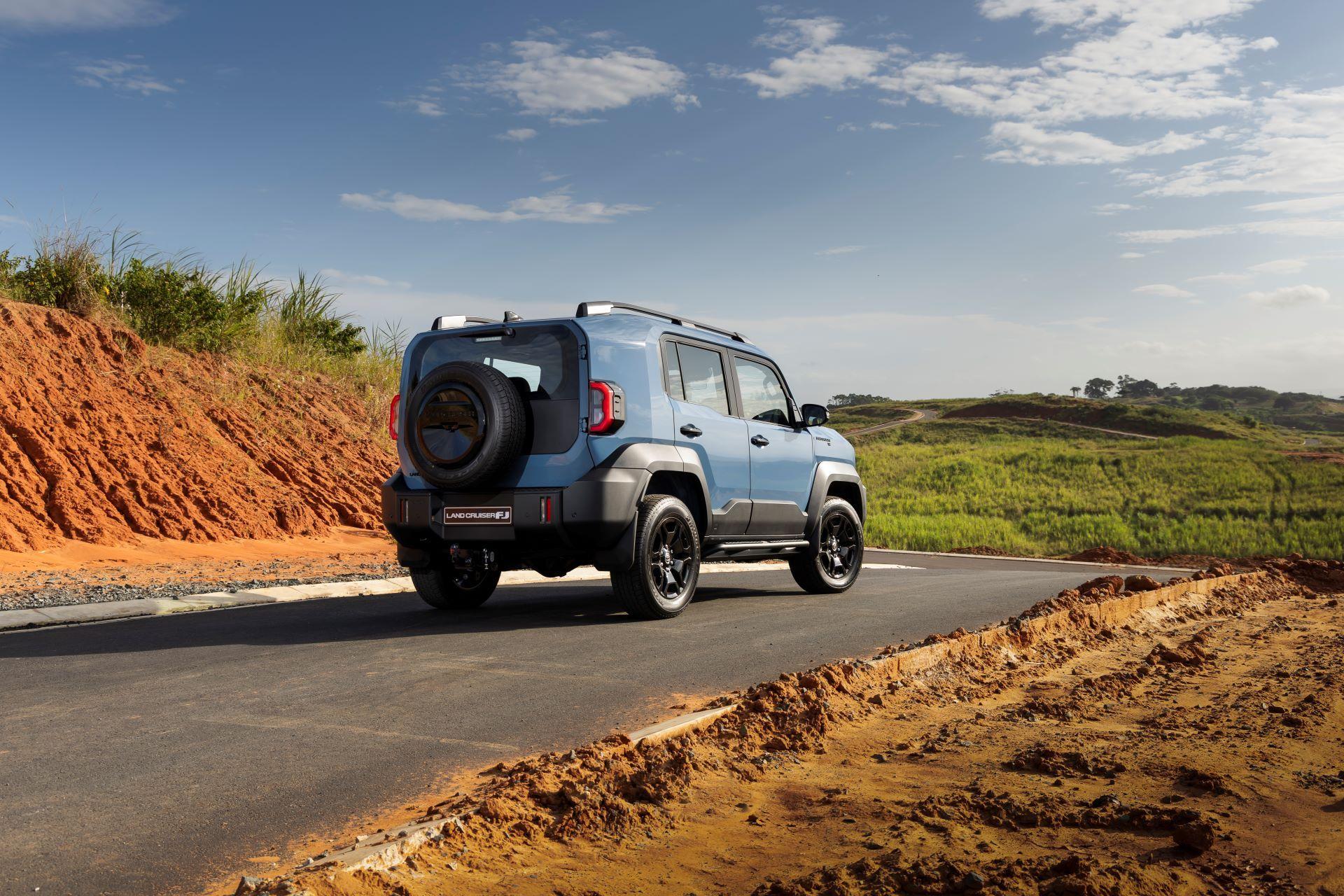
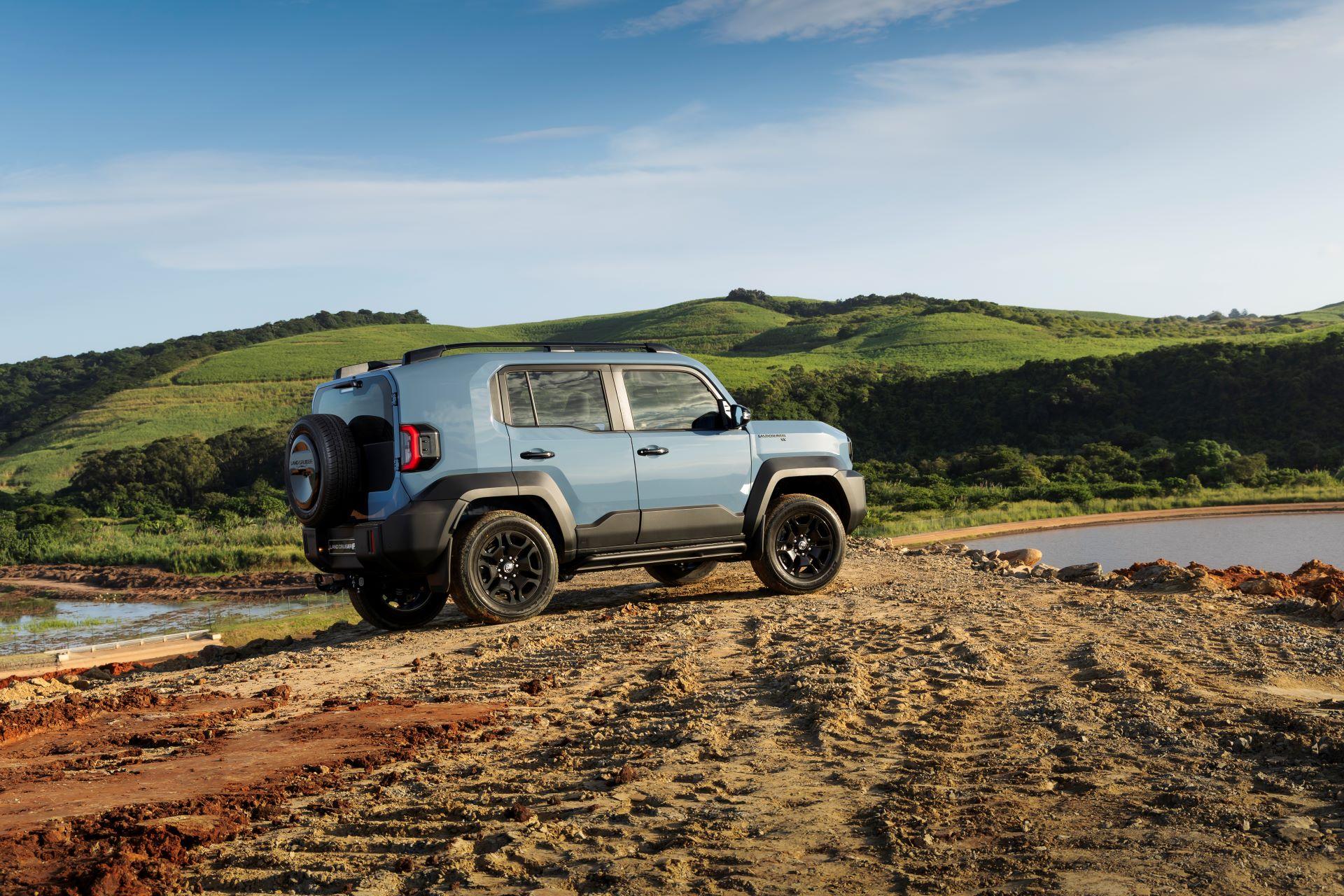
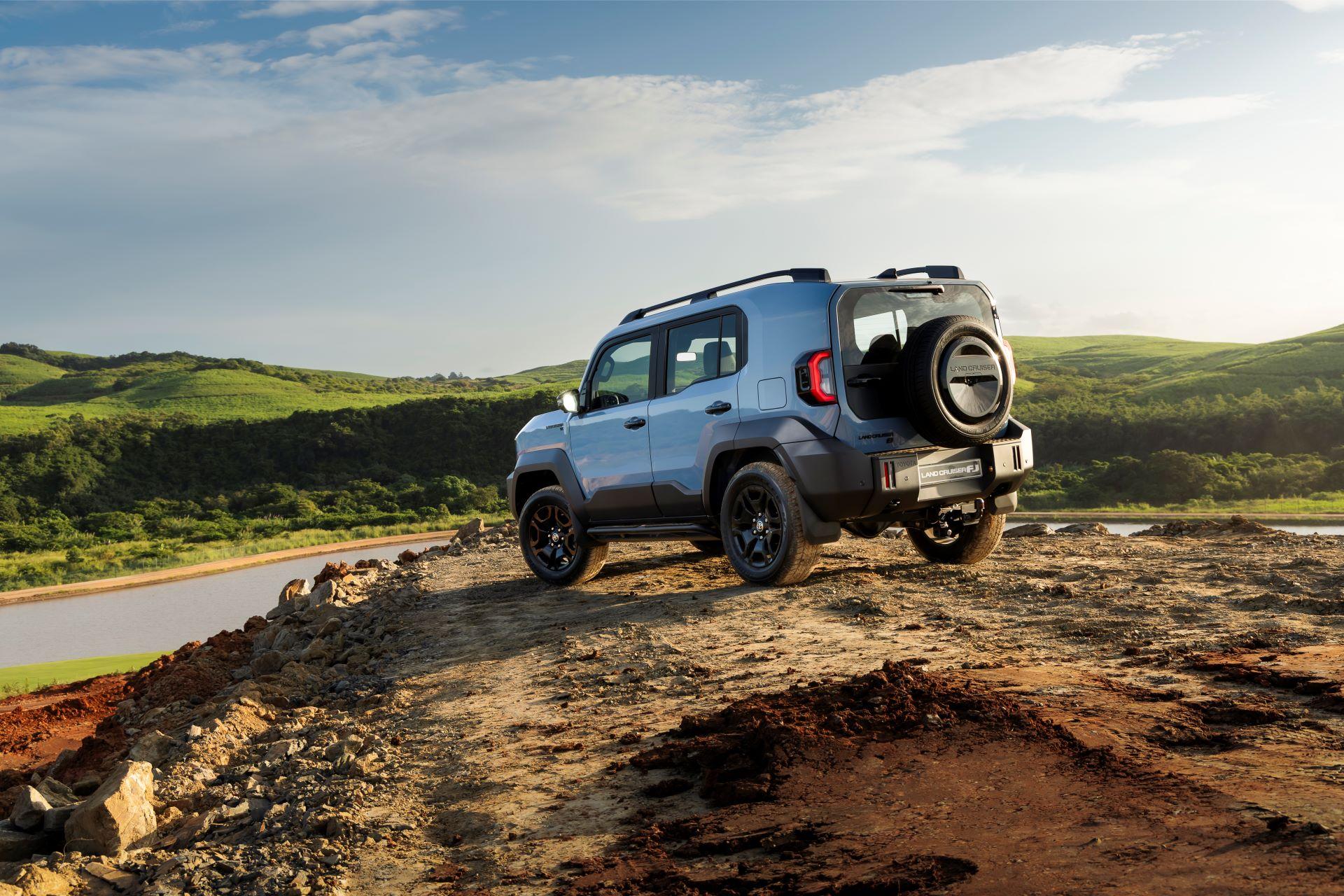
Toyota has expanded its legendary off-road lineage with the introduction of the all-new Land Cruiser FJ, a compact SUV engineered to open the door to a new generation of adventure seekers while preserving the uncompromising DNA that has defined the nameplate for decades. In South Africa, where the Land Cruiser badge is deeply woven into the fabric of exploration, work, and family travel, the arrival of this model signals a meaningful evolution rather than a departure from tradition.
Positioned as the most accessible entry point into the Land Cruiser family, the FJ joins the 300 Series, Prado, and 70 Series in a line-up that has earned global respect for durability and capability. It has been conceived around the philosophy of “Freedom & Joy”, translating into a vehicle that is equally at home navigating dense urban environments during the week as it is tackling remote trails, gravel passes, and coastal tracks over the weekend.
At its core, the Land Cruiser FJ is built on a highly durable ladder-frame architecture derived from Toyota’s proven IMV platform. Reinforced with high-tensile steel and engineered for rigidity, the chassis prioritises structural integrity in demanding terrain while maintaining composure and comfort on everyday roads. Despite its compact footprint, measuring 4 575 mm in length with a 2 580 mm wheelbase, it delivers remarkable agility with a tight turning radius of 5.5 metres, making it unusually easy to manoeuvre for a vehicle of its capability.
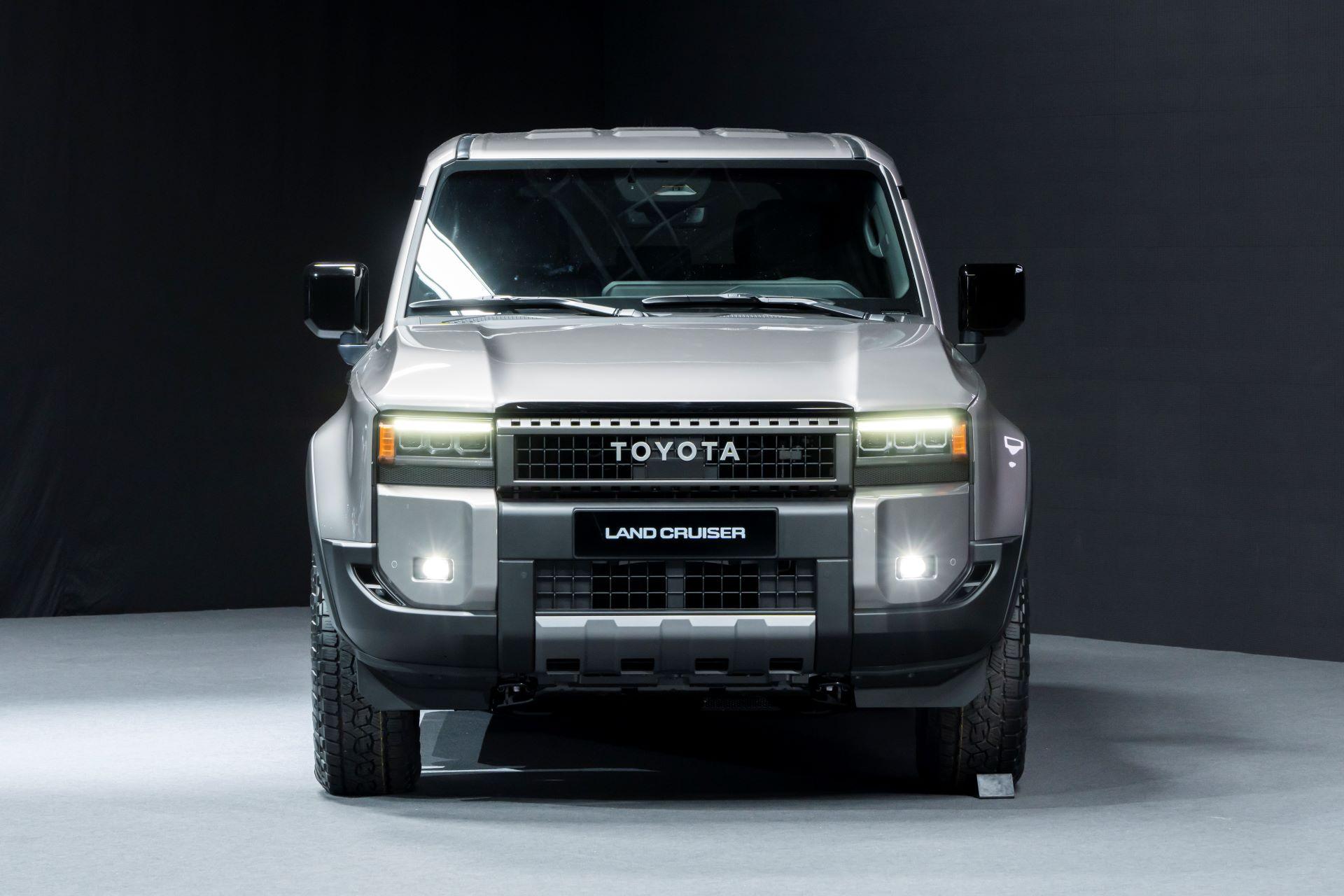
The design language reflects a deliberate balance between heritage and modern expression. The familiar square silhouette pays homage to earlier Land Cruiser generations, while bold horizontal lines, flared fenders, and a confident stance communicate strength and intent. Functional detailing remains central, from the segmented bumper design that aids off-road repairability to the rear-mounted spare wheel and side-opening tailgate that reinforce its utilitarian roots. Subtle styling cues introduce a more youthful personality without diluting its rugged identity.
Inside, the cabin is defined by Toyota’s “Functional Fun” concept, where usability and durability take precedence without sacrificing comfort. A clear horizontal dashboard layout improves visibility during off-road driving, while physical controls are positioned for intuitive access in challenging conditions. Practical touches such as utility storage spaces, a wide centre console, and supportive off-road knee pads underline its adventure-first design philosophy. Despite its compact size, the five-seat configuration offers flexible load space thanks to sliding and folding rear seats, making it suitable for both daily commuting and extended outdoor travel.
Performance is delivered by Toyota’s trusted 2.7-litre naturally aspirated petrol engine, producing 122 kW and 245 Nm, paired with a six-speed automatic transmission. While modest in output compared to larger performance SUVs, the drivetrain is calibrated for reliability, low-speed control, and consistent torque delivery across uneven terrain. Fuel consumption is rated at 10.7 L/100 km, reinforcing its role as a practical long-distance companion rather than a high-strung performance machine.
True to the Land Cruiser heritage, the FJ features a part-time four-wheel-drive system with low-range capability, supported by a rear differential lock and a suite of off-road assistance systems including Downhill Assist Control and Hill-start Assist Control. Its suspension setup combines a double wishbone front with a four-link rear arrangement, delivering a balance between articulation off-road and stability on tar.
Two distinct grades define the range. The GX embraces a more utilitarian character, offering durable materials, functional styling, and a focus on traditional off-road simplicity that will appeal strongly to overlanding enthusiasts and long-time Land Cruiser loyalists. The VX introduces a more refined interpretation, adding premium finishes, advanced lighting, and Toyota Safety Sense 3.0, along with features such as adaptive cruise control, lane departure alert, blind spot monitoring, and a panoramic view monitor for enhanced urban usability.
Both variants share the same rugged foundation and essential capability, yet they cater to different lifestyles within the same adventurous spectrum. The GX leans toward mechanical purity and customisation potential, while the VX bridges that capability with modern convenience and advanced driver assistance technologies.
Personalisation plays a significant role in the FJ’s appeal, with a wide range of accessories developed in collaboration with ARB and Toyota Genuine Accessories. From snorkels and roof rails to skid plates and luggage solutions, the platform is designed to adapt to individual needs, whether for city commuting, expedition travel, or weekend exploration into South Africa’s diverse landscapes.
With pricing positioned at R714 000 for the GX and R761 400 for the VX, the Land Cruiser FJ enters the market as a compelling proposition in the lifestyle SUV segment. It offers something increasingly rare in a crowded field of lookalike competitors: authentic engineering credibility backed by decades of proven off-road heritage.
In a market where SUVs often trade substance for styling, the Land Cruiser FJ remains firmly grounded in capability. It is not merely designed to suggest adventure, but to enable it, carrying forward a legacy that began in 1951 and continues to evolve for a new generation. Whether crossing city streets or remote wilderness, it stands as a compact reminder that true freedom is measured not by where you are, but by where you can go.