


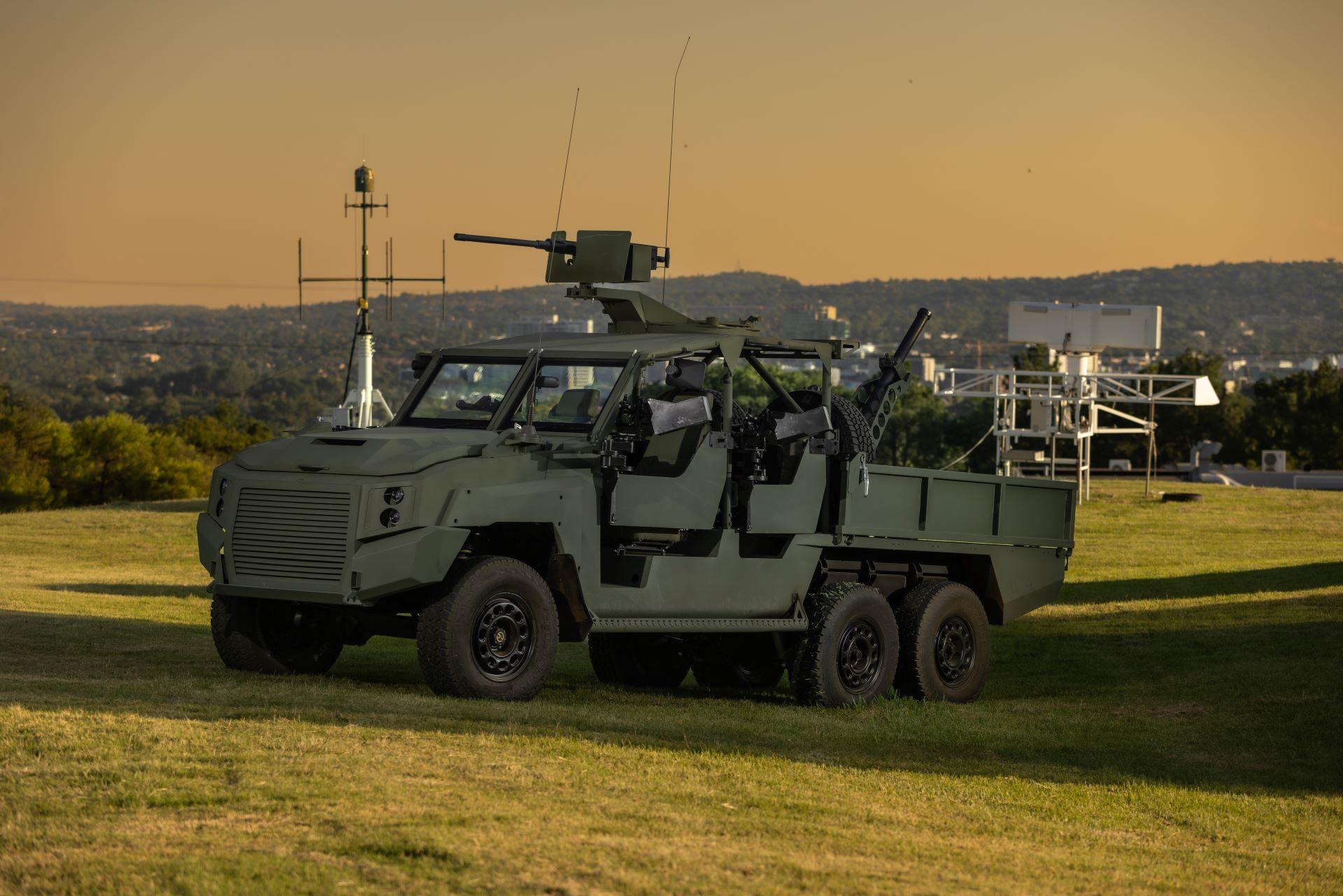
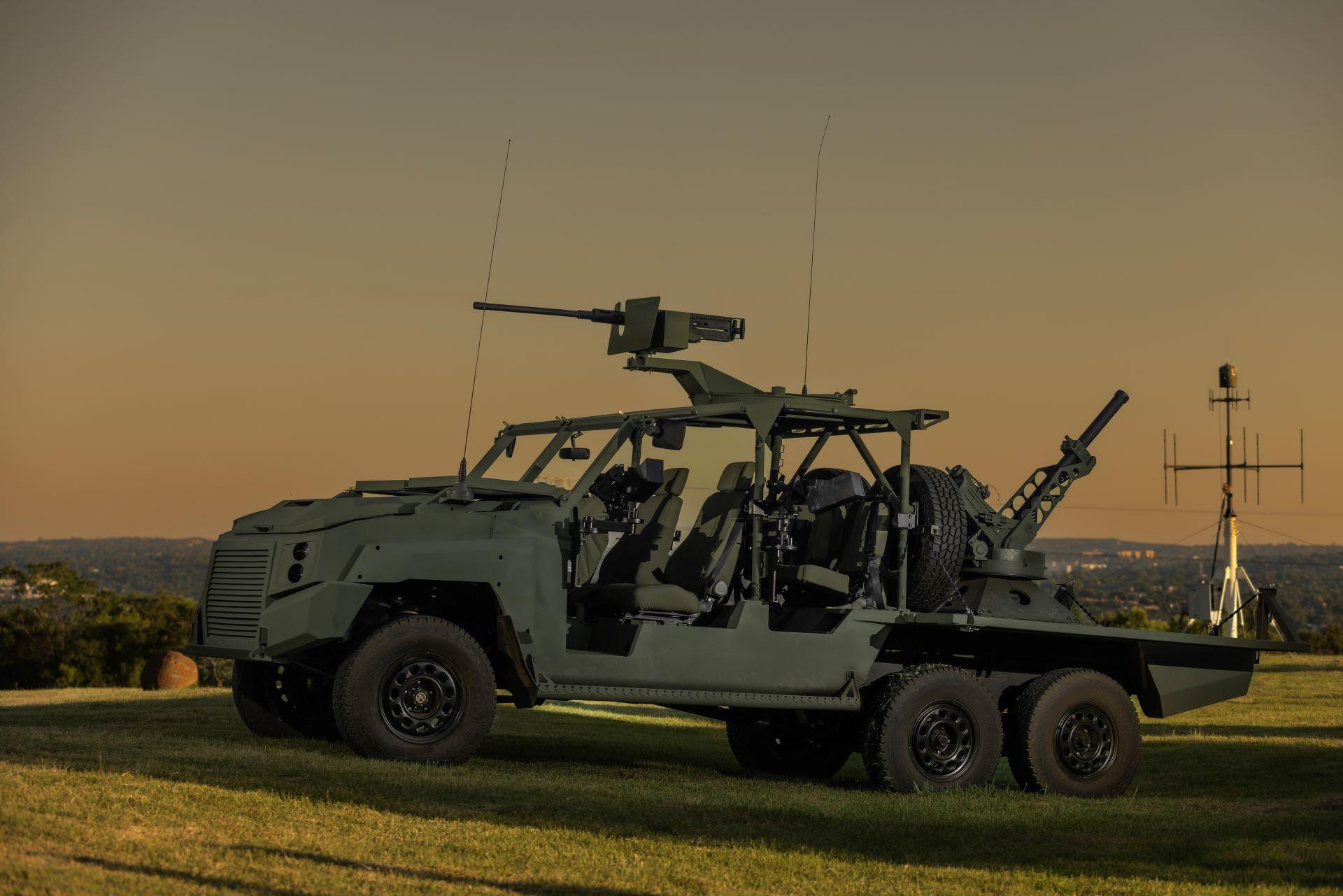
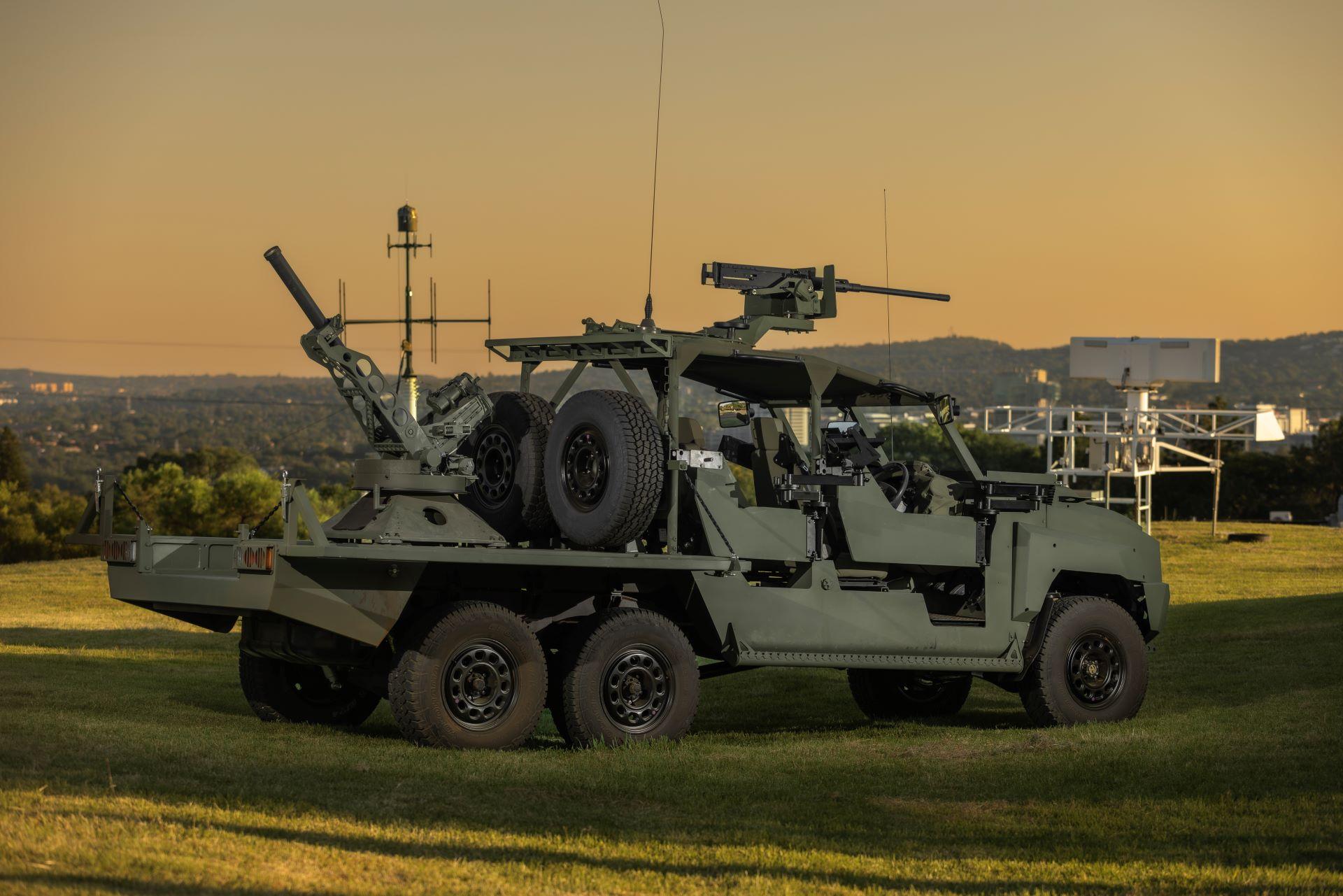
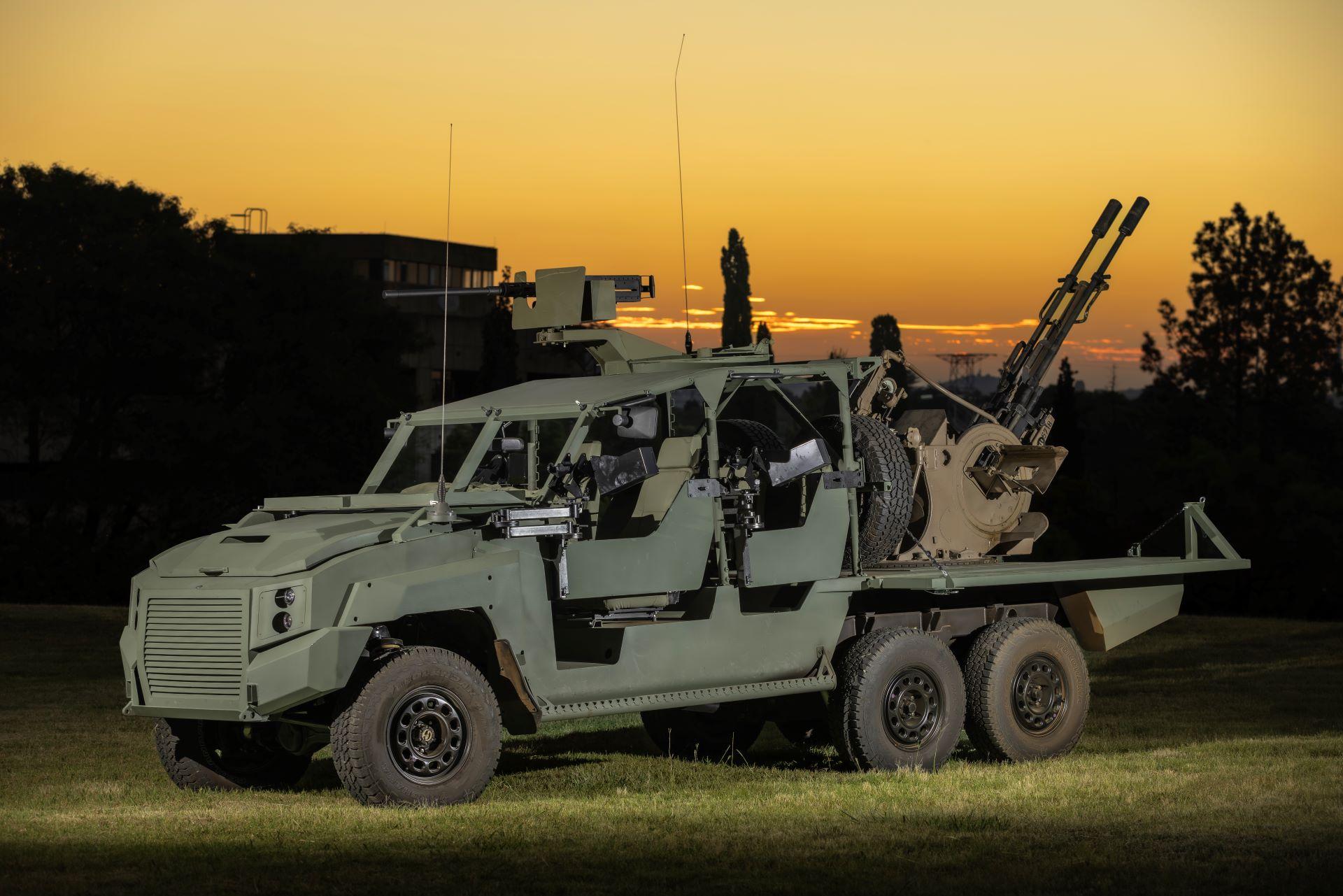
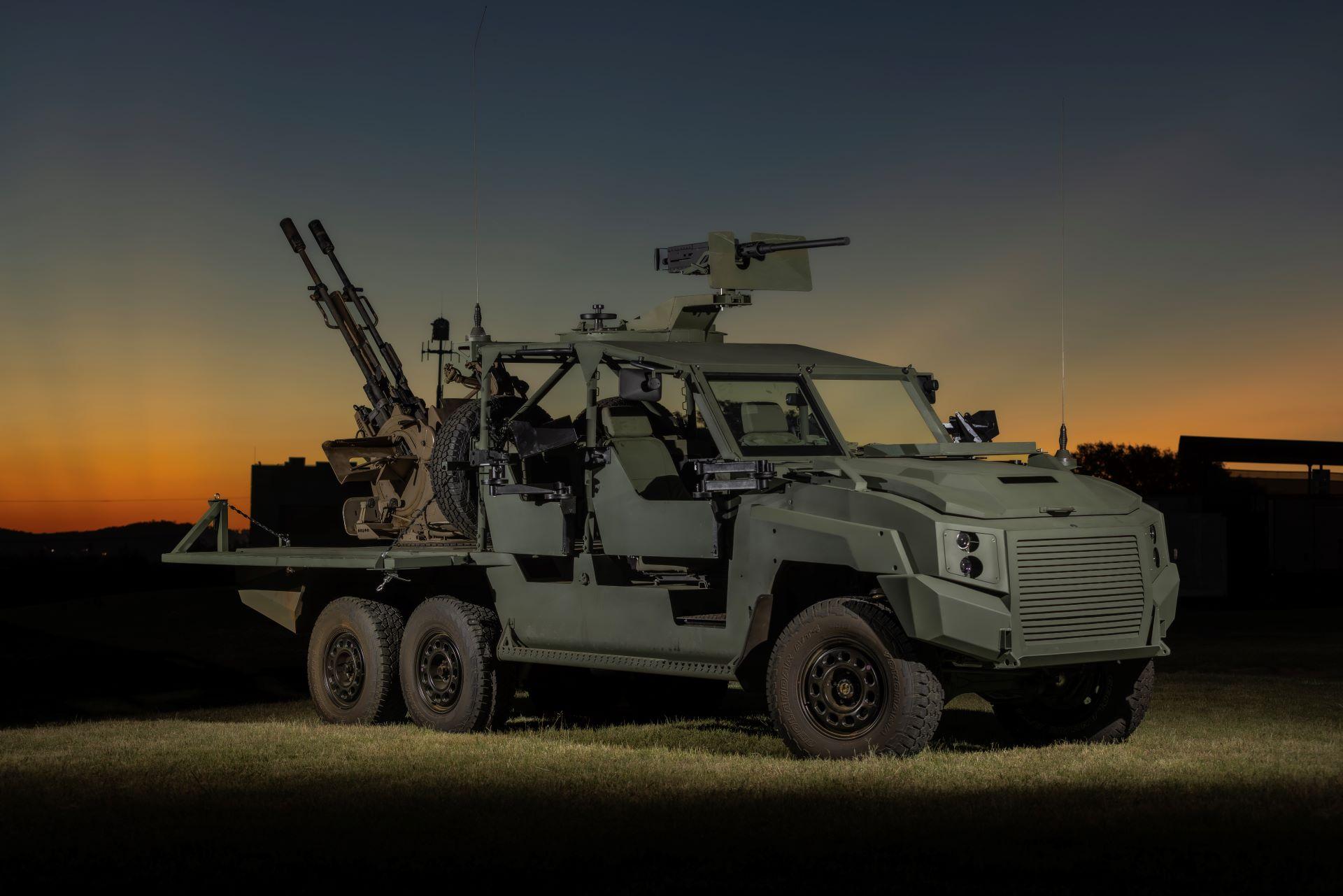
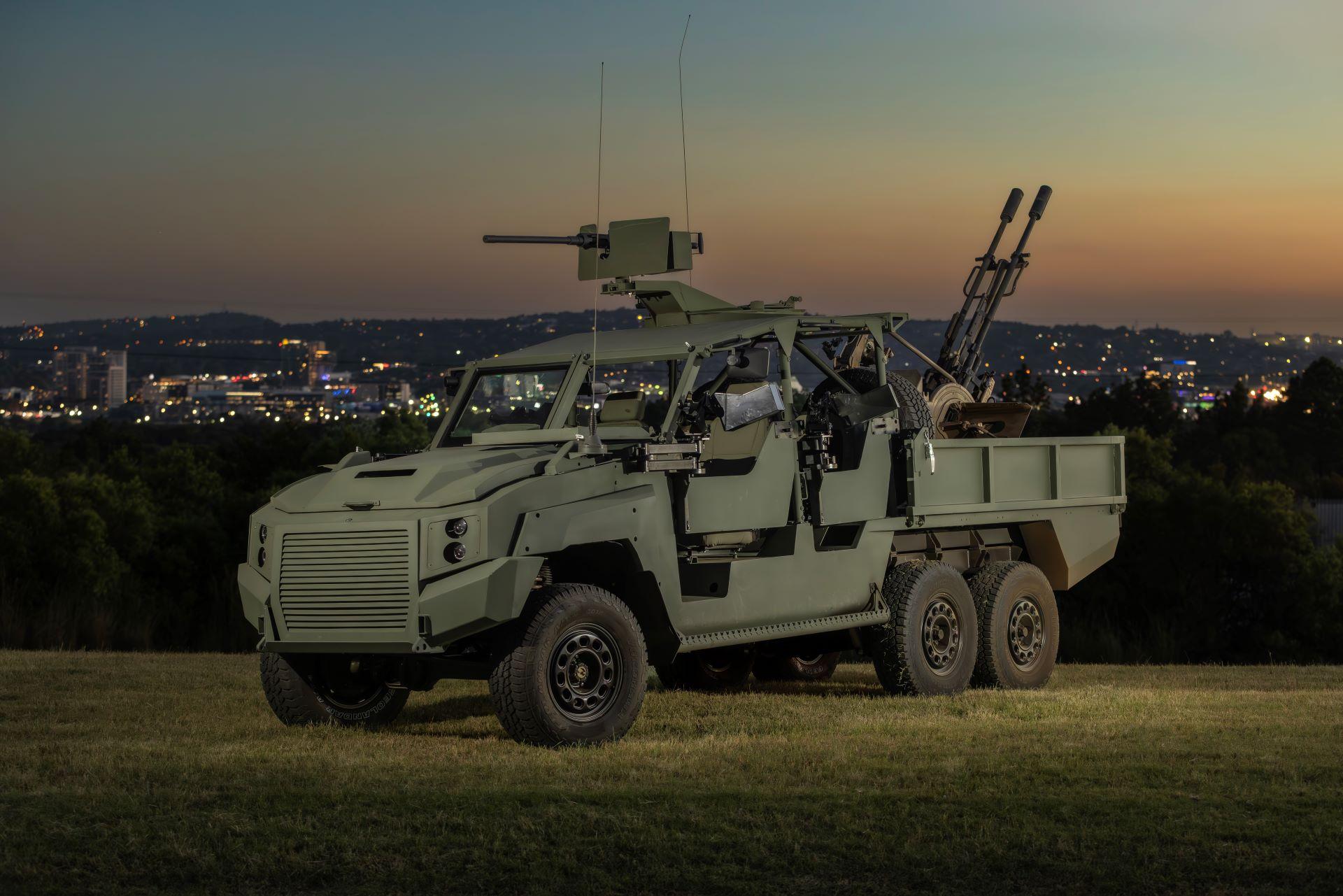
The modern battlefield does not reward hesitation. It rewards machines that can move fast, think flexibly, and adapt in real time to conditions that shift as quickly as dust over broken terrain. Into that demanding reality steps the new SVI MAX Recon, a 6x6 tactical evolution of SVI Engineering’s MAX 3, itself built on the legendary Toyota Land Cruiser 70 Series chassis. Revealed by SVI Engineering, this rapid-deployment platform is less a vehicle and more a modular battlefield ecosystem wrapped in steel, composite armour, and intent.
Although the MAX Recon is not a civilian product and requires specialised end-user certification for acquisition, its significance extends well beyond its restricted operating environment. It demonstrates what happens when a proven utility platform is pushed into the extreme upper limits of protection, mobility, and mission flexibility. It is, in essence, a rolling expression of modern asymmetric warfare requirements, where speed, survivability, and adaptability must coexist without compromise.
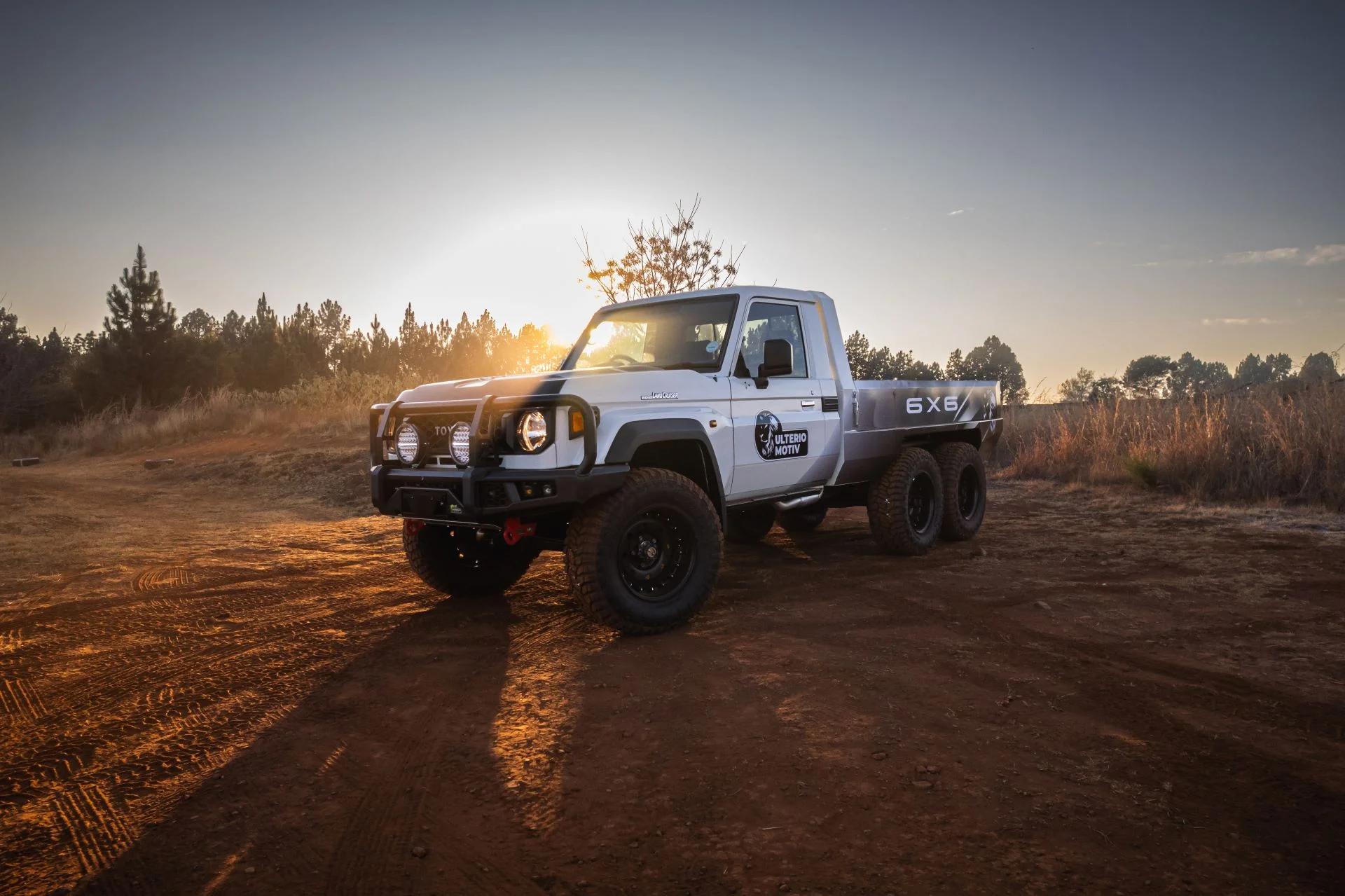
At the heart of the MAX Recon lies its advanced transformation from a conventional two-axle layout into a fully fledged 6x6 configuration. This is not simply an extension of length or load space, but a structural rethinking of how torque, weight distribution, and terrain interaction are managed under operational stress. The system allows selectable drive modes that can alternate between 6x2, 6x4, and full 6x6 engagement, depending on terrain demands and mission profile. Power is distributed through a through-drive rear differential system that ensures consistent traction across all axles, while heavy-duty rear differential housings, locally manufactured for resilience and serviceability, retain compatibility with core Toyota components for field maintenance efficiency.
Beneath the body, a bogie suspension system works continuously to smooth out the violence of uneven terrain, improving both stability and wheel articulation. This is critical in environments where roads are absent and predictability is a luxury. The result is a platform that does not merely survive off-road conditions but actively exploits them for tactical advantage, maintaining speed and composure where lesser vehicles would falter or stall.
Protection has been engineered with the same philosophy of adaptability. The MAX Recon is equipped with Level B6 ballistic protection, extending across the cabin, engine bay, firewall, and roof structure. The inclusion of roof-level protection specifically addresses emerging aerial threats, including drone-based attacks, reflecting how contemporary conflict has expanded vertically as well as horizontally. A split windscreen constructed from B6-grade glass introduces an unusual but highly functional design feature, allowing each section to fold flat when operational conditions require maximum visibility or reduced profile exposure.
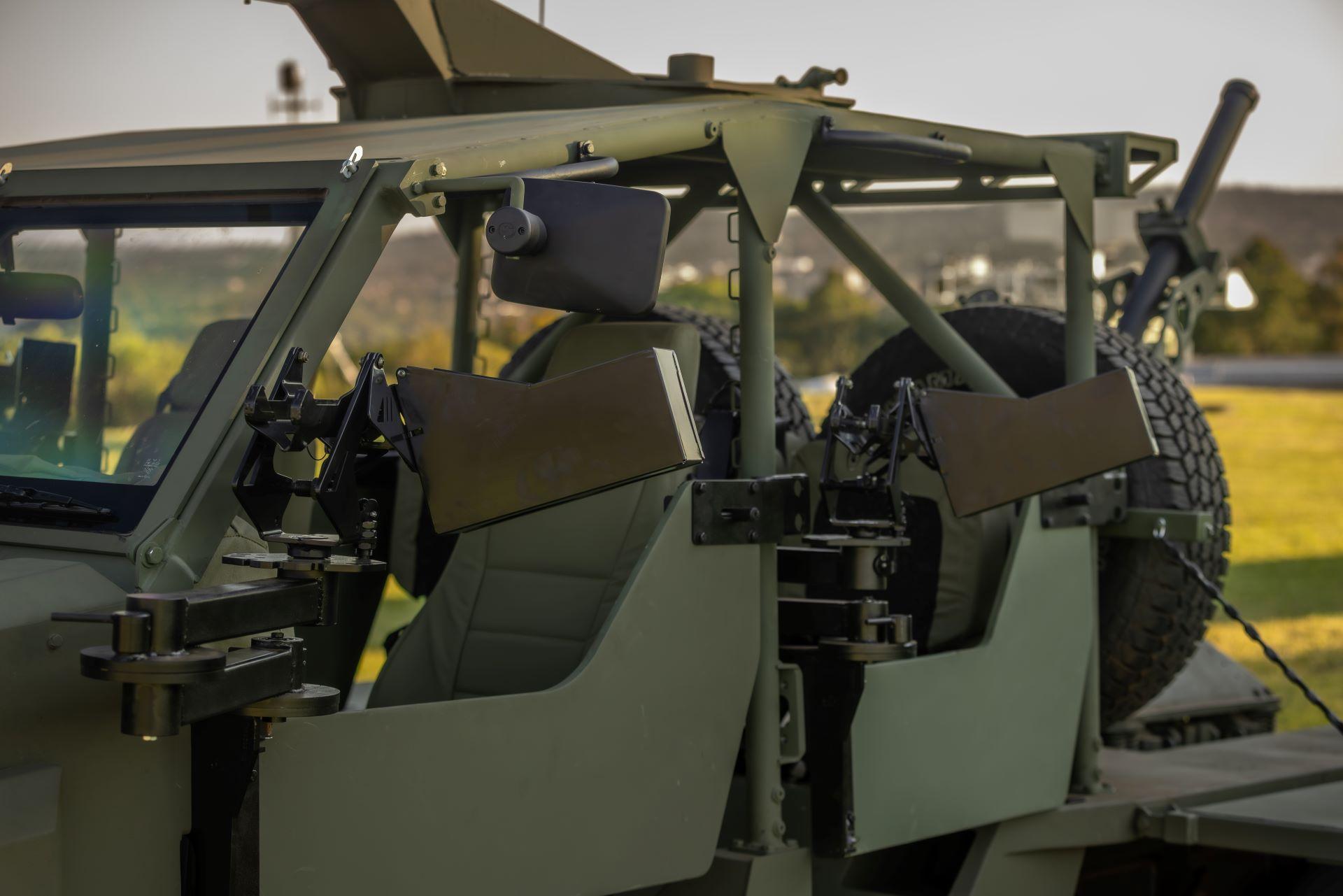
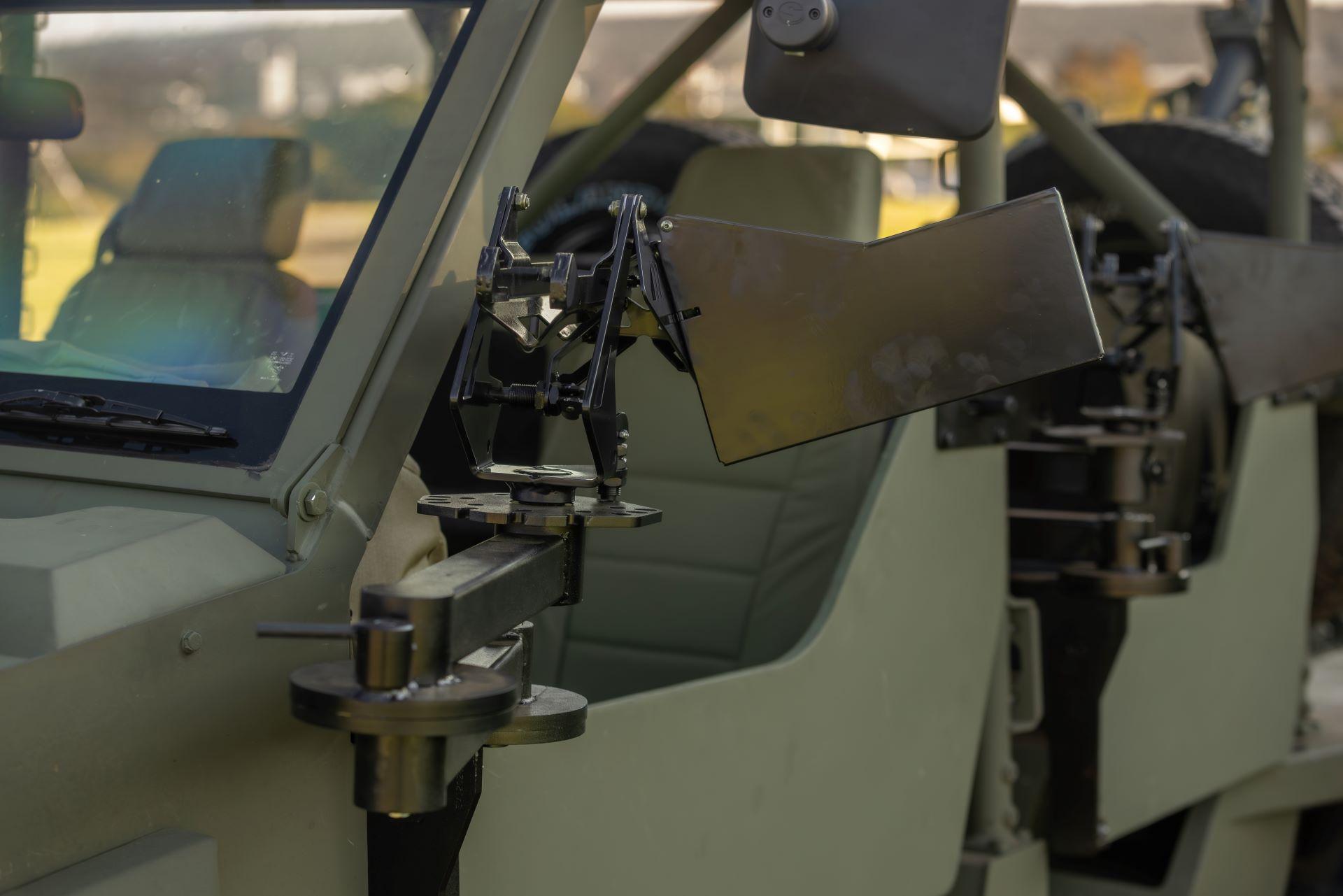
Inside this protective shell, the architecture remains deliberately modular. The co-driver position includes a forward-facing weapon mount designed to provide direct engagement capability without compromising vehicle movement. Additional weapon interfaces are integrated into each door aperture, paired with composite half-doors that can be rapidly removed via quick-release mechanisms depending on mission requirements. A turret-ready mounting interface sits on the roof, enabling a wide range of overhead systems, while the vehicle can shift between lighter configurations with canvas coverings or fully armoured door systems depending on threat level and deployment context.
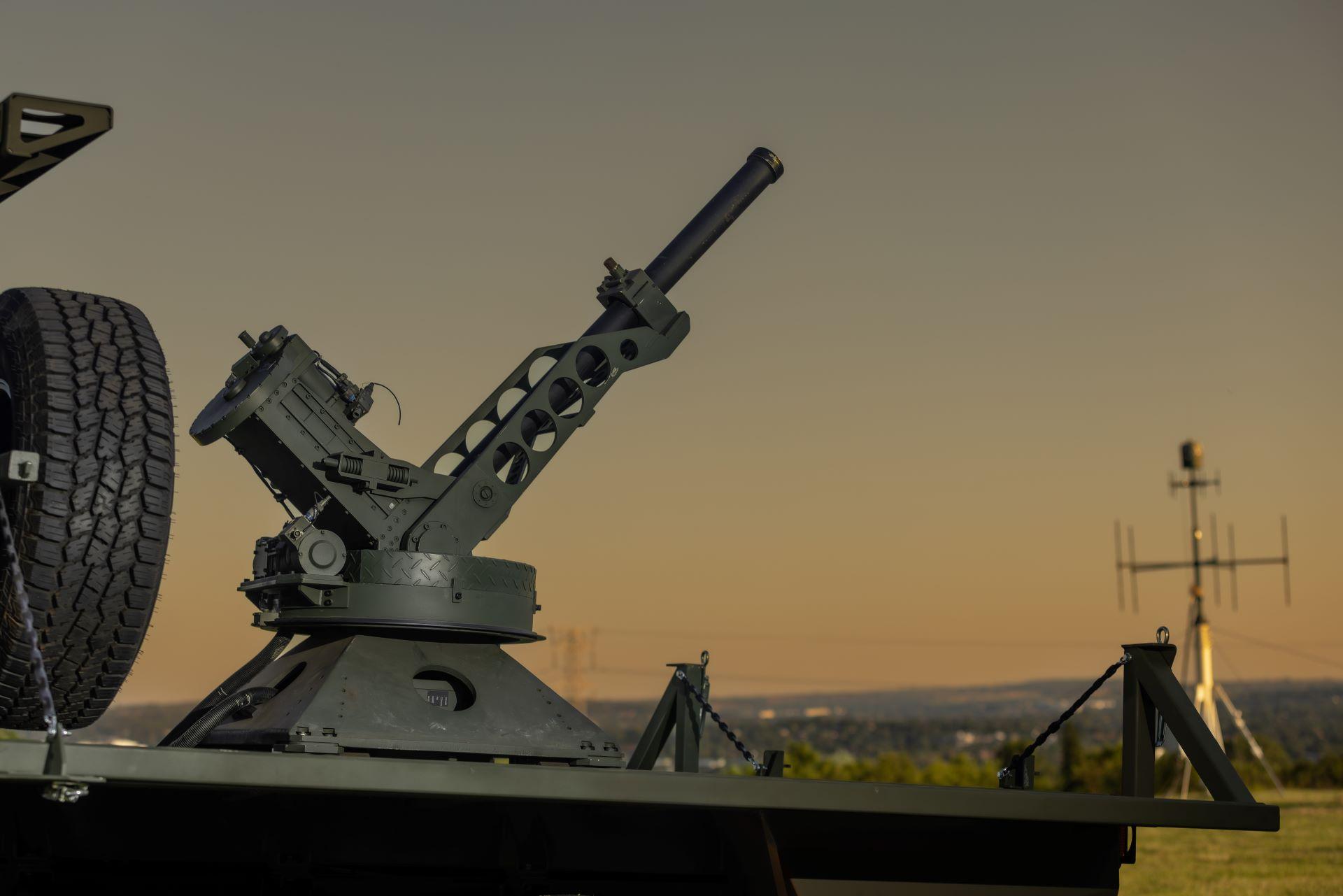
Perhaps the most defining characteristic of the MAX Recon is not its armour or drivetrain, but its philosophy of configuration. The platform has been designed as a modular base capable of hosting a wide spectrum of mission-specific systems. These include reconnaissance configurations, heavy direct-fire variants such as a ZU-23 autocannon system developed in collaboration with the Council for Scientific and Industrial Research, and anti-aircraft solutions including 14.5 mm systems. Indirect fire and support roles are represented through Scorpion mortar integrations in both 60 mm and 81 mm formats, as well as 107 mm rocket systems, while specialised drone operations and battlefield communication roles further extend its utility beyond kinetic engagement alone.
In addition to its kinetic configurations, the MAX Recon is designed to operate as a mobile command node. Secure communication suites, real-time command and control systems, electronic warfare packages, signal jamming systems, and advanced coordination technologies can all be integrated depending on mission demands. This transforms the platform from a transport asset into a battlefield intelligence and control hub capable of influencing engagements far beyond its physical footprint.
A defining strength of the system lies in how rapidly it can be reconfigured. Mission changes do not require prolonged workshop interventions or complex reengineering cycles. Instead, adaptations can be completed using basic tools and lifting equipment, enabling swift turnaround between operational roles. This rapid reconfiguration capability ensures that the MAX Recon can respond to evolving mission demands with minimal downtime, an essential advantage in unpredictable operational environments where timing often determines outcome.
Underpinning all of this is SVI’s long-standing expertise in armoured vehicle engineering. Established in 2004, the company has grown into one of Africa’s leading specialists in armoured mobility solutions, serving defence, security, mining, corporate, and governmental sectors. With ISO 9001:2015 certification through TÜV Rheinland and a Level 2 B-BBEE status, SVI continues to position itself as a key player in high-performance vehicle adaptation and protection technologies.
Pricing for the MAX Recon is available on application, reflecting its highly specialised nature and the tailored requirements of its deployment configurations. It is not a mass-market product, nor does it attempt to be. Instead, it stands as a purpose-built answer to a very specific question: what does a truly adaptable, heavily protected, rapidly deployable 6x6 platform look like when designed without compromise?
In the MAX Recon, that answer arrives in the form of a machine that feels less like a vehicle and more like a mobile strategy platform, ready to shift shape, role, and purpose at the speed of modern conflict.