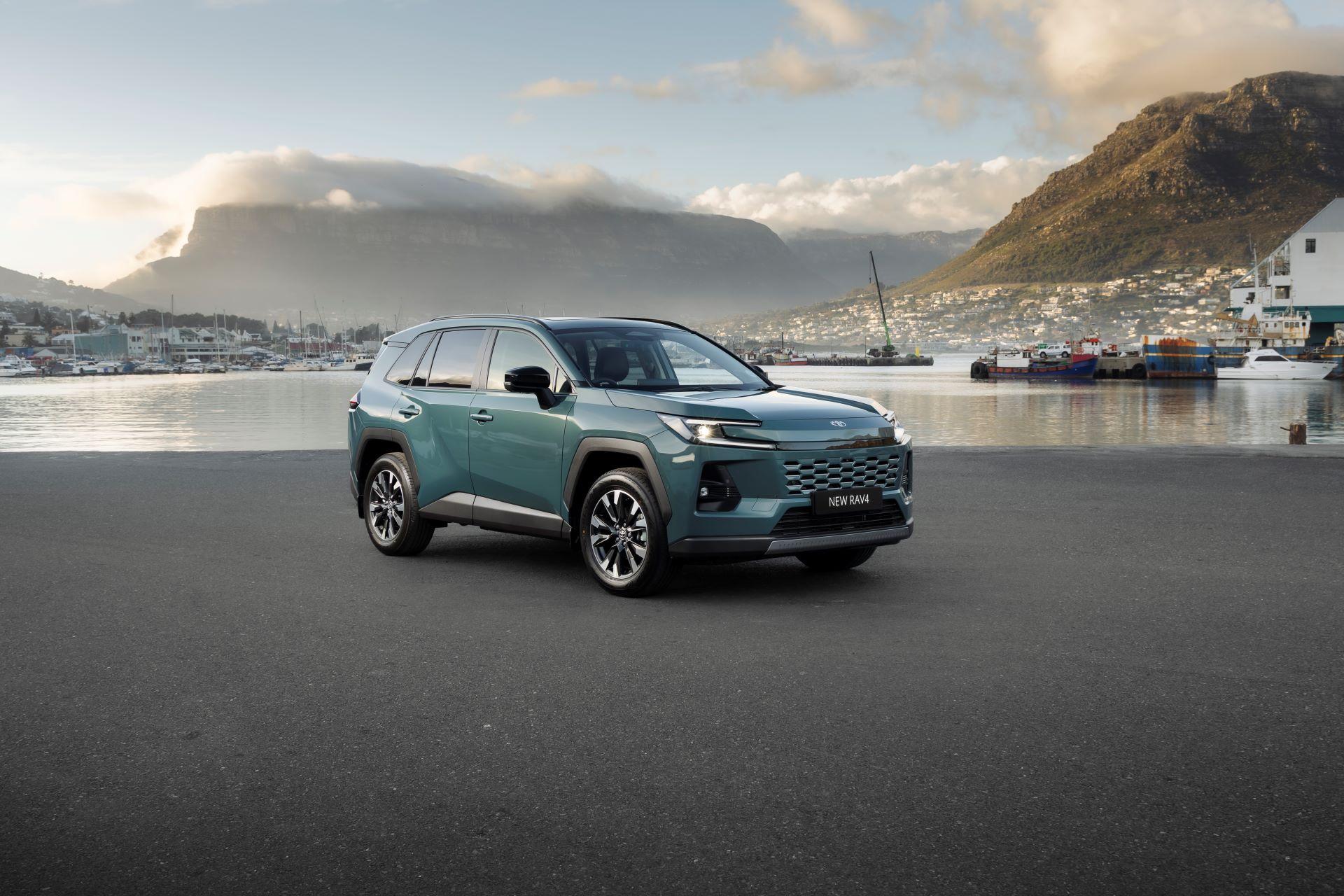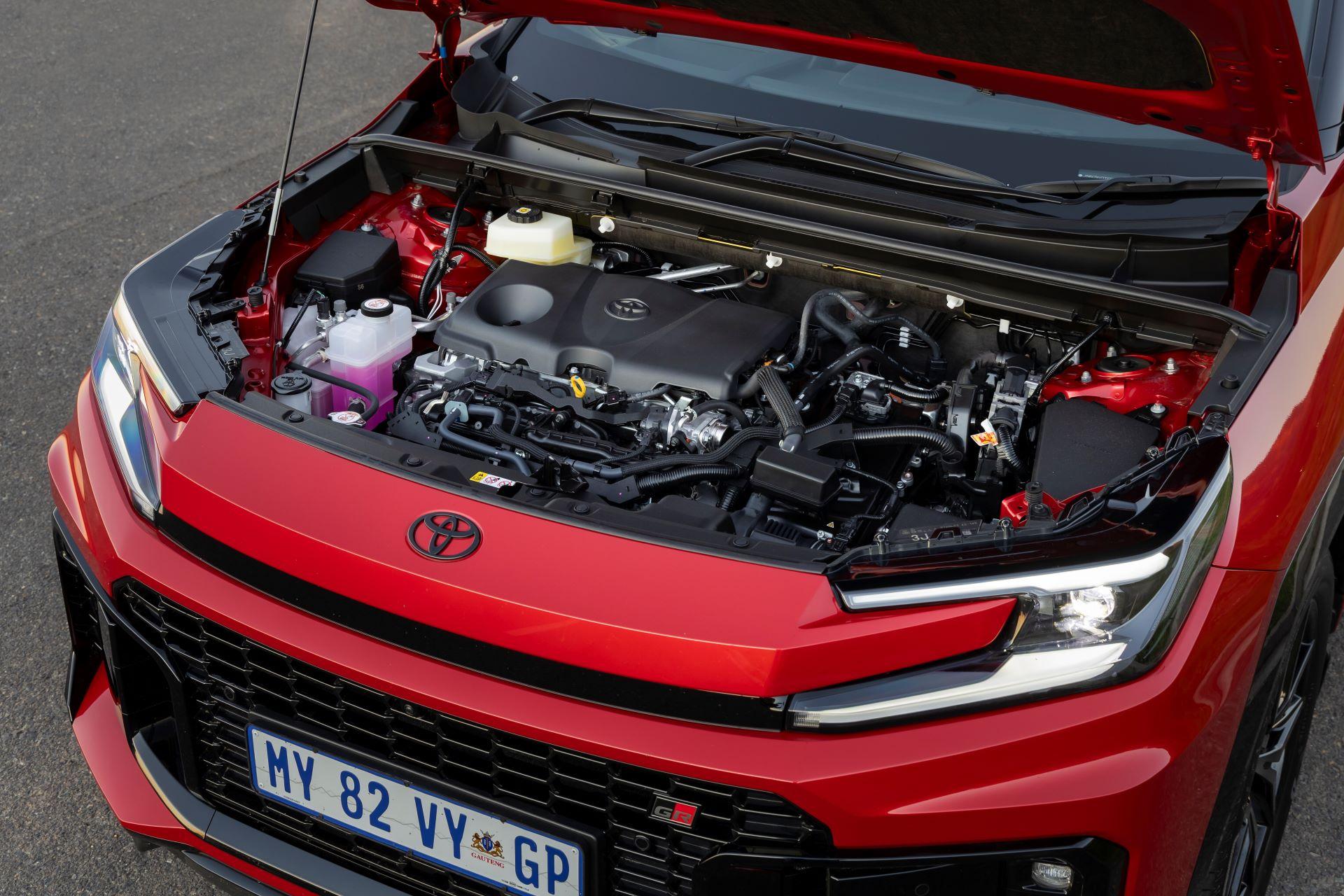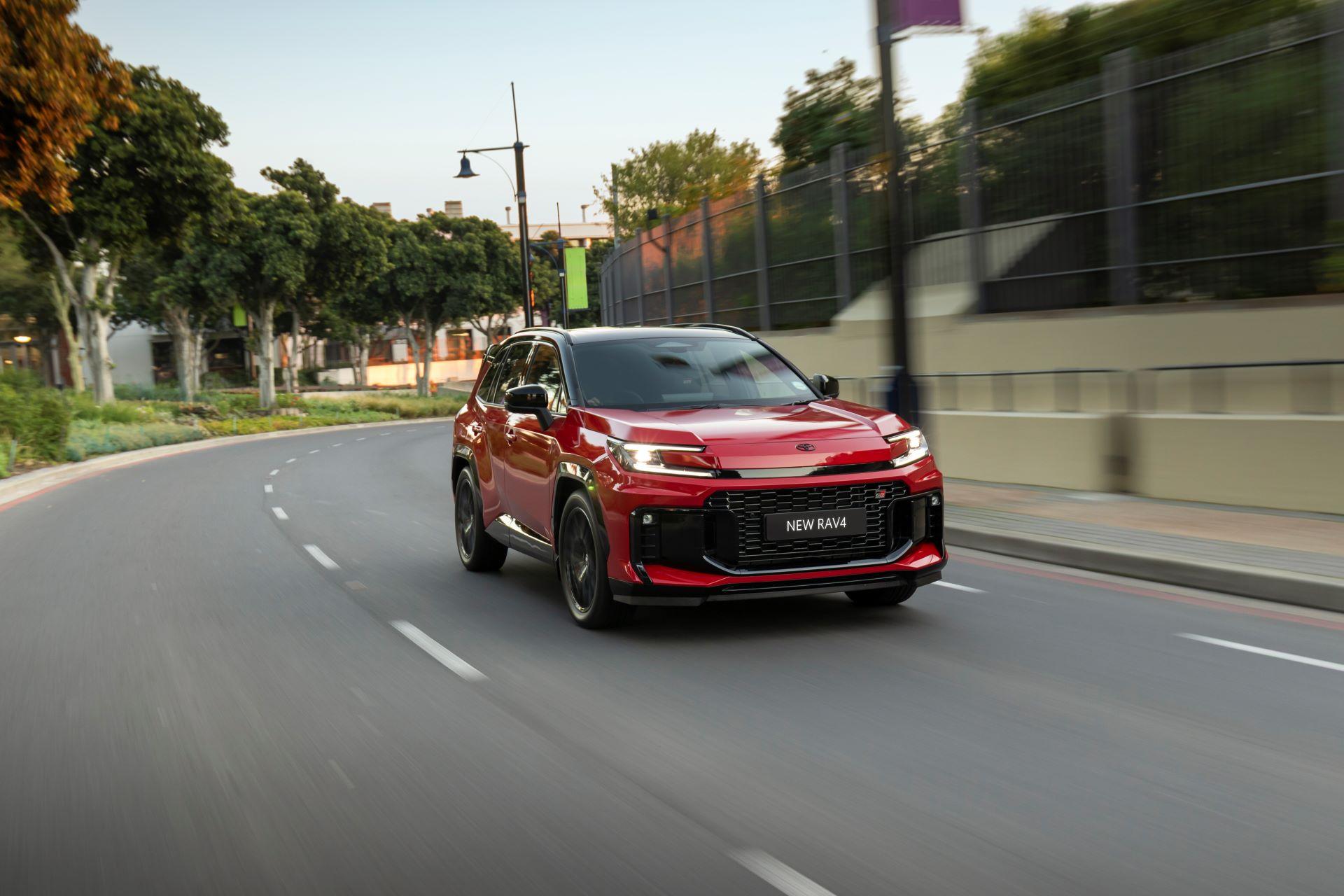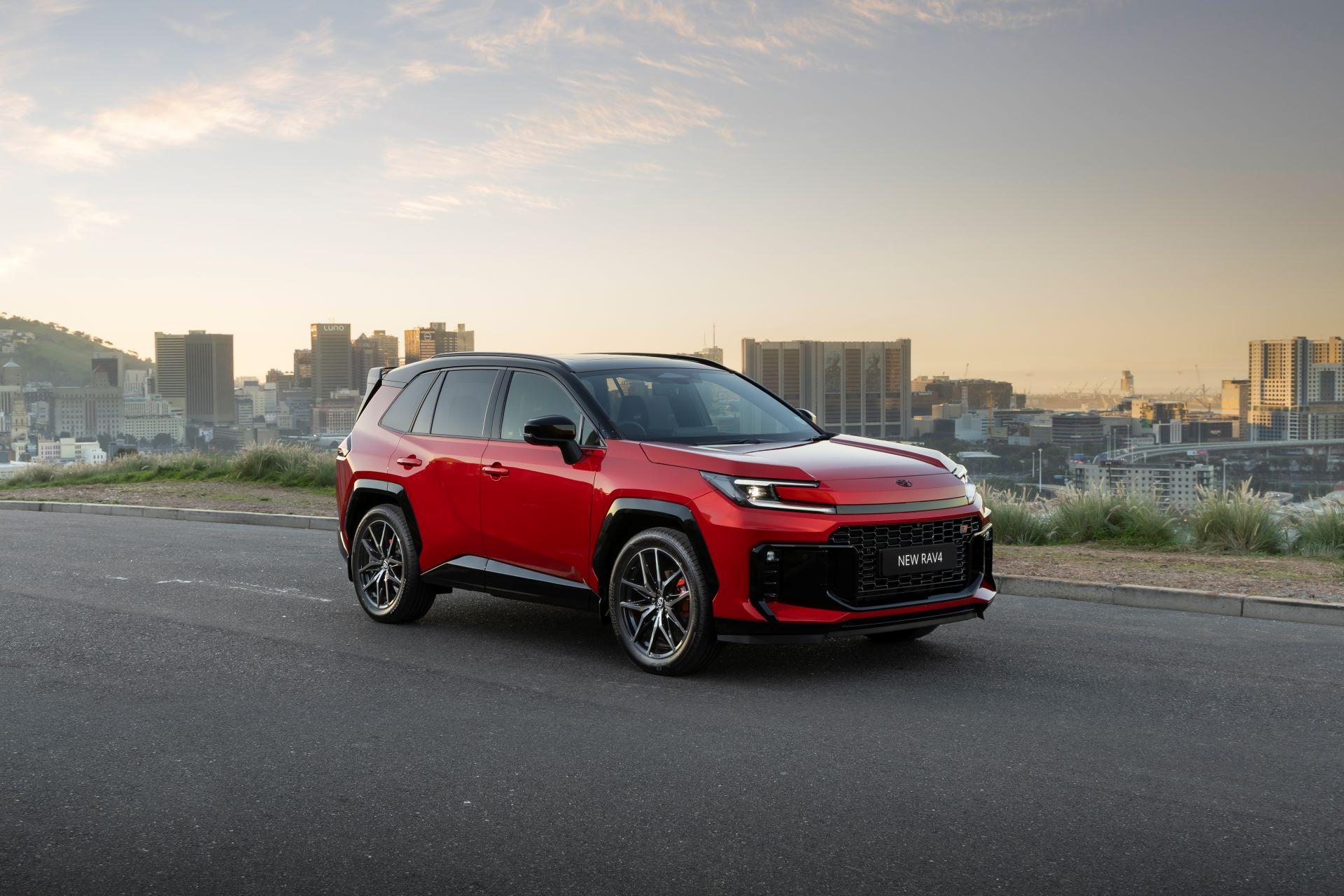


Toyota South Africa Motors (TSAM) once again underlined its dominance in the local automotive landscape, closing April 2026 with a commanding 21.2% market share and 10 188 vehicles sold. In a month traditionally softened by public holidays and constrained trading days, the result extends Toyota’s run at the top to four consecutive months, reinforcing its position as the country’s automotive bellwether.
The broader market showed encouraging signs of resilience. According to naamsa, total domestic vehicle sales reached 47 979 units, making this the strongest April performance since 2013. Improved financing conditions and a gradual uplift in consumer sentiment provided a tailwind, even as persistent pressures such as rising energy costs and inflation continue to shape buying behaviour.
Within this environment, Toyota’s balanced portfolio proved decisive. The passenger car segment remained the largest contributor to overall industry volumes, reaching 34 414 units, while light commercial vehicles delivered 10 966 units. Medium and heavy commercial segments added a combined 2 599 units, signalling renewed momentum in business and logistics sectors.
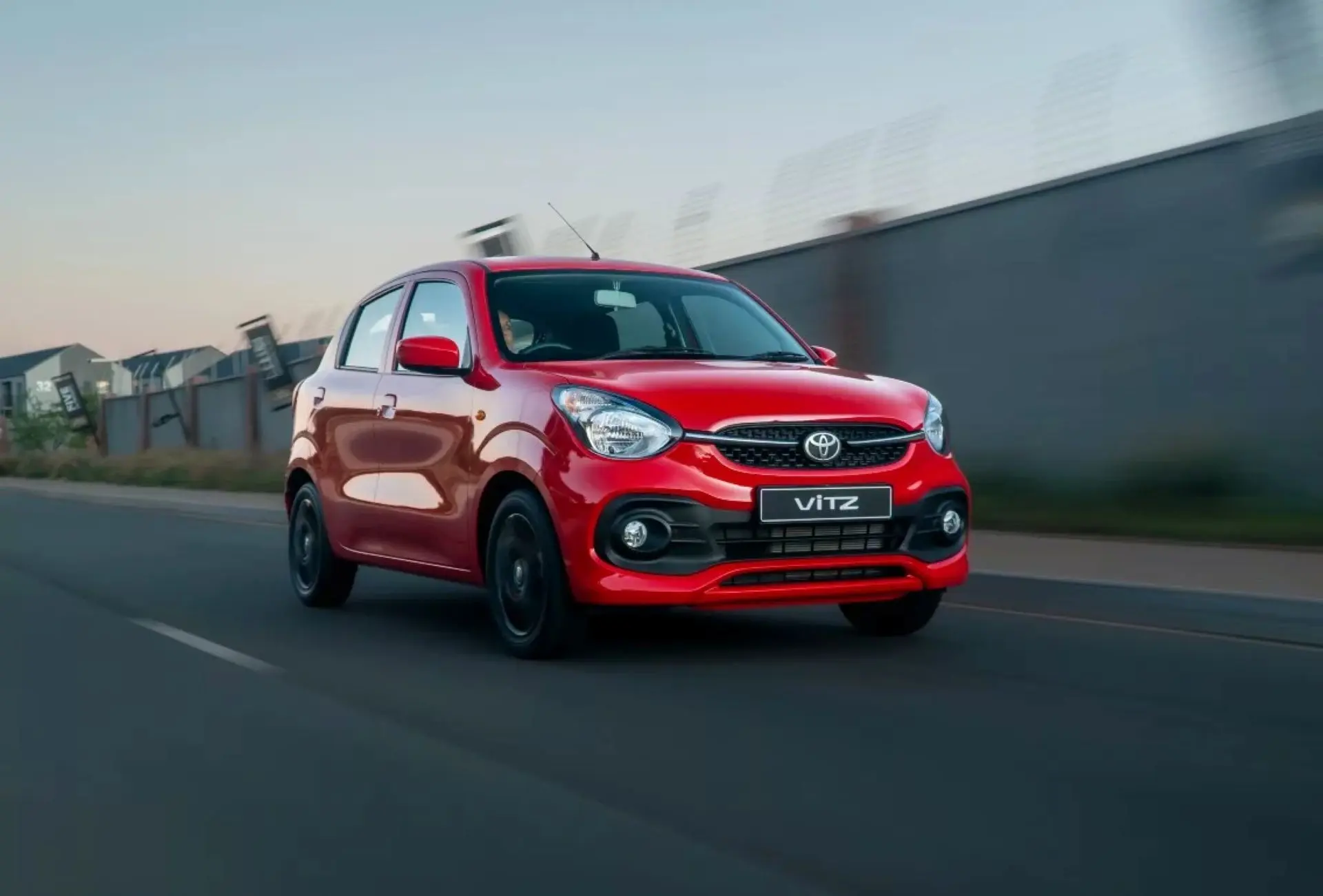
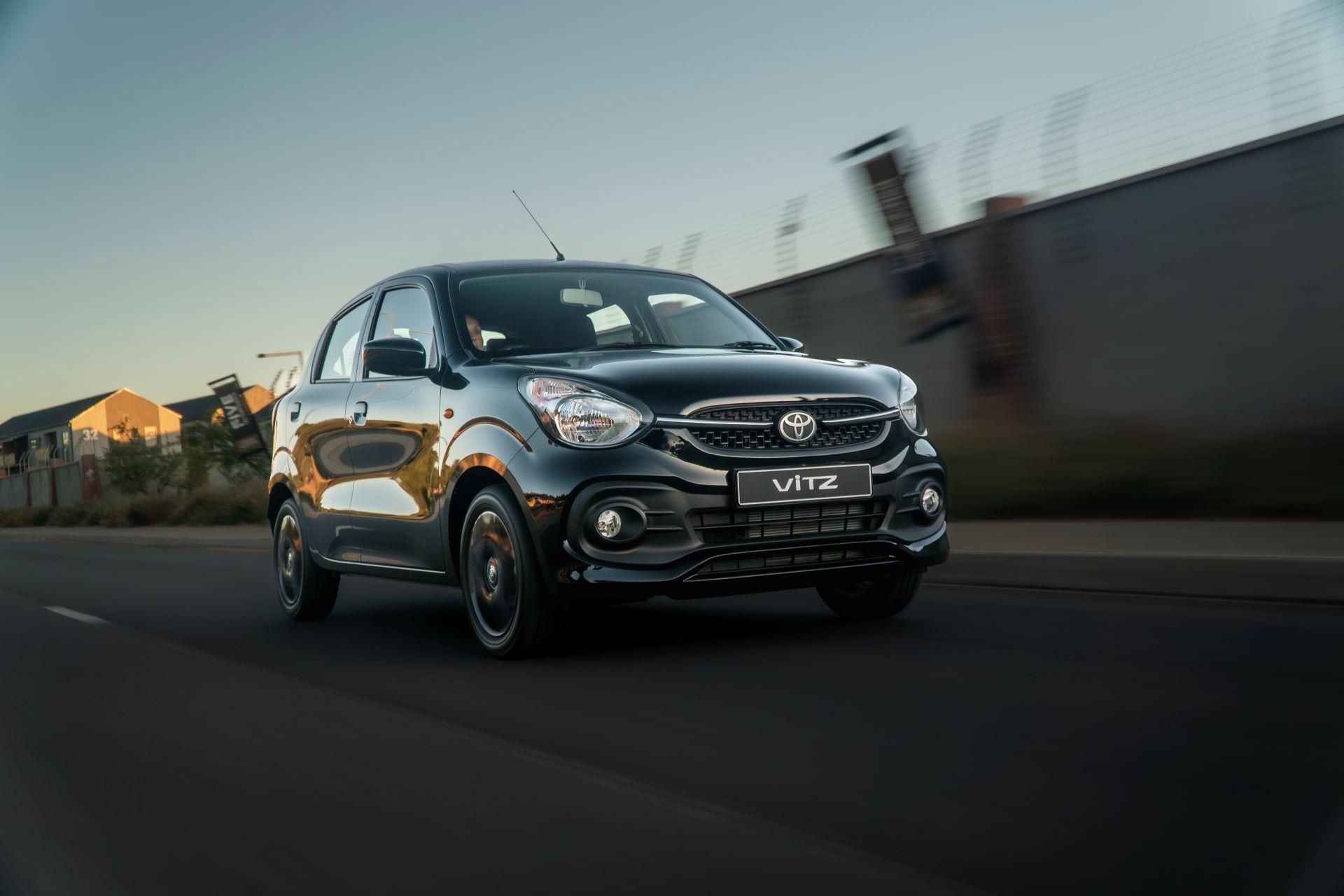
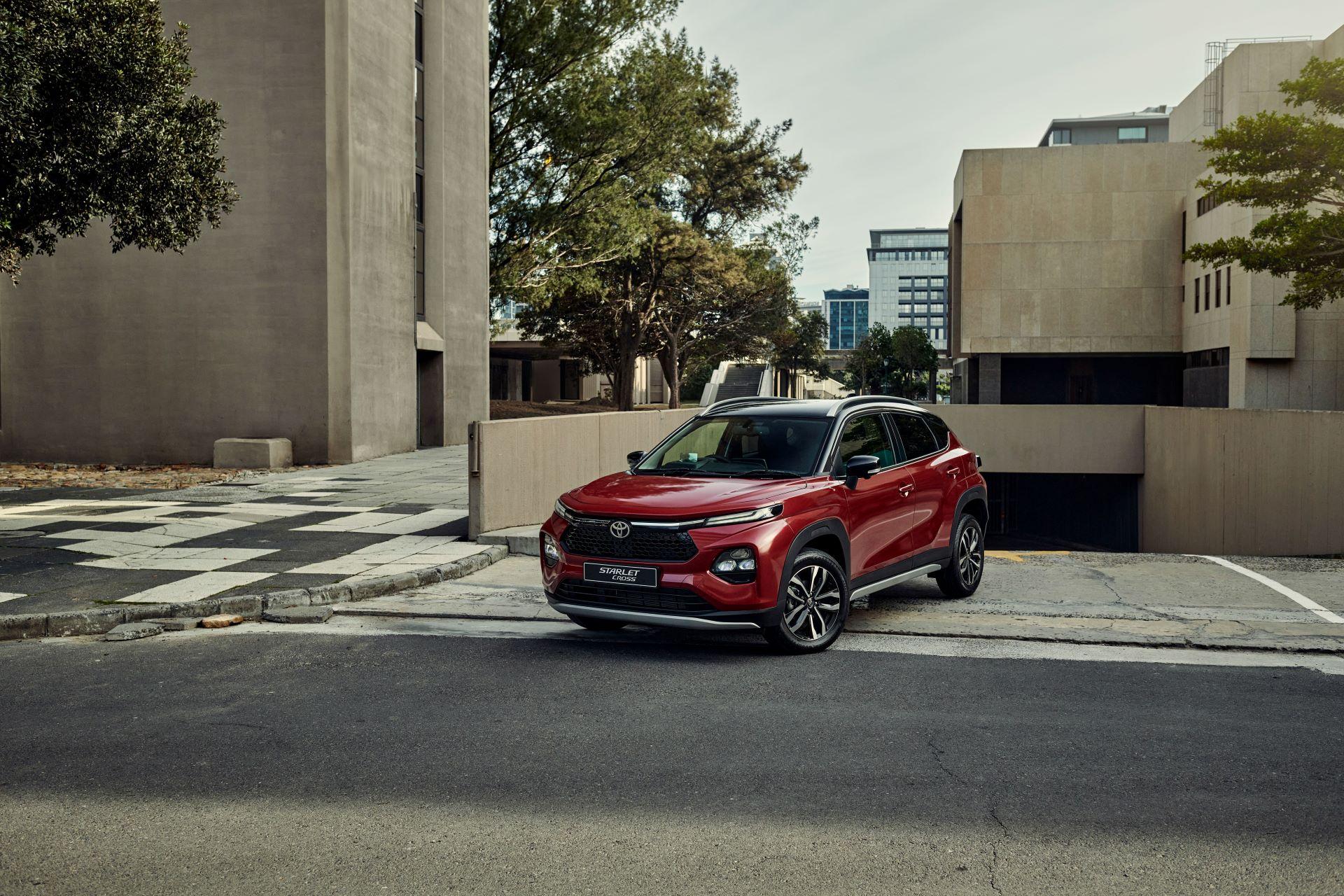
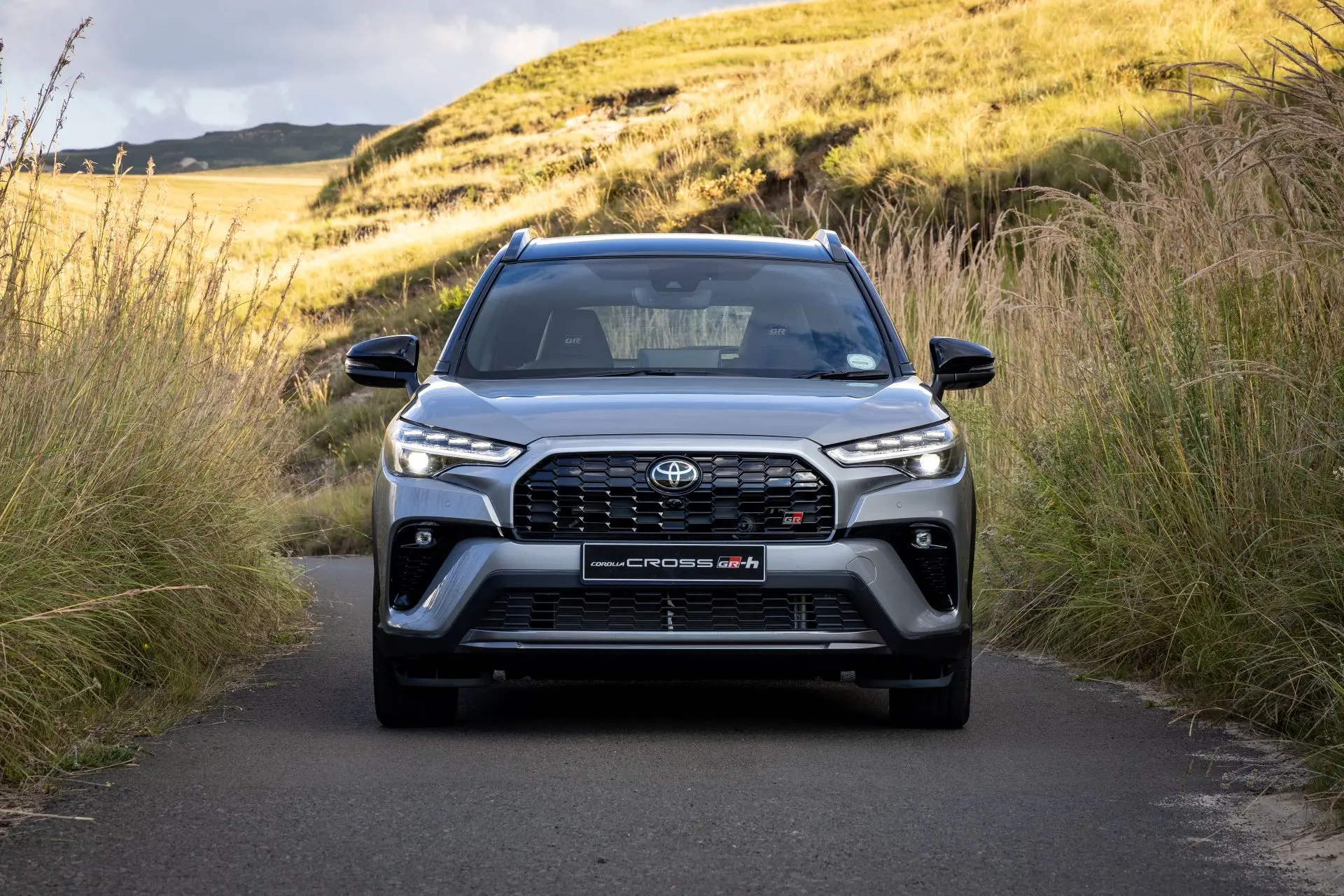
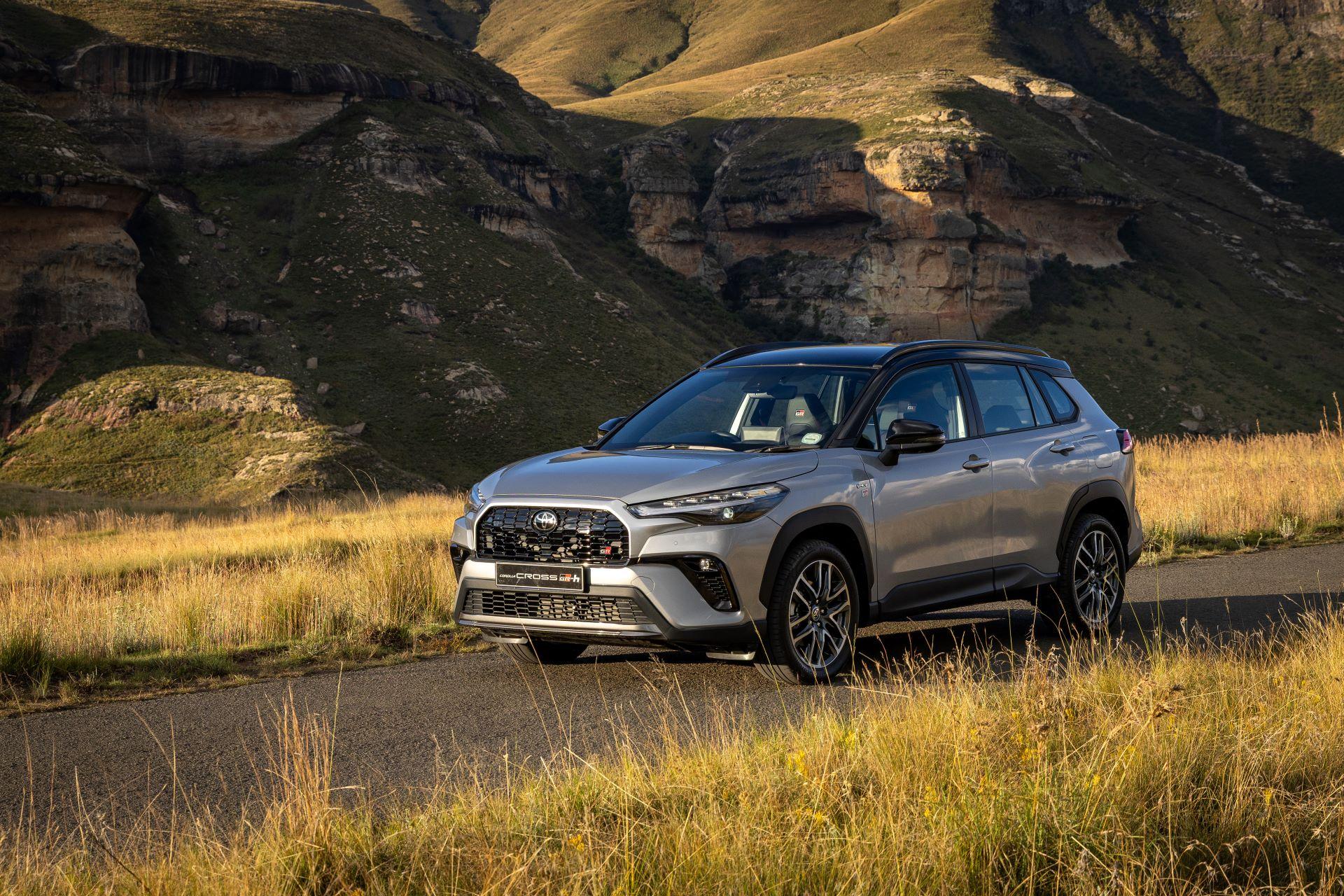
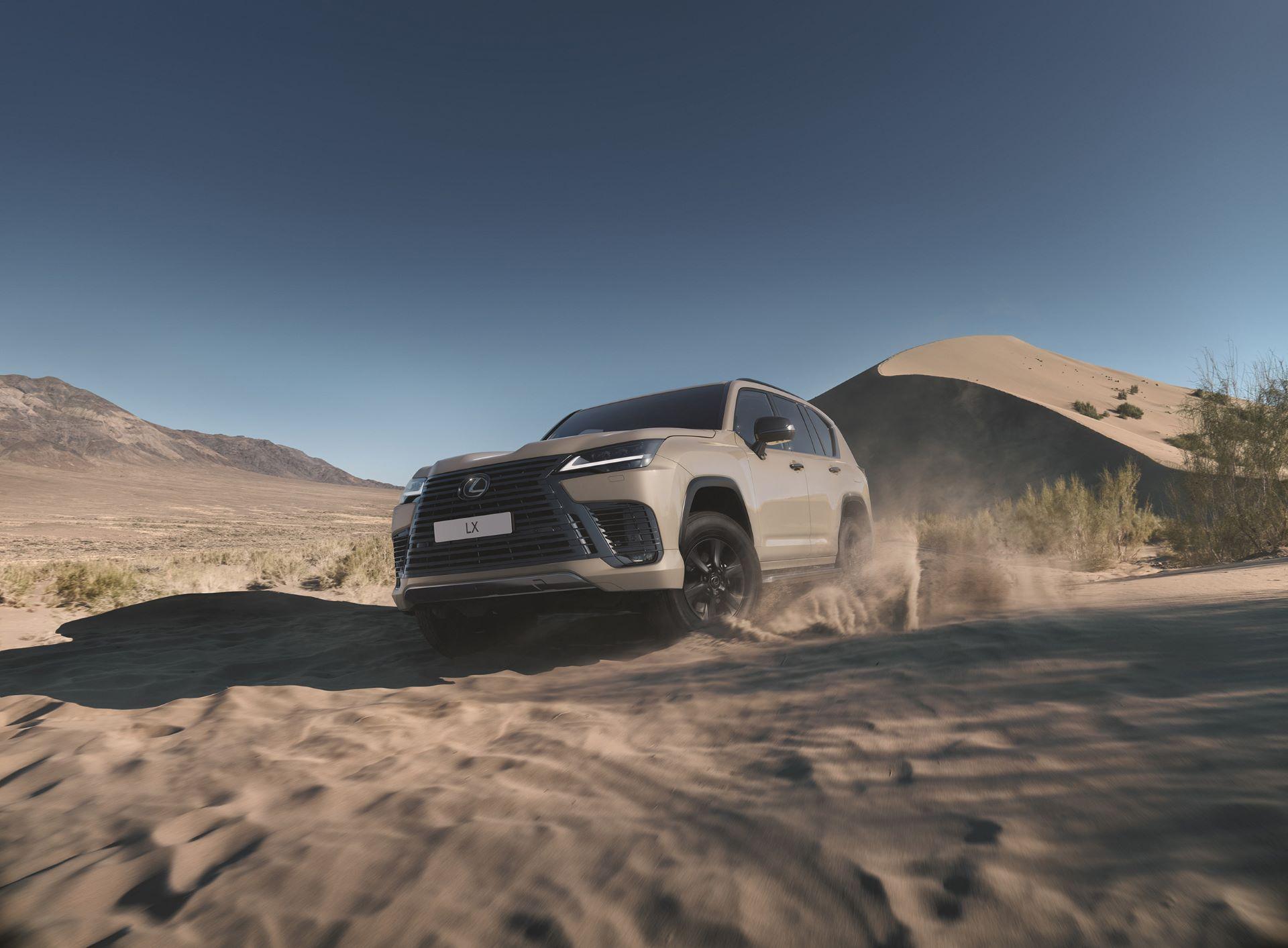
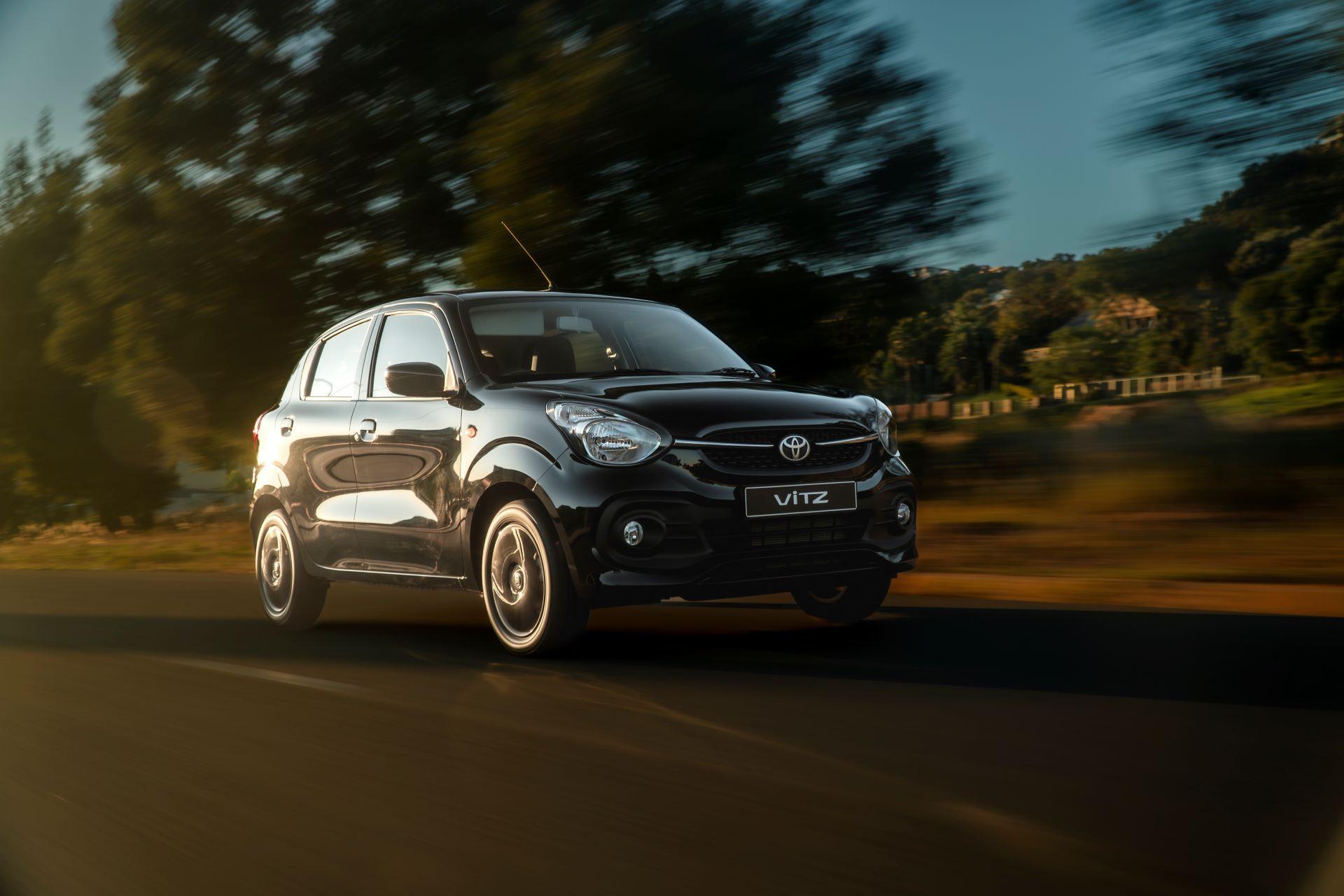
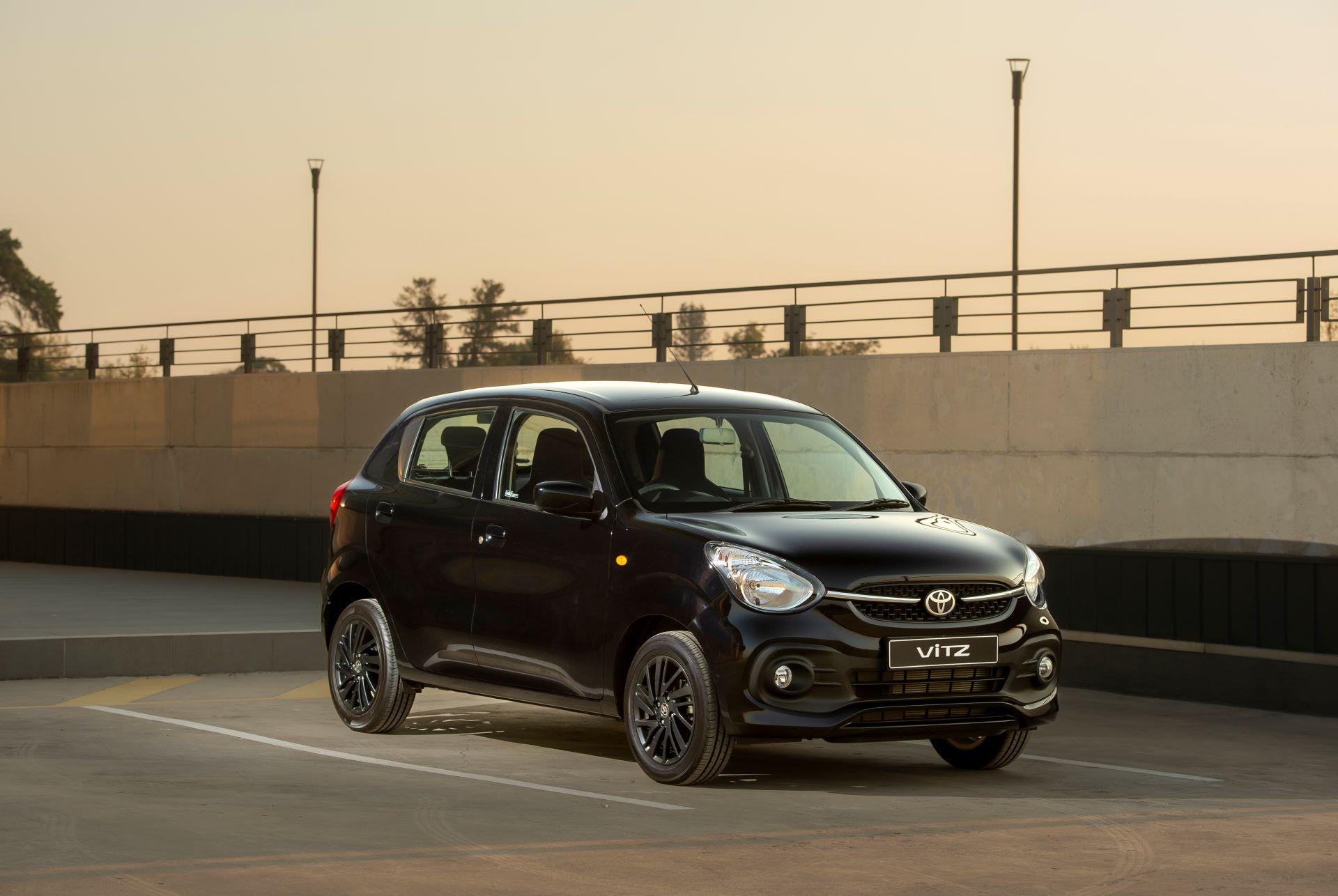
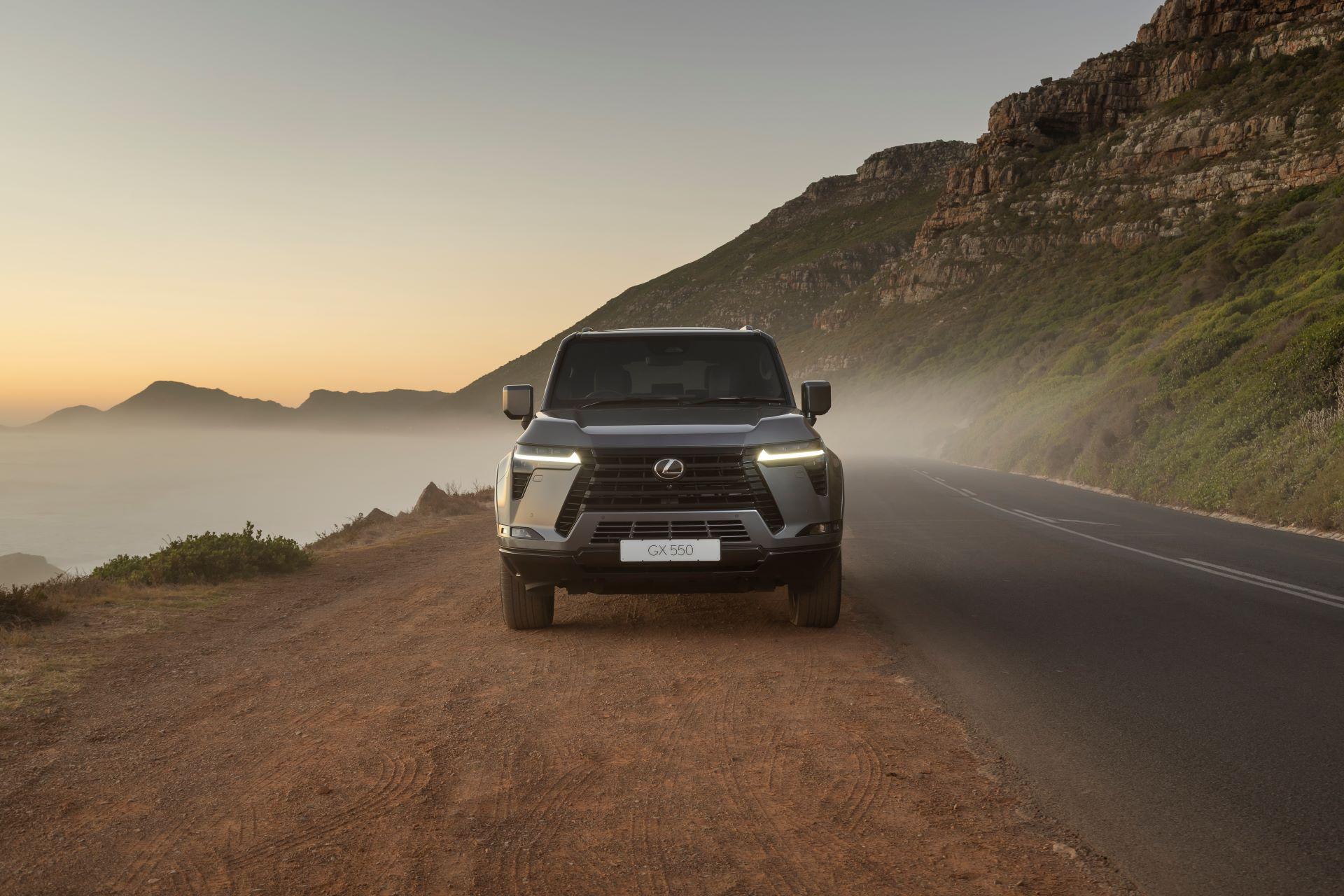
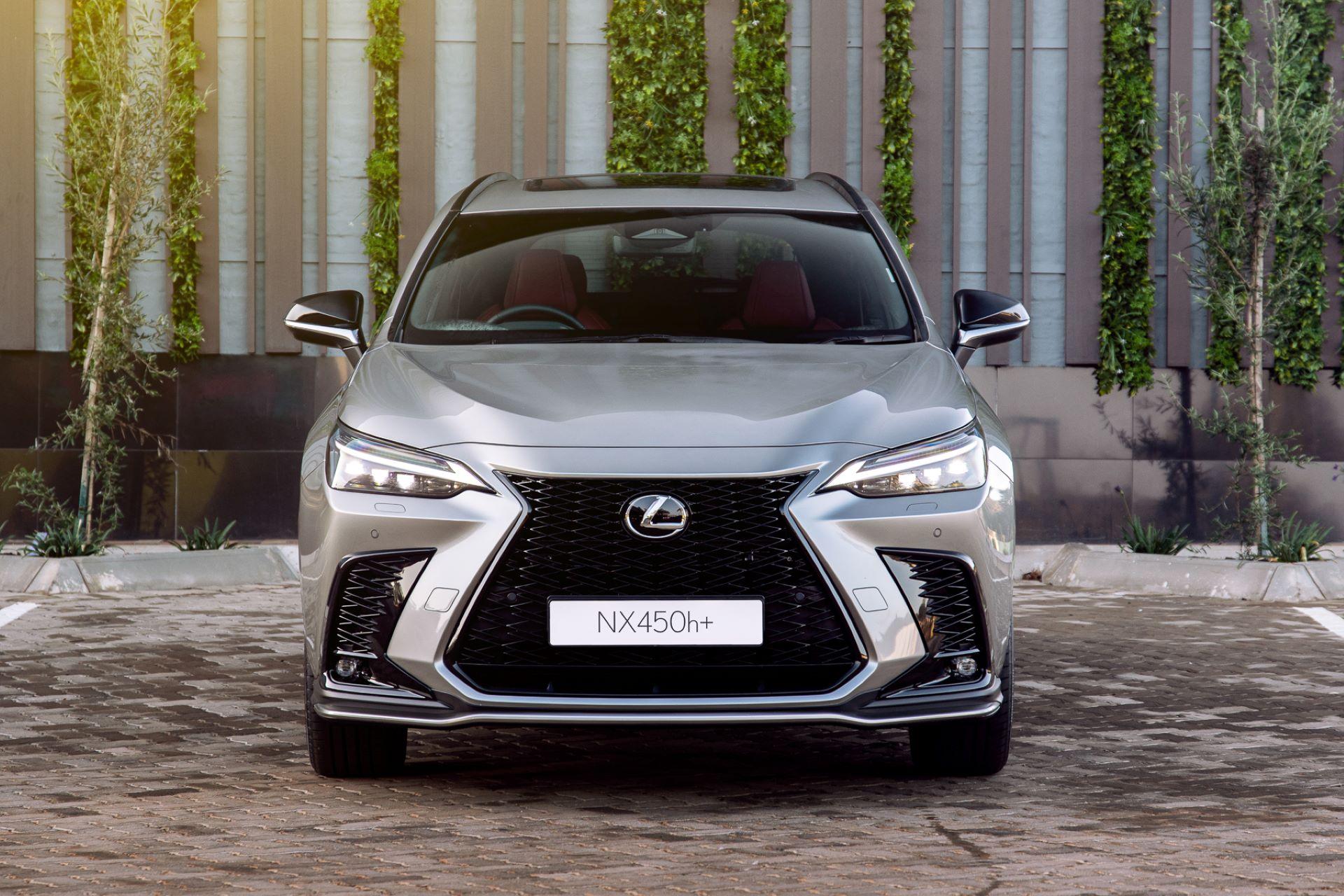
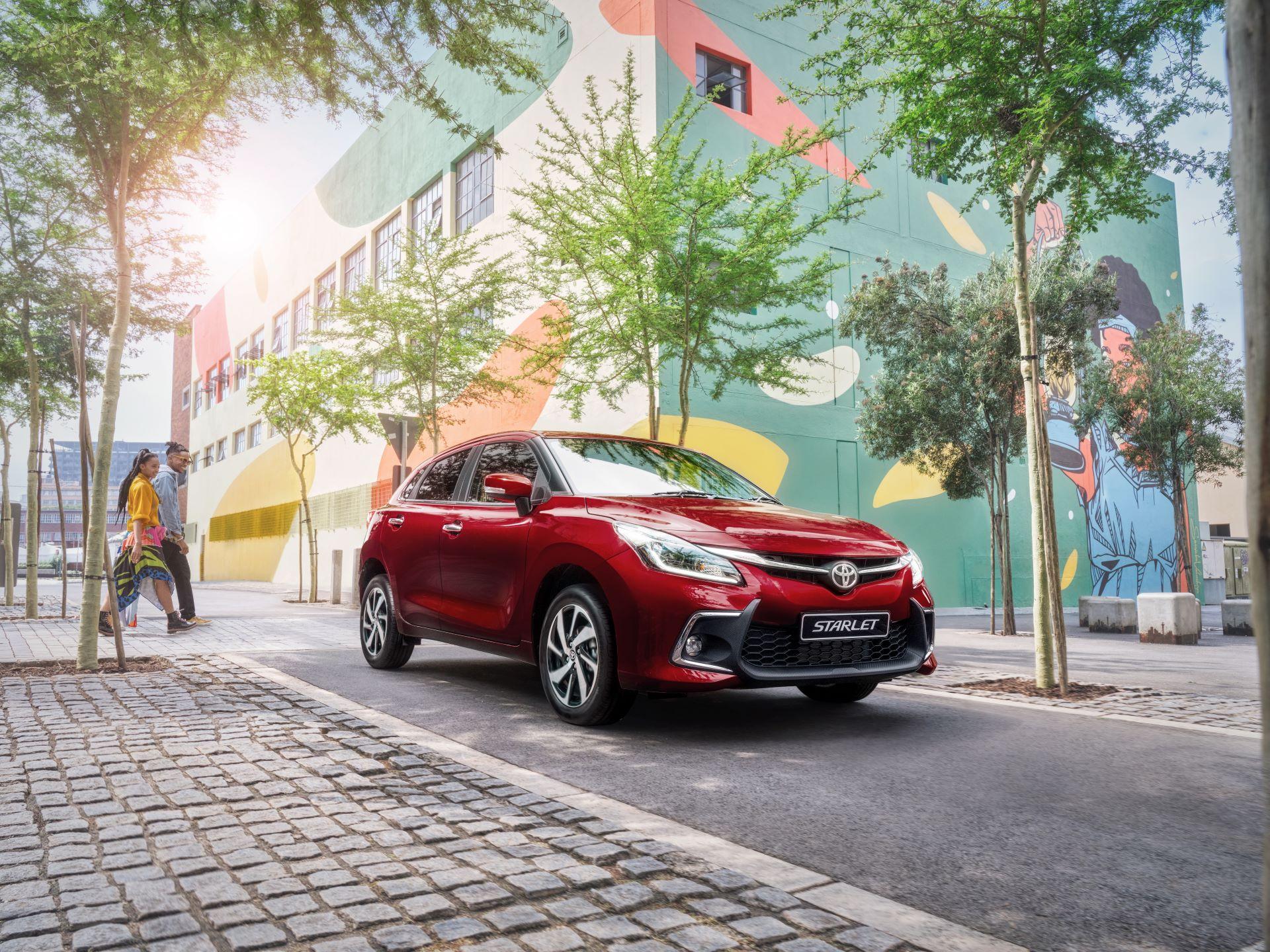
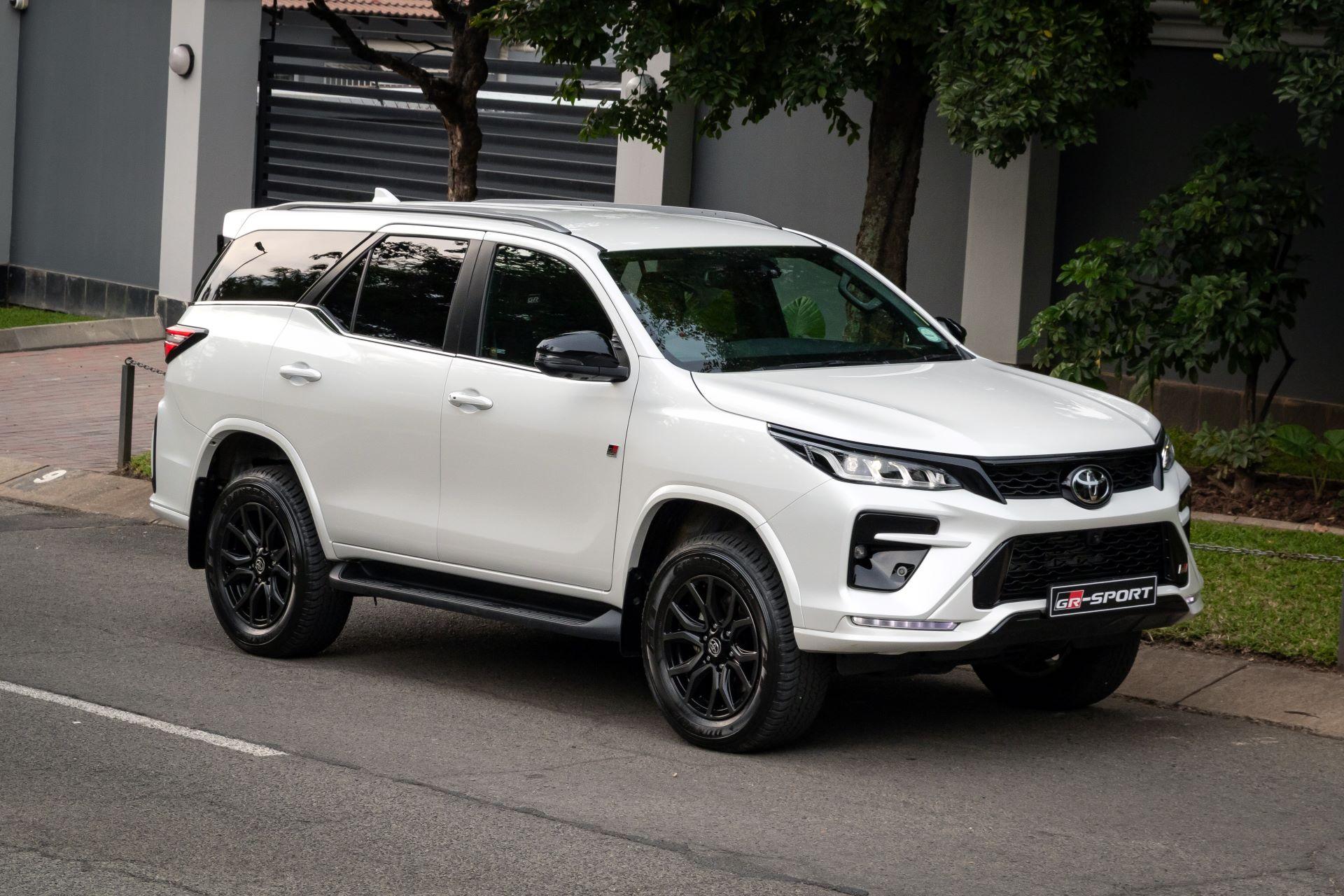
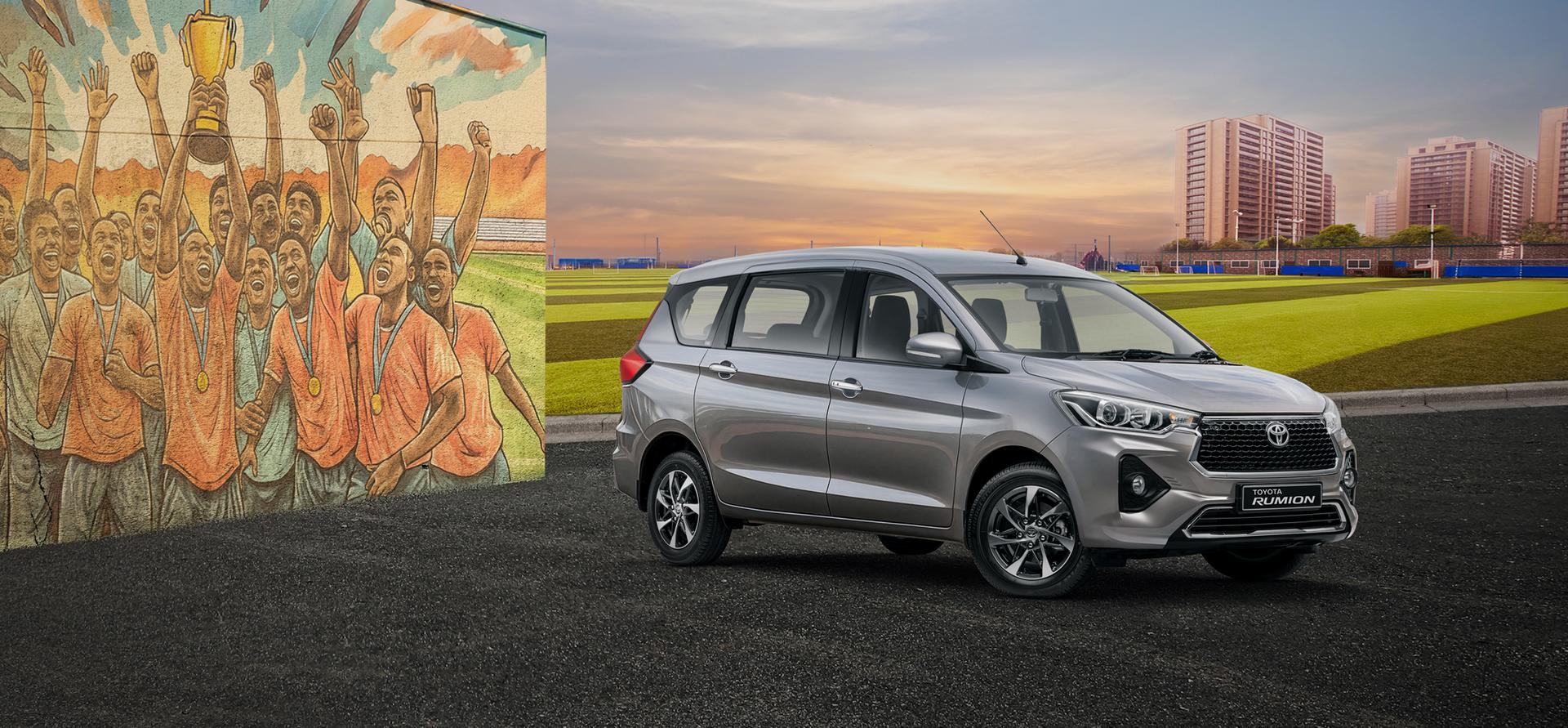
Toyota’s own performance tracked closely with these trends. Passenger vehicles accounted for 5 873 units, supported by consistent demand across its core nameplates. The Corolla Cross led the charge with 1 144 units, followed by the Vitz, Rumion, Starlet and Fortuner, each reinforcing Toyota’s breadth across price points and customer needs. In the premium space, Lexus contributed 78 units, with the NX emerging as the standout performer.
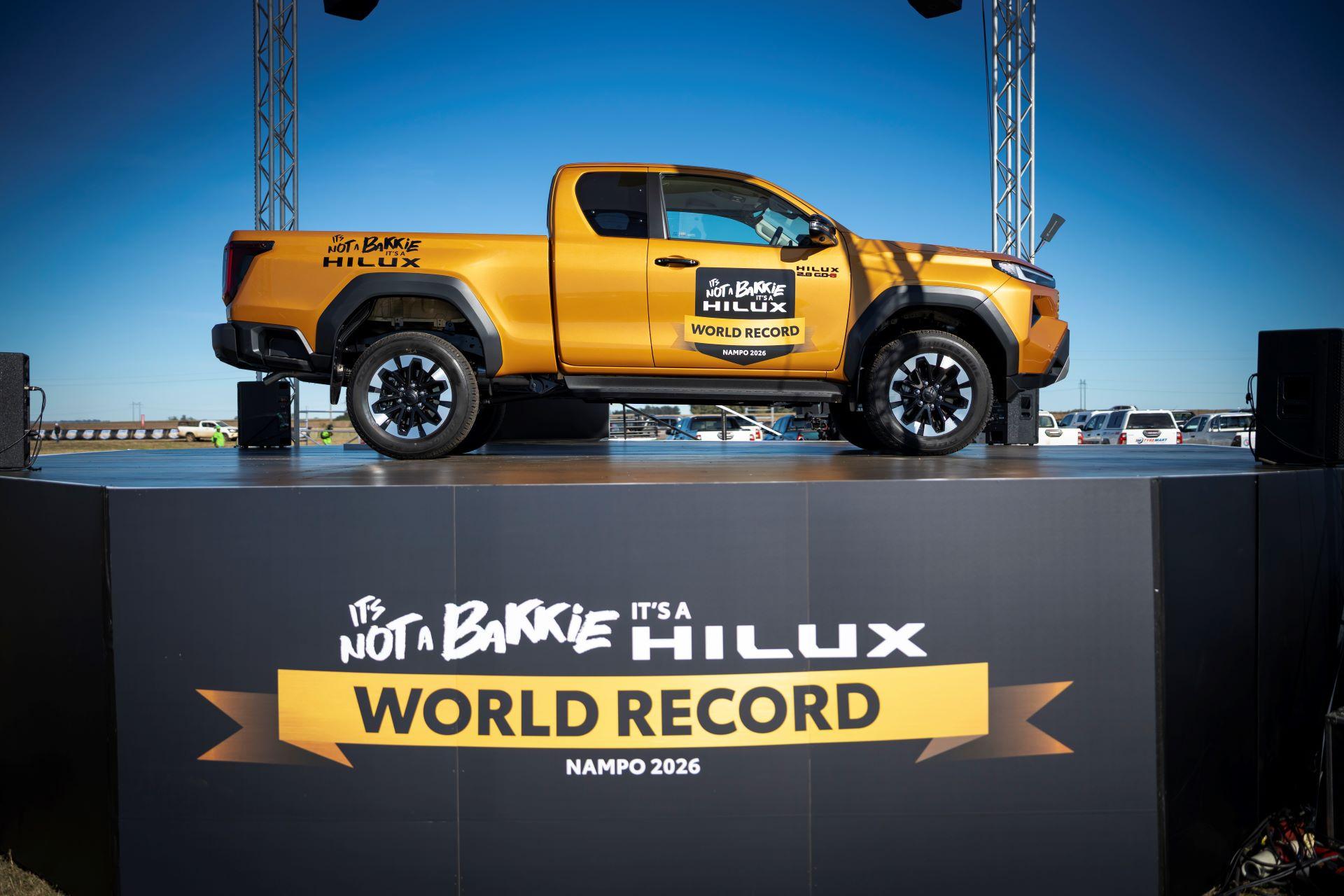
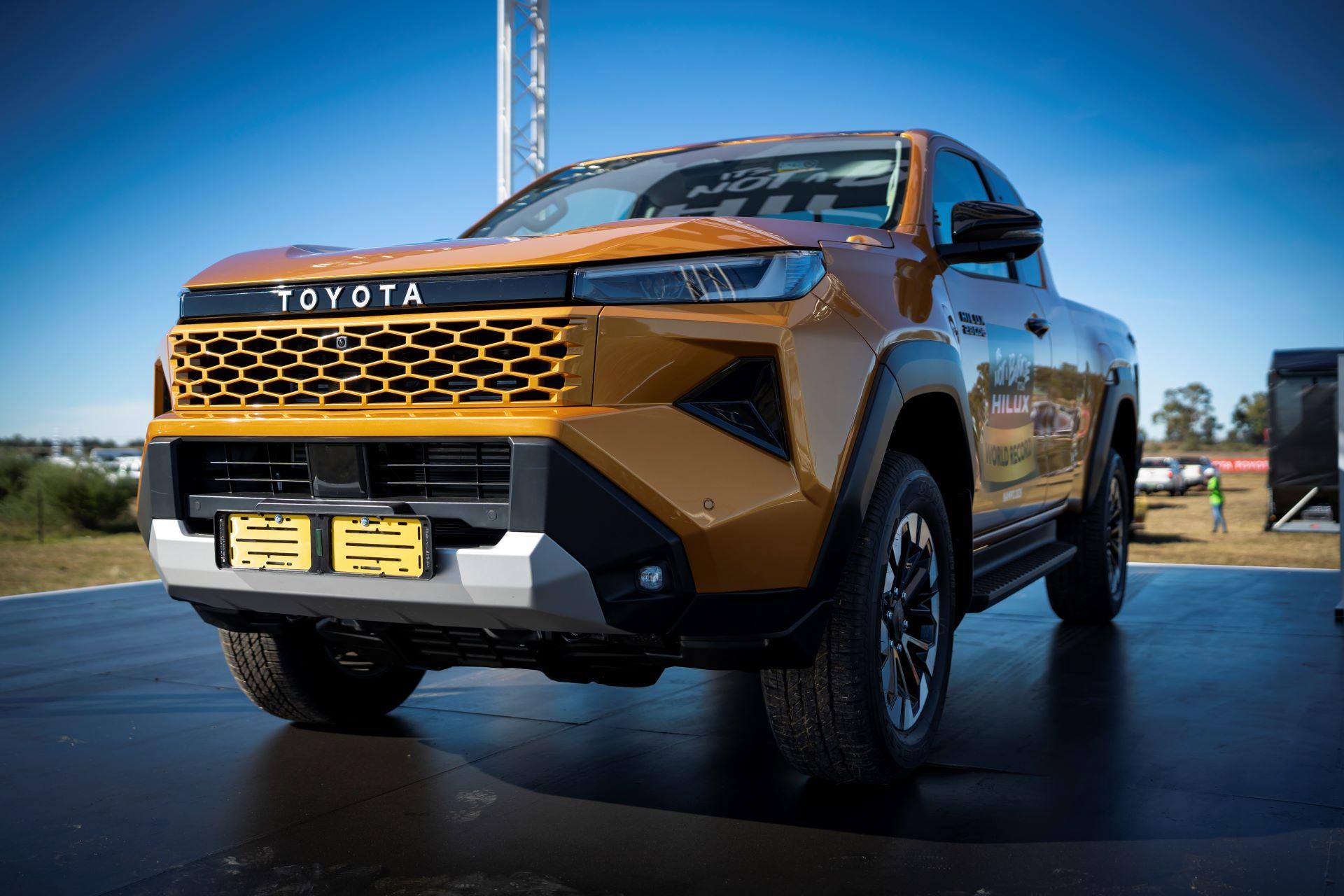
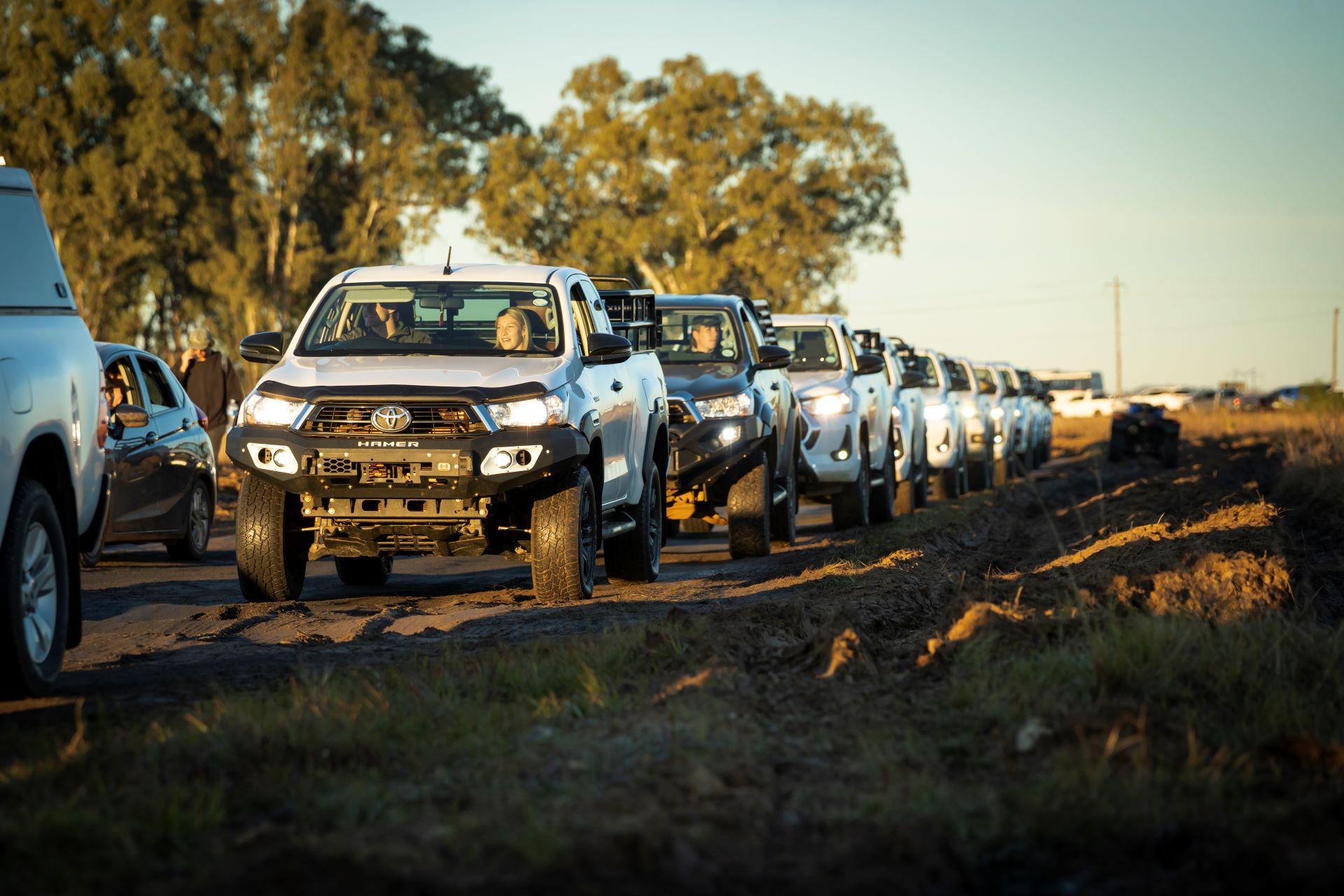
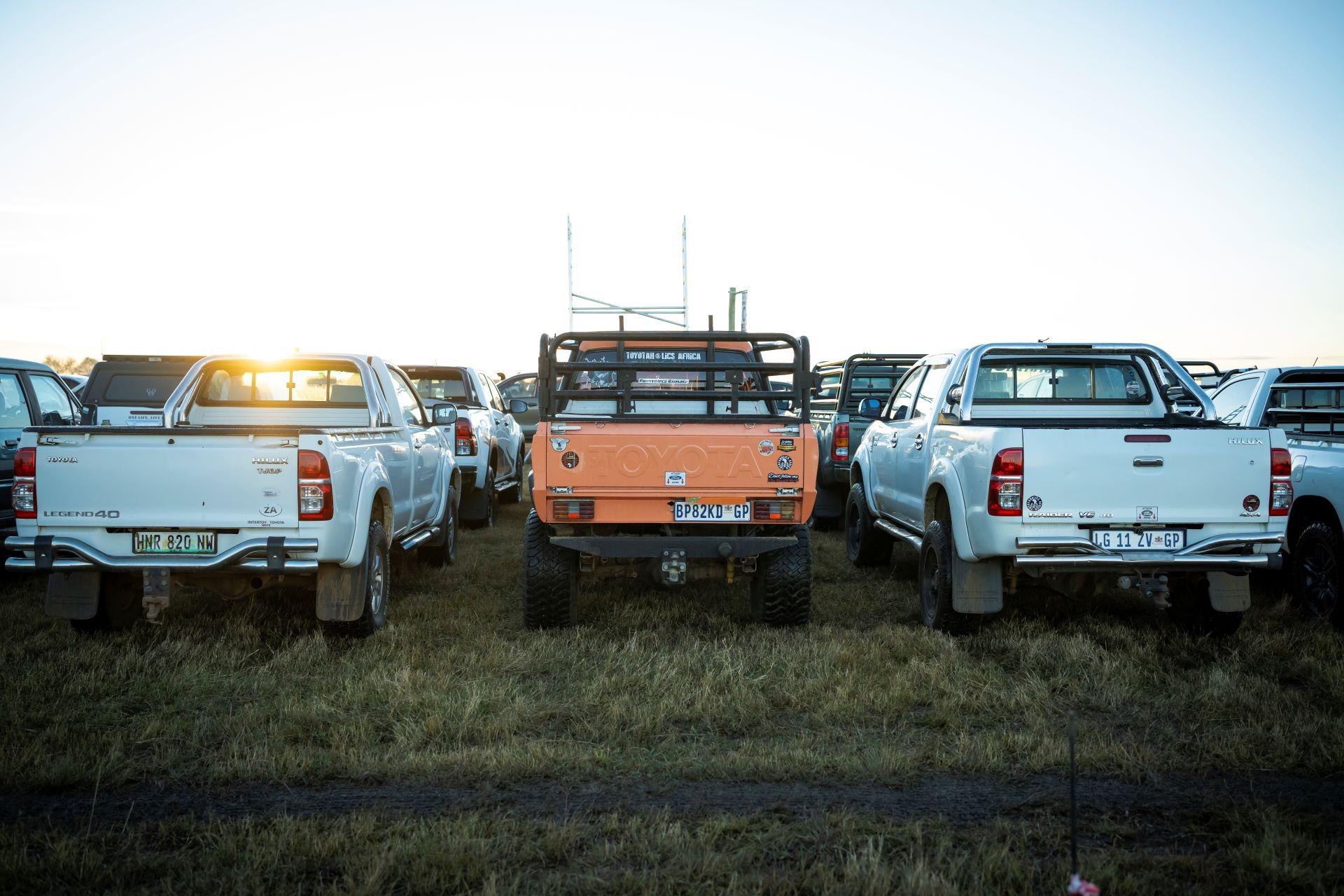
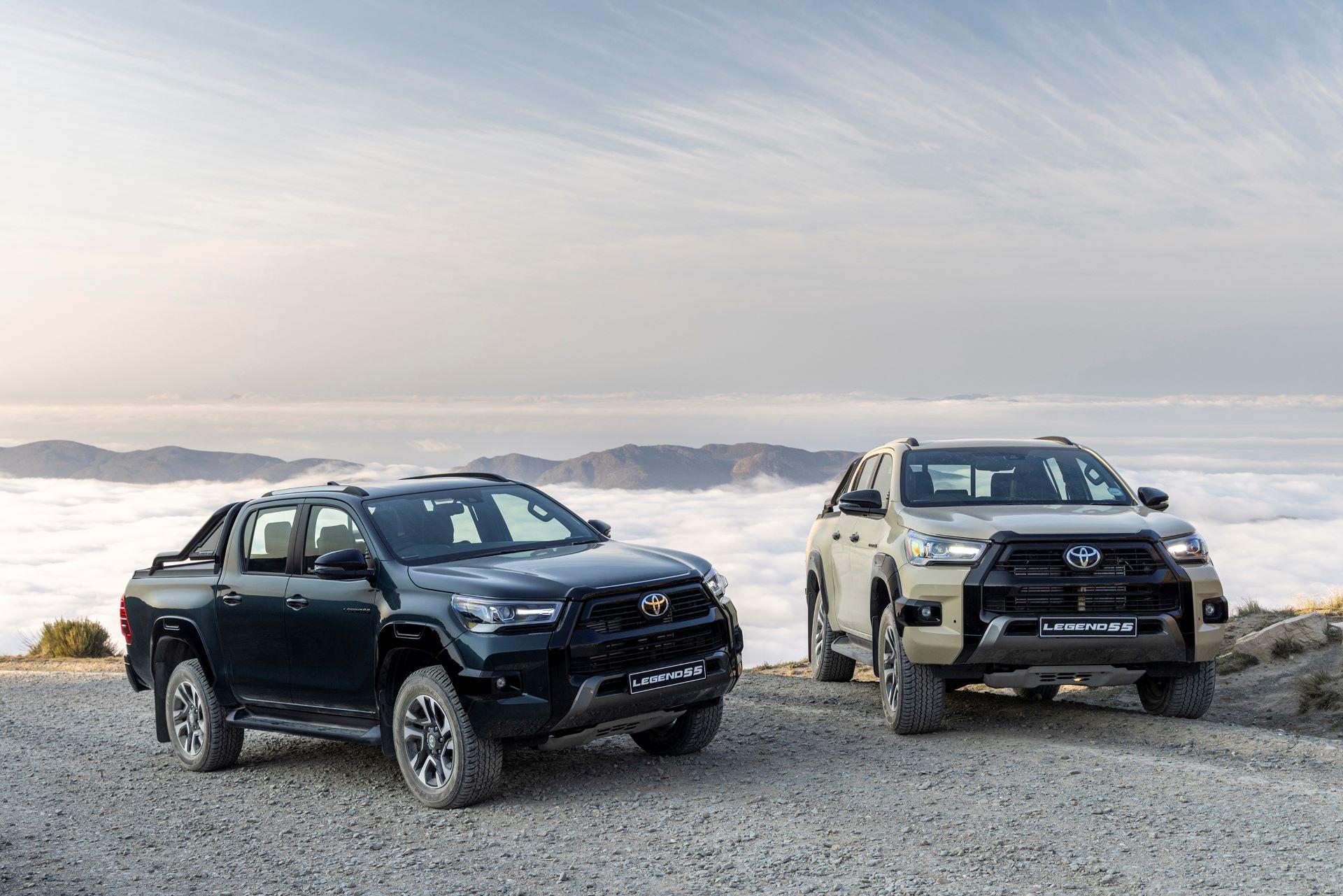
In the highly competitive light commercial vehicle segment, Toyota’s grip remained unshaken. The Hilux not only retained its title as South Africa’s best-selling vehicle but did so emphatically, achieving 2 955 units and a segment-leading 28.9% market share. Supporting this dominance, the Land Cruiser 79 Pick-Up and Hiace delivered solid volumes, while the Coaster showed a notable rebound, nearly doubling its March performance.
The commercial vehicle division presented a more nuanced picture, though key models continued to anchor results. The Hino 500 and Hino 300 series led the charge, complemented by steady demand for the Quantum Bus. Together, these models contributed to a combined total of 346 units in the medium and heavy segments.
Beyond retail, Toyota’s fleet business maintained strong momentum, serving more than 2 000 business customers through its national dealer network. This sustained demand highlights the brand’s role as a dependable partner for enterprises seeking durable, cost-effective mobility solutions in a challenging economic climate.
The parts division added another layer of stability, distributing nearly two million units domestically while exporting over 326 000 components to international markets. This operational backbone continues to play a critical role in supporting both local aftersales demand and Toyota’s global supply chain footprint.
Reflecting on the results, Senior Vice President of Sales and Marketing Leon Theron emphasised the significance of maintaining momentum in a typically subdued month. He noted that achieving over 10 000 sales amid reduced showroom activity speaks to the strength of Toyota’s brand, dealer network and customer trust.
April’s performance ultimately paints a picture of quiet resilience. While external pressures persist and competition intensifies, Toyota’s ability to consistently deliver across segments suggests a brand not merely weathering the storm, but steering confidently through it.