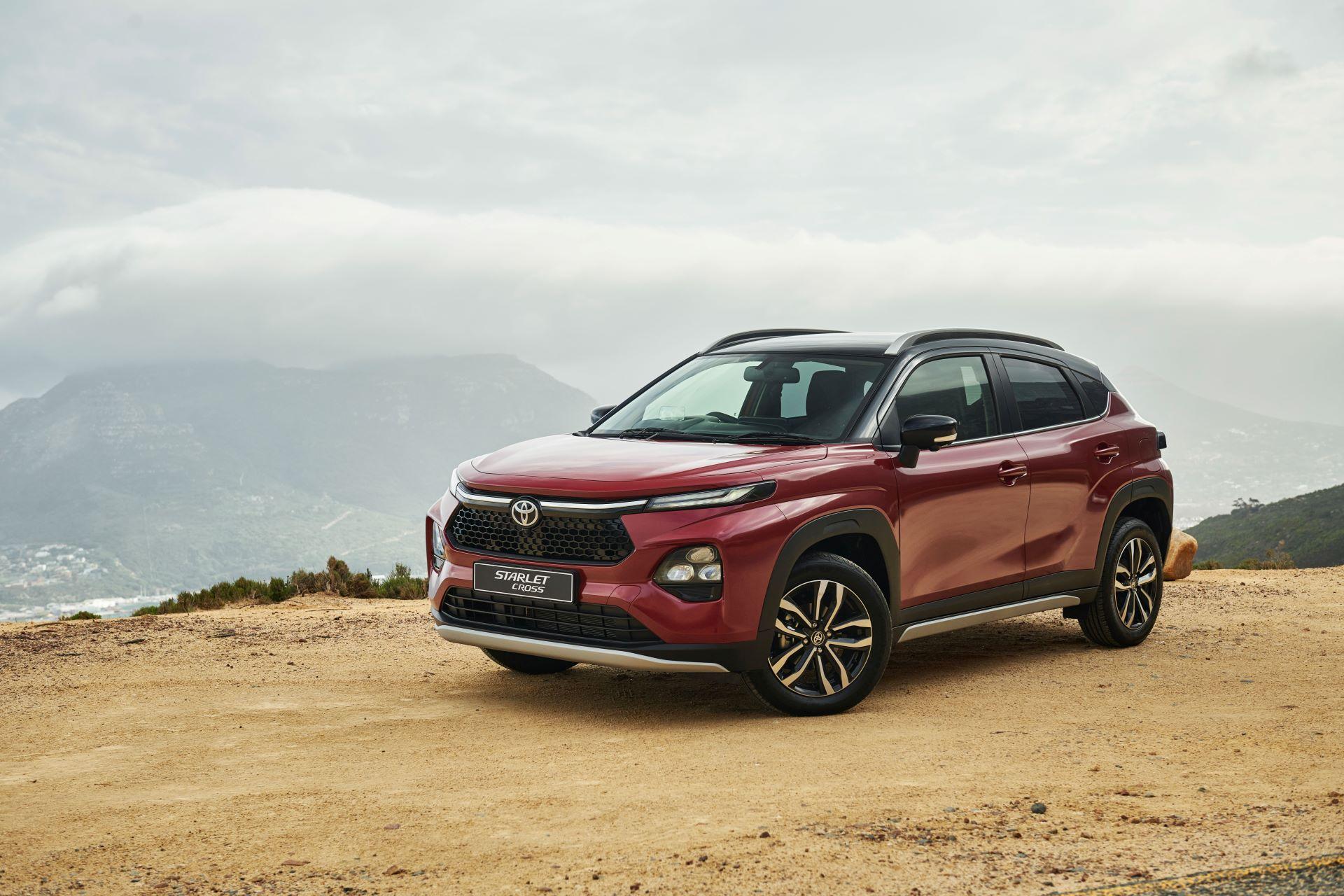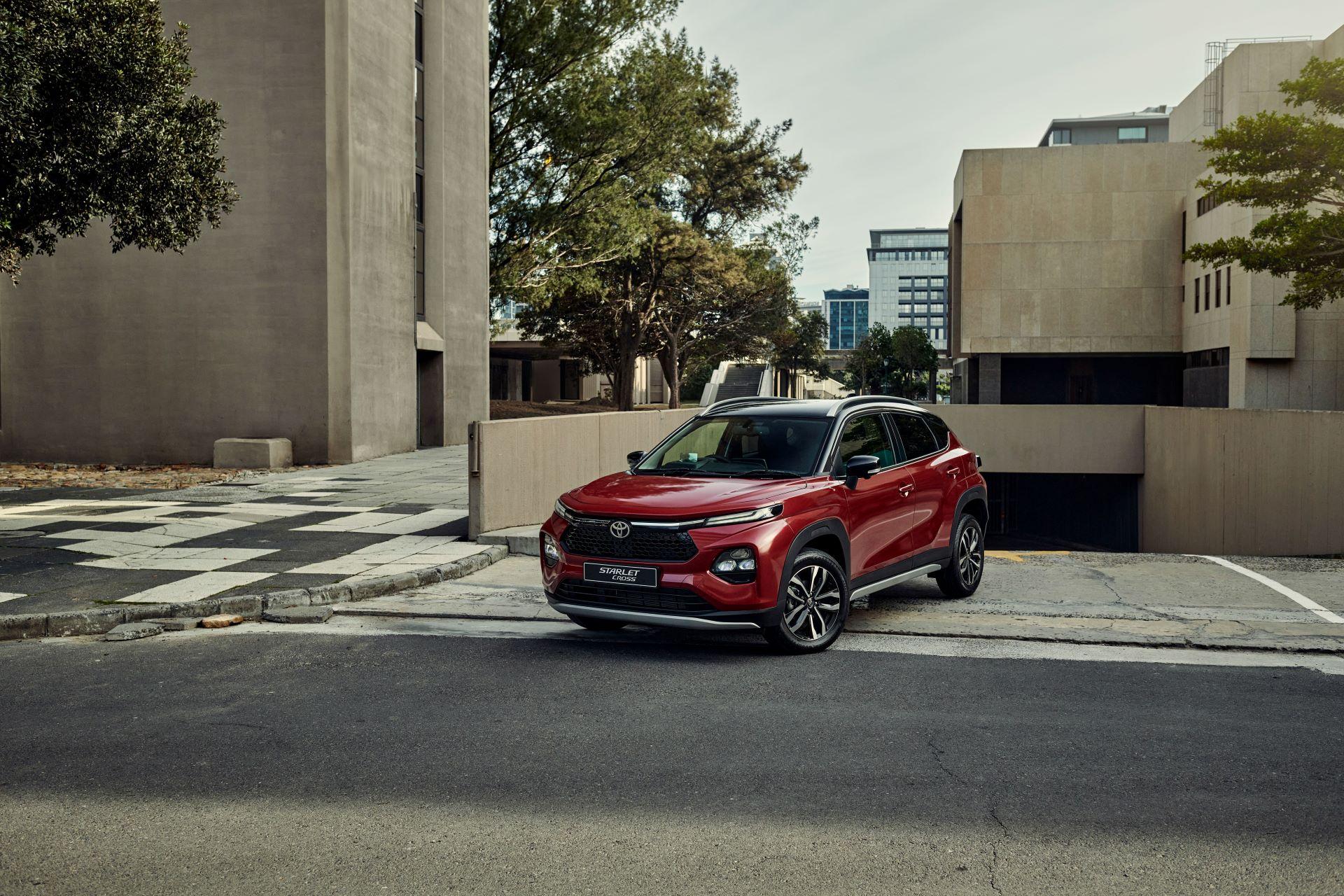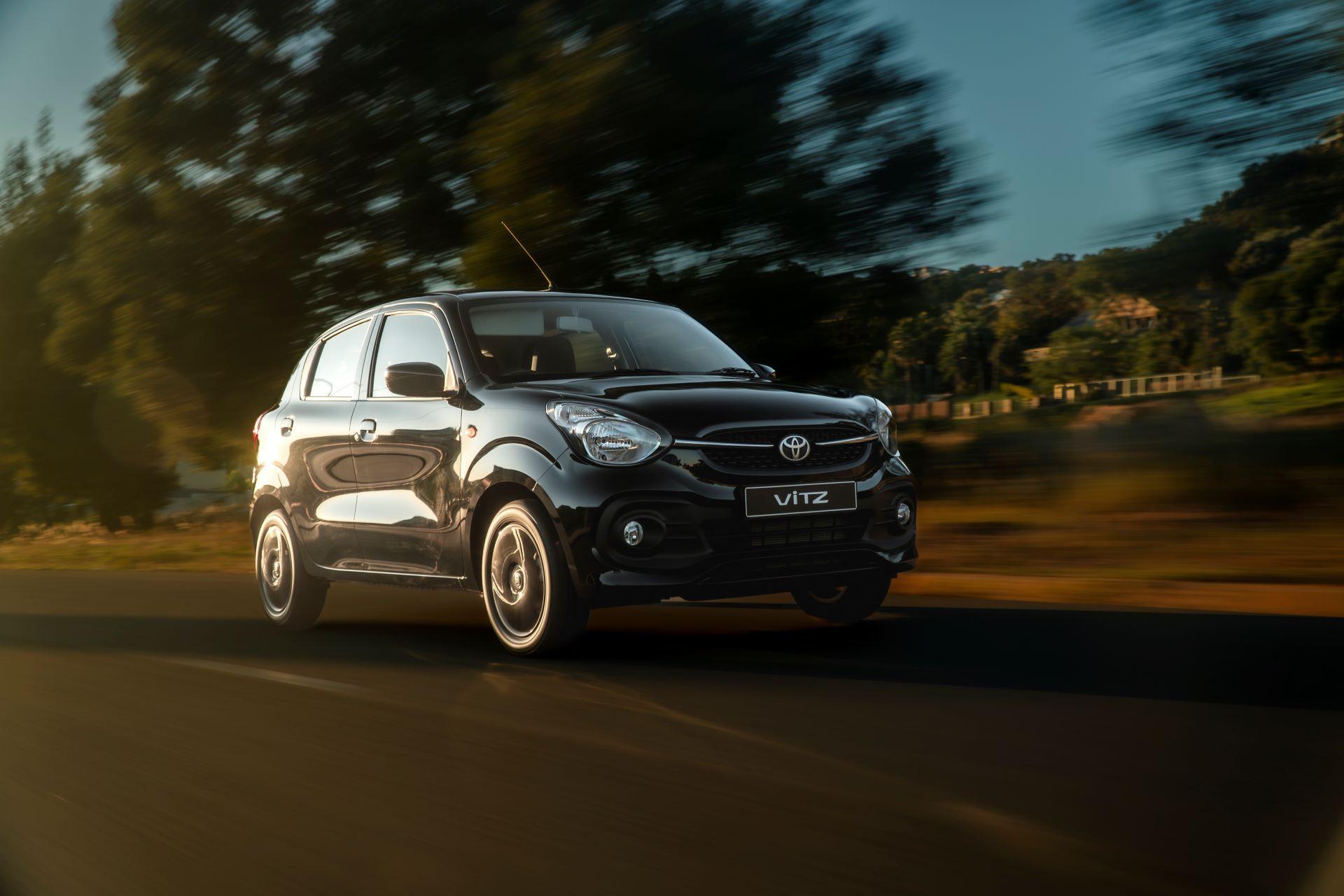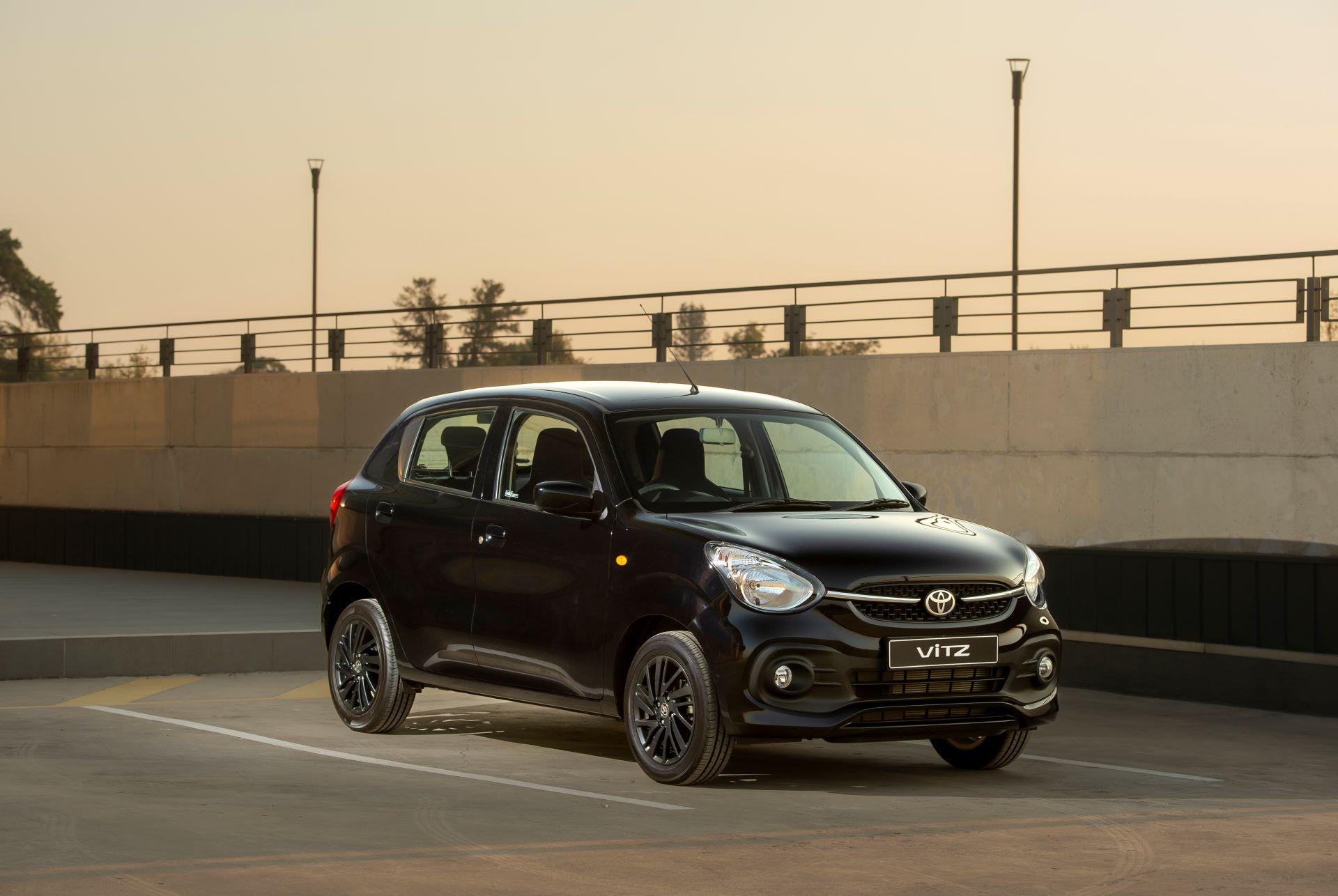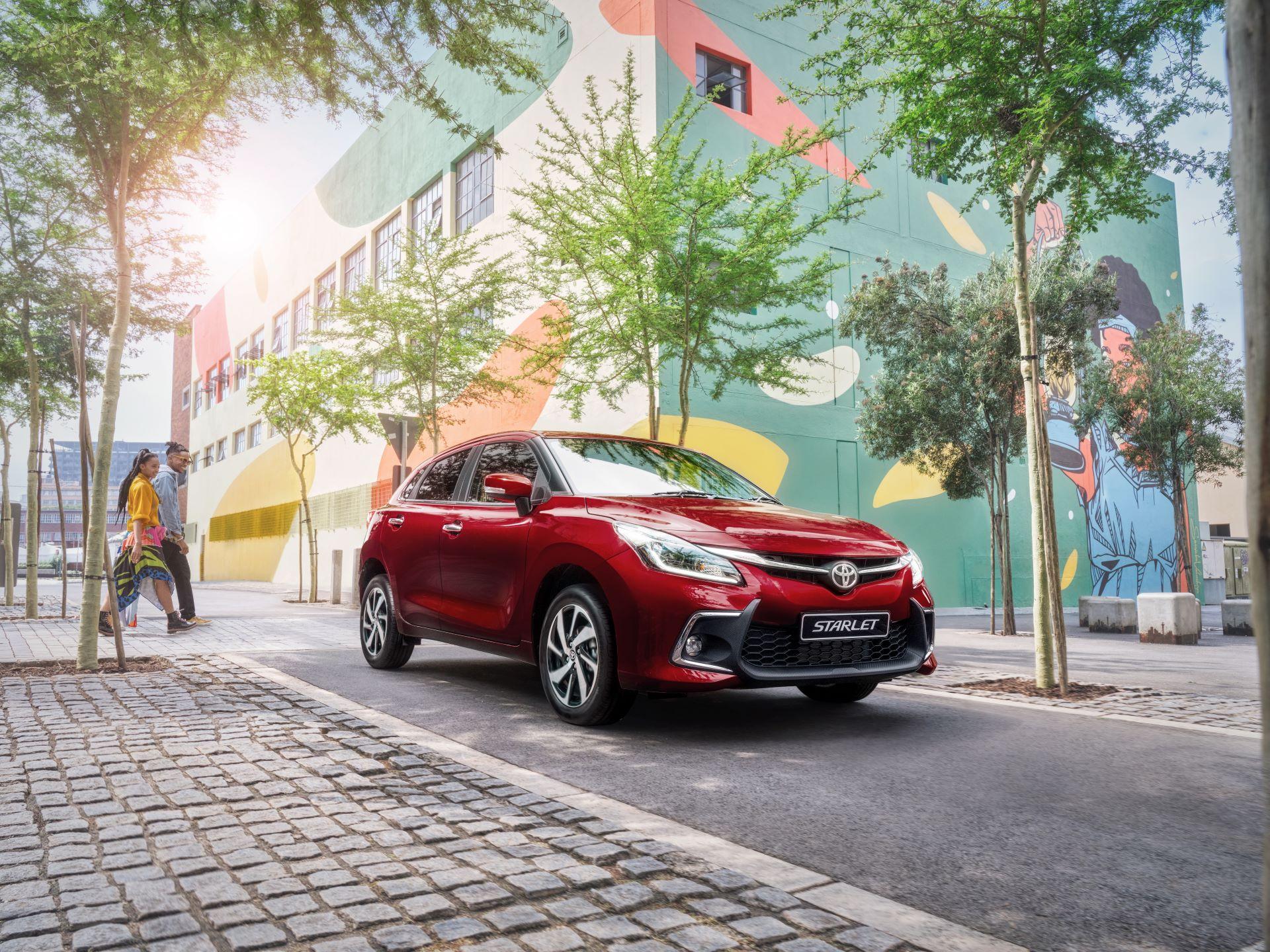



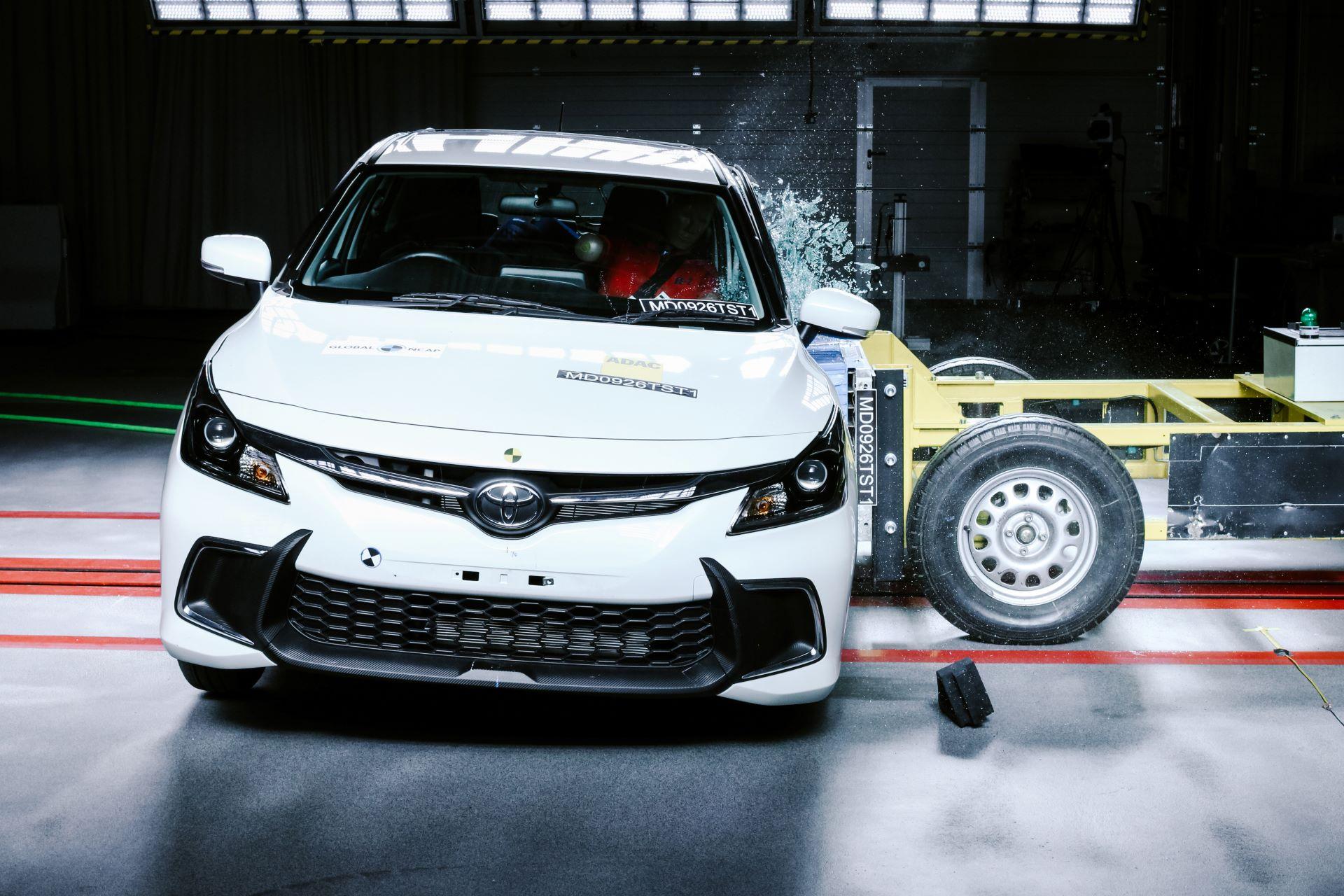
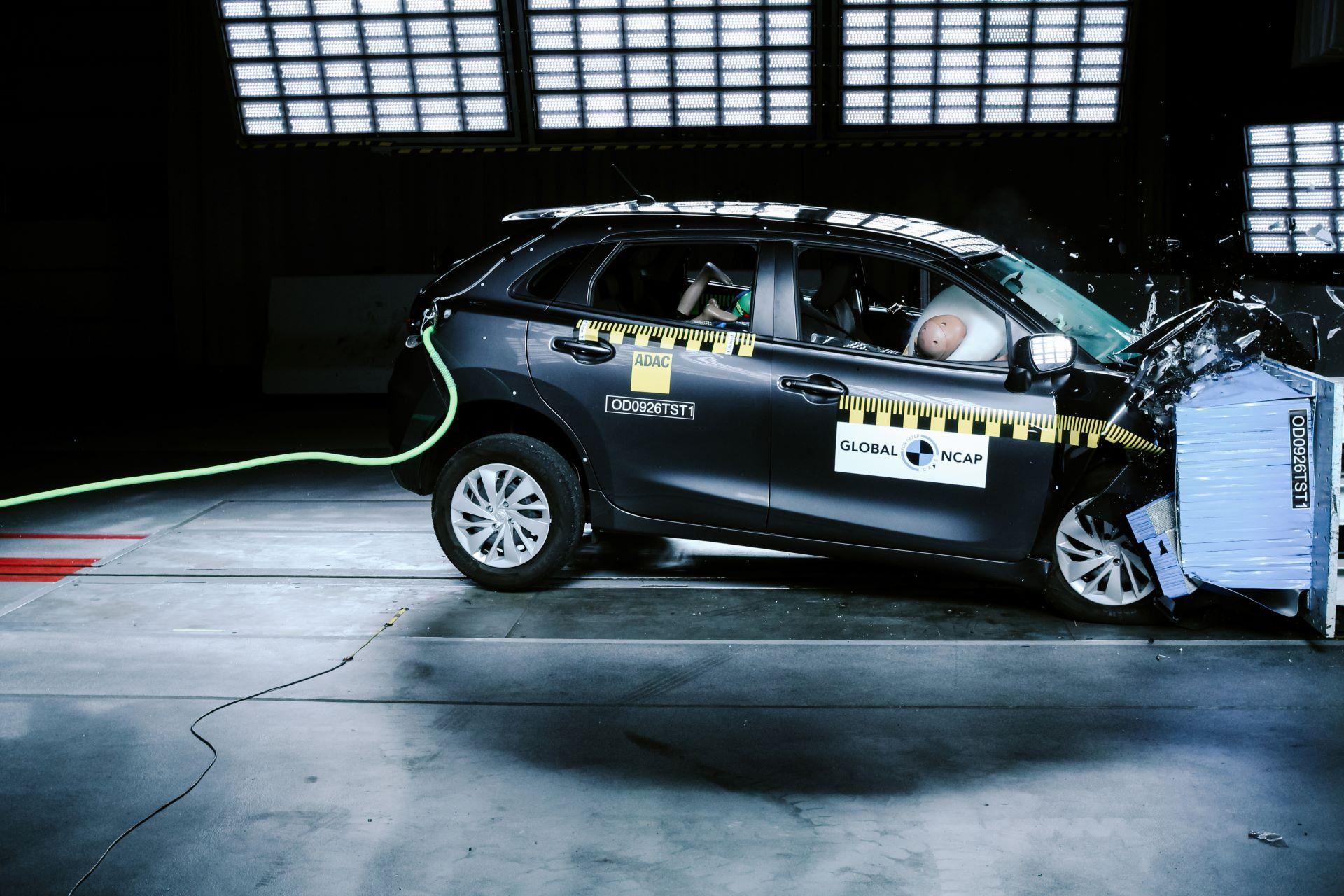
A fresh wave of concern has been triggered in South Africa’s entry-level vehicle market after the current-generation Toyota Starlet received a devastating Zero Star rating for adult occupant protection in the latest crash test programme.
Conducted under the independent oversight of the Global New Car Assessment Programme, in collaboration with the Automobile Association of South Africa, the test saw the Starlet fall to the lowest possible safety rating after demonstrating critical weaknesses in structural integrity and occupant protection systems. The result has been described as deeply concerning, particularly given the model’s popularity among first-time buyers, families, and fleet operators.
The assessment revealed that the vehicle’s bodyshell was unable to maintain stability under impact conditions, with the footwell area also failing to withstand additional loading. These structural shortcomings were compounded by insufficient restraint systems in the tested specification, which was fitted with only two airbags. The lack of side head and torso protection played a significant role in the severe injuries recorded during simulated side impacts, where both adult and child dummies experienced poor to inadequate protection levels.
In frontal impact testing, the situation remained troubling, as the driver and child dummies registered direct contact with the interior, with chest protection rated low and head protection compromised. In the absence of standard side head protection airbags, the side pole test was not conducted, further highlighting the limitations of the safety package in this specification.
According to Global NCAP’s findings, the combination of an unstable structure and insufficient restraint systems ultimately left the vehicle unable to meet minimum expectations for modern occupant protection. The organisation noted that the Starlet’s performance raises serious questions about the consistency of safety standards across global markets, particularly where lower-specification versions are sold in regions without mandatory crash testing regimes.
The outcome has drawn strong reaction from safety advocates, including leadership at the Global NCAP, which acknowledged both the severity of the result and the importance of recent improvements introduced by the manufacturer. An updated version of the Starlet, introduced locally in September 2025, now includes six airbags as standard across the range, signalling a notable step forward in passive safety equipment. However, questions remain regarding whether structural reinforcements have meaningfully evolved alongside these additions.
Alarmingly, more than 20,000 South African customers are estimated to have purchased the pre-upgrade version of the vehicle, many of whom may be unaware of the differences between earlier and newer specifications. With these vehicles widely used in private ownership, rental fleets, and corporate mobility programmes, the potential exposure to risk is significantly amplified across the market.
Industry experts have further highlighted the importance of identifying upgraded models, advising owners to check for SRS airbag markings on the roof lining and B-pillars as a quick visual indicator of enhanced safety equipment. Drivers of earlier two-airbag versions are being urged to carefully consider the implications of the crash test findings when transporting passengers, particularly in high-risk driving environments.
As Global NCAP prepares to test the updated six-airbag version later this year, the automotive community is watching closely to see whether the improved equipment translates into a meaningful uplift in real-world crash protection. For now, the Zero Star result stands as a stark reminder that affordability without adequate structural safety can carry a hidden cost far greater than the price tag suggests.