


March 19, 2025 – The automotive industry is undergoing a profound transformation globally, with South Africa no exception. As the world accelerates toward cleaner and more sustainable transportation solutions, New Energy Vehicles (NEVs) are at the forefront of this shift. Driven by environmental concerns, fuel price volatility, stricter emission regulations, and advancements in battery technology, electric motors, and charging infrastructure, NEVs are beginning to reshape South Africa’s automotive landscape.
Understanding the NEV Spectrum
The term New Energy Vehicle encompasses a wide range of automotive technologies aimed at reducing emissions and fuel consumption. Here’s a closer look at the different types of NEVs that are shaping the future of driving:
Hybrid Electric Vehicles (HEVs)
Hybrid Electric Vehicles combine a traditional internal combustion engine (ICE) with an electric motor and battery. The battery is recharged through regenerative braking and the ICE itself, offering a seamless driving experience. HEVs are ideal for everyday commuters who seek to reduce their fuel consumption but may not be ready to make the full leap to electric driving. They offer improved fuel efficiency and lower emissions, particularly in city driving, where the electric motor can take over at lower speeds.
Plug-in Hybrid Electric Vehicles (PHEVs)
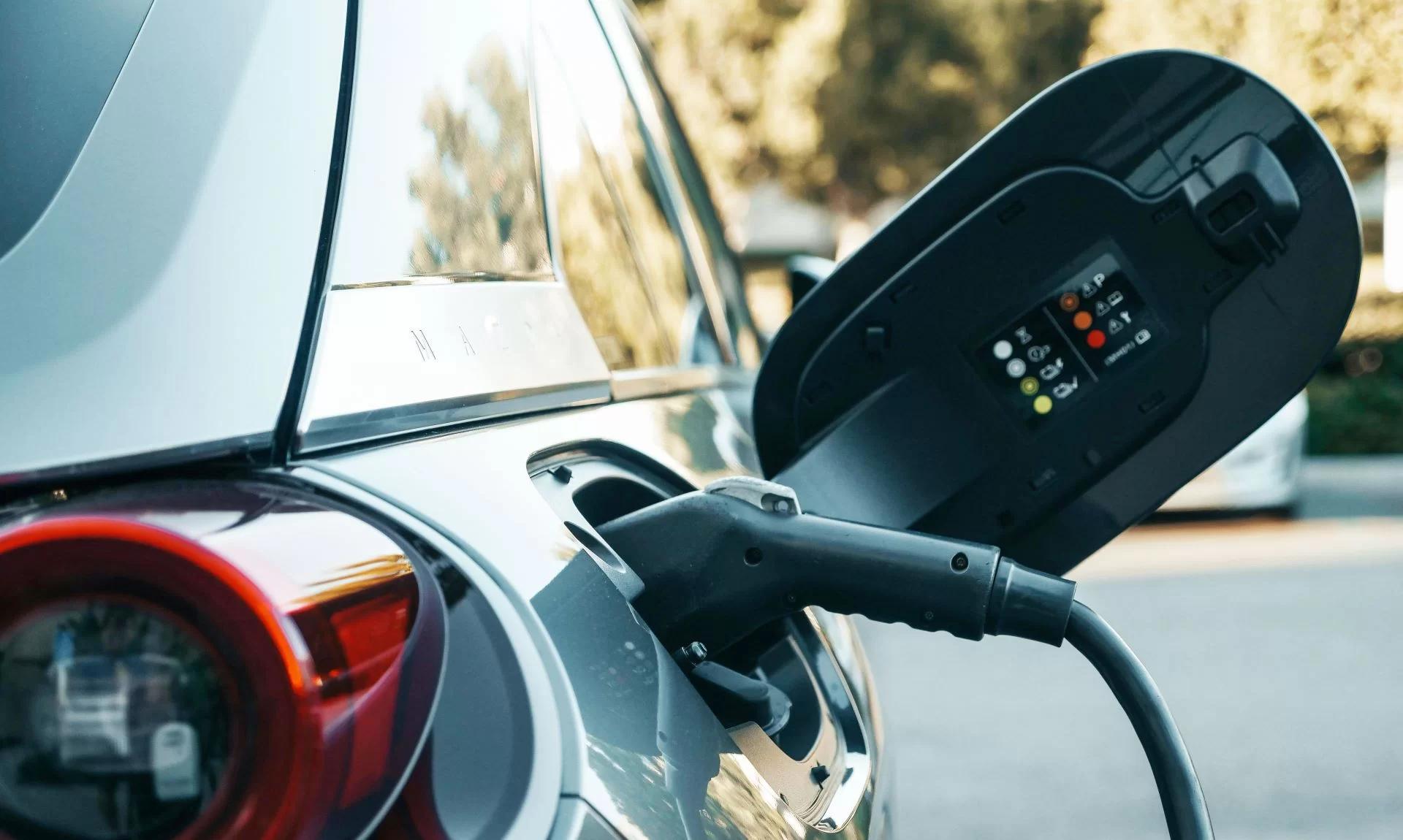
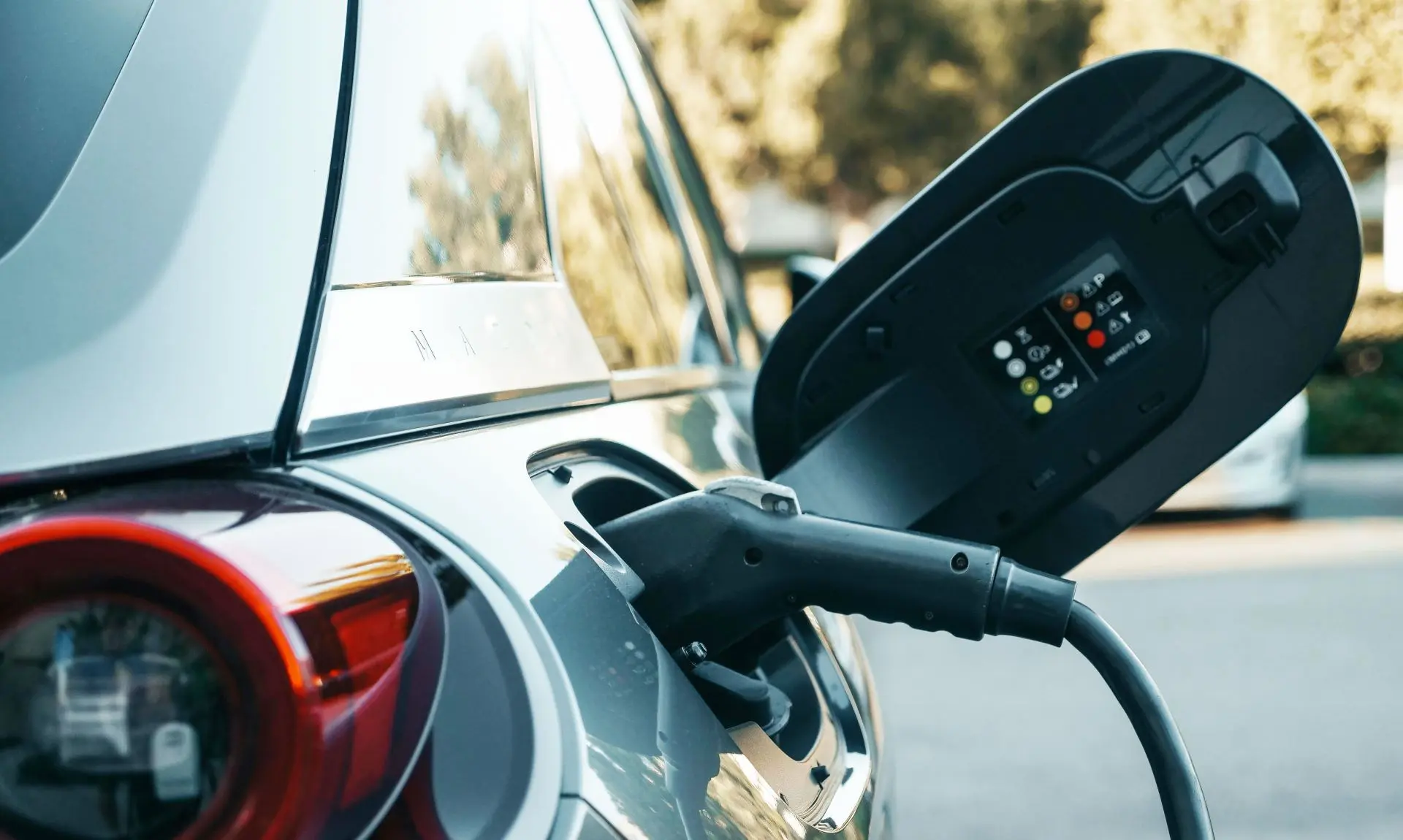
Plug-in Hybrid Electric Vehicles are a step further along the NEV spectrum. Like HEVs, PHEVs pair an ICE with an electric motor and battery, but with one key distinction: they can be plugged into an external power source to recharge. This allows PHEVs to offer a longer electric-only driving range, making them perfect for short, emission-free trips. However, for longer journeys, the petrol engine kicks in, providing the flexibility that many drivers seek. PHEVs are ideal for urban commuters who want to reduce their carbon footprint without sacrificing the practicality of long-range travel.
Battery Electric Vehicles (BEVs)
Battery Electric Vehicles are the fully electric solution. Powered solely by an electric motor and battery, BEVs offer a smooth and quiet driving experience, with zero tailpipe emissions. They are the gold standard for environmentally conscious drivers who want to make a significant impact in reducing their carbon footprint. For those living in urban areas with access to home charging stations, BEVs are the ideal solution, providing an emissions-free alternative to traditional vehicles.
Benefits of NEVs for South African Motorists
As the demand for cleaner transportation grows, the benefits of NEVs are becoming increasingly apparent to South African motorists:
- Reduced Running Costs: With electricity typically costing less than petrol or diesel, the operational costs of driving an NEV are considerably lower. Motorists can expect to see savings at the pump, which is especially significant in a country where fuel price fluctuations are a constant concern.
- Lower Maintenance Costs: The simplicity of electric drivetrains, with fewer moving parts than internal combustion engines, leads to less wear and tear. This results in lower maintenance needs, fewer repairs, and a longer lifespan for vehicles.
- Environmental Friendliness: NEVs contribute to cleaner air and a smaller carbon footprint. In a country grappling with air pollution and climate challenges, making the switch to NEVs can play a key role in improving environmental quality.
- Smooth and Quiet Driving: The instant torque offered by electric motors provides a responsive, enjoyable, and smooth driving experience. The absence of engine noise in BEVs further enhances the sense of calm, making for a quieter, more refined ride.
NEV Uptake in South Africa
Although the adoption of NEVs in South Africa is still in its early stages, the trend is undeniably on the rise. Several barriers, such as the high upfront costs of NEVs, limited public charging infrastructure, and concerns over range anxiety, have previously slowed mass adoption. However, recent years have seen positive growth, with increasing numbers of South African consumers turning to these innovative vehicles.
According to naamsa | The Automotive Business Council, NEV sales in 2024 reached a significant milestone, with a total of 15,611 units sold — a notable 3% share of the total new vehicle market. This marks a significant jump from the 1.47% market share in 2023, demonstrating a growing acceptance of NEVs among South African consumers.
Looking ahead, the future of NEVs in South Africa is promising. As technology continues to evolve, public charging infrastructure expands, and more affordable models become available, the case for NEVs as a viable mobility option will only strengthen. Consumers are becoming increasingly aware of the benefits of electric mobility, and the automotive industry is responding with a wide range of choices to suit various needs.
For South African motorists, understanding the different types of NEVs and how they align with individual driving habits and environmental priorities is crucial. Whether it’s the fuel-efficient HEV, the versatile PHEV, or the fully electric BEV, the options are diverse, allowing for tailored solutions that meet the demands of modern life.
For more information on vehicle ownership and financing, visit the WesBank Talks Finance podcast, where experts discuss the latest trends and insights in the automotive industry.
As South Africa continues to embrace this shift towards electric mobility, the future of driving looks cleaner, quieter, and more sustainable than ever. NEVs offer a glimpse into a greener future, and as the technology evolves, they promise to become an integral part of South Africa’s automotive fabric.


