


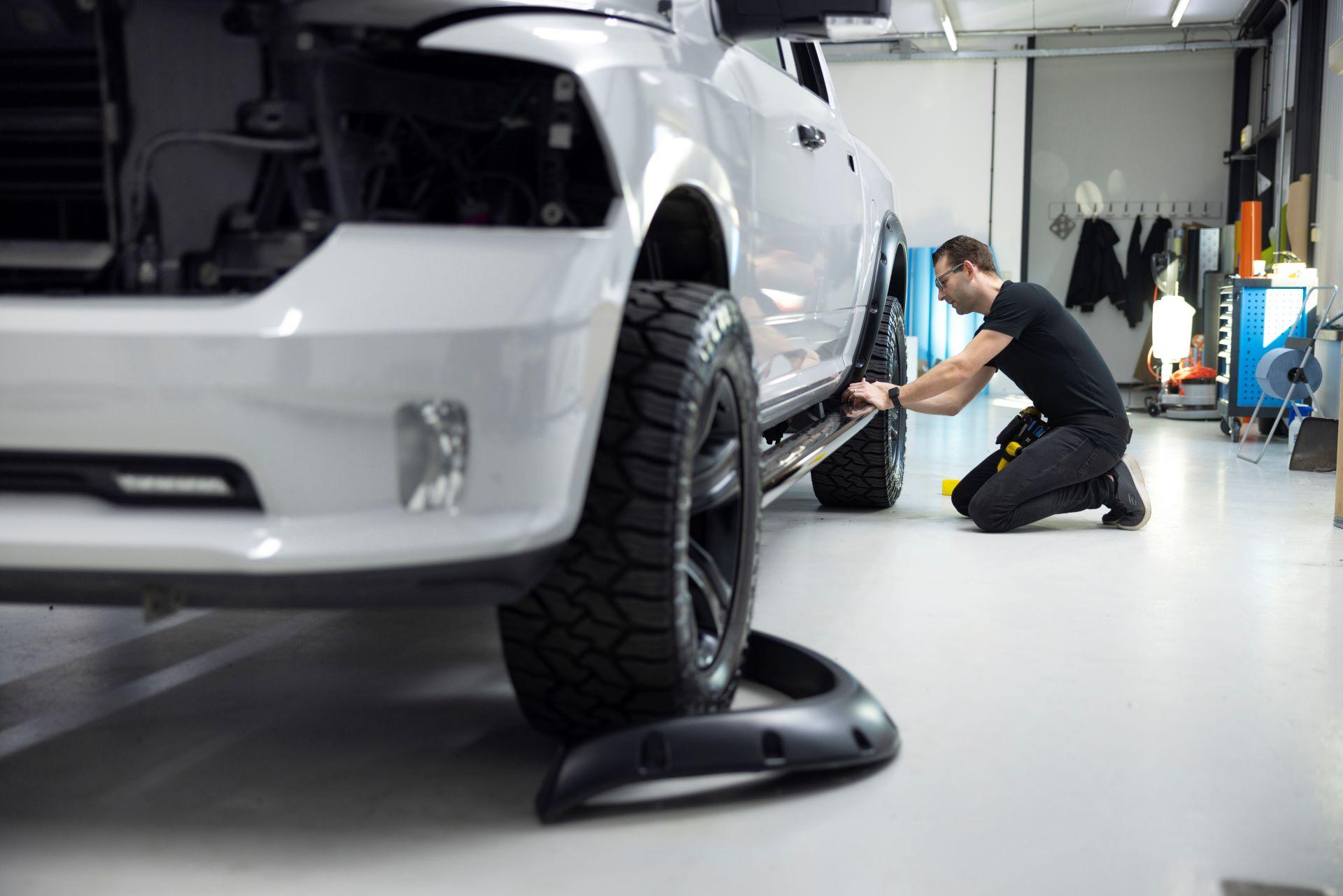
When it comes to modifying a car, many owners make changes to enhance its appearance, performance, or driving experience. However, these modifications often come at a hidden cost – the potential devaluation of the vehicle when it comes time to sell. Experts at HPI, a trusted provider of vehicle valuations, highlight the significant impact modifications can have on a car’s resale value and overall market appeal.
The Hidden Risks of Modifications
Modifying a car can limit its pool of potential buyers and, in some cases, lead to a marked decrease in resale value. According to valuation experts at HPI, non-manufacturer modifications can not only affect a vehicle’s marketability but also have a detrimental impact on warranties and insurance. In fact, failing to declare modifications can invalidate both a car’s warranty and insurance, potentially leaving owners exposed to unexpected costs.
For many buyers, the allure of a modified car can quickly diminish. While some enthusiasts may appreciate the unique appeal of certain modifications, most prefer unmodified vehicles, which they perceive as more reliable and easier to maintain. This preference often stems from the fact that modifications, particularly those of the non-professional or non-original variety, may introduce unknown risks or challenges.
The Devaluation of Cosmetic Changes
Cosmetic modifications, such as aftermarket paint jobs, body kits, and decals, are particularly prone to negatively affecting a vehicle’s value. While the original owner may feel that these alterations enhance the car’s aesthetic appeal, they can have the opposite effect for potential buyers. Poorly executed paint jobs or tacky body kits may detract from the overall desirability of the car, making it less attractive to a broader audience. In many cases, these modifications are viewed as a sign of poor judgment or care, further diminishing the vehicle’s market value.
The Pitfalls of Engine and Performance Modifications
Engine and performance modifications tend to be particularly problematic when it comes to resale value. While a boost in horsepower or a new turbo may excite performance-minded owners, these modifications can raise significant concerns among potential buyers. Modifications such as ECU remaps or the installation of larger turbos can cause concerns regarding the vehicle’s reliability, performance consistency, and overall longevity.
Beyond concerns about reliability, extreme performance modifications can lead to higher maintenance and repair costs, which buyers may not be willing to shoulder. Additionally, using unauthorized aftermarket parts or altering key engine components can raise serious questions about the integrity of the car. These changes could even void warranties, further complicating the resale process.
The Market Appeal of Modified Vehicles
As Jeremy Yea, Senior Valuations Editor at cap hpi, points out, modifications often cater to the specific tastes and style preferences of the original owner. While this may make the car more appealing to a niche group of buyers, it significantly reduces the overall market appeal. Some modifications, especially those that are unapproved or illegal, can make the car unroadworthy and uninsurable, further limiting its resale potential.
“The effect of modifications on a car’s overall value depends on numerous factors such as the quality of the work, reversibility of alterations, and legality,” explains Yea. “Unapproved or illegal modifications decrease value and can make the car unroadworthy and uninsurable.”
Best Practices for Modifying a Car
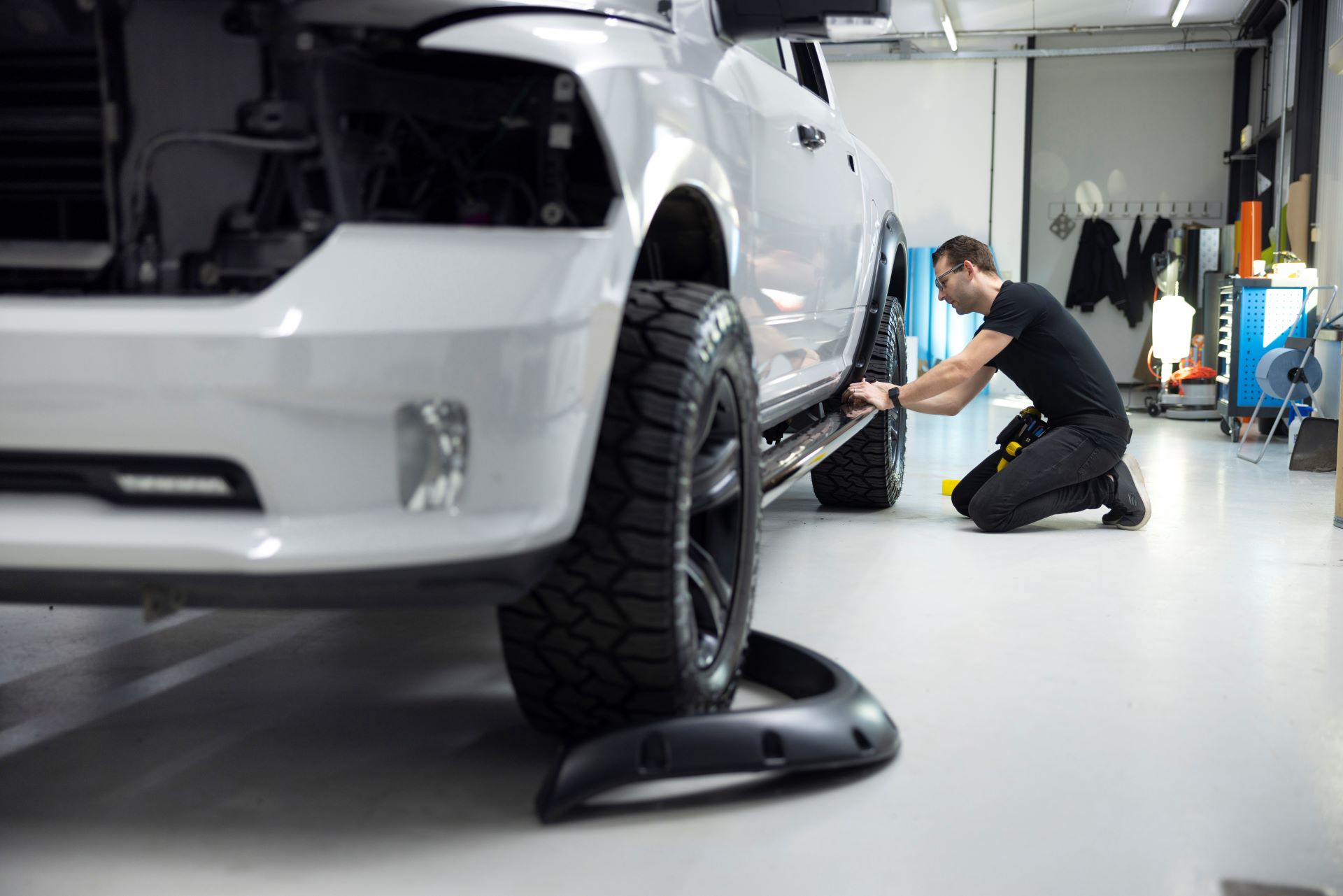
If you’re considering modifying your car but still want to preserve its resale value, there are several strategies to keep in mind. First and foremost, always retain the original parts to facilitate the reversal of any modifications if needed. Focusing on performance enhancements rather than cosmetic alterations can also help maintain the vehicle’s appeal, as improvements that enhance driving dynamics are often more universally appreciated.
It’s also crucial to ensure that modifications are installed by professionals who use high-quality parts from reputable brands. Poor-quality or DIY alterations are likely to raise red flags for potential buyers and can significantly impact a car’s value. Finally, it’s important to consider the long-term impact of any modifications on your car’s insurance and overall integrity.
When Modifications Can Add Value
While most modifications tend to decrease a vehicle’s resale value, carefully chosen and well-executed modifications may maintain, or even slightly increase, its value – but this is often contingent on finding the right buyer. These improvements should be targeted at enhancing the car’s overall performance or functionality, rather than focusing on personal style choices that might limit its appeal.
Jeremy Yea concludes, “Although some carefully chosen and well-executed modifications might maintain or potentially slightly increase a car’s value to the right buyer, most modifications tend to decrease resale value and limit the pool of potential buyers.”
In conclusion, while modifying your car can be an exciting and rewarding experience, it’s important to be aware of the impact these changes may have on your vehicle’s future resale value. Whether you’re looking to enhance the performance, style, or comfort of your car, always consider how your modifications will affect its market appeal, warranty, and insurance. Following best practices when modifying your vehicle can help ensure that you make the most informed decision when it comes time to sell.
For a free instant car valuation, visit HPI Valuations.


