



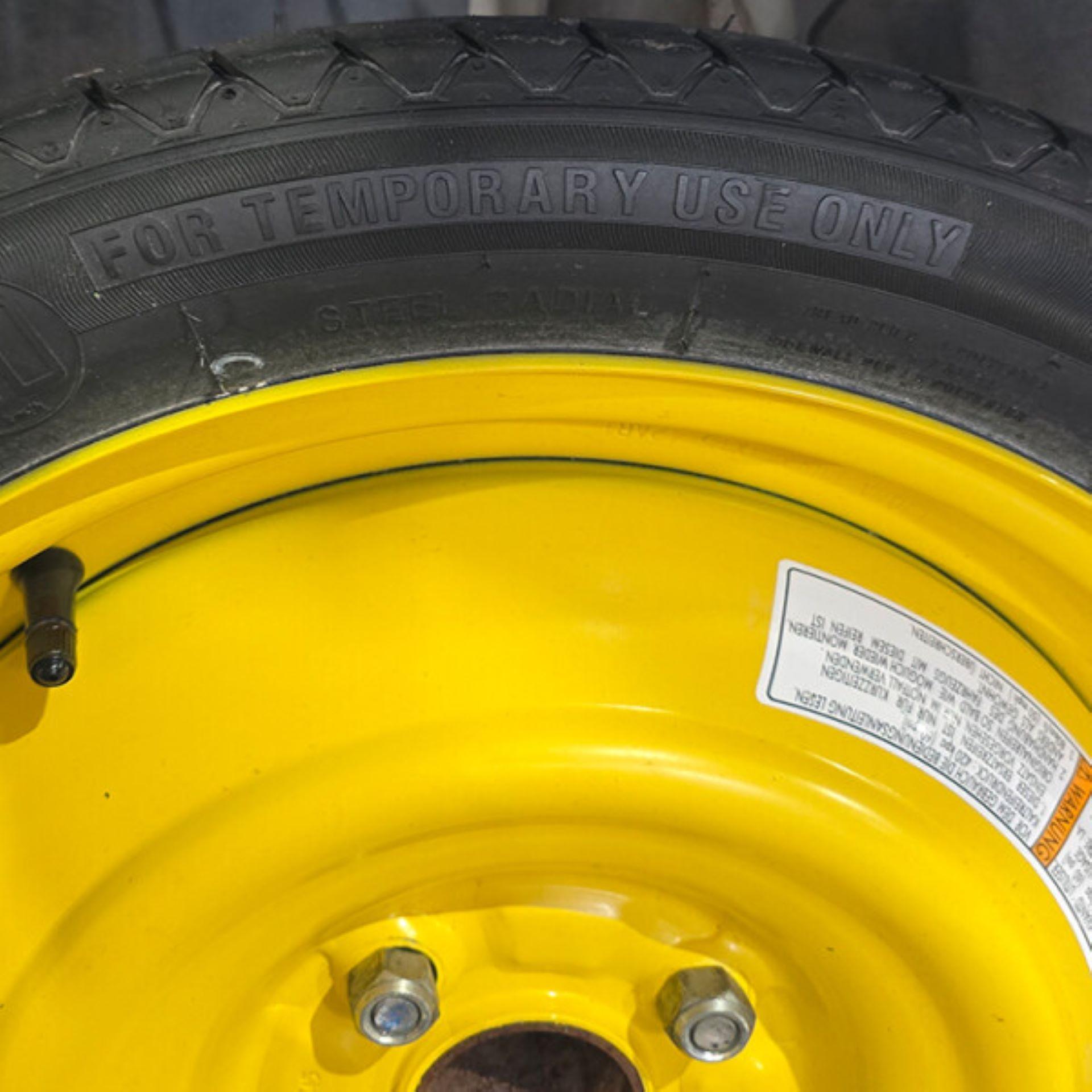
For many motorists, the reassuring presence of a spare tyre in the boot provides a sense of security. When faced with an unexpected puncture, having a quick-fix solution can mean the difference between being stranded and getting back on the road. However, this relief can be short-lived if the spare tyre is not used correctly, potentially leading to serious road risks.
Dunlop Tyres SA’s leading technical tyre expert, Keith Phelps, has warned drivers about the potential dangers of the commonly used “biscuit” spare tyre—also known as a space saver tyre. “It’s not often that drivers need to haul out the spare tyre from the boot. For many cars, it’s the trusty little biscuit tyre—named for its size. While we may enjoy not using the spare tyre, it does not mean that we must ignore the tyre when times are good. As drivers, we must always prepare ourselves for emergencies, and that involves assessing our spare wheel regularly, as well as using it correctly, to avoid additional problems,” said Phelps.
Understanding the Biscuit Spare Tyre
The biscuit spare tyre is designed as a temporary emergency solution, allowing a driver to reach the nearest service station or tyre shop to repair or replace a damaged tyre. These compact spares are smaller, narrower, and lighter than a standard tyre, saving space in the trunk. However, these very design features also impose limitations that make them unsafe for extended use.
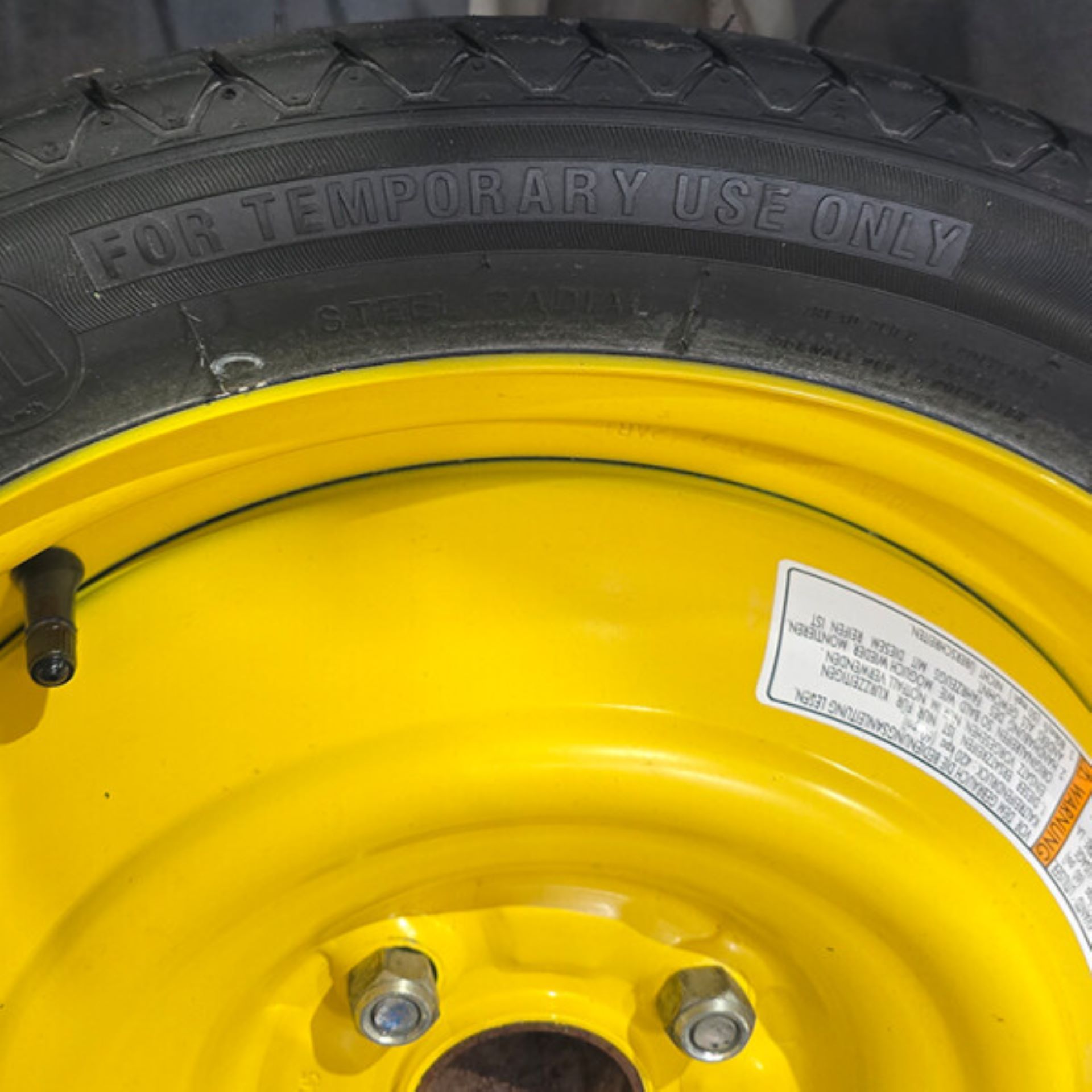
The Dangers of Using a Biscuit Spare Tyre for Too Long
Reduced Traction and Stability
Due to its smaller tread surface, a biscuit spare tyre provides less grip on the road, particularly in wet or slippery conditions. This increases the risk of skidding or losing control, a phenomenon known as aquaplaning or hydroplaning. Sudden manoeuvres and high-speed driving on a biscuit spare can heighten these dangers, making it essential for motorists to adjust their driving style accordingly.
Limited Speed and Distance
Most space saver tyres are designed for speeds of no more than 80 km/h and should not be driven for more than 60-80 kilometres. Exceeding these limits can lead to blowouts, handling issues, and even complete tyre failure. This is particularly concerning for motorists travelling on highways or during peak traffic periods when the speed and volume of vehicles increase the likelihood of accidents.
Braking and Handling Risks
Because the biscuit spare is significantly smaller and thinner than the vehicle’s other tyres, it alters the car’s handling dynamics, affecting both steering and braking performance. This can become particularly hazardous when driving at high speeds or making emergency stops, as the vehicle may not respond as expected.
Damage to the Vehicle’s Suspension and Transmission
Driving on a space saver tyre for too long can cause uneven wear and place excessive strain on the vehicle’s suspension system, potentially leading to costly repairs. In vehicles equipped with all-wheel or four-wheel drive, the mismatch in tyre size can also create stress on the drivetrain, increasing the risk of transmission damage.
What Should Motorists Do?
To ensure safety when using a biscuit spare tyre, drivers should adhere to the following guidelines:
- Replace or repair the damaged tyre as soon as possible. The spare should only be used to reach the nearest service station.
- Never exceed the recommended speed or distance limits. Overextending the use of a space saver tyre increases the risk of failure.
- Check your spare tyre regularly. An unused spare may become underinflated or deteriorate over time due to the cracking of the tread and sidewall rubber. If this occurs, the tyre is no longer safe for use.
- Consider investing in a full-sized spare tyre. If your vehicle has space, a full-sized spare provides a safer and more durable alternative in case of emergencies.
Stay Safe on the Road
“While a biscuit spare tyre can be a lifesaver in an emergency, it is not a long-term solution. Driving cautiously and replacing your damaged tyre as soon as possible can prevent accidents, vehicle damage, and unnecessary risks on the road,” said Phelps.
By staying informed and prepared, motorists can ensure their safety and that of other road users, turning emergency situations into manageable inconveniences rather than potential hazards.


