



In today’s rapidly evolving business landscape, companies are under growing pressure from both consumers and regulators to embed ethical and sustainable practices into their core strategies. The misconception that sustainability comes at the expense of profitability is being dispelled by empirical data, which increasingly demonstrates that businesses prioritizing Environmental, Social, and Governance (ESG) principles outperform their peers.
A striking example of this can be seen in the performance of the S&P 500 ESG Index. As reported by Institutional Investor in July 2024, the ESG-focused index has outperformed the standard S&P 500 by a cumulative 15.1% over the past five years. This trend underscores that businesses integrating ESG into their operations can thrive financially while fostering positive environmental and social impacts.
This year also marks a significant milestone for corporate sustainability as S&P Global releases the 20th edition of its Sustainability Yearbook, celebrating top-performing companies based on ESG criteria. From an initial pool of 9,400 businesses, only 759 made the cut, with their performance evaluated on industry-specific metrics. While no African companies ranked in the top 10%, several have been recognized as “industry movers,” signaling a growing commitment to sustainability on the continent.
The Power of ESG Integration
The benefits of ESG integration are manifold. Data from the United Nations Global Compact (UNGC) shows that businesses with strong ESG frameworks not only experience a 50% lower cost of capital but also achieve 88% better operational performance and an 80% improvement in stock price performance. These figures debunk the myth that acting ethically compromises profitability and instead highlight the competitive advantage that ESG integration provides.
Yet, what does embedding ESG into business strategy truly entail? At its core, it means crafting a business model with sustainability as a key outcome, encompassing all stakeholders—employees, communities, supply chains, and customers. Companies must critically assess their operations, identifying where they can minimize harm and amplify positive impact. This involves addressing risks that may be unique to their specific sector and locality, as well as responding to the challenges posed by underdeveloped regulatory frameworks, particularly in Africa.
Stakeholder engagement is a crucial step in this process. It enables organizations to identify both the risks and opportunities that might otherwise go unnoticed, and to adjust their strategies accordingly. By understanding the full impact of their operations, businesses can address issues like energy efficiency, land use, and biodiversity with targeted actions that enhance sustainability.
Challenges and Opportunities
Despite widespread CEO commitment to sustainability—98% according to a recent World Economic Forum survey—many leaders remain uncertain about how to drive the shift toward ESG. This uncertainty often stems from misconceptions that ESG integration will inflate costs. However, as leading consultancies like EY have demonstrated, ESG can be a catalyst for greater resource efficiency and long-term value creation. Aligning sustainability goals with performance incentives for management, employees, and suppliers is another critical success factor that helps ensure that ESG commitments are not merely symbolic, but truly embedded in corporate culture.
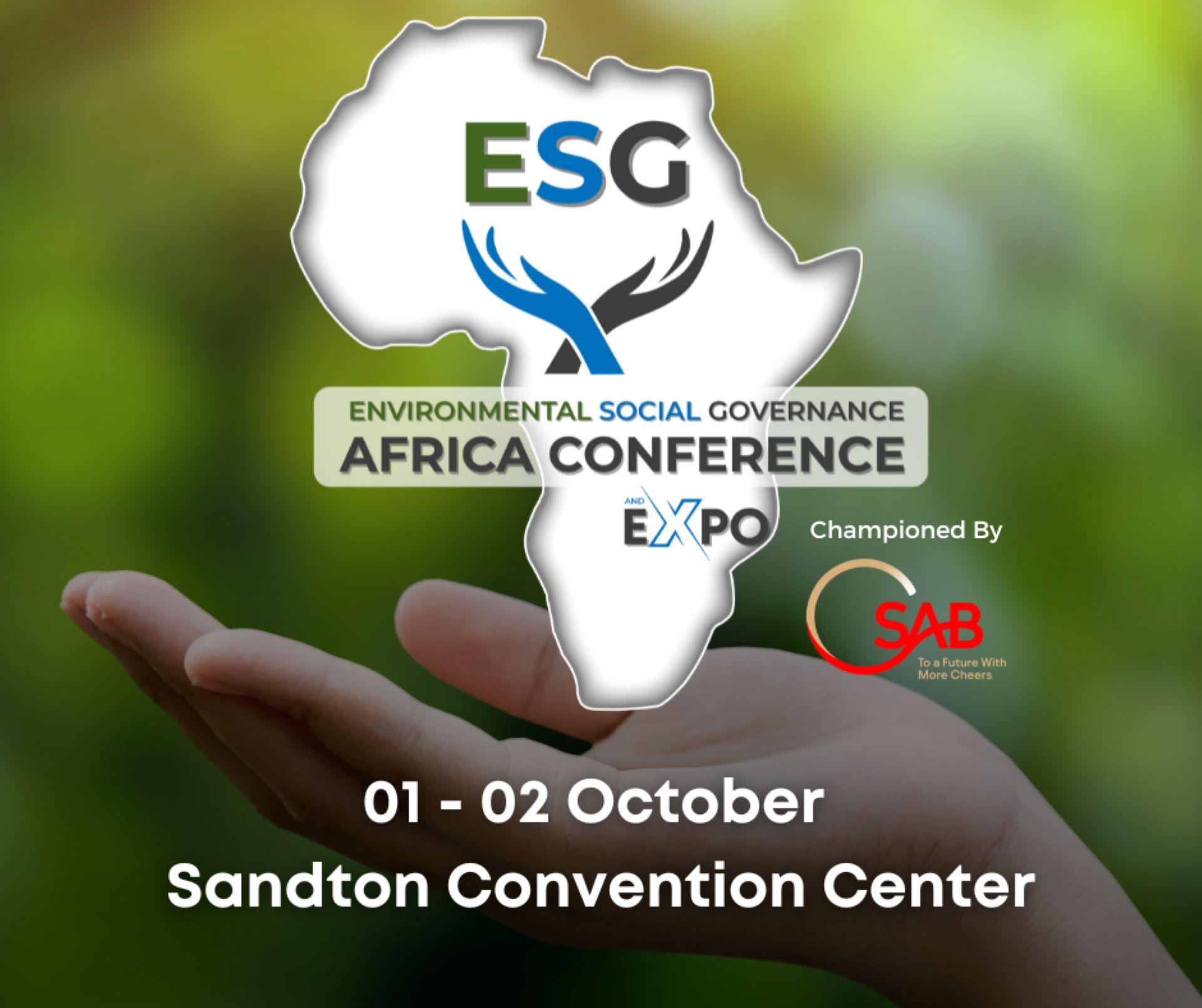
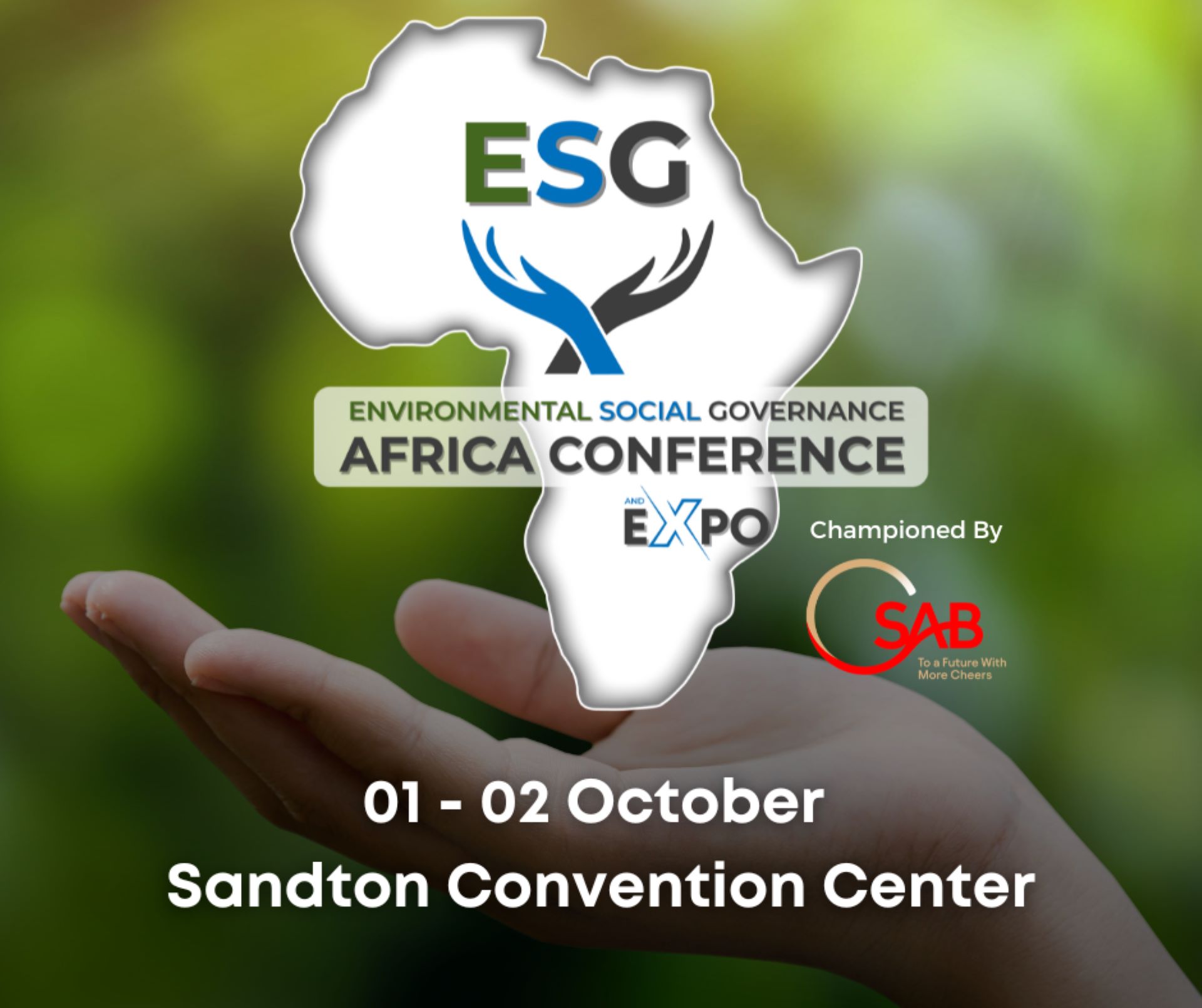
The upcoming ESG Africa Conference, to be held at the Sandton Convention Centre from 1-2 October 2024, will provide an essential platform for exploring how businesses can integrate ESG into their core strategies. The event will gather thought leaders, innovators, and experts to discuss practical approaches to tackling ESG challenges while seizing new opportunities.
Among the keynote speakers is Ryan Short, managing partner at Genesis Analytics, who will explore whether ESG integration is driven by genuine corporate responsibility or compliance with regulatory pressures. He will be joined by Colleen Theron of Ardea International, Mpho Mookapele of EWSETA, Kiera Petterson from the African Circular Economy Network, and James Brice of EY, with moderation by Thamsanqa Mayo of Nerdma, who brings expertise in leveraging AI and technology for ESG integration.
Looking Ahead: Africa’s ESG Journey
As African businesses increasingly recognize the value of ESG integration, the continent stands at a crossroads of sustainable growth and innovation. While challenges remain—especially around regulatory enforcement and social inequality—there is an emerging momentum toward more responsible and future-proof business practices. The 2024 ESG Africa Conference promises to be a key moment for accelerating this transition, offering valuable insights and case studies that can inspire businesses across the continent to lead the way.
By taking concrete steps toward sustainability, businesses not only future-proof their operations but also contribute to a broader, global effort to ensure a more equitable and environmentally sound future.
For more information on the ESG Africa Conference or to secure your seat, visit www.esgafricaconference.com.


