Stellantis and Dongfeng Group are taking a long-standing global relationship into a new phase, announcing plans to establish a Europe-based joint venture that will span sales, distribution, manufacturing, purchasing, and engineering activities. The move signals a deeper alignment between Western automotive infrastructure and China’s rapidly advancing new energy vehicle ecosystem, with Europe positioned as the next strategic growth frontier.
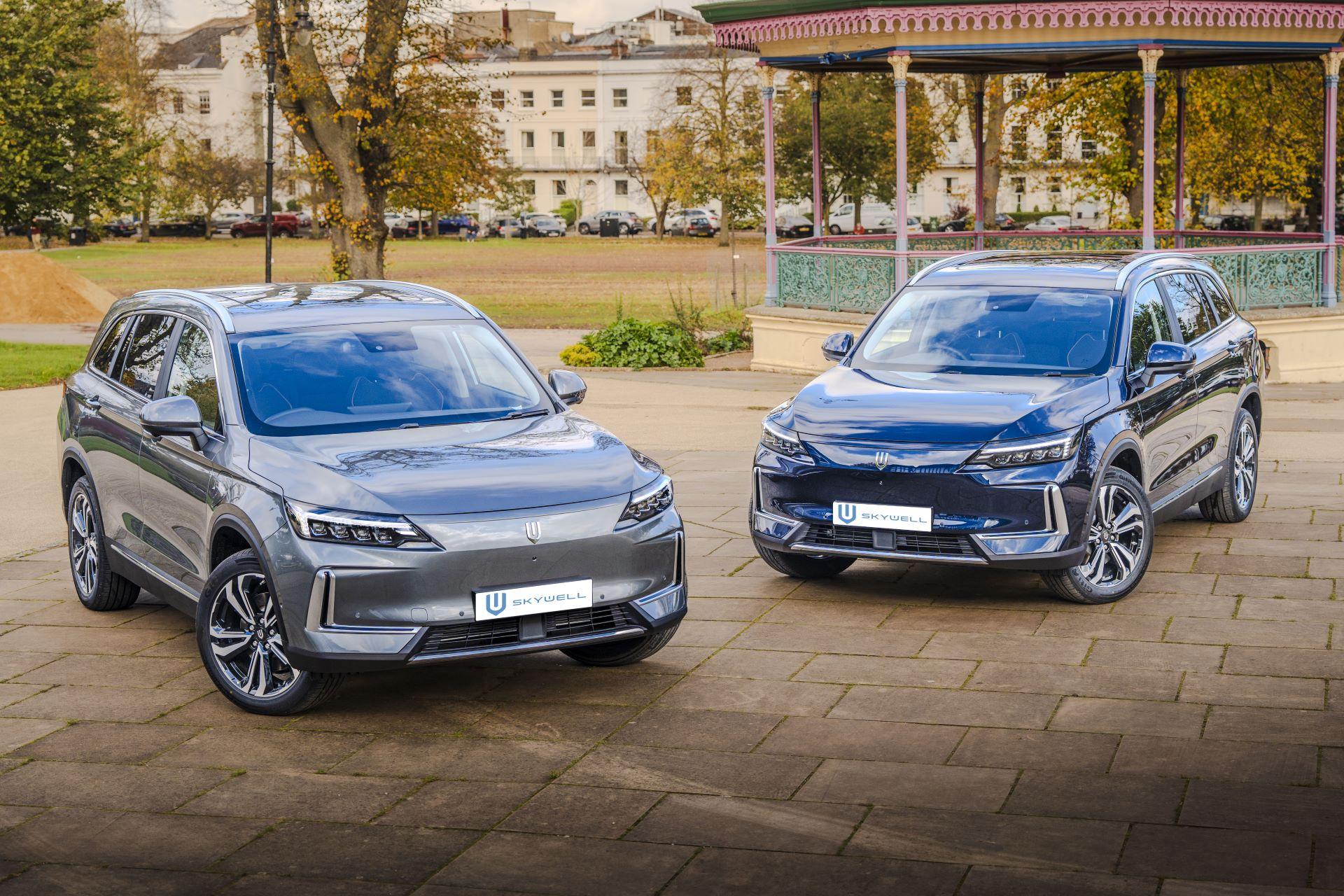
The proposed joint venture, which would be led by Stellantis with a 51 percent stake and Dongfeng holding 49 percent, is designed to bring Dongfeng’s Voyah-branded premium electric vehicles into selected European markets. Rather than acting as a simple import channel, the structure is intended to leverage Stellantis’ established dealer networks and after-sales capabilities, creating a fully integrated pathway from production to customer experience.
At the same time, the collaboration is expected to extend beyond sales. Both companies intend to establish shared purchasing and engineering operations, allowing them to tap into Dongfeng’s NEV development ecosystem in China while benefiting from Stellantis’ global scale and industrial footprint. This hybrid approach reflects a broader industry shift, where innovation pipelines are increasingly distributed across regions rather than concentrated in a single geography.
A key component of the plan is local production in Europe. The partners are considering the Rennes plant in France as a potential manufacturing hub for Dongfeng’s new energy vehicle models. This localisation strategy is aligned with European regulatory expectations and “Made-in-Europe” requirements, which continue to shape how global automakers structure their supply chains and production footprints. If implemented, it would also allow the Voyah range to be positioned more competitively within Europe’s increasingly regulated EV market.
The announcement comes alongside recent developments in Stellantis and Dongfeng’s broader collaboration strategy in China. Earlier this month, both groups confirmed a strengthened focus on their DPCA joint venture, which will produce all-new Peugeot and Jeep-branded NEVs in Wuhan for both domestic use and export markets beginning in 2027. That facility has already played a major role in the partnership’s history, having produced more than 6.5 million Peugeot and Citroën vehicles over its lifetime.
Leadership from both companies framed the latest expansion as a natural evolution of a 34-year partnership. Stellantis CEO Antonio Filosa highlighted the importance of combining global reach with China’s advanced NEV capabilities, positioning the venture as a way to broaden consumer choice while maintaining competitive pricing across markets. Dongfeng Chairman Qing Yang emphasised the alignment with China’s broader economic strategy of opening international cooperation channels and strengthening cross-border industrial collaboration.
While the plans remain subject to final agreements and regulatory approvals, the direction is clear: both companies are preparing for a more interconnected automotive landscape where design, engineering, and production are shared across continents. If successful, the Stellantis–Dongfeng venture could become a defining example of how legacy automakers and Chinese manufacturers jointly shape the next phase of global electric mobility.