

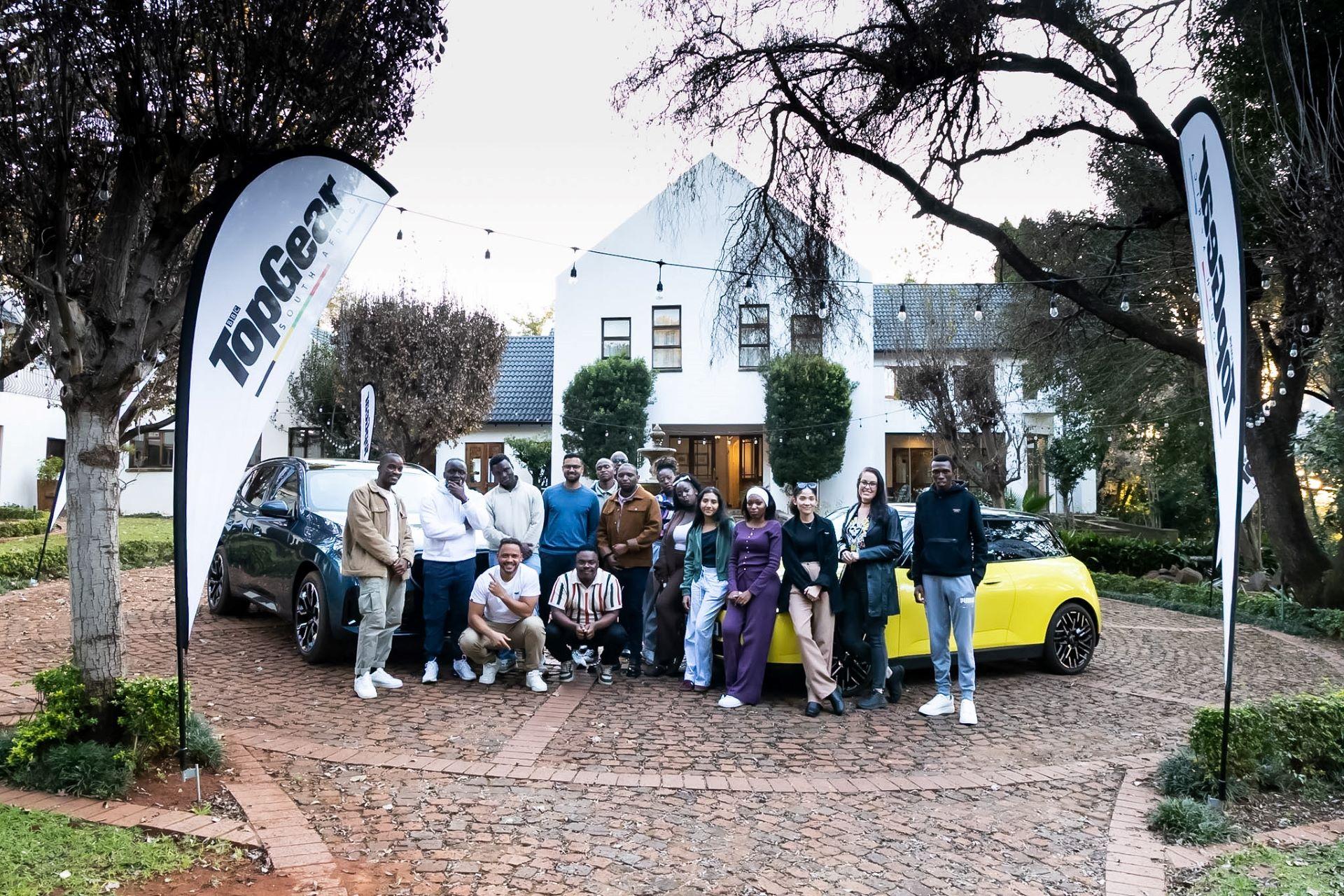
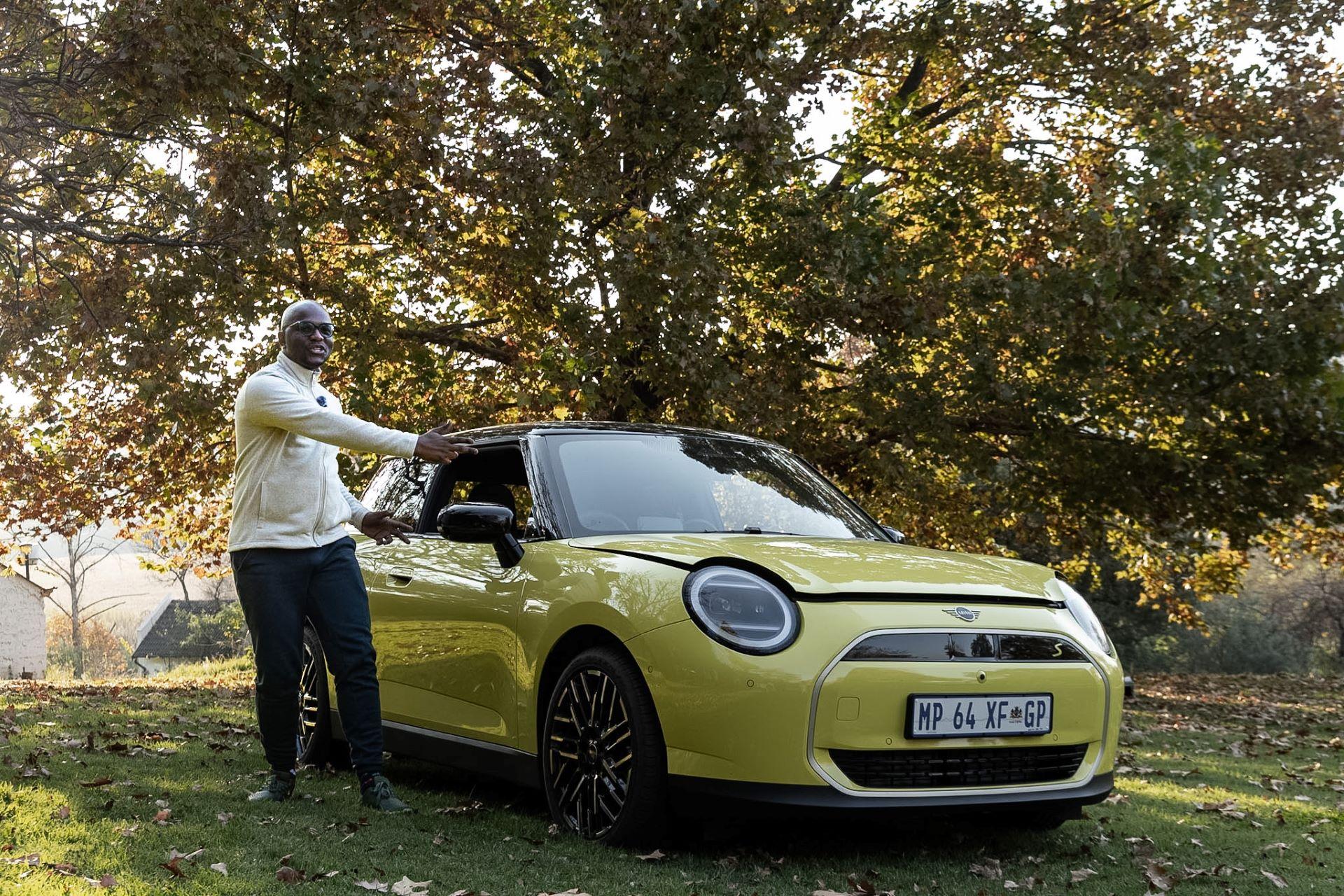
The South African automotive media landscape has taken a meaningful step toward its future with the successful completion of the inaugural TopGear South Africa Automotive Journalism Mentorship Programme, a three-day development initiative designed to cultivate the next generation of storytellers behind the wheel and behind the lens.
Held from 28 to 30 May, the programme brought together 13 aspiring automotive journalists, photographers, videographers and digital content creators for an immersive introduction to the professional standards, creative expectations and ethical frameworks that define modern automotive media. Rather than treating journalism as theory alone, the initiative placed participants directly into the rhythm of the industry, where deadlines move fast and credibility matters even faster.
Across the curriculum, participants were introduced to the craft of storytelling, content production for multiple platforms, photography and videography techniques, social media strategy, media ethics and the often-unseen relationship dynamics between automotive brands and the press. The goal was not only to teach skills, but to shape mindset, helping emerging talent understand what it truly means to operate within a competitive and credibility-driven sector.
Industry contributors played a central role in grounding the experience in real-world practice. Taryn Jakobi of Foton South Africa unpacked the professional expectations between manufacturers and media, offering practical insight into conduct, communication and the standards required when engaging with OEMs. Her session emphasised that trust remains the quiet currency of automotive journalism.
Justin Jacobs of Mercedes-Benz South Africa focused on the practical realities of press vehicle access and relationship management, illustrating how professionalism and consistency open doors long before a vehicle ever reaches a driveway. His perspective reinforced the idea that credibility is built as much in correspondence as it is in content.
Digital creator Kumbi Mtshakazi of Kumbi M on Cars guided participants through the evolving world of online automotive storytelling, where personal brand identity, audience engagement and platform-native content creation now sit alongside traditional reporting skills. His session bridged the gap between established journalism and the fast-moving creator economy.
Within TopGear SA itself, Head of Content Niki Louw helped anchor the programme’s editorial perspective, while Senior Journalist Ntsako Mthethwa served as programme champion, shaping the initiative from concept to execution. His own pathway into automotive media, built through mentorship, added a deeply personal layer to the programme’s purpose.
TopGear SA Publisher Avon Middleton described the initiative as a structured extension of a long-standing commitment to improving industry standards and supporting emerging talent. His remarks reflected a broader ambition to formalise mentorship as a recurring pillar of development within South Africa’s automotive media ecosystem.
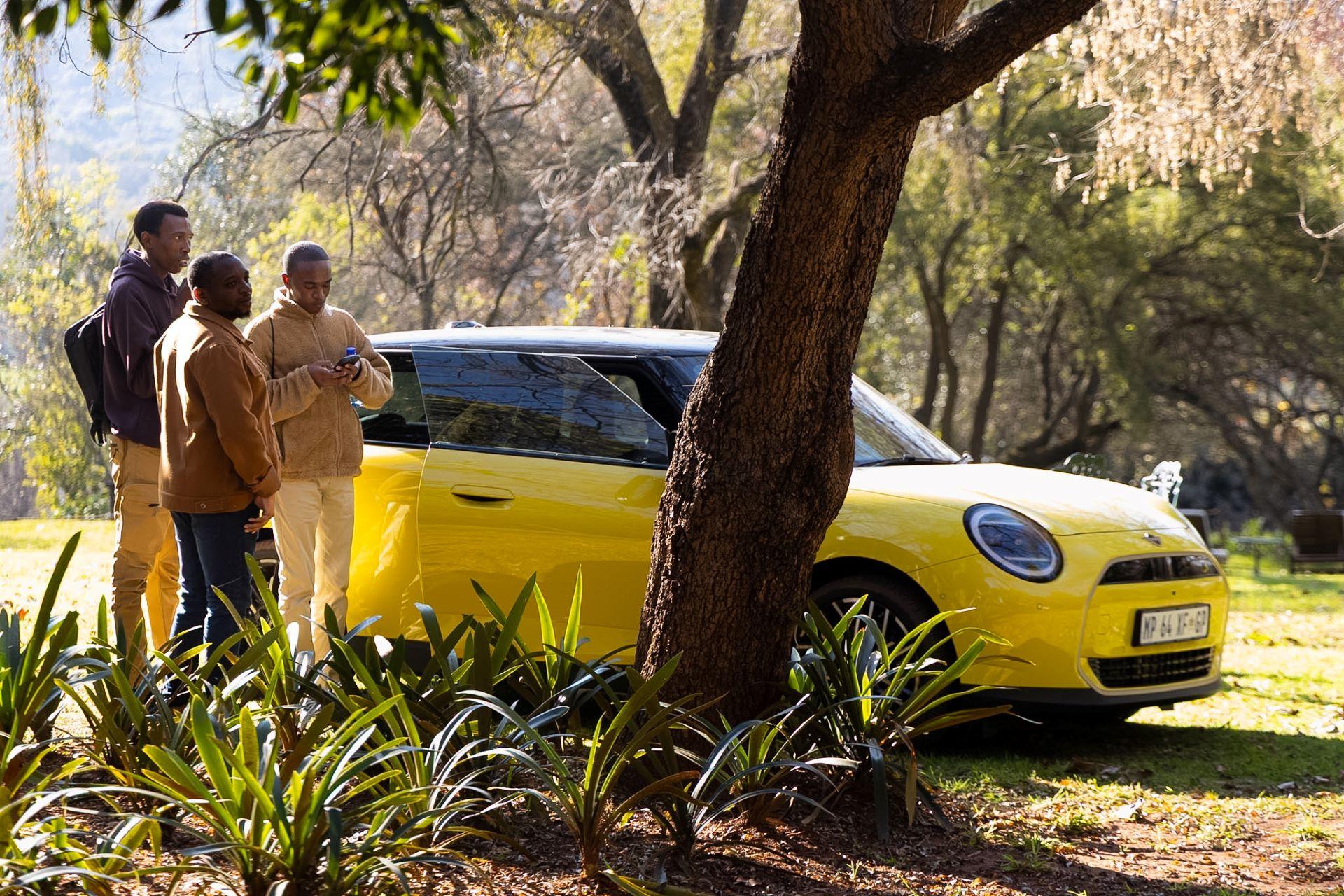
A highlight of the programme was a simulated vehicle launch exercise, where participants were tasked with producing written and visual content under realistic industry pressures. Working in teams, they navigated tight deadlines, creative direction and editorial expectations before presenting their final outputs for mentor feedback. The exercise was designed to mirror the intensity of real-world automotive media environments, where timing and accuracy are just as important as creativity.
The initiative also benefited from insights shared by industry professionals including contributors from BMW Group South Africa, Toyota South Africa Motors and Ford South Africa, each reinforcing the importance of strong media-manufacturer relationships and the growing need for adaptable, digitally fluent communicators in the sector.
Across sessions, a consistent theme emerged: automotive media is no longer defined by a single format or platform. It is a hybrid space where journalism, content creation, photography and videography intersect, and where success depends on both technical skill and professional integrity.
Participants concluded the programme with presentations, mentor feedback and certification, marking the end of an intensive but formative three days. Yet for many, it represented the beginning of a longer journey into an industry that demands both passion and precision.
Following the success of this first edition, TopGear South Africa plans to run the programme three times annually, with the next intake scheduled for September 2026. The long-term vision is to evolve the initiative into a structured internship pathway by 2027, creating more direct entry points into the automotive media profession.
With industry backing and growing momentum, the programme signals a clear investment in the future of South African automotive storytelling, where the next generation is already learning not just how to report on the industry, but how to help shape it.