




Stellantis and CEA Partner to Innovate Next-Generation EV Batteries
AMSTERDAM, July 3, 2024 – Stellantis, a global leader in automotive engineering, has announced a groundbreaking five-year collaboration with CEA, one of the world’s foremost research institutions. This strategic partnership aims to design cutting-edge battery cells that promise higher performance, extended lifespans, and reduced environmental impact, all at competitive costs. The joint research initiative aligns with Stellantis’ Dare Forward 2030 strategic plan and is set to make future electric vehicles (EVs) more affordable and sustainable.
“Battery technology is on the brink of a major transformation,” stated Ned Curic, Stellantis Chief Engineering and Technology Officer. “We are dedicated to leading this change by investing in multiple innovative technologies and collaborating with top-tier partners like CEA. This partnership is crucial in our mission to provide clean, safe, and affordable mobility solutions for our customers.”
CEA, through its Energy Division, brings advanced innovations focused on decarbonization. As a Research and Technological Organization (RTO), CEA’s primary goal is to foster industrial innovation and technological breakthroughs, providing a competitive edge for its partners.
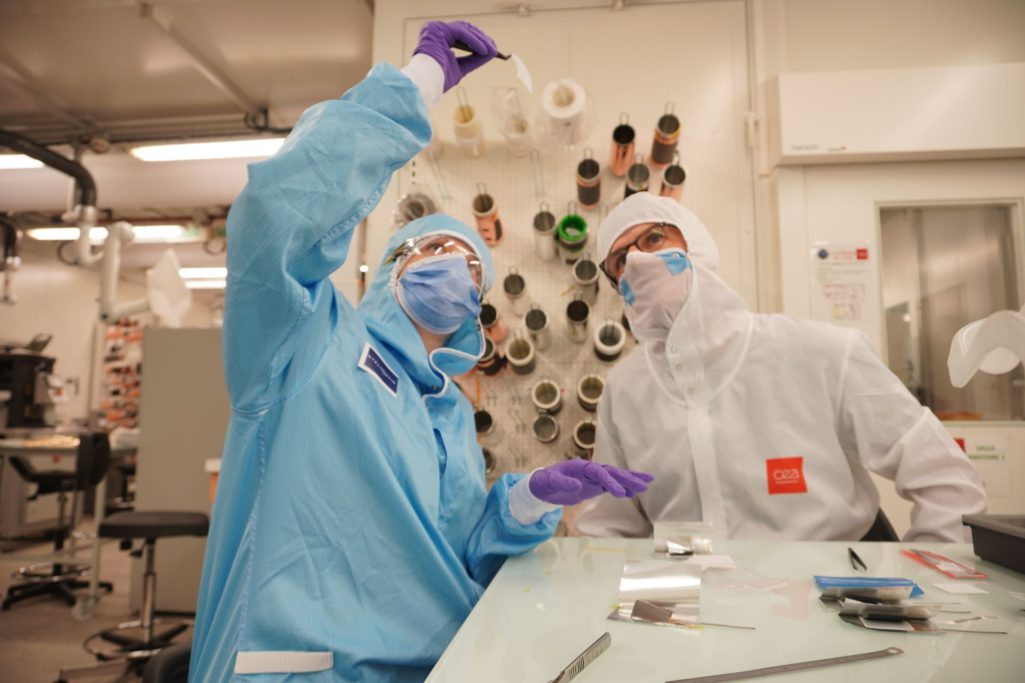
“We are proud to support Stellantis with a comprehensive R&D program on battery cells,” said Philippe Stohr, Head of CEA Energy Division. “This project leverages over 25 years of expertise in Li-ion battery technology at CEA, benefitting one of the major players in the electric mobility sector. Our aim is to accelerate design and production, enhancing our understanding of advanced cell technologies through shared expertise and vision.”
The joint battery cell program is designed to develop cost-effective, next-generation EV batteries, employing best-in-class technologies for Stellantis and its joint venture gigafactories. This initiative reinforces a dynamic 20-year collaboration between Stellantis and CEA, encompassing research areas such as disruptive chemistries, CO2 footprint reduction, battery modeling, fuel cell development, life cycle assessment, and connectivity.
This collaboration exemplifies Stellantis’ relentless pursuit of the goals outlined in the Dare Forward 2030 strategic plan. Stellantis is committed to becoming a carbon net-zero corporation by 2038, covering all scopes with a minimal percentage of remaining emissions offset.
By merging Stellantis’ engineering expertise and pioneering spirit with CEA’s technological innovation, this partnership is set to drive significant advancements in battery technology, paving the way for a more sustainable future in electric mobility.


