


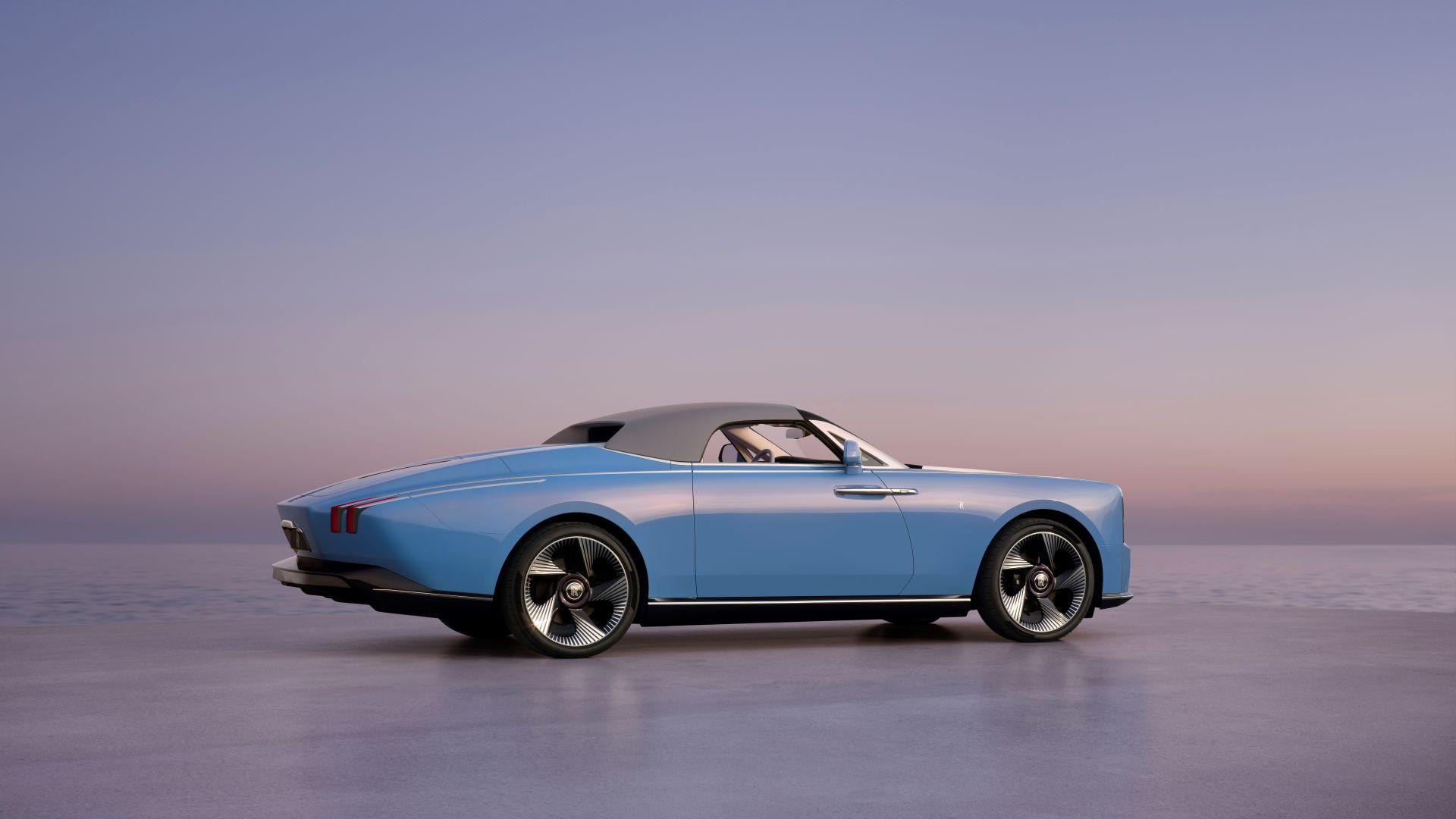
Rolls-Royce has revealed Project Nightingale, a defining moment in its Coachbuild Collection that stretches the idea of luxury motoring into something far more deliberate, more personal and far more rare. Presented at Goodwood, the open two-seat grand tourer signals a clear shift toward invitation-only commissions, where craftsmanship is treated less like a feature and more like a philosophy carved into metal.
The name Nightingale draws from Le Rossignol, the French Riviera residence tied to Sir Henry Royce’s legacy, and it sets the tone for a motor car that balances poetry with precision. It looks backward just enough to borrow the daring spirit of the experimental ‘EX’ Rolls-Royce models of the 1920s, yet it stands firmly in the present with a fully electric drivetrain. Only 100 examples will be built, each one hand-crafted and individually curated, with deliveries beginning in 2028.
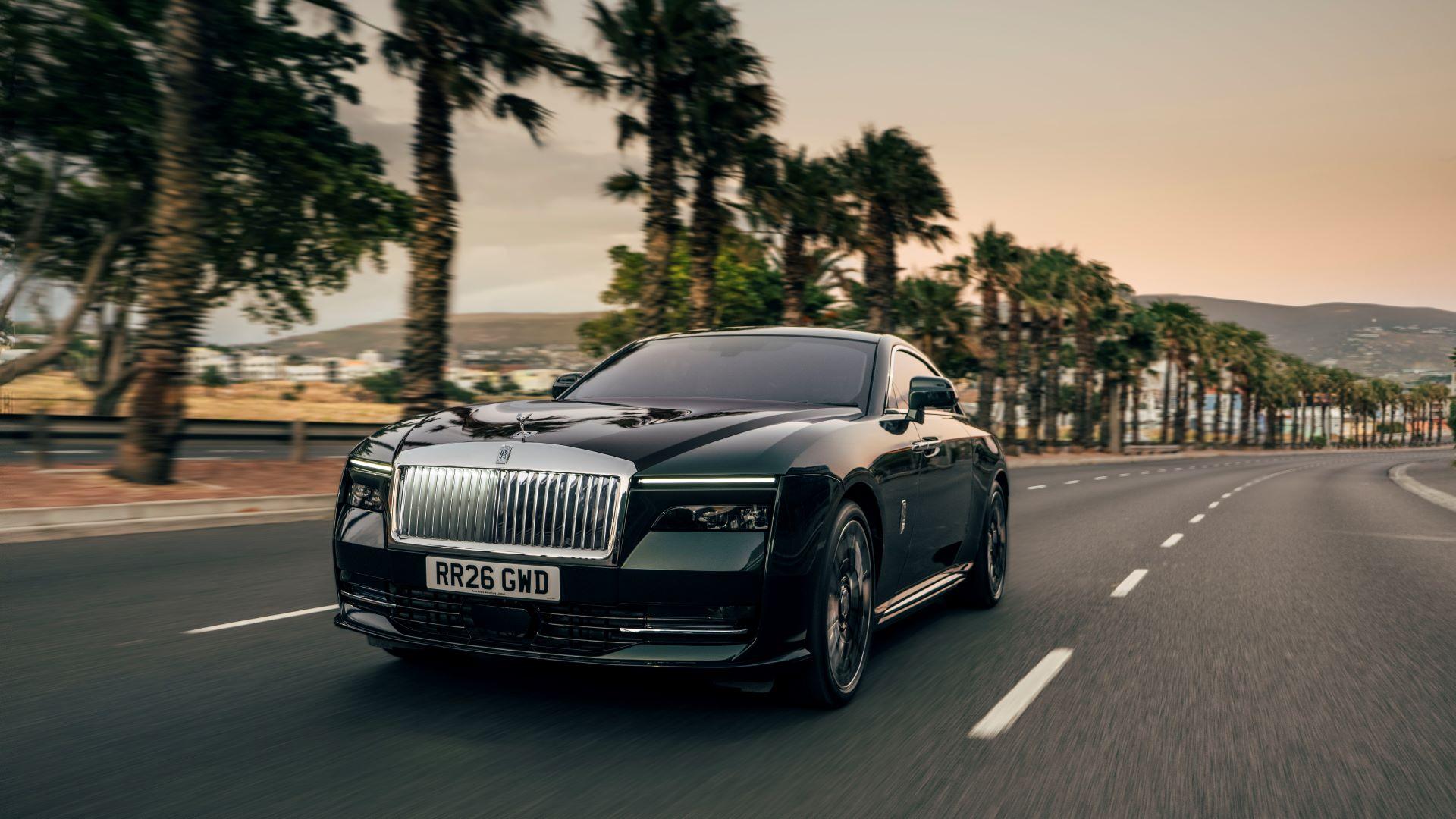
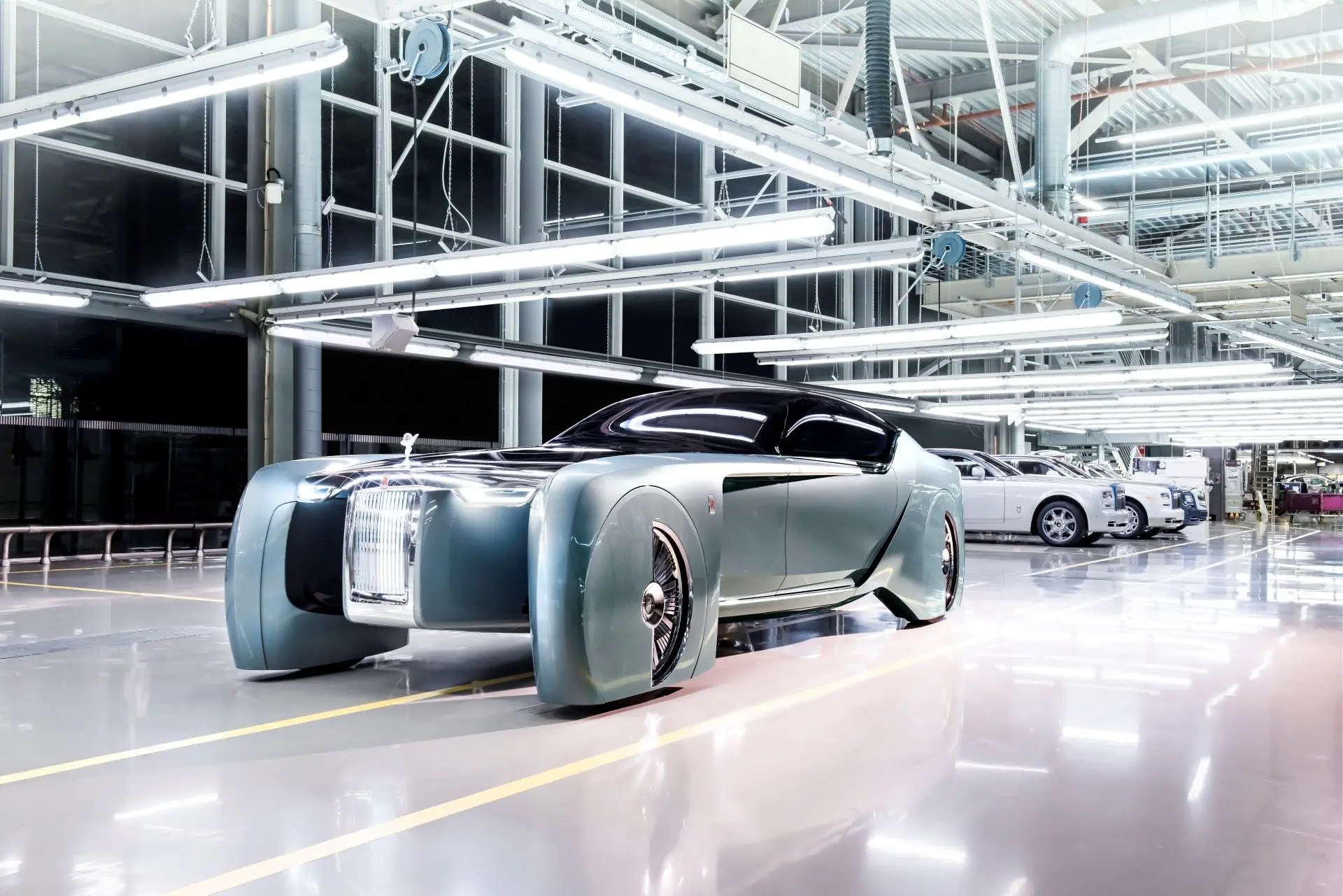
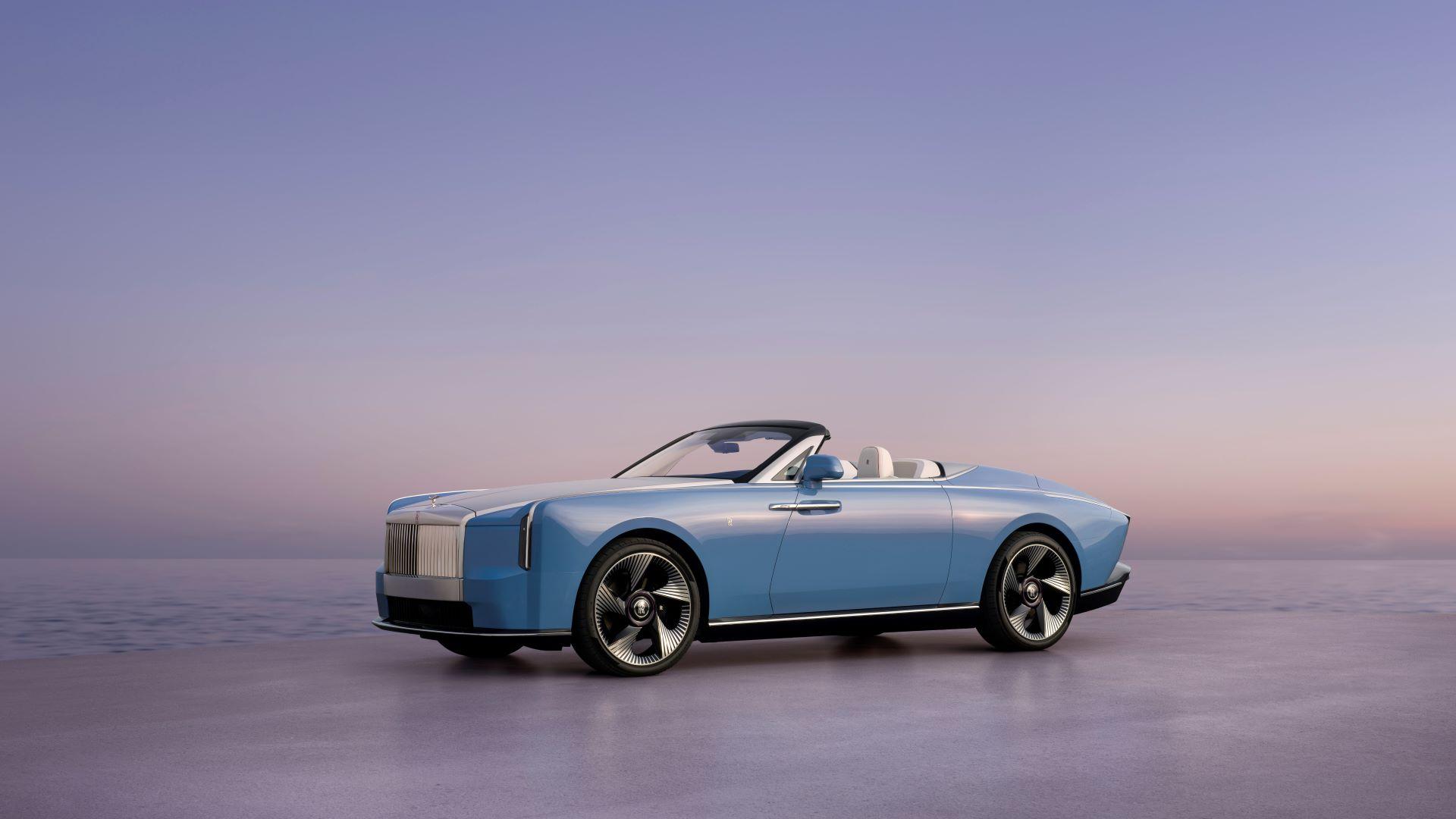
There is a quiet confidence in how Project Nightingale approaches design. Instead of layering on complexity, it strips things back. The influence of Streamline Moderne is unmistakable, favouring long, uninterrupted surfaces and a clarity of form that feels almost architectural. At 5.76 metres in length, it mirrors the scale of the Phantom, yet devotes all that presence to just two occupants, creating a contrast between intimacy and grandeur that feels intentional.
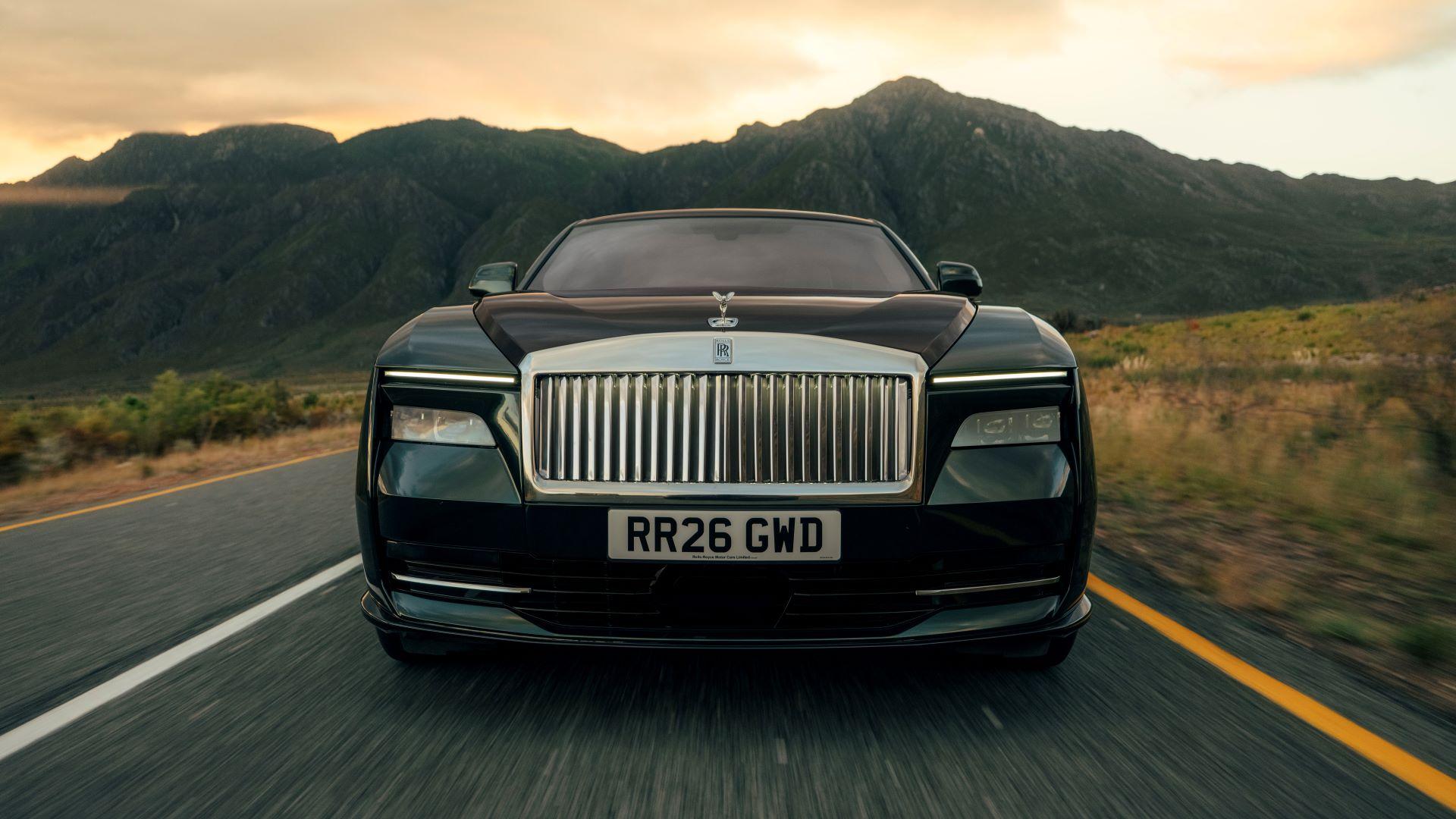
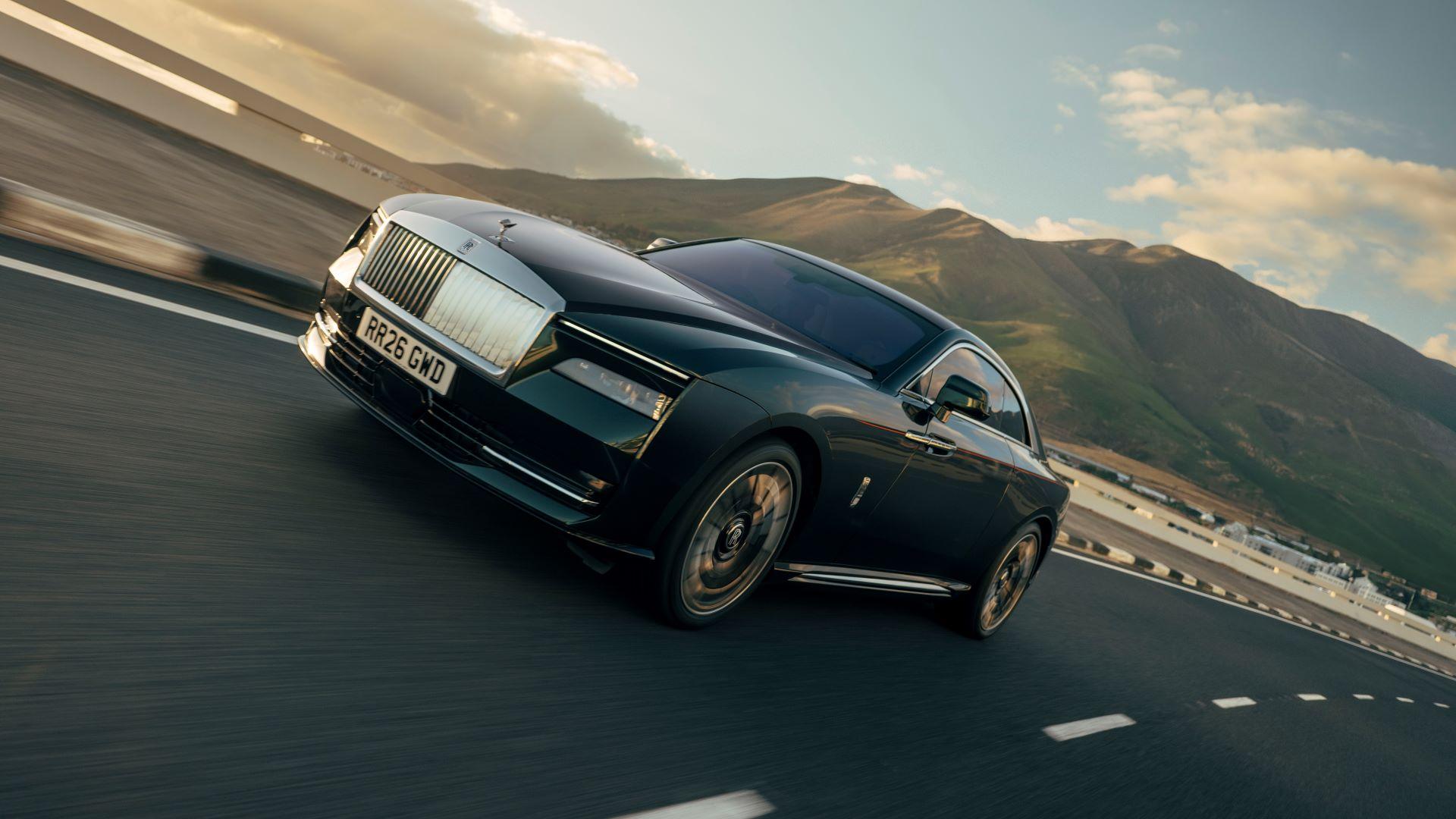
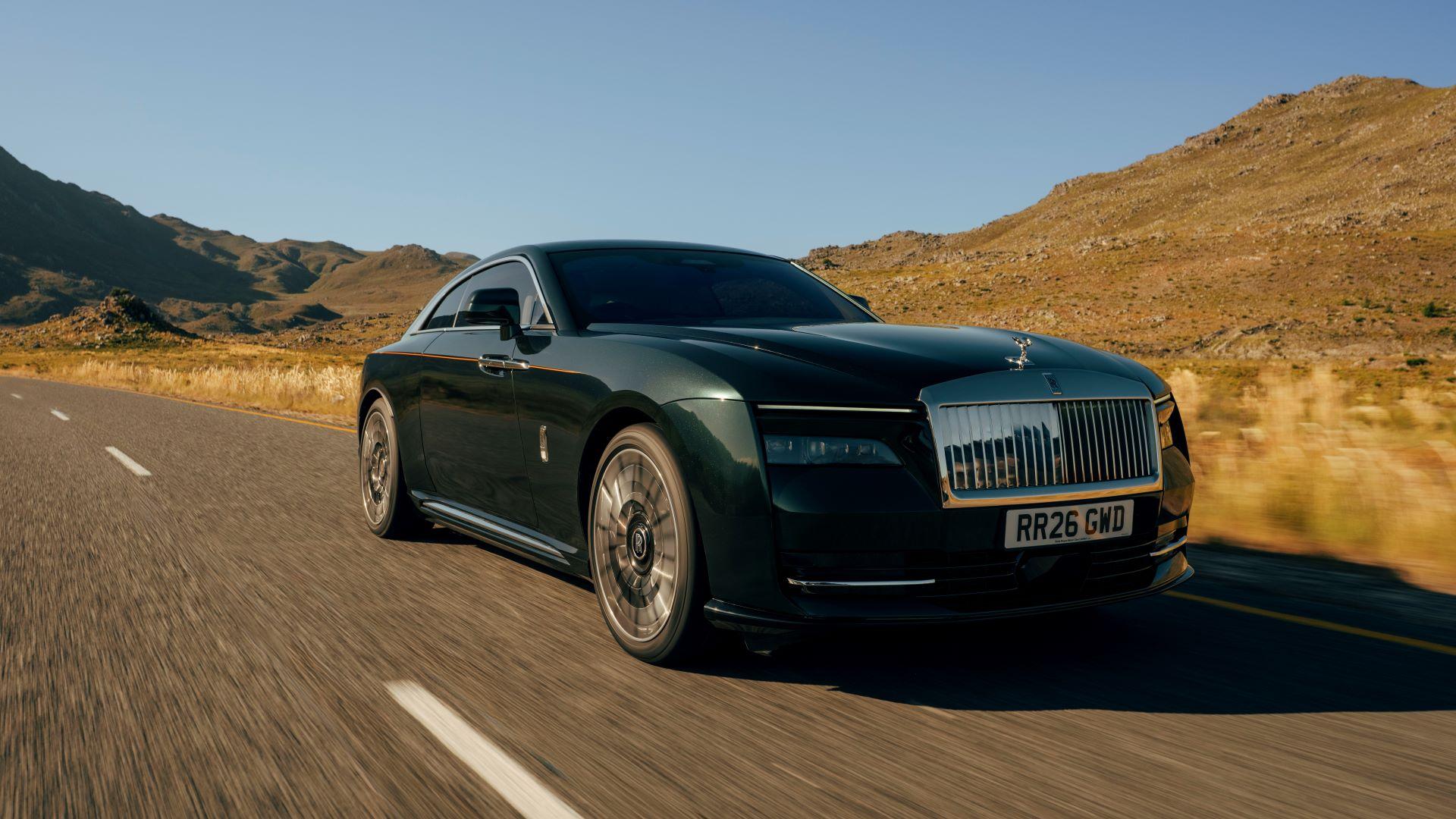
The absence of a combustion engine has allowed the front end to breathe in a way few luxury cars can. Without the need for cooling apertures, the surfaces stretch uninterrupted, framing the Pantheon Grille as a sculptural focal point. Its stainless-steel surround feels almost monolithic, with the Spirit of Ecstasy integrated so fluidly that it appears to be moving through the metal itself rather than sitting on top of it.
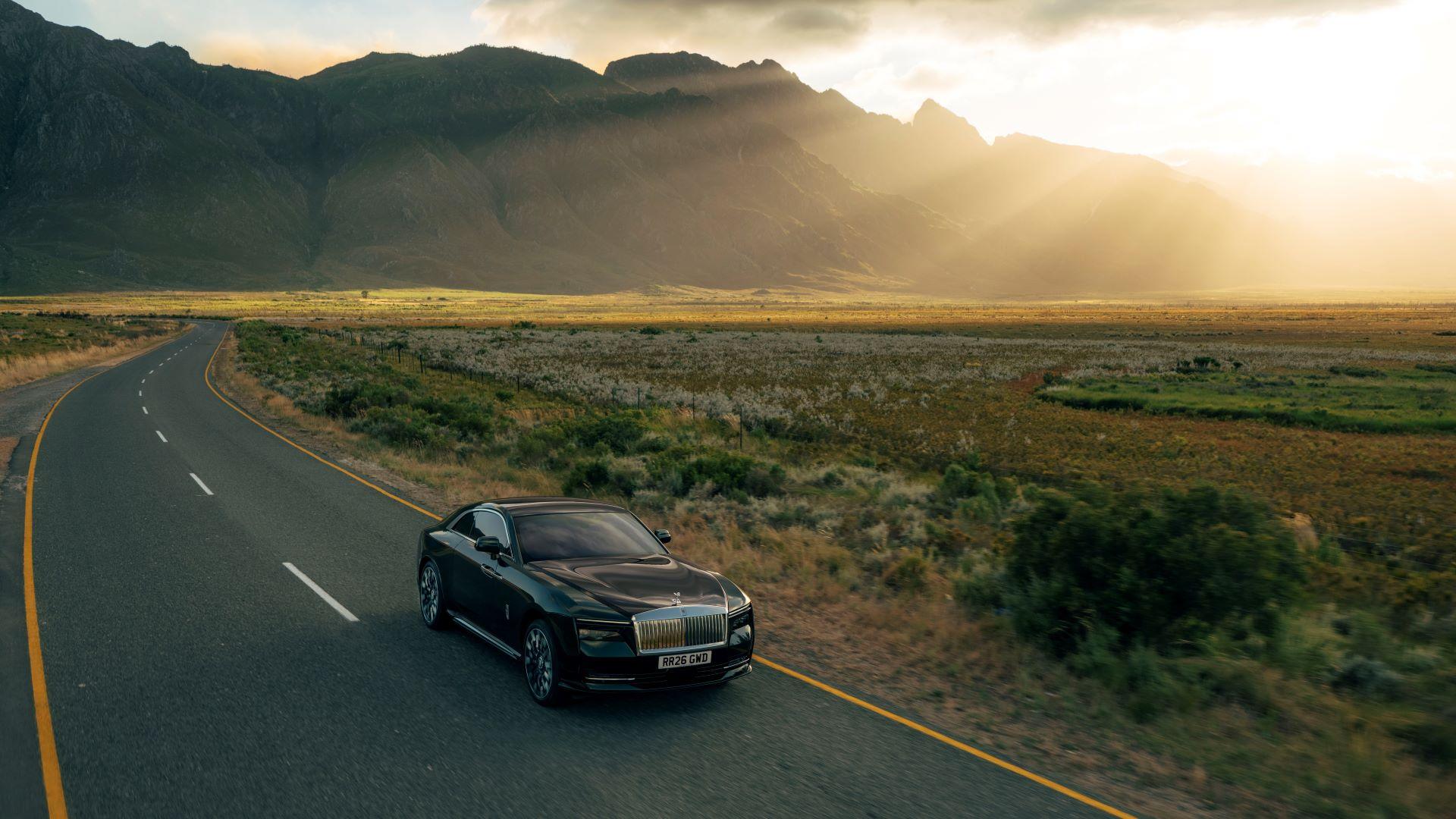
In profile, the design leans into a torpedo-like silhouette. A long, commanding bonnet leads into a compact cabin set deep within the body before tapering into a low, dramatic rear. A single, continuous hull line runs from front to back, echoing the elegance of a yacht cutting through water. The effect is subtle but powerful, giving the impression that the car is always in motion, even when it stands still.
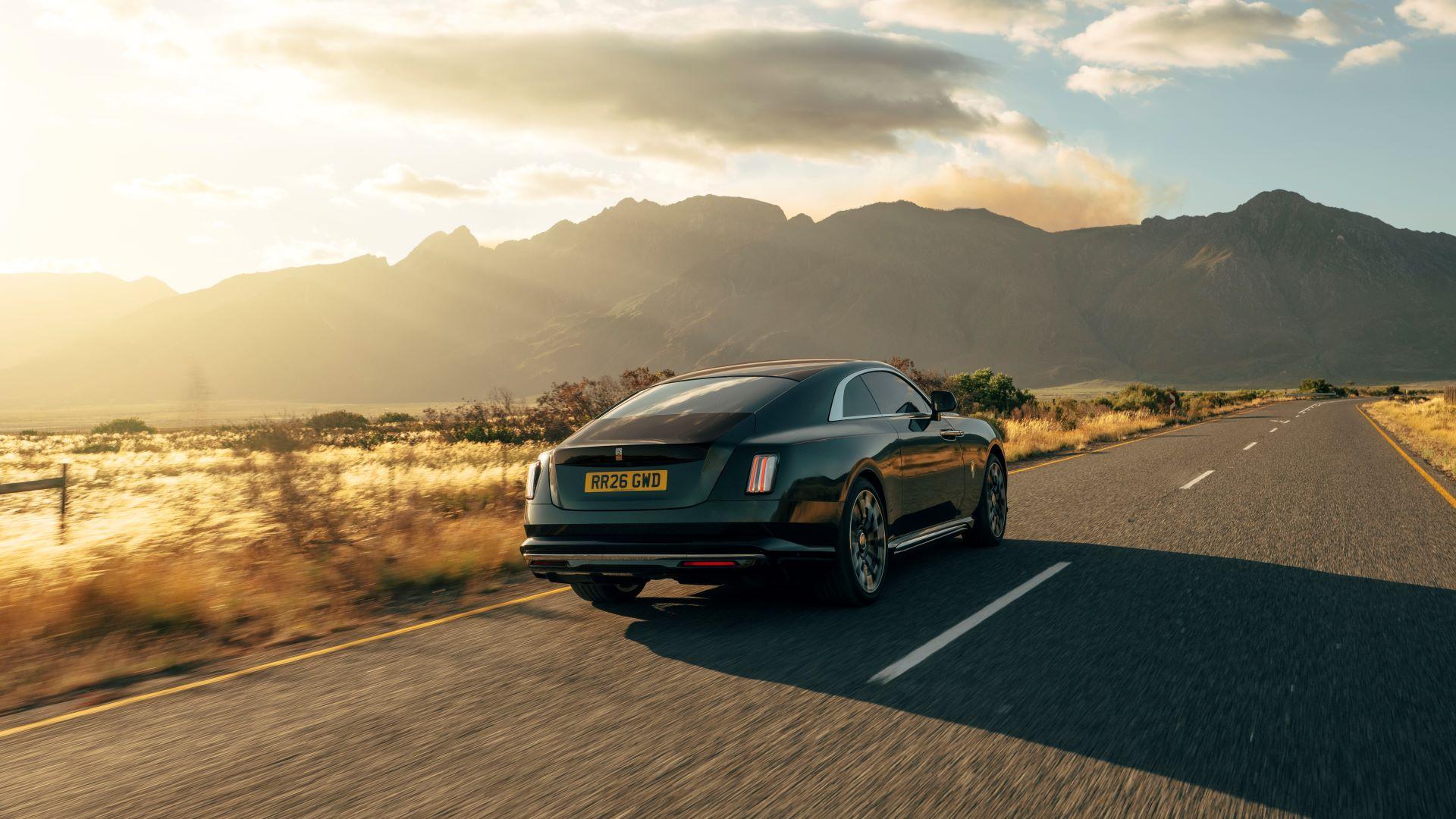
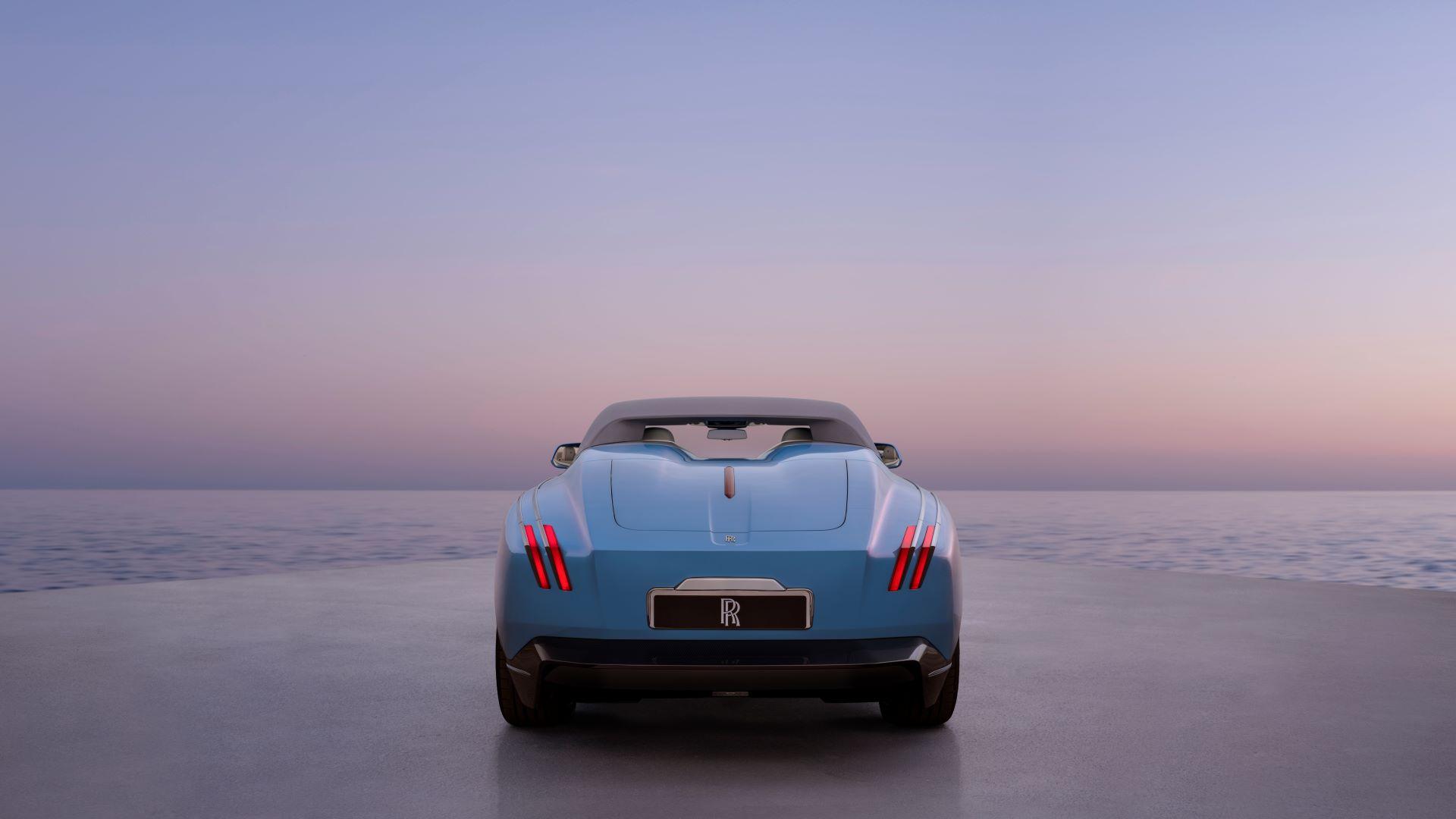
The rear continues this balance between strength and restraint. Muscular surfacing around the wheel arches anchors the design, while the horizontal deck and slim, precise tail lamps introduce a sense of technical sharpness. The Piano Boot adds a layer of theatre, opening sideways in a movement that turns a simple action into a moment of ceremony. Beneath it, the Aero Afterdeck diffuser quietly reinforces the benefits of electrification, delivering stability without interrupting the flow of the design.
Where Project Nightingale separates itself most clearly is in how it moves. The fully electric drivetrain transforms the experience into something almost meditative. Without engine noise, the outside world becomes part of the journey. Wind softens, ambient sound sharpens, and the act of driving becomes less about mechanical feedback and more about immersion.
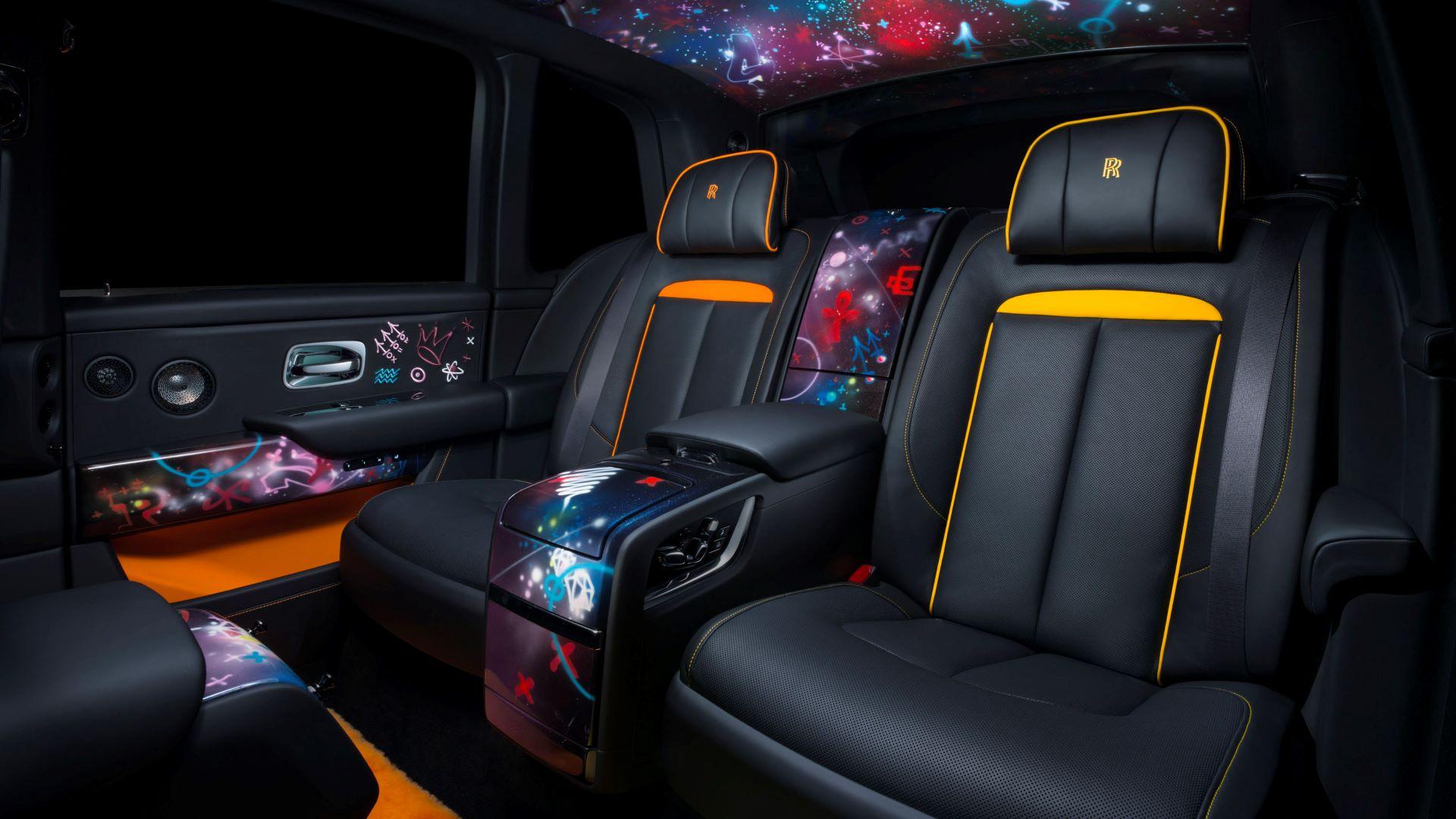
That same thinking shapes the interior. The Starlight Breeze suite translates birdsong into light, wrapping the cabin in a constellation of over 10,000 individual points. It creates an atmosphere that feels closer to a private observatory than a traditional cockpit, where light, sound and material work together to shape the experience.
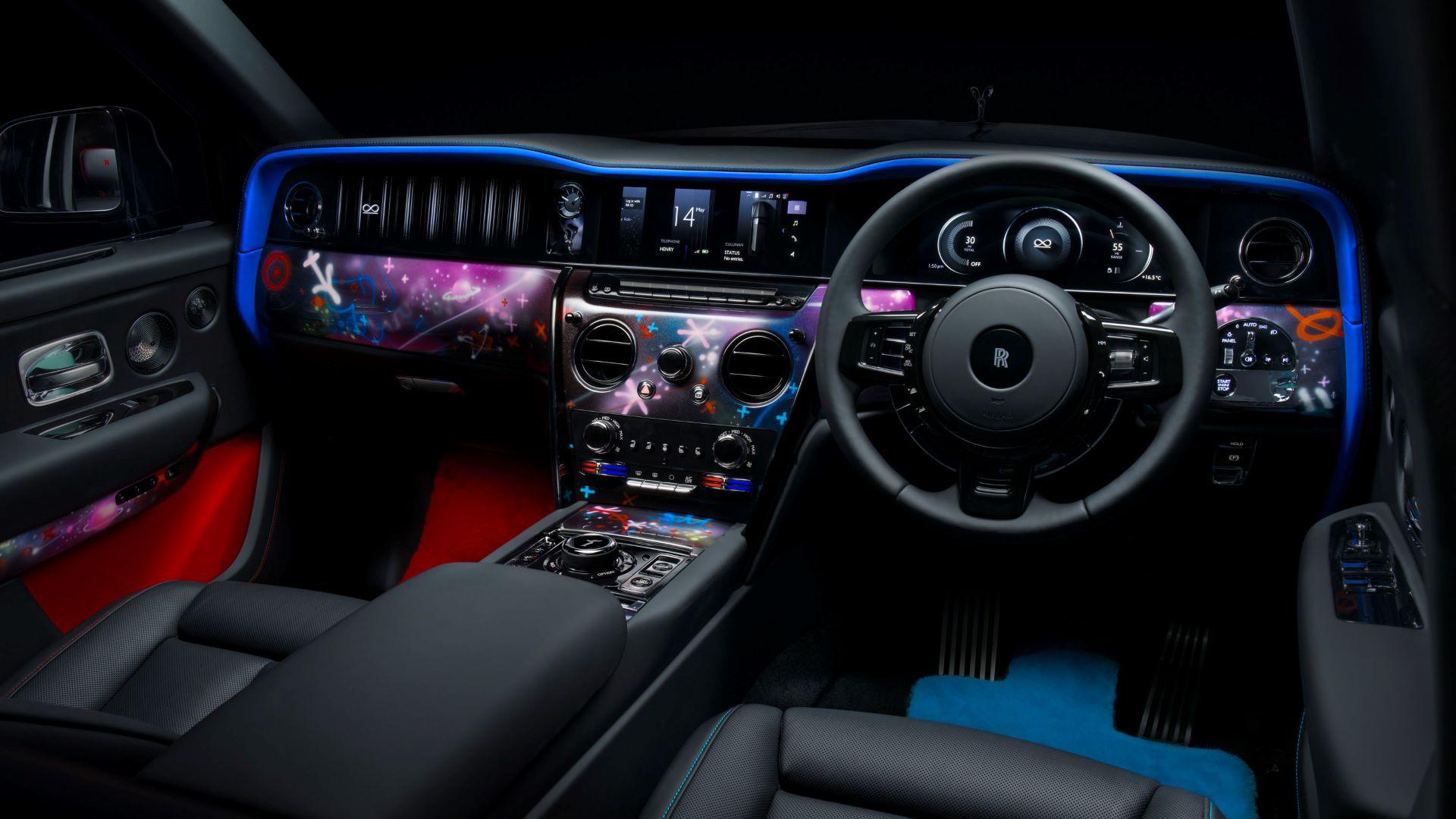
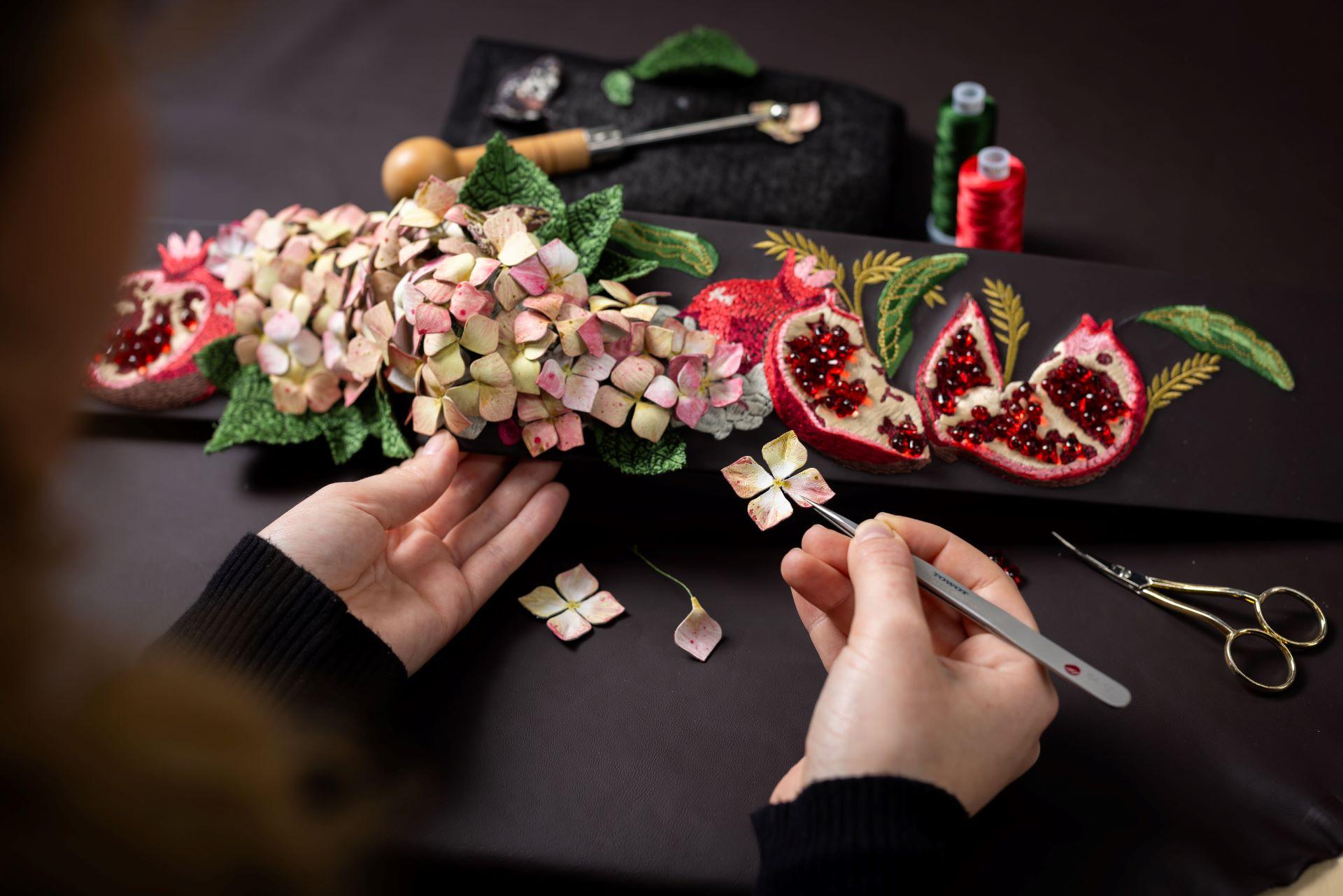
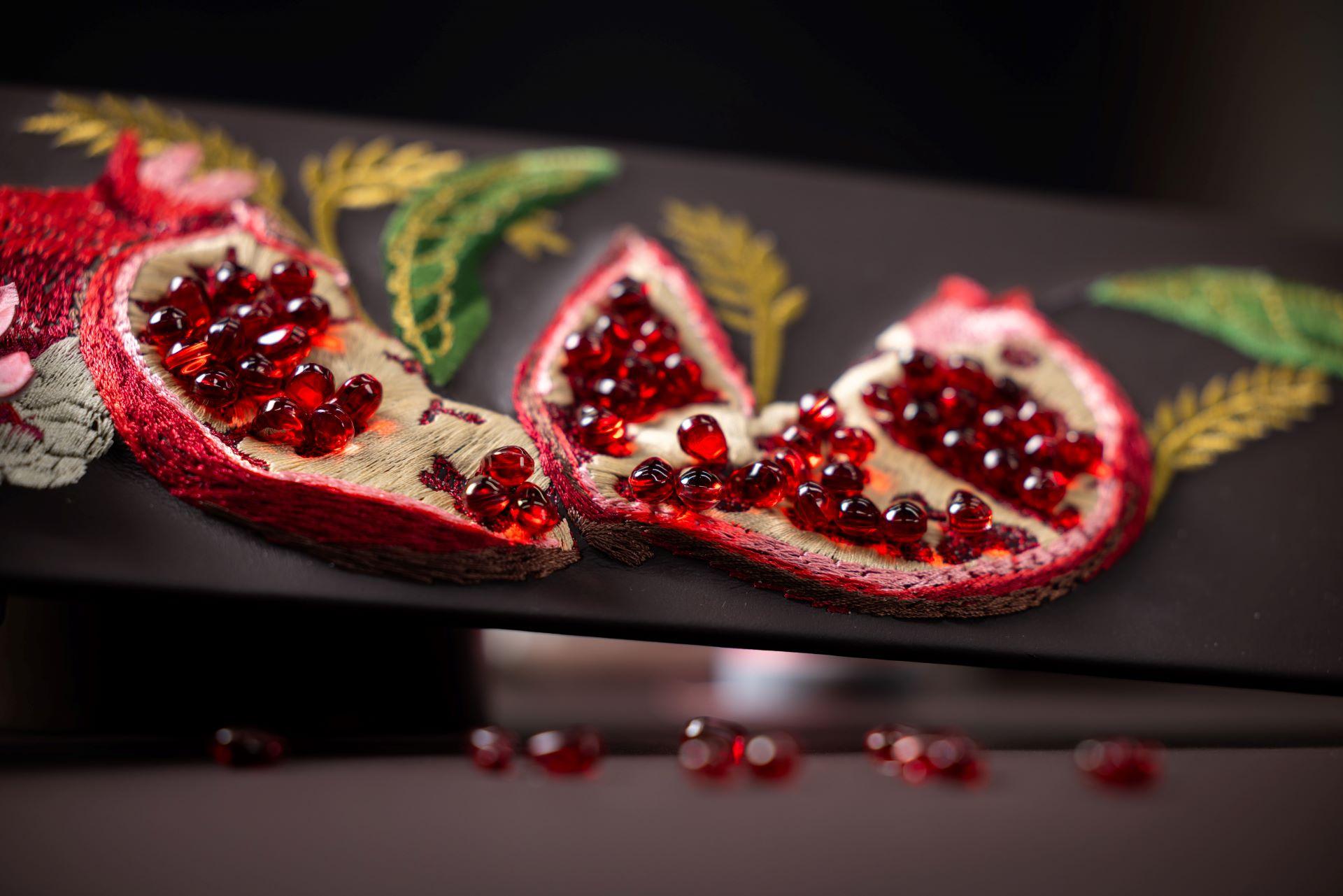
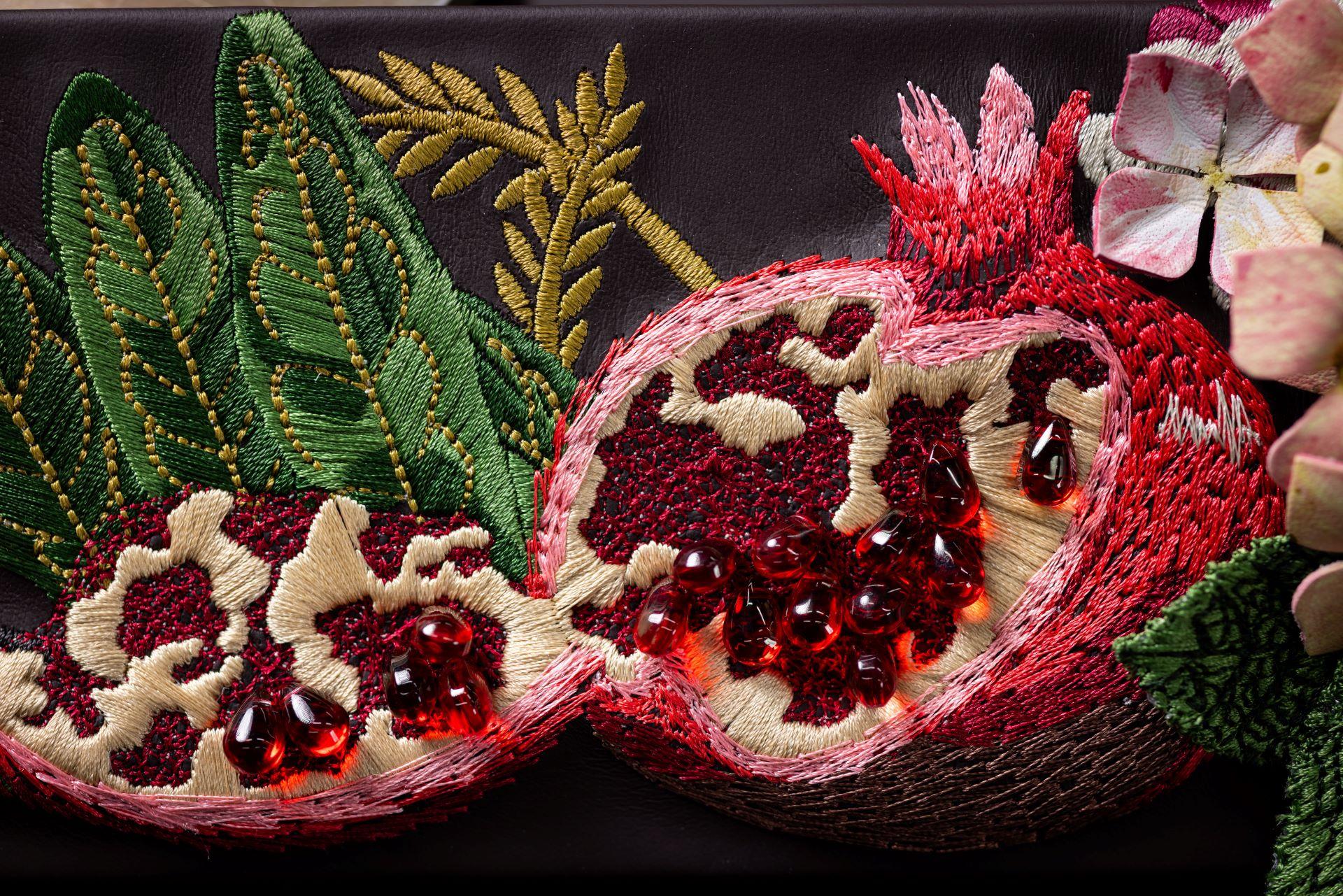
Materials are chosen with the same level of restraint and intent. Soft leathers, open-pore woods and precisely machined metals form a tactile environment that feels both contemporary and timeless. Controls are reduced to their essentials, each interaction designed to feel deliberate, almost ceremonial, reinforcing the idea that every journey is something to be savoured rather than rushed.
Beyond the car itself, Project Nightingale introduces a different kind of ownership. Clients are invited into a multi-year programme of curated events and collaborative design moments, turning the process into a shared journey rather than a simple transaction. It is an approach that positions the car not just as a product, but as part of a broader, more immersive experience.
Project Nightingale ultimately feels like a statement of intent. It draws from the experimental spirit that defined Rolls-Royce in its earliest years and channels it into a future shaped by electrification and design purity. It manages to feel both inevitable and surprising, as though it has always belonged in the brand’s story, yet arrives with a quiet sense of disruption.
In a landscape where luxury is often reduced to technology and specification, Project Nightingale reminds us that true exclusivity lies in the harmony between design, craftsmanship and experience. It is not simply a car, but a reflection of what Rolls-Royce believes the future of ultra-luxury should feel like.