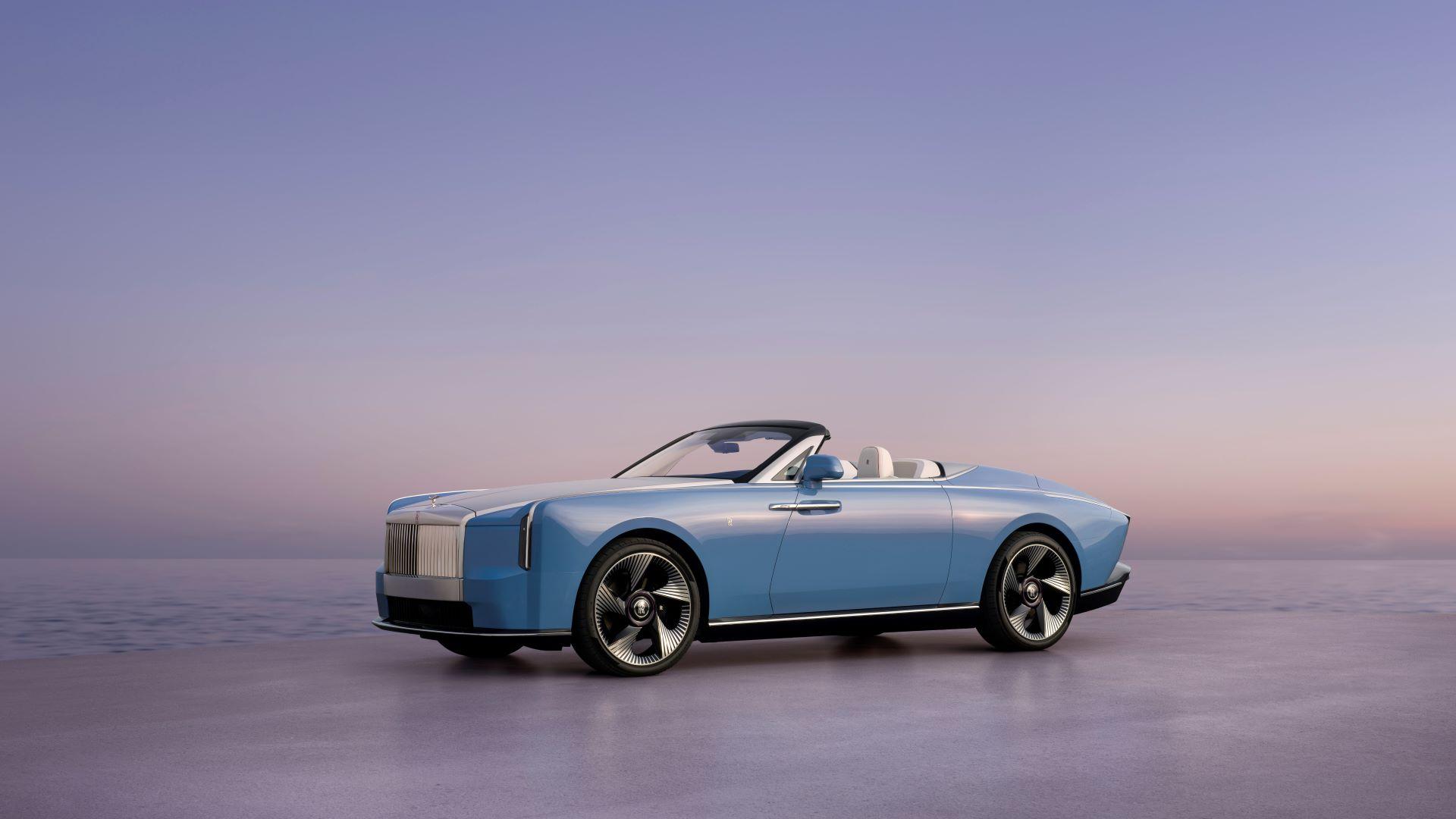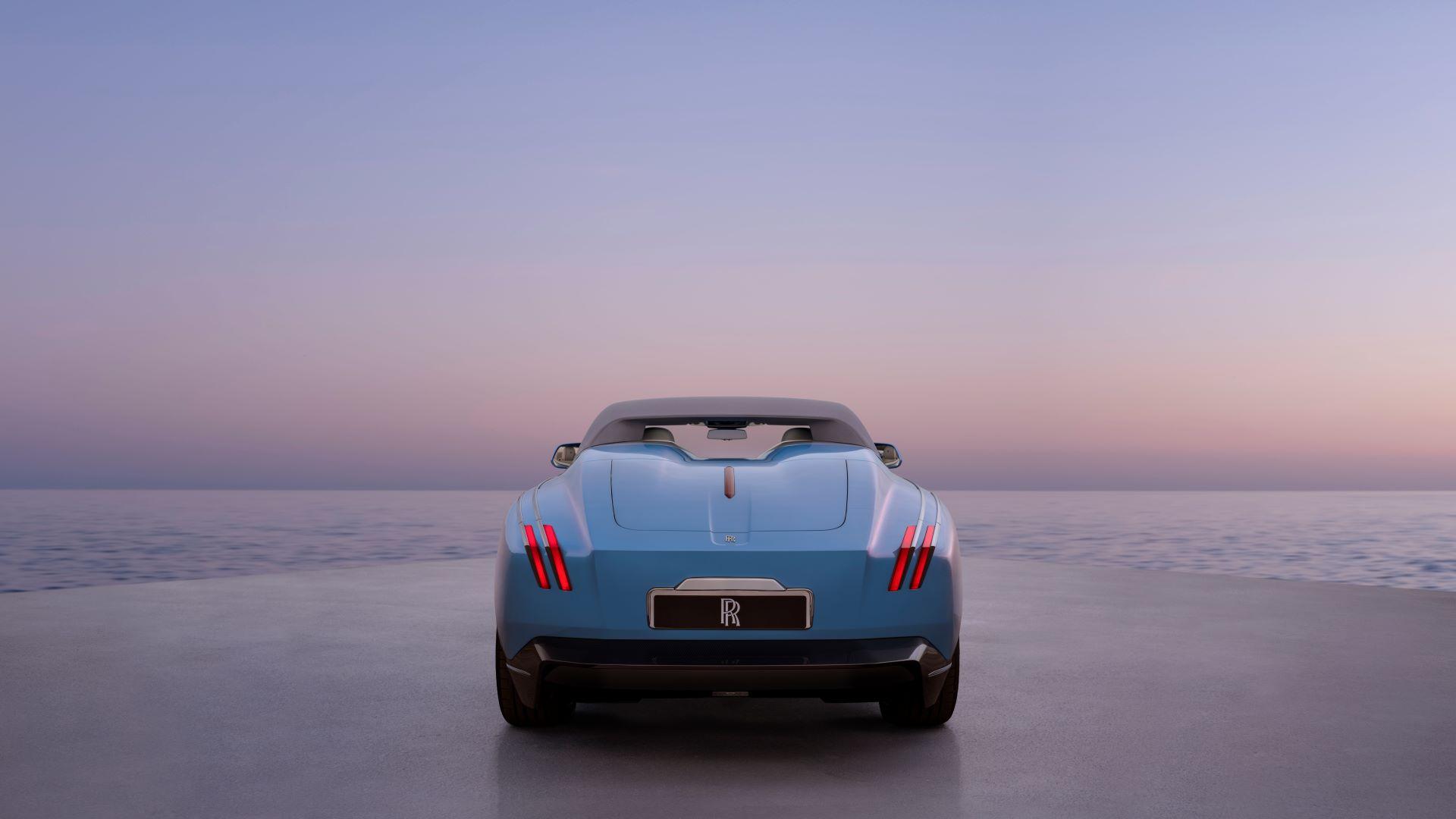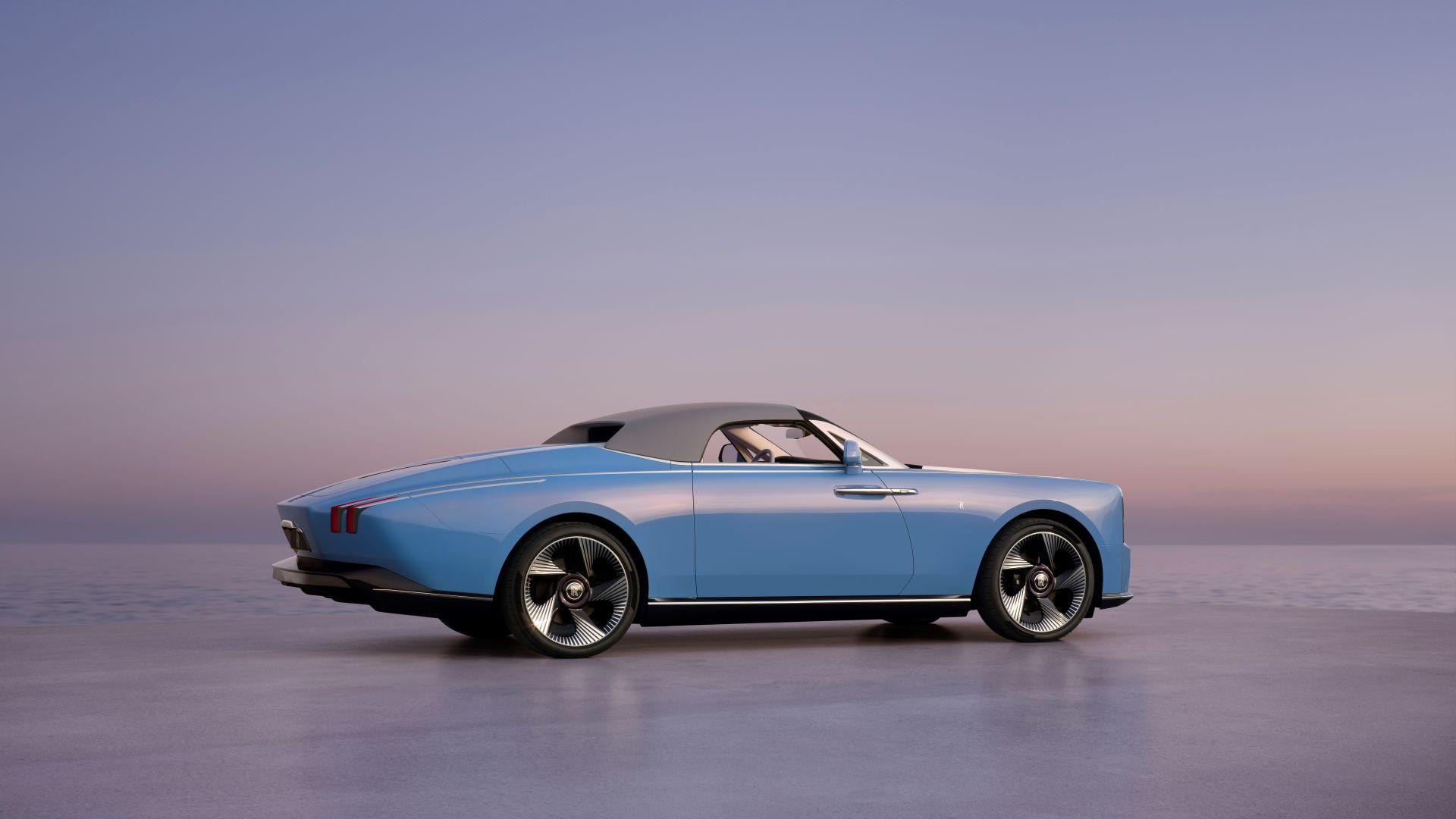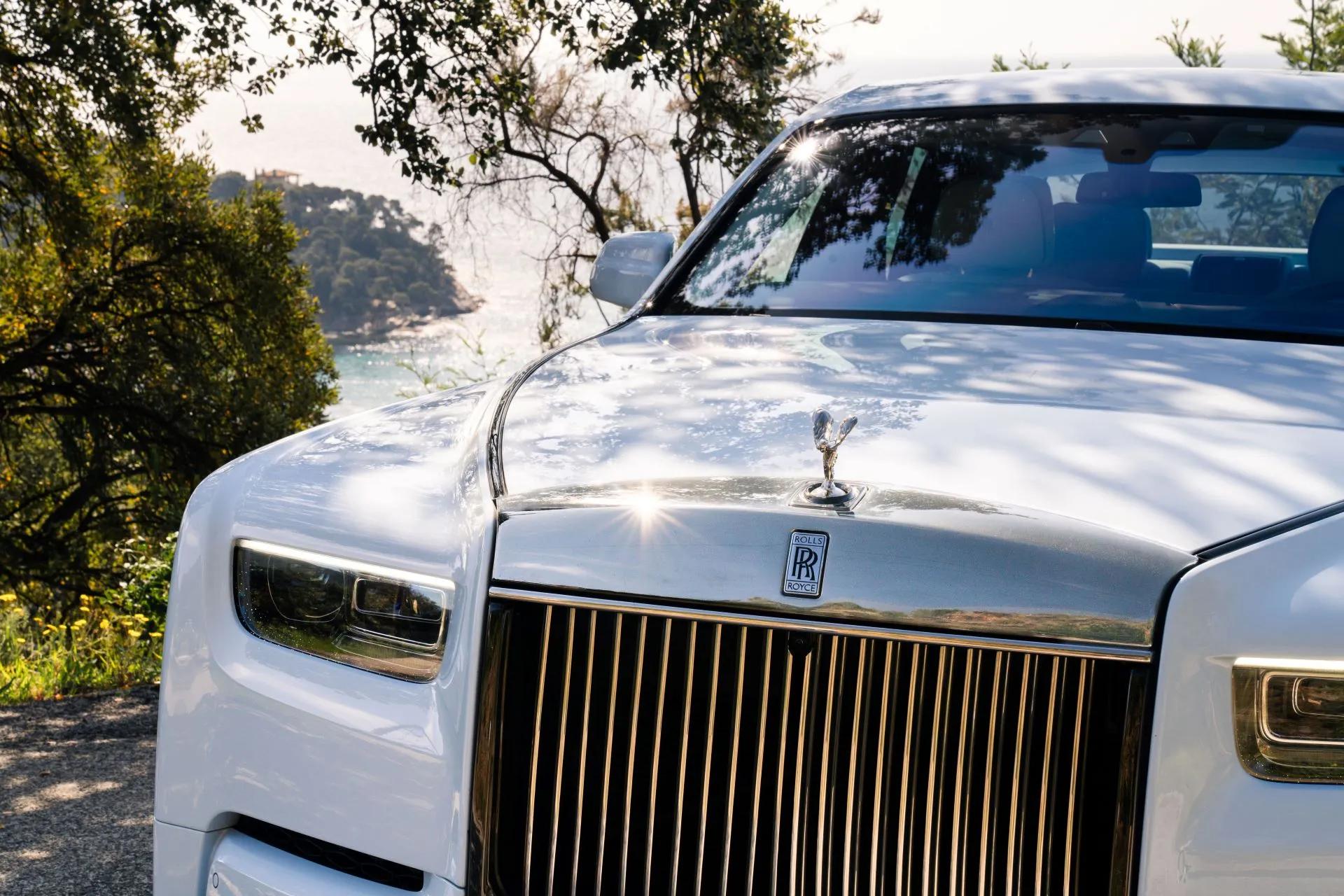



In 2026, Rolls-Royce Motor Cars pauses to admire three shimmering constellations in its engineering sky. The marque’s Goodwood-era Experimental cars, 101EX, 102EX and 103EX, quietly tick over to 20, 15 and 10 years since their respective unveilings, forming a trilogy that reads less like a timeline and more like a manifesto in motion.
These EX motor cars are not tentative sketches or speculative whispers. They arrive fully formed, drivable, and unapologetically decisive, shaped by a deep, almost clairvoyant understanding of client desire. As Bernhard Dressler explains, they are answers rather than questions, each one a polished thesis on what luxury mobility should become next. Through them, Rolls-Royce tests not only technologies and materials, but the very boundaries of expectation.
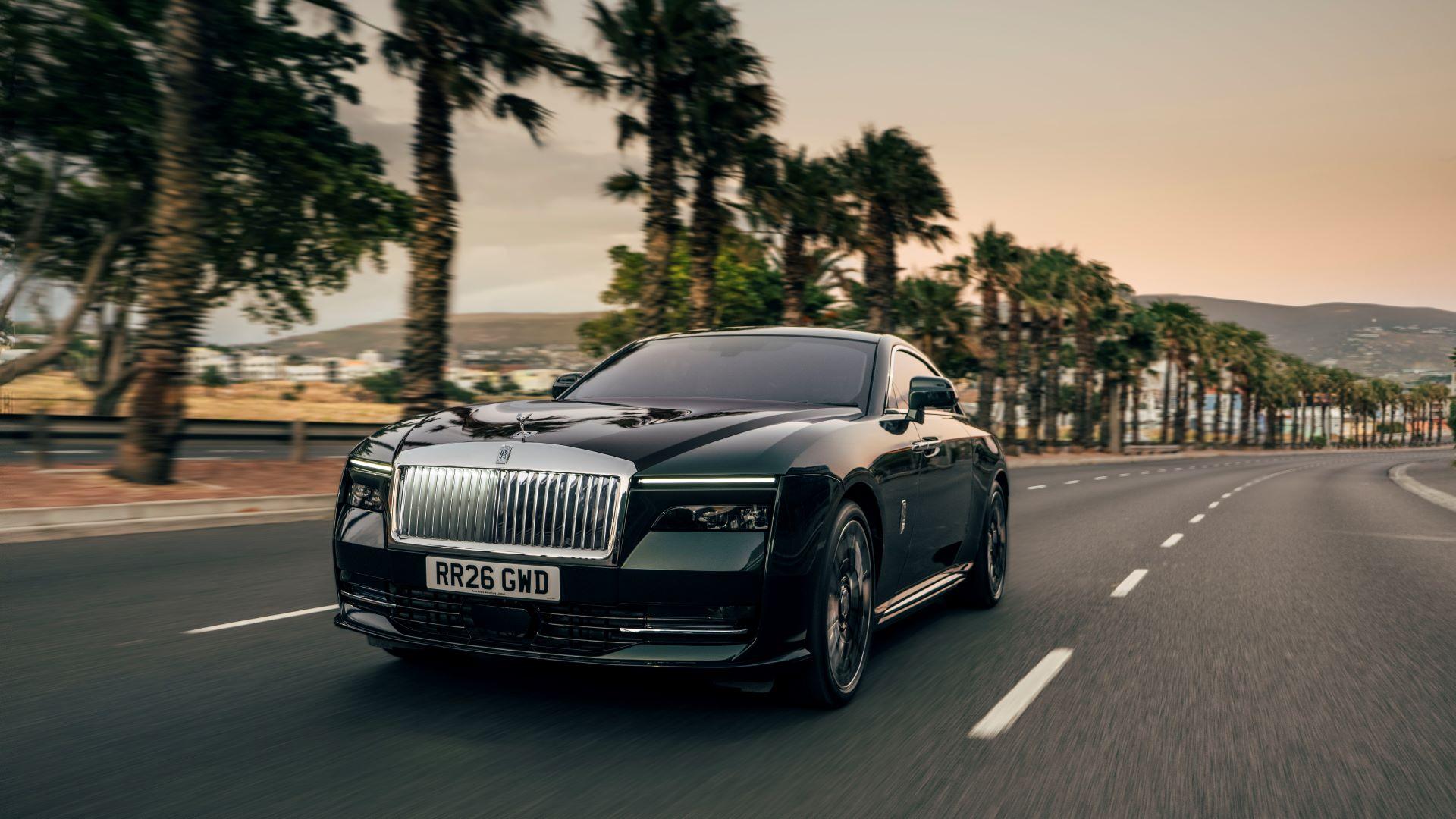
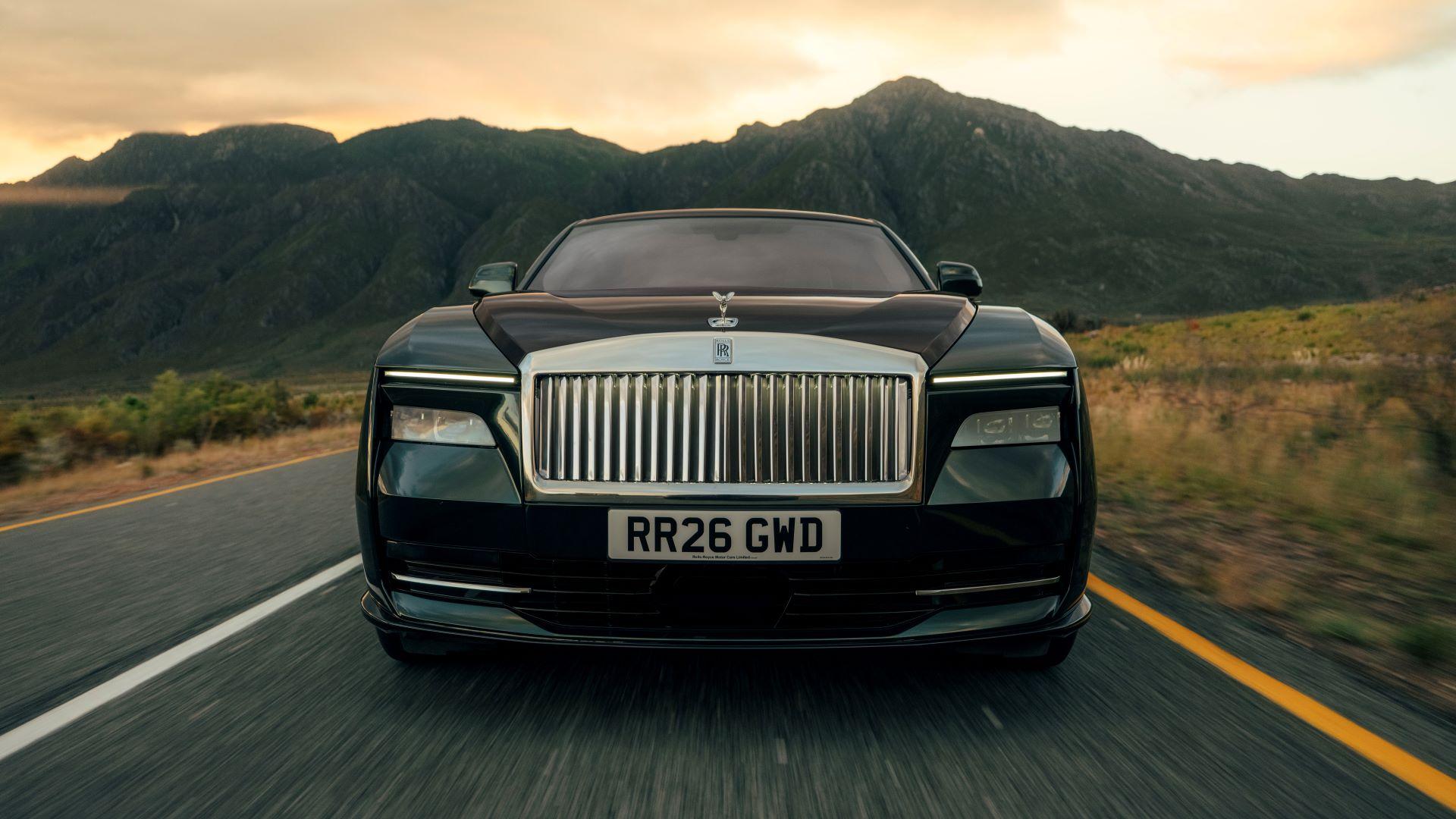
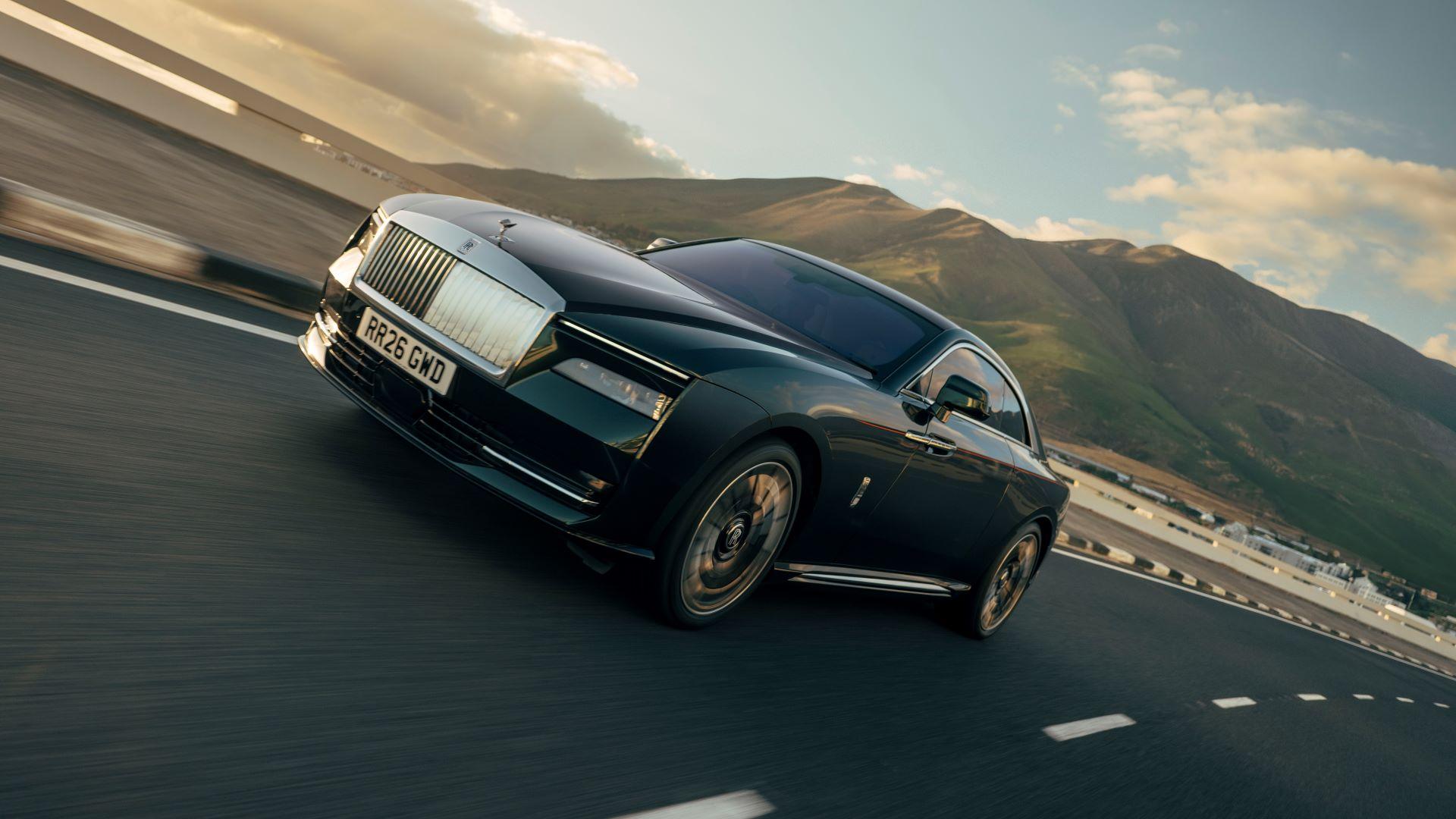
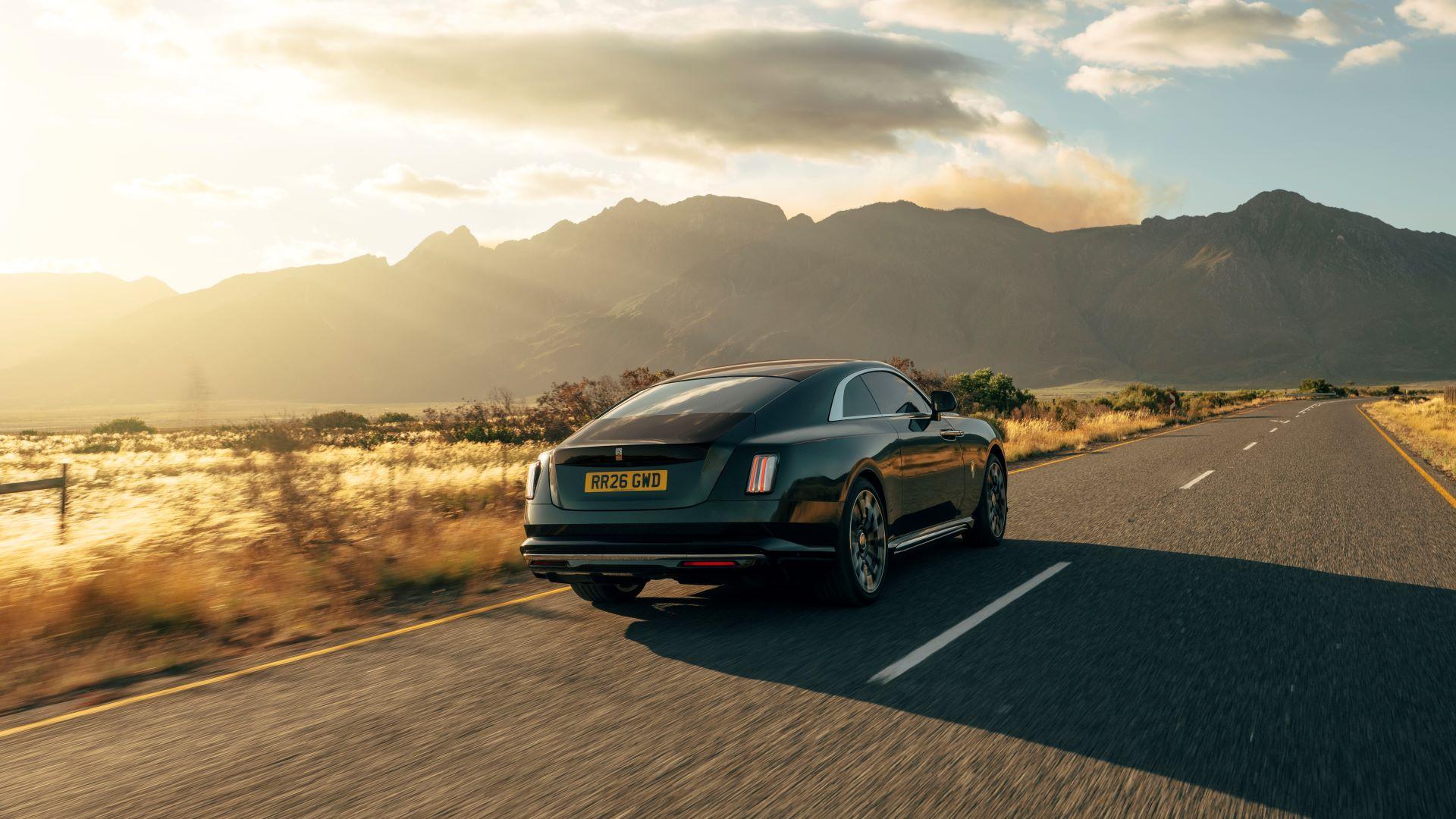
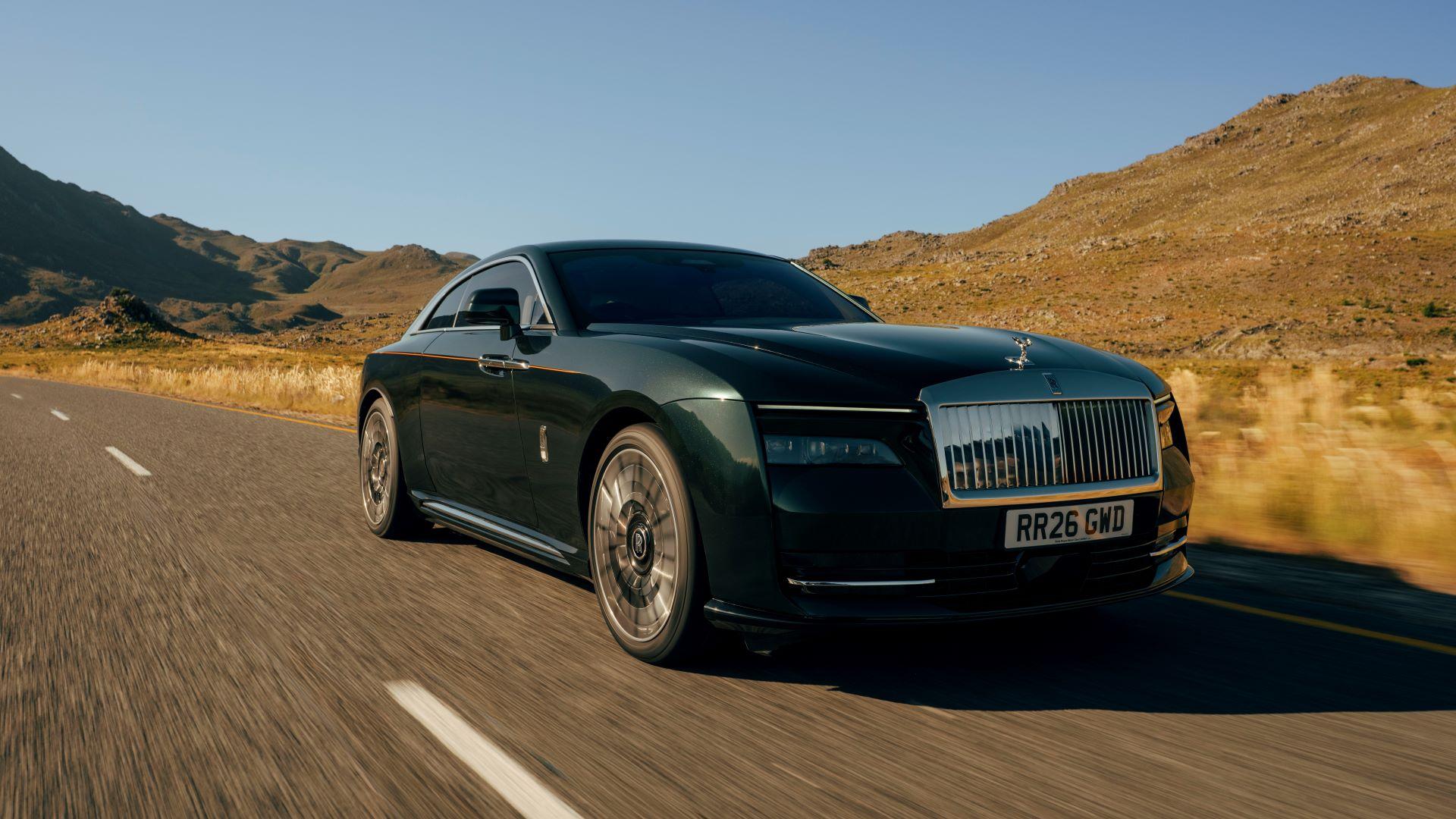
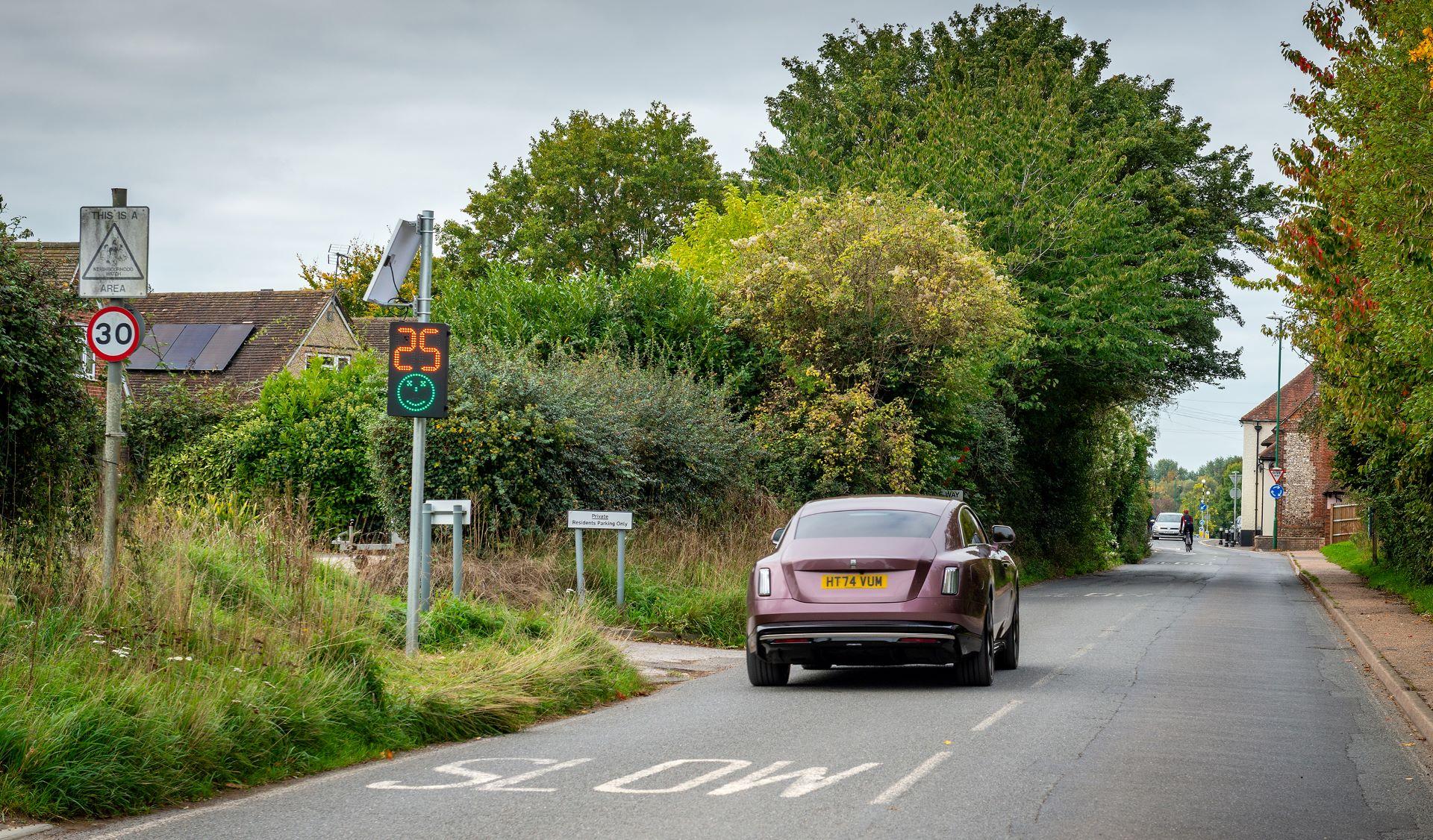
The lineage stretches back over a century, to the experimental spirit of Henry Royce and Charles Rolls. From 1EX in 1919 to the lightweight, continent-crossing 26EX and the V12 pioneers that foreshadowed Phantom III, these machines have always been the brand’s quiet revolutionaries. Even the name Spectre, now worn by Rolls-Royce’s modern electric flagship, is a ghostly echo of those early experimental codes.
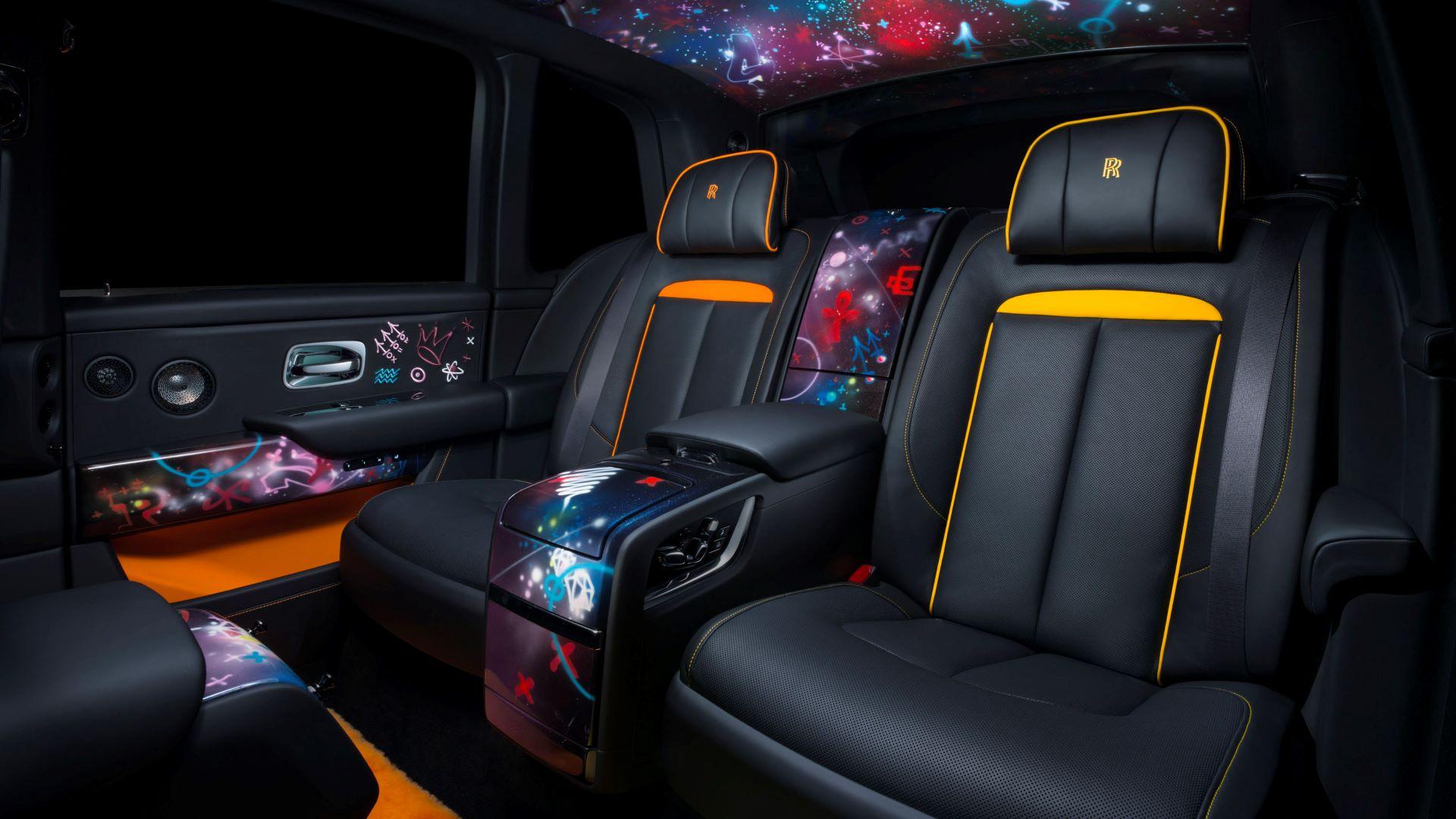
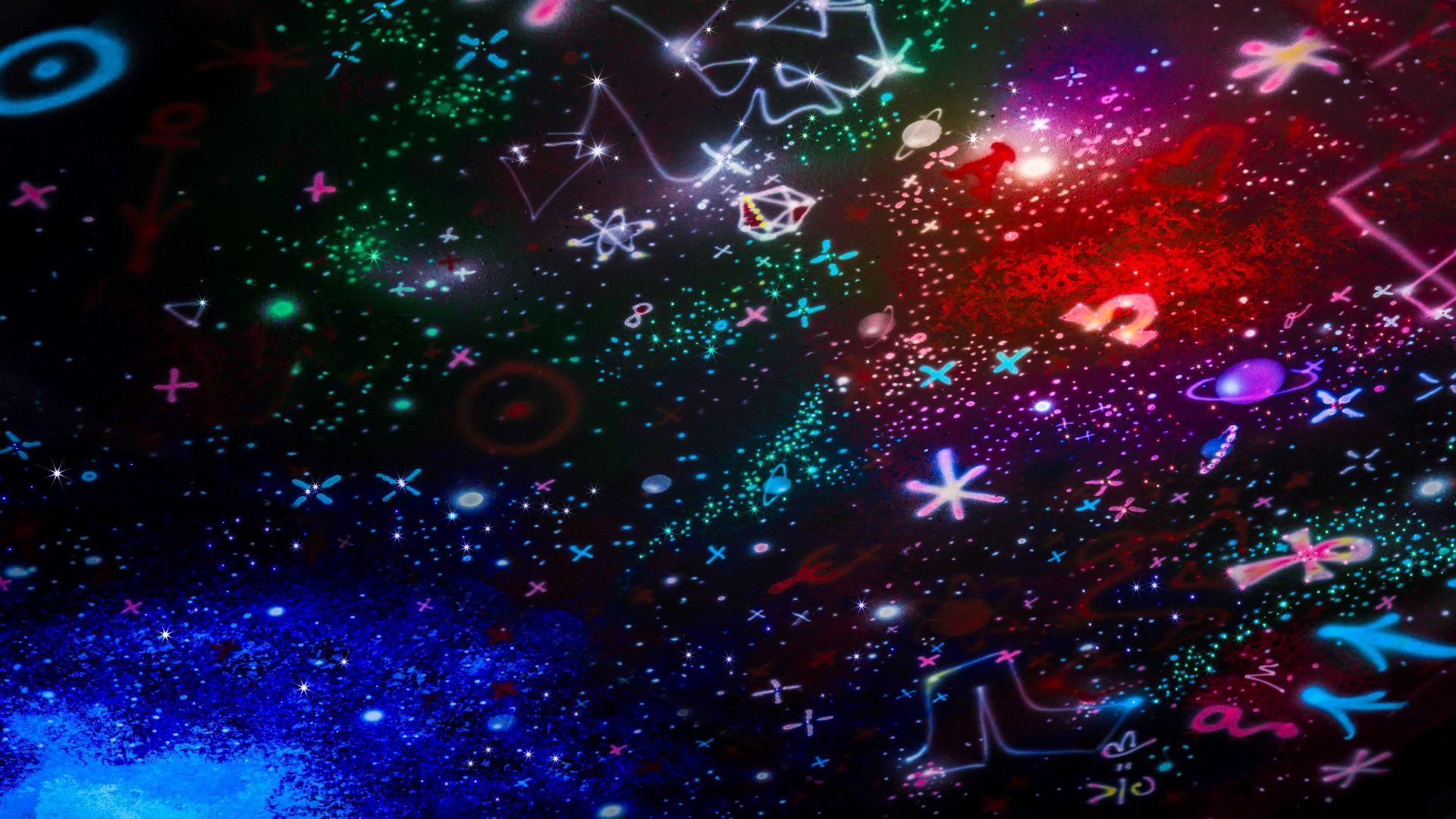
When 101EX debuted in 2006, it felt like a sculptor’s rebellion against mass. Shorter, lower, and more intimate than its Phantom sibling, it traded sheer presence for poise and driver engagement. Carbon fibre bodywork and a mighty V12 gave it a sharper edge, while inside, a ceiling of fibre-optic stars transformed the cabin into a private night sky. That Starlight Headliner, now an icon of the brand, began as a daring flourish here before becoming a signature of modern Rolls-Royce design. The car would later evolve into the Phantom Coupé, a cornerstone in redefining the marque as a contemporary House of Luxury and a canvas for deeply personal Bespoke expression.
Five years later, 102EX arrived like a charged thought experiment. Known as the Phantom Experimental Electric, it marked Rolls-Royce’s first serious dance with electrification. At a time when battery technology still felt like a fledgling promise, this one-off machine carried the largest automotive battery of its kind and introduced wireless induction charging, a concept that sounded almost like science fiction at the time. Its global tour invited clients and critics alike to interrogate the idea of a silent Rolls-Royce, gathering insights that would ripple forward into the development of Spectre. It was less a prototype and more a rolling conversation between engineers and the world.
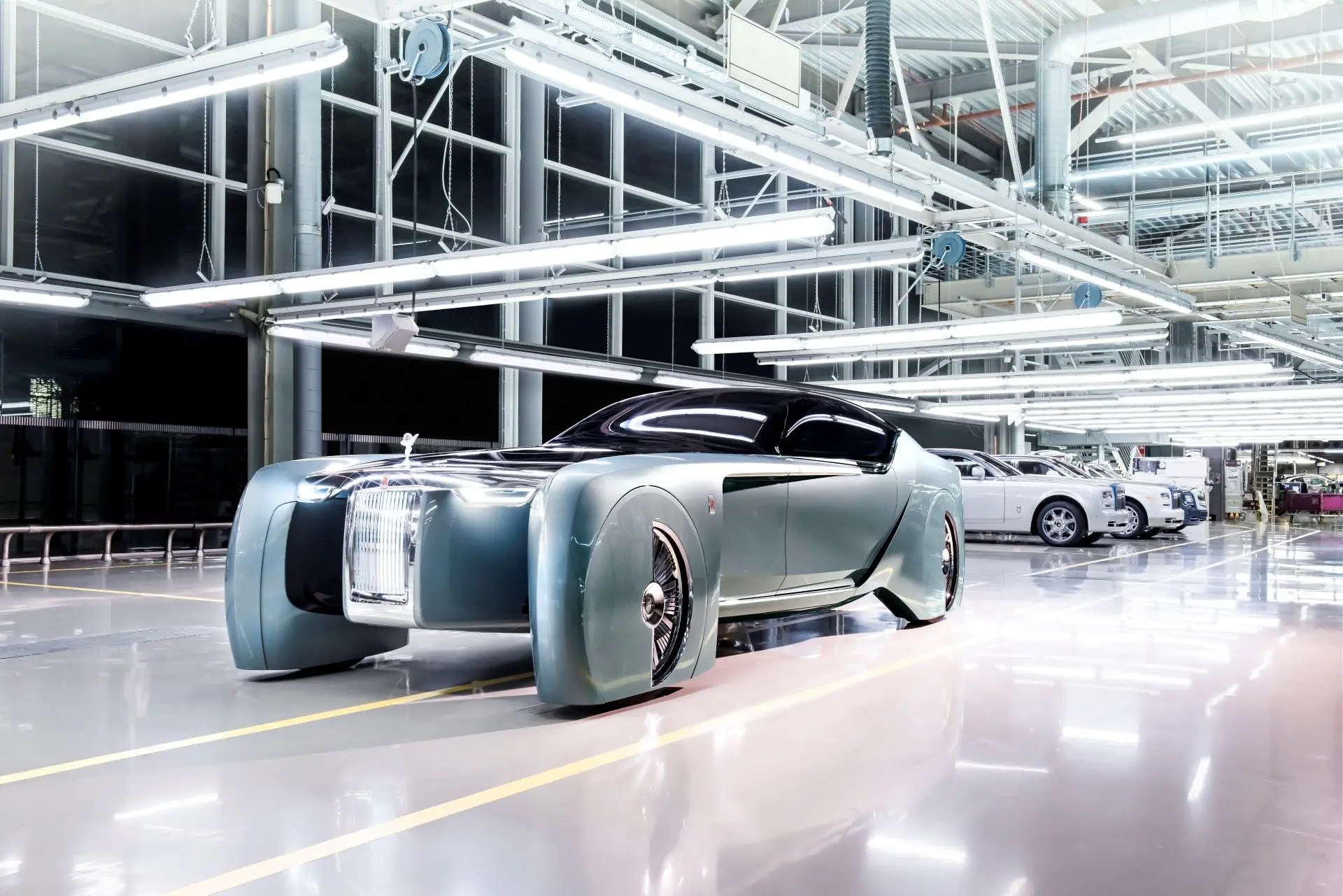
Then came 103EX in 2016, a vision so theatrical it felt like stepping into tomorrow’s dream mid-sentence. This was not merely a car but an ecosystem of luxury, built around autonomy, electrification, and an almost poetic sense of space. Its Grand Sanctuary cabin replaced traditional seating with a floating sofa, cocooning occupants in light and rare materials. A digital assistant named Eleanor, inspired by Eleanor Thornton, served as both chauffeur and confidante, hinting at a future where the car becomes an extension of its owner’s lifestyle rather than a tool. Even the Spirit of Ecstasy was reborn here, cast in illuminated glass, like a guardian spirit for a new era.
Despite their differences, these three experimental icons share a subtle but potent symbol: the rare red double-R badge. A detail that whispers rather than shouts, it links them back to the earliest days of the marque, a quiet mark of significance reserved for moments that matter. It is a reminder that while the materials evolve and the powertrains transform, the philosophy remains unbroken.
Together, 101EX, 102EX and 103EX form a kind of mechanical triptych, each panel revealing a different facet of Rolls-Royce’s future while staying rooted in its past. They are not just milestones but stepping stones, leading from the analogue brilliance of early pioneers to the electric, autonomous elegance of tomorrow. In their reflections, one sees not just where Rolls-Royce has been, but where it is already going, gliding forward with the confidence of a brand that has never needed to ask for permission to redefine luxury.