


Road Safety Partnership South Africa (RSP-SA) convened its Annual General Meeting with a clear, urgent purpose: to confront the national road safety crisis through collaboration that stretches across government, industry, and civil society. In a year marked by sobering statistics and escalating pressure on South Africa’s network of roads, the AGM served as a reminder that protecting lives requires a combined, coordinated effort rather than isolated interventions.
The gathering spotlighted the organisation’s financial standing, programmes delivered over the past year, and the measurable impact of its advocacy and education initiatives. Speakers repeatedly underlined that road safety is not a siloed responsibility. Instead, it is a shared mission requiring every sector to contribute, align, and remain accountable.
Understanding the Foundations of Road Safety
Bobby Ramagwede, CEO of the Automobile Association of South Africa (AASA), framed the conversation through three essential pillars the Association believes shape the country’s road safety framework: road user behaviour, vehicle safety status and technology, and the quality of infrastructure.
“Addressing the situation on the roads demands attention to all three elements simultaneously,” he emphasised. The message was clear: behaviour change cannot succeed without safe vehicles; safer vehicles cannot compensate for failing infrastructure; and infrastructure improvements alone cannot counter reckless conduct. True progress hinges on treating the road network as an interconnected system.
Partnership as a Catalyst for Safer Roads
Several corporate and civil society partners reiterated the importance of shared responsibility in road safety initiatives.
Talitha Sachane, Corporate Affairs and CSI Manager at TotalEnergies Marketing South Africa, highlighted the VIA Safety Programme, a global initiative from the Michelin and TotalEnergies Foundations implemented locally by RSP-SA. Sachane underscored the value of peer influence among young people. “Peer-to-peer learning of VIA proves more effective when young people speak to each other about road safety.”
The programme, she added, demonstrates how collective effort amplifies impact. “This safety programme is a tangible illustration that if all South Africans leverage their efforts collectively, we can make a bigger change.”
Anglo American Foundation’s Operations Manager, Sameera Munshi, echoed the sentiment, noting that their ‘Safe-to-School, Safe-to-Home’ initiative remains the only CSI project the organisation has ever supported for a second cycle. “Success in road safety depends on working together. It is not a foundation, it is not a corporate organisation, it is not one person who makes a difference – it is a collective effort.”
In a stark reminder of the stakes involved, the Road Accident Fund’s Senior Manager of Road Safety shared that four children lose their lives on South African roads every day. The figure underscores the depth of the crisis and reinforces the need for broad-based, integrated solutions. “It is clear that problems faced on the roads encompass all stakeholders, requiring comprehensive collaboration from all.”

Government Priorities and Systemic Interventions
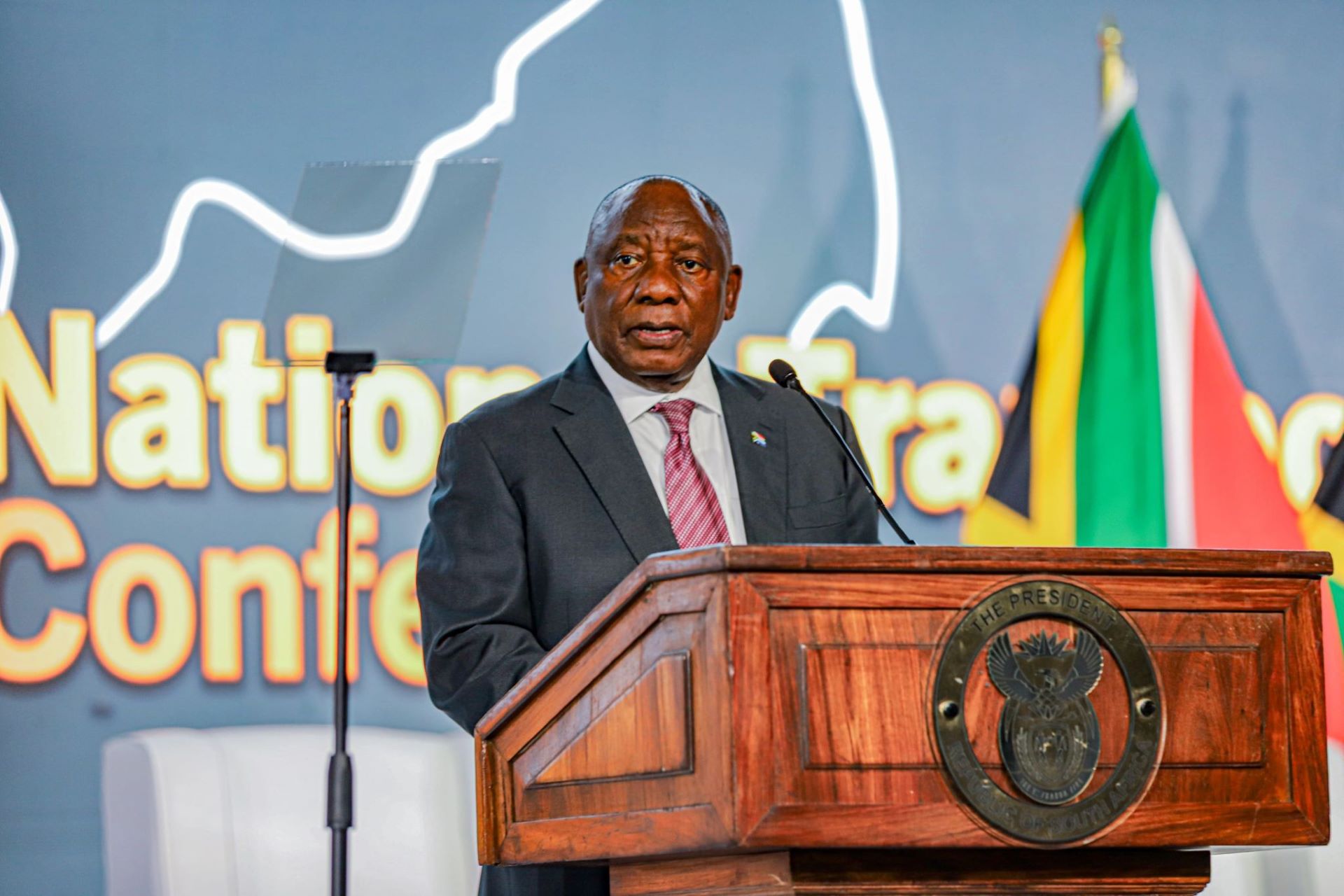
Deputy Minister of Transport, Mkhuleko Hlengwa, addressed several high-priority areas that form part of government’s strategy for reversing the country’s road fatality trend. These include strengthened coordination between government departments for enforcement, deeper investment in educating pedestrians and communities, and advancing rail infrastructure to ease pressure on road networks. His remarks pointed to a whole-of-government approach in which enforcement, education, and long-term planning must intersect.
A panel discussion further unpacked key issues in youth road safety and scholar transport. Representatives from SANTACO, RSP-SA, the Department of Education, and the Road Traffic Management Corporation highlighted the realities faced by learners and operators daily, and explored how scholar transport can be redesigned to meet South Africa’s unique needs while safeguarding its youngest commuters.
The human cost of unsafe roads was brought into sharp focus by Bioethicist Dr Gale Ure, whose presentation traced the emotional and psychological impact of road crashes on families. Her contribution grounded policy in lived experience, reminding delegates that every statistic represents a life altered or lost.
Recognising Excellence: The Inaugural Chairman’s Awards
The AGM closed with the first-ever Chairman’s Awards, introduced to honour individuals and organisations demonstrating exceptional commitment to road safety:
• Private Sector Award: AASA, accepted by CEO Bobby Ramagwede, recognising the organisation’s significant contributions.
• RSP Partnership Award: Ntobeko Mogadime, celebrated for dedication and impact within RSP-SA’s programmes.
• Lifetime Achievement Award: Eugene Herbert, CEO of MasterDrive, honoured for decades of leadership and service in advancing road safety.
Driving Forward, Together
RSP-SA reinforced a message that resonated through every speech, statistic, and panel discussion: road safety is a shared responsibility. Only sustained collaboration between government, corporations, non-profit organisations, and communities can reverse South Africa’s road fatality trajectory.
As the AGM concluded, the call to action was unmistakable. The future of safer roads will depend on a national commitment rooted in partnership, accountability, and the understanding that saving lives is a task no single entity can shoulder alone.