

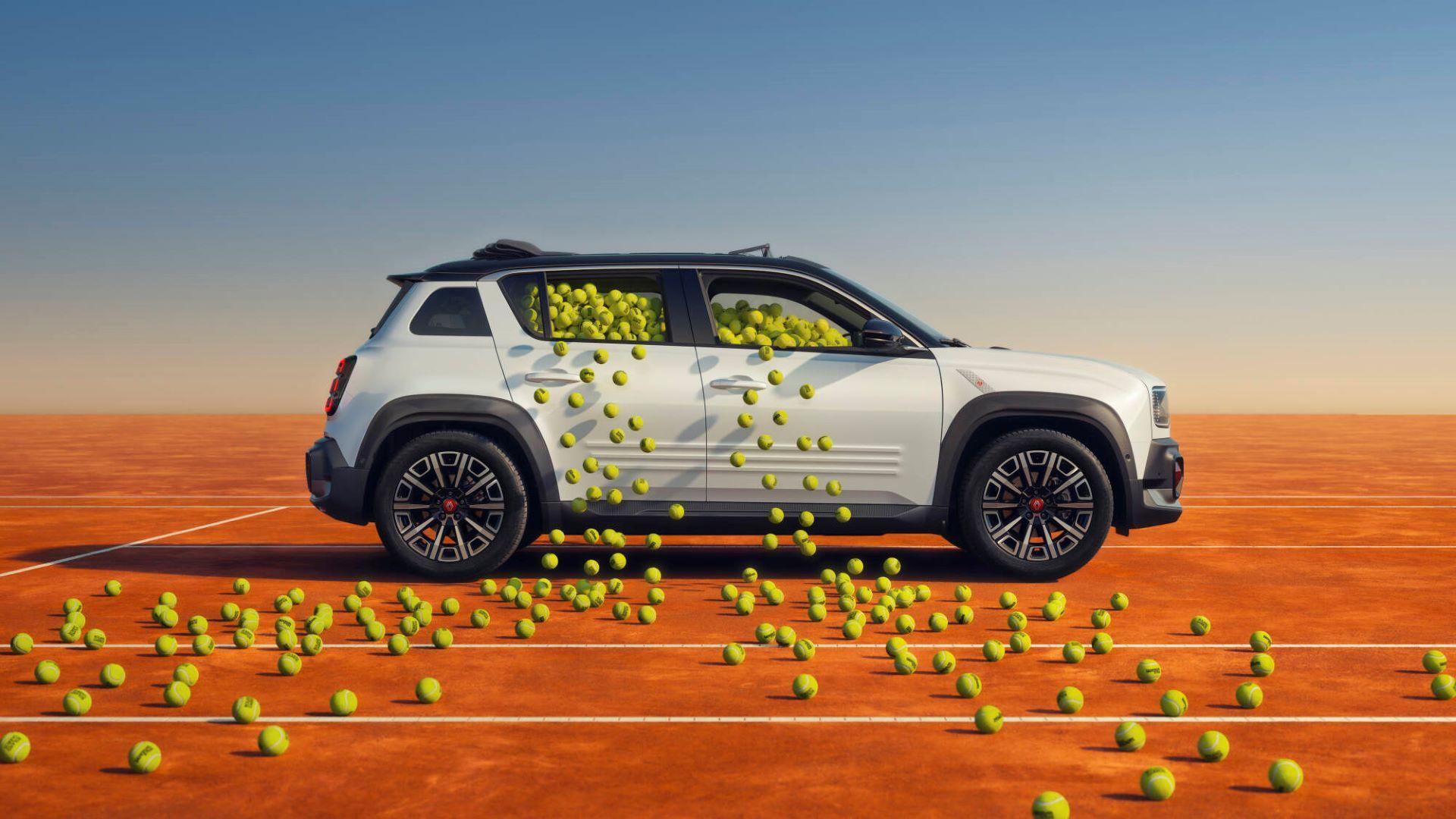
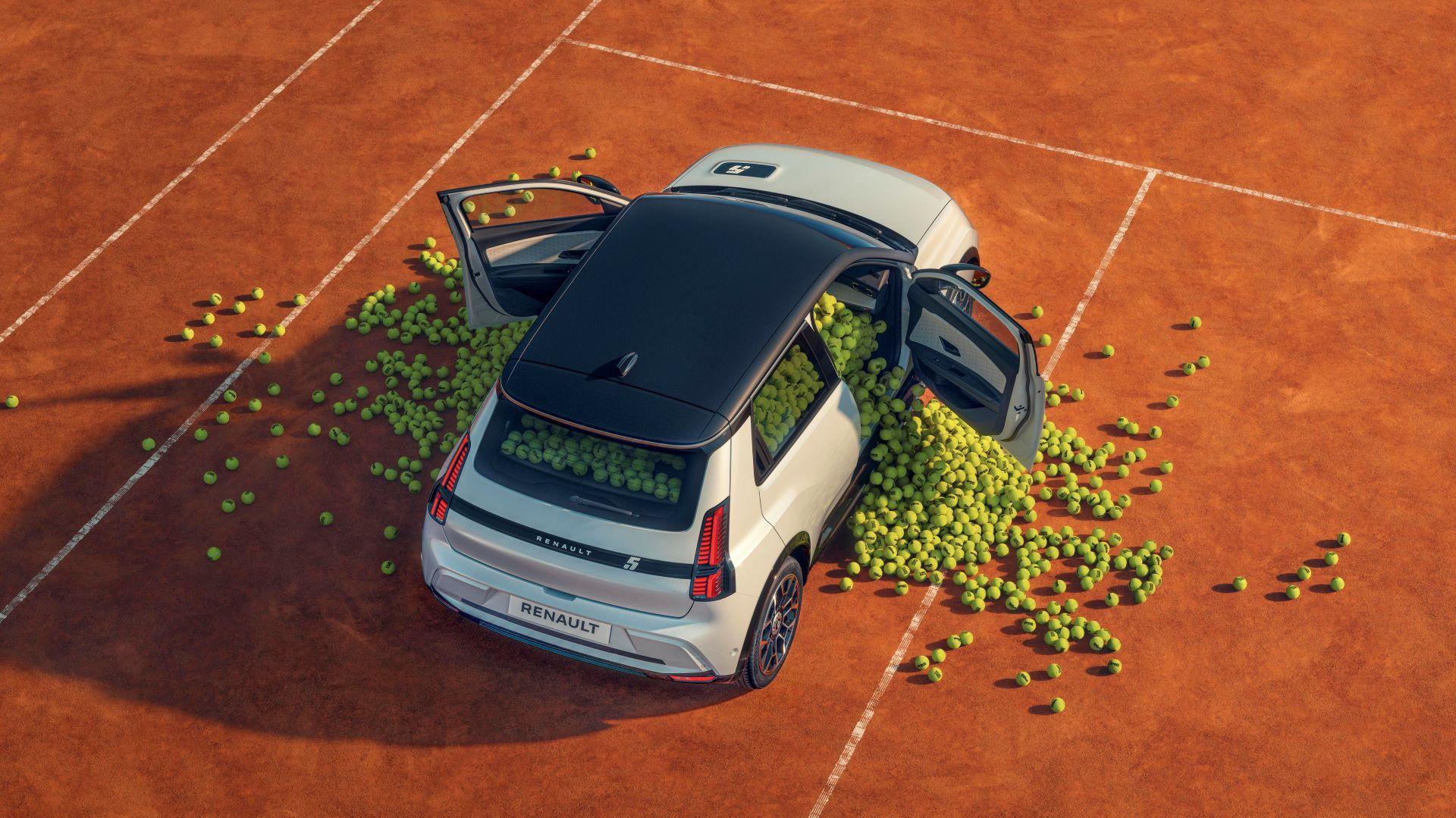
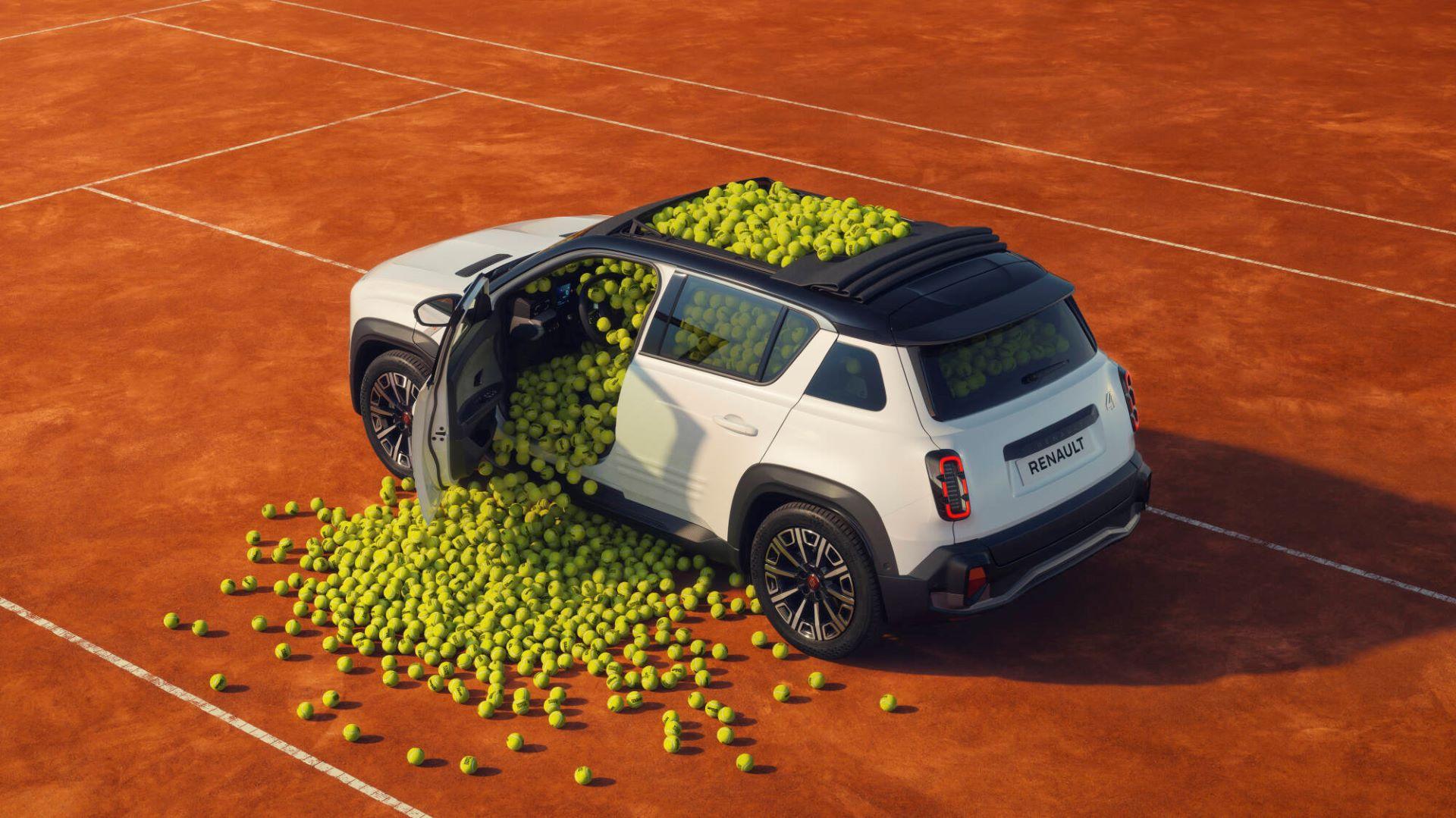
Renault is stepping onto the clay once again, not with a racket but with a carefully choreographed blend of design, technology, and brand theatre. For the fifth consecutive year, the French automaker returns as a premium partner of the Roland-Garros French Open, running from 18 May to 7 June 2026, and this time its presence feels less like sponsorship and more like a fully immersive extension of the tournament itself.
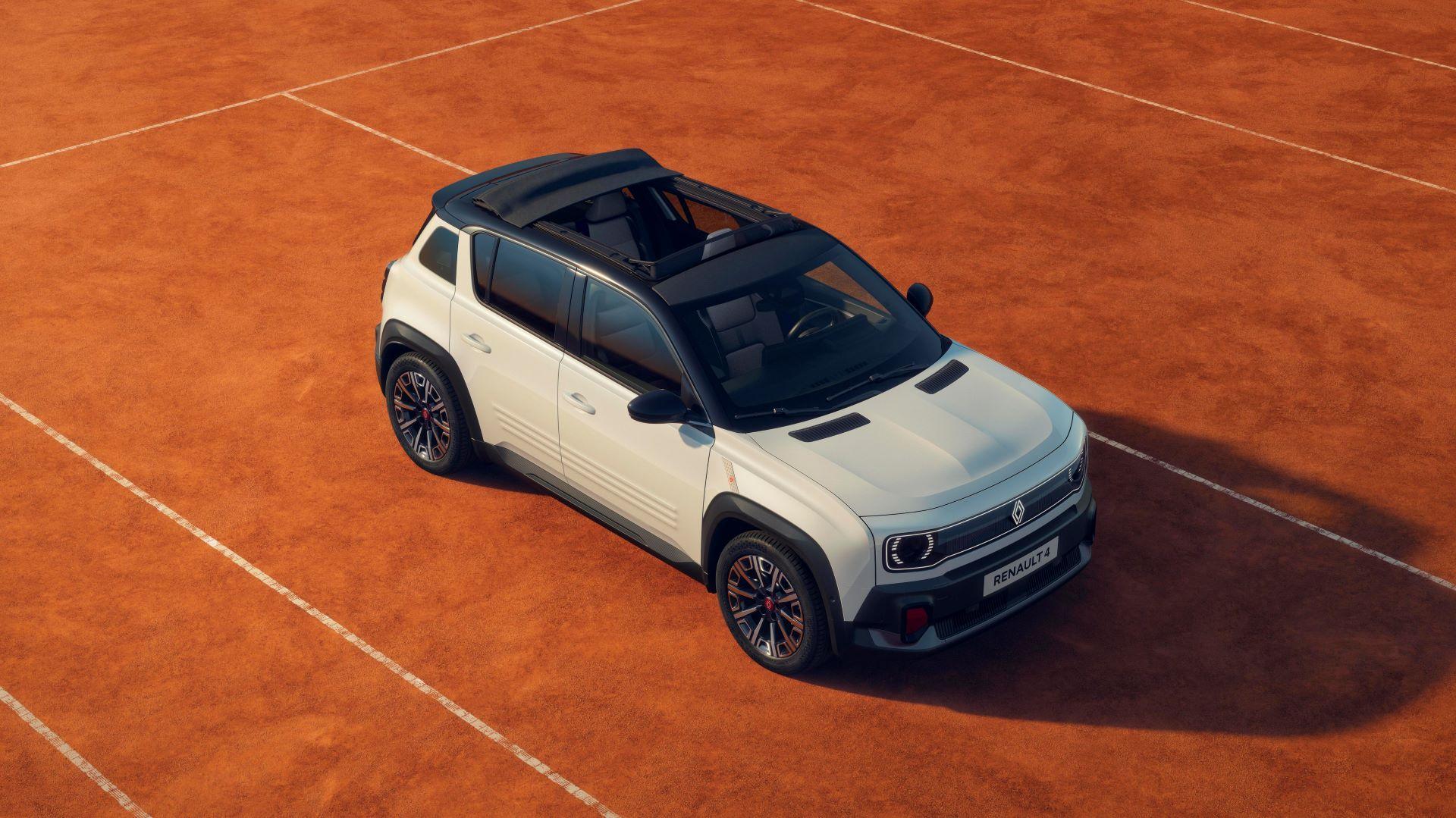
At the centre of this year’s campaign is the global debut of the Renault 4 Roland-Garros E-Tech electric show car, revealed at the Porte d’Auteuil stadium. It arrives dressed for the occasion in a language best described as sport-chic with a technical accent, where every surface, stitch and shade appears to echo the rhythm of tennis. Glacier White bodywork sets the tone, contrasted by black roof arches and subtle terracotta details that quietly reference the iconic clay courts. The result is not loud, but deliberate, like a perfectly placed drop shot.
The show car builds on the Plein Sud version, featuring an expansive electric canvas roof that opens the cabin to the sky. It is a design decision that does more than add light. It mirrors the open-air theatre of Roland-Garros itself, where matches unfold under shifting clouds and golden dusk. Inside, the narrative continues with recycled upholstery that resembles performance sportswear, textured and breathable, punctuated by refined blue accents and discreet nods to French identity. Even the gear selector becomes part of the storytelling, shaped like the grip of a tennis racket, turning a functional interaction into something quietly symbolic.
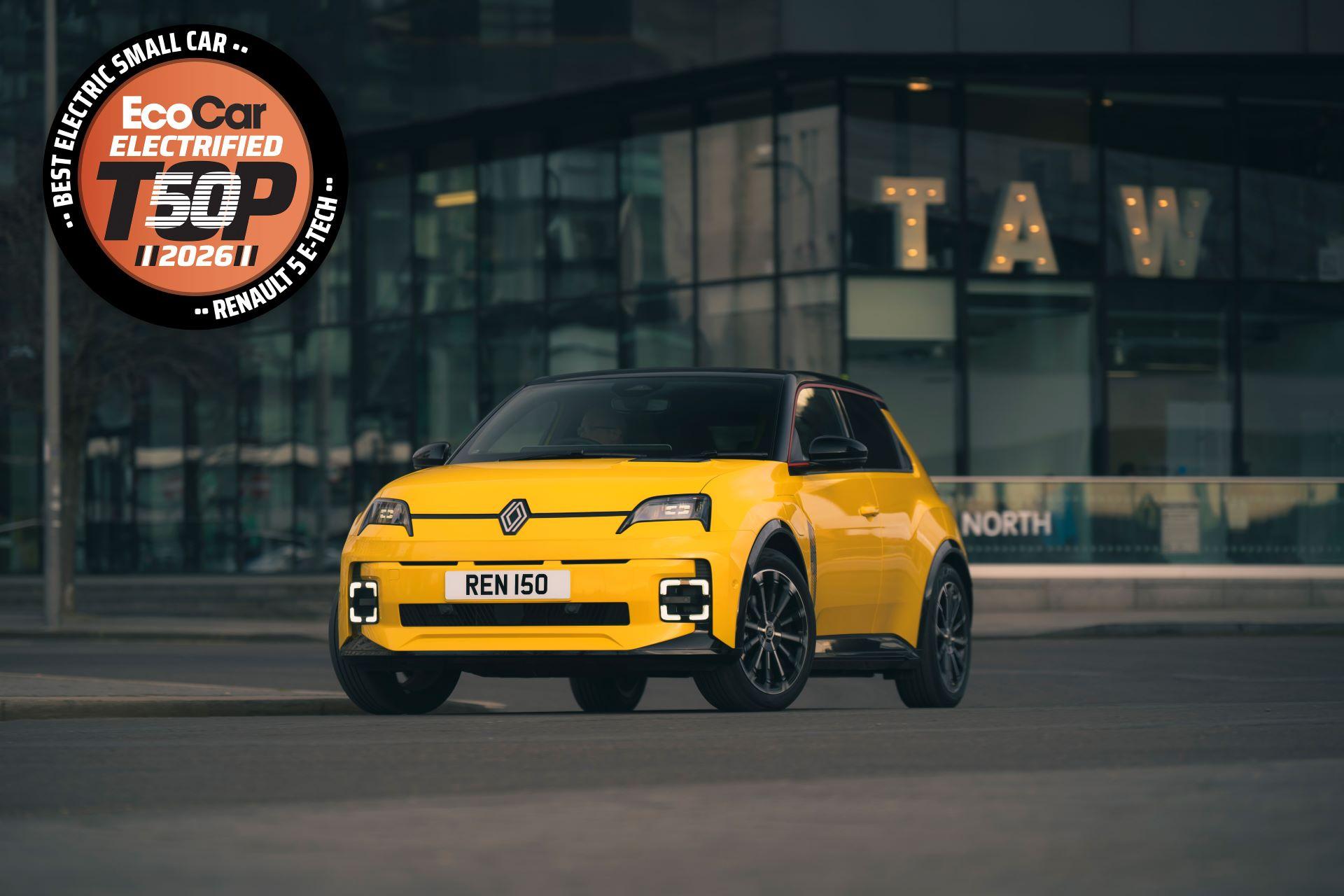
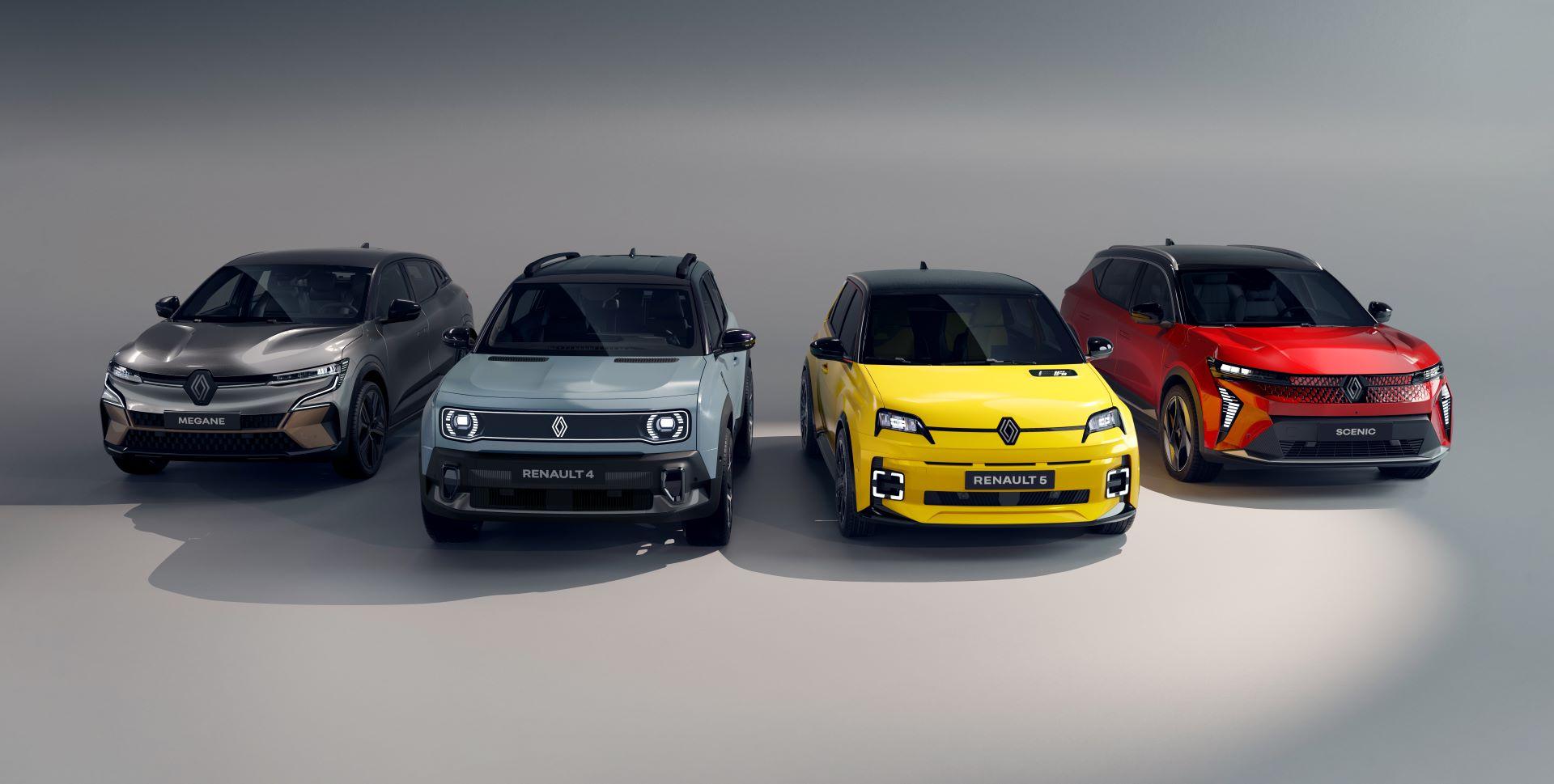
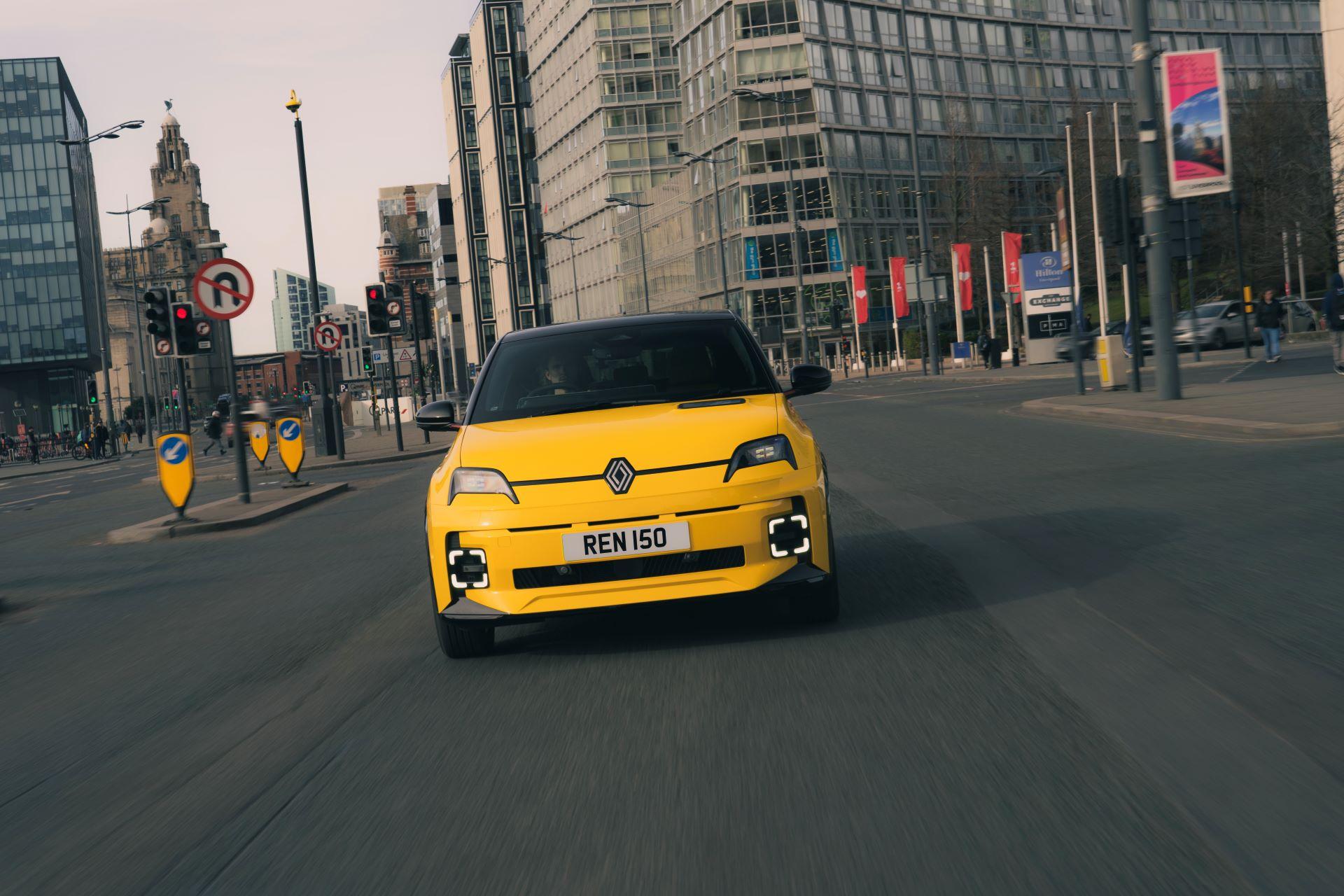
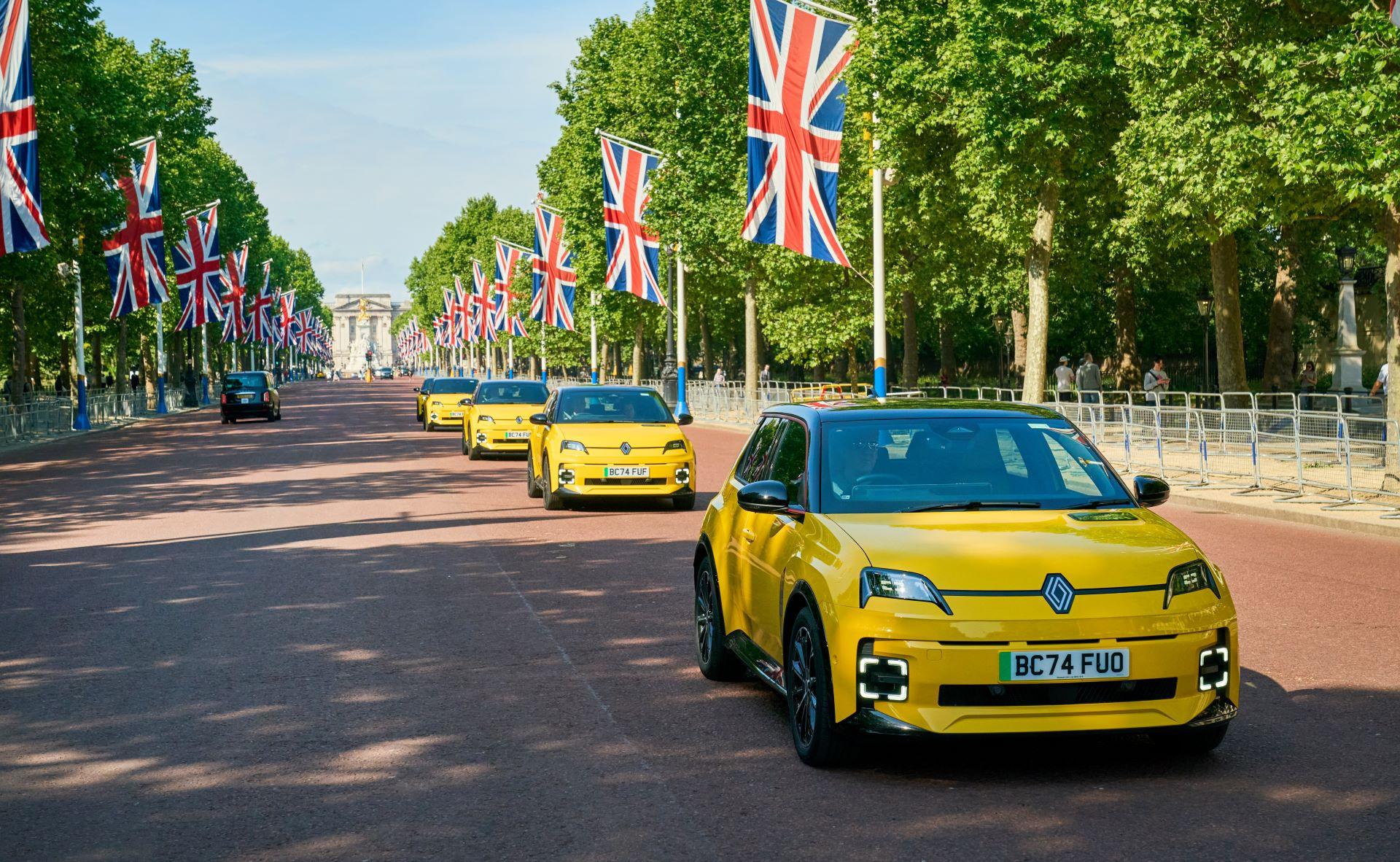
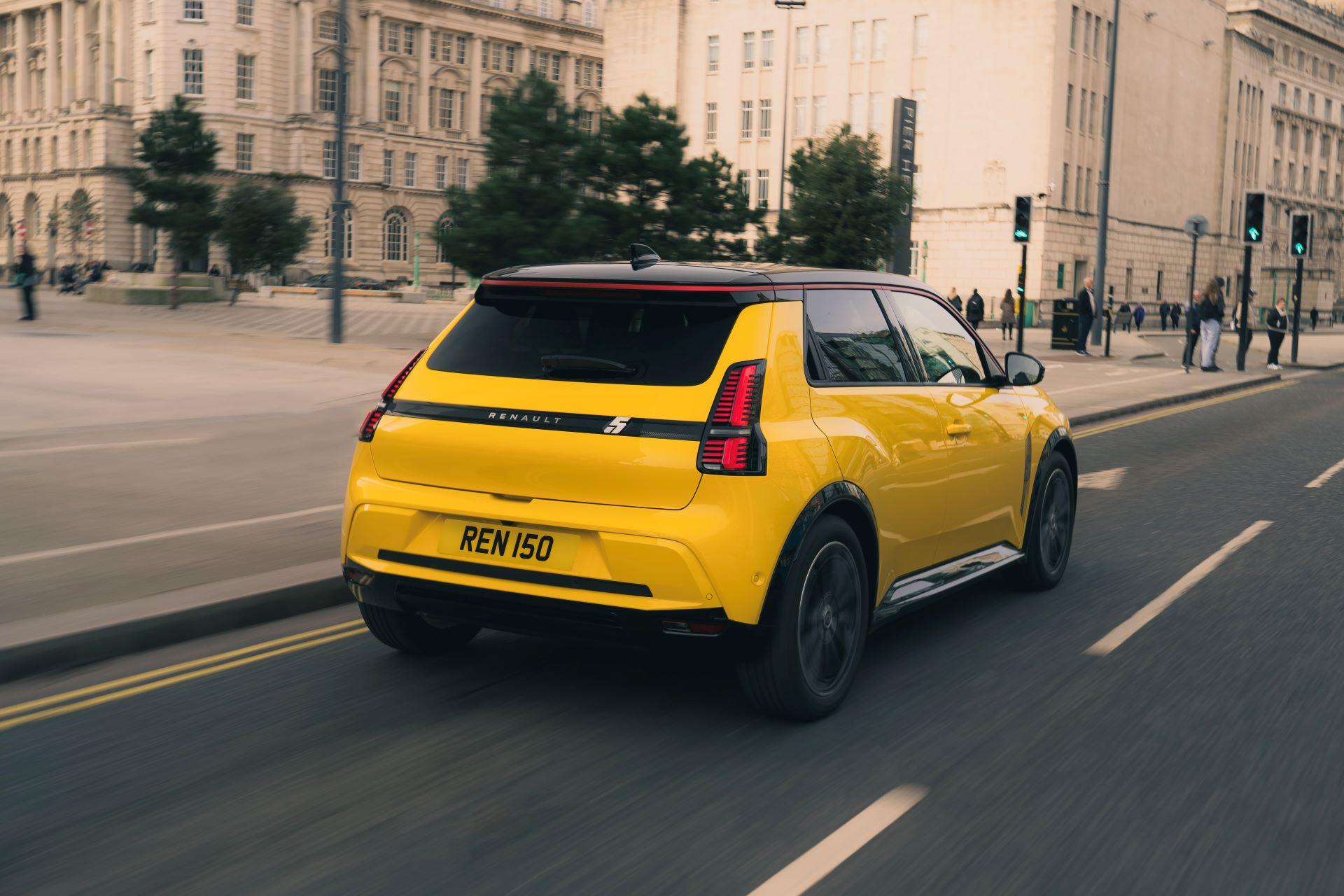
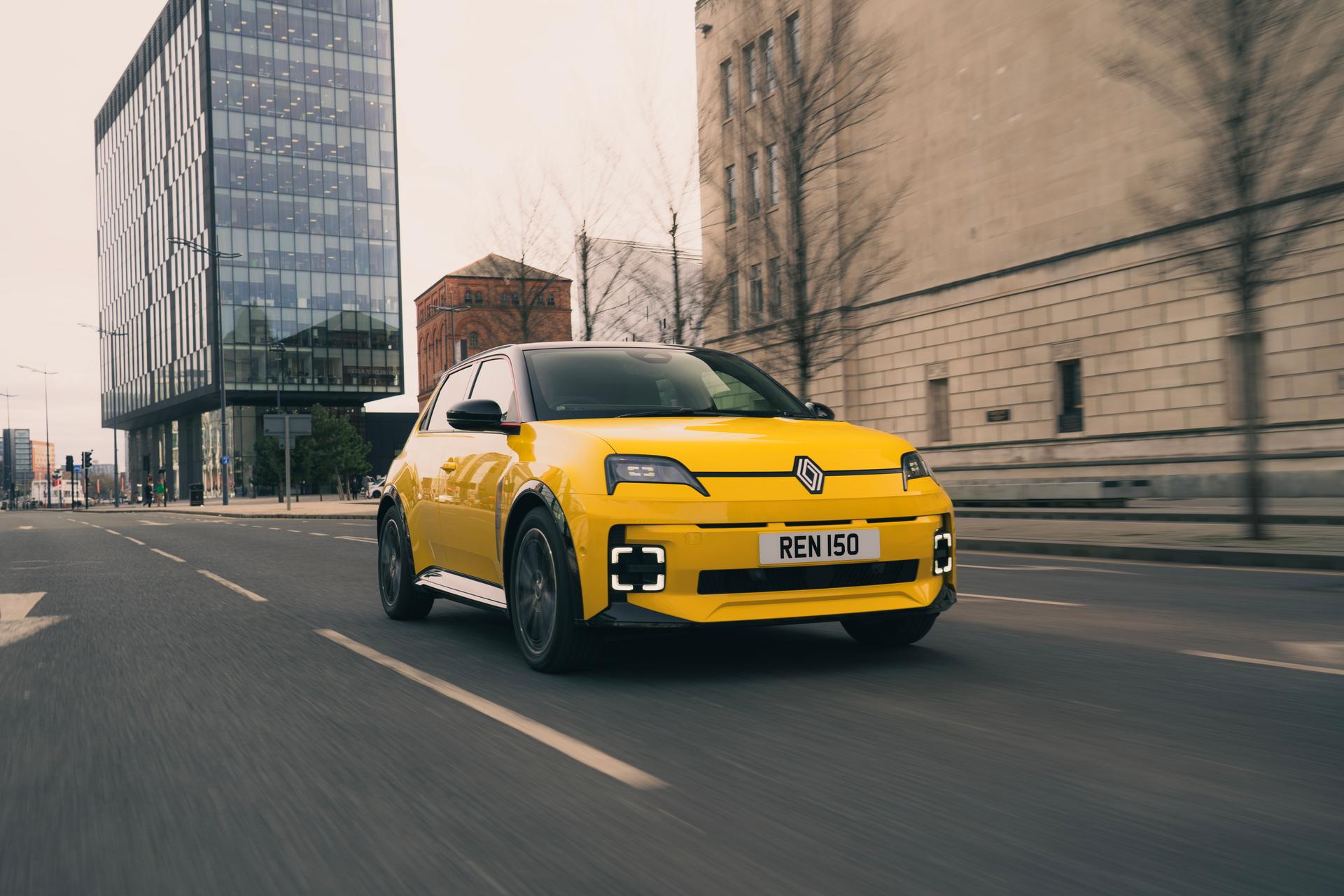
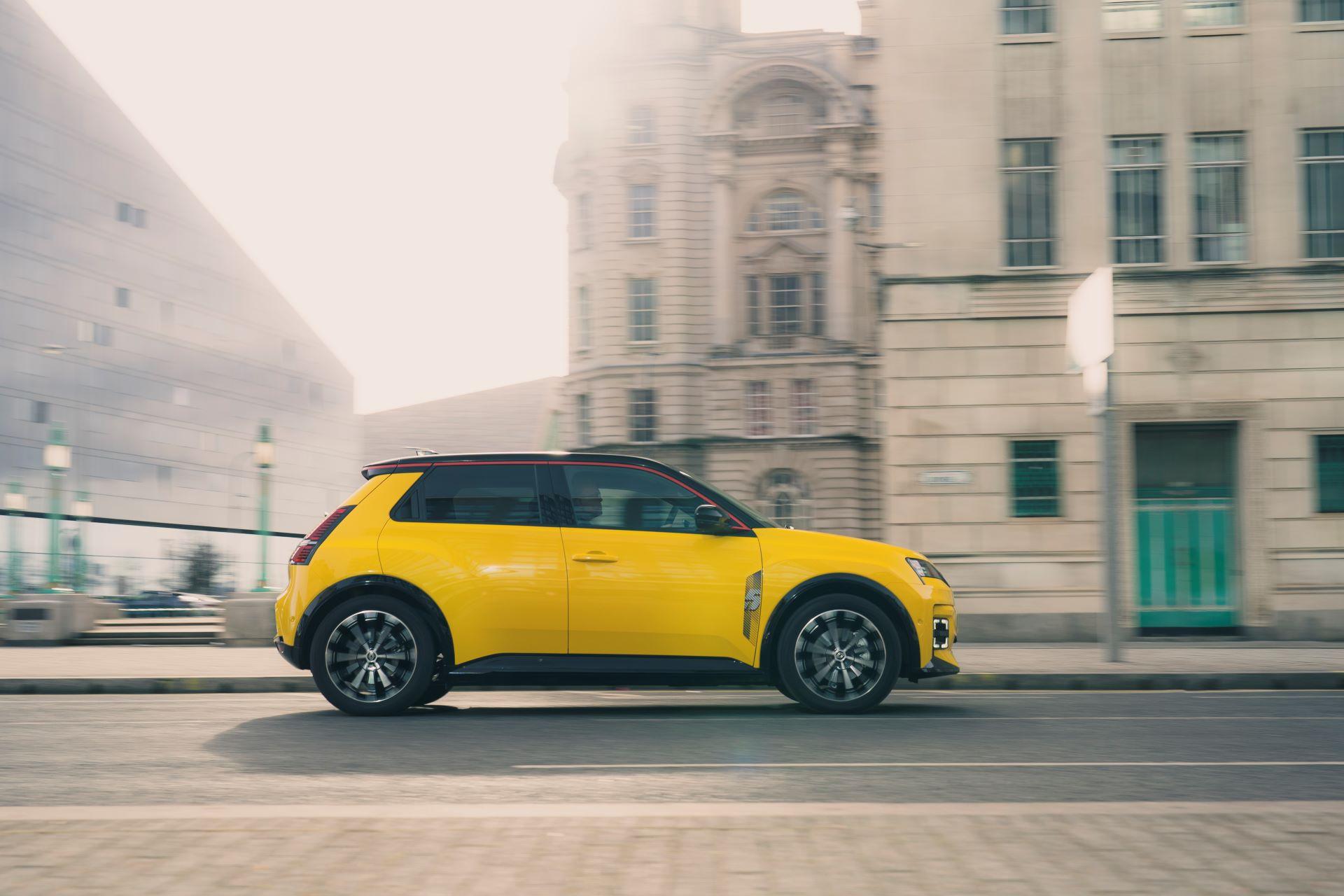
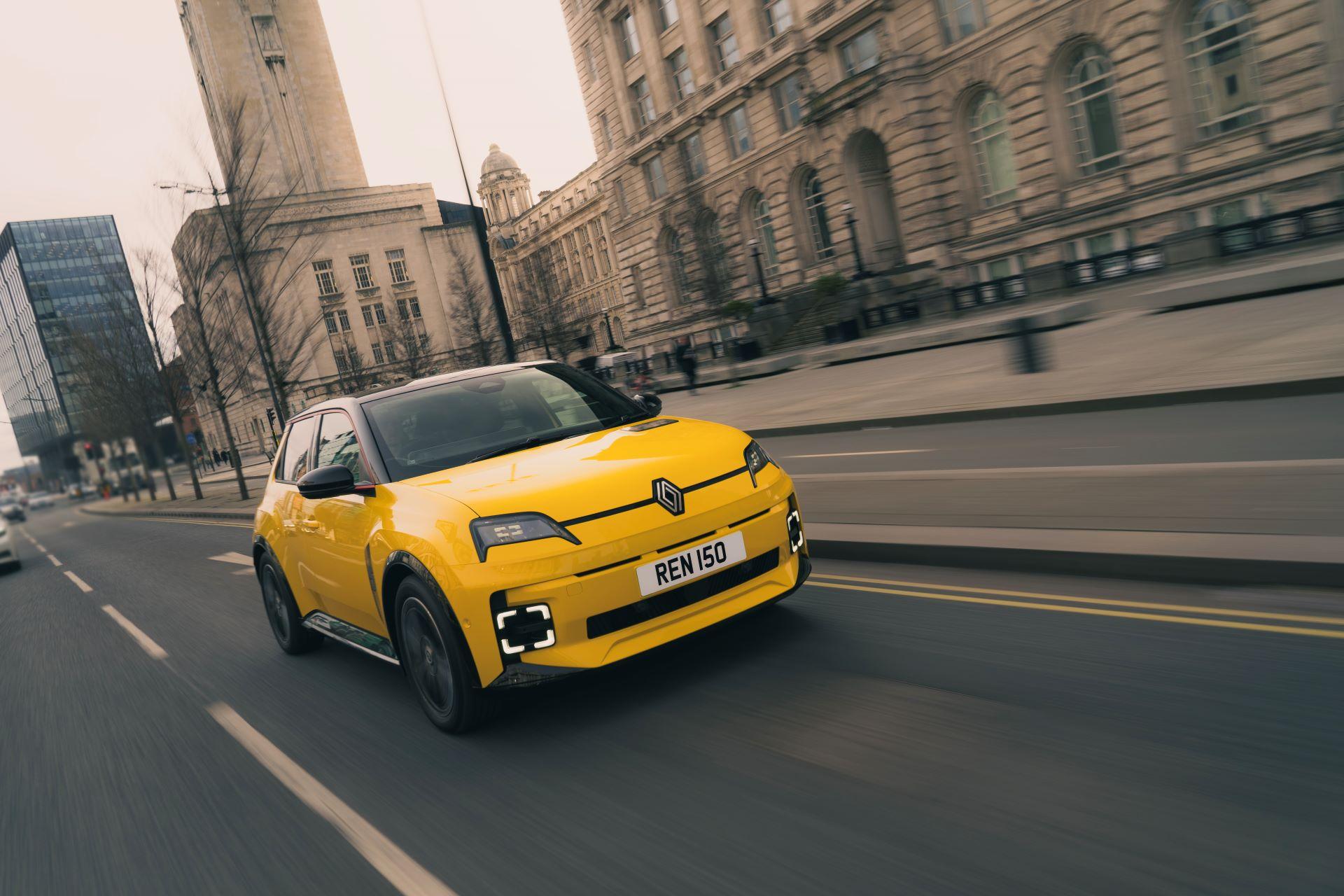
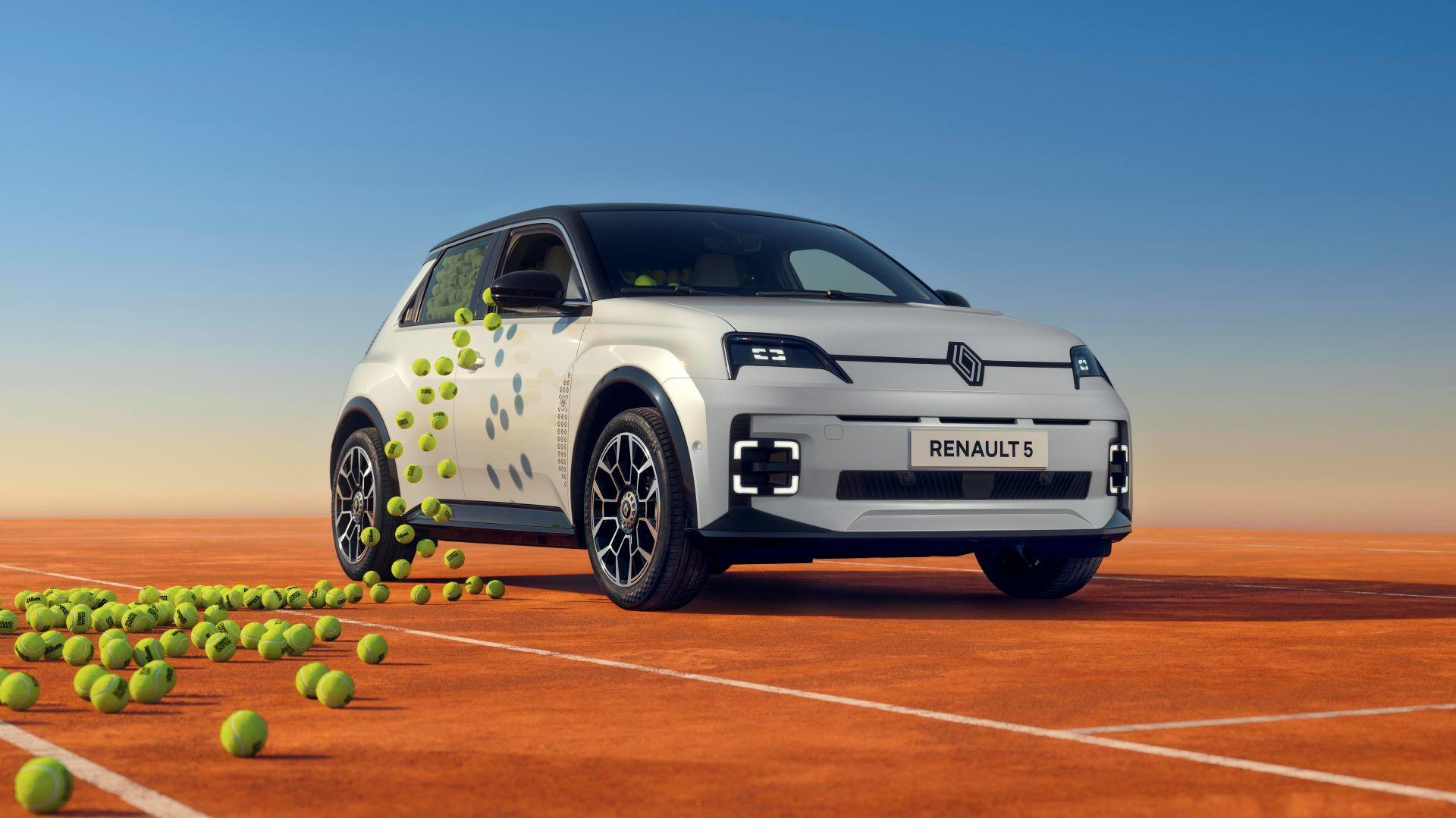
Renault’s stand will act as a kind of automotive pavilion, where visitors can move between past, present and near-future. Alongside the R4 show car, the Twingo E-Tech electric and the Renault 5 E-Tech electric Roland-Garros special edition will share the spotlight. The Twingo, compact and city-focused, represents Renault’s push to democratise electric mobility in the A-segment, while the Renault 5 channels nostalgia through a modern electric lens, offering a longer-range option wrapped in distinctive design.
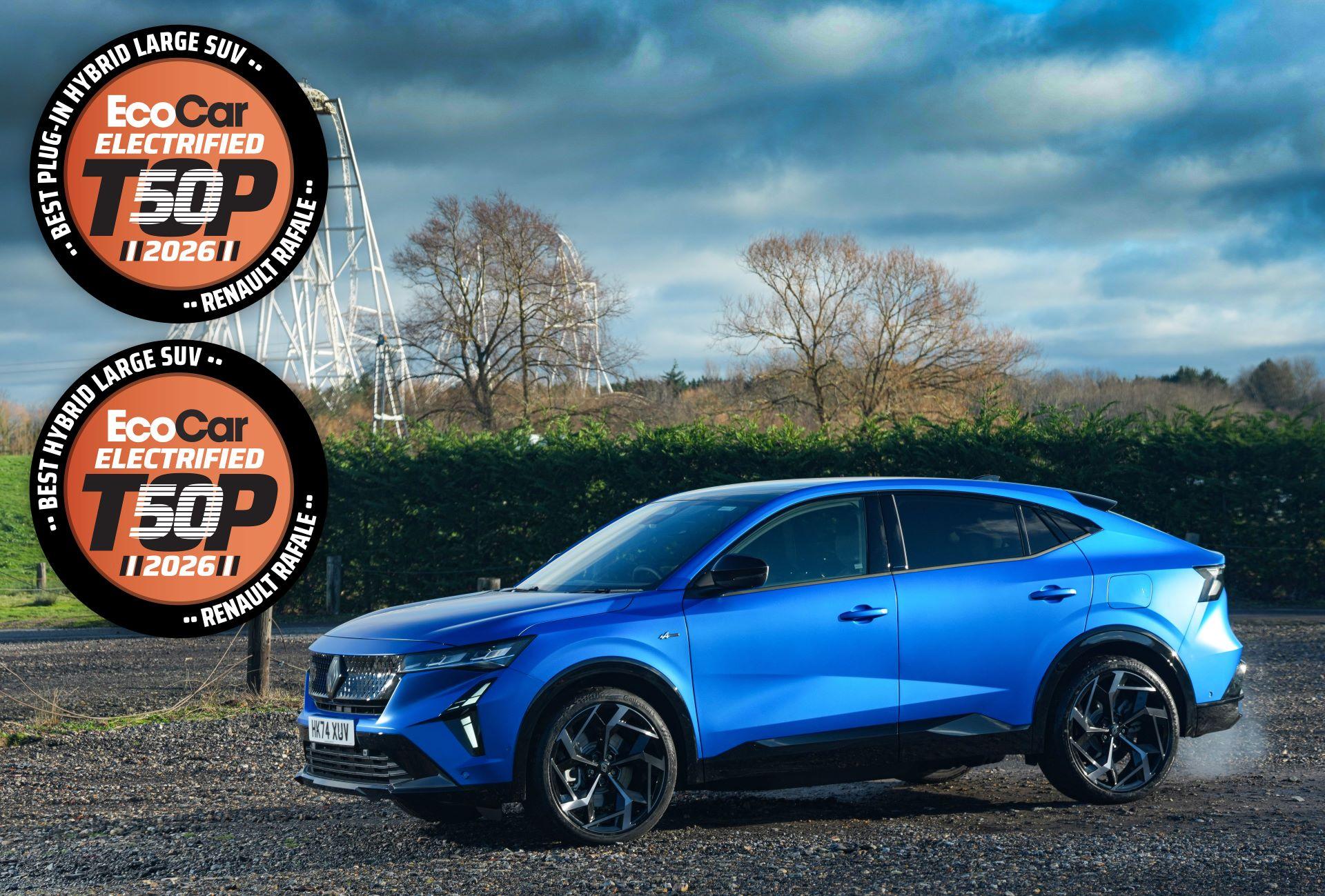
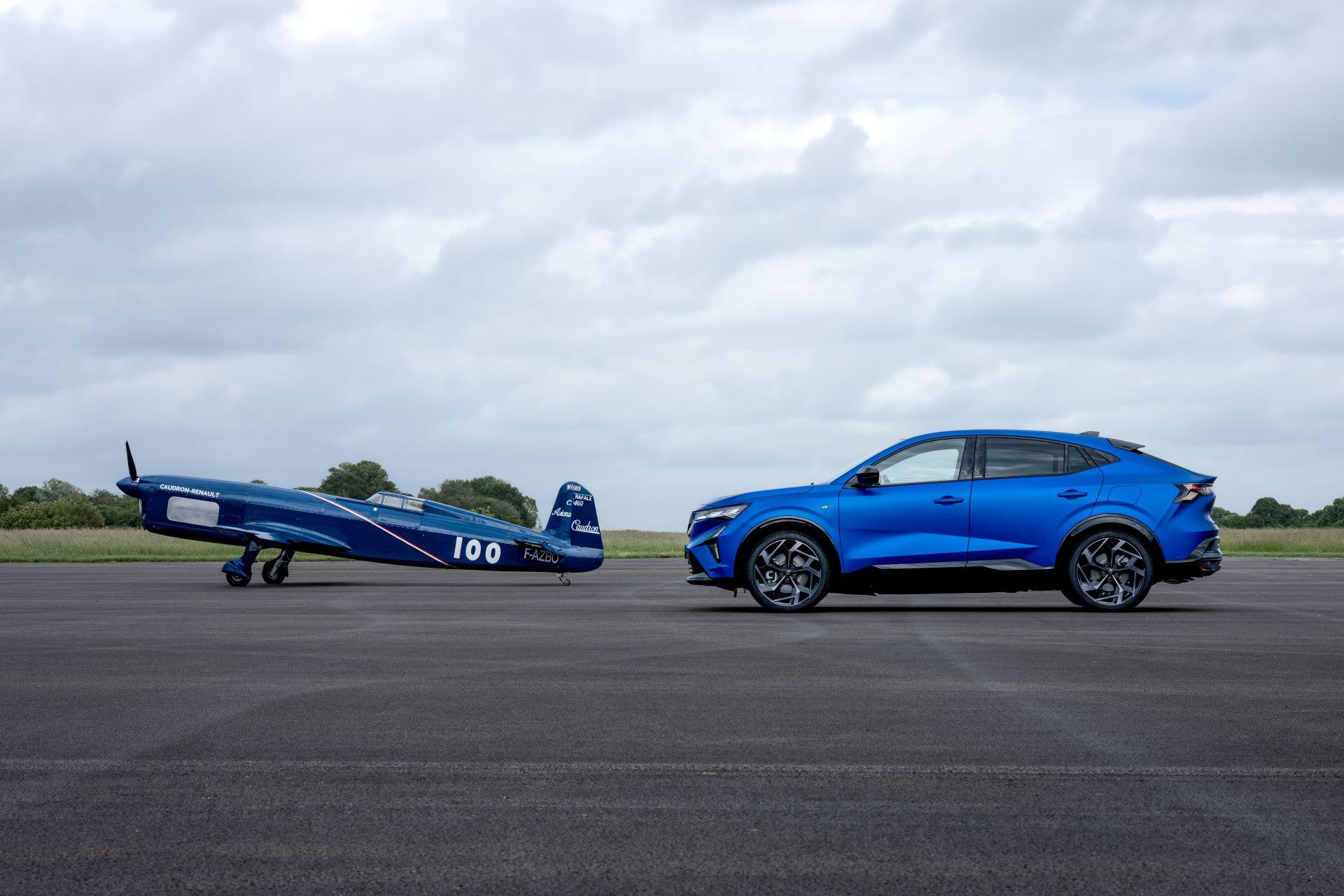
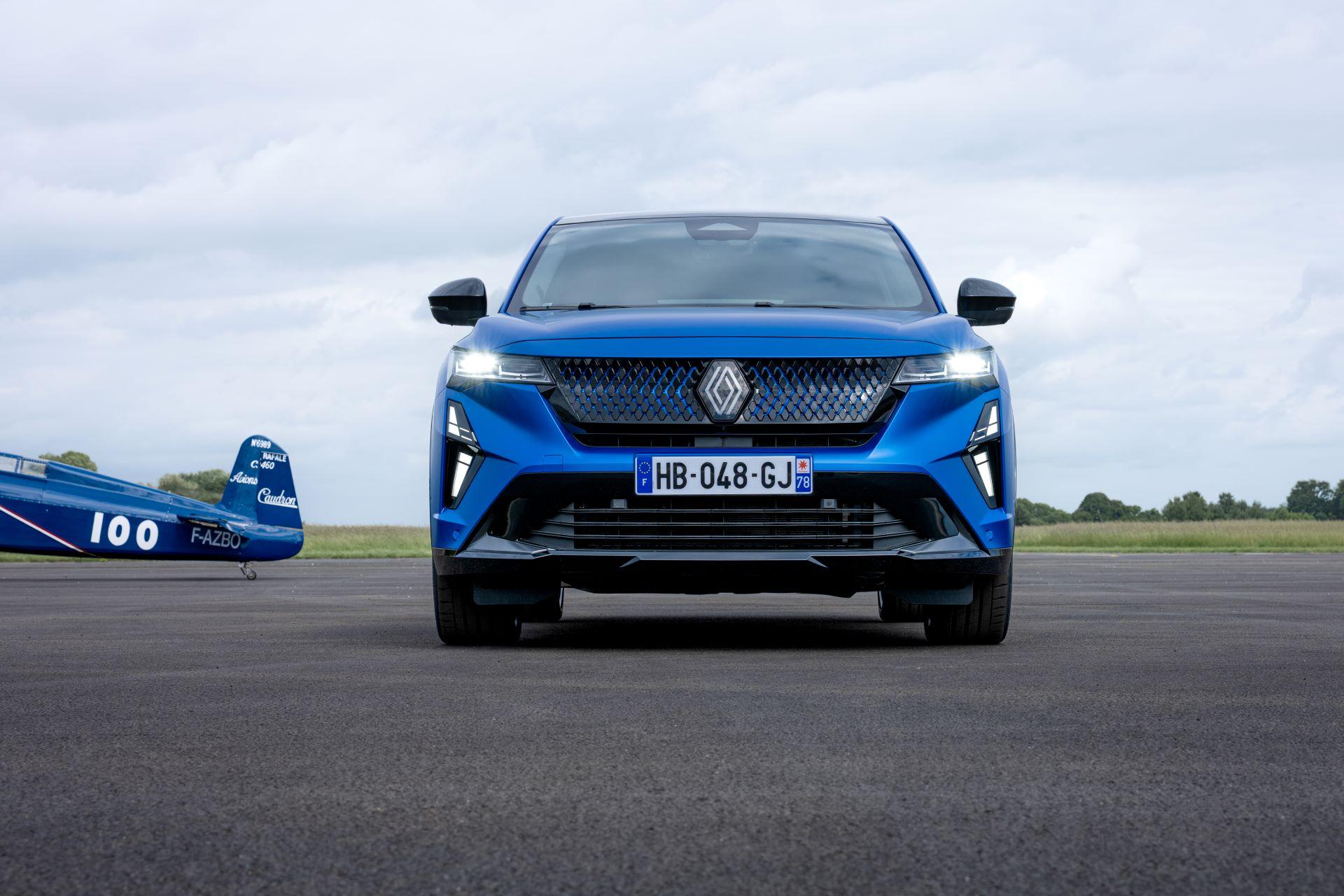
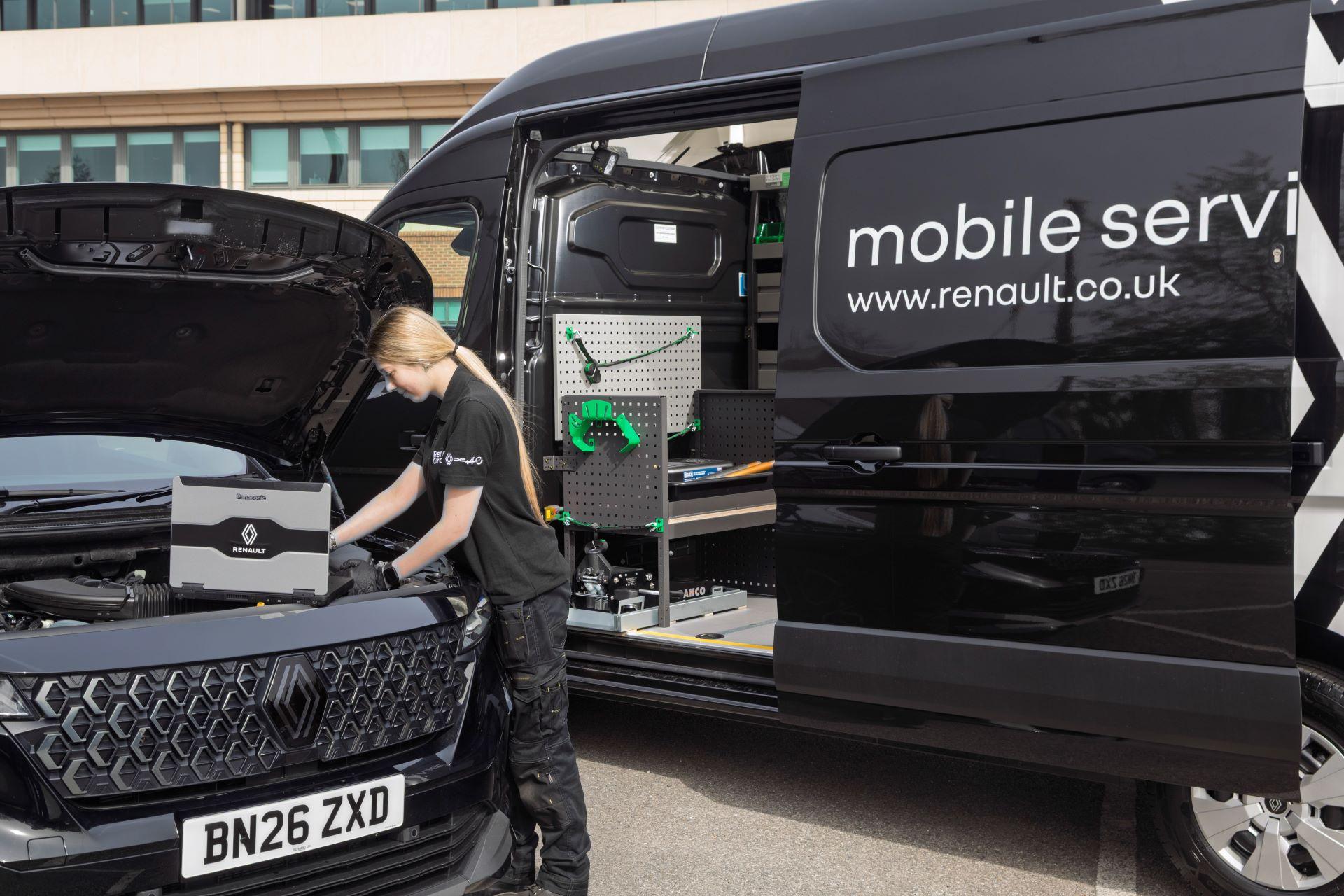
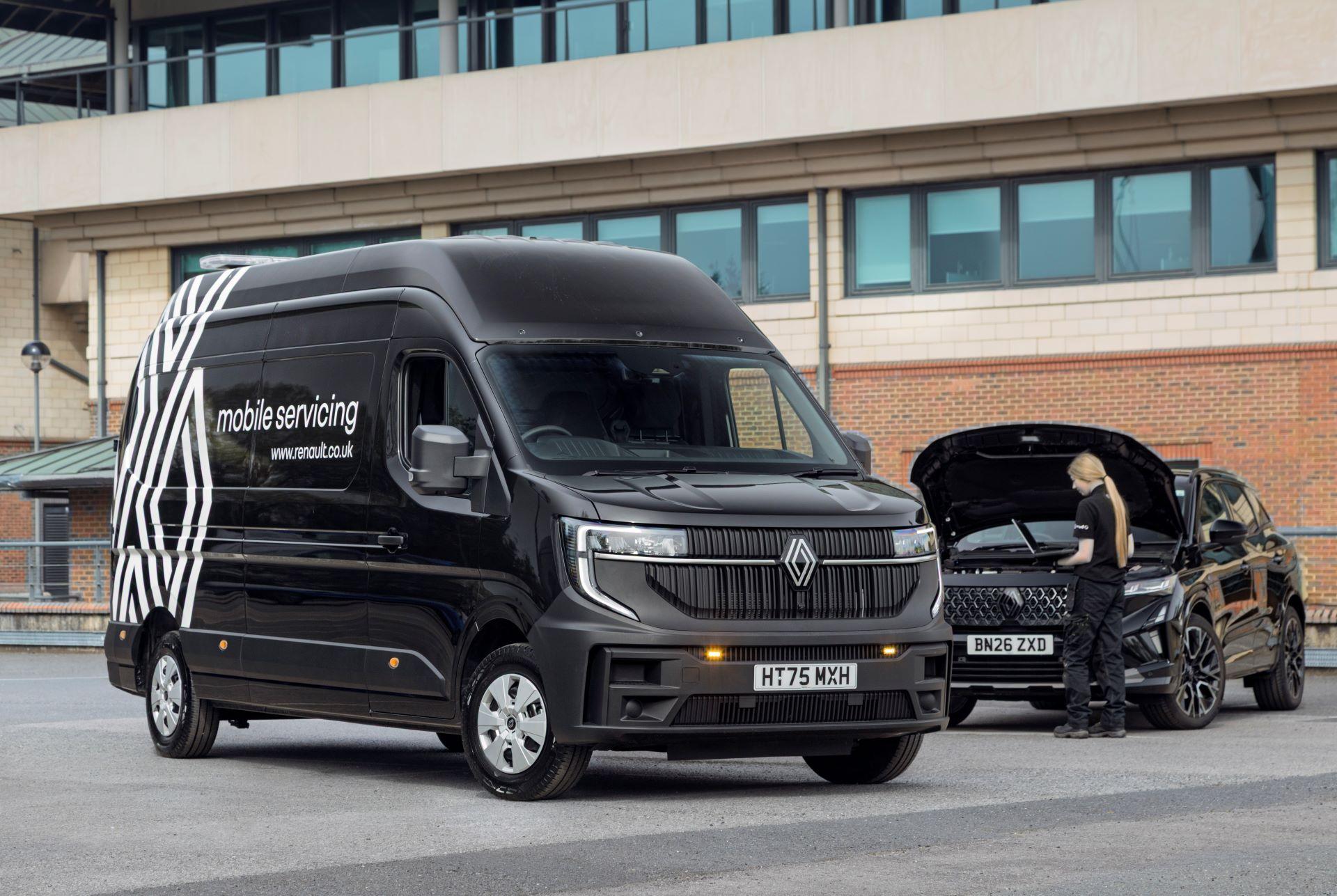
Beyond the display, Renault’s role as official transport provider ensures its presence is felt across the entire event ecosystem. A fleet of 188 vehicles, 88% of which are electrified, will move players, staff and guests with quiet efficiency. Scenic E-Tech electric and Rafale E-Tech hyper hybrid models form the backbone of this operation, supported by the Espace full hybrid and smaller electric models. The message is clear without needing to be shouted: performance and sustainability are no longer opposing forces, but partners in motion.
There is also a subtle layer of experimentation unfolding in the background. Two autonomous electric shuttles, developed in partnership with WeRide, will once again transport spectators between key points around the venue. They are less about spectacle and more about proof, demonstrating how emerging mobility solutions can integrate into real-world environments, even in the controlled chaos of a major sporting event.
Renault’s campaign extends beyond the physical into the digital, where the Renault 4 Roland-Garros E-Tech electric can be explored through augmented reality via the “hello reno” app. This allows users to project the car into their own spaces, walk around it, change its colours and examine its details. It is a clever inversion of the traditional showroom experience, bringing the product to the user rather than the other way around.
On the storytelling front, Renault leans into human connection through a series of commercials featuring its tennis ambassadors. Players like Lois Boisson, Arthur Fils and Flavio Cobolli appear alongside the new R4 show car in a campaign titled “The Lines,” blending athletic precision with automotive design. Another version featuring Francisco Cerundolo introduces the Renault Boreal to different markets, while an updated “The Court” commercial integrates additional ambassadors and the Renault 5 special edition. These campaigns aim to align the discipline and elegance of tennis with the brand’s evolving identity, where movement, control and style intersect.
What emerges from Renault’s Roland-Garros presence this year is not just a product showcase, but a carefully constructed narrative. The clay, the lines, the open sky, the tactile grip of a racket, all of these elements are translated into materials, textures and experiences. It is branding that behaves less like advertising and more like world-building, inviting visitors to step into a version of mobility that feels both aspirational and tangible.
With the production version of the Renault 4 Roland-Garros E-Tech electric set for release in autumn 2026, this debut serves as both preview and promise. Renault is not simply aligning itself with one of tennis’s most prestigious tournaments. It is using the stage to demonstrate how design, sustainability and storytelling can converge into something that resonates long after the final point is played.