Renault Group has pulled back the curtain on a new chapter in its industrial strategy, one that places suppliers not at arm’s length but firmly in the front seat. Revealed at the company’s Technocentre in Boulogne-Billancourt, the futuREady plan signals a deliberate shift toward deeper collaboration, earlier integration and a shared sense of accountability across the value chain.
Presented to key partners just days after its official debut, the roadmap underscores a simple but powerful idea: Renault’s performance is inseparable from that of its suppliers. In an automotive landscape being reshaped by electrification, software and geopolitical pressure, the Group is tightening its ecosystem with a partnership-first mindset rooted in trust and transparency.
At the core of futuREady is a procurement strategy designed to be more agile, resilient and competitive. Suppliers are now being brought into the fold far earlier in the development cycle, particularly when it comes to strategic components and emerging technologies. The intent is clear. By collapsing the traditional boundaries between OEM and supplier, Renault aims to unlock faster innovation, shorten development timelines and keep costs firmly in check.
This shift is not merely philosophical. It is structural. Renault is refining its supplier base, concentrating its purchasing power on high-performing partners capable of delivering both scale and innovation. The reward is greater volume and longer-term collaboration. The expectation is equally high, with partners required to match the Group’s pace in efficiency, responsiveness and technological advancement.
The approach also reflects a broader ambition. Renault is positioning itself to become Europe’s reference carmaker, and it wants its suppliers to rise in tandem. Achieving this will demand coordinated action across every lever of the automotive value chain, from optimising research and development expenditure to improving industrial efficiency and selecting materials with precision. Innovation is no longer a siloed function but a shared responsibility.
Sustainability runs as a constant thread through the futuREady narrative. Renault is doubling down on its decarbonisation targets and expects its supplier network to do the same. The Group has set a clear benchmark, aiming for more than 90 percent of its purchases to come from suppliers with high ESG scores. Initiatives that reduce carbon footprints or increase the use of recycled materials are not just encouraged but actively prioritised, reinforcing the transition toward a cleaner, more circular automotive ecosystem.
The unveiling culminated in an awards ceremony that served as both recognition and signal. Five partners were singled out for their contributions, each embodying a different facet of Renault’s evolving priorities.
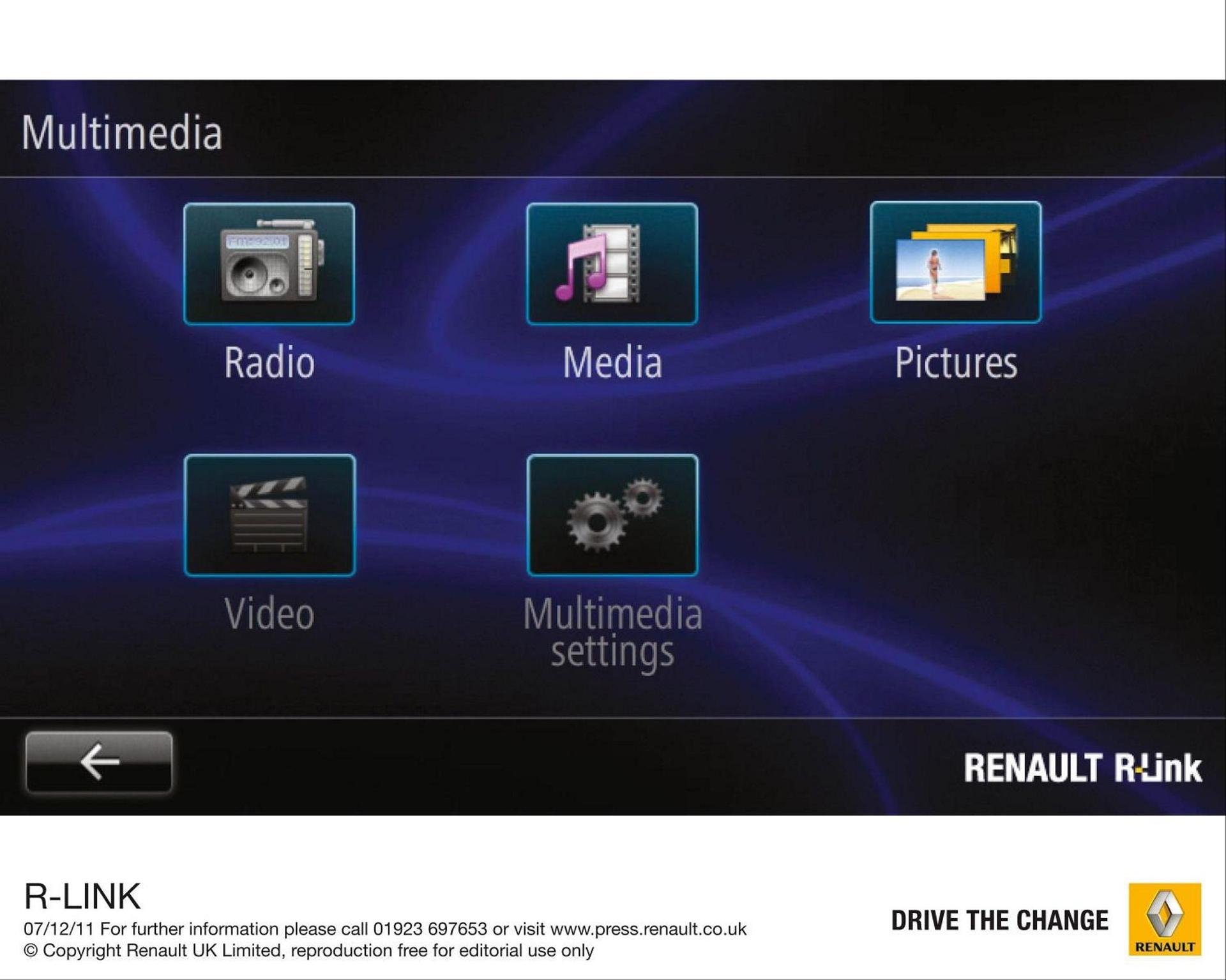
Google was honoured for redefining the in-car digital experience through the integration of Google Automotive Services, powering Renault’s openR Link system with seamless connectivity and intuitive interaction. Bosch received recognition for its robust quality management systems, ensuring consistent execution across multiple product launches while maintaining a strong focus on customer protection.
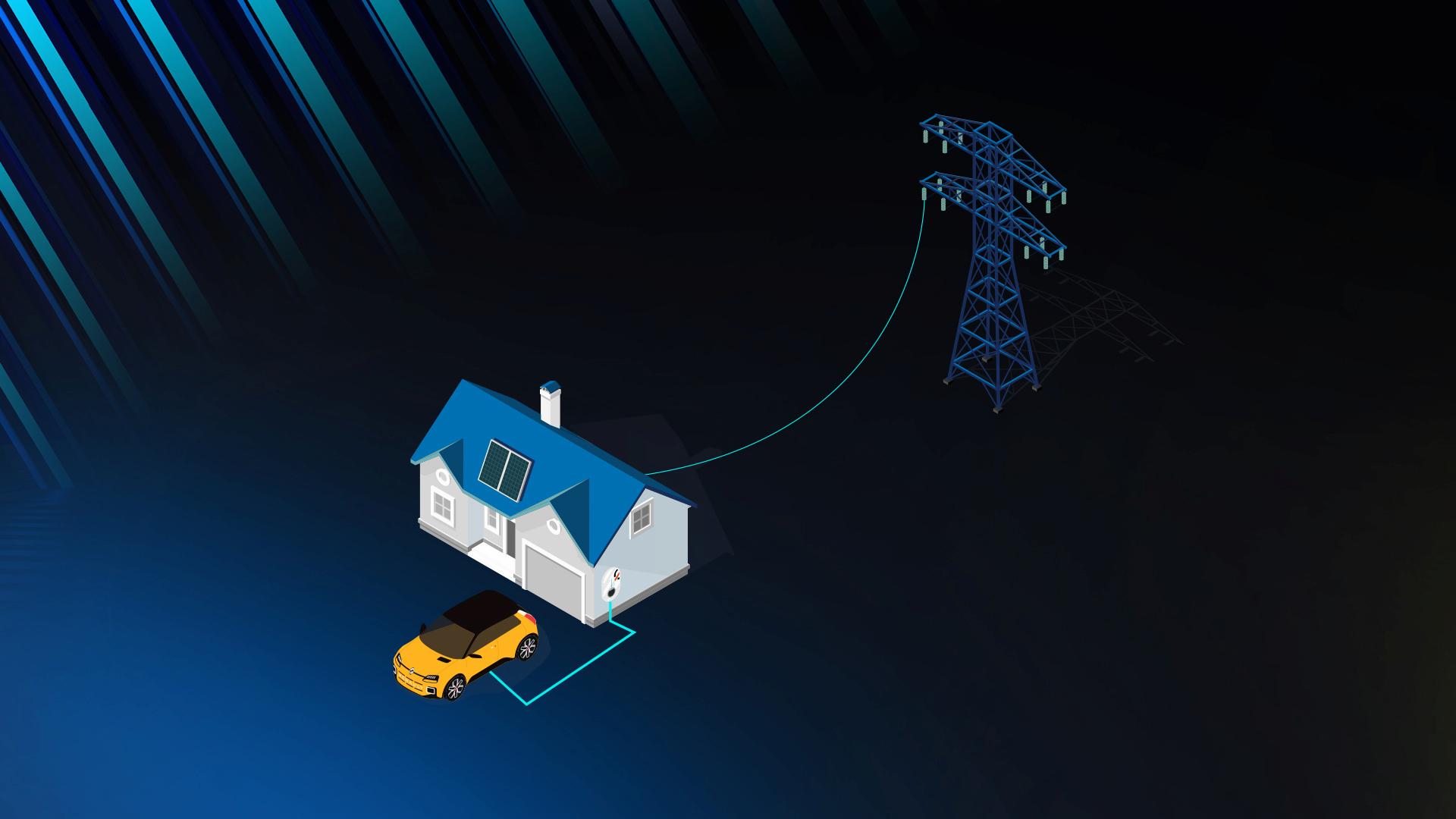
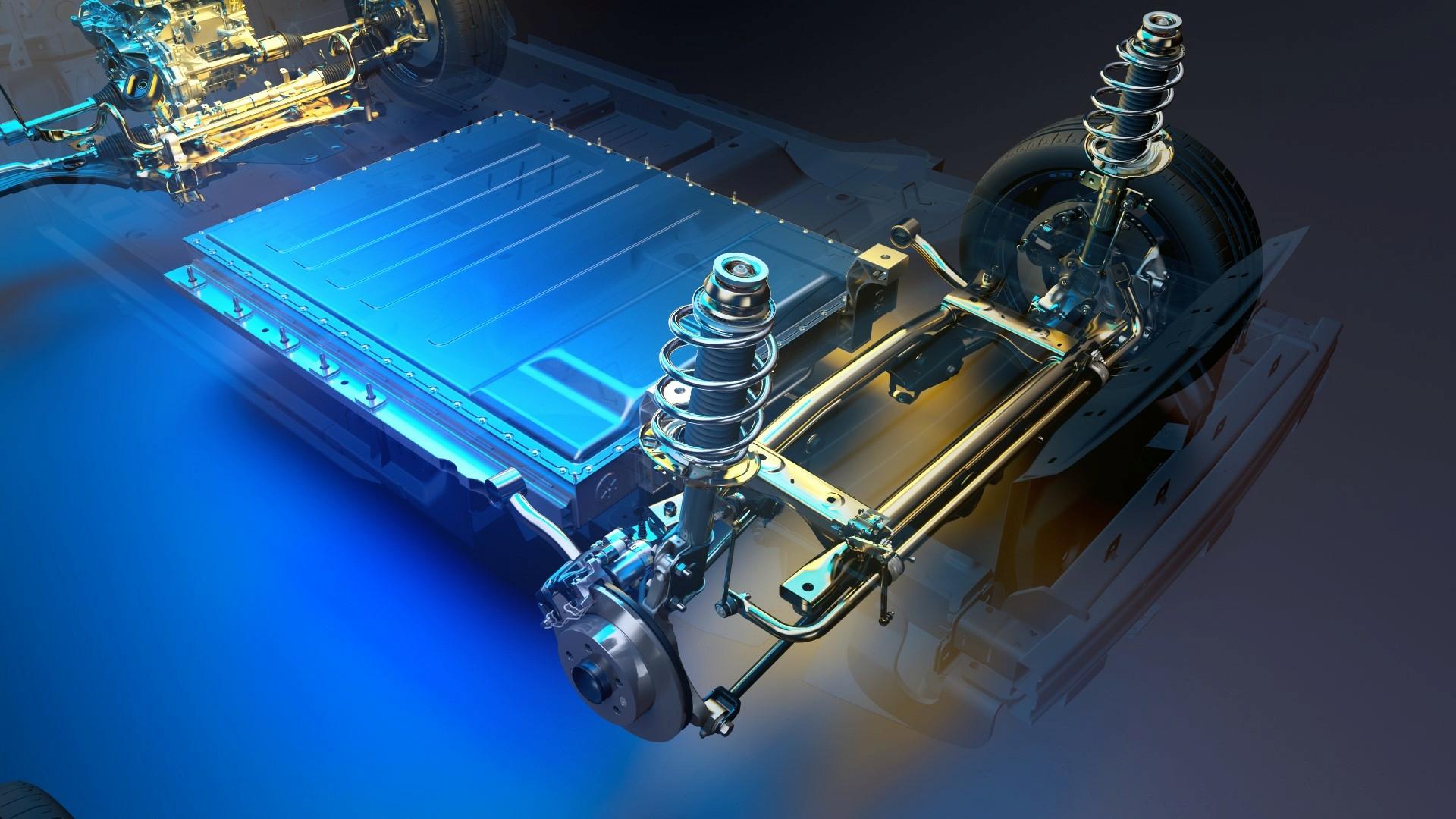
CATL stood out for its speed, delivering a lithium iron phosphate battery pack for the Twingo E-Tech Electric within exceptionally tight timelines. Iberdrola was acknowledged for its role in advancing Renault’s decarbonisation efforts, spanning renewable energy supply, electrification of industrial processes and innovative energy solutions such as second-life battery storage.
The Special Jury Prize went to Valeo, whose contribution reflects the growing importance of software-defined vehicles. By combining cost optimisation with accelerated development cycles and technological innovation, Valeo has become a key enabler in Renault’s transformation.
Together, these partnerships form the backbone of futuREady. They illustrate a future where success is not negotiated transaction by transaction, but built through alignment, shared goals and continuous collaboration. In Renault’s vision, the supply chain is no longer a supporting act. It is a co-author of the company’s next era.