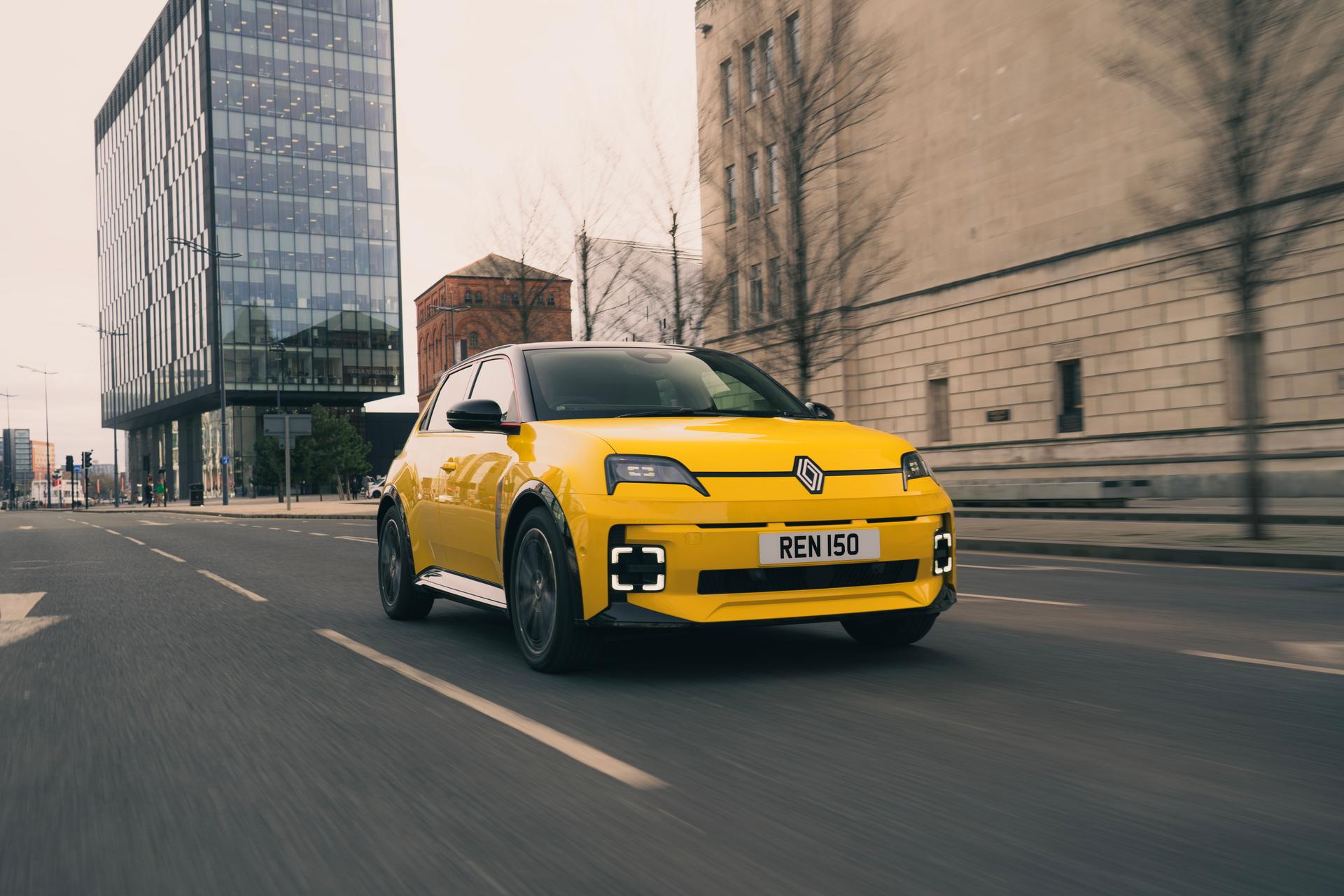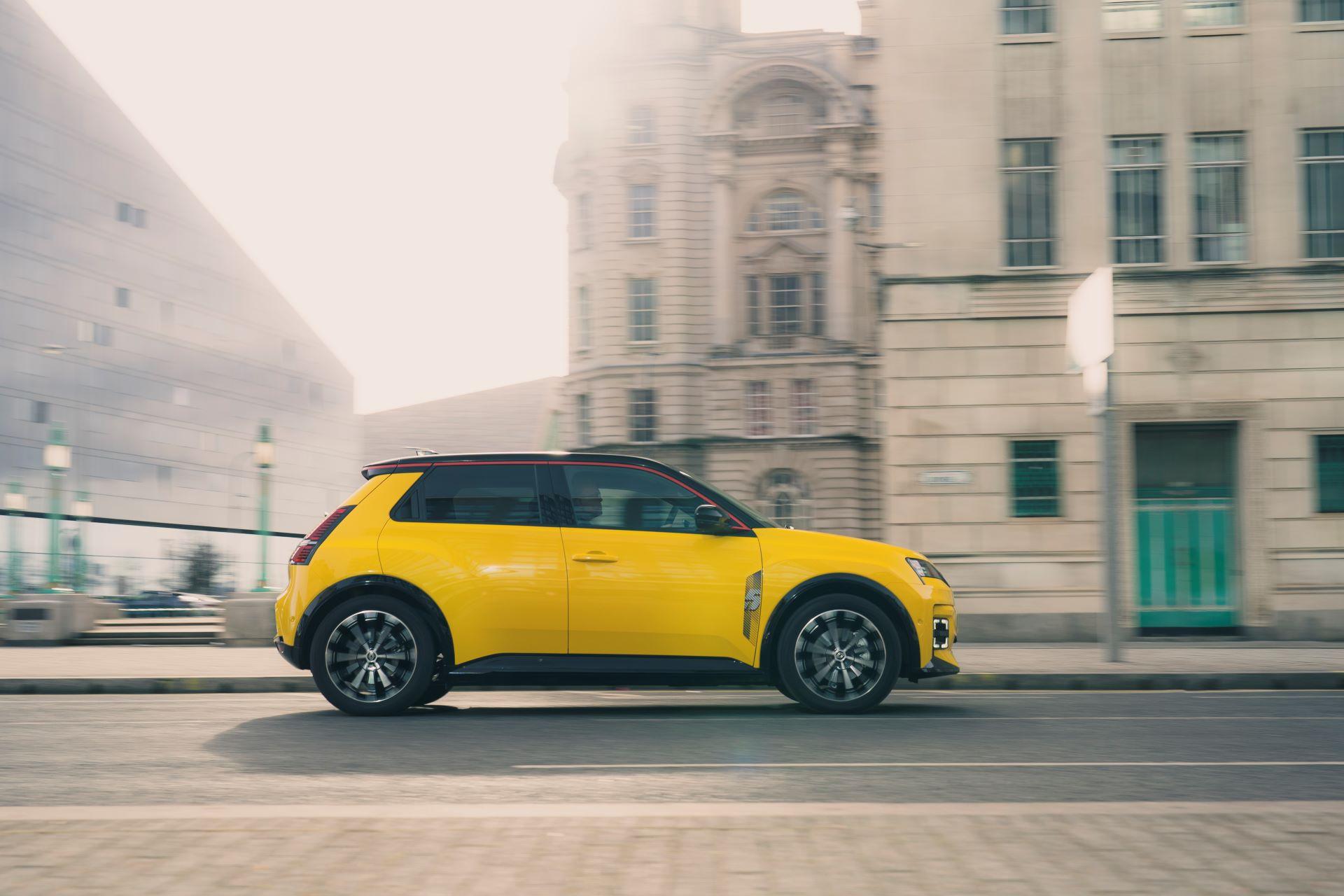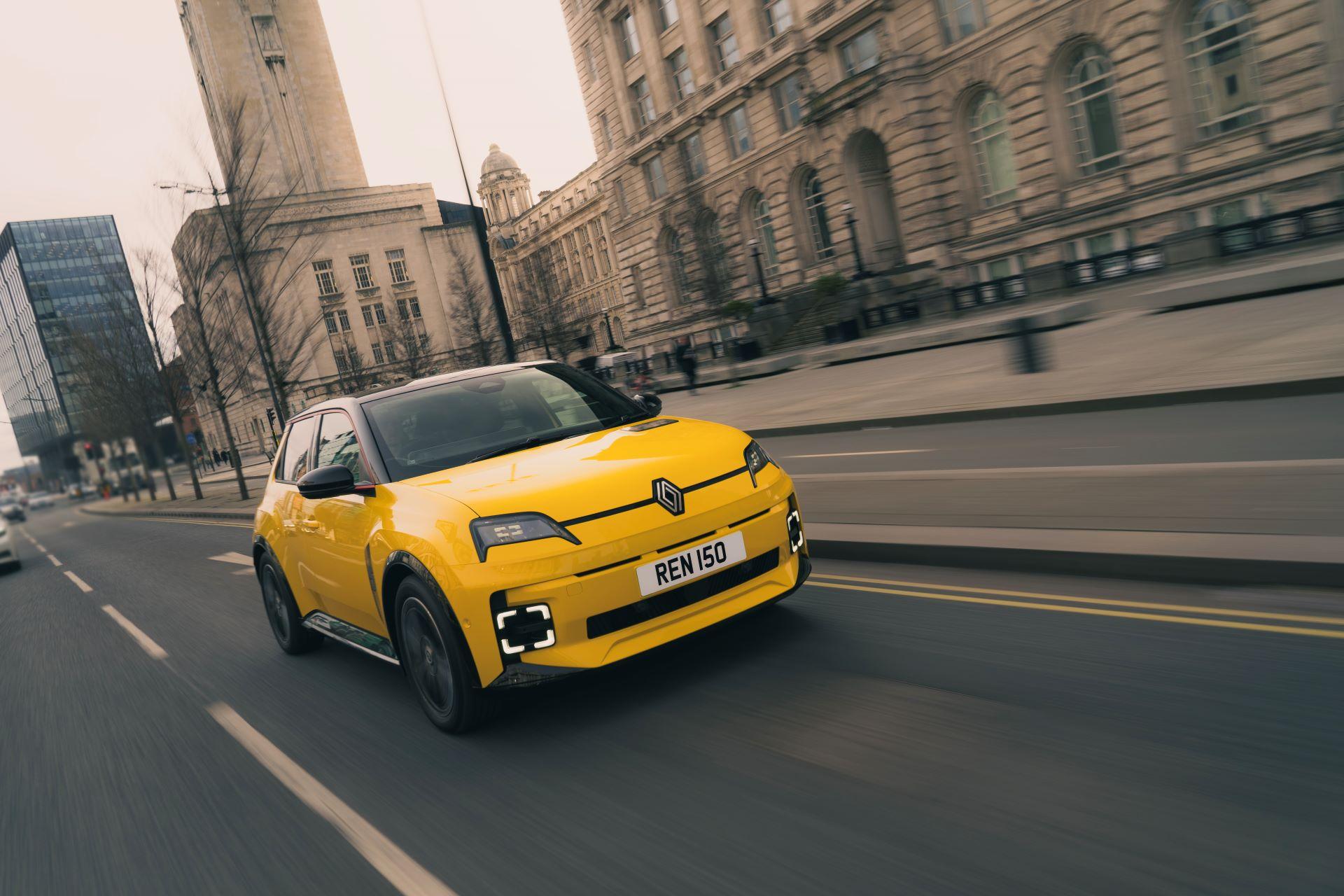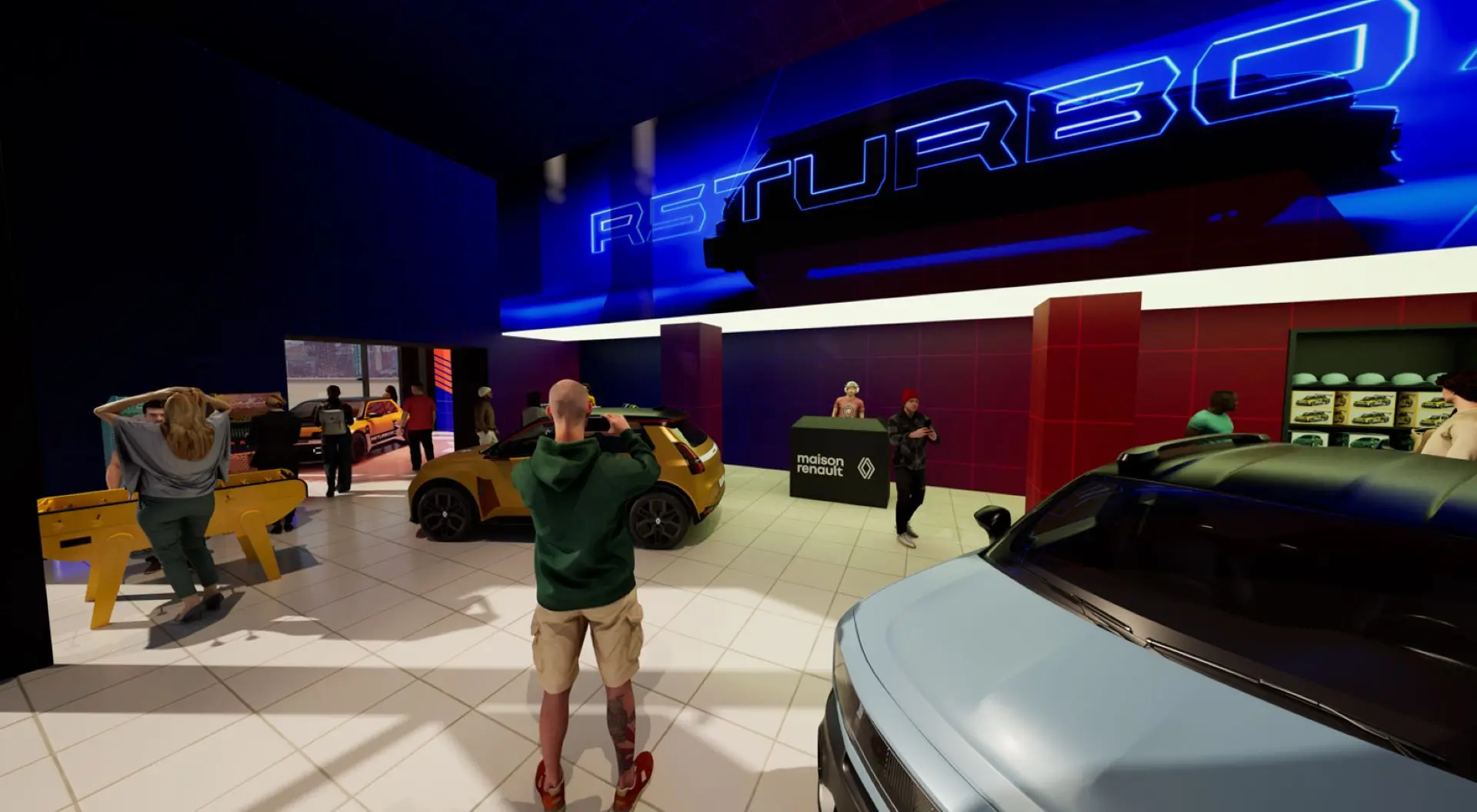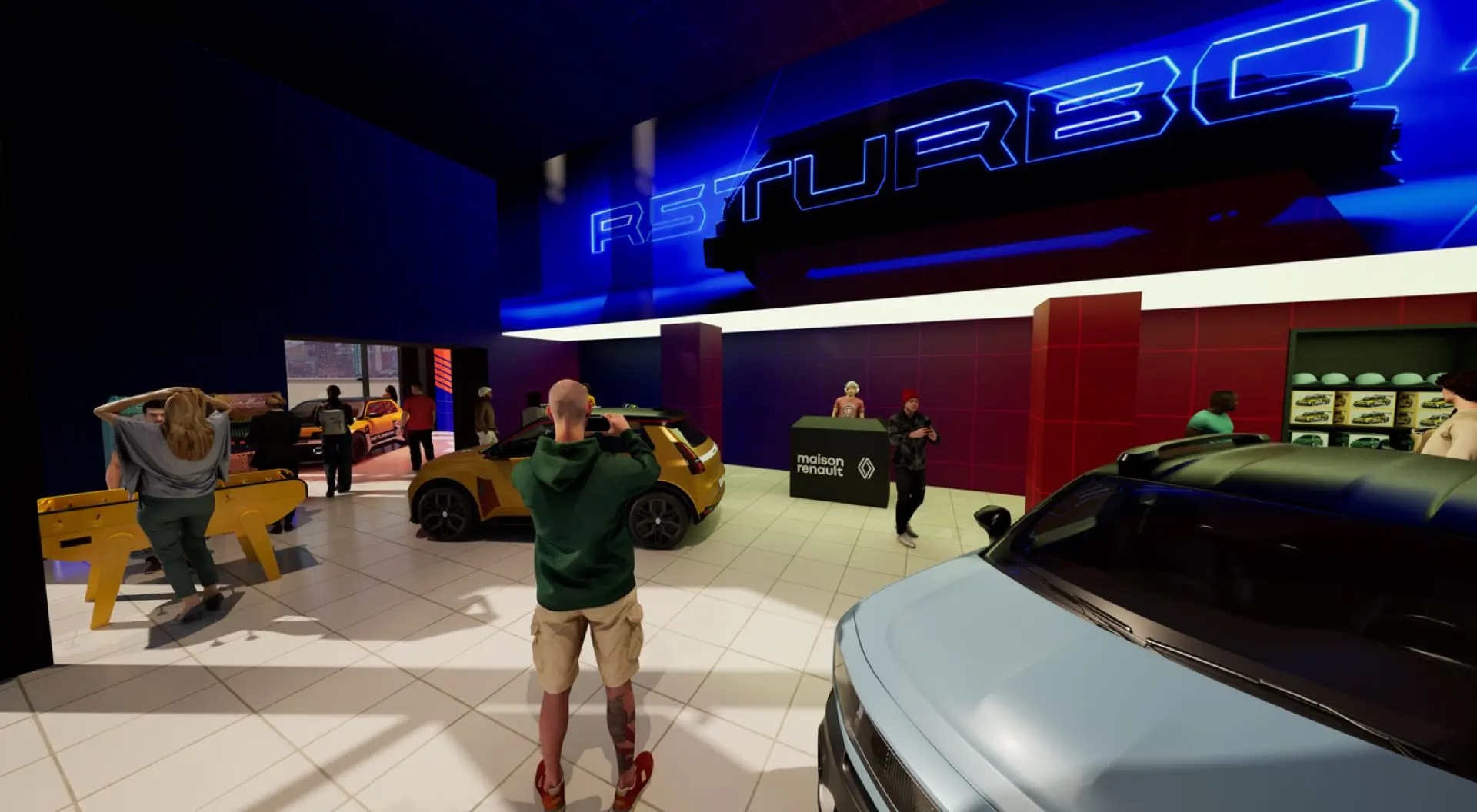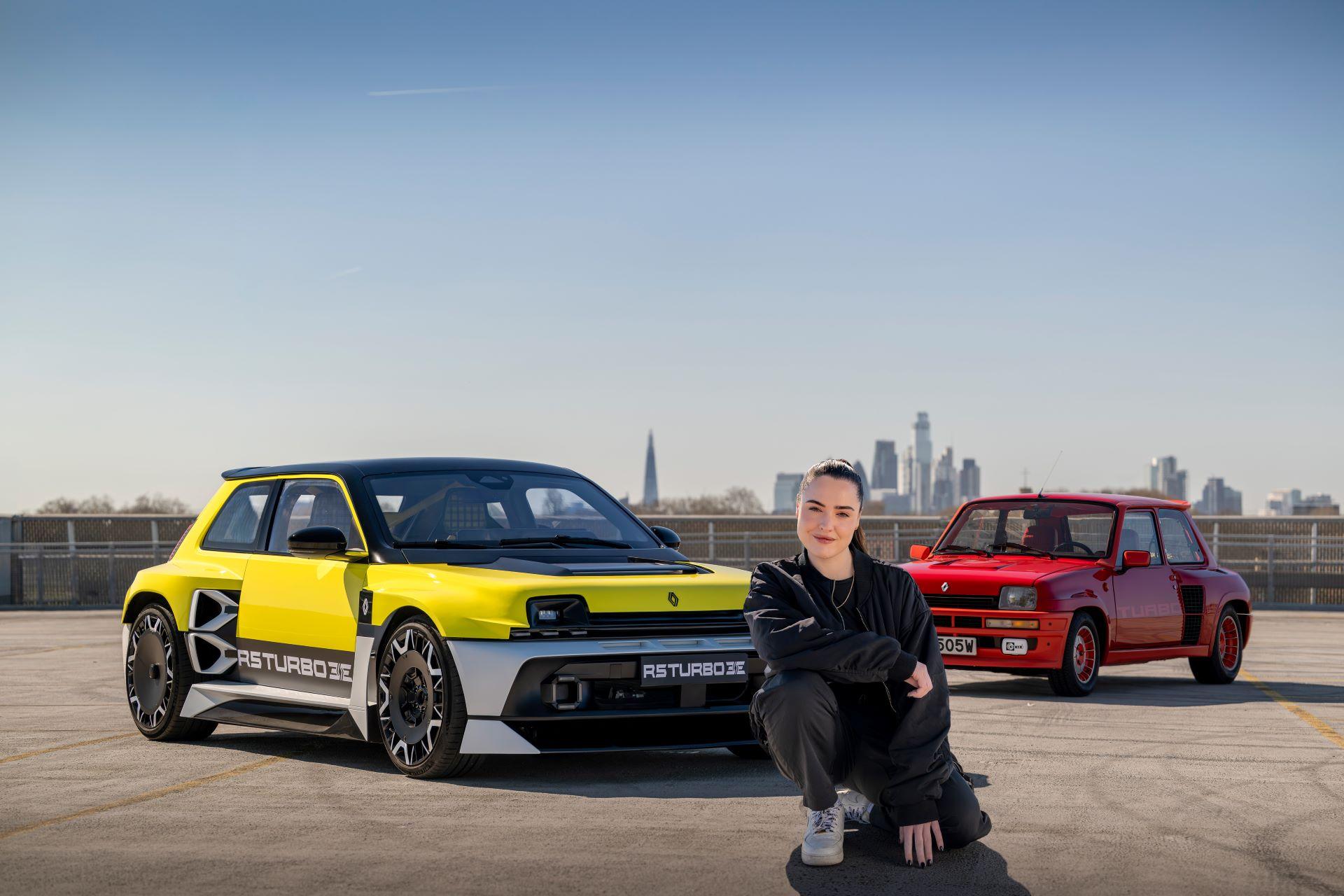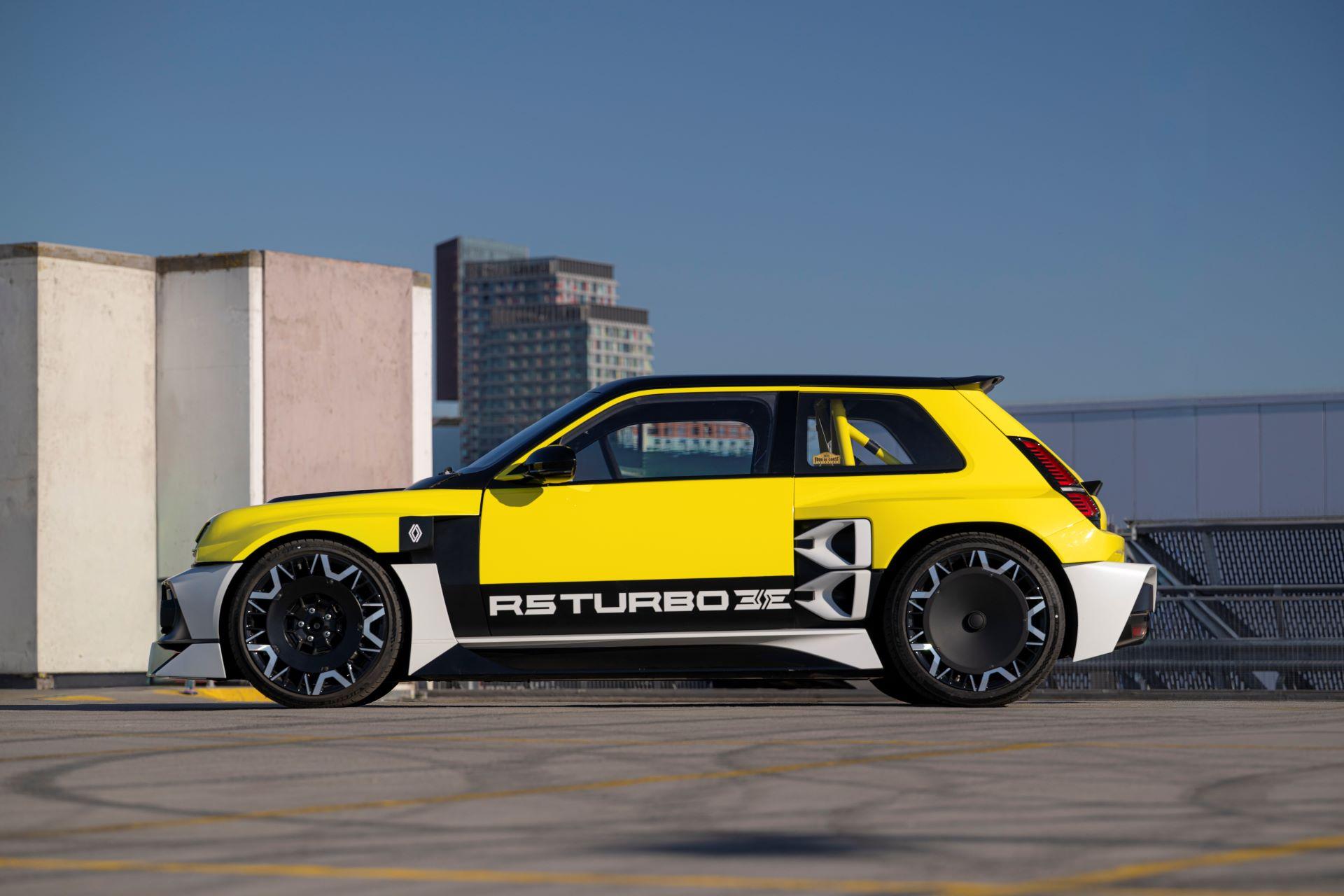



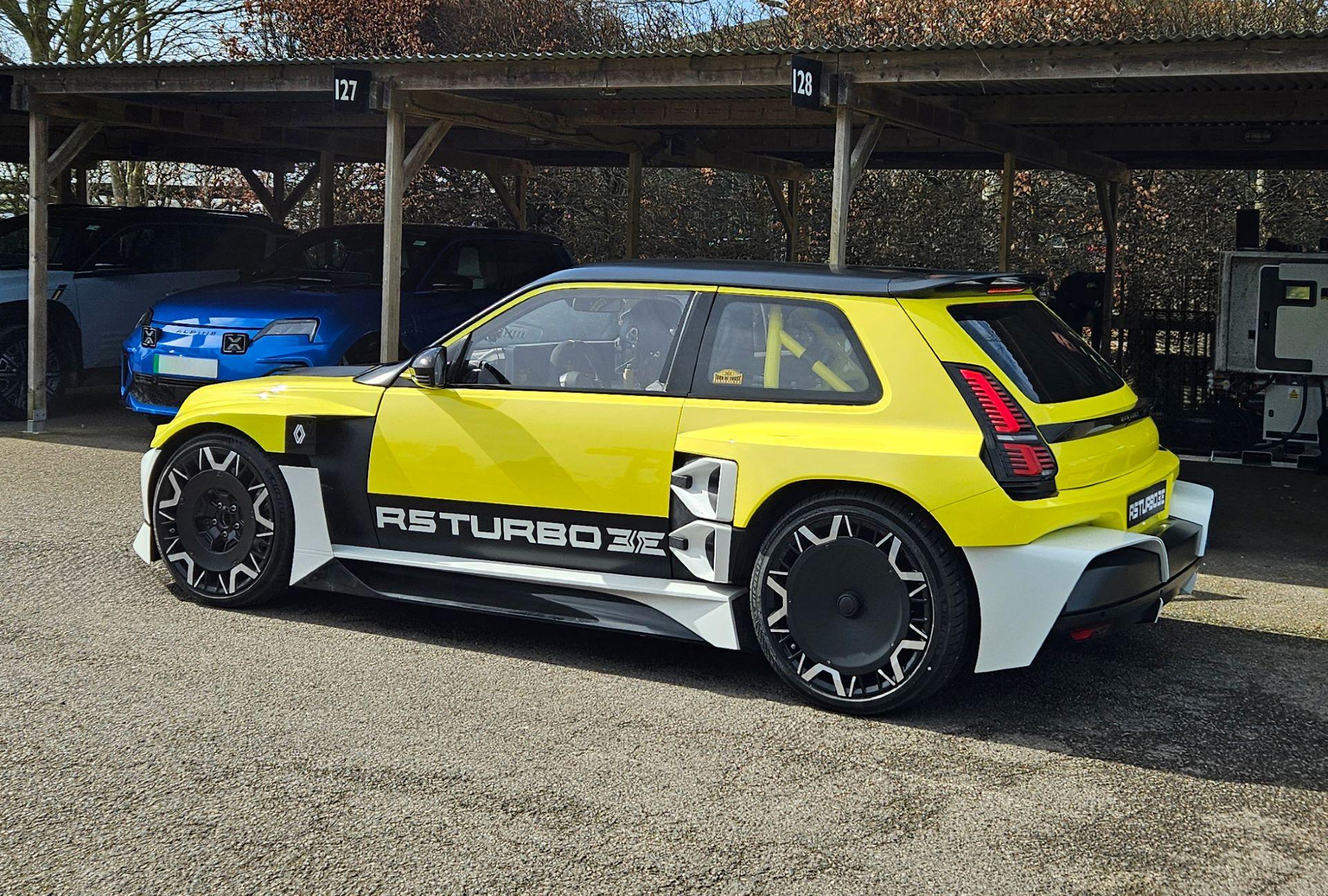
In a move that feels less like a product announcement and more like the ignition of a new performance era, Renault Group has confirmed that its electrified icon, the Renault 5 Turbo 3E, will enter production with in-wheel motor technology supplied by Protean Electric. The result is a car that doesn’t just reinterpret a legend, but rewires the very idea of how performance can be delivered.
This collaboration marks a European first. While in-wheel motors have long been discussed in engineering circles as a tantalising glimpse of the future, the Renault 5 Turbo 3E transforms theory into asphalt reality. By placing electric motors directly within the rear wheels, the car bypasses many of the mechanical constraints that traditionally define power delivery. There are no conventional drivetrains humming beneath the surface, no compromises in how energy reaches the road. Instead, power arrives instantly, precisely where it is needed, like lightning striking exactly twice.
At the heart of this innovation lies Protean’s IWM system, developed in just two years to meet the uncompromising demands of the project. Producing 555 horsepower, the setup delivers its full force straight to the rear wheels, enabling a 0–62 mph sprint in under 3.5 seconds. Numbers like these would be impressive in any context, but within a compact, retro-inspired silhouette, they feel almost rebellious.
The Renault 5 Turbo has always been a car that danced on the edge of convention, and the 3E version continues that legacy with a distinctly modern rhythm. According to Philippe Krief, CEO of the Alpine brand, the goal was to create a “retro road supercar” that captures the emotional punch of the original while embracing the possibilities of electrification. The in-wheel motors are not just a technical feature; they are the centrepiece of that ambition, enabling a driving experience that is as visceral as it is innovative.
From Protean’s perspective, the project represents a milestone that signals a broader shift in automotive design. CEO Andrew Whitehead describes the integration as proof that in-wheel motors are no longer experimental curiosities but viable solutions for high-performance vehicles. It is a statement that carries weight, suggesting that the boundaries of electric mobility are far more elastic than previously assumed.
Beyond performance figures and engineering milestones, the Renault 5 Turbo 3E tells a deeper story about the evolution of automotive identity. It blends nostalgia with futurism in a way that feels deliberate rather than decorative. The past is not simply being remembered; it is being re-engineered, given new tools and new purpose.
More technical insights into this groundbreaking project are expected to emerge at the International Vienna Motor Symposium 2026, where both Renault and Protean will present detailed papers on the vehicle and its powertrain. For now, however, the message is already clear. The electric future is not arriving quietly. It is arriving sideways, fast, and with the unmistakable attitude of a legend reborn.