




As the first promise of spring breathes new life into Gauteng, the Pretoria Old Motor Club gears up to host the 43rd edition of Cars in the Park—South Africa’s premier automotive celebration. On Sunday, August 3, 2025, the historic Zwartkops Raceway will transform into a living museum, showcasing a rare and captivating assembly of motorcars that span eras and continents. Sharing the limelight in the bustling Zwartkops pits will be a special tribute to both pre-1945 Classics and South Africa’s most iconic homologation specials, making this family-friendly event a must-visit for enthusiasts and novices alike.
Homologation Specials: Racing DNA in Limited Numbers
To truly grasp the allure of the homologation special, one must understand the rules of motorsport that shaped their very existence. These unique machines were born from a necessity: manufacturers eager to compete on racing or rally stages were compelled to produce a minimum number of similar road-legal cars to satisfy motorsport’s governing bodies. This ensured that victories on the track reflected the capabilities of cars available to the public, rather than bespoke one-offs.
As a result, homologation specials have become prized treasures—limited in number, performance-focused, and brimming with racing pedigree.
One of the earliest examples to grace these grounds is the legendary Mk 1 Ford Lotus Cortina (1963-1966). Inspired by Lotus founder Colin Chapman, this British-built icon paired a near-standard Cortina body with a spirited twin-cam Lotus-tuned Ford 1500cc engine, lightweight panels, lowered suspension, and the unmistakable green side-flashes. Although never officially sold in South Africa, two examples were imported by Ford South Africa for National Saloon Car Championship racing. Today, the Lotus Cortinas on display mostly hail from Zimbabwe, where they were originally sold before crossing into South Africa decades later.
South Africa’s own contribution to homologation lore came in 1968 with the Basil Green Perana V6, a muscular Mk II Cortina fitted with a 100 kW Ford Zephyr engine and identified by a bold black stripe across its nose. Green’s racing exploits culminated in the legendary Capri Perana V8 of 1971—capable of 230 km/h, an astounding feat when the standard Capri 1600 GT struggled to reach 160 km/h. Limited to just over 500 units, the Capri Perana’s black stripes, Rostyle wheels, and badges remain emblematic of South Africa’s golden racing era.
General Motors fired back in 1973 with the Chevrolet Can Am, a wild beast engineered by racer and tuner Basil van Rooyen. Powered by a 5.0-litre Camaro Z28 V8, this Firenza coupe could sprint to 100 km/h in just 5.5 seconds. Only 100 road-going units were produced, featuring distinctive aluminium rear wings, 13-inch Personal alloy wheels, and an arresting white-and-black livery. The Can Am remains one of South Africa’s most sought-after collector cars, despite numerous replicas.
The 1980s ushered in further homologation heroes. Toyota’s Corolla TRD was developed at the Prospecton plant near Durban to meet rallying demands, while Alfa Romeo South Africa crafted the collectible GTV6 3.0 in 1983. Ford South Africa answered with the Sierra XR8 in 1984, a 5.0-litre monster homologated to contest rivals like the GTV6.
The rivalry peaked in the 1990s with the BMW 325iS Shadowline and the Opel Kadett 16V Superboss slugging it out on roads and racetracks alike. With Mike Briggs securing the Group N championship in the Superboss and the 325iS claiming its own championship success, these models became cult classics. Look for the Shadowline’s BBS alloys and distinctive bow-shaped rear wing, or the Superboss’s black five-spoke wheels and bold 16V badges.
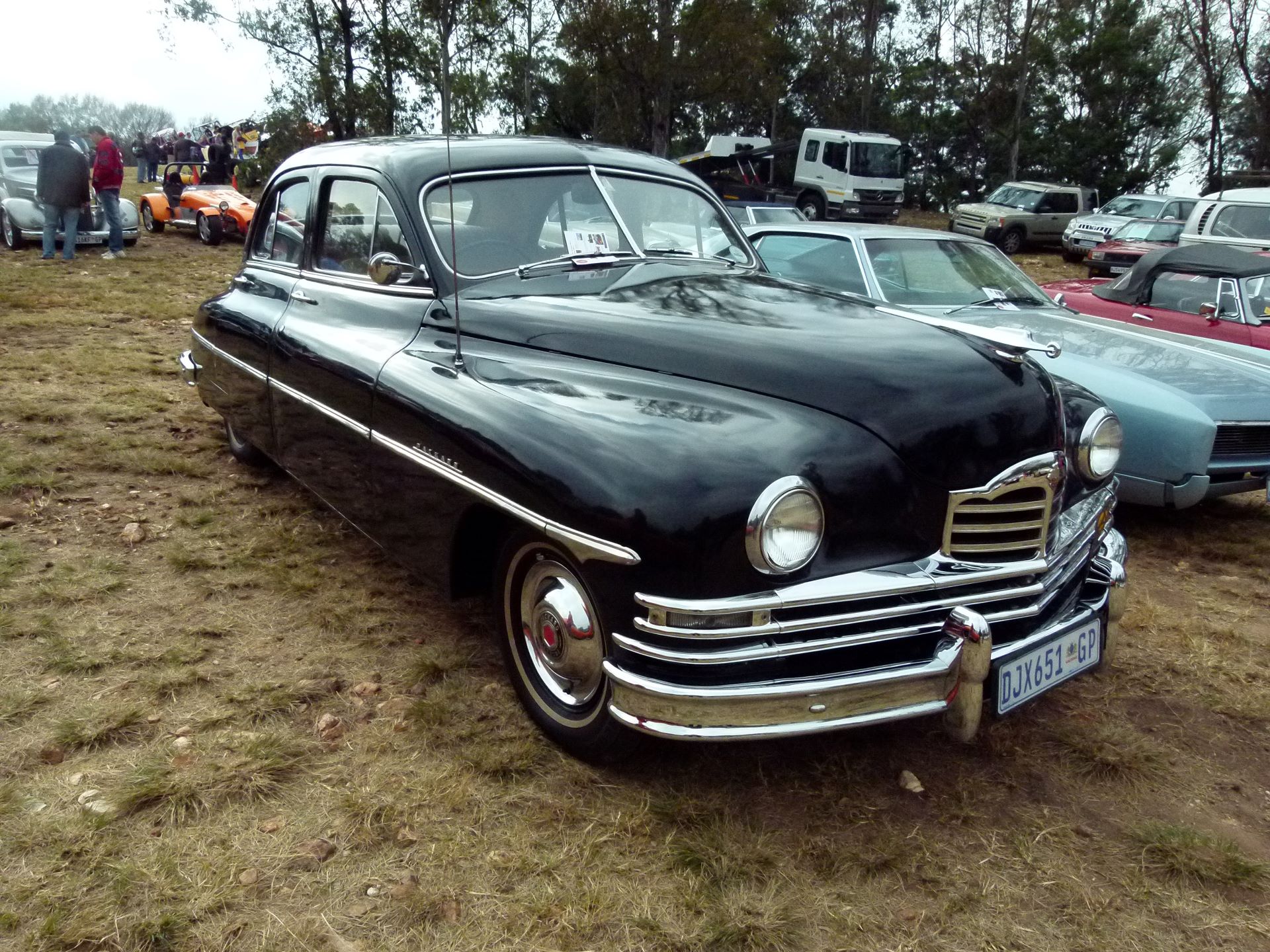
Pre-1945 Classics: A Glimpse into South Africa’s Automotive Origins
Alongside these racing legends, the Special Invites display will showcase a collection of Pre-1945 Classics, offering a glimpse into the vehicles that shaped South Africa’s motoring landscape nearly 80 years ago.
Though the outbreak of World War II in 1939 halted many automotive ambitions, South African assembly plants kept producing cars for local consumption until 1942. Notably, Ford and General Motors led the charge in Port Elizabeth, offering a blend of American-designed models such as Chevrolet, Buick, Cadillac, Oldsmobile, and Pontiac. These vehicles, alongside imports like the luxurious Packard, exemplified craftsmanship and style in the pre-war years.
British marques such as Morris, Austin, Ford, and Vauxhall enjoyed strong local sales, while German brands Opel, DKW, Mercedes-Benz—and even a rare pre-war BMW—found discerning South African buyers.
What’s striking is that many post-war vehicles sold locally were in fact pre-war models given a facelift—testament to the ingenuity of manufacturers navigating global upheaval. The pre-1945 collection at Zwartkops will bring this fascinating era vividly back to life, celebrating South Africa’s enduring love affair with the automobile.
A Day for the Whole Family
Cars in the Park 2025 promises more than just nostalgia—it’s a vibrant celebration of heritage, innovation, and community. Whether you’re a passionate car spotter chasing every detail or a family looking for a unique outing to mark the arrival of spring, the Pretoria Old Motor Club delivers an event steeped in history and excitement.
From the roaring engines of legendary homologation specials to the elegant lines of pre-war classics, the Zwartkops pits on August 3 will be a testament to South Africa’s rich automotive tapestry—a day where past meets present in a joyous tribute to speed, style, and spirit.
Mark your calendars and prepare for a journey through time and torque—Cars in the Park 2025 is not to be missed.


