



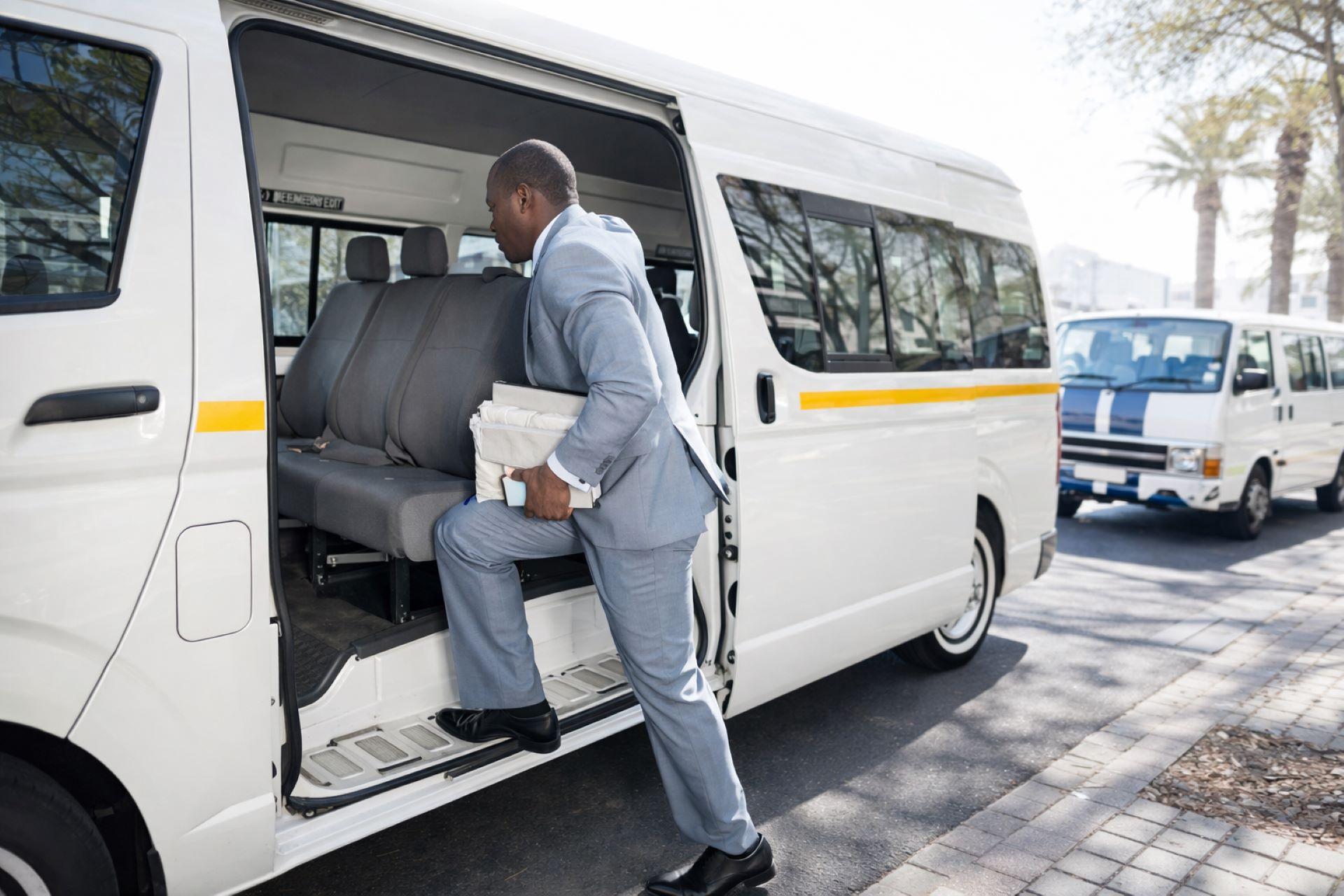
27 January 2026 – South Africa’s road safety crisis is no longer defined by isolated incidents. Every day, a pattern of preventable risk plays out on the country’s roads, shaping a reality that is both predictable and tragic.
CTU, a specialist transport insurer working closely with taxi owners, bus operators, fleet managers and commercial vehicle drivers, witnesses the consequences of unsafe driving behaviour daily. Through claims data, loss trends and on-road risk patterns, CTU occupies a frontline perspective at the intersection of insurance, road safety and transport economics.
Across the country, crashes involving taxis, buses, trucks and private vehicles continue to dominate traffic reports. While the circumstances vary, CTU notes that the underlying causes are often the same: impatience, poor judgement, and a widespread disregard for the basic road rules designed to keep people alive.
South Africa’s roads are shared spaces, yet too often they are treated as competitive arenas, where speed, vehicle type or perceived confidence is used to justify risky behaviour. The truth is simple and unforgiving: physics does not negotiate. Momentum, mass and force apply equally to every driver, regardless of intent.
Road Markings: Non-Negotiable Safety Tools
One of the most ignored, yet critical, safety mechanisms is road markings. Solid white and yellow lines are far more than aesthetic guidelines; they mark high-risk zones, such as blind rises, sharp bends, and areas with limited stopping distance. Crossing them removes the carefully designed safety margin and dramatically increases the risk of head-on collisions.
Sharing the Road Requires Discipline
Different vehicles operate under different limitations. Taxis, buses and trucks accelerate more slowly, have wider turning circles and less manoeuvrability. Cutting in front, braking suddenly or forcing gaps at intersections leaves little room for correction. The safest response is restraint: slow down, create space, and anticipate the vehicle’s limitations.
Heavy vehicles, in particular, are often misunderstood. Collisions are not always the result of speeding, but rather unrealistic expectations of stopping distances and manoeuvrability. Even at legal speeds, trucks cannot stop on a dime. Drivers must downshift, manage weight and momentum, and gradually decelerate. Pedestrians and smaller vehicles must respect this reality—never assuming a heavy vehicle can or will stop in time.
Visibility and Following Distance
Another critical factor is visibility. Many road users drive too close to trucks, particularly behind them. These vehicles have significant blind spots. If a smaller vehicle cannot see the truck’s mirrors, the truck driver cannot see them. Maintaining a safe following distance behind buses or trucks is essential. It provides visibility, reaction time, and space for the larger vehicle to brake or manoeuvre safely.
A greater following distance also ensures safer overtaking. Rushing to pass a large vehicle forces hasty decisions, limits visibility of oncoming traffic, and eliminates escape options if conditions change unexpectedly.
The Responsibility of Professional Drivers
For professional drivers, the stakes are even higher. Trucks carry loads capable of devastating smaller vehicles. Safe following distances, disciplined lane use, cautious overtaking and realistic journey times are not operational inconveniences—they are safety imperatives.
In critical moments, restraint saves lives. Reducing speed and moving left, as far as safely possible, provides both vehicles with the greatest chance to avoid impact. Aggressive acceleration or swerving in hopes that another driver will yield only increases risk.
Obedience Over Confidence
South Africa does not lack road rules. What it lacks is consistent adherence. Every ignored line, unsafe overtake, or rushed decision adds to a road safety landscape that unnecessarily endangers lives. Road safety is not about bravado—it is about discipline, awareness, and respect. Respect for the rules, for fellow road users, and for the reality that every journey carries shared responsibility.
CTU’s frontline perspective is clear: safe roads are not optional, and physics does not compromise. Every driver, passenger, and pedestrian plays a role in turning predictable risk into preventable safety.


