




South Africa has one of the oldest vehicle populations in the world, with the majority of cars now exceeding ten years of age and well beyond manufacturer warranty. For many motorists, this means daily reliance on the automotive aftermarket to keep their vehicles safe, roadworthy, and affordable to operate.
The aftermarket is more than just a service network—it is a vital pillar of the economy, contributing 2.76% to South Africa’s GDP. Beyond its economic impact, it enables cost-effective vehicle life extension and ensures households and businesses across the country can maintain mobility. But in such a vast and diverse sector, knowing how to manage repairs and raise concerns when things go wrong is essential for protecting consumers.
The Motor Industry Workshop Association (MIWA), a constituent of the Retail Motor Industry Organisation (RMI), represents accredited, professional workshops across South Africa. MIWA is committed to guiding consumers through the repair process, emphasising that most disputes can be resolved quickly and fairly if handled correctly.
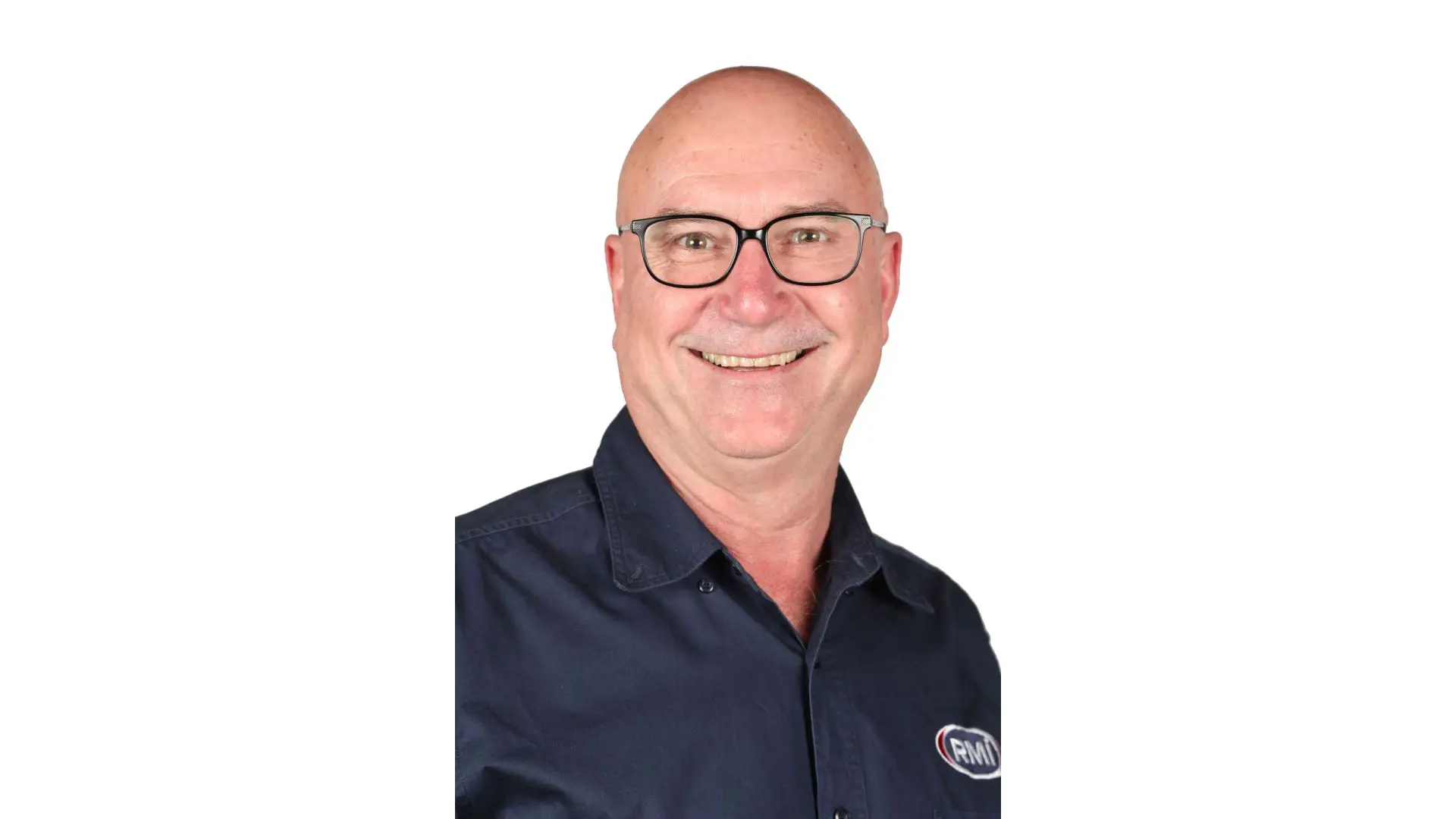
Dewald Ranft, National Chairperson of MIWA, stresses that the first step should always be direct engagement.
“In the majority of cases, issues arise from miscommunication or misunderstandings rather than intentional wrongdoing,” Ranft explains. “We always advise consumers to raise their concerns directly with the workshop first and give the business a fair opportunity to resolve the matter.”
Choosing an RMI-accredited MIWA workshop adds an extra layer of protection. “Accredited workshops adhere to a strict Code of Conduct and Code of Ethics and meet defined criteria to maintain membership,” says Ranft. “Consumers can have confidence that they are dealing with businesses committed to professional standards, transparency, and accountability.”
MIWA-accredited workshops display official membership certificates, which include a QR code allowing customers to verify accreditation status instantly. Members in good standing also display the RMI Code of Conduct and MIWA Code of Ethics certificates, renewed annually.
If concerns cannot be resolved directly with the workshop, consumers are encouraged to escalate the matter through the RMI.
“Where discussions with the workshop do not lead to a satisfactory outcome, consumers can lodge a formal complaint via the RMI website,” says Ranft. “The RMI acts as an impartial facilitator, working with both parties to reach a fair and balanced resolution.”
This industry-led approach is highly effective, with over 94% of disputes handled by the RMI being resolved successfully. Only in cases involving non-accredited businesses—or where no resolution can be reached—is the matter referred to the Motor Industry Ombudsman of South Africa (MIOSA).
Ranft warns that using non-accredited repairers can leave consumers with limited recourse. “When a business is not part of the RMI, consumers lose access to structured mediation and accountability processes. That is why we strongly encourage motorists to always use accredited workshops.”
MIWA advises consumers to follow these key steps to protect themselves:
- Only use RMI-accredited workshops
- Look for MIWA and RMI certificates on the premises
- Verify accreditation via the QR code or the RMI website
- Engage the workshop directly if concerns arise
- Escalate unresolved issues through the RMI’s formal dispute process
“A vehicle is often one of the most valuable assets a person owns, second only to their home,” concludes Ranft. “MIWA and the RMI exist to protect consumers, uphold industry standards, and ensure motorists receive professional, ethical, and transparent service throughout their vehicle ownership journey.”


