



In light of sweeping tax reforms introduced in April 2025, Isuzu UK is taking a proactive stance to clarify the implications for double and extended cab pick-up users. While the changes have prompted confusion across the automotive and financial sectors, Isuzu remains committed to demystifying the landscape with transparent communication and practical tools for both customers and dealers.
Core Benefits Remain: VED and VAT Still Favour Business Users
Despite the legislative shift reclassifying double and extended cab pick-ups as company cars for Benefit-in-Kind (BIK) and Capital Allowance (CA) purposes, key commercial advantages remain in place.
Vehicle Excise Duty (VED) – commonly known as road tax – continues to be levied at the commercial vehicle rate of £345 per year, preserving affordability for business users. This remains unchanged from the previous regime, offering welcome continuity for fleet operators and SMEs alike.
In parallel, VAT remains fully reclaimable on all double and extended cab pick-ups with a payload exceeding one tonne, provided the purchasing entity is a VAT-registered business making fully taxable supplies. This provision continues to deliver significant savings for industries that rely on pick-ups as essential tools – including construction, agriculture, utilities, and logistics.
What Has Changed: BIK and Capital Allowances Now CO₂-Linked
From 6 April 2025, newly registered double and extended cab pick-ups are now categorised as company cars for BIK purposes. Rather than a flat-rate treatment, tax liability is now determined by the vehicle’s CO₂ emissions, with BIK rates ranging from 3% to 37%. This change particularly affects businesses that offer pick-ups to employees as part of a remuneration package.
Importantly, zero-emission models are subject to a 3% BIK rate, which will increase by one percentage point annually until reaching 5% in 2028. This adjustment aligns with broader government incentives promoting the uptake of low and zero-emission vehicles.
Capital Allowances have similarly transitioned. As of 1 April 2025 for corporation tax and 6 April 2025 for income tax, double and extended cab pick-ups are no longer classified as ‘plant and machinery’. Instead, they are now assessed under company car rules, with allowances based on CO₂ output – either 6%, 18%, or 100% for qualifying zero-emission vehicles. Businesses seeking to retain the old tax treatment must ensure expenditure was incurred prior to 1 October 2025.
Transitional Relief: Legacy Orders Protected Until 2029
To ease the transition, vehicles ordered, purchased, or leased before 6 April 2025 will continue to be treated under the pre-change rules. These vehicles will retain their commercial vehicle classification for BIK and CA purposes until 5 April 2029, lease expiry, or disposal – whichever occurs first. This relief offers a four-year buffer for businesses already committed to fleet plans under the old system.
A Sector-Wide Knowledge Gap
Despite the far-reaching implications, industry research commissioned by Isuzu UK reveals significant confusion:
- 71% of pick-up buyers
- 68% of accountants
- 59% of non-Isuzu dealers
…remain uncertain about the nuances of the new rules. Misunderstandings around VAT eligibility and road tax are particularly widespread, prompting unnecessary concerns and risk-averse decision-making among professionals.
Isuzu UK Steps Up
In response, Isuzu UK is rolling out comprehensive guidance materials, training programmes for dealers, and direct support for business customers.
“As the Pick-Up Professionals, we and our dealer network are having the same conversations daily,” said Alan Able, Managing Director of Isuzu UK. “We want to reassure the public and business owners that VAT remains reclaimable, and VED is still at the commercial rate. These benefits continue to support tradespeople, farmers, and fleet operators across the UK.”
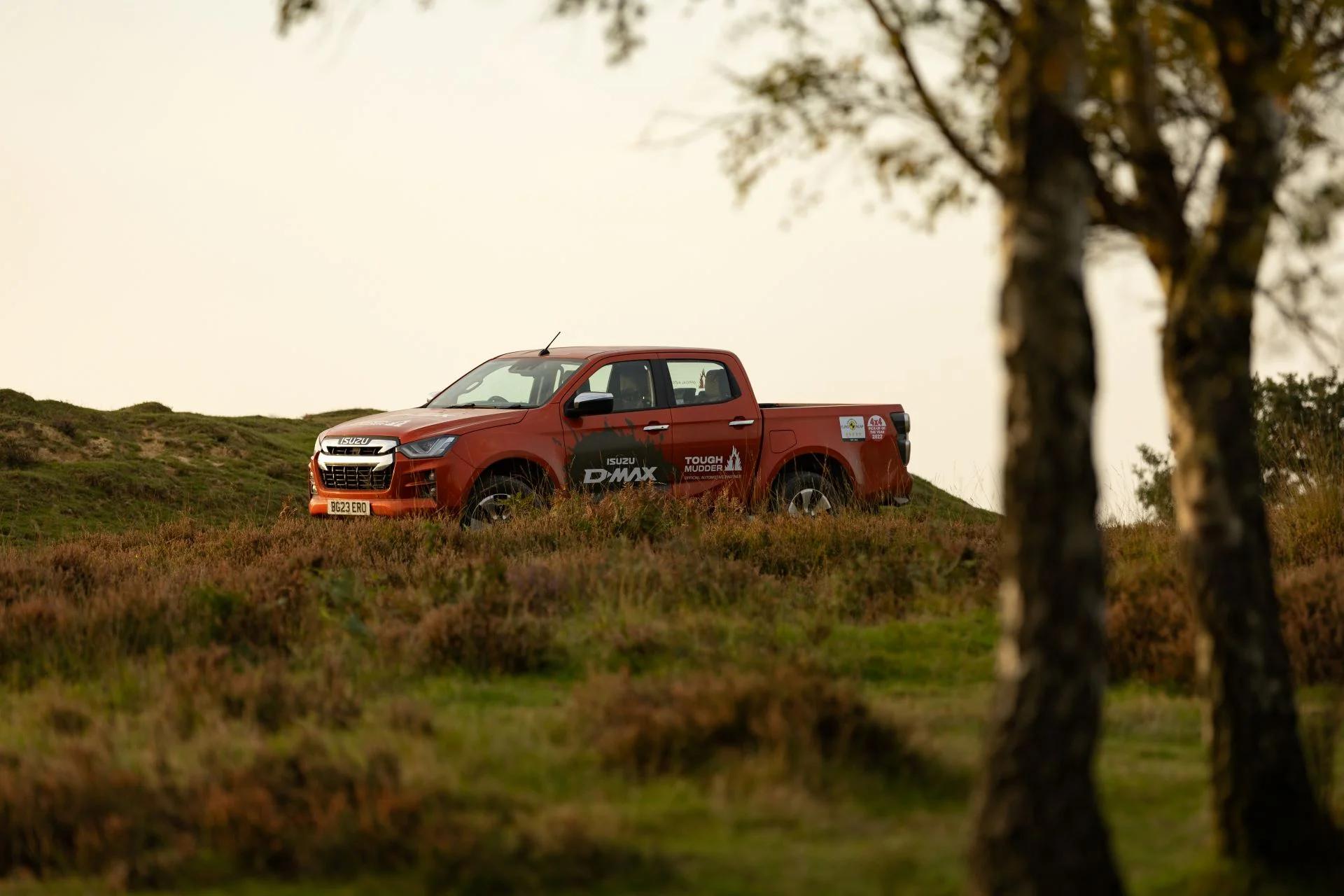
Isuzu’s message is simple: While the classification for certain taxes has changed, the fundamental value proposition of the Isuzu D-Max remains intact. For businesses with eligible usage profiles, the D-Max continues to be a financially viable, hard-working solution.
“We understand these changes are complex,” added Oliver Garner, Head of Tax at Isuzu UK. “Our priority is helping customers navigate this evolving landscape with clear, factual guidance, particularly around order dates, payload eligibility, and transitional relief.”
Court Ruling Behind the Shift
The regulatory shift originates from a Court of Appeal decision determining that double and extended cab pick-ups do not demonstrate a predominant suitability for goods transport over passenger transport. HMRC has accordingly reclassified these vehicles as cars for BIK and CA purposes – although not for VED or VAT.
Notably, single cab pick-ups remain unaffected. These models continue to be treated as commercial vehicles across all tax categories, offering a streamlined path for businesses seeking full commercial classification without the added complexity.

At a Glance: Key Tax Changes for Double and Extended Cab Pick-Ups
| Category | Before April 2025 | After April 2025 | Impact on Buyers |
|---|---|---|---|
| Benefit-in-Kind (BIK) | Flat rate: £4,020/year | CO₂-based rate: 3%–37% | Higher tax liability for many users |
| Capital Allowances | 100% or 18% (as plant & machinery) | 6%, 18%, or 100% (based on CO₂ output) | Reduced tax efficiency unless zero-emission |
| Vehicle Excise Duty | £345/year commercial rate | No change: remains £345/year | Still affordable for businesses |
| VAT Reclaim | Fully reclaimable if >1 tonne payload & VAT-registered | No change: still reclaimable under same criteria | Continues to benefit commercial operators |
| Transitional Relief | Not applicable | Applies to orders before 6 April 2025 | Allows continued use of old rules until 2029 or vehicle disposal |
| Single Cab Pick-Ups | Full commercial vehicle status | No change: unaffected | Remain fully eligible under old regime |
Supporting the Sector, Now and Into the Future
With uncertainty still widespread, Isuzu UK is doubling down on its commitment to serve the professionals who depend on pick-ups every day. Through regular updates, expert guidance, and dealership training, the brand is empowering its network and customers to make confident, informed decisions.
As taxation frameworks evolve, one thing remains constant: Isuzu’s dedication to delivering dependable, compliant, and cost-effective commercial vehicles for the UK’s hardest-working sectors.