




GQEBERHA, South Africa, September 11, 2025. In the relentless pursuit of cleaner mobility and greater efficiency, tyre technology plays a far more pivotal role than many drivers realise. Among the most pressing challenges for tyre developers today is minimising rolling resistance — a factor that directly influences fuel consumption, emissions, and the range of modern electric vehicles.
At its core, rolling resistance refers to the energy a tyre consumes as it deforms and flexes under the weight of a moving vehicle. The higher the resistance, the more energy an engine or electric motor must expend to maintain momentum. Reducing that energy loss translates into measurable savings — fewer litres of fuel burned, fewer kilowatts consumed, and fewer grams of carbon released into the atmosphere.
The Science of Rolling Resistance
The key culprit behind rolling resistance is hysteresis, the energy lost in the form of heat as a tyre’s tread and sidewalls continuously bend and recover with each rotation. This deformation is shaped by multiple factors: tyre pressure, wheel load, road conditions, and driving speed. The more energy dissipated in the form of heat, the greater the rolling resistance — and the higher the cost at the fuel pump or charging station.
Tyre manufacturers have long turned to advanced compounds and tread designs to address this. Low-hysteresis rubber formulations, for example, minimise unnecessary flexing and heat build-up, allowing vehicles to travel further on the same amount of fuel or electric charge.
The Balancing Act: Grip Versus Efficiency
Yet tyre design is never a matter of one-dimensional optimisation. While efficiency calls for the minimisation of energy losses, safe braking demands the opposite: tyres must dissipate energy rapidly to deliver secure stopping distances. This becomes especially challenging on wet surfaces, where rubber compounds must absorb and release energy efficiently to prevent dangerous skidding.
The dual challenge of minimising energy loss during cruising while maximising it during braking has created one of the most complex engineering puzzles in the automotive sector. Tyre developers are forced to walk a fine line, designing compounds and structures that do not compromise either safety or sustainability.
From the Oil Crisis to the EV Era
The quest for energy-saving tyres is not new. The oil shocks of the 1970s first spurred innovation in this field. In 1980, with the support of the German Federal Ministry for Research and Technology, Continental launched a groundbreaking study into rolling resistance. The outcome was a shift from carbon black to silica fillers, which improved tyre-road adhesion while reducing resistance.
This work sparked a series of milestones. By the early 1980s, Continental’s “Energy Optimized Tire” (EOT) project aimed for a 25% reduction in rolling resistance and a 30% increase in service life. Innovations like the cap-and-base principle—combining abrasion resistance with shock absorption—helped make those goals achievable.
The 1990s saw the arrival of the ContiEcoContact, a benchmark in fuel-saving tyres. Two decades later, as hybrids and EVs began shaping the future of mobility, Continental launched the Conti.eContact, pioneering the “tall and narrow” profile optimised for efficiency without sacrificing stability.
By 2020, the company had introduced tyres 20% more efficient than the European “A” label standard, thanks in part to its Green Chili 2.0 compound, which reduced energy absorption at the road surface.
Today, every new Continental tyre, across all generations since 2023, carries the “EV-Compatible” designation — a mark of engineering designed for all drivetrains, from petrol engines to fully electric platforms.
Why Rolling Resistance Matters More Than Ever
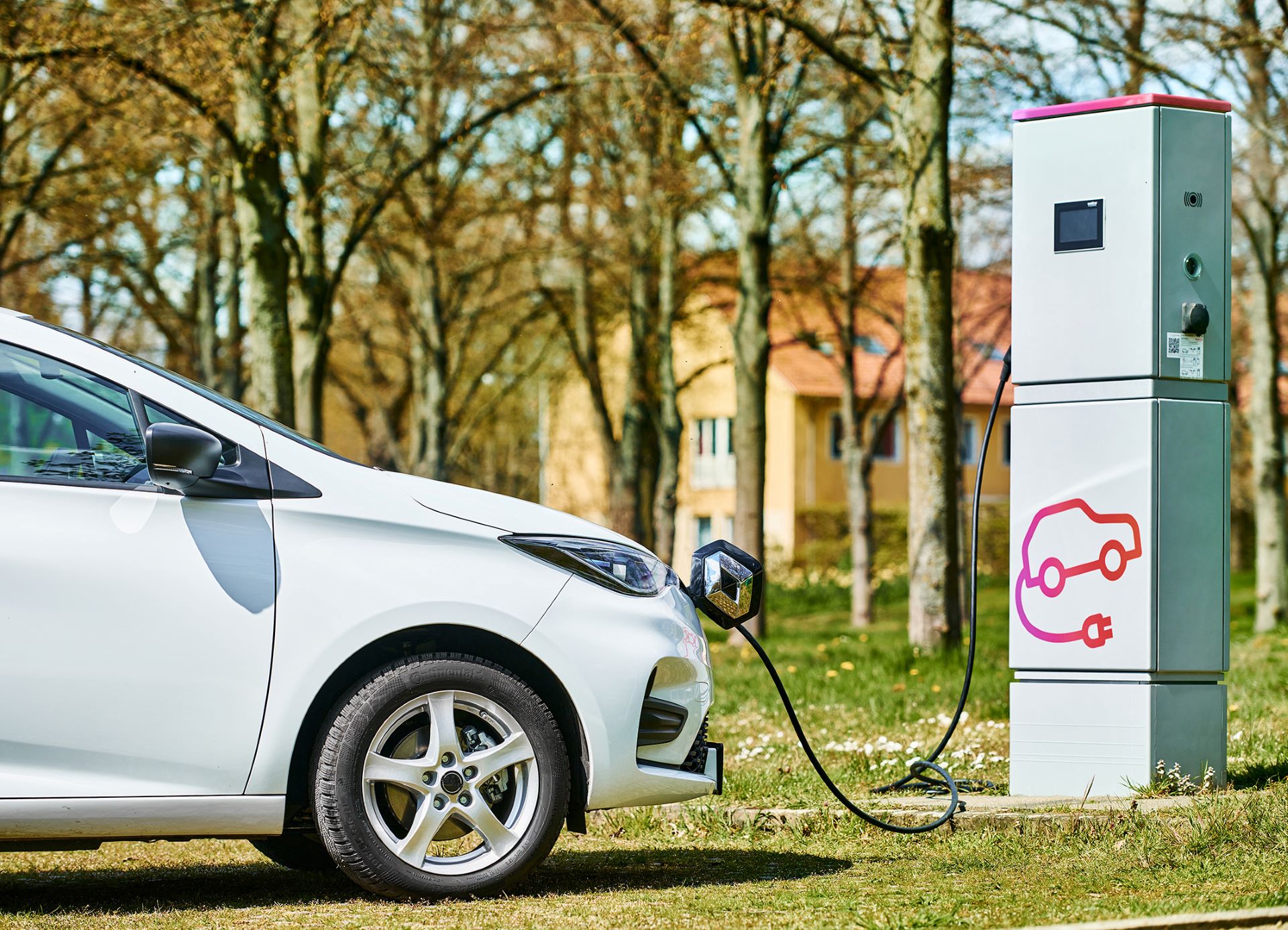
For combustion vehicles, the benefits of lower rolling resistance are clear: reduced fuel consumption and lower CO₂ emissions. For electric vehicles, the equation is equally compelling: extended driving range and fewer charging stops. And until global energy systems are fully renewable, reducing the electricity consumed by EVs contributes directly to cutting lifecycle emissions.
In the bigger picture, tyres may seem like a small component of a vehicle’s sustainability story, but their impact is disproportionate. With billions of cars on the road, incremental improvements in rolling resistance amount to significant global energy savings.
The Road Ahead
The tyre industry’s ongoing battle with rolling resistance is emblematic of the broader automotive challenge: reconciling performance, safety, and sustainability. Each innovation — whether in materials science, structural design, or digital simulation — brings the world closer to tyres that can both grip and glide with equal mastery.
As automakers push toward carbon neutrality and electrification, tyres will remain at the forefront of this transformation. Minimising rolling resistance is not merely a technical objective; it is a linchpin in the quest for sustainable mobility.


