



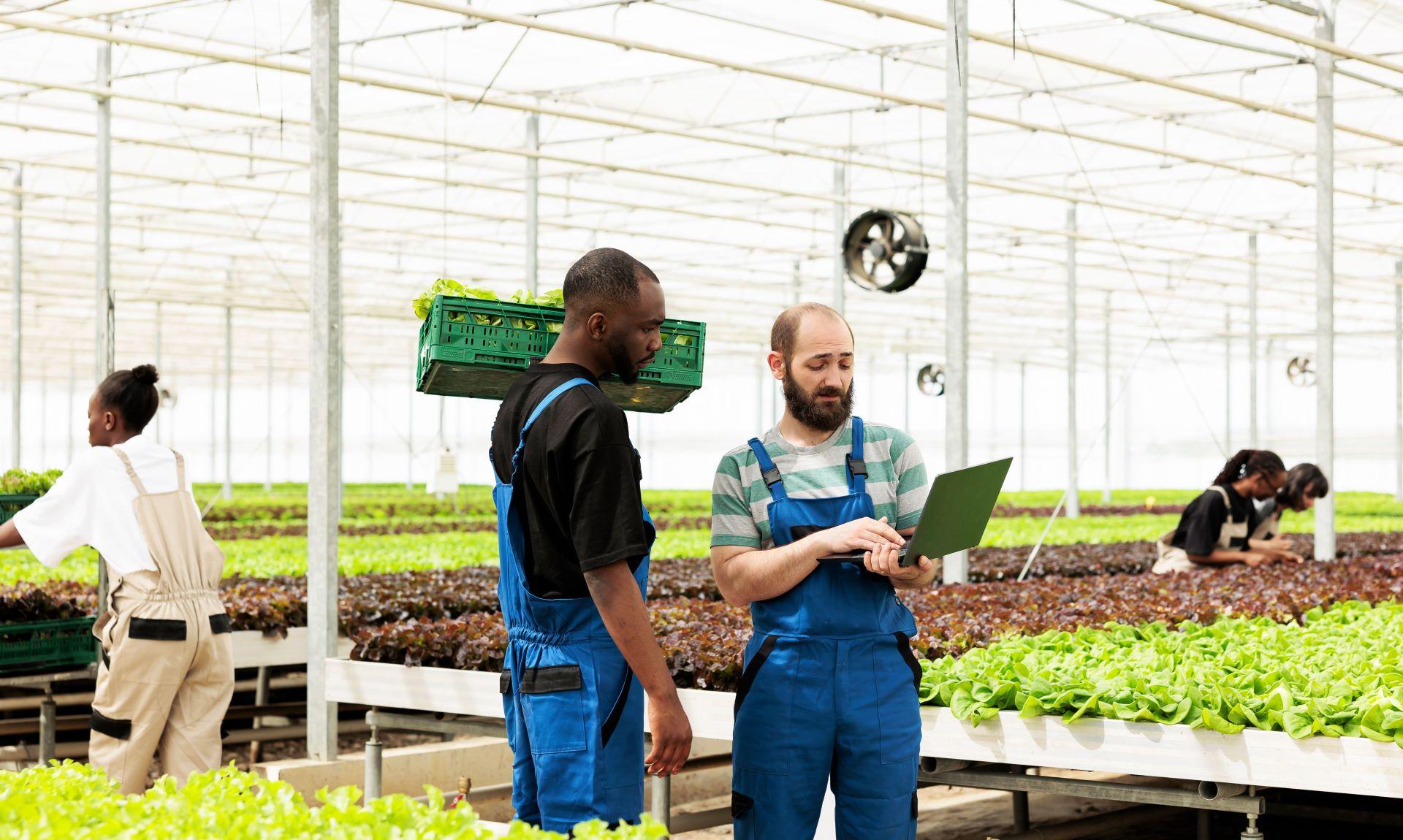
30 January 2025 – South Africa’s agricultural sector is at a critical juncture. With production costs soaring by 12.4% year-on-year, as reported by Statistics South Africa, farmers are under immense pressure to balance sustainability, profitability, and food security. The recent UN Climate Change Conference (COP29) underscored the necessity of transforming farming practices to combat climate change while securing food supply. Precision agriculture and mechanisation offer an invaluable opportunity for South Africa to meet these challenges head-on and build a sustainable agricultural future.
Enhancing Efficiency Through Precision Agriculture
South African farmers face numerous challenges, including land and water scarcity, urban expansion, and increasingly unpredictable weather patterns. These factors demand innovative solutions to optimise productivity while conserving natural resources. Mechanisation, particularly through precision agriculture, is proving to be a transformative force in achieving this balance.
One of the most promising innovations in this space is blue-ray technology. Utilising high-resolution imaging and advanced light spectra, blue-ray systems can detect subtle changes in crop health, moisture levels, and soil conditions. By identifying issues such as nutrient deficiencies or pest infestations early, farmers can take proactive measures to mitigate potential crop losses, enhancing both yield and sustainability.
When integrated with mechanised farming equipment, blue-ray technology elevates the precision of critical agricultural operations. Drones equipped with blue-ray sensors can scan extensive farmland, providing real-time data that enables targeted interventions. This ensures that essential resources—such as water, fertilisers, and pesticides—are applied efficiently, minimising waste and environmental impact while maximising output.
Given South Africa’s limited and unevenly distributed arable land, mechanisation plays a crucial role in optimising land use. Precision farming technologies enable farmers to derive maximum value from each hectare, ensuring food security for a growing population. By adopting these tools, the agricultural sector can enhance productivity while building resilience against environmental and economic pressures.
The Power of Data-Driven Agriculture
Mechanisation extends beyond advanced machinery; it incorporates data analytics to revolutionise farming. Modern equipment is equipped with sensors and Internet of Things (IoT) technology, enabling real-time monitoring of soil quality, weather conditions, and crop health. This wealth of data empowers farmers to make informed decisions, such as selecting the most suitable crops for specific soil types or fine-tuning fertiliser application rates.
Beyond farming operations, this data has far-reaching implications. Financial institutions can harness these insights to assess farm profitability and associated risks, facilitating access to tailored financing solutions. By aligning credit with the operational realities of farmers, lenders can reduce default rates while driving sectoral growth. This fusion of mechanisation and data analytics fosters a more resilient and financially stable agricultural ecosystem.

Mechanisation and Employment: A Paradigm Shift
Concerns about job displacement often accompany discussions on mechanisation. However, the reality is more nuanced. While automation reduces manual labour requirements for traditional farming tasks, it simultaneously stimulates economic activity by increasing agricultural output. Higher yields and expanded cultivated areas necessitate greater workforce involvement in processing, distribution, and marketing, creating new employment opportunities across the value chain.
For smallholder farmers, mechanisation alleviates the physical strain of conventional farming methods, enabling them to focus on higher-value activities such as crop diversification and agribusiness ventures. Over time, this shift can facilitate the development of thriving agricultural value chains, driving inclusive economic growth and uplifting rural communities.
A Collaborative Approach to a Future-Ready Sector
With food demand projected to rise both in Africa and globally, South Africa’s agricultural sector cannot afford to fall behind. Mechanisation and digital agriculture are no longer optional—they are essential for ensuring resilience and competitiveness. However, unlocking the full potential of these advancements requires collaboration between farmers, financial institutions, and policymakers.
Key enablers of this transformation include:
- Affordable financing solutions to support the adoption of mechanised farming equipment.
- Training programs to equip farmers with the necessary skills to leverage new technologies effectively.
- Supportive policies that encourage investment in precision agriculture and sustainable farming practices.
By embracing innovation and fostering collaboration, South Africa’s agricultural sector can strike a crucial balance between food security and environmental sustainability. Mechanisation offers a clear path to a future where agriculture is not only more productive but also more sustainable—ensuring the prosperity of farmers, rural communities, and the nation as a whole.


