



At just 17 years old, Josh Burford from Lichfield has become an emblem of efficient driving education. While the average learner driver typically requires 45 lessons, incurring considerable costs and time commitments, Burford shattered this norm by passing his driving test after only five lessons and just 52 days post his birthday. His impressive achievement offers valuable insights for aspiring drivers navigating the often complex journey to licensure.
Start Early: The Key to Preparedness
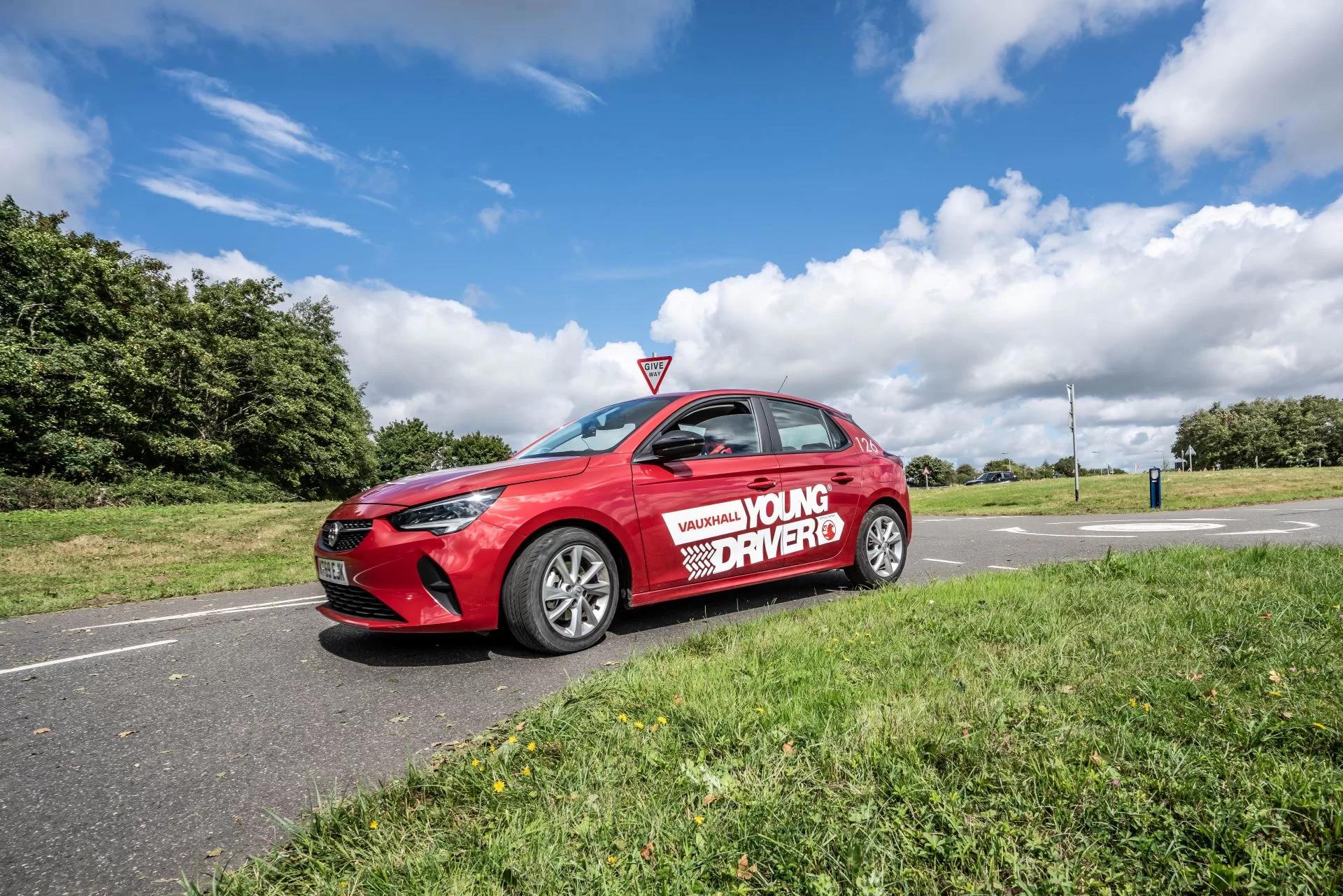
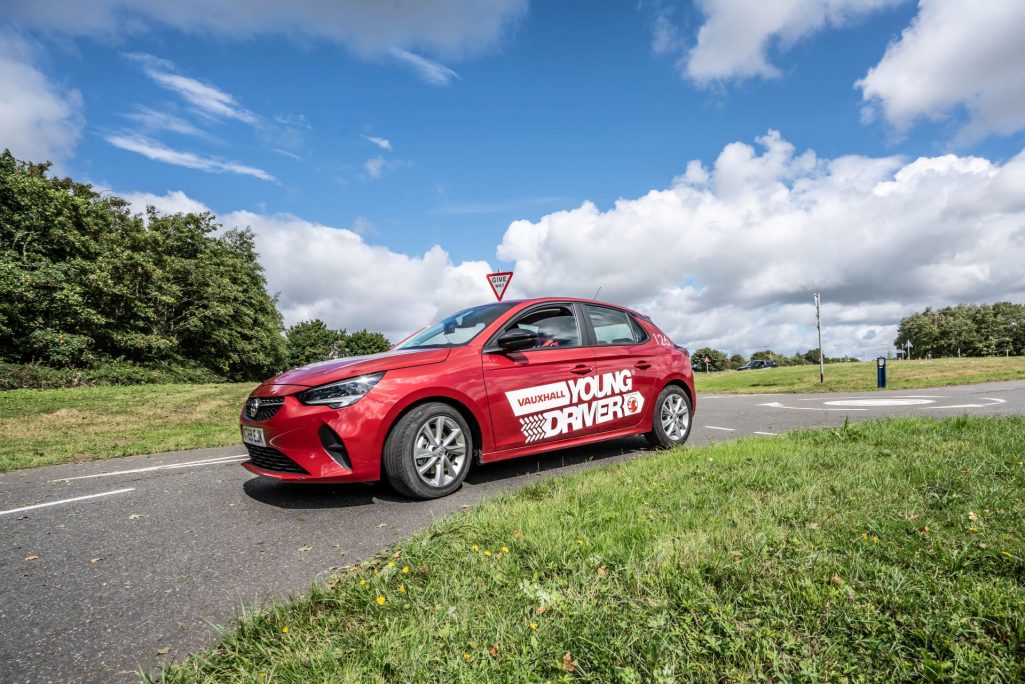
One of Josh’s fundamental strategies was beginning his driving education well before his 17th birthday. He participated in Young Driver lessons starting at the age of 10, which take place on private property, making them entirely legal. These lessons included mock road systems and dual-controlled cars, providing a realistic driving environment. This early exposure not only familiarised him with vehicle controls but also built a solid foundation. As he recalls, “When I had my first on-the-road lesson at 17, the instructor recommended I put straight in for my test.”
Secure Your Provisional Licence Promptly
Aspiring drivers can apply for a provisional licence as early as 15 years and nine months, allowing for uninterrupted learning once they turn 17. Josh advocates for early application, eliminating any potential delays that could hinder the learning process.
Find the Right Instructor
Building a rapport with a driving instructor is crucial. Josh recommends seeking recommendations from friends and family to find someone who suits your learning style. Given the long waiting lists many instructors have, it’s wise to start contacting them well ahead of your birthday.
Maximise Practice Opportunities
Josh maximised his driving experience during the 50 days between turning 17 and taking his test by practising with his parents. Everyday trips provided practical driving experience, enabling him to hone his skills in real-world scenarios. “If they were taking a trip to the shops, I drove,” he shared. “It might only have been 10 minutes, but it all helps.”
Be Proactive with Your Theory Test
Understanding the theoretical aspects of driving is just as important as practical skills. Josh recommends booking the theory test immediately upon receiving your provisional licence, as it can be taken at 17. Preparation should begin at least three months in advance by studying the Highway Code and utilising apps that offer practice exams and hazard perception tests. Josh aced his theory test just nine days after his birthday.
Learn as a Passenger
Being a passenger can be an invaluable learning opportunity. Josh advises young drivers to observe their surroundings, ask questions, and pay attention to lane discipline, roundabouts, and complex road systems, which can enhance their overall understanding of driving.
Test When You’re Ready
It’s crucial to book your driving test as soon as your instructor deems you ready, ensuring you pass your theory test first. Josh faced a five-month wait for his test date after booking, highlighting the importance of planning ahead.
Utilise Technology for Test Cancellations
In an age of digital solutions, Josh used an app called Testi to monitor for driving test cancellations. This proactive approach allowed him to find an earlier test date, ultimately enabling him to take and pass his driving test in July instead of waiting until November.
Choose Familiar Roads
Familiarity with the driving test location can significantly reduce anxiety. Josh wisely opted to take his test on roads he knew rather than travelling far to secure an earlier date. This strategic decision kept stress levels manageable and allowed him to focus on driving.
Know Your Vehicle
Familiarity with the car is essential. Josh emphasised the importance of being confident in operating basic functions, such as lights and wipers, to ensure they become second nature during the test.
Use Online Resources for Preparation
YouTube can be a treasure trove of information for novice drivers. Josh watched videos of driving test routes in his area, familiarising himself with the roads and enhancing his confidence. He noted that visualising the route, even without physically driving it, contributed to a calmer mindset on test day.
Keep Calm and Drive On
Finally, maintaining composure is critical. Josh’s advice resonates with many: “If it feels like it’s all going wrong, don’t panic. It doesn’t mean you’ve failed.” Learning from any mistakes is part of the journey and can improve future performance.
Conclusion
Josh Burford’s journey to passing his driving test is a testament to the effectiveness of early preparation, strategic planning, and a calm mindset. By embracing these strategies, aspiring drivers can enhance their chances of success on the road, transforming a potentially daunting experience into one of accomplishment. Whether you’re just starting your journey or are nearing your test date, Burford’s insights serve as a valuable guide in navigating the path to becoming a confident driver.


