



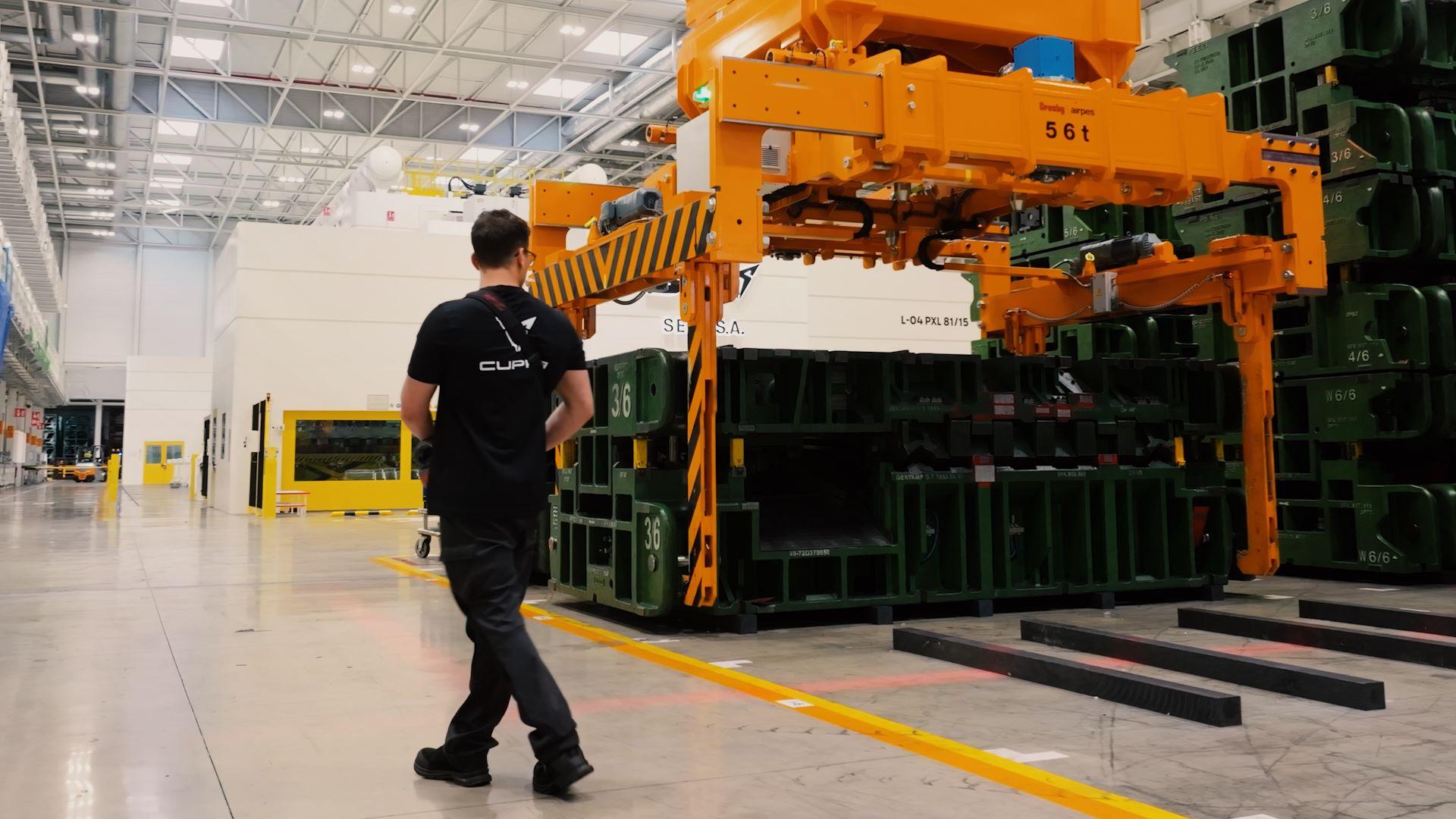
Martorell, 30/10/2025 – Electrification in the automotive world isn’t just about electric drivetrains; it’s about a holistic transformation that touches design, people, and production processes. Nowhere is this more evident than at SEAT S.A.’s Martorell plant, where the new PXL press has become a landmark in industrial innovation, efficiency, and connectivity.
After 40 months of meticulous development and construction, the PXL press is fully operational, stamping parts for SEAT and CUPRA’s current production models, while paving the way for the company’s upcoming electric offerings, including the CUPRA Raval and Volkswagen ID. Polo.
Precision and Efficiency in Motion
At the heart of the PXL press is a commitment to maximum efficiency. “Thanks to its 15 strokes per minute, we can stamp more parts in less time, with maximum efficiency,” explains Alicia Molina, Director of Production Process Engineering at SEAT and CUPRA.
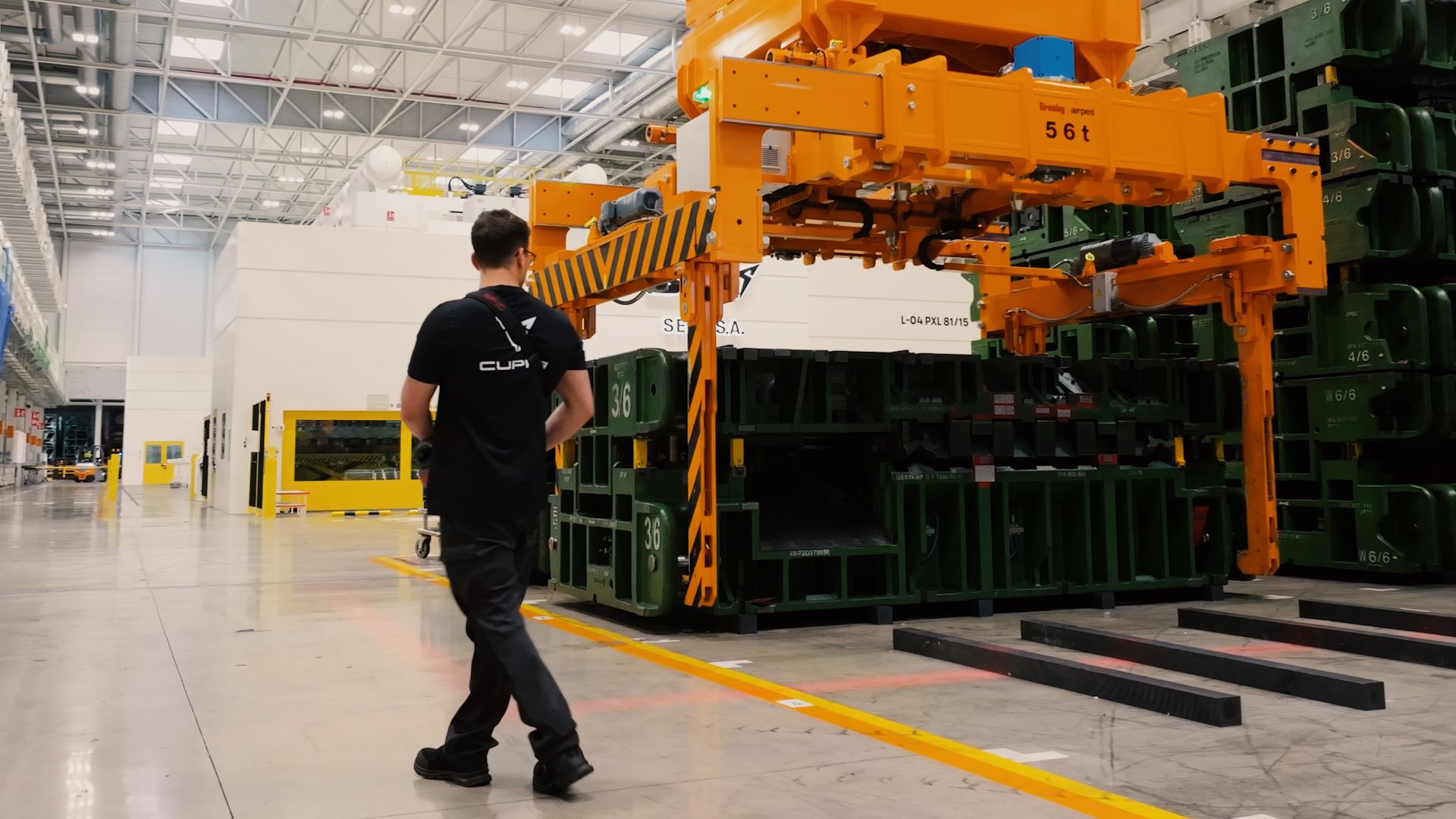
This efficiency extends beyond sheer speed. The press features fully automated die changes, reducing the time between series from potentially hours to just five minutes. “We can perform up to fifteen die changes per day, allowing flexible production of different components with minimal downtime,” adds José Arreche, Director of the Martorell plant.
With a capacity to produce up to four million body parts per year, the PXL press represents a significant step forward in supporting the company’s electrification goals.
An Industrial Feat
The construction of the PXL press was no small task. Delivering 81,000 kN of stamping force requires a solid foundation, and the press sits atop a 9-metre-deep pit and 20-metre-deep concrete pile foundations—the equivalent of a seven-storey building.
“This project demanded intense coordination across production process engineering, maintenance, production, logistics, IT, prevention, and finance teams,” says Molina. The result is a press that not only withstands immense forces but also sets new standards for industrial engineering.
A Connected, Data-Driven Factory
One of the standout innovations of the PXL press is its connectivity. Every stamping operation generates around 3,000 data points. Currently, SEAT engineers are developing advanced systems to interpret this data, enabling real-time production monitoring and predictive maintenance.
“By harnessing this data, we can optimise processes and anticipate maintenance needs before they affect production,” Molina explains. This digital intelligence is critical to supporting the company’s ambitious electrification timeline.
People at the Heart of Change
The transformation extends beyond machines. SEAT S.A. has invested heavily in training its workforce to operate and optimise the PXL press. “Training was an essential part in preparing us for this change at all levels,” says Arreche. “We’ve changed our mindset and are ready for the new electric era.”
The PXL press isn’t just a machine; it’s a catalyst for cultural change, fostering new skills and ways of thinking across the plant.
PXL Press by the Numbers
- 6 presses
- 81,000 kN of force
- 15 strokes per minute
- 5 minutes to change dies
- 3,000 data points per stamping
- 4 million parts per year
- 40 months of development and construction
- 9-metre-deep pit
- 20-metre-deep pile foundations
Steering Spain Toward an Electric Future
SEAT S.A. is steering the future of mobility in Spain. As the only Spanish company that designs, develops, manufactures, and markets vehicles, SEAT is a cornerstone of the nation’s automotive industry.
Through its Future: Fast Forward initiative, SEAT S.A. has invested €10 billion in electrification in collaboration with Volkswagen Group, PowerCo, and other partners. By 2026, the Martorell plant will begin producing 100% electric vehicles, including the CUPRA Raval.
With a workforce of 14,000 professionals across three production centres, SEAT exports over 80% of its vehicles to more than 70 countries, including iconic models such as the SEAT Ibiza and the CUPRA Formentor.
The PXL press is more than an industrial achievement—it’s a symbol of SEAT S.A.’s ambition, driving the Spanish automotive industry into an electric, connected, and efficient future.


