



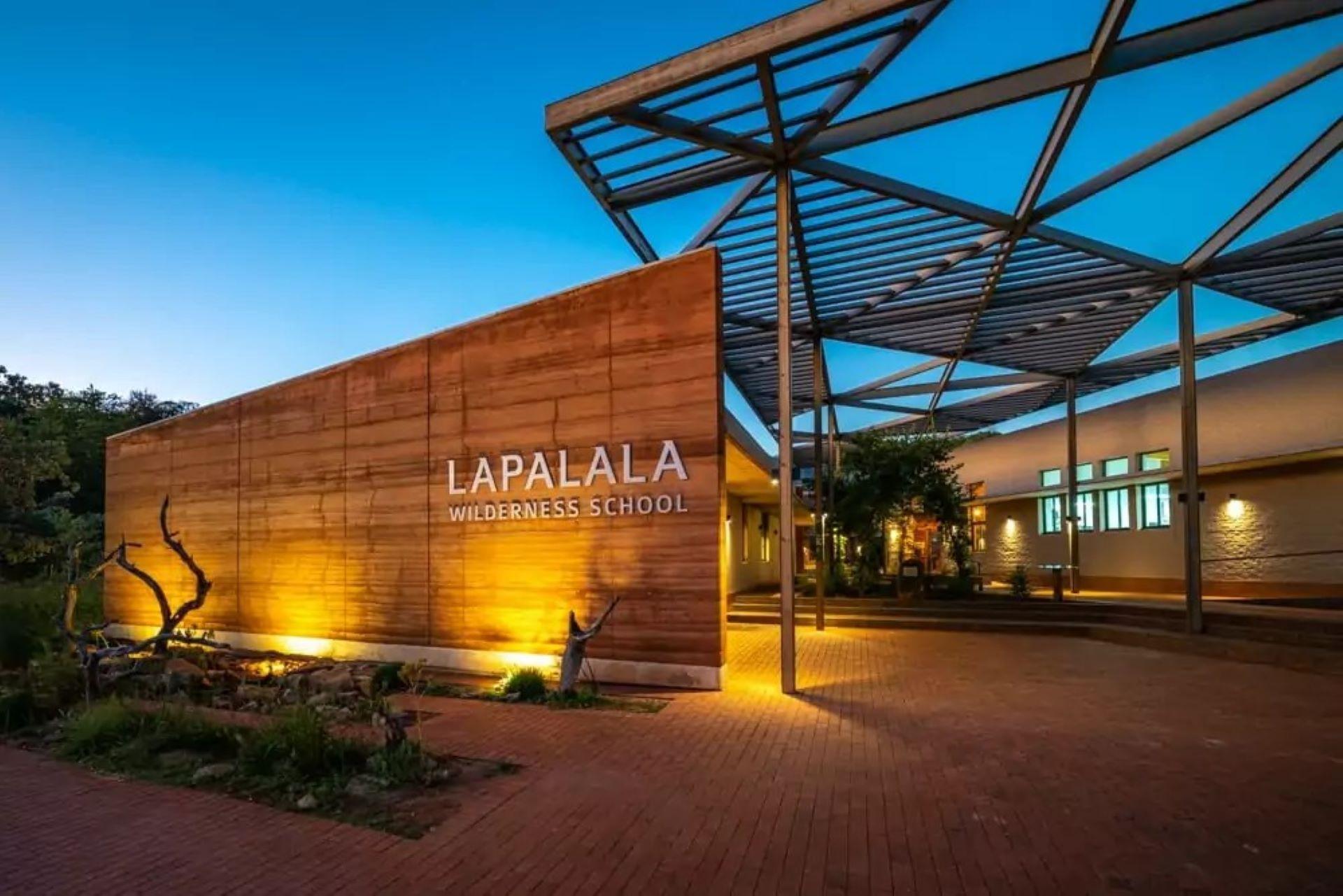
PRETORIA, SOUTH AFRICA, 06 February 2025 – In the heart of South Africa’s Limpopo province, where biodiversity flourishes and conservation challenges persist, Lapalala Wilderness School (LWS) is shaping a future where people and nature thrive together.
What sets LWS apart is its ability to go beyond education—it inspires a profound respect for the natural world. Through its extensive programmes, LWS reinforces the idea that conservation is not just about safeguarding wildlife but about ensuring a sustainable future for generations to come.
The Ford Wildlife Foundation (FWF) has been a steadfast supporter of LWS for over six years, playing a crucial role in linking education and conservation. “At Ford South Africa, we are committed to supporting organisations like the Lapalala Wilderness School that are making a difference in conservation as well as environmental awareness and education,” said Lynda du Plessis, manager of the Ford Wildlife Foundation.
Lapalala Wilderness School: A Leader in Conservation Education
Founded in 1981, the 50,000-hectare Lapalala Wilderness Reserve is a ‘Big Five’ nature reserve that offers hands-on learning experiences, connecting children, youth, and educators with the environment. As a leader in environmental education and conservation, LWS provides tertiary education in Nature Conservation, alongside community outreach and youth development initiatives.
With the support of FWF, LWS has broadened its impact by extending environmental education into rural areas. In the first six months of 2024 alone, its FWF-sponsored Ford Ranger covered over 13,000 km, transporting supplies, personnel, and conducting outreach activities—ensuring meaningful engagement in remote communities.
Ford Wildlife Foundation’s Enduring Commitment
“Providing locally built Ford Ranger Double Cab 4x4s to environmental education, conservation, and research organisations empowers them to expand their reach and equip young people with the knowledge and passion needed to safeguard our natural heritage,” said du Plessis.
FWF provides its partner organisations with Ford Rangers on a two-year basis, supported by Ford’s extensive dealer network. These capable vehicles enable conservation teams to access remote locations, ensuring that crucial environmental education efforts continue without disruption. In December 2024, LWS received its newest Ford Ranger, further strengthening its ability to deliver impactful programmes.
Bridging Education and Conservation Through Community Outreach
LWS’s community outreach programme is at the heart of its mission. The school delivers interactive lessons on biodiversity, sustainable resource use, and human-wildlife coexistence through workshops and field excursions. Promising individuals from rural communities are identified and provided with mentorship, leadership training, and conservation education.
“We are deeply grateful to the Ford Wildlife Foundation for its generous support of Ford Rangers to Lapalala Wilderness School over the years. Having a capable and dependable Ford Ranger significantly aids in transportation and ensures the smooth execution of daily activities such as environmental education, sustainable school programmes, and outreach initiatives,” said Mashudu Makhokha, MD of Lapalala Wilderness School.
“This contribution plays a vital role in supporting our conservation efforts, community outreach, and environmental education programmes. Additionally, the Ford Ranger ensures the safety of our staff while assisting with essential conservation work,” Makhokha added.
LWS has implemented creative initiatives that encourage communities to protect the environment while addressing socio-economic challenges. Birding clubs foster eco-tourism and conservation careers, while a reading club promotes literacy through donated books. The Good Green Deeds Project supports sustainable practices via community clean-ups and environmental advocacy in partnership with local government. Soccer tournaments help promote teamwork, crime prevention, and health awareness.
Sustaining the Vision
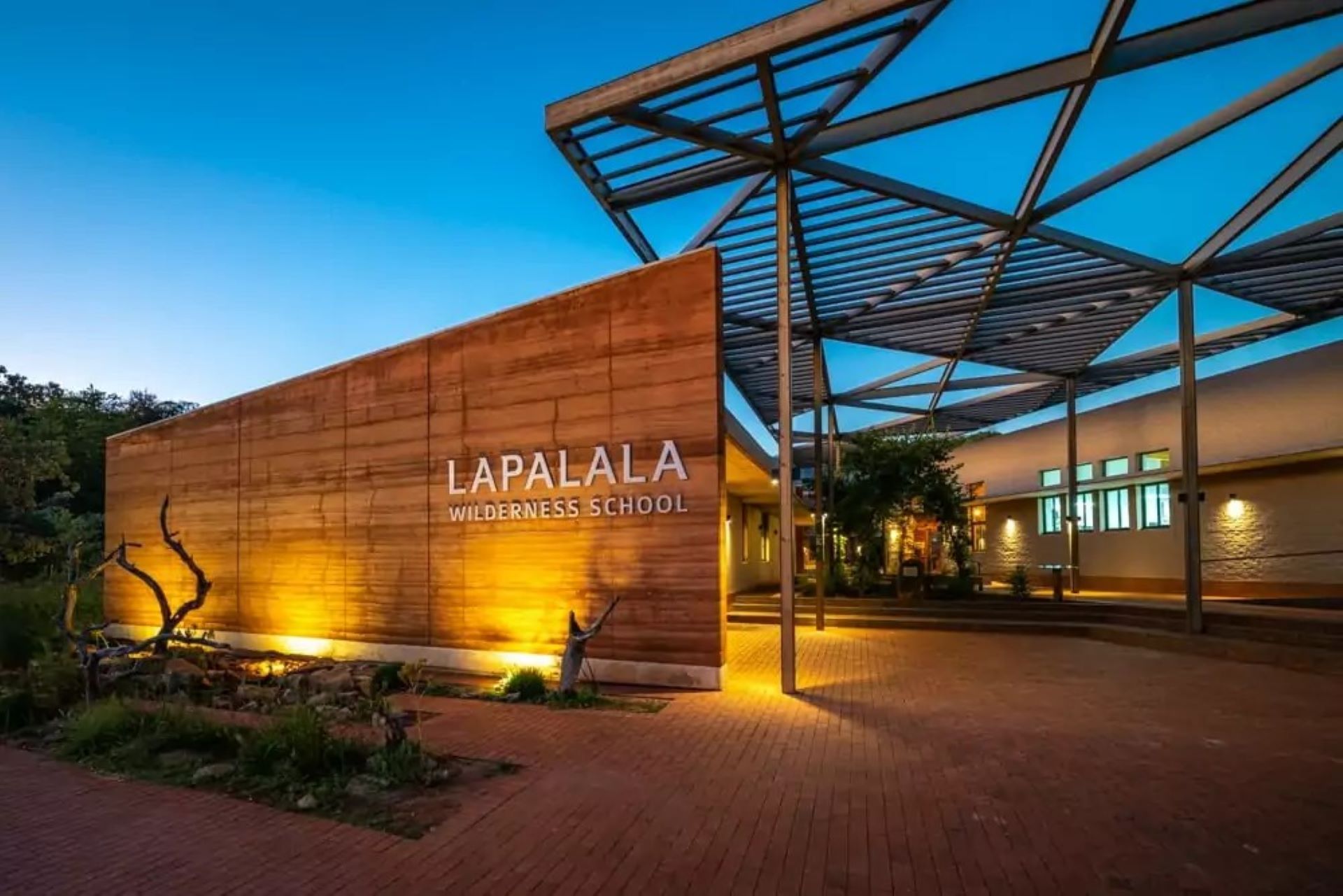
Since moving to its new facilities in 2023, LWS has hosted more than 4,000 participants, offering immersive experiences in nature. The new site was highly commended at the World Architecture Festival and won the Limpopo Architecture Award.
In 2023, 23 fee-paying schools participated in LWS programmes, encouraging students to think about a greener future, while 2,200 children from 34 community schools engaged in over 2,150 hours of educational activities and interactive wilderness walks.
Through its Sustainable Schools Programme, LWS supports 60 schools in addressing climate change, biodiversity loss, pollution, and waste. Additionally, six groups of university students completed the practical component of their conservation curricula at Lapalala, while 125 learners from 62 Waterberg schools participated in a public speaking competition for World Rhino Day.
By fostering environmental awareness, leadership, and action, LWS is not just teaching conservation—it is cultivating a culture of care and responsibility for our planet. With continued partnerships and a shared commitment to sustainability, LWS looks forward to expanding its reach and inspiring future generations to protect and cherish the natural world.
For over 30 years, Ford South Africa has been actively involved in wildlife and ecosystem conservation efforts across South Africa and Sub-Saharan Africa. The Ford Wildlife Foundation, established in 2014, currently supports 28 projects in South Africa and one in Mozambique, encompassing 17 conservation initiatives, seven research projects, and five environmental education programmes. For more information on the Ford Wildlife Foundation and its conservation efforts, visit: Ford Wildlife Foundation.


