



Mercedes-Benz eCampus: Pioneering the Future of Battery Technology
A New Era for High-Performance Battery Cells and Manufacturing
Ola Källenius: “Our goal is to reduce battery costs by more than 30 percent in the coming years.”
Mercedes-Benz is making a groundbreaking move in the field of electric mobility by opening a new competence center for developing high-performance battery cells and innovative manufacturing processes. The company is set to invest 14 billion euros in 2024 into research, development, and plant enhancements, with a significant portion dedicated to advancing battery and electric drive systems.
Unveiling the eCampus: A Hub of Innovation
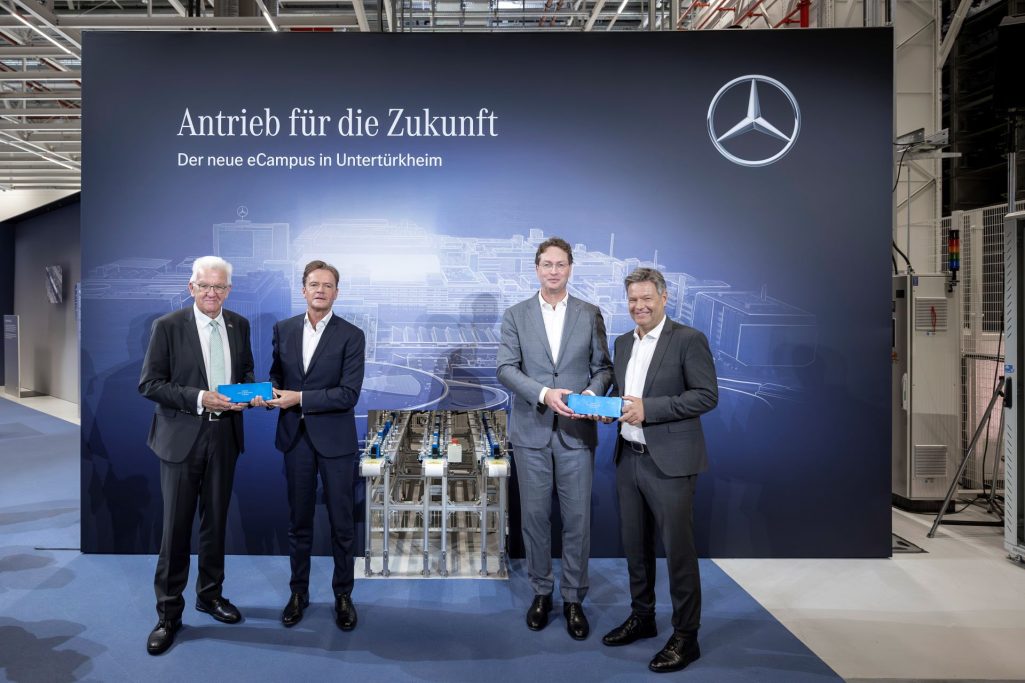
In Stuttgart-Untertürkheim, Mercedes-Benz recently inaugurated the eCampus, a cutting-edge facility dedicated to the development of future electric vehicle batteries. This event was attended by notable figures, including German Federal Minister of Economic Affairs Robert Habeck and Baden-Württemberg’s Minister-President Winfried Kretschmann. The eCampus aims to foster the creation of innovative chemical compositions and optimized production processes for high-performance battery cells, targeting a reduction in battery costs by more than 30 percent in the coming years.
Comprehensive Battery Development and Production
The eCampus encompasses the entire spectrum of battery and cell technology, from the development and evaluation of new cell chemistries to industrial-scale cell production and the testing and certification of complete battery units. This integrated approach ensures that Mercedes-Benz can advance its expertise in both the chemical and manufacturing aspects of battery cell production.
Ola Källenius, Chairman of the Board of Management of Mercedes-Benz Group AG, remarked:
“The opening of the Mercedes-Benz eCampus marks an important step in our sustainable business strategy. It is our ambition to also play a leading technological role in electric mobility. The eCampus brings us closer to this goal. The work carried out here will help to reduce battery costs by more than 30 percent in the coming years. By locating the eCampus at the heart of our center for research and development of drive systems, it signifies a clear commitment to a more sustainable future and to the long heritage of our Stuttgart-Untertürkheim location.”
Advanced Cell Chemistry and Solid-State Technology
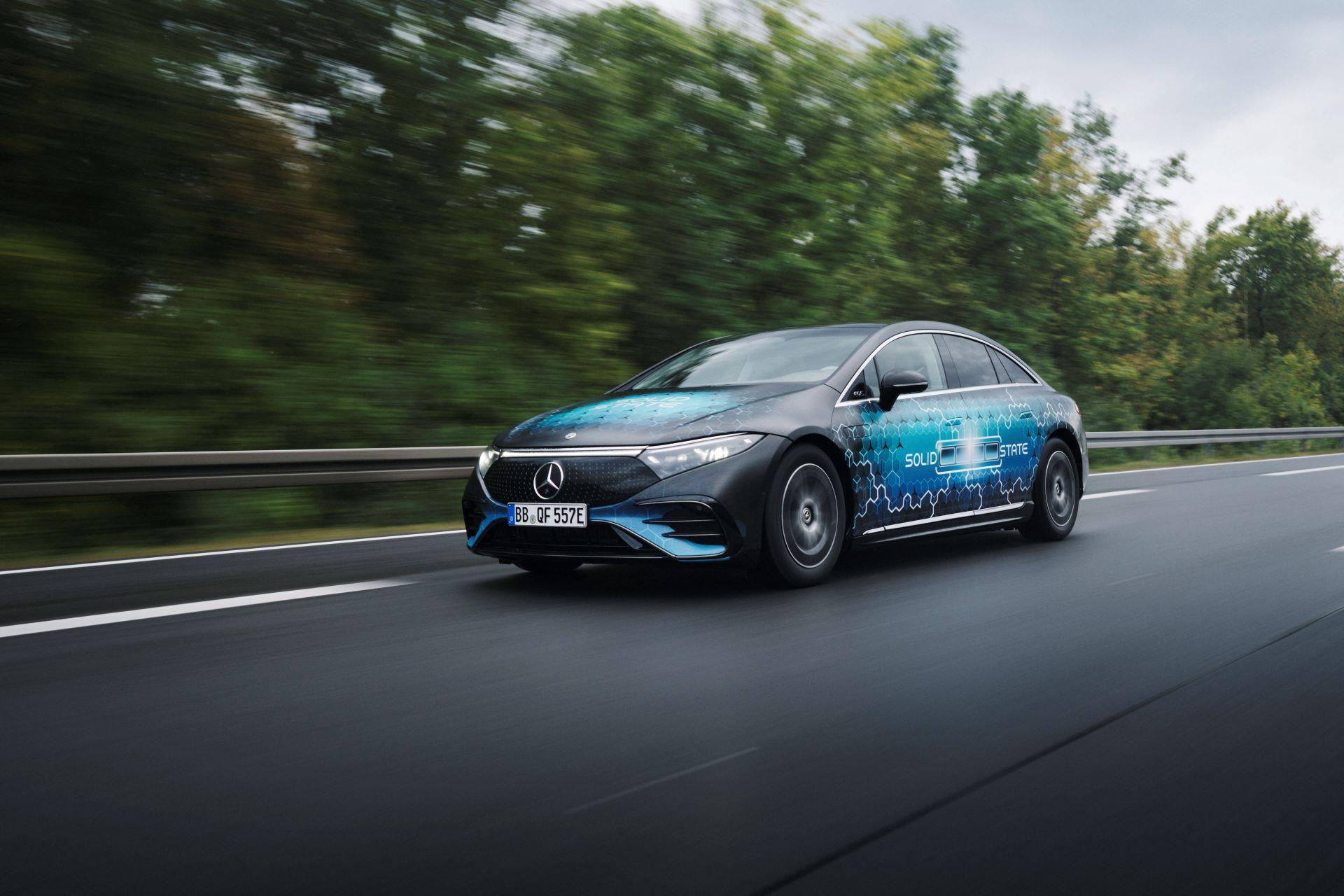
Mercedes-Benz is exploring various forms of cell chemistry, including lithium-ion cells with high-energy anodes based on silicon composites, cobalt-free cathode chemistries, and solid-state battery technology. These advancements aim to achieve the best possible cells with high energy density, fast-charging capability, and superior performance. The goal is to scale up production effectively through comprehensive knowledge of cell chemistry and design, contributing to future generations of Mercedes-Benz batteries.
Industrial Cell Lab: Bridging Innovation and Production
Operations at the new competence center for battery technologies in Stuttgart-Untertürkheim will commence in two stages. The first phase includes a 10,000-square-meter factory for industrial battery cell production, equipped with state-of-the-art facilities for manufacturing and testing battery cells on an industrial scale. This facility will produce tens of thousands of cells annually for the development of future battery generations.
Mastering the Manufacturing Process
Mercedes-Benz aims to excel not only in the chemical composition of battery cells but also in their industrial manufacturing process. The new Industrial Cell Lab is designed to develop expertise in economical cell production, complementing existing cell laboratories focused on novel chemistries and advanced designs.
Sustainable Building Practices
The new eCampus building exemplifies Mercedes-Benz’s commitment to sustainability. The facility, covering over 30,000 square meters, features recycled concrete, a green roof with photovoltaic systems, and energy-efficient heating and cooling systems. This sustainable approach aligns with Mercedes-Benz’s broader goal of achieving carbon neutrality across its production sites by 2022 and operating on 100 percent renewable energy by 2039.
A Commitment to the Future
The opening of the eCampus underscores Mercedes-Benz’s dedication to leading the charge in electric mobility and battery technology. By investing in cutting-edge research and sustainable practices, Mercedes-Benz is setting a high standard for the automotive industry and paving the way for a future where electric vehicles dominate the road.
Statements from Industry Leaders
“High-performance batteries comprise the heart of the electrification of transport – and are the key to the successful transformation of the automotive industry. The demand for innovative and sustainable batteries will continue to rise sharply in Europe in the coming years. It is therefore of central importance that Germany and Europe build up their own capacities and, in particular, their own expertise in this key technology. This not only strengthens the industrial location and creates modern, future-proof jobs, but also increases Europe’s resilience. I am delighted that with the new eCampus, Mercedes-Benz will be focusing its research and development activities for batteries at the Untertürkheim site in future. Thereby making an important contribution to the further development of battery technology and the establishment of a strong battery ecosystem in Germany.”
Robert Habeck, German Federal Minister for Economic Affairs and Climate Action
Mercedes-Benz’s new eCampus is more than just a facility; it’s a testament to the company’s forward-thinking vision and its commitment to sustainability, innovation, and excellence in electric mobility. By focusing on advanced battery technologies and sustainable manufacturing processes, Mercedes-Benz is poised to lead the automotive industry into a new era of efficiency and environmental responsibility.