



In the quaint streets of British towns and cities, a quiet revolution is taking place. The iconic postman, once a central figure in daily life, is now sharing the spotlight with a new community hero—the delivery driver. This shift reflects the changing face of how we shop, interact, and connect with the world around us.
According to a recent report from Mercedes-Benz Vans, nearly half of Brits (47%) now believe that delivery drivers play a more crucial role in their communities than traditional postmen. This sentiment is driven by the surge in online shopping, which has transformed the way we receive goods, from daily groceries to must-have gadgets.
Delivery drivers have become more frequent visitors to our homes, knocking on doors an average of 2.7 times a week, slightly outpacing the postman’s 2.3 visits. This trend is even more pronounced among younger generations, with those aged 18-34 receiving an average of 5.4 van deliveries each week compared to just 2.5 visits from the postman. This generational shift is emblematic of a broader change in consumer behavior, where convenience and speed are paramount.
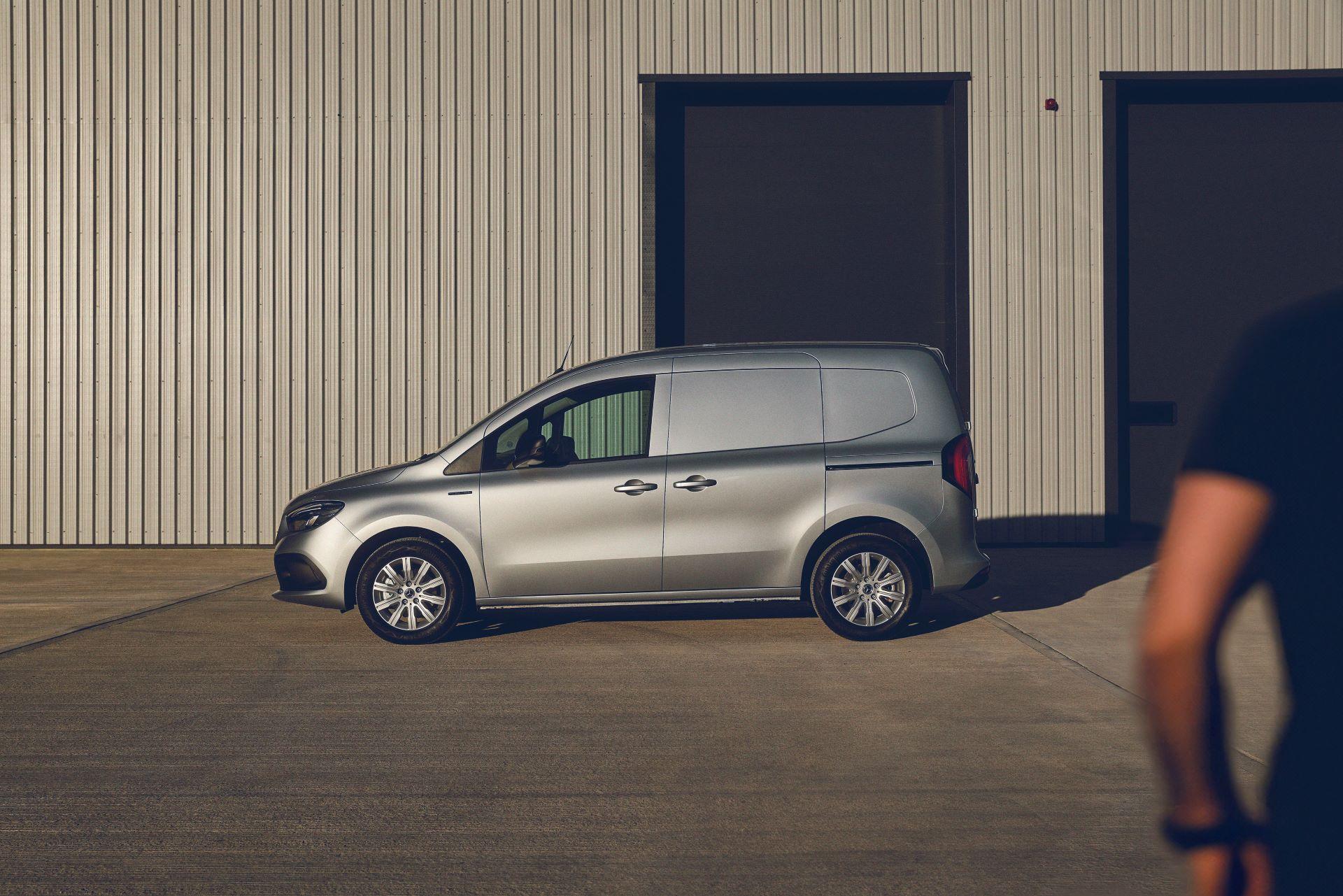
The rise in home deliveries has also led to a significant increase in the number of vans on UK roads, with the fleet growing by 37% over the past decade. This growth reflects not only the volume of goods being delivered but also the expanding role of delivery drivers within our communities.
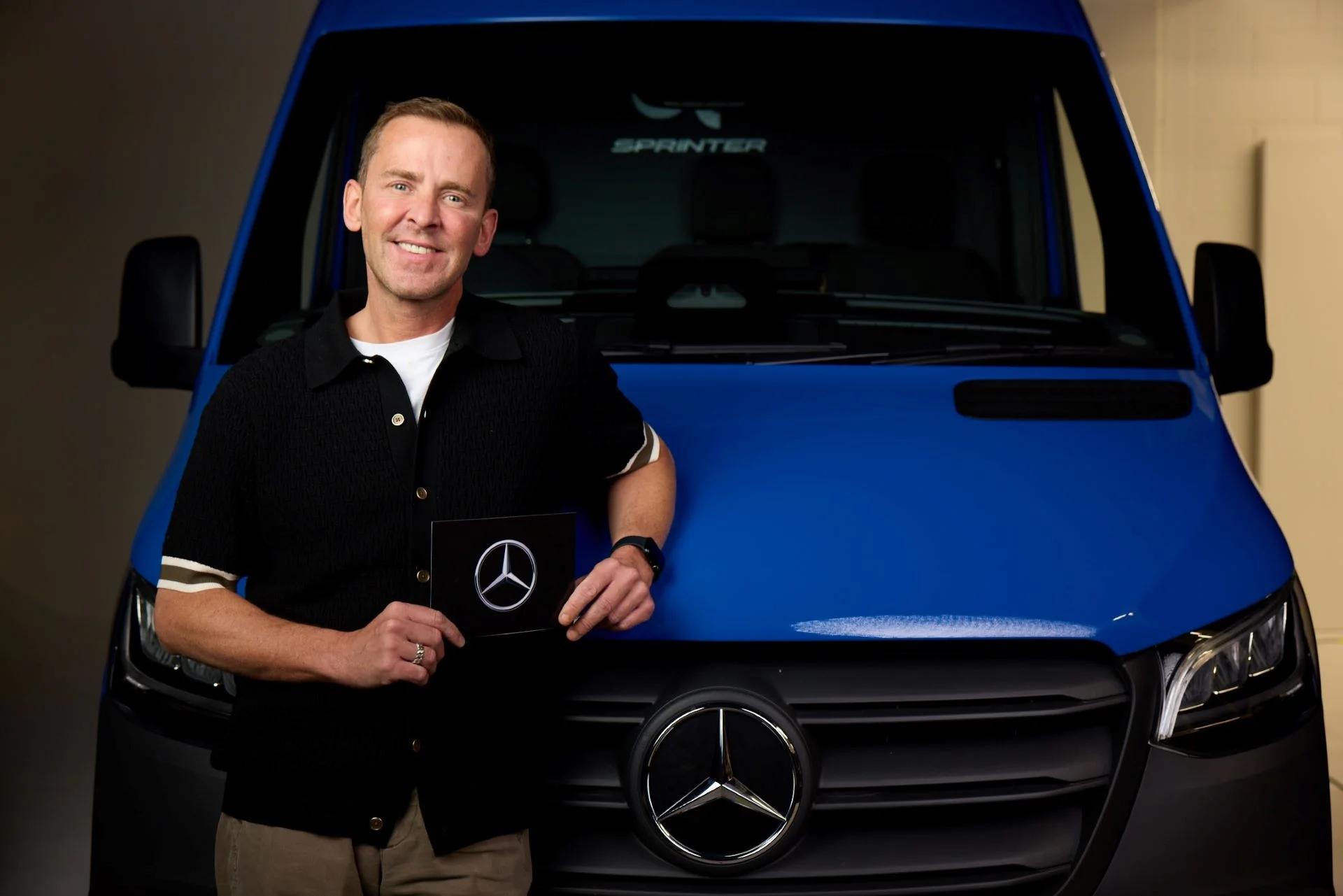
For many, delivery drivers have become more than just couriers; they are familiar faces, trusted individuals who often go the extra mile to forge connections with the people they serve. Simon Deniel, a 51-year-old delivery driver from Northumberland, speaks to this shift. Having worked in the role for five years, Simon has witnessed the evolution of online shopping firsthand.
“So many of us started getting our groceries delivered to avoid contact with others but now have settled into the rhythm of online shopping because, frankly, it’s so much easier,” Simon explains. “I’ve got to know so many people within my community so well. I’m always having a chat on the doorstep with my regulars—or if I see a customer on the street, I’ll wind my window down, say hello, and ask them how they’re getting on.”

This level of interaction is becoming increasingly common, with customers developing closer and more trusting relationships with their delivery drivers. Mercedes-Benz Vans’ research reveals that a third of people would offer their delivery driver a glass of water on a hot day, more than would do the same for a postman or tradesperson. Nearly one in four would even allow a delivery driver to use their bathroom—a clear indication of the trust and rapport being built.
Interestingly, delivery drivers are also becoming part of the festive season traditions. Around 12% of people would offer a cash tip to their delivery driver at Christmas, matching the number who would tip their postman. This shift in generosity highlights the growing recognition of the delivery driver’s role in making our lives easier, particularly during the busy holiday period.
Despite this changing dynamic, postmen and women still hold a special place in the hearts of many, with 21% of people saying their postie knows their name, compared to 19% for delivery drivers. However, the gap is narrowing, suggesting that delivery drivers are fast becoming just as integral to the fabric of community life.
Sarah Palfreyman, Sales Director for Mercedes-Benz Vans in the UK, underscores the importance of these findings: “Our Under the Bonnet report demonstrates the crucial role van drivers play in our communities, fuelled by the rise in online shopping and home deliveries. We’re proud to keep van drivers moving with reliable transport, so they can continue to carry out their increasingly important work within our communities.”
As we continue to embrace the convenience of online shopping, the delivery driver is set to become an even more significant figure in our daily lives, bridging the gap between the digital and physical worlds with each knock on the door.