




Hyundai Motor Group (HMG) and the Royal College of Art (RCA) are celebrating ten years of collaboration by extending their partnership through 2027, reinforcing a shared commitment to innovation, creativity, and sustainability in global design and mobility.
The renewed agreement, formalized today at RCA’s Battersea campus, goes beyond existing programs to incorporate emerging research areas such as artificial intelligence (AI), user experience (UX), and sustainable materials. The extension underscores Hyundai’s role as a global patron of creativity, dedicated to nurturing future design leaders and advancing transformative mobility solutions.
“At Hyundai Motor Group, design drives innovation, shapes identity, and connects us meaningfully with humanity,” said Luc Donckerwolke, President, Chief Creative Officer and Chief Design Officer at Hyundai Motor Group. “Our decade-long partnership with the RCA reflects our ongoing investment in the next generation of design-thinking leaders. We are proud to continue championing creativity and shaping a better future through design.”
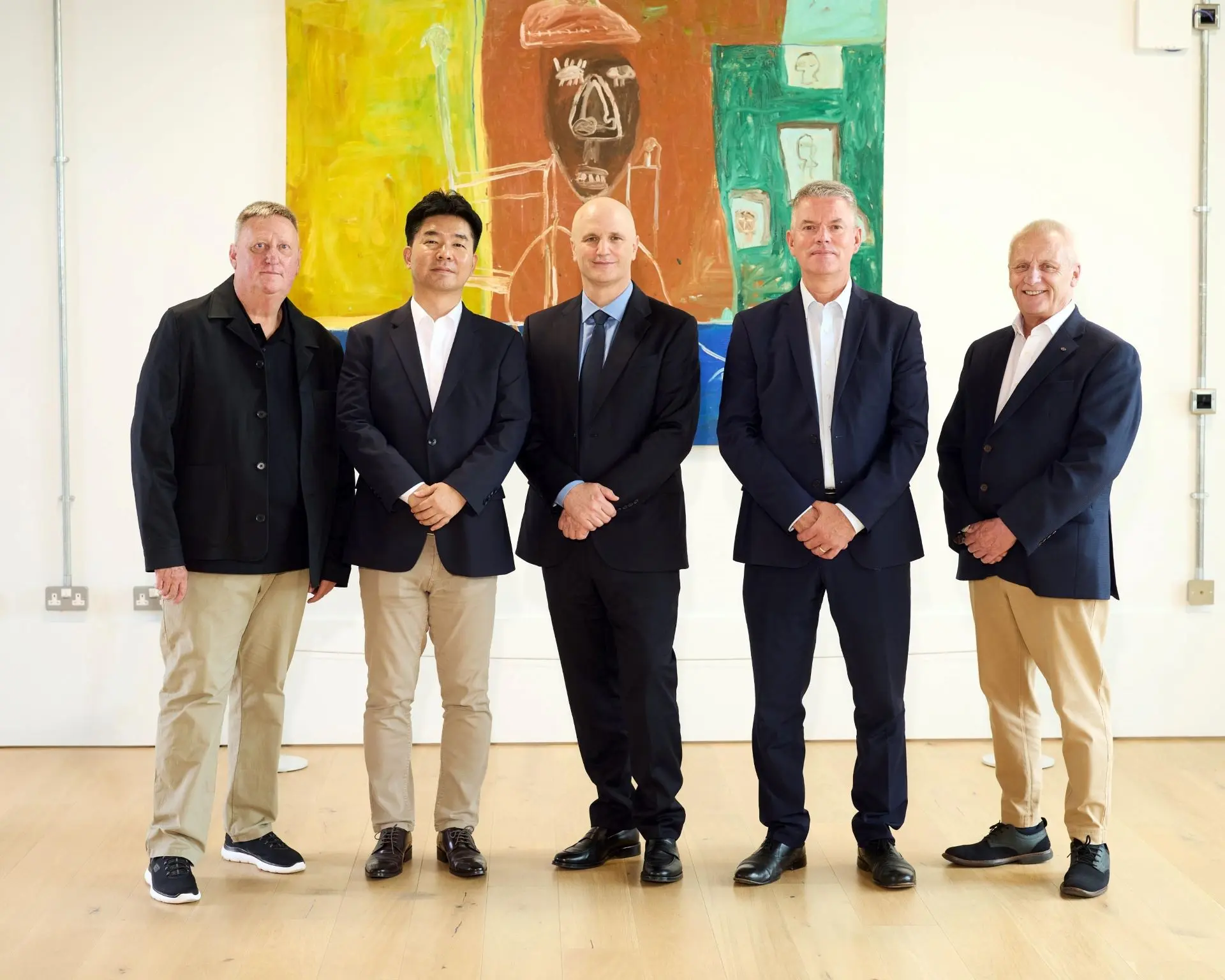
RCA remains Hyundai’s most significant design school partner globally, with the collaboration centred around its Intelligent Mobility Design Centre (IMDC). The centre serves as a hub for interdisciplinary research at the intersection of mobility, design, and technology.
Professor Christoph Lindner, President & Vice-Chancellor of the RCA, added: “Our partnership with Hyundai exemplifies the potential of university-industry collaboration. It not only enables innovative, industry-focused research but also inspires our students to explore interdisciplinary practices and push creative boundaries. This new agreement promises to unlock even more groundbreaking work.”
Over the next two years, the partnership will expand existing initiatives such as the Hyundai-Kia Design and Innovation Project, the Intelligent Mobility MA Visiting Design Fellowship, Professional Development Workshops, and the Hyundai-Kia Student Awards. It will also explore cutting-edge areas including AI, UX, and sustainable materials, combining academic insight with industry expertise to drive creativity and shape the future of mobility.


