



PRETORIA, South Africa, 17 September 2024 – As World Rivers Day approaches on Sunday, 22 September 2024, the global community turns its attention to the vital role rivers play in sustaining ecosystems, biodiversity, and human well-being. This annual observance underscores the importance of these waterways, which are crucial for drinking water, agriculture, energy production, and economic activities. Despite their significance, rivers are increasingly threatened by pollution, over-extraction, and industrial impacts. World Rivers Day aims to foster awareness and inspire collective action to safeguard and restore these essential lifelines.
The Imperative of River Conservation
Rivers are more than just watercourses; they are the lifeblood of our planet’s ecosystems. They provide habitat for countless species, support agricultural and industrial activities, and supply the fresh water necessary for human survival. Yet, the health of rivers worldwide is in jeopardy due to several pressing issues, including pollution from industrial waste, agricultural runoff, and the detrimental effects of damming and over-extraction.
World Rivers Day serves as a crucial platform for educating the public about sustainable water management practices, promoting conservation initiatives, and advocating for stronger environmental policies. Events such as river clean-ups and community-led river stewardship programs highlight the cultural, historical, and recreational values of rivers, reinforcing the need for their preservation.
The Ford Wildlife Foundation’s Commitment
In South Africa, the Ford Wildlife Foundation (FWF) plays a pivotal role in river conservation. The Foundation supports critical research and fieldwork aimed at understanding and preserving river health. Among the notable projects funded by FWF are those led by Dr. Matthew Burnett and Professor Colleen Downs. Dr. Burnett, a Principal Scientist at the Institute of Natural Resources and Honorary Researcher with the University of KwaZulu-Natal, focuses on various aspects of freshwater ecology, including river connectivity, fish populations, and sustainable fisheries.
Dr. Burnett’s research addresses the pressing issues of river health and the impacts of non-native species, antibiotic-resistant bacteria, and ecological disruptions. His recent study, “If a Fish Comes Out of the River and Speaks, We Should Believe It: A South African Perspective on Fish Kills,” sheds light on the increasing frequency of fish die-offs due to pollution and poor water management. The study underscores the need for enhanced policy measures and collaborative efforts to mitigate environmental degradation and protect freshwater ecosystems.
Advancing Field Research and Education
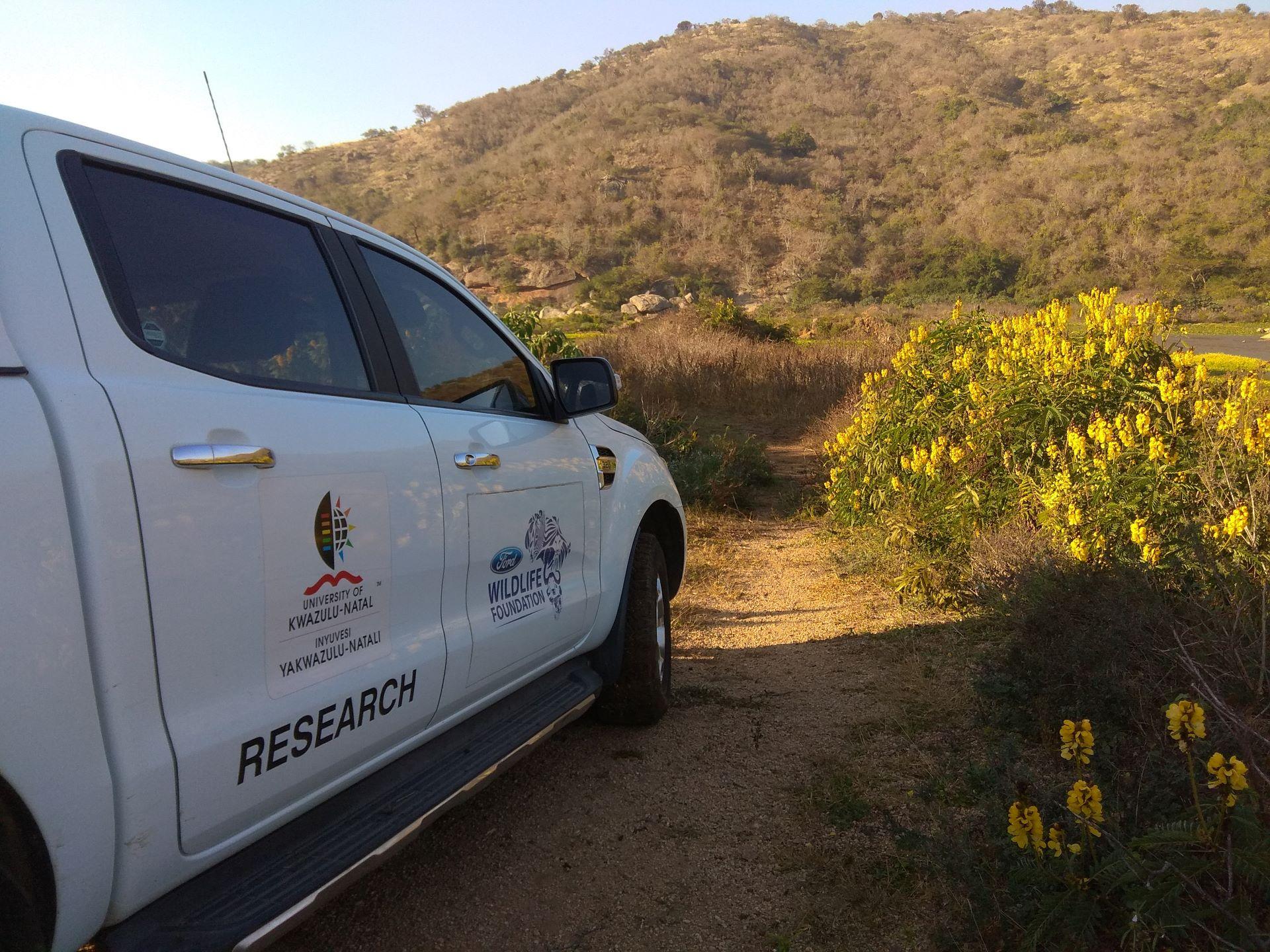
The fieldwork conducted by Dr. Burnett and his team often involves navigating remote and challenging terrains. The provision of Ford Rangers by FWF has been instrumental in facilitating access to these crucial research sites. These vehicles support the team’s efforts by enabling efficient transportation and expanding the reach of their conservation work.
Lynda du Plessis, Manager of the Ford Wildlife Foundation, highlights the dual impact of their support: “The projects we sponsor not only advance essential research but also offer valuable educational opportunities for postgraduates pursuing advanced degrees in ecosystem and wildlife conservation. By investing in both scientific inquiry and academic growth, FWF contributes significantly to long-term wildlife preservation and community well-being.”
Looking Forward
As World Rivers Day 2024 draws near, it serves as a reminder of the critical need to protect and restore our river systems. The research and conservation efforts supported by organizations like the Ford Wildlife Foundation underscore the importance of maintaining healthy freshwater ecosystems for the benefit of all. Dr. Burnett’s call to action reinforces the notion that without healthy rivers, our access to clean water and the ecological services they provide are at risk.
In summary, World Rivers Day not only celebrates the beauty and significance of rivers but also calls for urgent action to address the challenges they face. Through continued research, conservation efforts, and public education, we can work towards a sustainable future where our rivers continue to thrive and support life.


