


PRETORIA, SOUTH AFRICA, 29 November 2024 – For over 30 years, Ford South Africa has been at the forefront of corporate social responsibility, with a significant focus on wildlife and environmental conservation. However, it was the creation of the Ford Wildlife Foundation (FWF) in 2014 that truly catalysed its commitment to preserving the region’s biodiversity and ecosystems. The foundation’s mission: to empower conservation organisations by providing them with reliable transport solutions to support their critical conservation, research, and education work across Southern Africa.
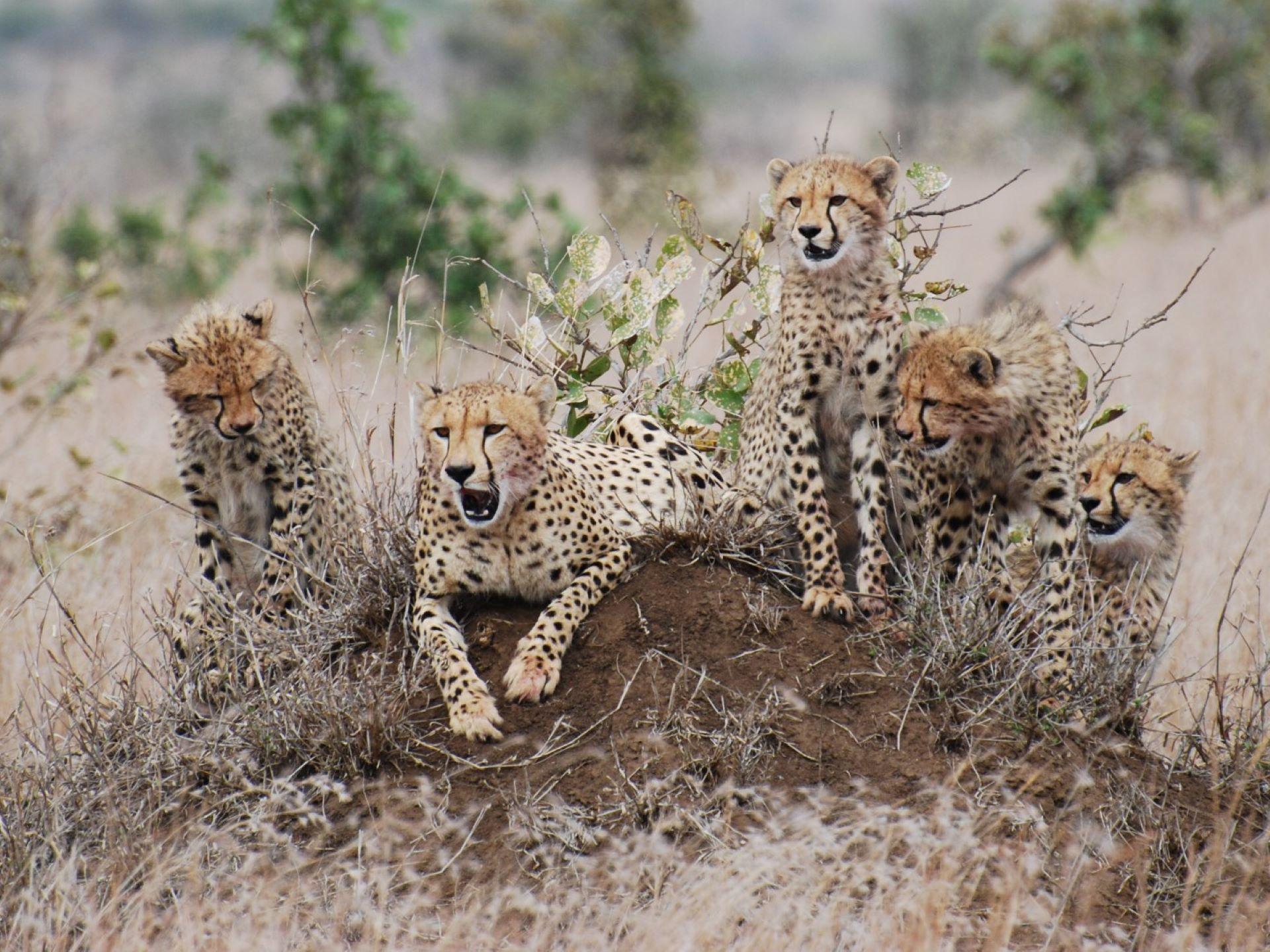
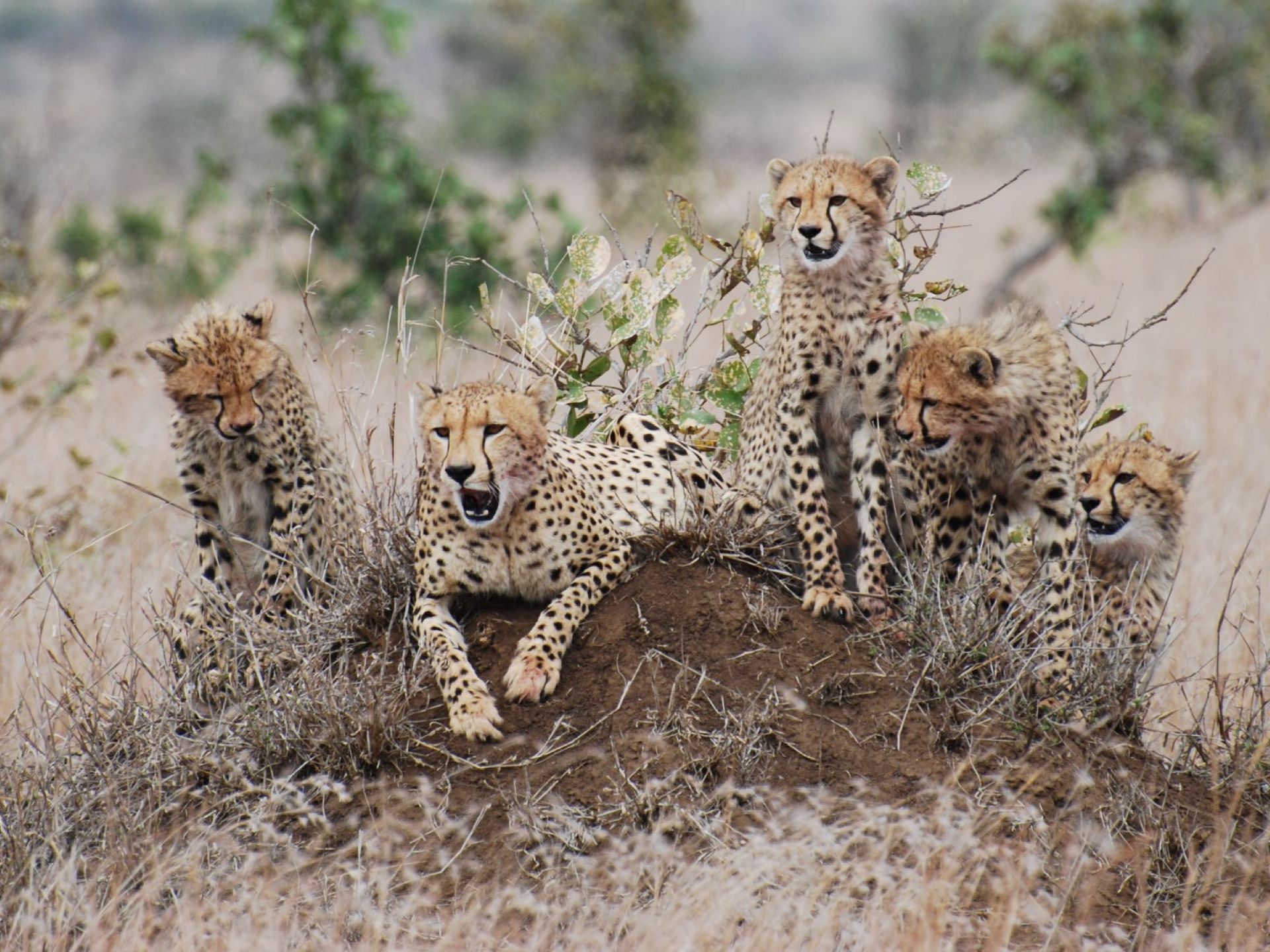
In its ten years of operation, the Ford Wildlife Foundation has grown its support to an impressive 29 active projects spanning across South Africa, Namibia, Mozambique, and other parts of Southern Africa. From safeguarding endangered species like leopards and cheetahs to conserving vital ecosystems such as grasslands and drylands, the foundation’s efforts reach far and wide, ensuring that both species and habitats continue to thrive for generations to come.
Empowering Conservation Through Mobility
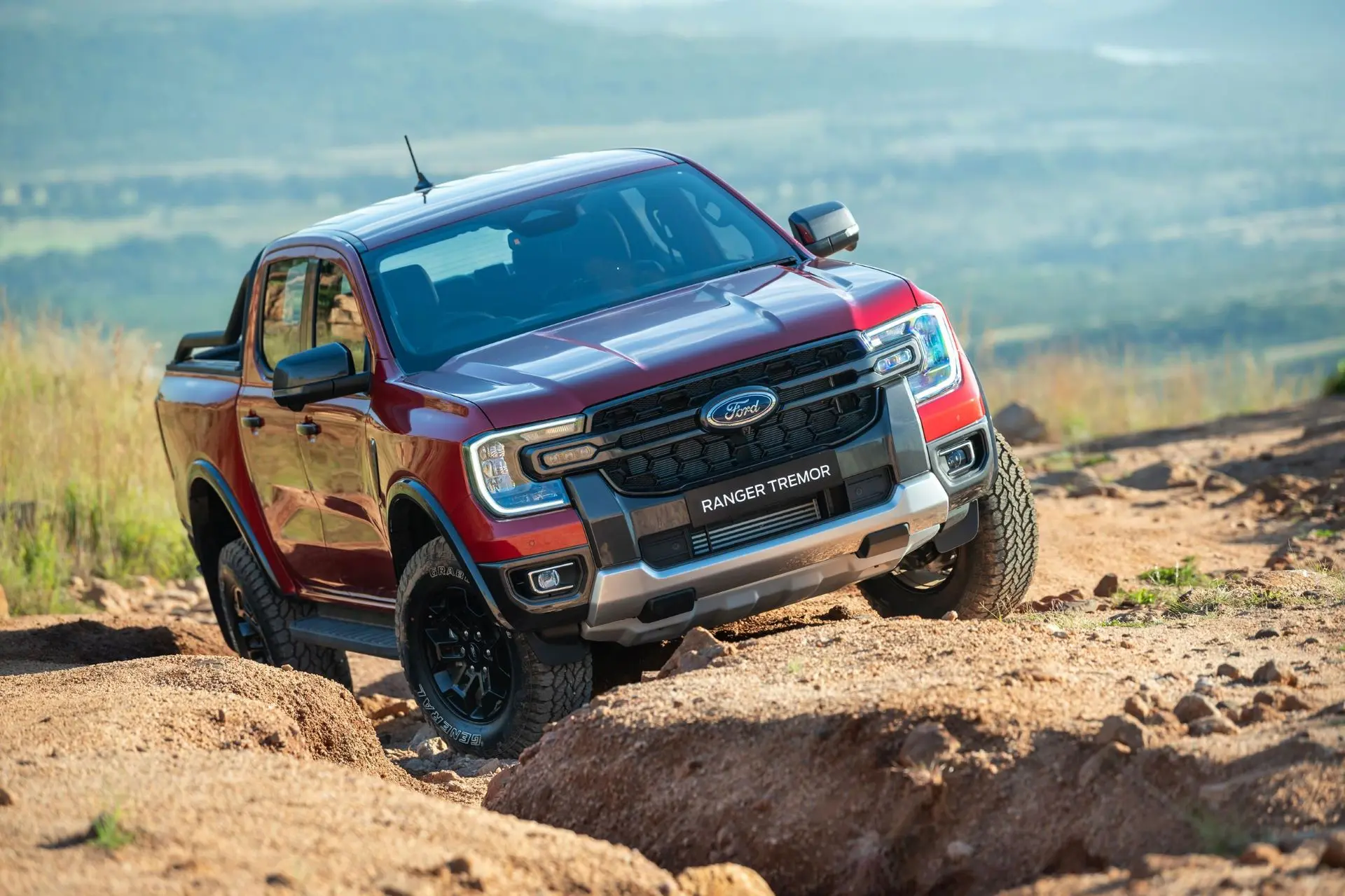
At the heart of the Ford Wildlife Foundation’s strategy is its provision of fit-for-purpose vehicles. Since its inception, FWF has loaned 92 Ford Rangers to its partner organisations, helping conservationists access remote areas, transport research equipment, and ensure their work remains unhindered by logistical challenges. The Ford Ranger, known for its toughness, reliability, and off-road capabilities, was selected as the ideal vehicle to tackle the harsh and rugged conditions often faced by field teams.
“The concept behind FWF was simple,” says Lynda du Plessis, FWF manager. “We wanted to equip our conservation partners with capable, reliable vehicles so they could focus their resources on the critical work at hand, instead of vehicle expenses. The result has been an exponential impact on the conservation projects we support.”
Over the years, the foundation’s vehicle programme has evolved. In 2017, a new loan arrangement was introduced, where vehicles were loaned on a two-year cycle, ensuring regular upgrades to newer models equipped with advanced safety features, fuel efficiency, and cutting-edge technology. This approach also enabled more frequent engagement with the projects, fostering deeper collaboration between FWF and its partners.
Conservation Success Stories
The Black Rhino Range Expansion Programme (BBREP), managed by WWF-South Africa, is one of the standout projects supported by FWF. Focused on protecting and expanding the population of critically endangered black rhinos, BBREP has secured over 350,000 hectares of protected land across 17 new sites in South Africa. With a goal to increase the rhino population by 5% annually, the project has already relocated rhinos to new breeding grounds to increase their viability.
“Without the Ford Rangers, our ability to carry out vital dehorning operations, relocate rhinos, and monitor their safety would have been compromised,” says Dr Jacques Flamand, Range Expansion Manager for WWF-SA. “These vehicles have been essential in ensuring the stability and growth of black rhino populations in an era of escalating poaching threats.”
Another significant FWF partner, the Endangered Wildlife Trust (EWT), has used Ford Rangers to support its Carnivore Range Expansion Project, which aims to restore populations of endangered wild dogs and cheetahs. The Rangers have been instrumental in moving cheetahs across the country, facilitating their relocation to metapopulation reserves, and ensuring that their habitats are preserved.
“The Ford Rangers have enabled us to expand the range of endangered carnivores, especially in remote and rugged terrain,” says Tammy Baker, Donor Relations Officer at EWT. “Thanks to FWF’s support, we’ve made remarkable strides in conserving carnivores, amphibians, and other species across Southern Africa.”
Broadening the Reach: Expanding Support to New Projects
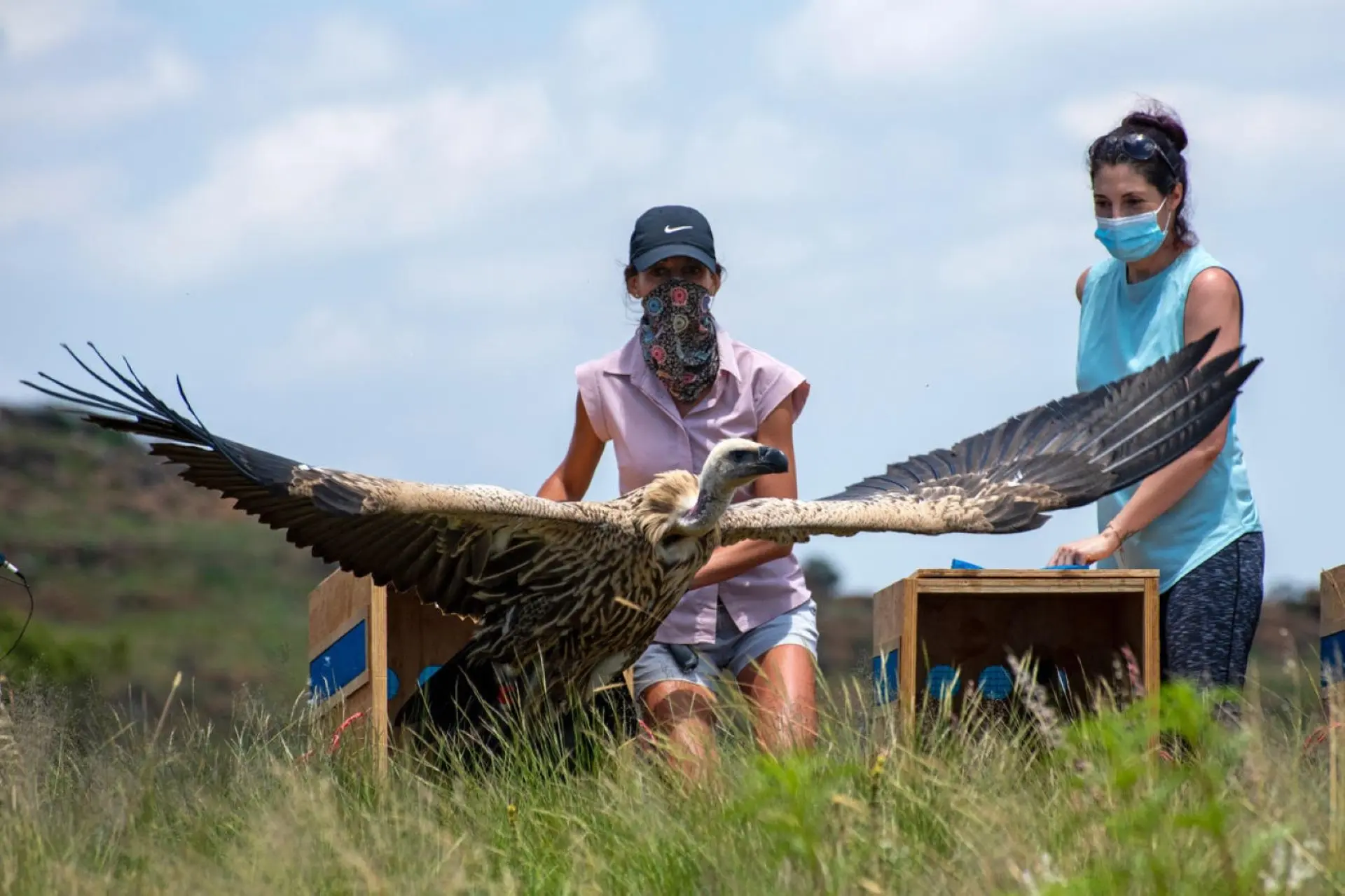
FWF’s network of supported projects continues to grow, with new additions such as VulPro, which works to conserve the continent’s vulture populations, and the University of Mpumalanga’s Anguillid Eels Project, which investigates the conservation of eel species in local freshwater systems. The foundation’s backing has allowed these projects to expand their reach, amplify their impact, and reach even more remote locations where species are at risk.
Moreover, BirdLife South Africa’s Landscape Conservation Programme, which aims to protect vulnerable terrestrial birds and ecosystems, has benefitted immensely from FWF’s vehicle donations. The programme’s ability to access isolated landowners, remote reserves, and harsh weather areas has been transformed by the provision of a Ford Ranger.
“Access to hard-to-reach areas is essential for landscape-scale conservation,” says Ernst Retief, Programme Manager at BirdLife South Africa. “Without FWF’s support, many of our vital initiatives would not have been possible.”
A Holistic Approach to Conservation Education
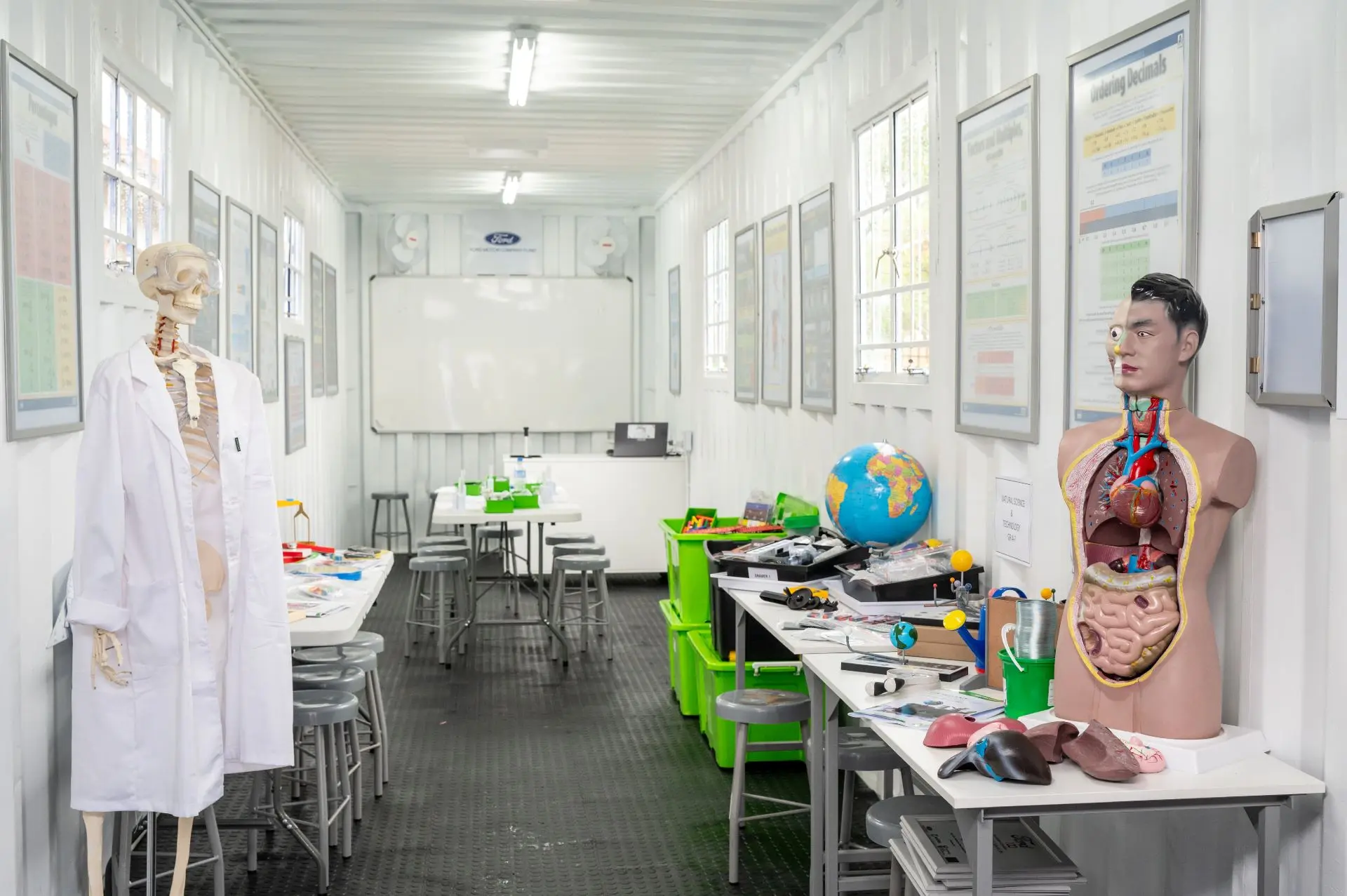
Conservation and environmental education have been central to FWF’s goals. With projects such as the Eco-Schools Programme run by the Wildlife and Environment Society of South Africa (WESSA), FWF has helped to instil a sense of responsibility towards nature in the younger generation. Through educational trips, teacher workshops, and grassroots initiatives, this programme empowers students and communities to take ownership of their local environments.
“FWF’s vehicle support has been invaluable in ensuring that our environmental education projects are not just effective but far-reaching,” says Kerry Mclean, Senior Programme Manager at WESSA. “The Ford Rangers have enabled us to reach remote schools and communities, engaging the youth in important conservation work.”
The Road Ahead: A Continuing Legacy of Support
As the Ford Wildlife Foundation enters its second decade, it remains steadfast in its commitment to Southern Africa’s biodiversity. With its strong portfolio of projects, the foundation continues to provide essential transport solutions that empower conservationists to do more, go further, and tackle the ever-growing challenges facing wildlife and ecosystems across the region.
By collaborating with both established and new partners, FWF is ensuring that the region’s natural heritage will be preserved for future generations. Whether it’s protecting endangered species, restoring critical habitats, or empowering communities to adopt sustainable practices, the Ford Wildlife Foundation is driving real change — one Ranger at a time.
“We’re proud of the difference we’ve made, but the work is far from over,” concludes Lynda du Plessis. “With the continued support of our partners, we look forward to even greater conservation successes in the years to come.”