Pretoria, South Africa – 28 August 2024 – “I dream of an Africa which is in peace with itself… We must never forget that it is our duty to protect this environment.” These words, spoken by the iconic Nelson Mandela, echo the sentiment of unity between human progress and environmental preservation—a mission Ford South Africa embraces through its ongoing commitment to safeguarding the country’s rich biodiversity.
For over three decades, Ford South Africa has played a pivotal role in environmental conservation, research, and education. At the heart of this mission is the Ford Wildlife Foundation (FWF), established in 2014, which supports 29 projects that protect Southern Africa’s endangered species and ecosystems. Central to this effort is the locally produced Ford Ranger, a vehicle that serves as a critical enabler for environmental organizations working in some of the region’s most remote and challenging terrains.
A Legacy of Conservation and Innovation
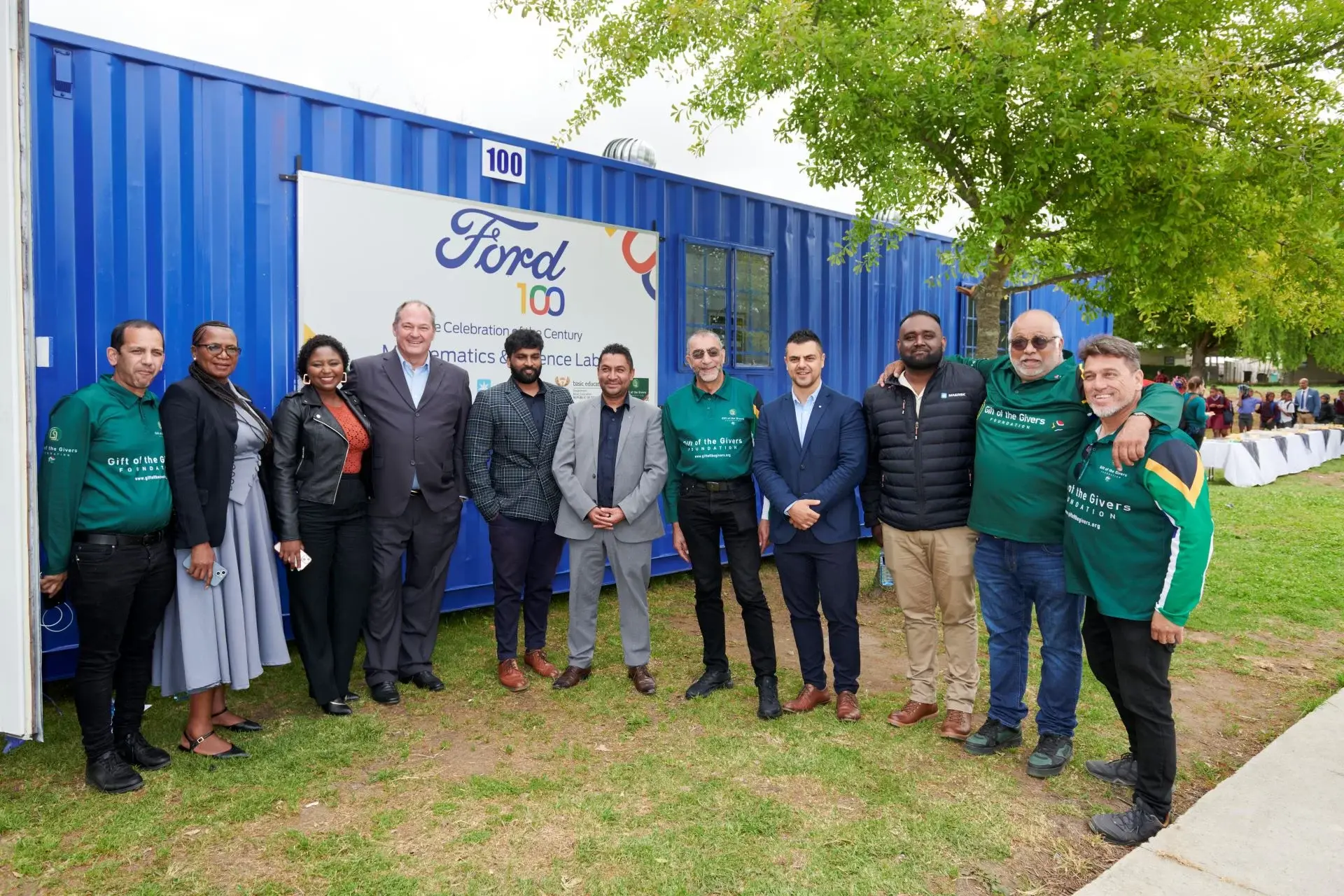
As Ford South Africa celebrates its Centenary, the company continues to demonstrate its dual commitment to economic development and environmental stewardship. On one hand, Ford has invested billions of rands into local Ranger production, supporting thousands of jobs for domestic and international markets. On the other hand, it is equally dedicated to green initiatives, exemplified by the innovative solar carpark that powers its Silverton Manufacturing Plant, with added battery backup for 24-hour energy efficiency.
The Ford Wildlife Foundation amplifies these efforts by loaning Ford Ranger 4×4 Double Cabs to non-profit organizations for two years, enabling these groups to access remote areas and focus their limited resources on research, conservation, and education projects. Over the past seven years, 81 Rangers have been loaned to various projects, with many organizations opting to purchase the vehicles after the loan period, extending the environmental impact of the durable and dependable Ranger.
Supporting a Broad Spectrum of Wildlife and Ecosystems
The 29 projects supported by the FWF range from high-profile campaigns, such as the Black Rhino Range Expansion Project in KwaZulu-Natal, to lesser-known but equally critical initiatives like the Overberg Renosterveld Conservation Project. This diversity mirrors the rich tapestry of Southern Africa’s wildlife and landscapes, from rhinos and leopards to fragile coastal ecosystems.
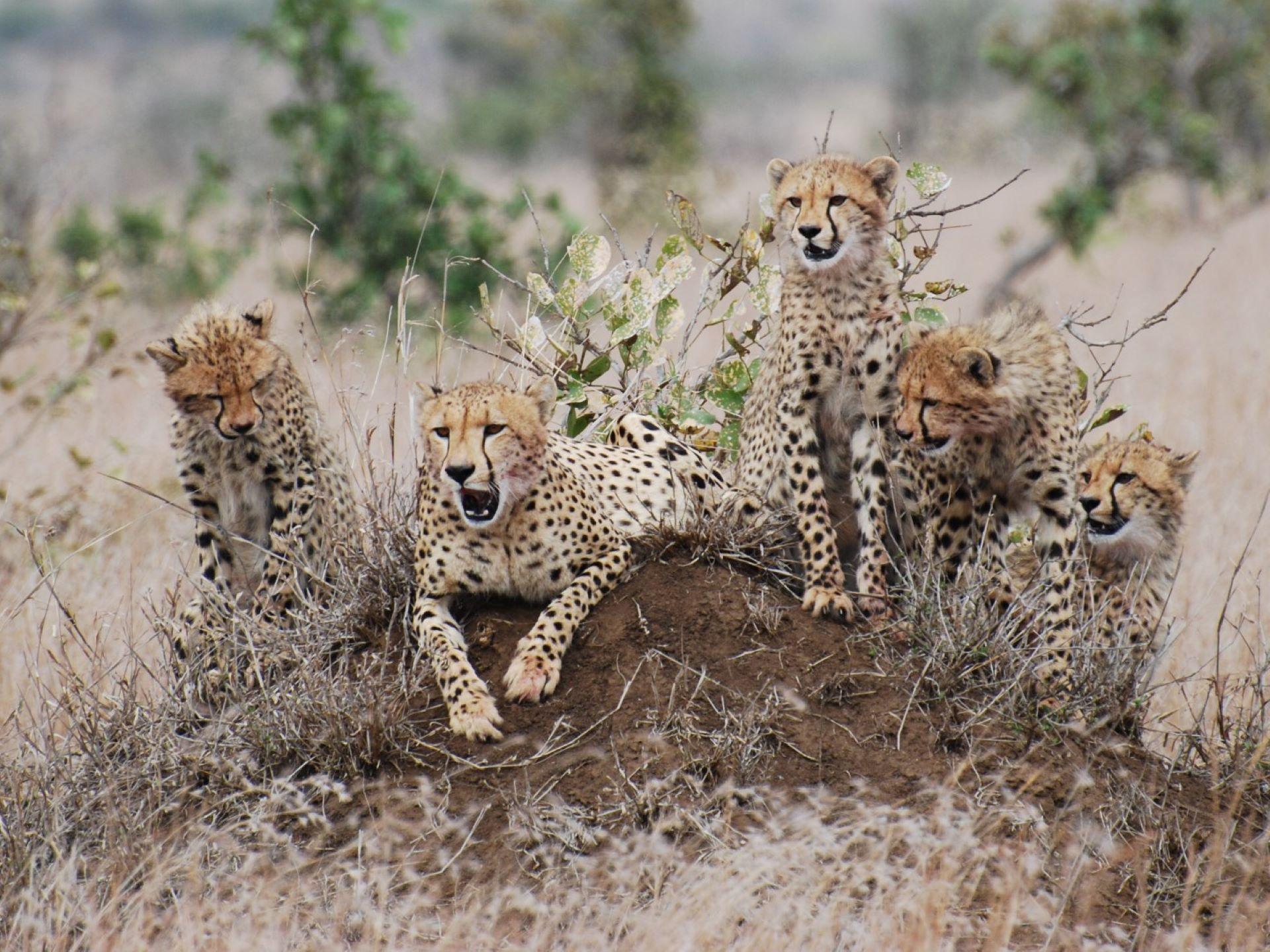
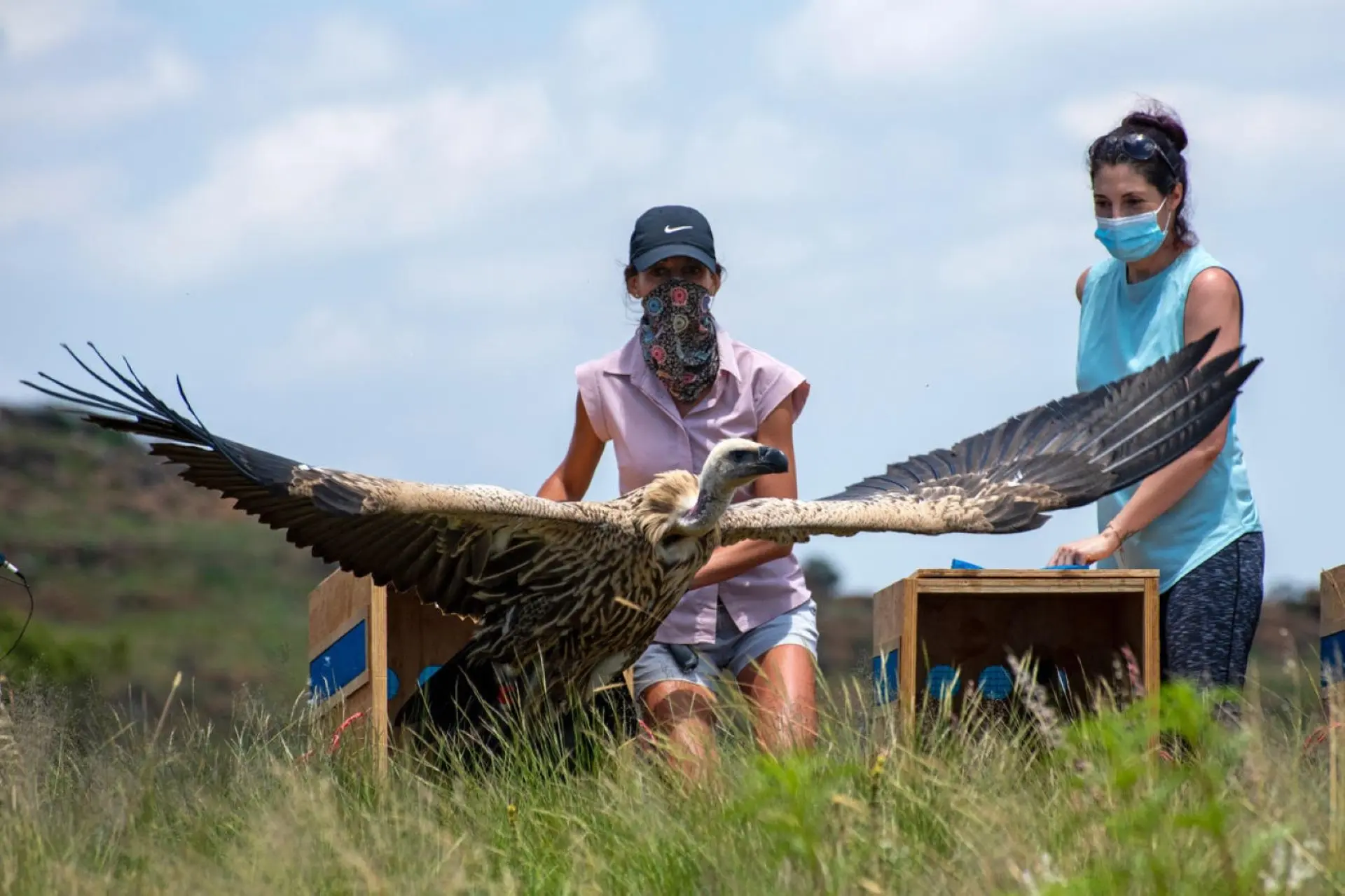
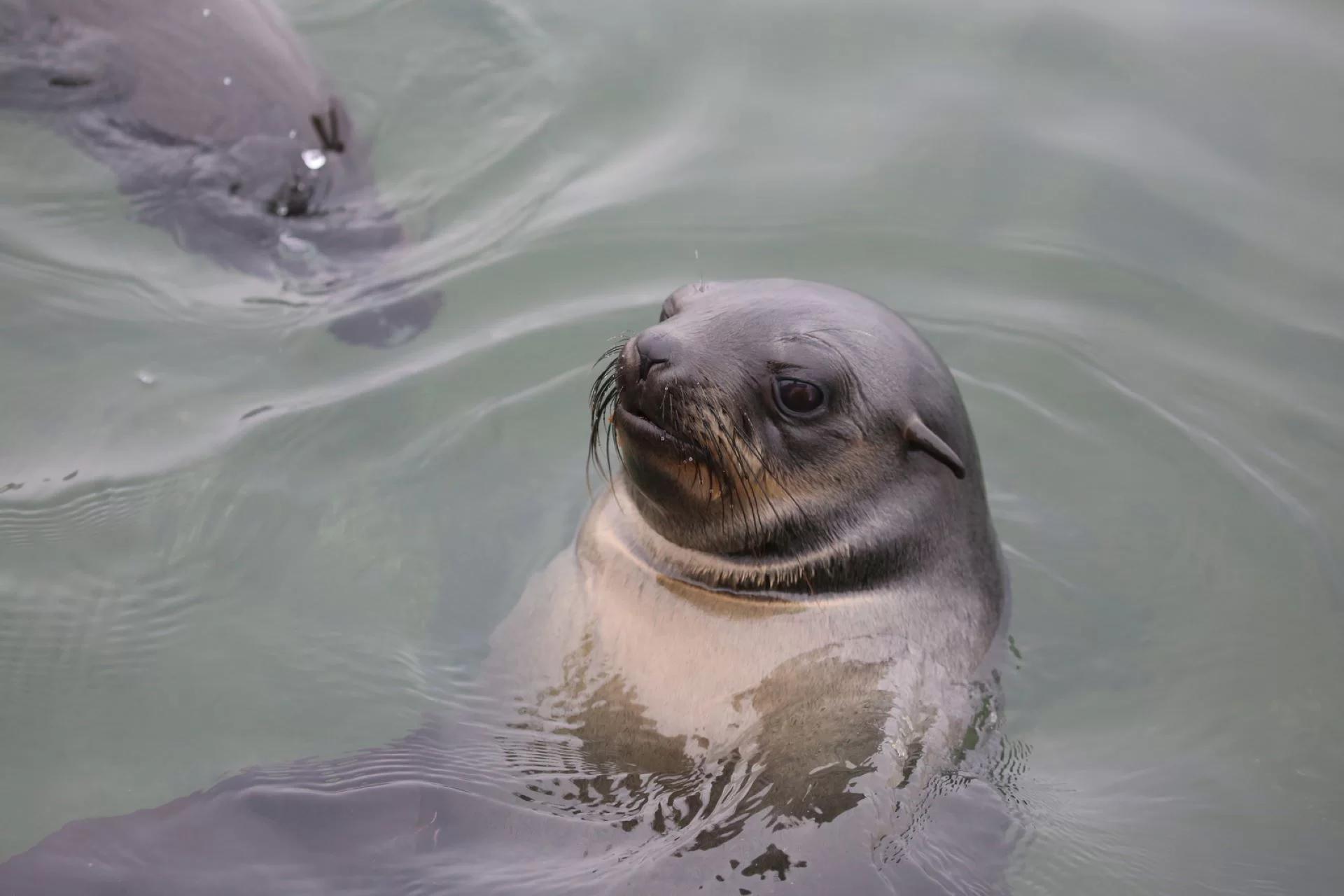
Ford’s Rangers have been instrumental in supporting conservation teams operating in diverse and challenging environments—whether they are relocating endangered species like cheetahs, conducting research on marine mammals such as Cape fur seals, or rehabilitating endangered birds like the African penguin.
For example, in the Kruger National Park, the Carnivore Conservation Project focuses on the African wild dog, South Africa’s most endangered carnivore. These efforts aim to expand the species’ range and numbers, a critical intervention in preserving the biodiversity of this iconic national park.
Education as a Tool for Change
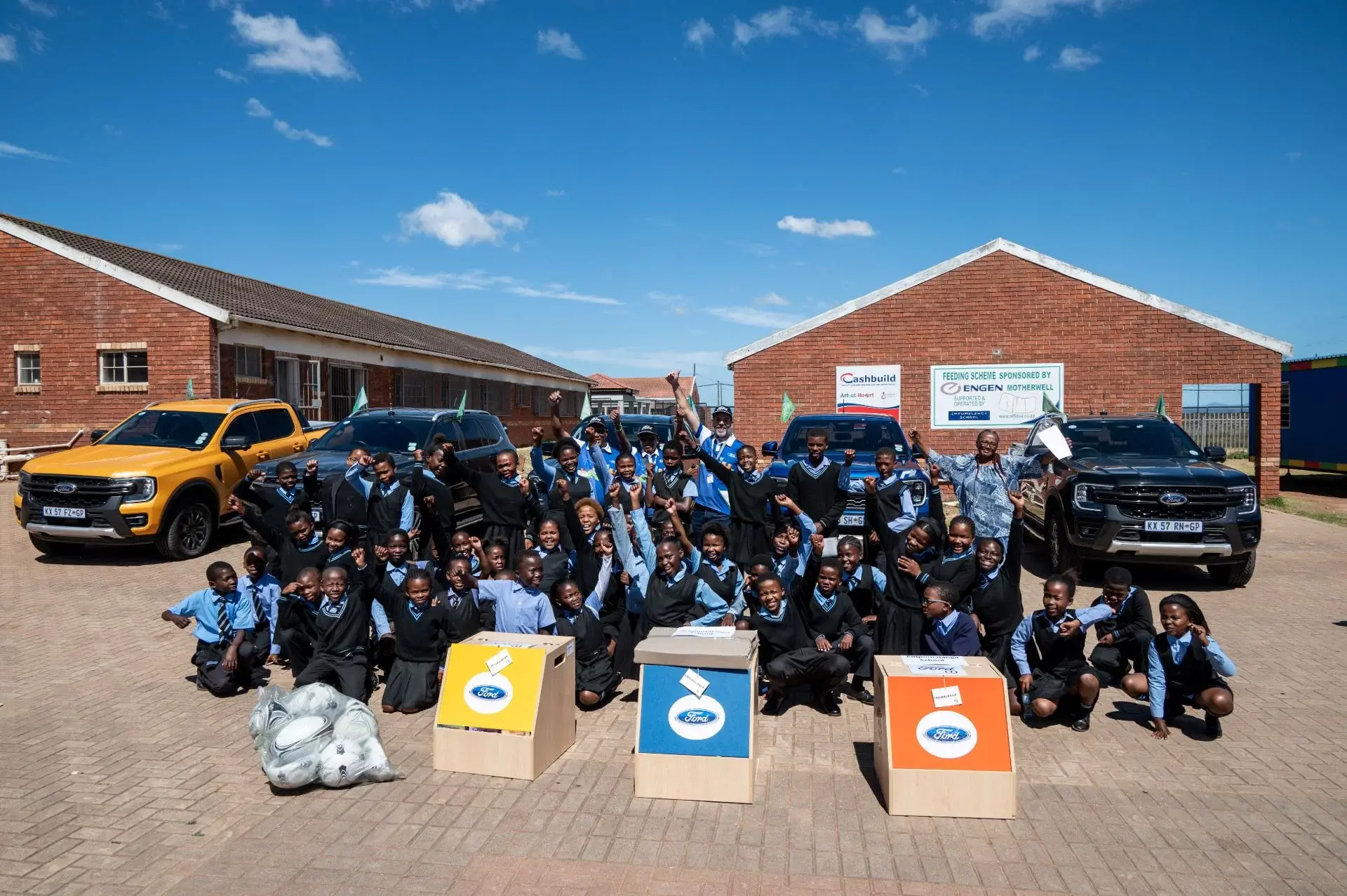
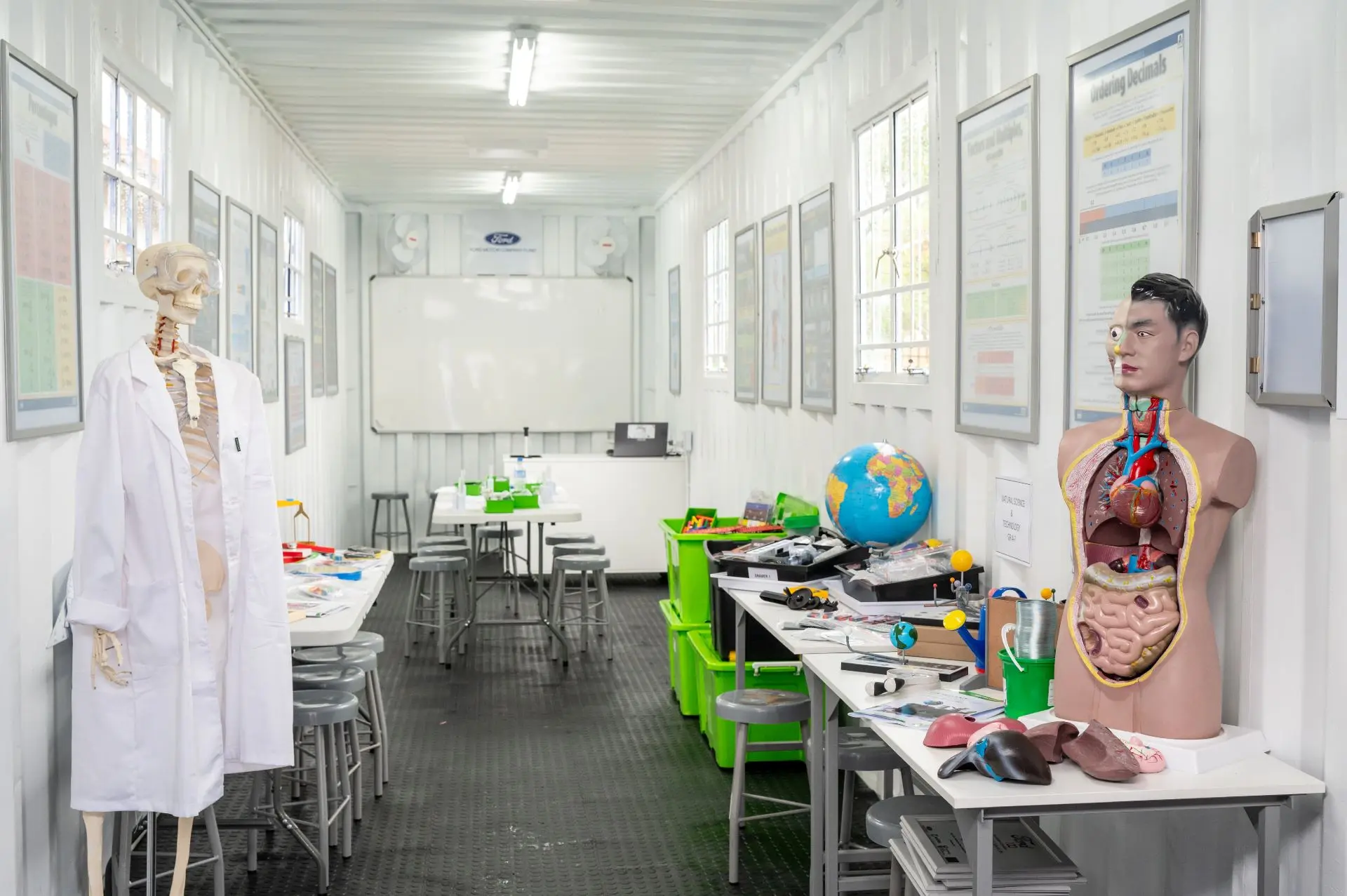
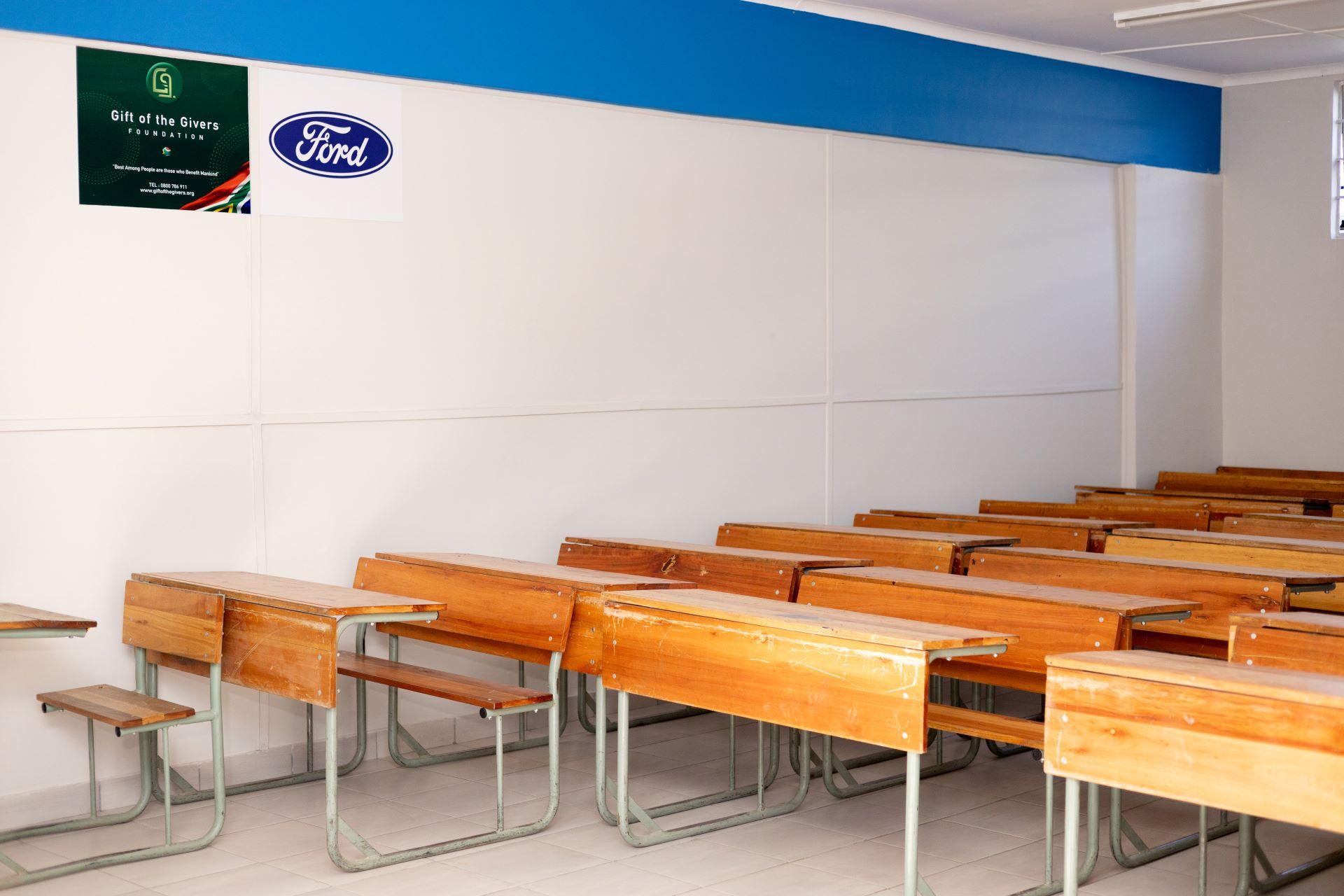
Beyond conservation, Ford South Africa and its foundation recognize the pivotal role education plays in driving sustainable change. Five of the FWF-supported projects focus on educating communities, especially in areas where human-wildlife conflict is prevalent. The Lapalala Wilderness School in the Waterberg region, for instance, shapes future conservationists by teaching young people about the value of biodiversity.
Meanwhile, the Wildlife and Environment Society of South Africa (WESSA) operates multiple educational programs, including the International Schools Programme, which aims to foster an understanding of the interdependent relationship between people and nature. These educational efforts are key to ensuring that future generations inherit a planet in better condition than it was found.
A Collaborative Future
Ultimately, Ford South Africa’s efforts, embodied in the Ford Wildlife Foundation, reflect a broader understanding of the need for collaboration in the fight against environmental degradation. The work undertaken by FWF partners, from anti-poaching operations to habitat restoration, demonstrates that preserving the environment is not just the responsibility of environmentalists—it is a shared duty.
As Nelson Mandela so eloquently reminded us, the protection of the environment is a duty that falls on all of us. Ford South Africa’s dedication to this cause, through initiatives like the Ford Wildlife Foundation, provides a powerful example of how the private sector can be a force for good, combining innovation and investment to create lasting change for both people and the planet.
Through education, conservation, and forward-thinking partnerships, the foundation exemplifies the philosophy that economic growth and environmental stewardship are not mutually exclusive. As long as companies, governments, and communities work together, the dream of a peaceful, prosperous, and ecologically balanced Africa remains within reach.