

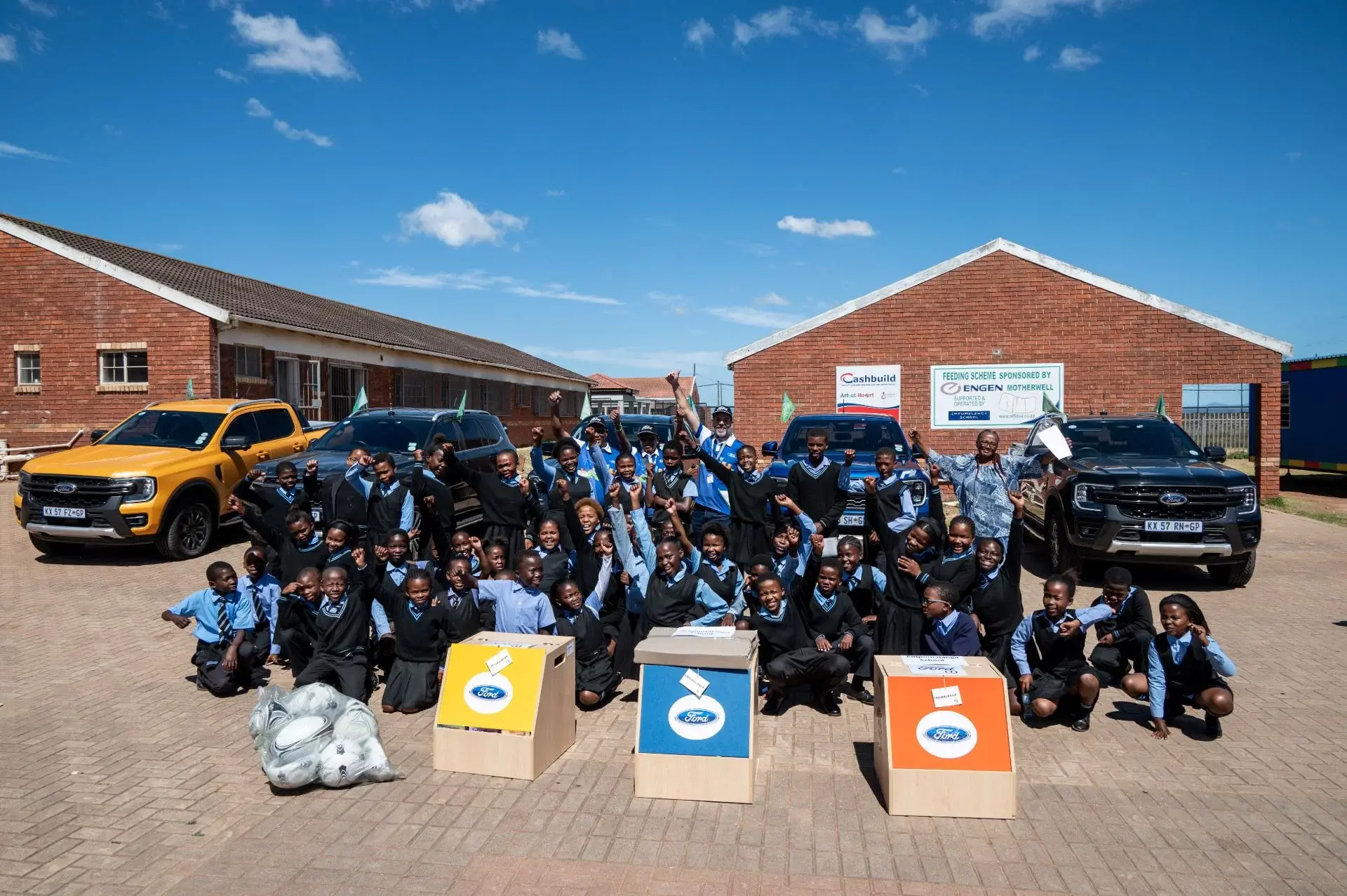
PRETORIA, South Africa, 5 September 2024 – As International Literacy Day approaches on 08 September 2024, Ford South Africa is reaffirming its dedication to addressing South Africa’s critical literacy crisis through its impactful legacy projects. Despite considerable investments in education, the country faces a severe literacy challenge, with the latest report indicating that 81 percent of Grade 4 learners struggle to read for meaning. Ford’s commitment to educational reform aims to turn the tide through initiatives such as Rally to Read and the construction of Early Childhood Development (ECD) Centres.
The economic ramifications of illiteracy in South Africa are staggering. According to the World Literacy Foundation’s Economic and Social Cost of Illiteracy report, the country incurred a cost of US$6.66 billion in 2022 due to inadequate literacy development. This comes despite a substantial allocation of over R324.5 billion (more than US$17 billion) for Basic Education in the 2024/25 financial year. South Africa’s position at the bottom of the 2021 Progress in International Reading Literacy Study (PIRLS) highlights a troubling trend, with illiteracy rates among Grade 4 learners rising from 78 percent in 2016 to 81 percent in 2021.
Rally to Read: Nurturing Literacy from the Ground Up
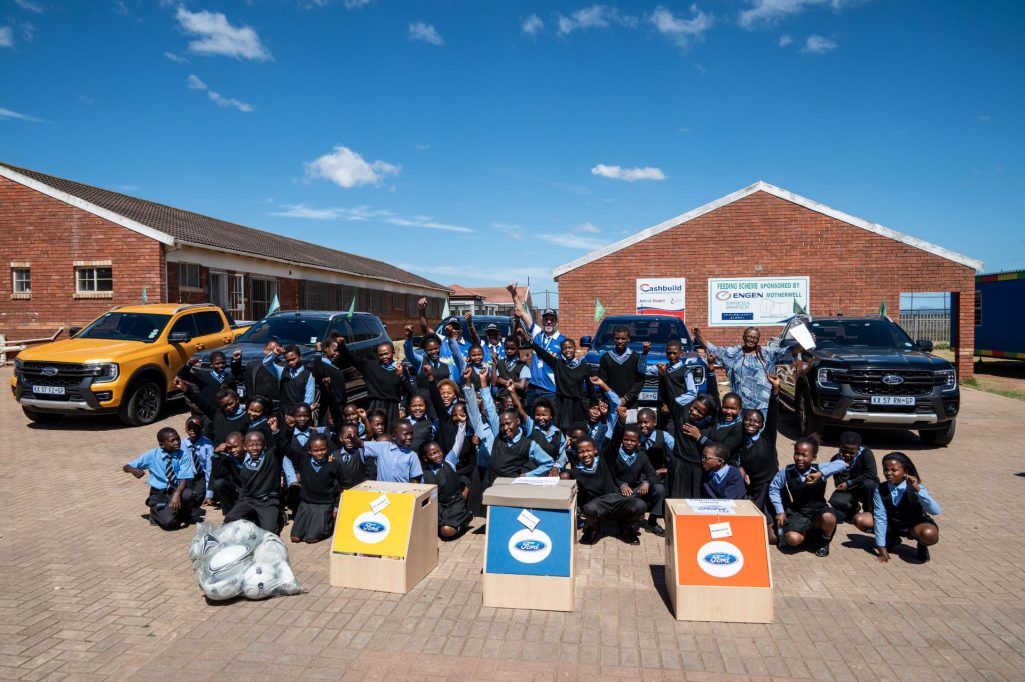
For 25 years, Ford South Africa has partnered with the READ Educational Trust in the Rally to Read initiative, aimed at enhancing literacy in underserved areas. This three-year project supplies schools with age-appropriate books, educational toys, and learning materials while providing crucial teacher training. The objective is to ensure these resources yield sustainable improvements in literacy.
“Education, for us, is not merely an expenditure; it is a meaningful and long-lasting investment in the future of South Africa and our people,” asserts Neale Hill, President of Ford Motor Company Africa. “Ford’s commitment offers hope, not just to learners but also to the communities in which they reside. Our journey continues, one book at a time, one child at a time.”
Currently, Ford supports two Rally to Read programs, each receiving an annual grant of R1.36 million. One program operates in Nelson Mandela Bay, where Ford’s Struandale Engine Plant is located, while the other benefits schools in Pretoria, home to Ford’s head office and Silverton Manufacturing Plant. This year marks the completion of the three-year cycle in Nelson Mandela Bay, focusing on integrating sustainable practices, while Pretoria’s program enters its second year, with the final phase scheduled for 2025.
Building a Brighter Future with Early Childhood Development Centres
In celebration of its Centenary in South Africa, Ford, in collaboration with the Nelson Mandela Foundation and the Department of Basic Education, is constructing 100 Early Childhood Development Centres across disadvantaged communities. These centres replace inadequate structures with modern, fully-equipped buildings, providing a supportive learning environment for young children.
To date, 27 ECD centres have been completed, benefiting over 1,000 children in Gauteng, KwaZulu-Natal, and the Eastern Cape. This initiative not only enhances early childhood education but also enables these centres to secure government funding, thus improving educational quality in the most vulnerable areas.
“Nelson Mandela highlighted the importance of education as a means of empowering and uplifting the youth, which ultimately creates a brighter, more prosperous future for the country as a whole,” says Neale Hill. “We are honoured and privileged to be supporting Madiba’s legacy by partnering with the Nelson Mandela Foundation to build these ECD centres.”
As South Africa continues to grapple with significant literacy challenges, Ford South Africa remains resolute in its mission to create a lasting impact through education. Through Rally to Read and the construction of ECD centres, Ford is committed to nurturing future generations and contributing to the socio-economic upliftment of the nation.
On this World Literacy Day, Ford South Africa urges all stakeholders—government, business, and civil society—to join forces in addressing the literacy crisis. Collective action is essential for ensuring a brighter, more literate future for South Africa.