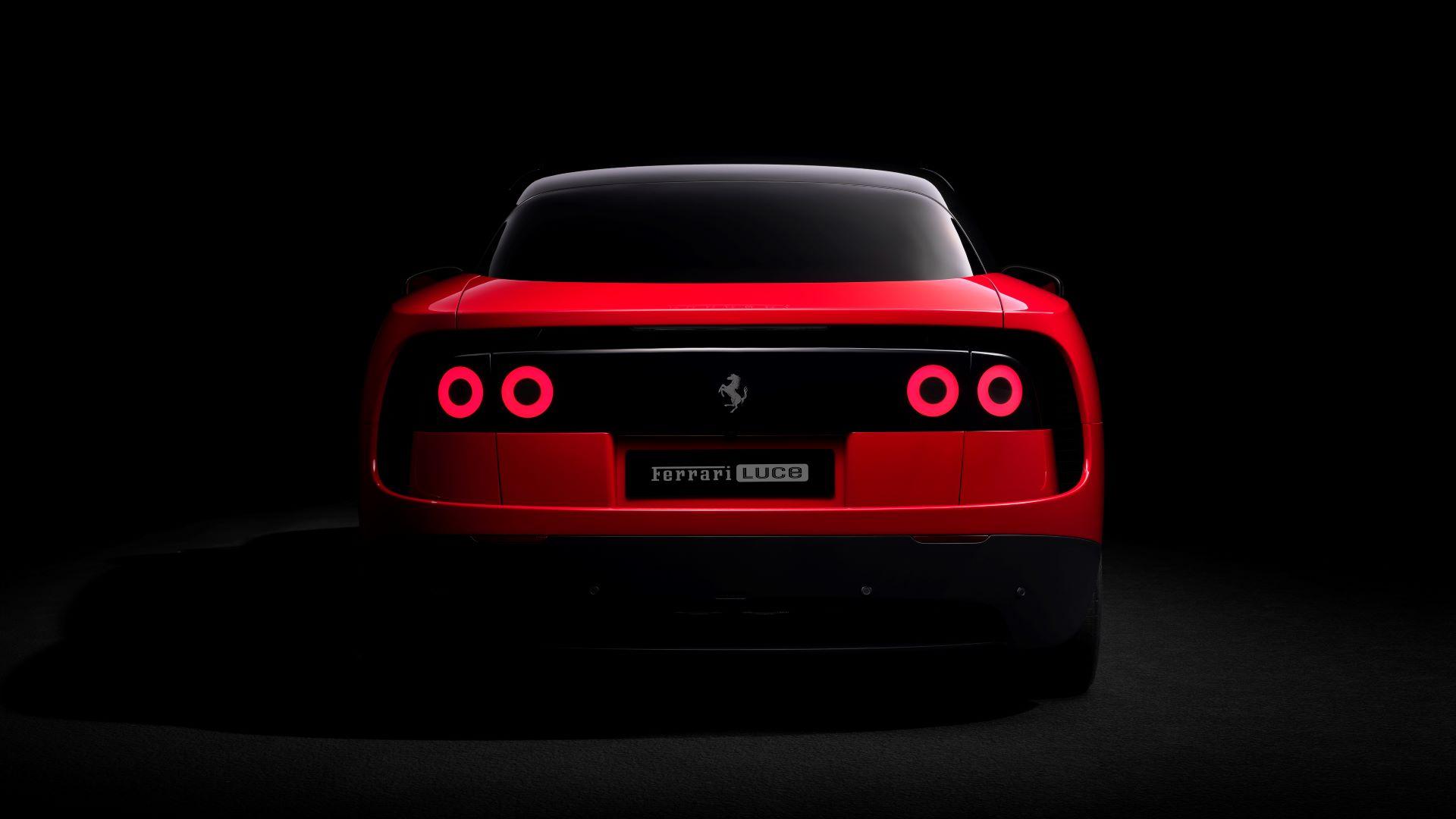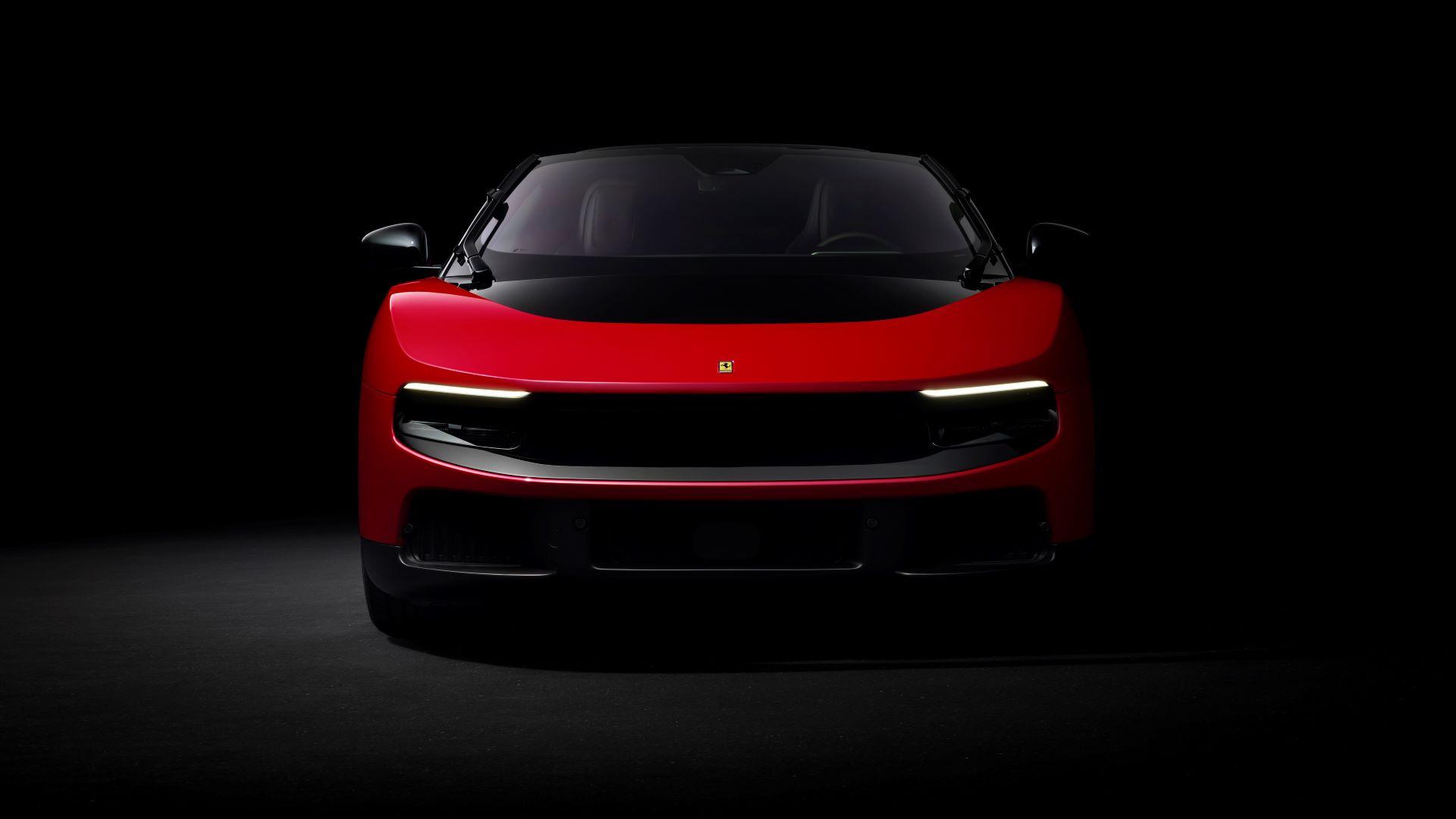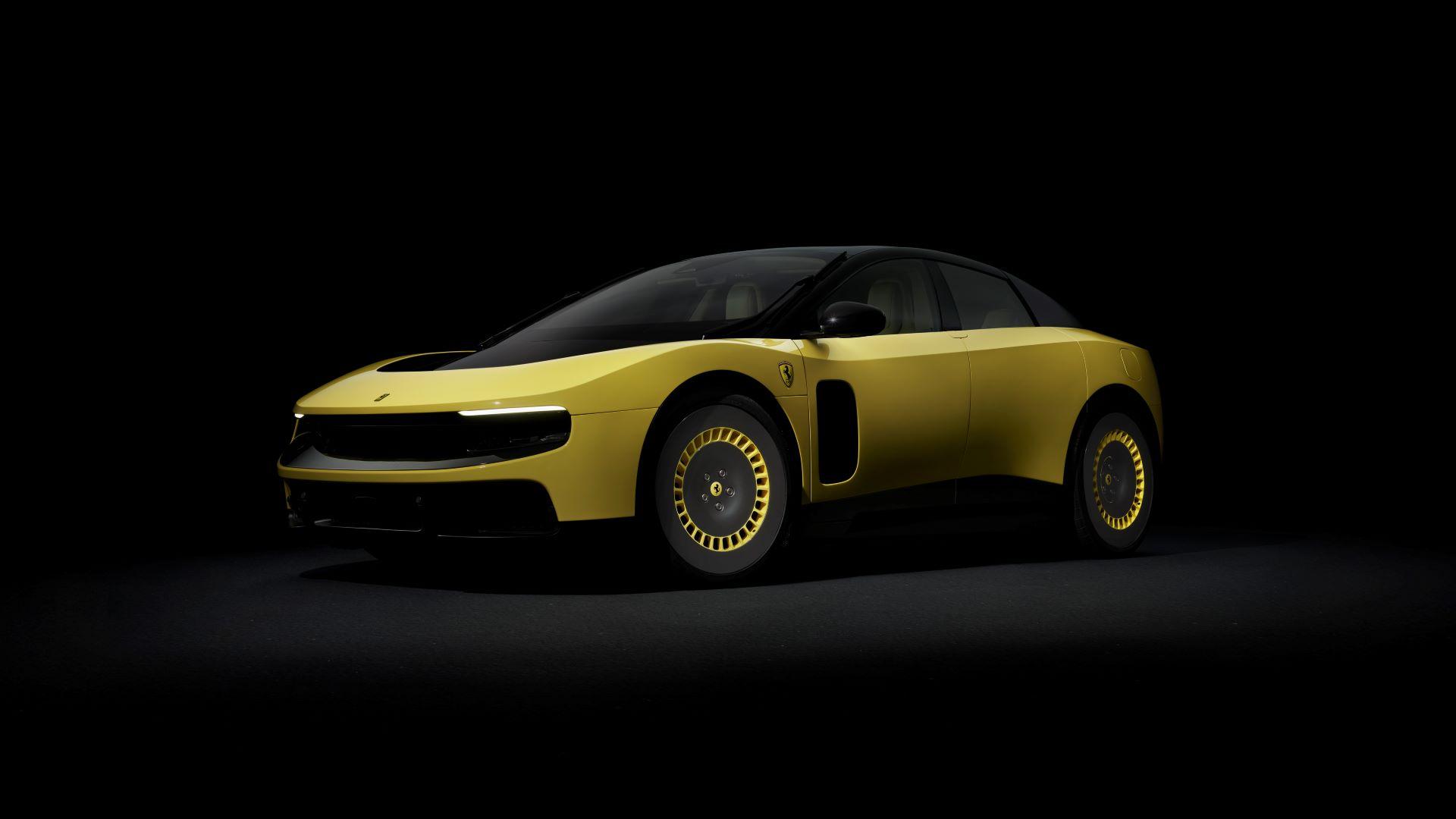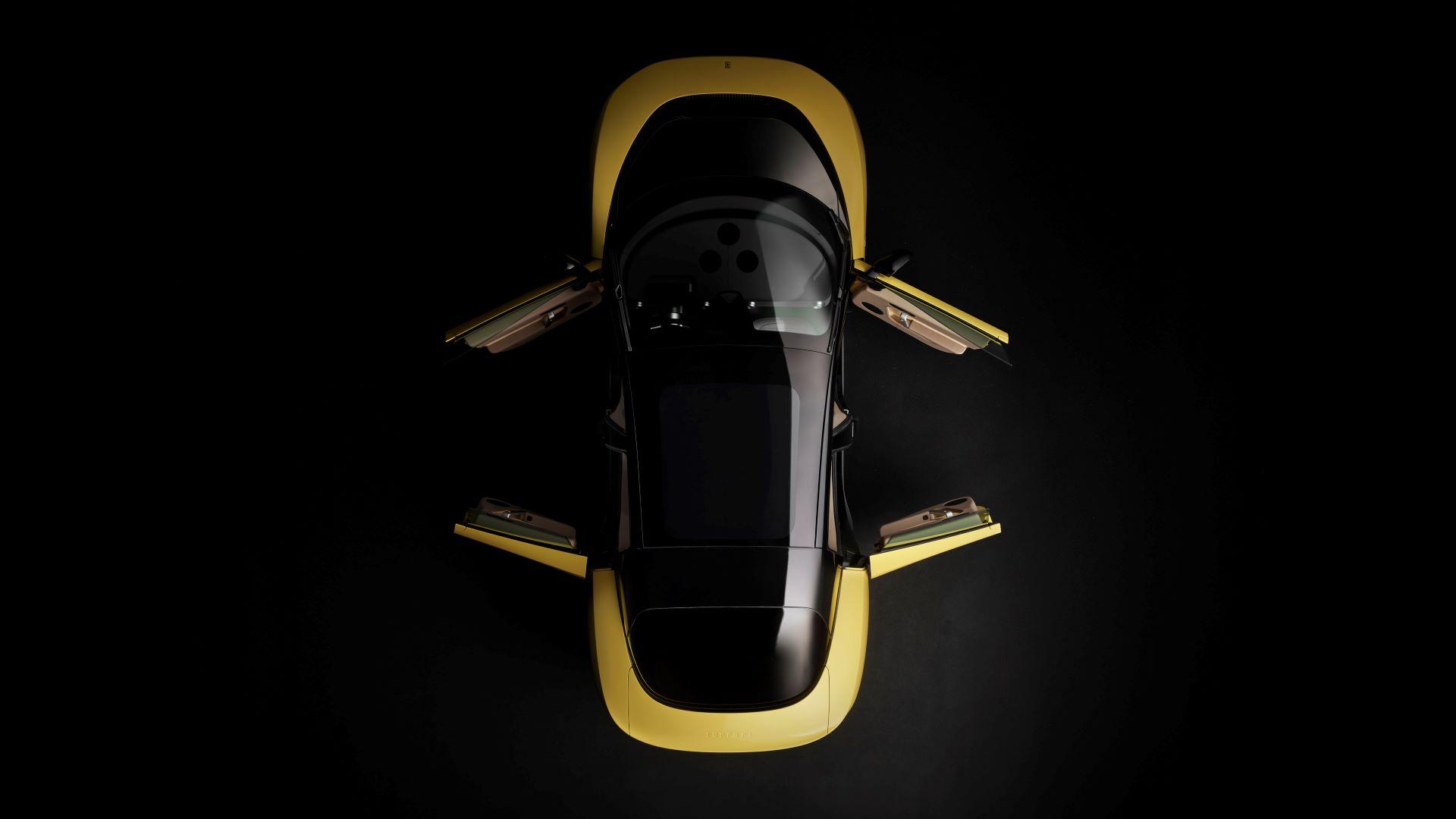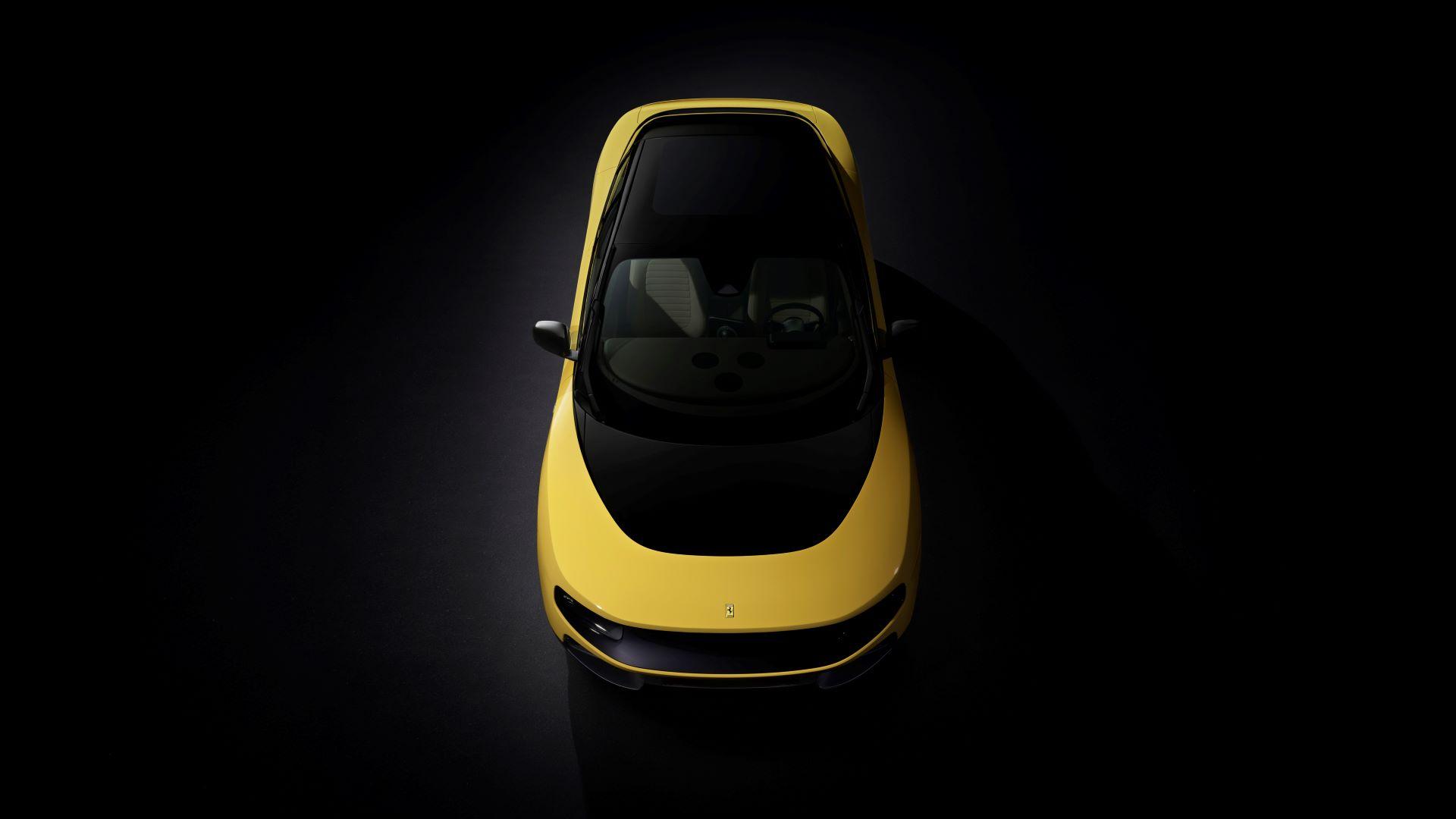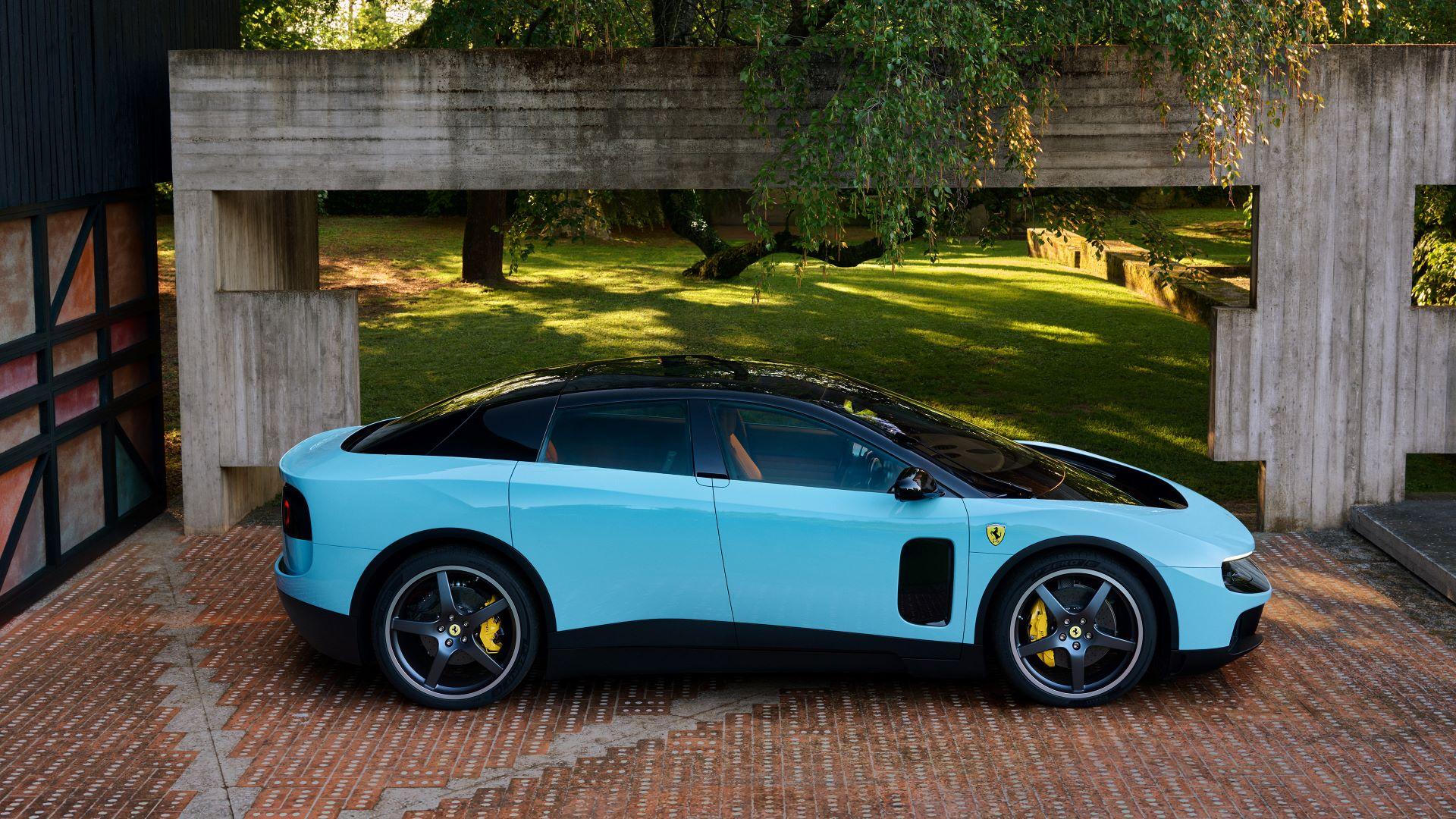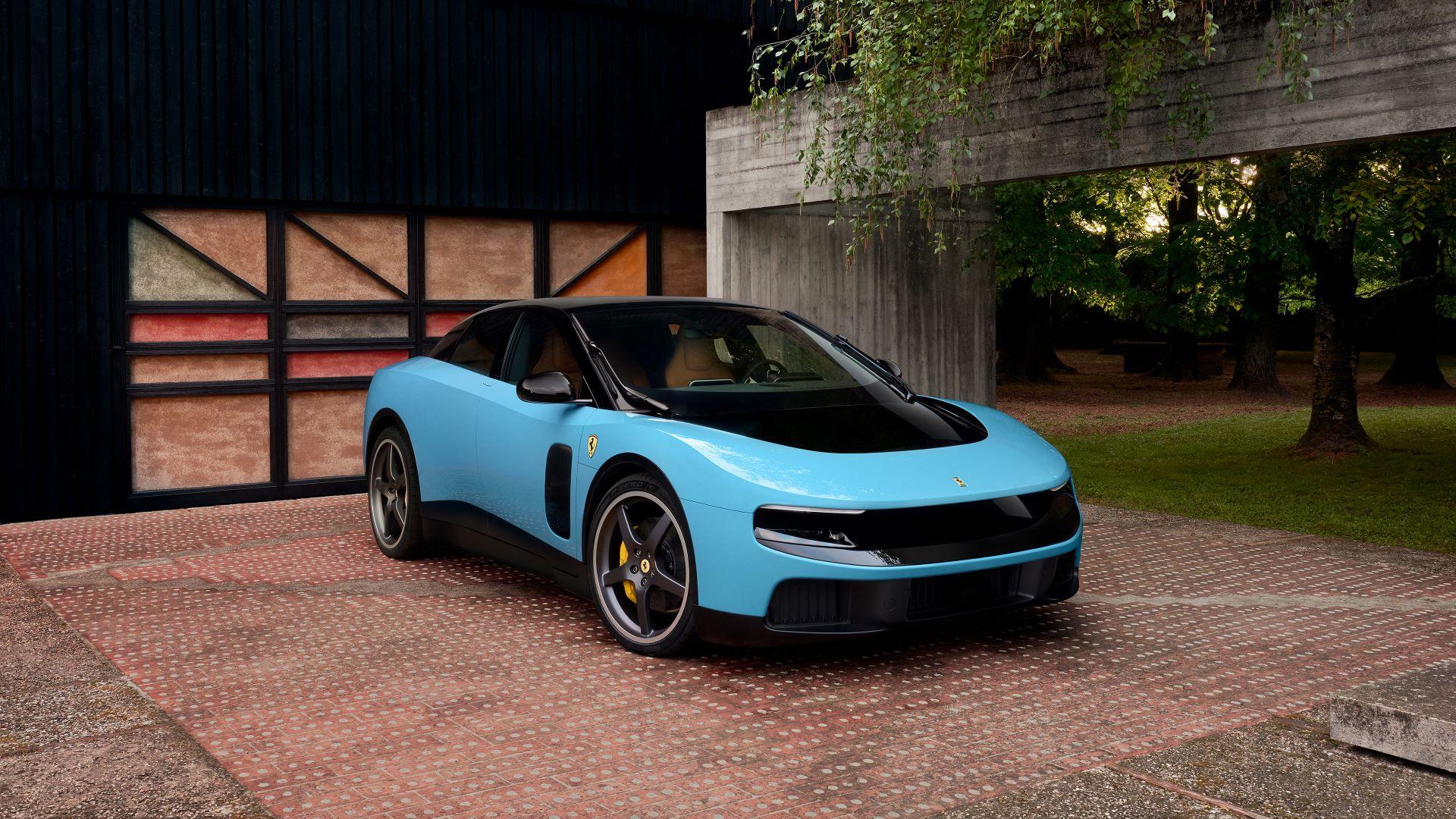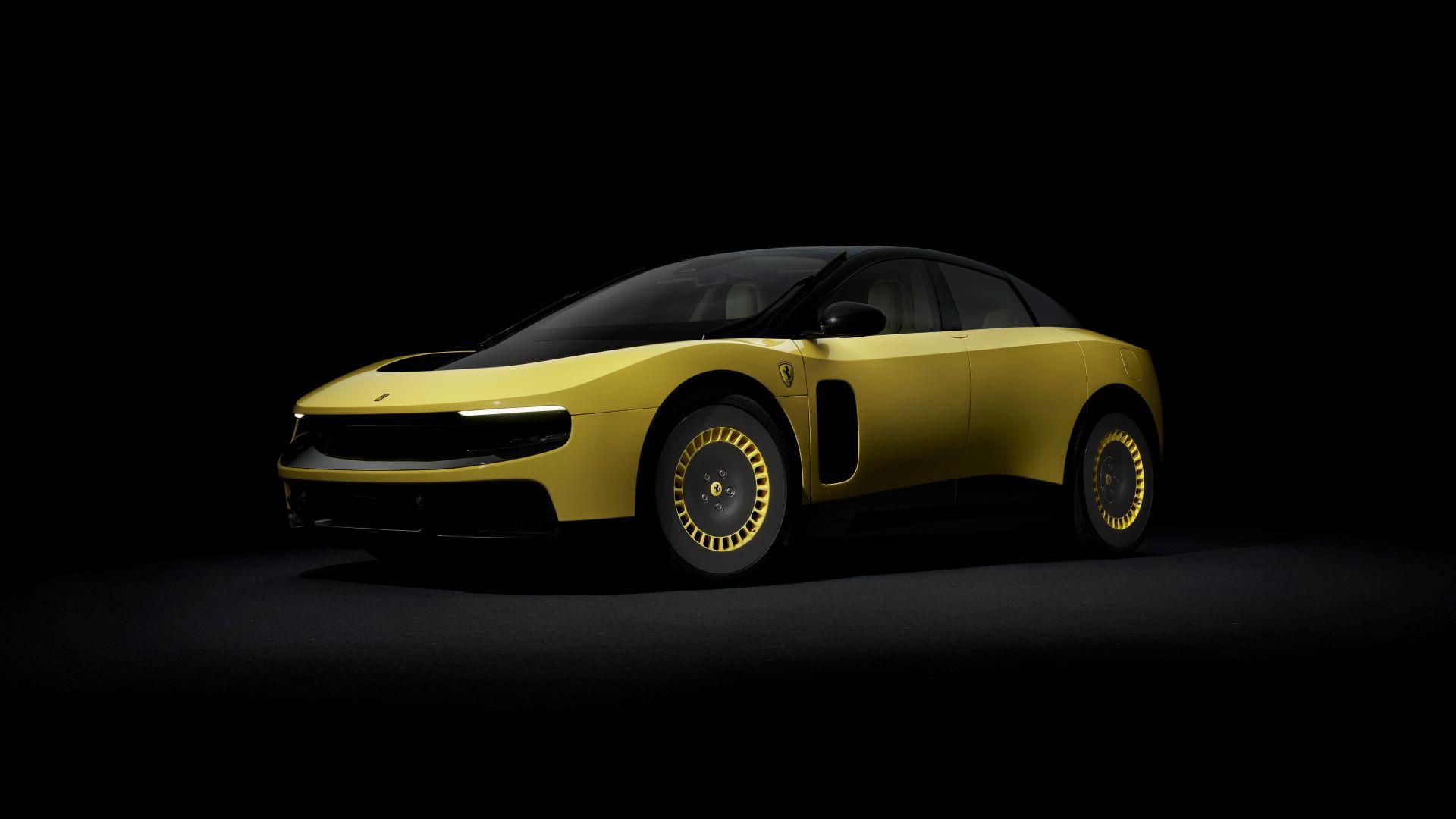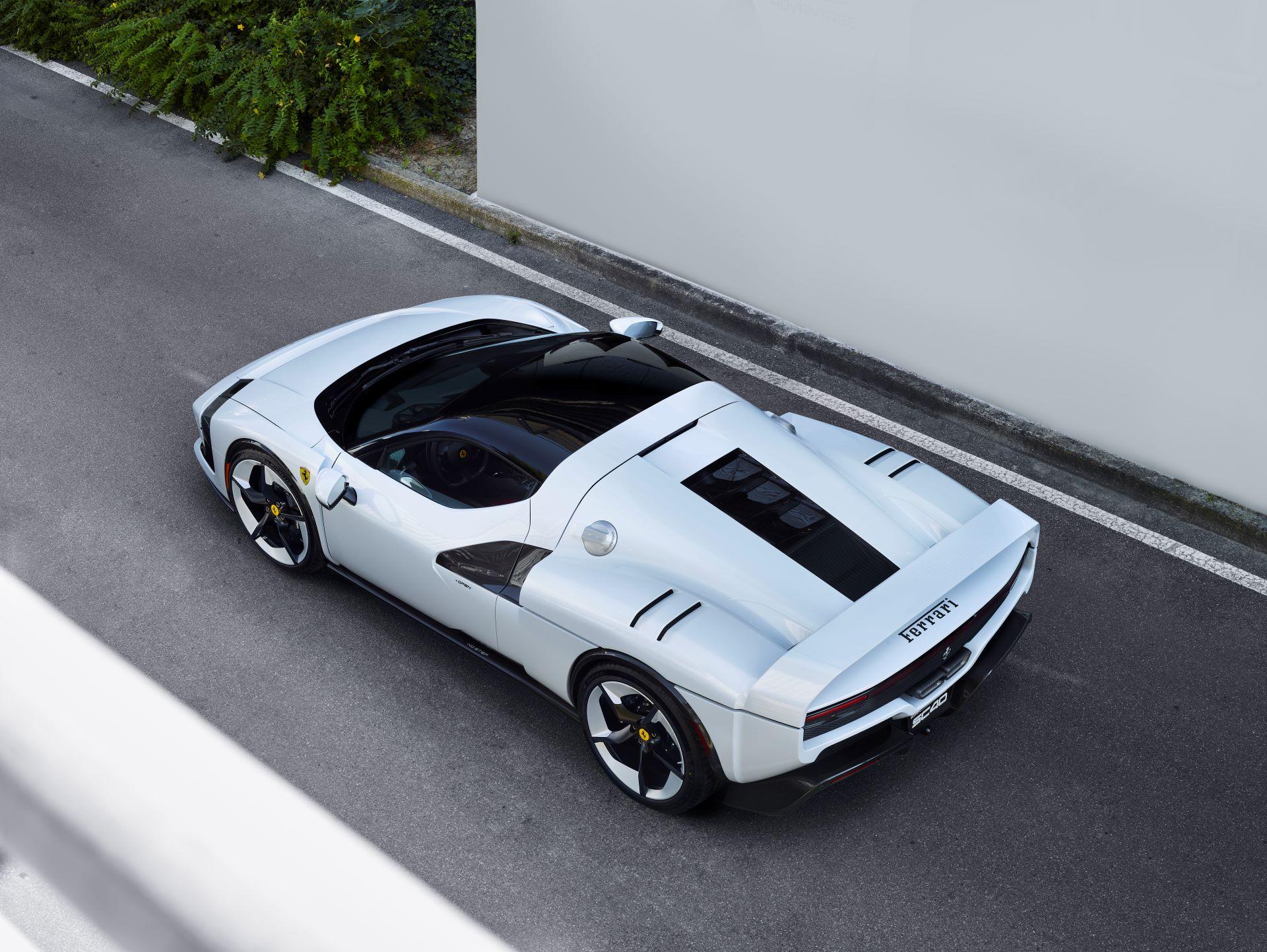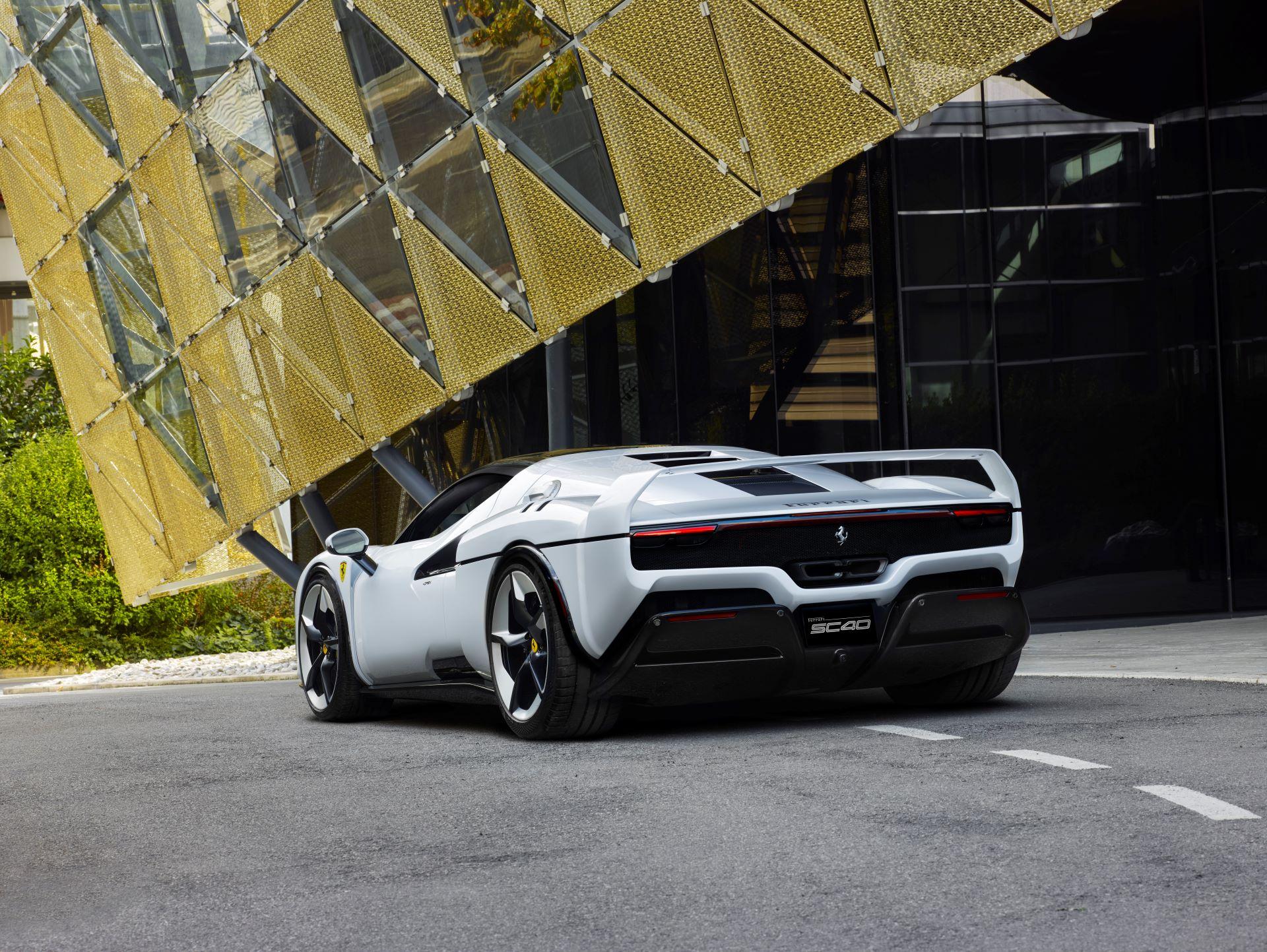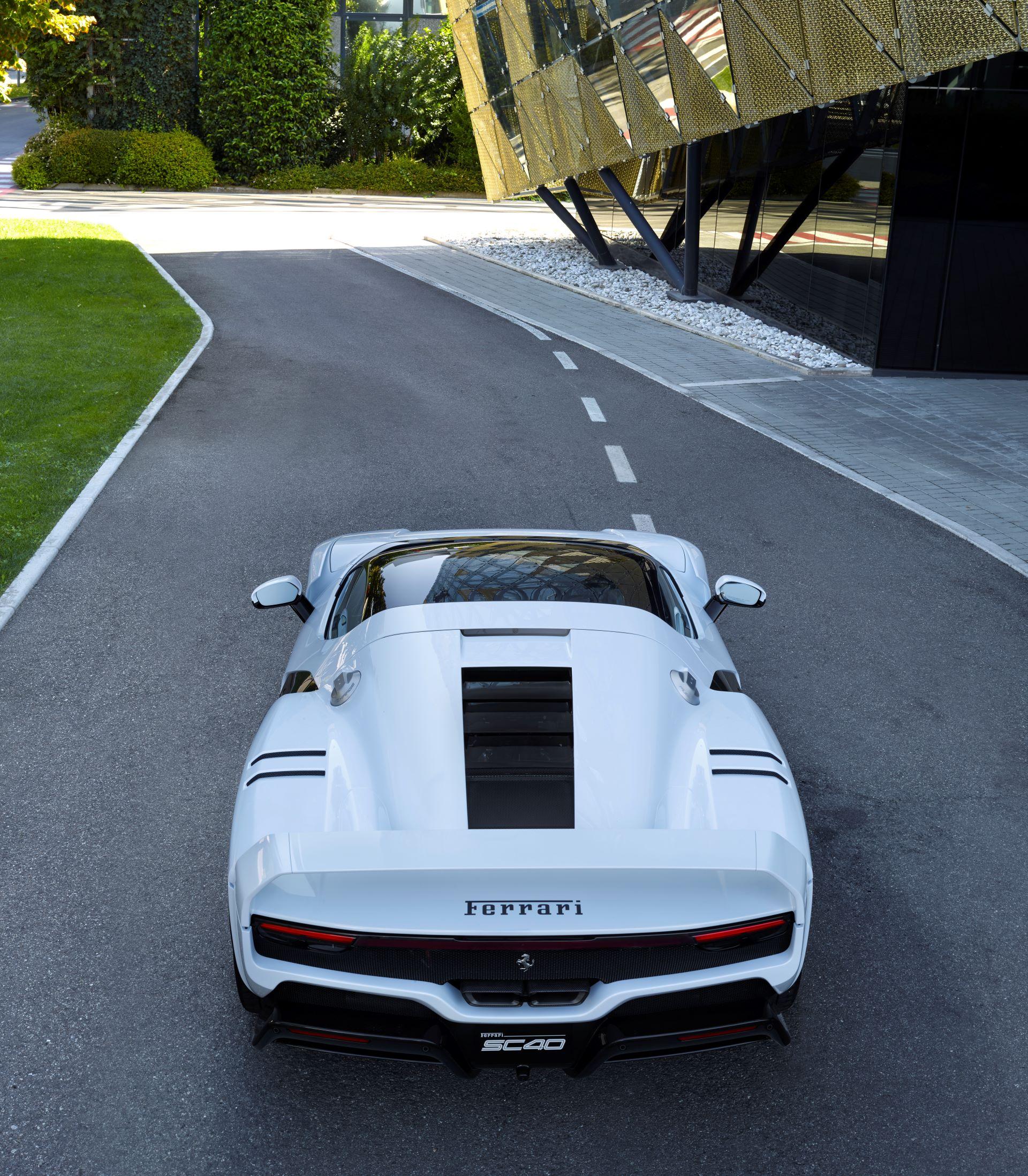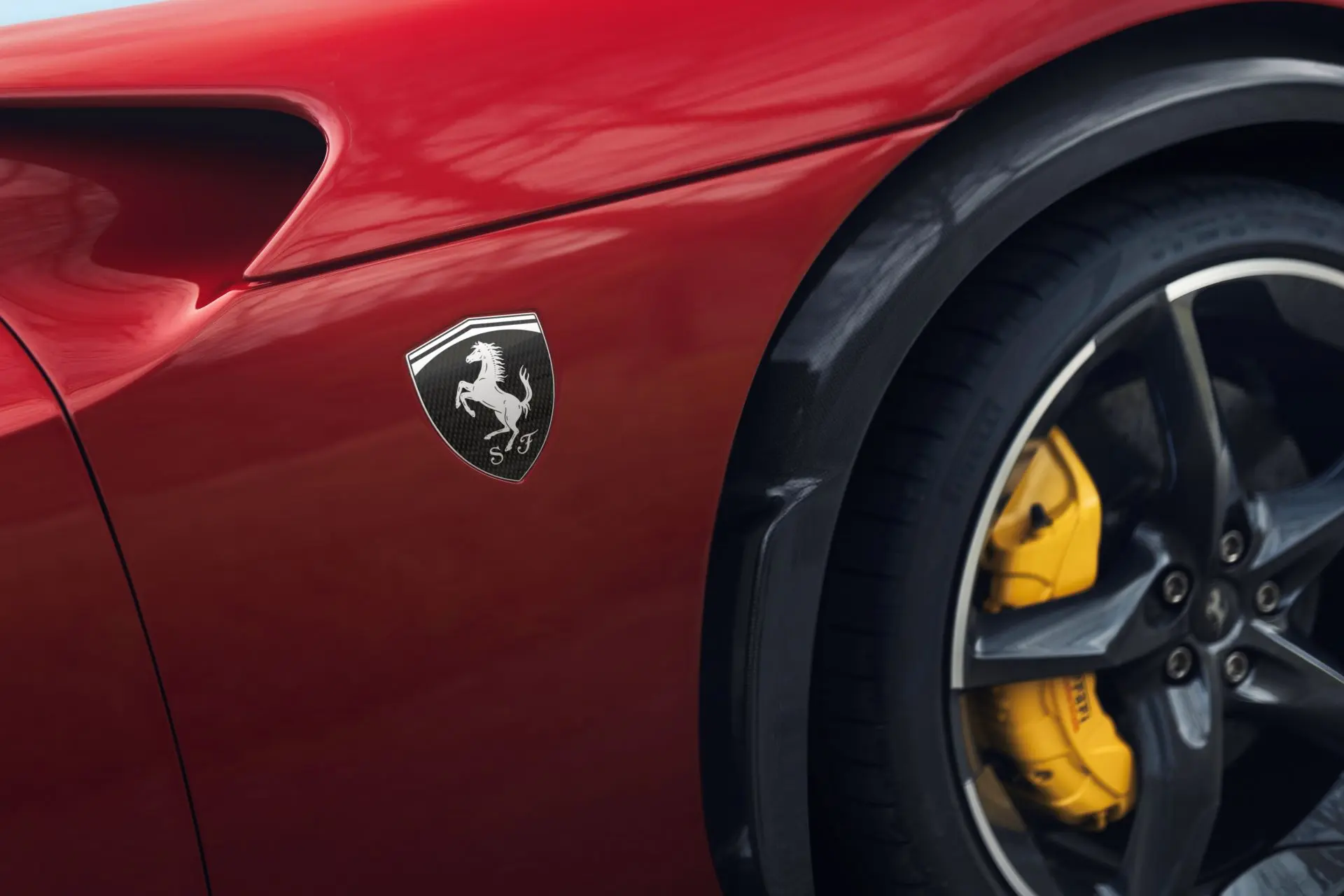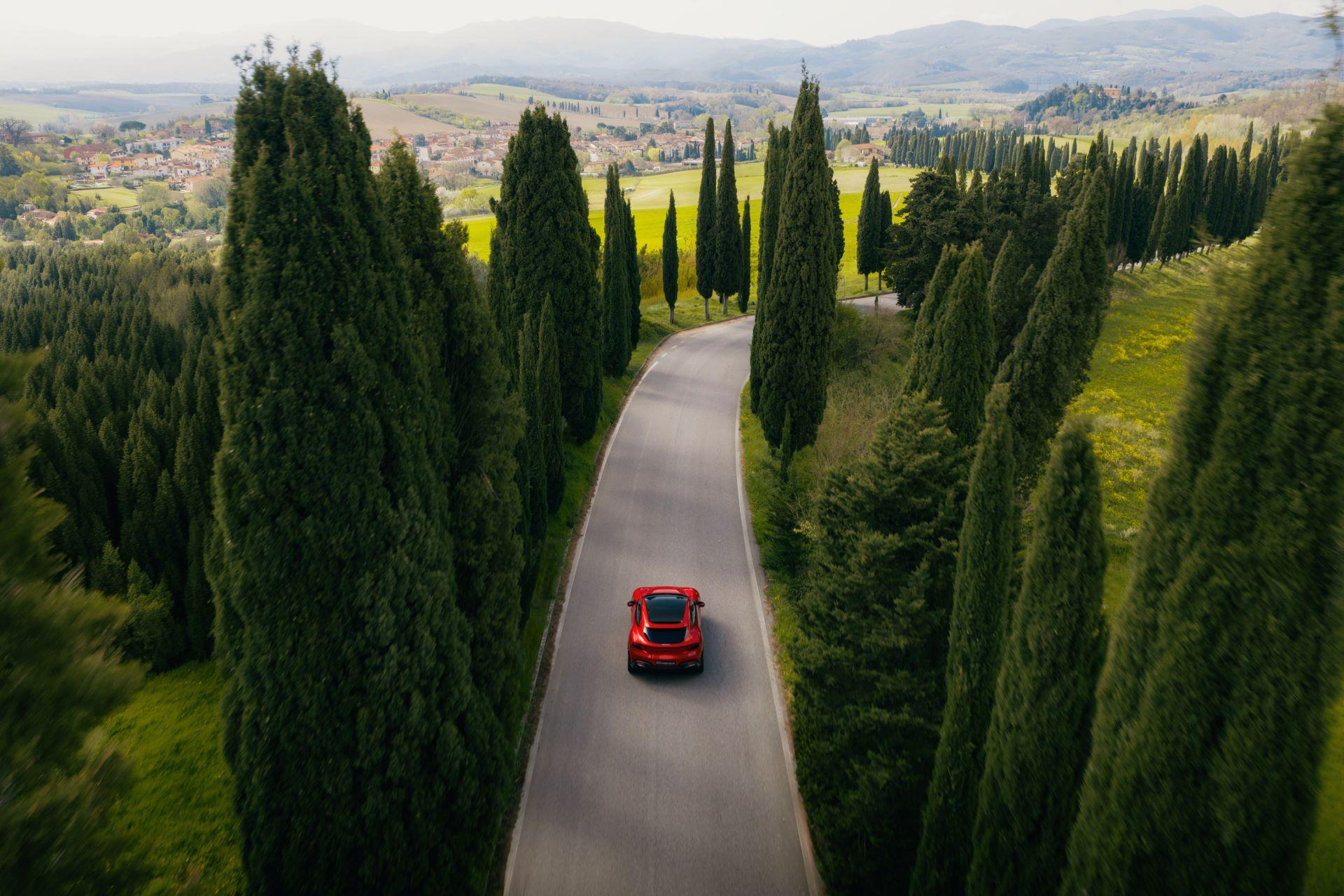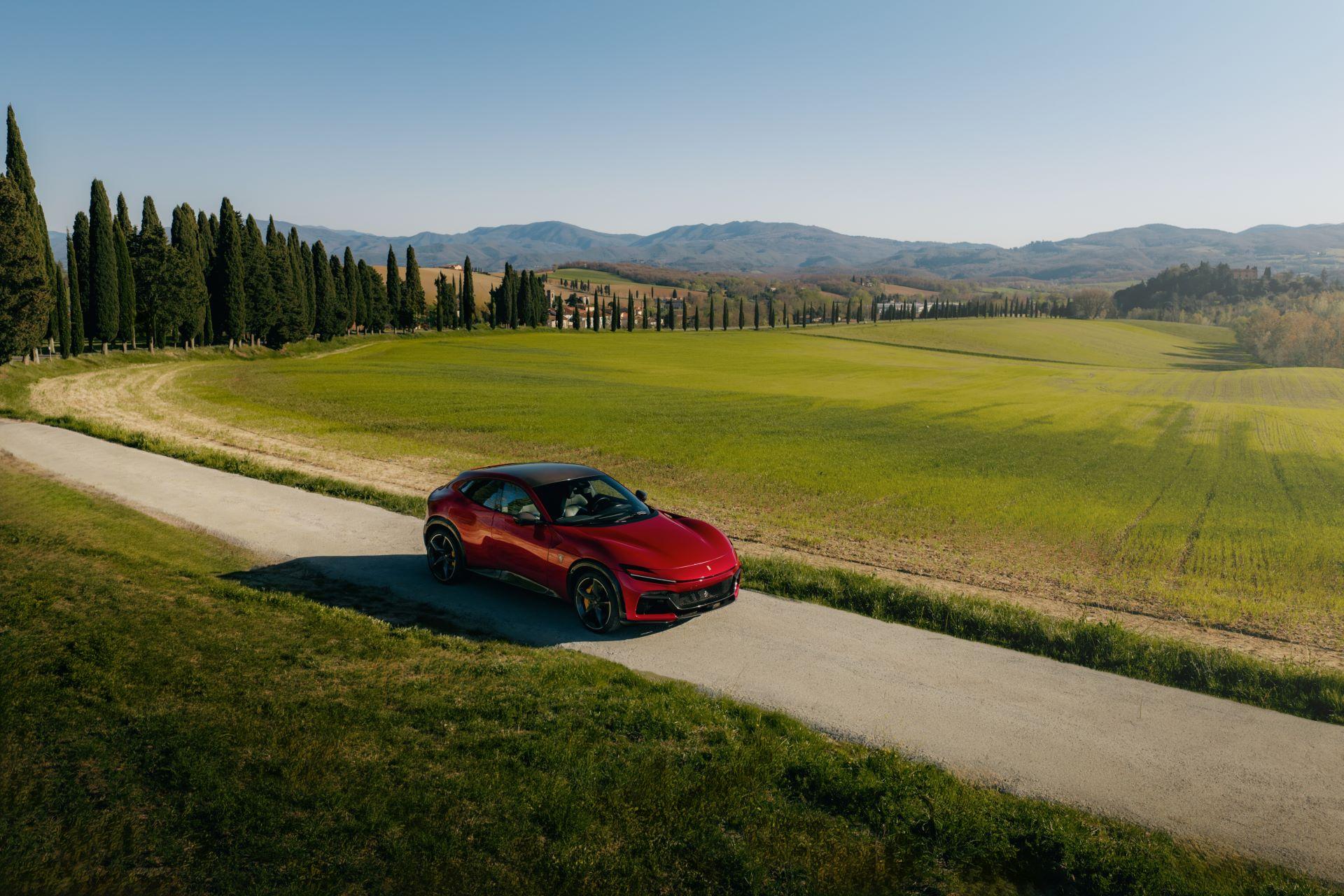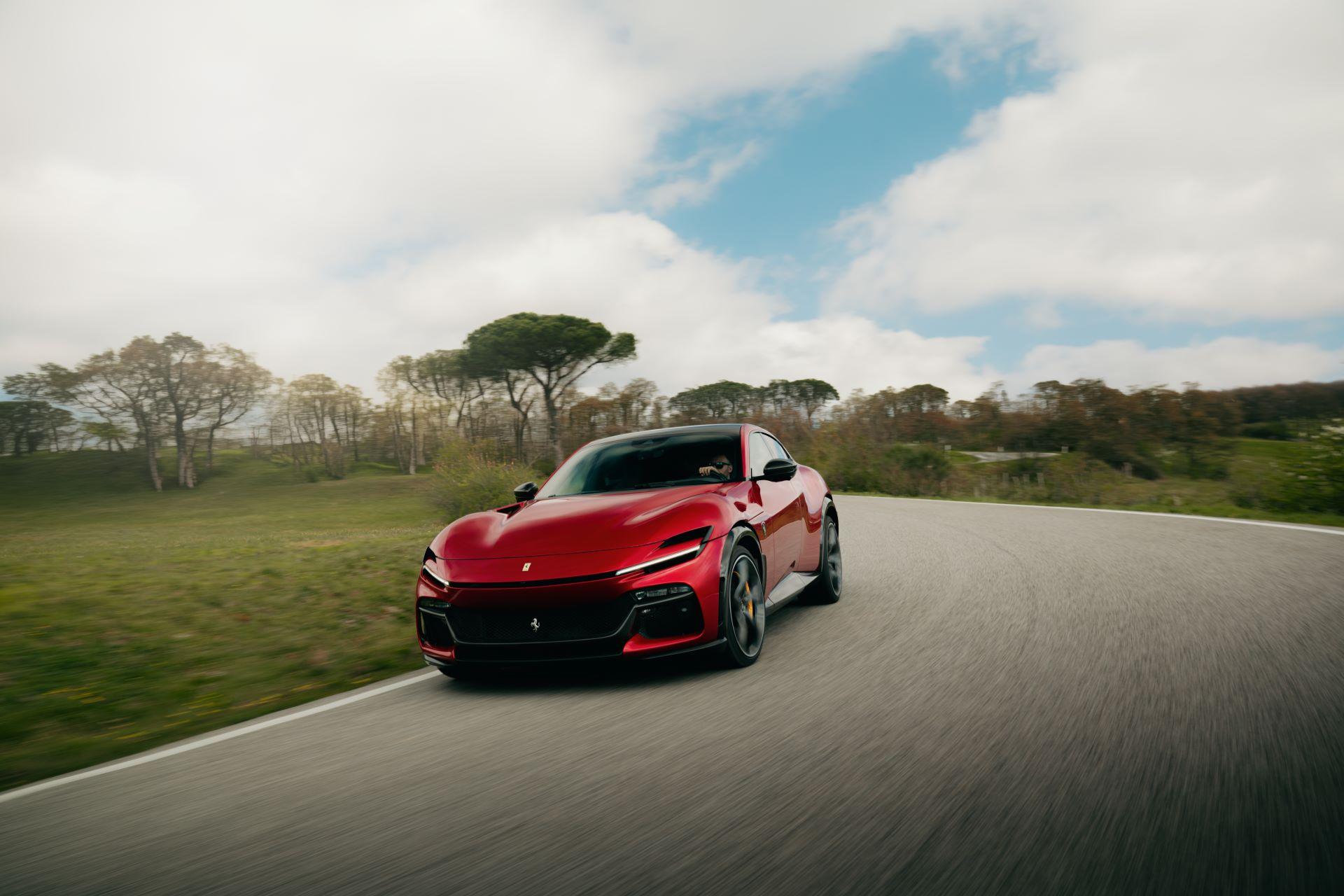




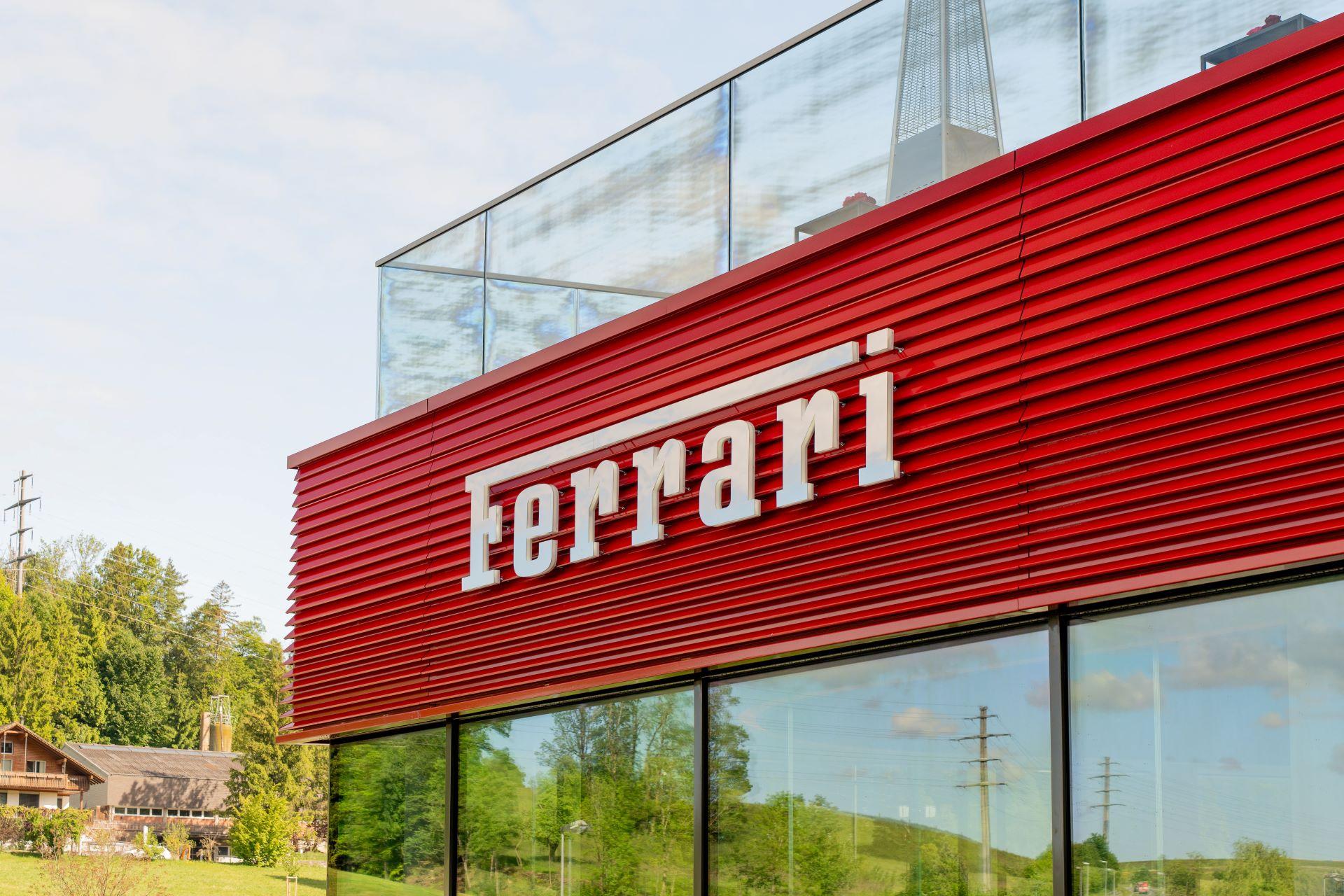



In the quiet precision of Swiss Sihlbrugg, something far more expressive than architecture has taken shape: a new way of experiencing Ferrari. The inauguration of Kessel Auto Zug AG’s new facility marks not just the opening of a dealership, but the unveiling of a fully immersive retail environment designed to reflect Ferrari’s evolving global identity.
Developed by Kessel Auto Zug AG under the umbrella of the Kessel Group, the 6,620-square-metre, seven-level structure is the largest of its kind built to Ferrari’s new Corporate Identity standards. It is a building that behaves less like a showroom and more like a curated journey, where design, emotion and engineering converge into a single continuous narrative.
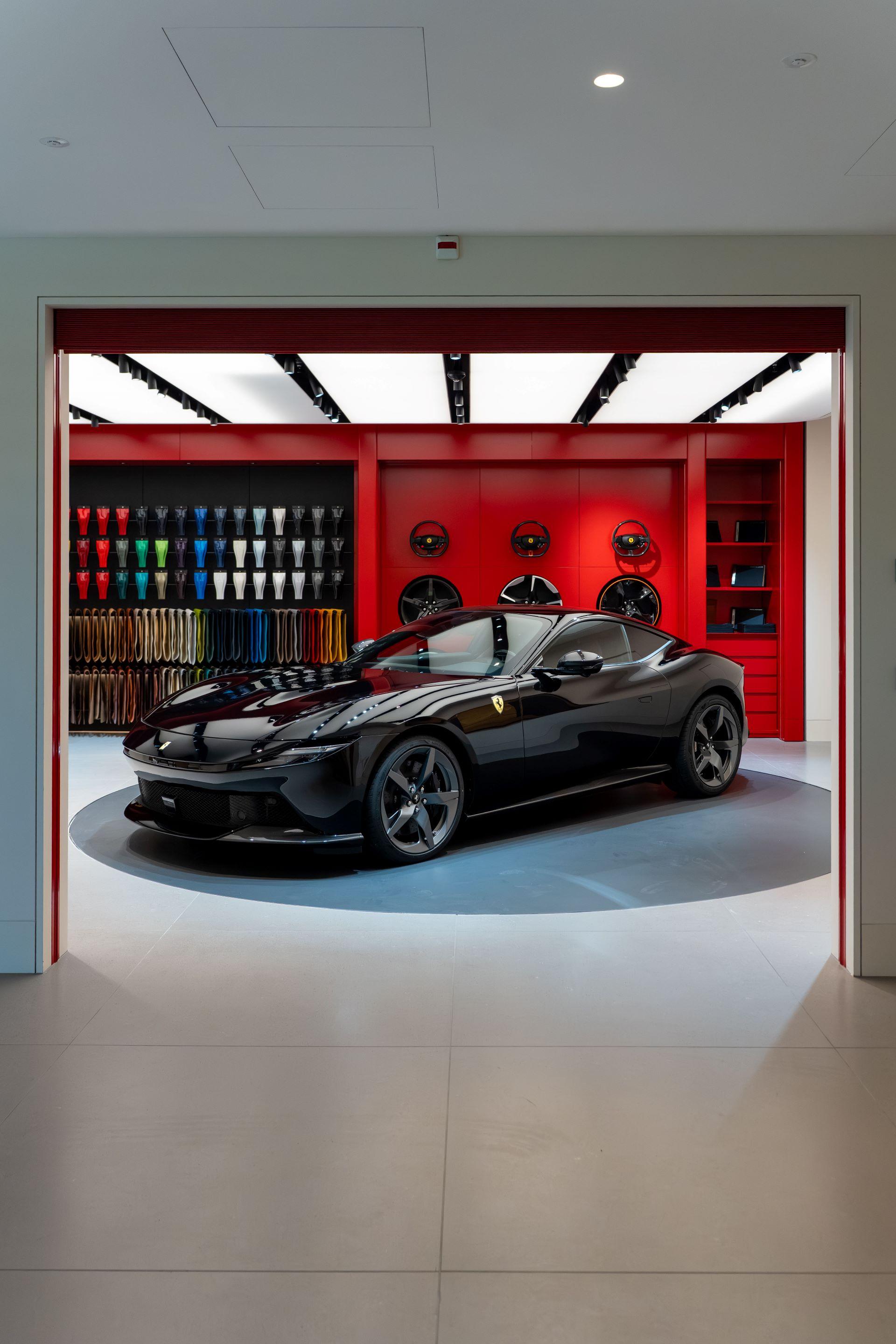
From the moment visitors pass beneath the architectural entrance inspired by traditional Italian porticos, the experience is intentionally cinematic. The space unfolds with fluid geometry, refined materials and carefully choreographed light, echoing the same design philosophy that defines Ferrari’s vehicles. Within this environment, cars are not simply displayed; they are staged as protagonists in a larger story of performance, heritage and craftsmanship.
At the heart of the new dealership lies the “Piazza”, a central gathering space that reinterprets Italian urban culture through a contemporary lens. It is here that clients, enthusiasts and collectors intersect, transforming the showroom into a living community hub. This is where Ferrari’s idea of belonging becomes tangible, where conversations form as naturally as configurations of paint, trim and performance specification.
The inauguration event brought together key figures from Ferrari’s leadership and partner network, including Ronnie Kessel, Enrico Galliera and Reno de Paoli. Their presence underscored the strategic importance of Sihlbrugg within Ferrari’s broader European footprint, signalling a refined direction for how the brand connects with its clients in physical spaces.
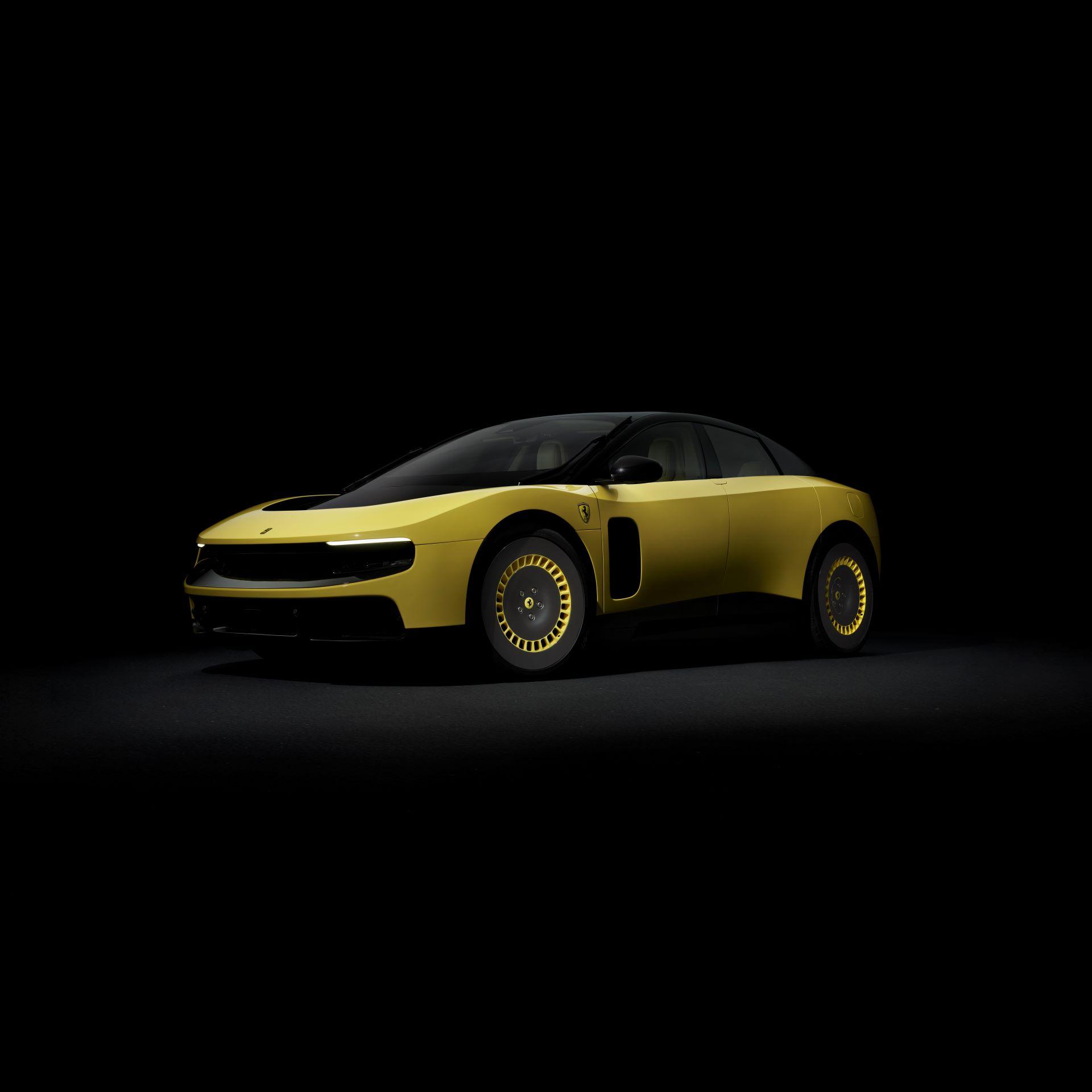
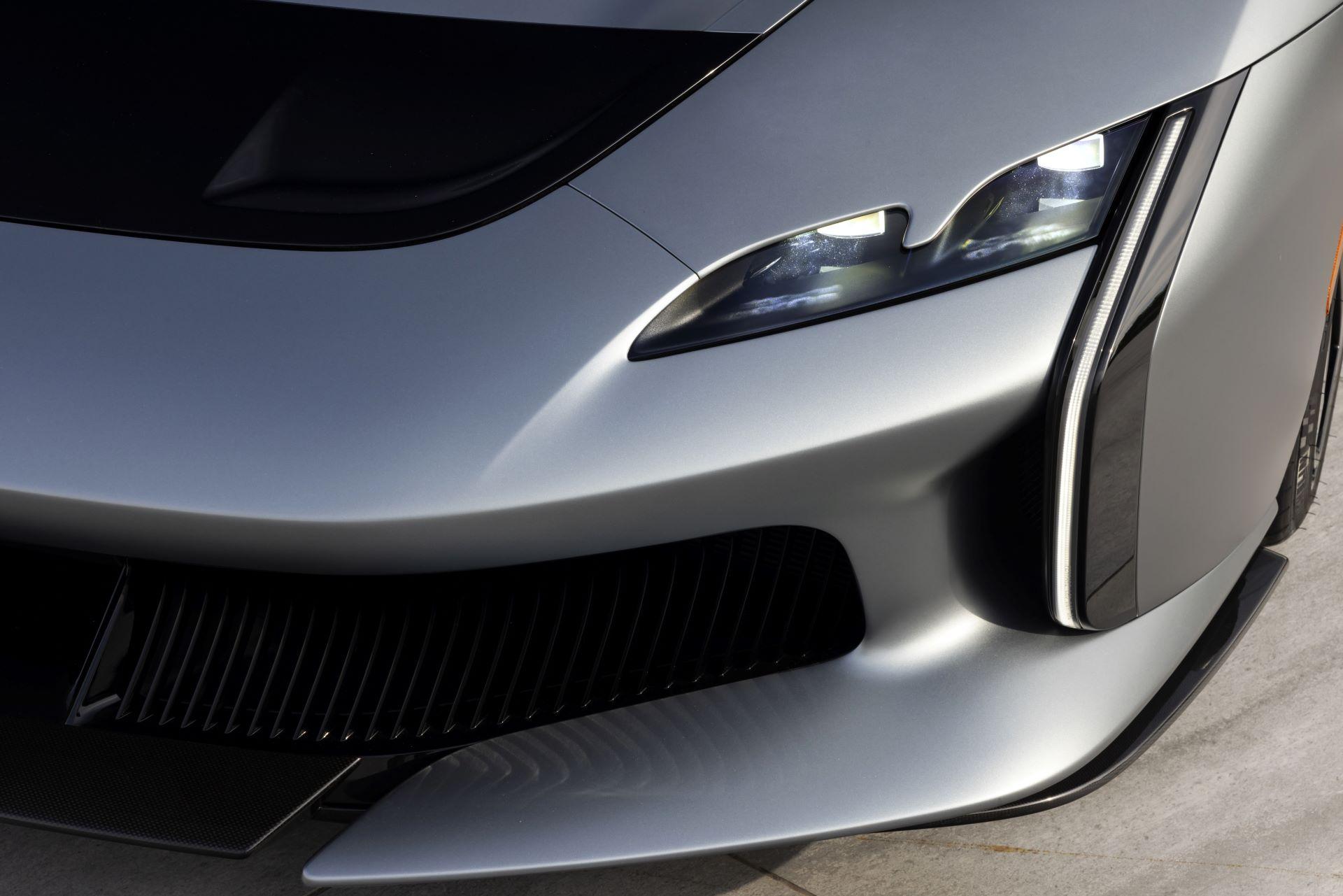
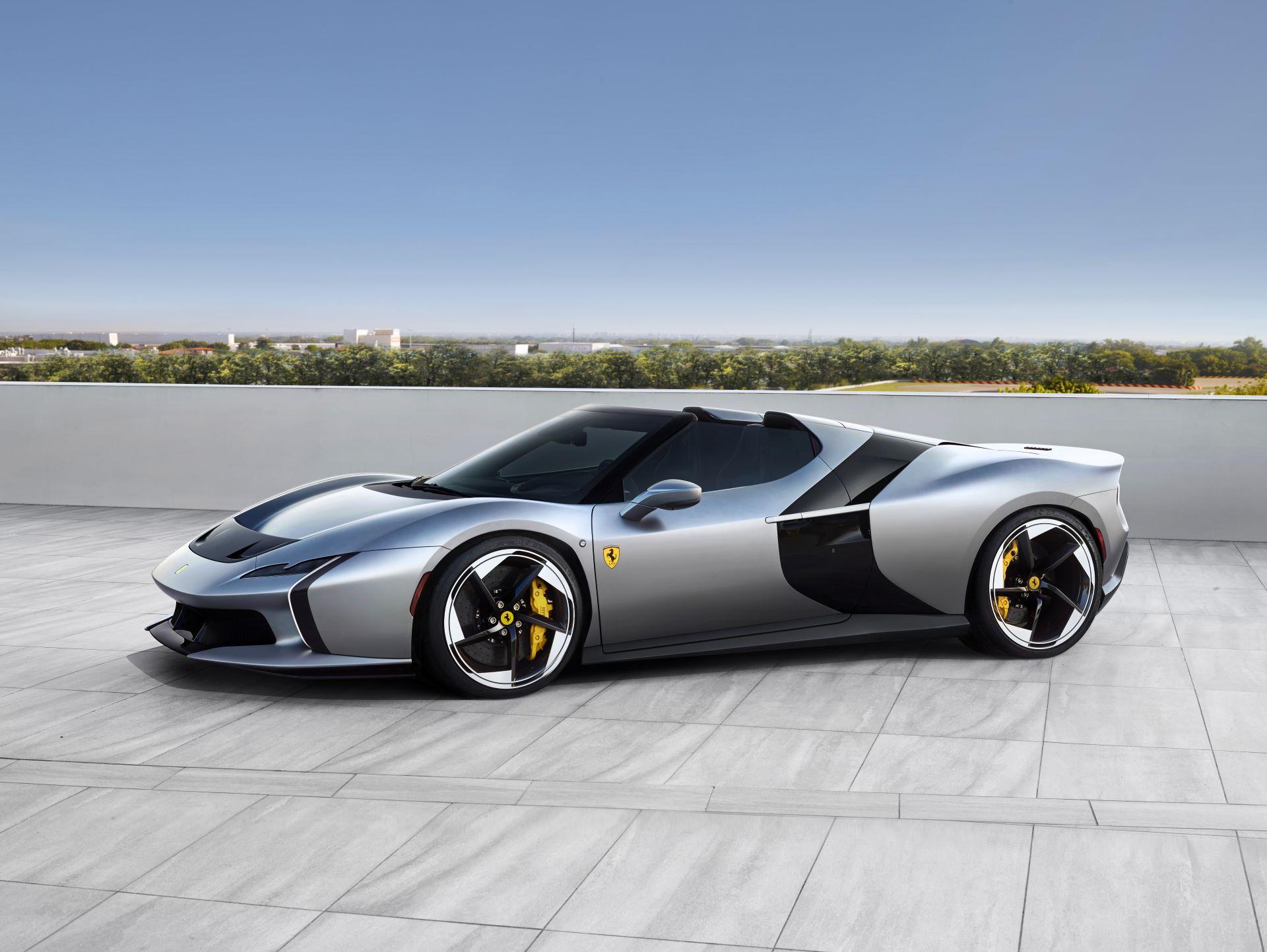
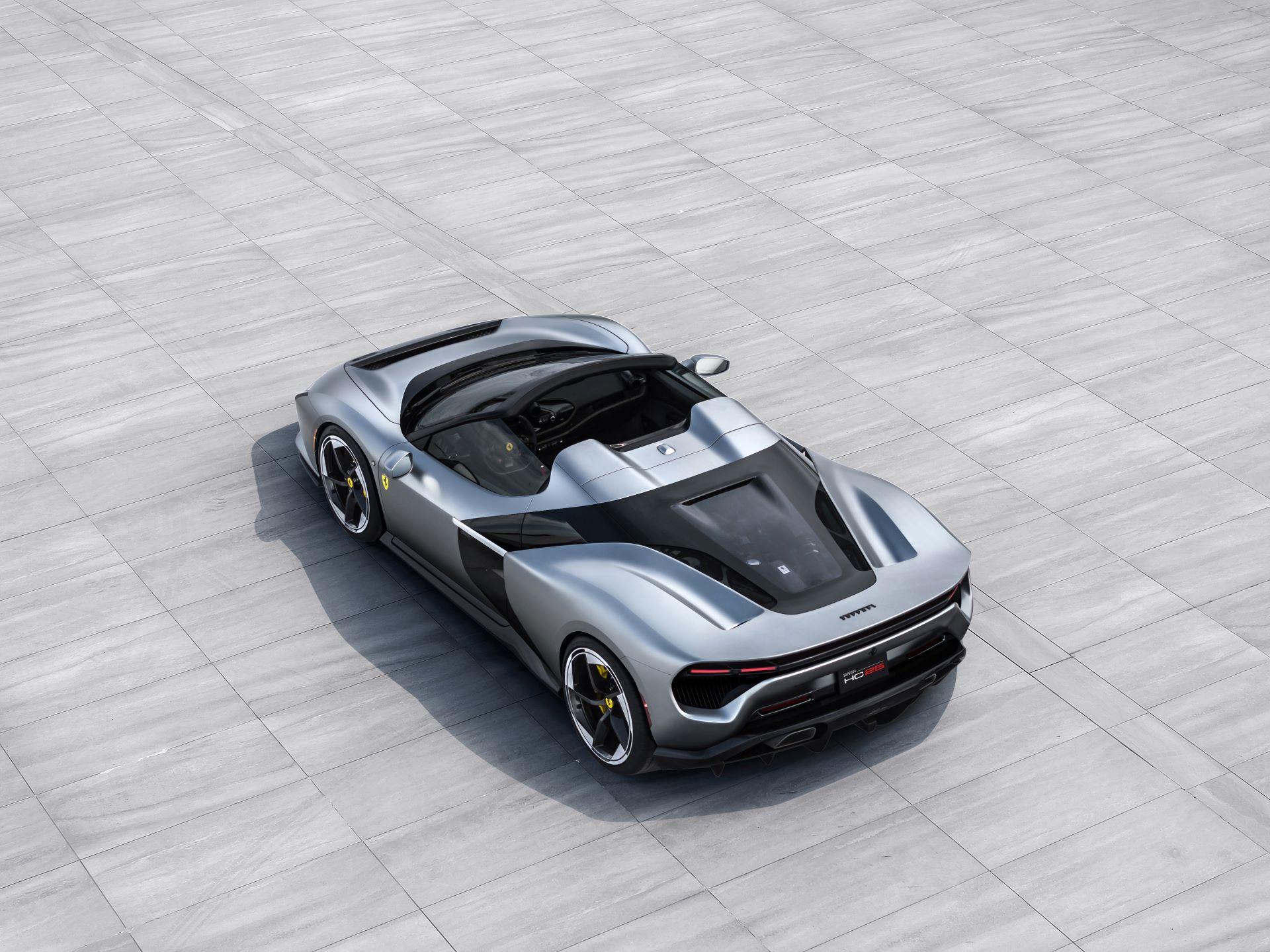
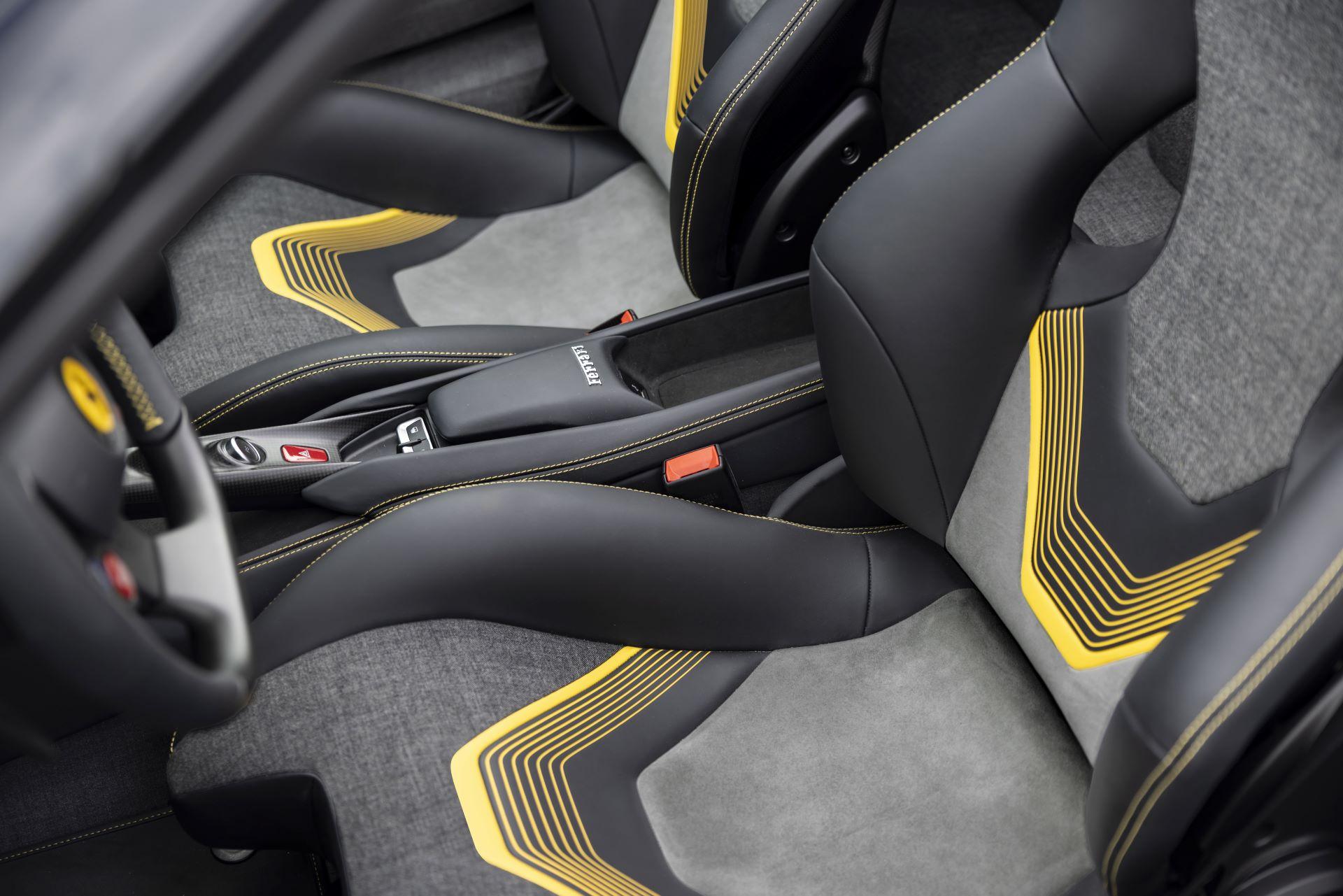
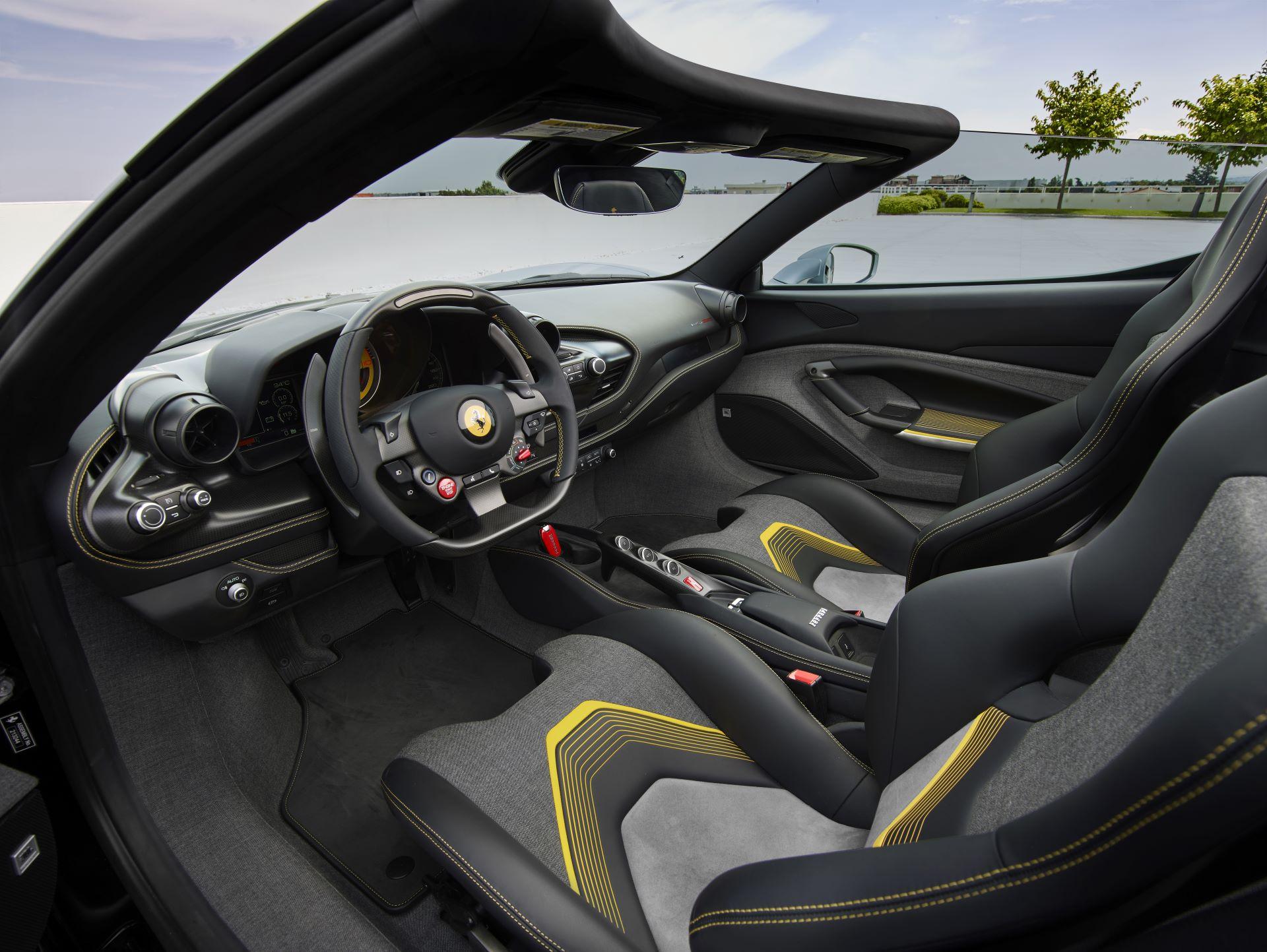
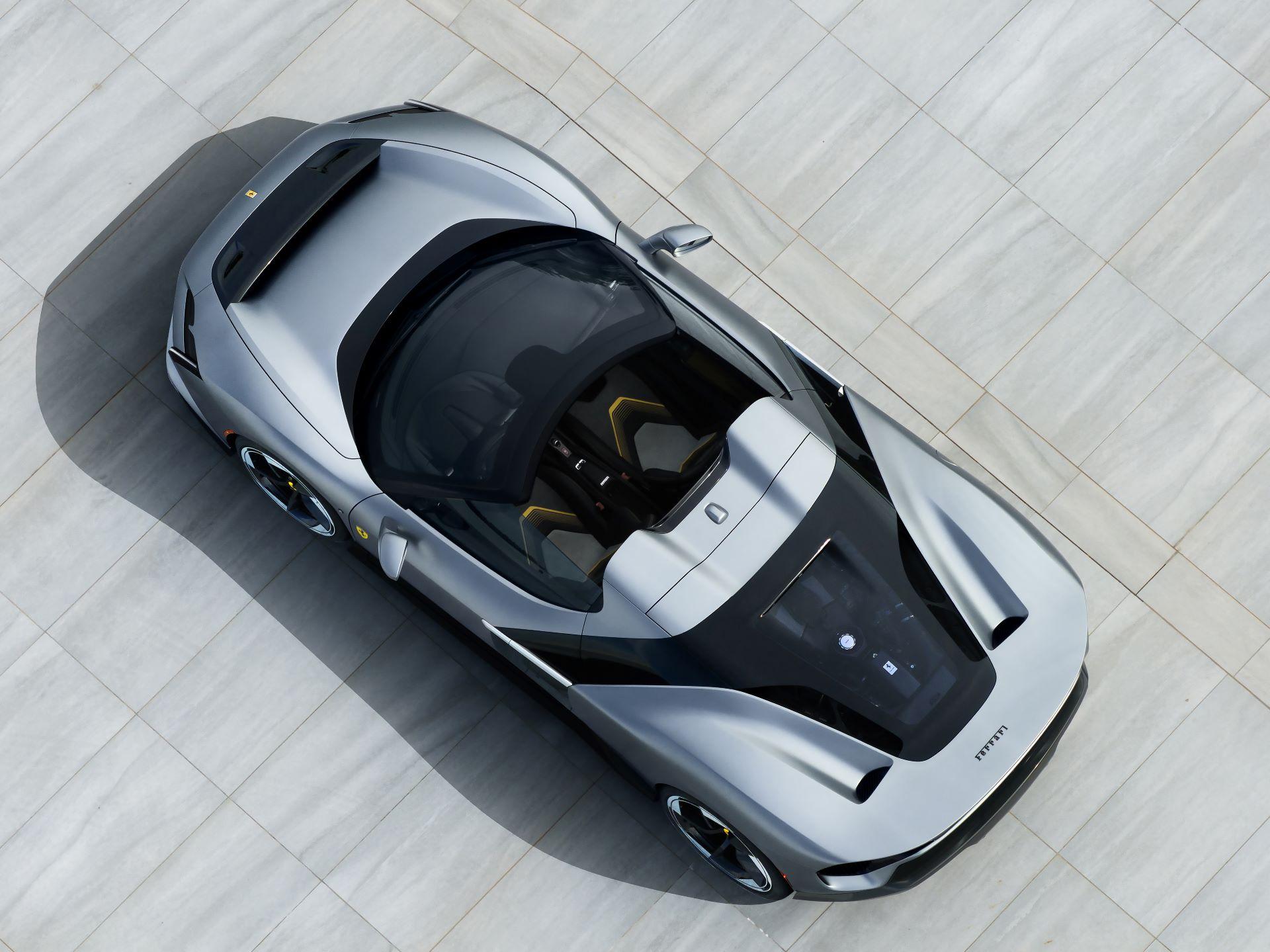
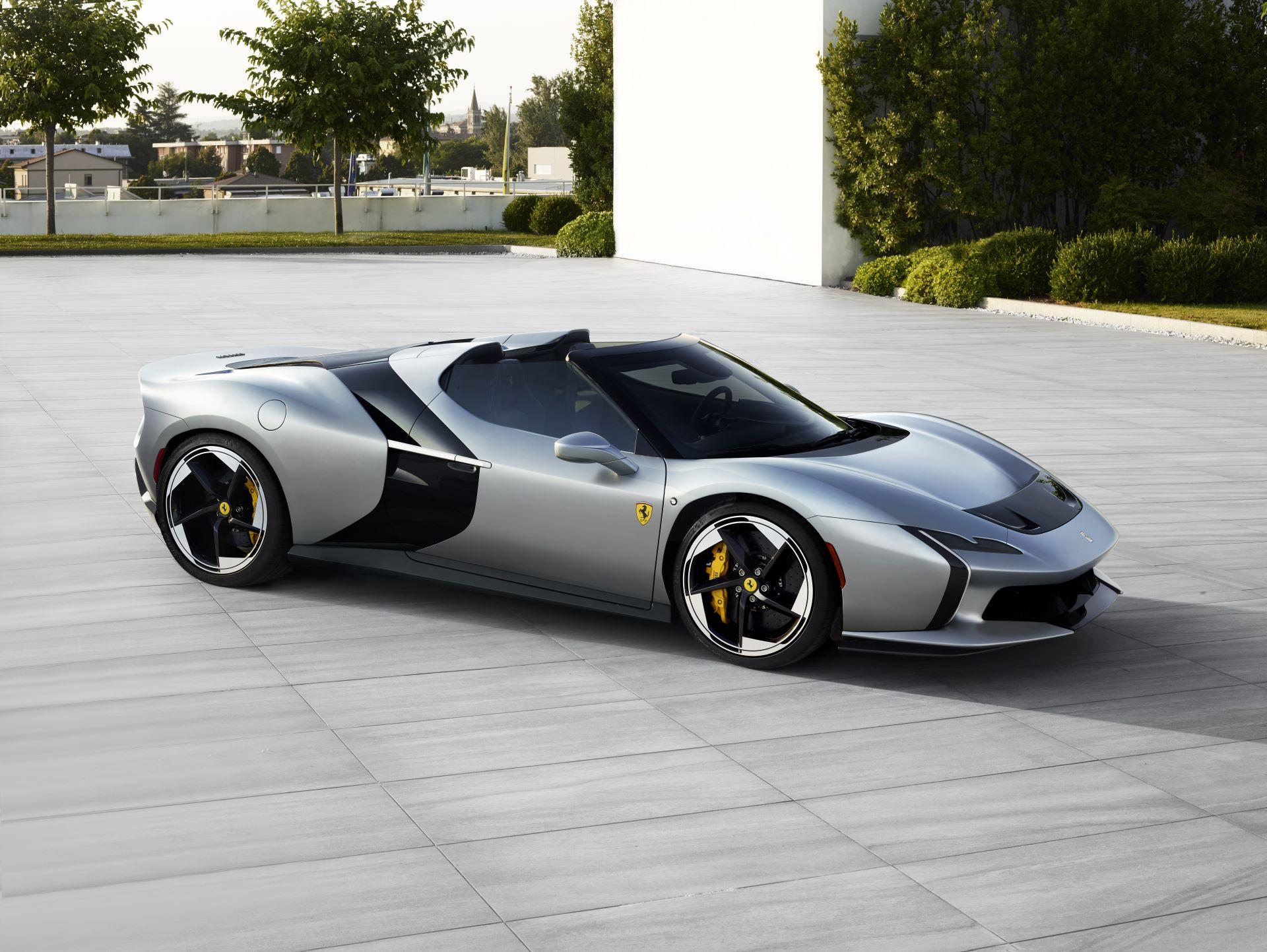
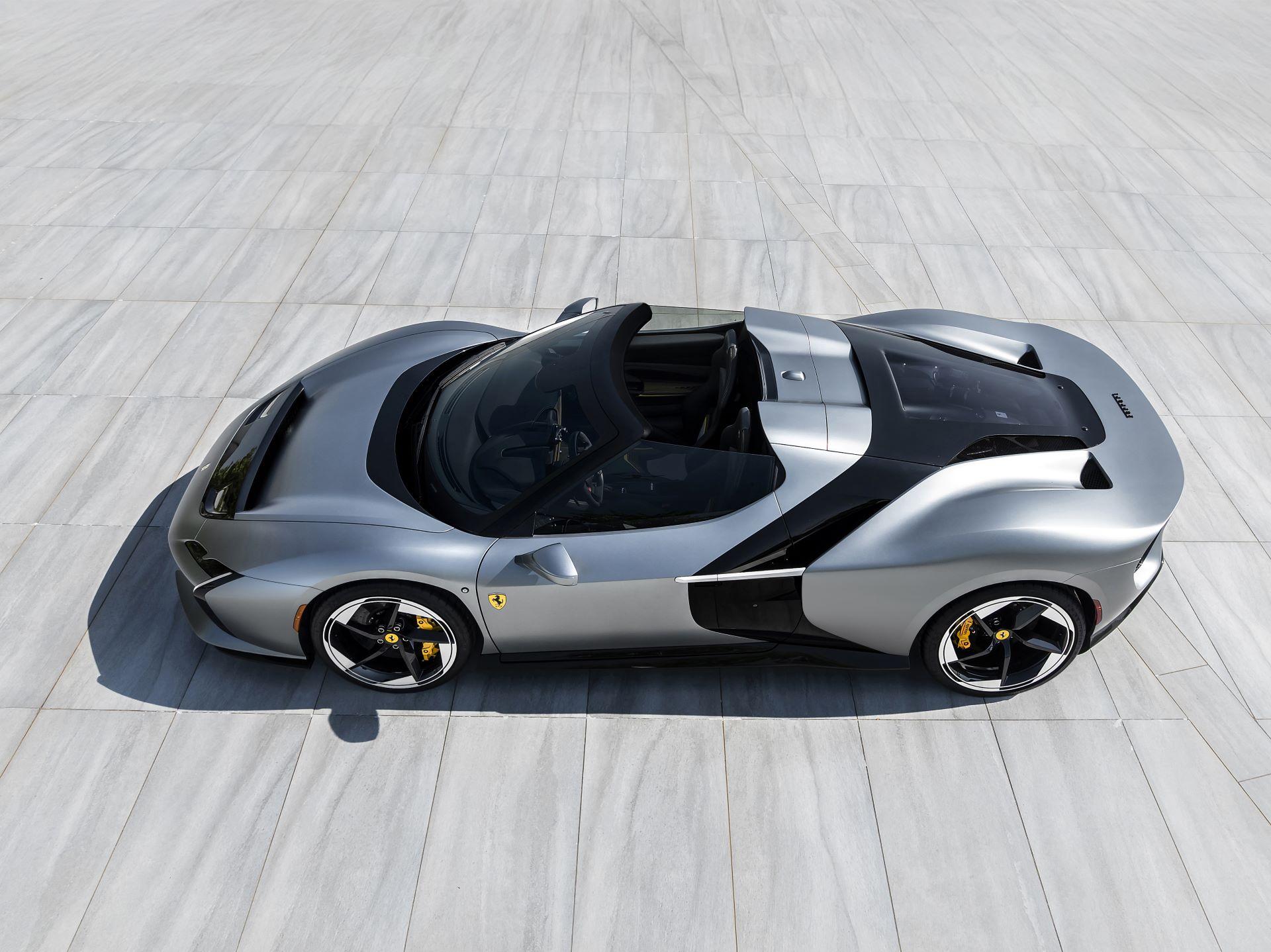
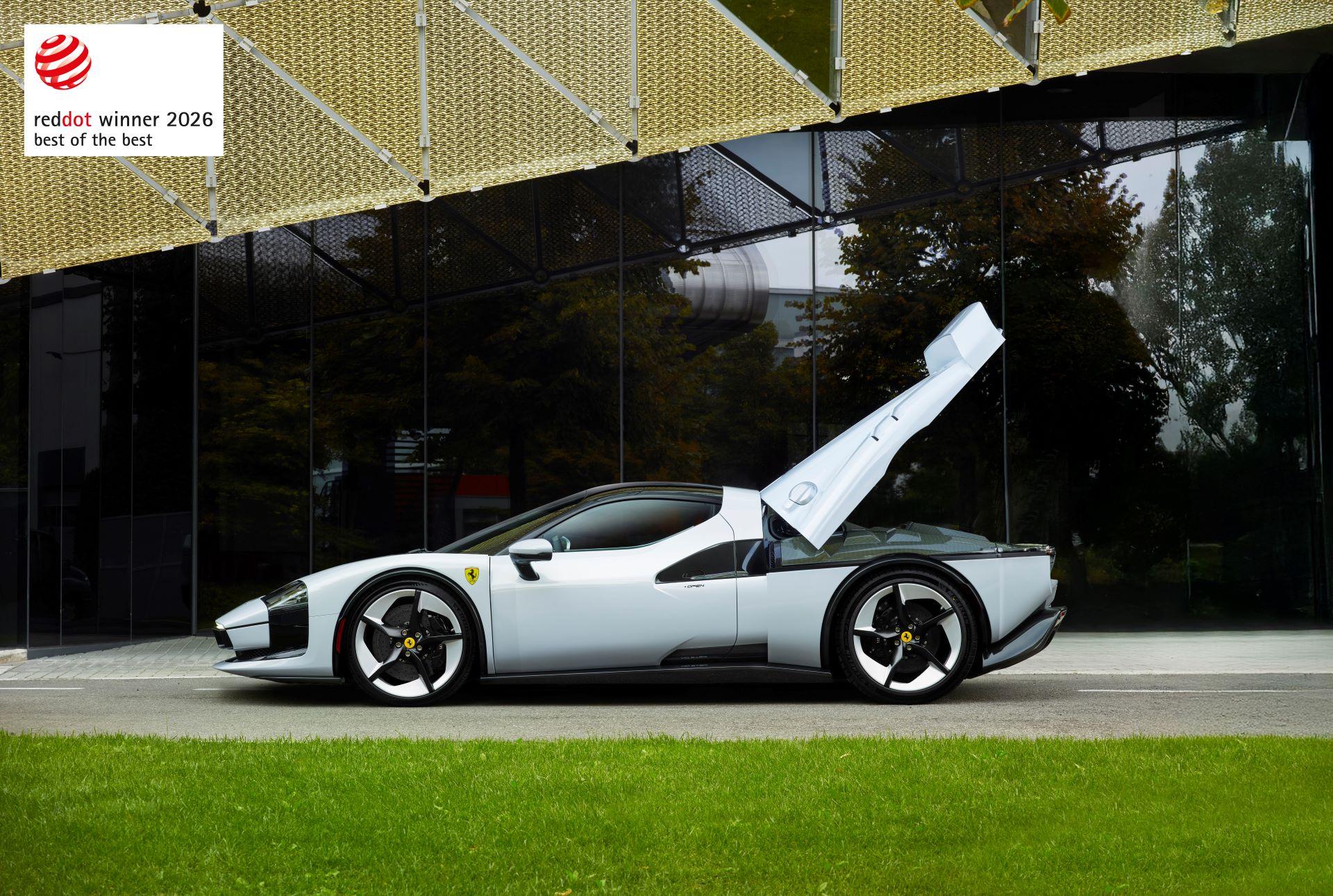
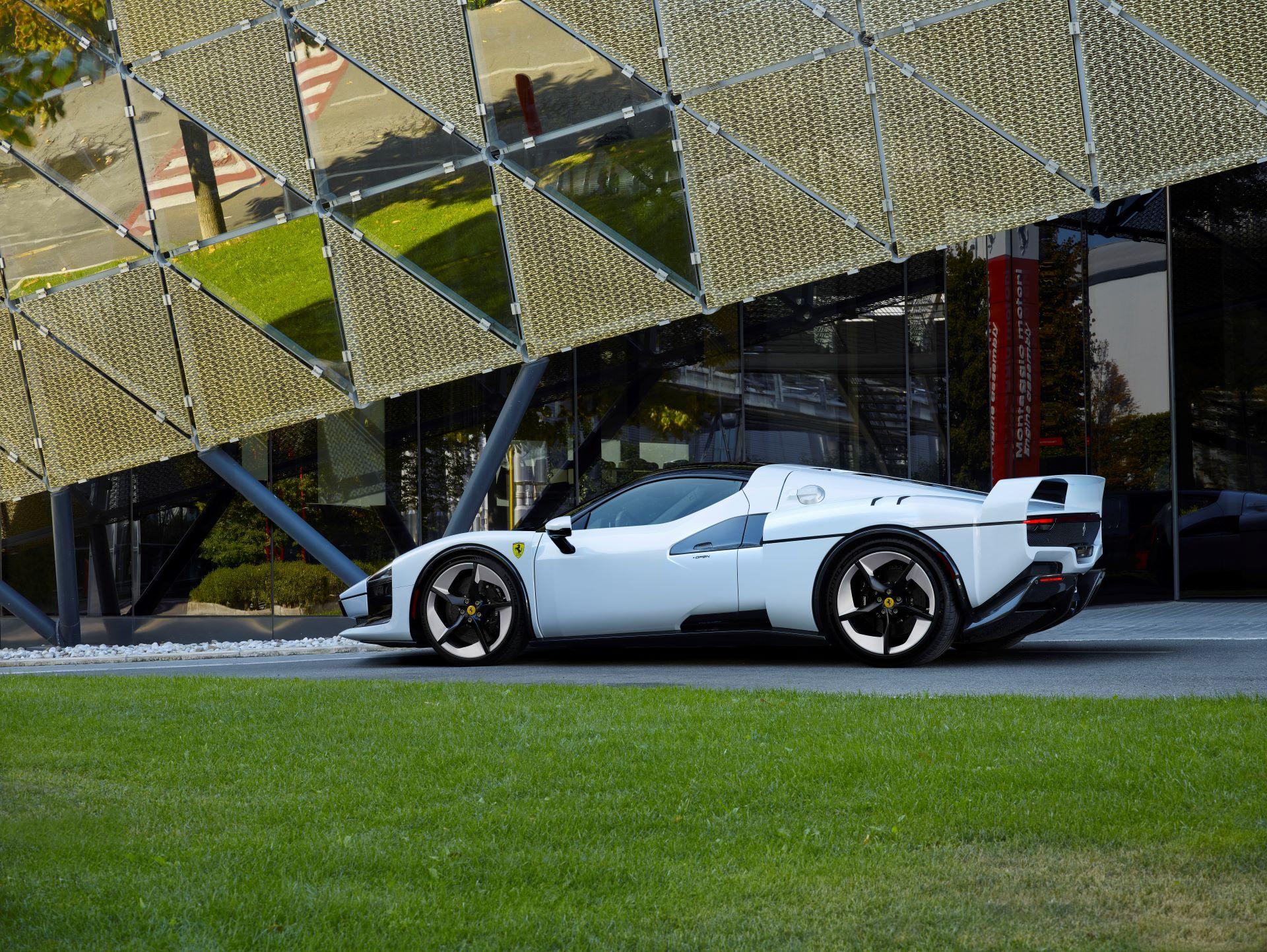
Among the highlights of the opening was the presentation of the Ferrari Amalfi Spider, a model that embodies the brand’s current design and performance ethos. Its presence within the new facility felt deliberate, almost symbolic, reinforcing the dealership’s role as both a commercial space and a stage for automotive artistry.
The building itself is structured around Ferrari’s new Corporate Identity pillars: a heightened sense of experiential uniqueness, a strengthened community focus, and the seamless integration of physical and digital touchpoints. Technology is embedded subtly throughout, enabling clients to explore personalisation options and vehicle details without breaking the aesthetic rhythm of the environment. Digital tools extend the experience rather than interrupt it, reinforcing Ferrari’s philosophy that innovation should always serve emotion.
Beyond the showroom, the integration of Pre-Owned, Service and client engagement areas creates a complete lifecycle ecosystem. The Ferrari Approved programme ensures that even pre-owned vehicles meet the same uncompromising standards as new models, reinforcing continuity across ownership journeys. Service operations, meanwhile, are designed with a focus on precision and comfort, reflecting the same discipline and attention to detail found in Ferrari’s engineering processes.
Sustainability also plays a quiet but meaningful role in the development. Energy-efficient systems and environmentally conscious construction methods have been incorporated to reduce the building’s footprint, aligning with Ferrari’s long-term commitment to responsible innovation and value creation without compromising performance or design integrity.
What emerges in Sihlbrugg is not simply a dealership, but a redefinition of what a luxury automotive environment can be. It is a place where ownership begins long before a vehicle is delivered, where community is as important as configuration, and where every surface, interaction and detail has been shaped to reflect the identity of Ferrari itself.
In this new Swiss landmark, Ferrari has not just expanded its presence. It has reimagined the very architecture of connection between brand, machine and human experience.