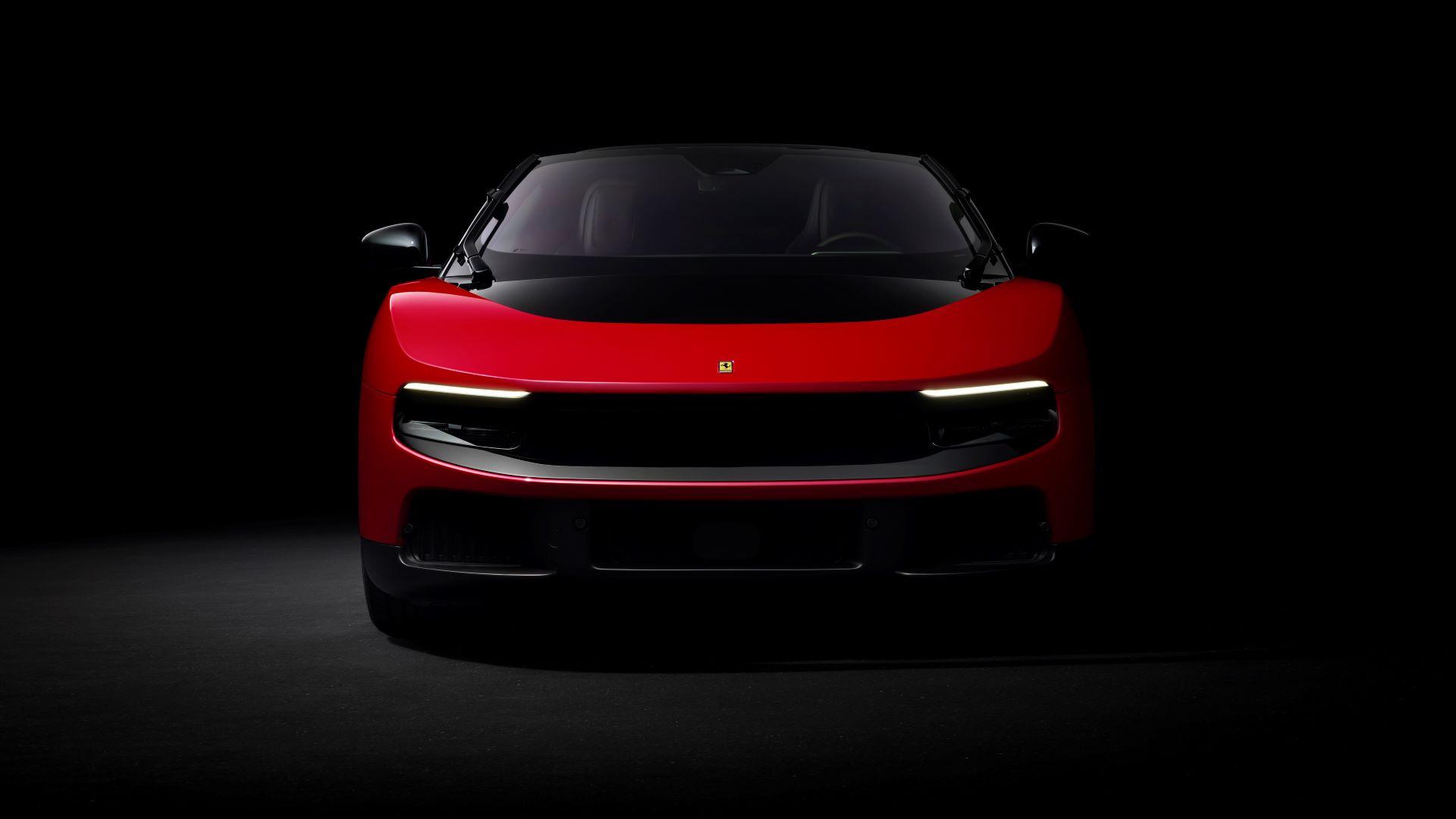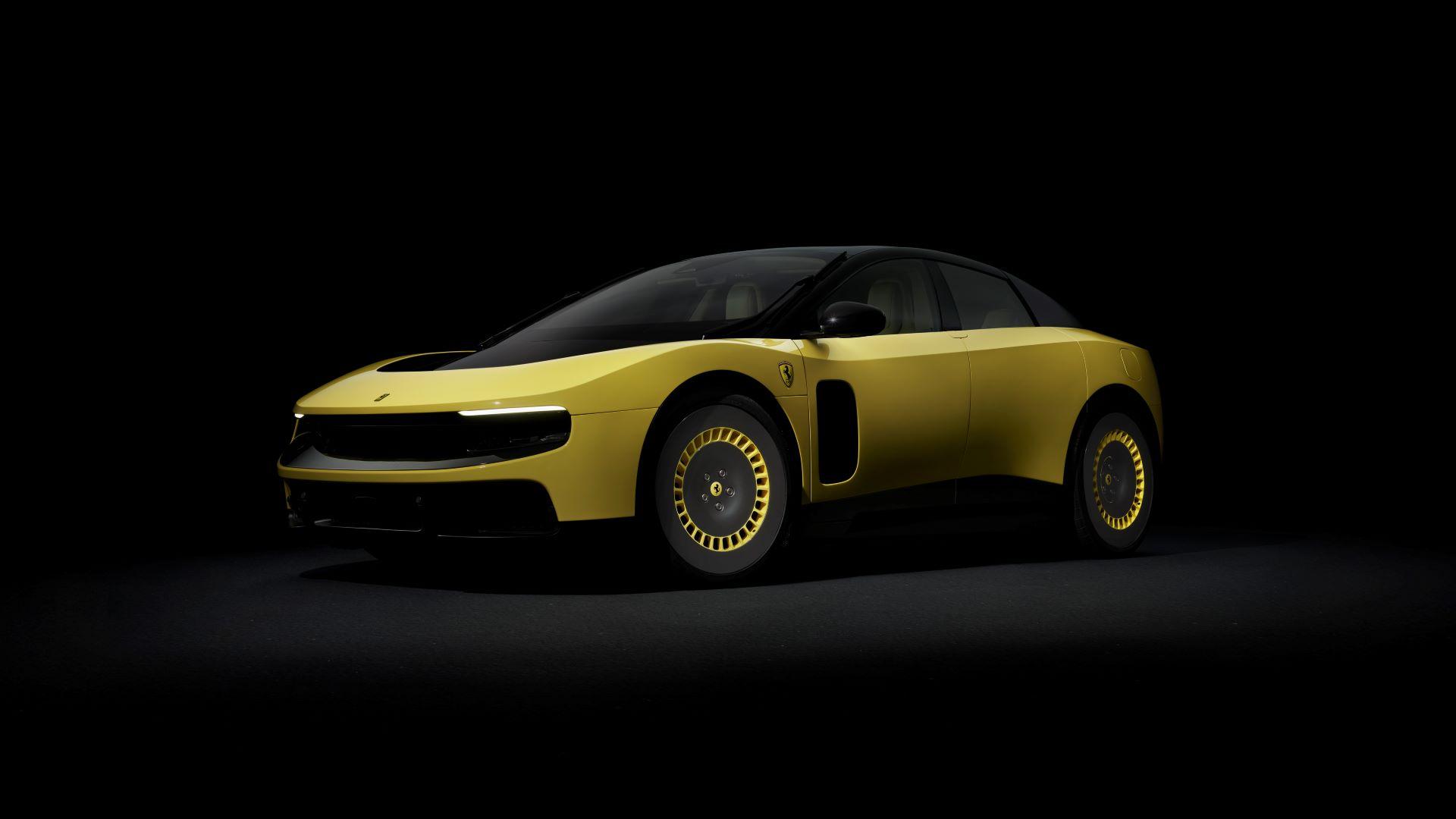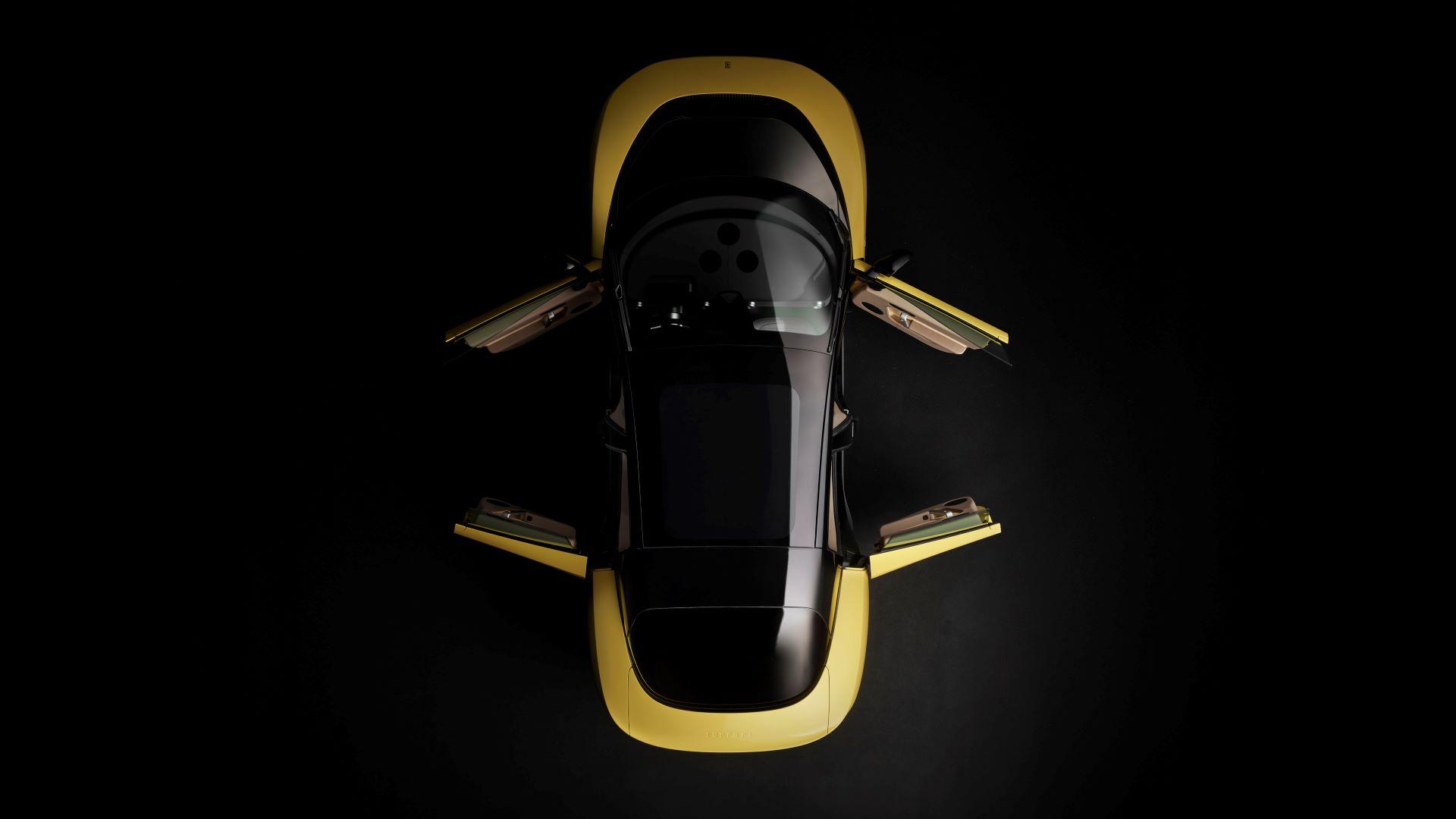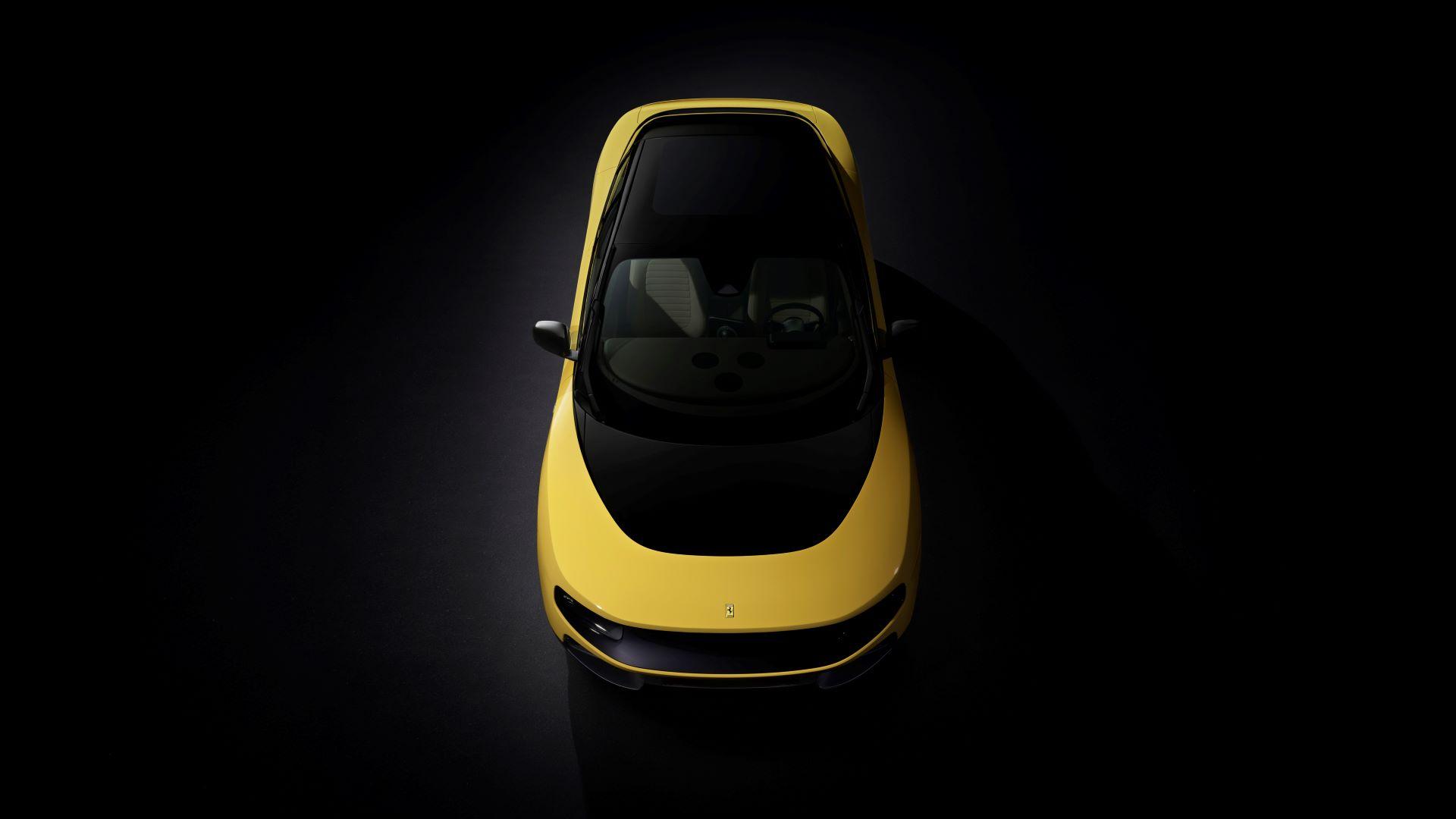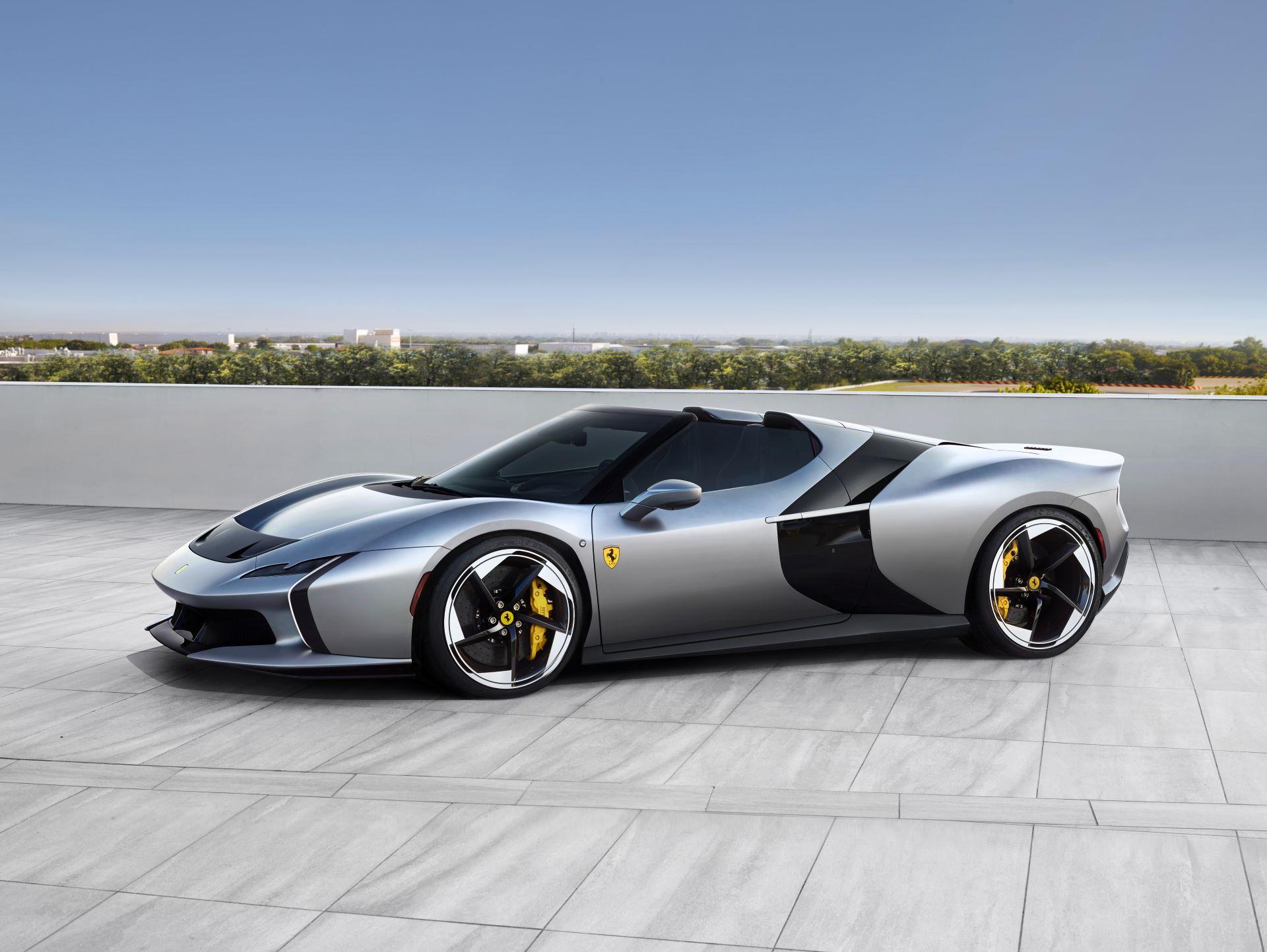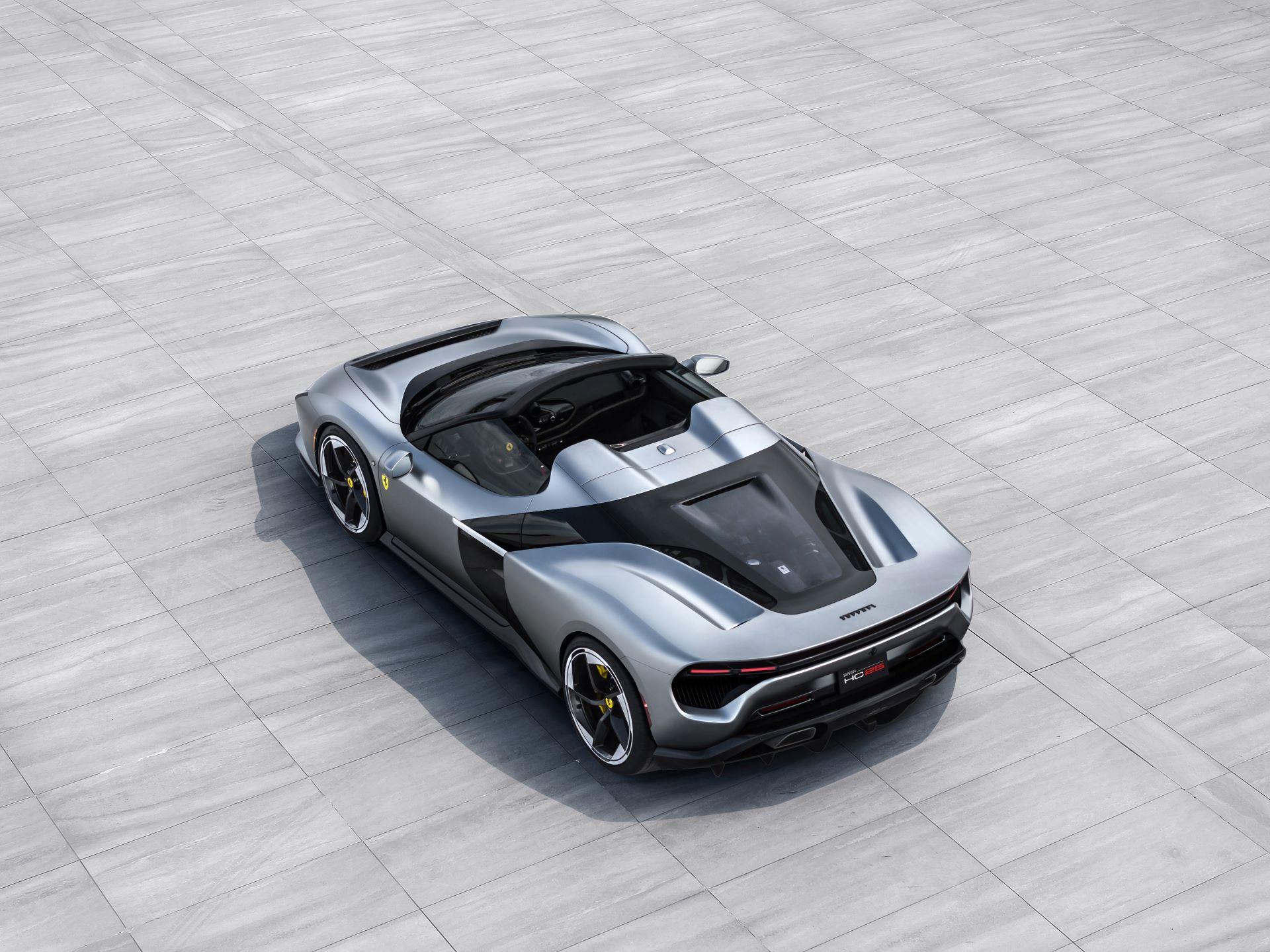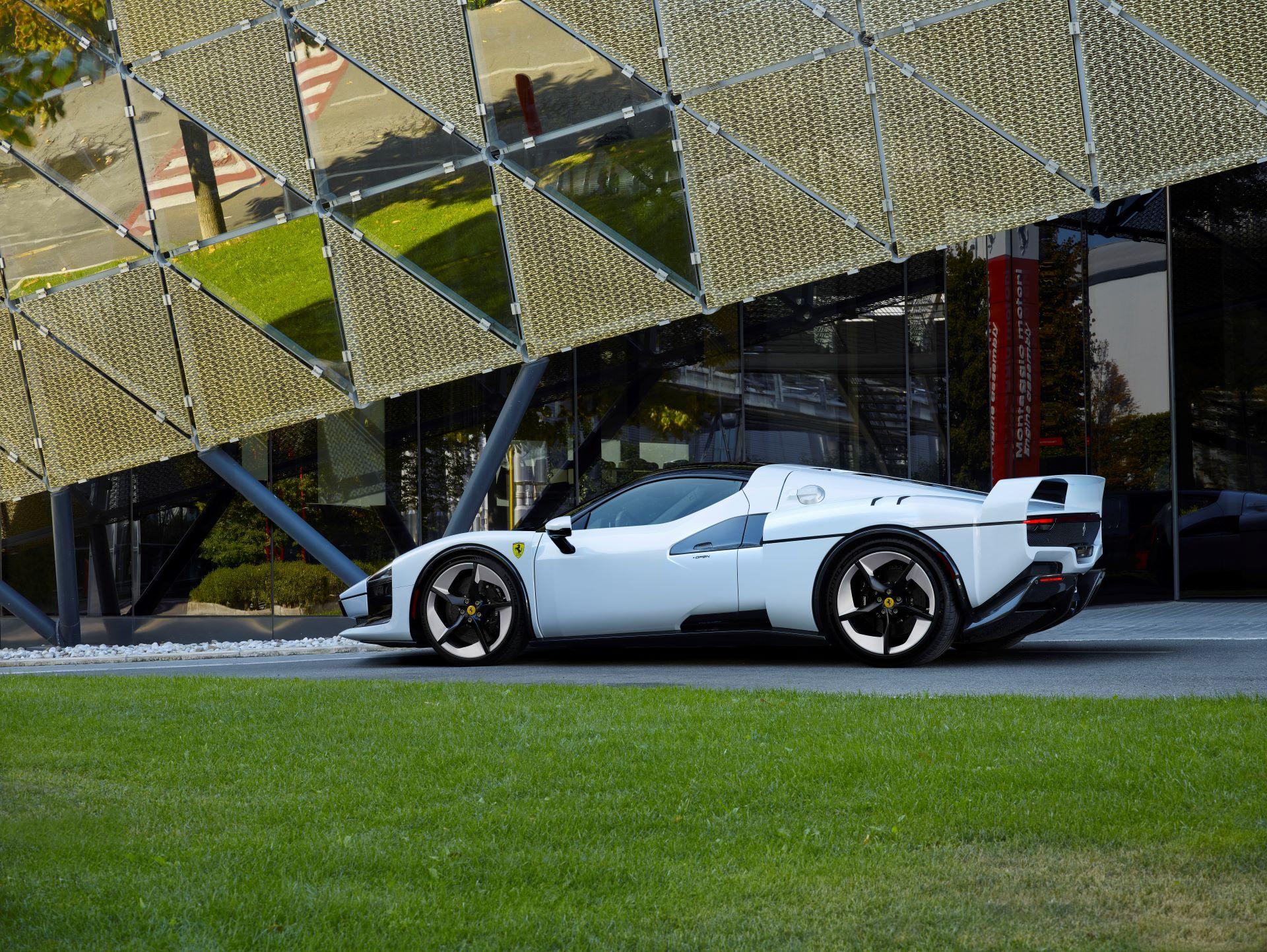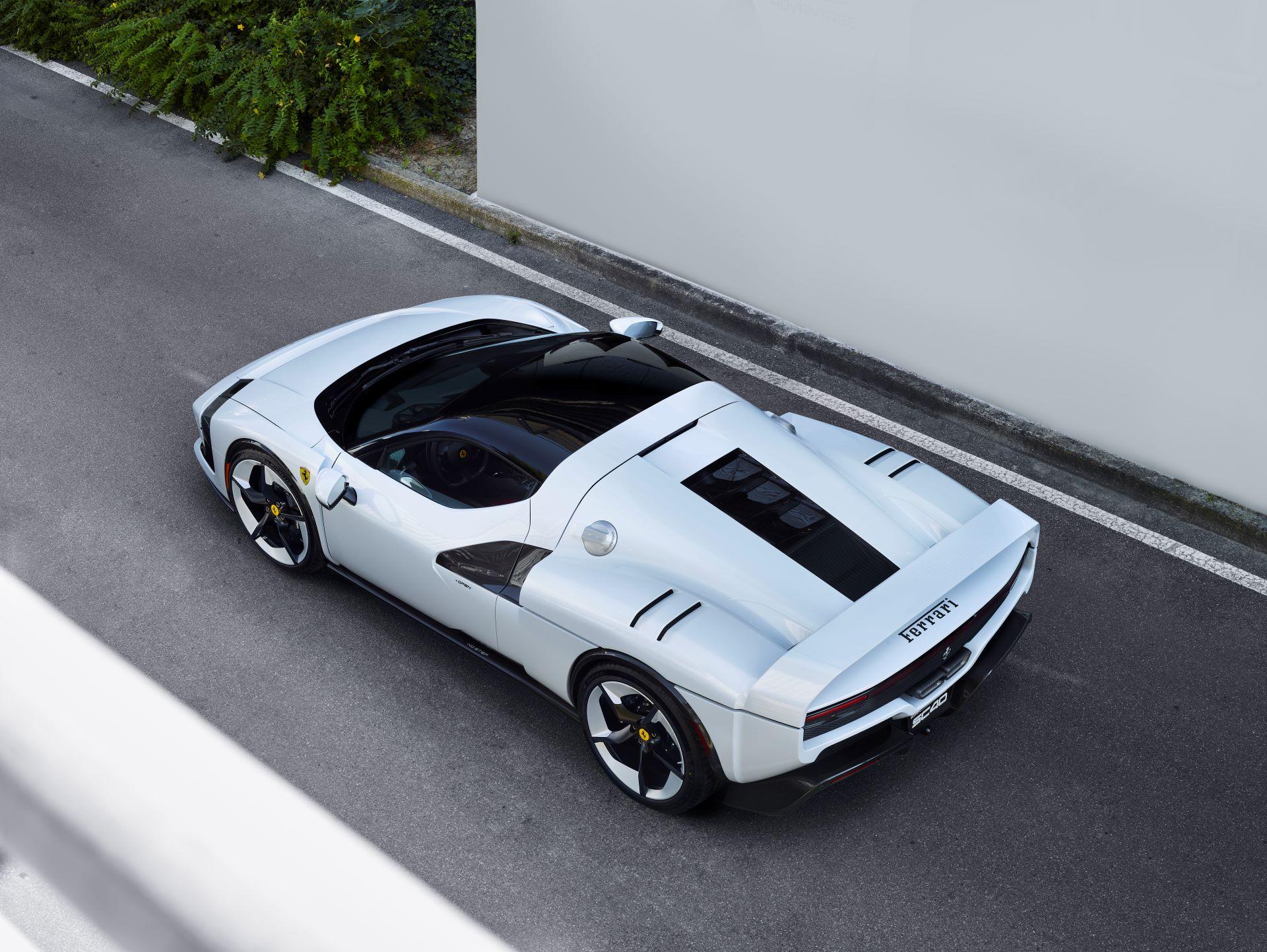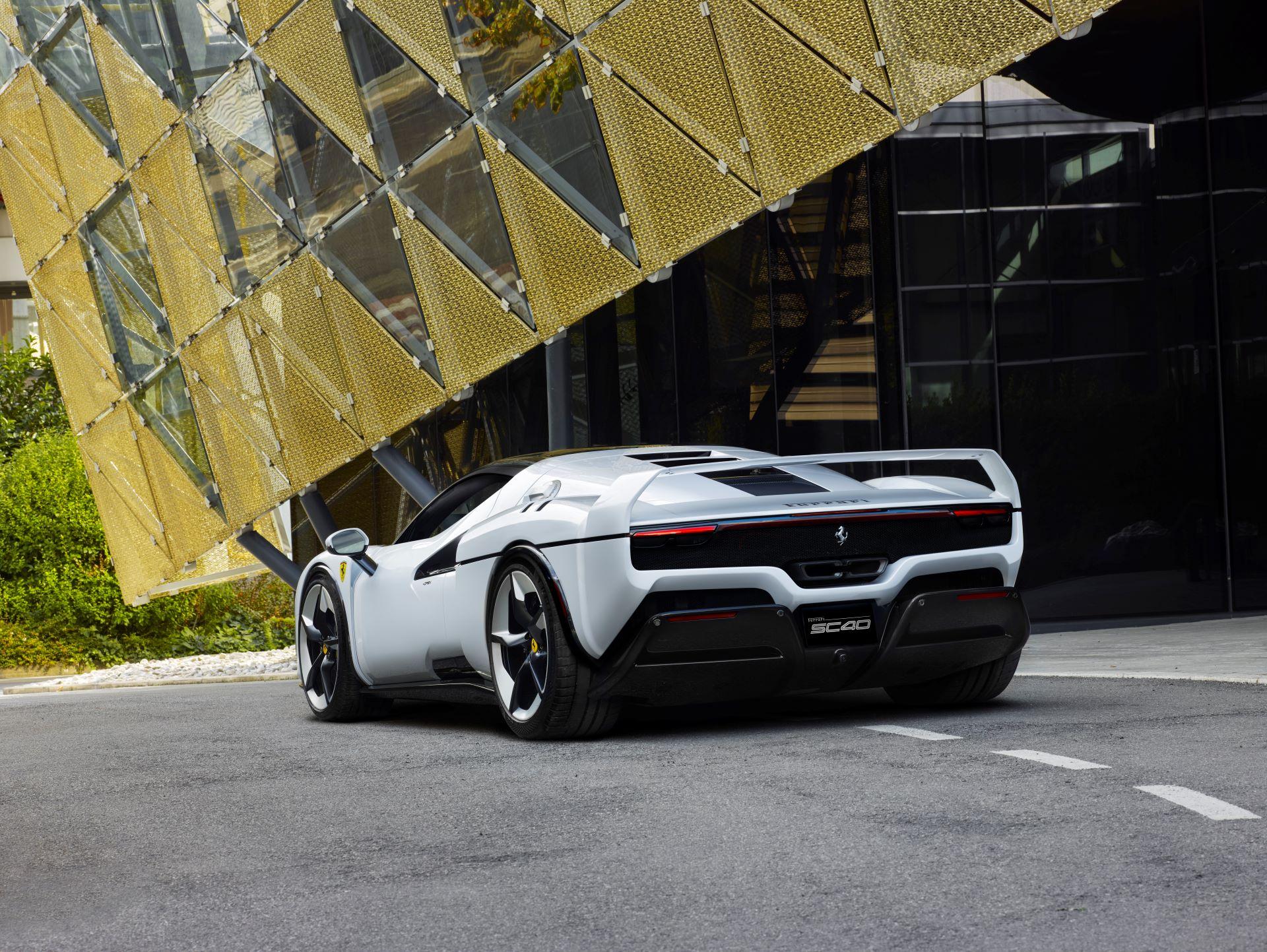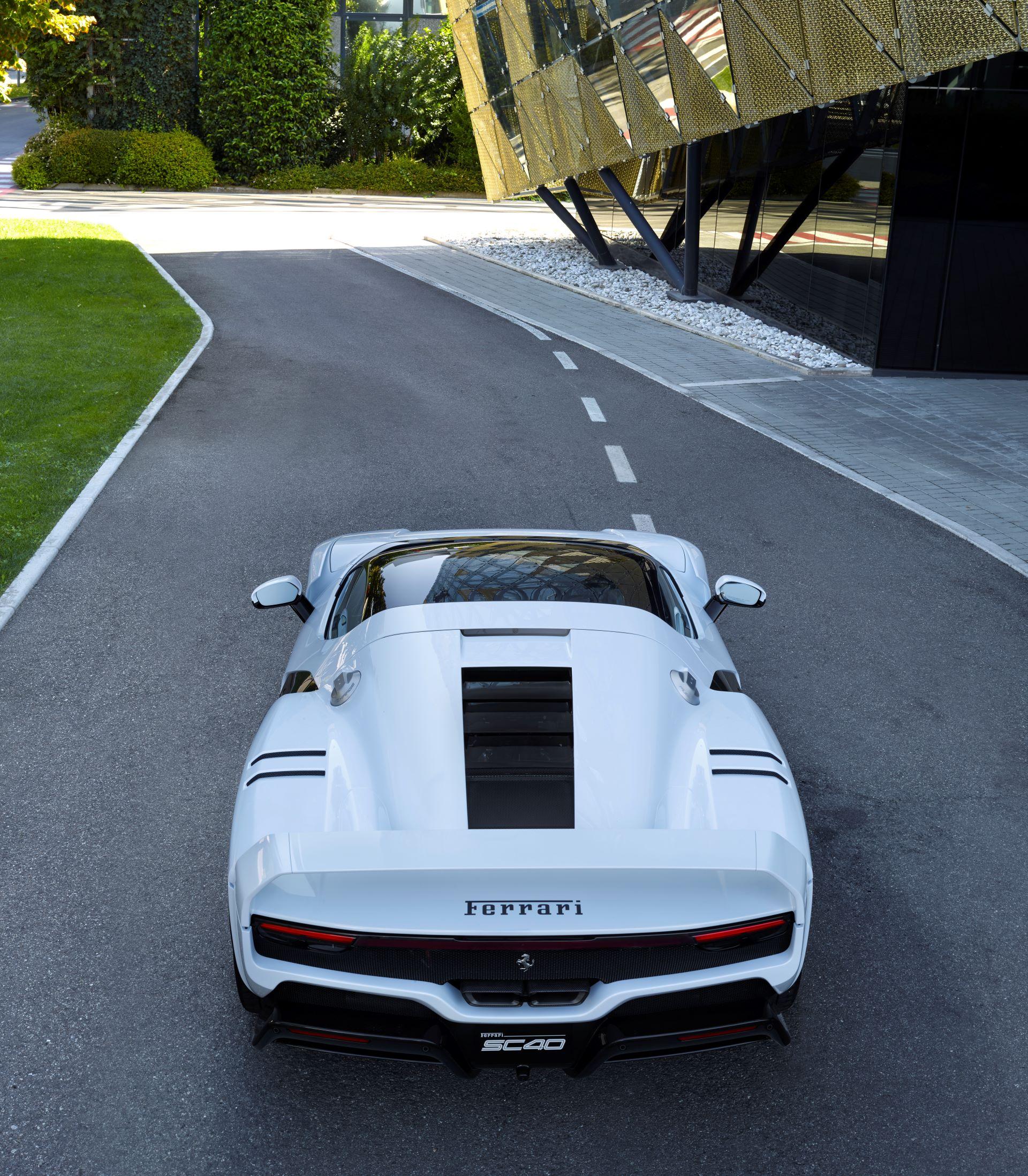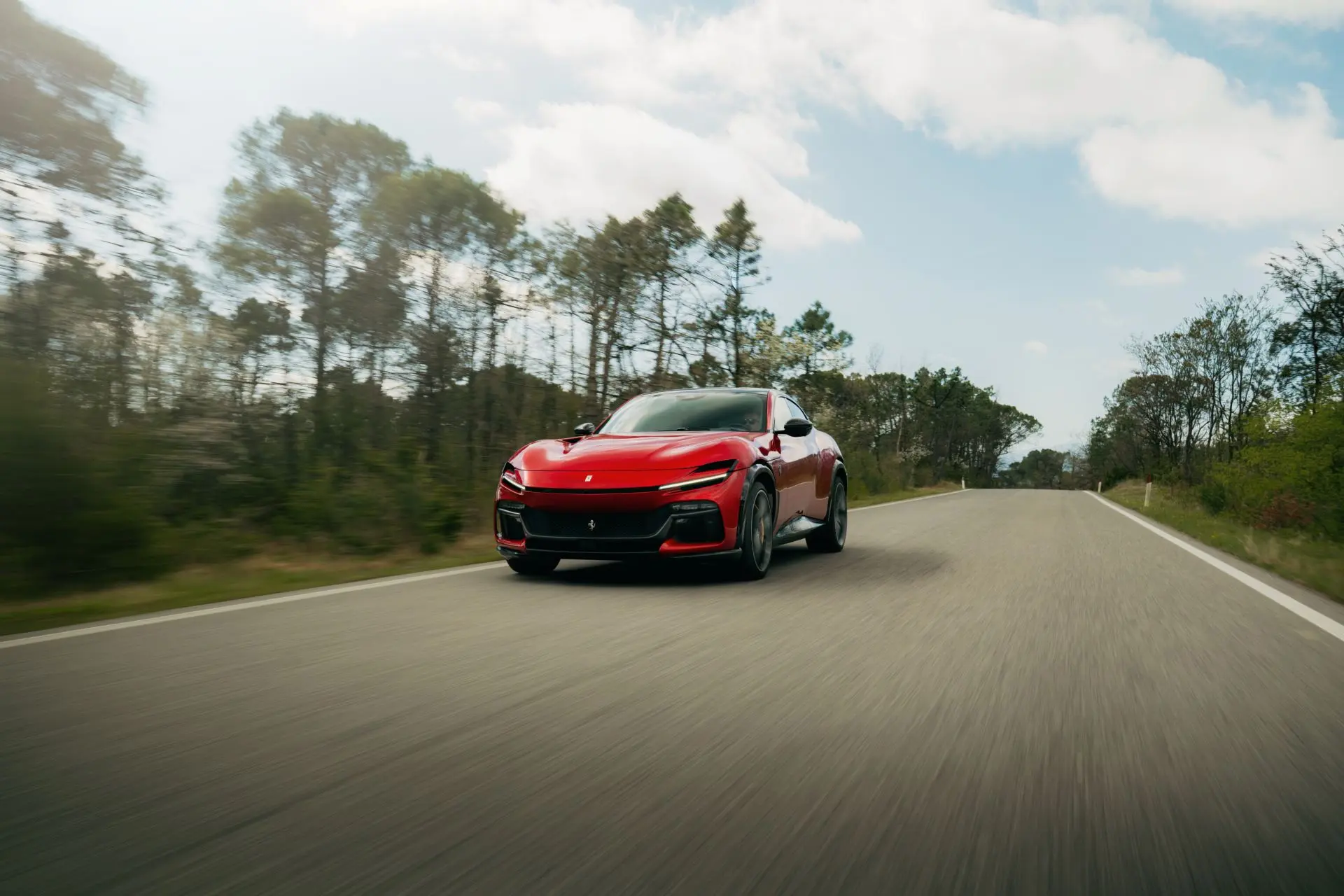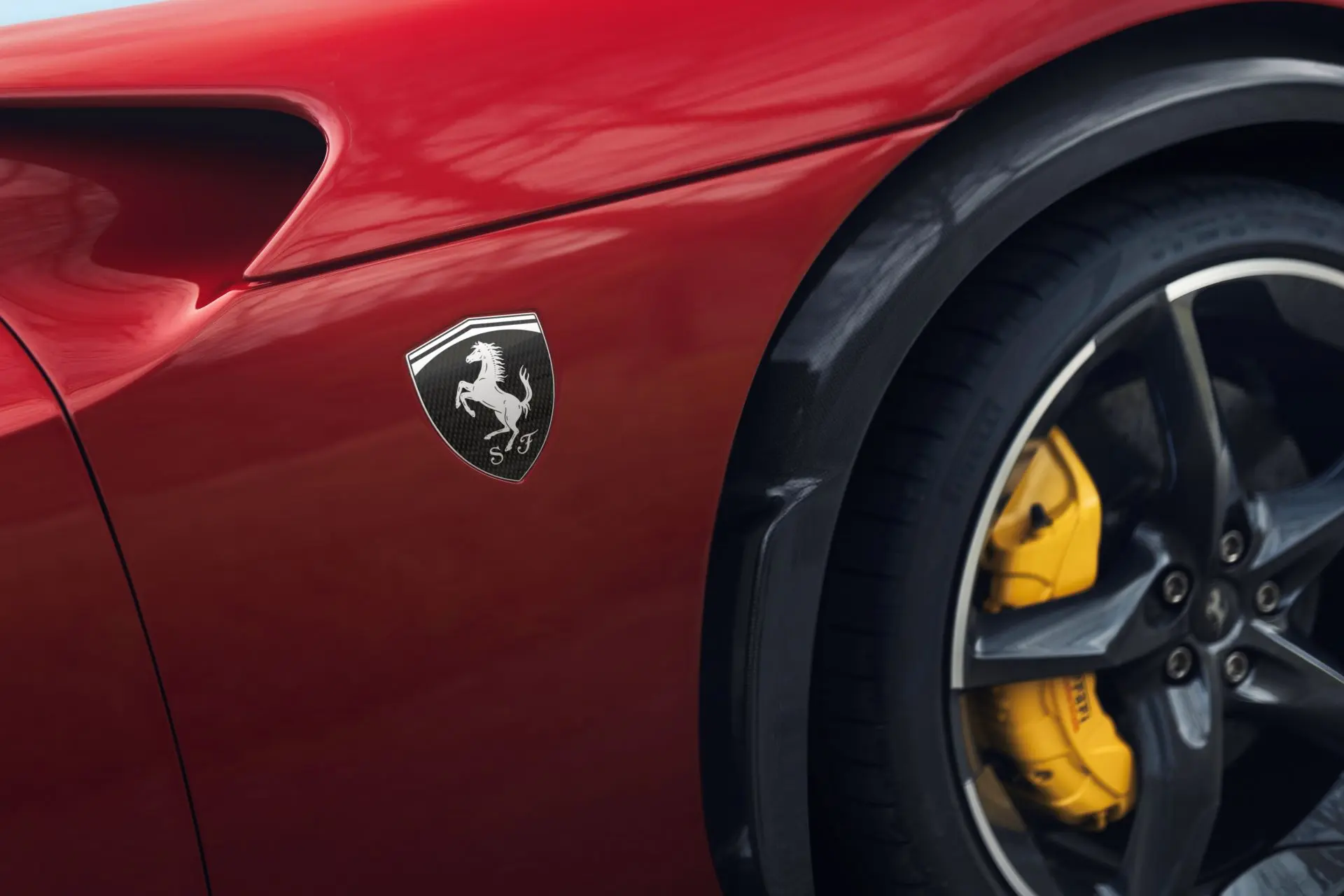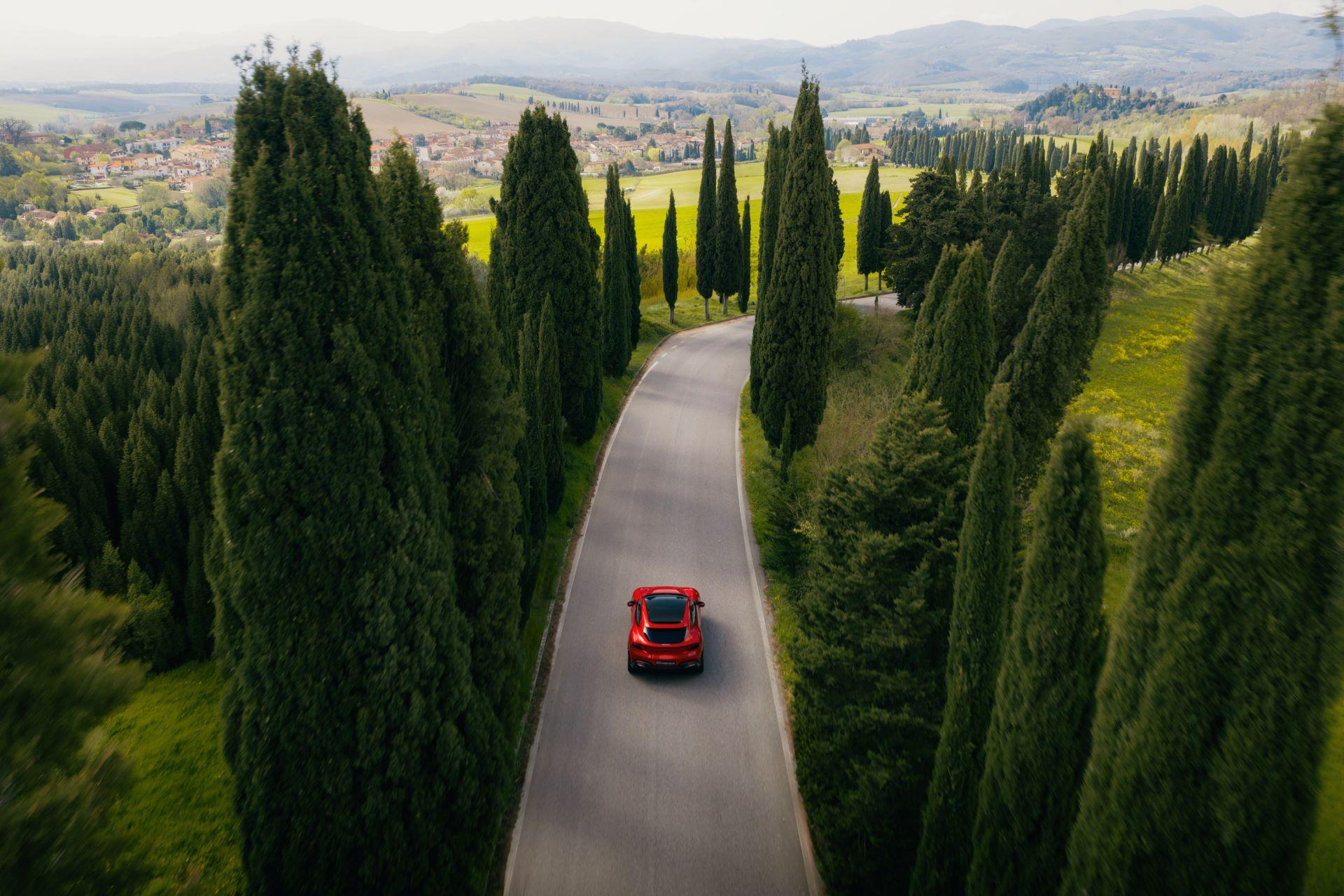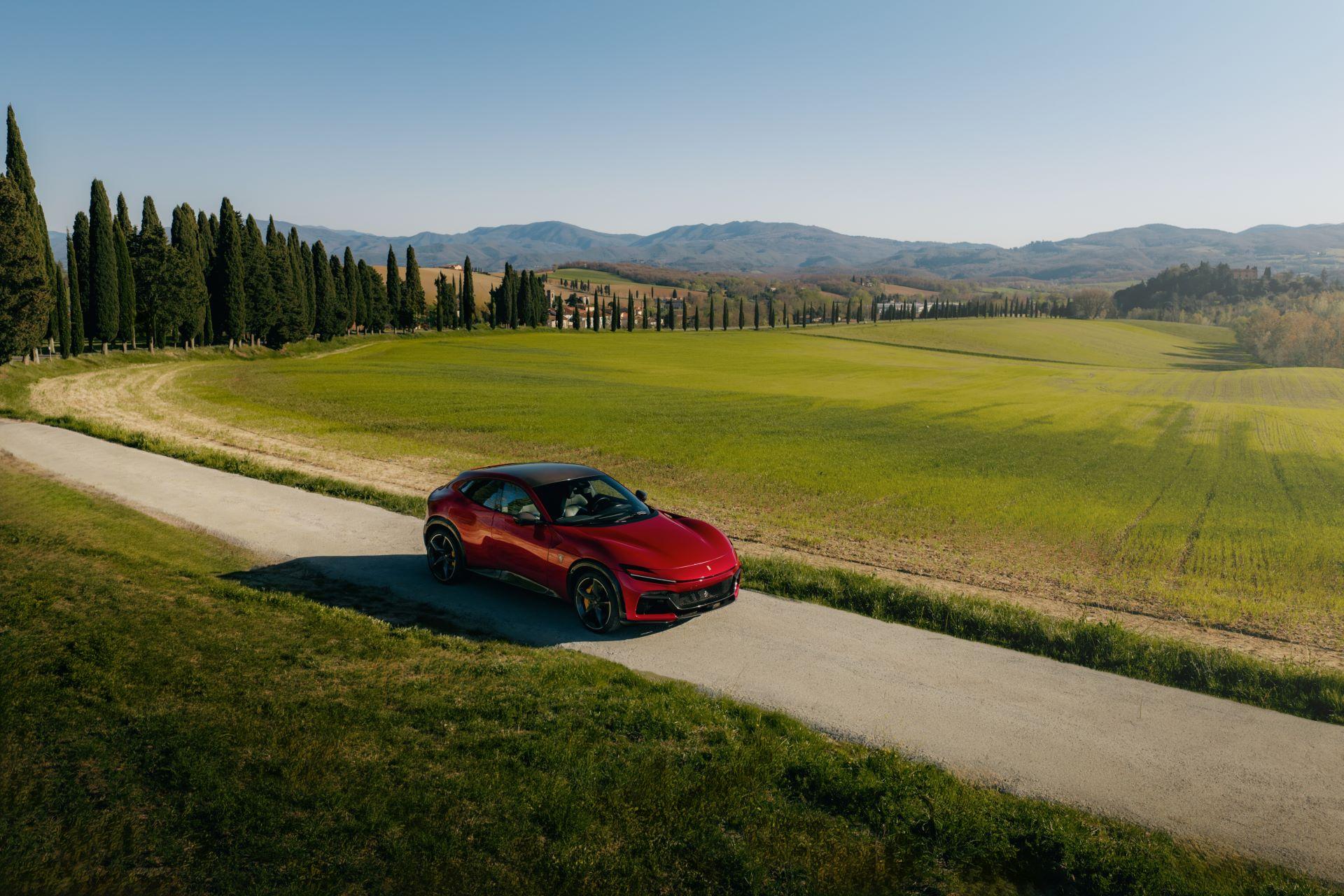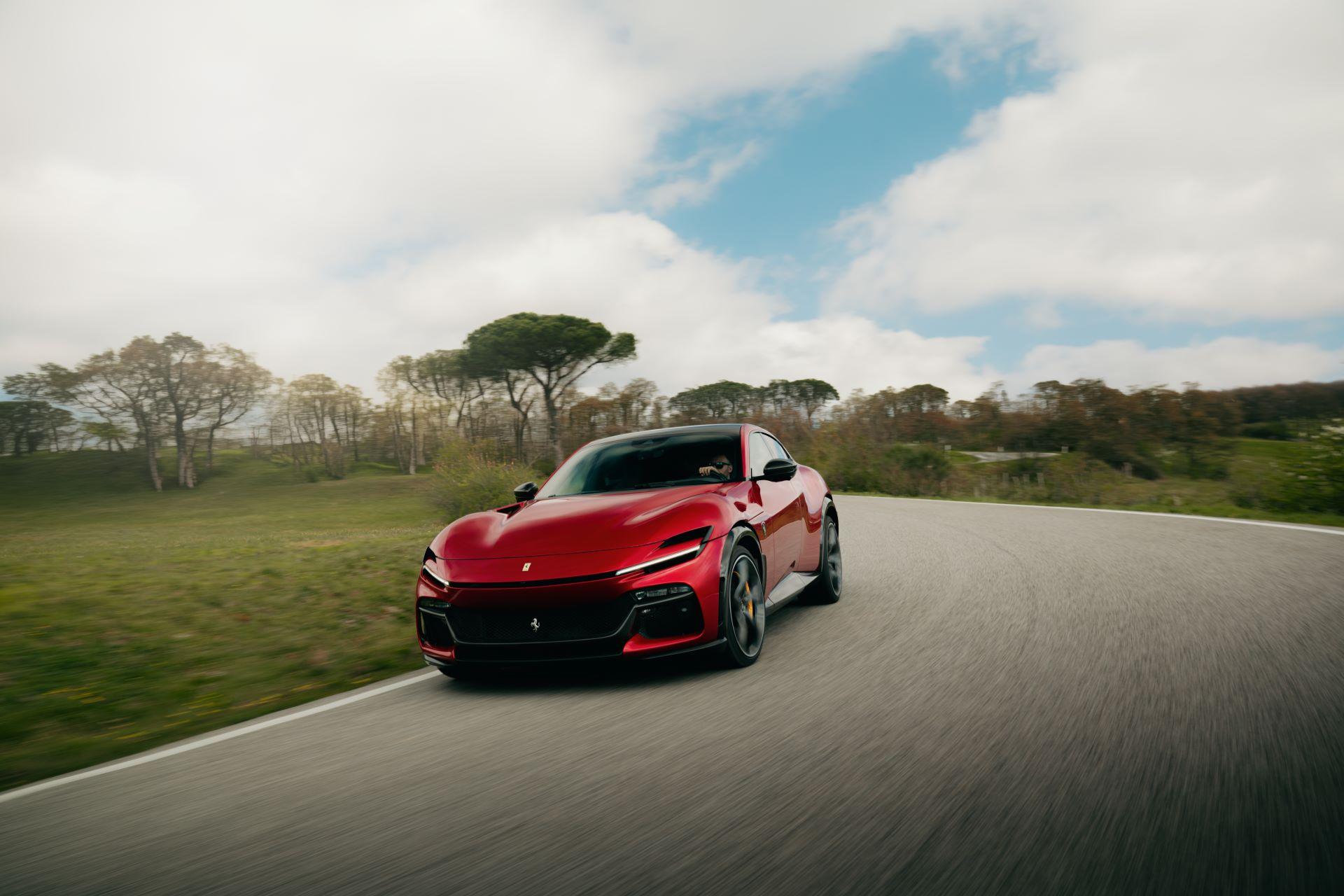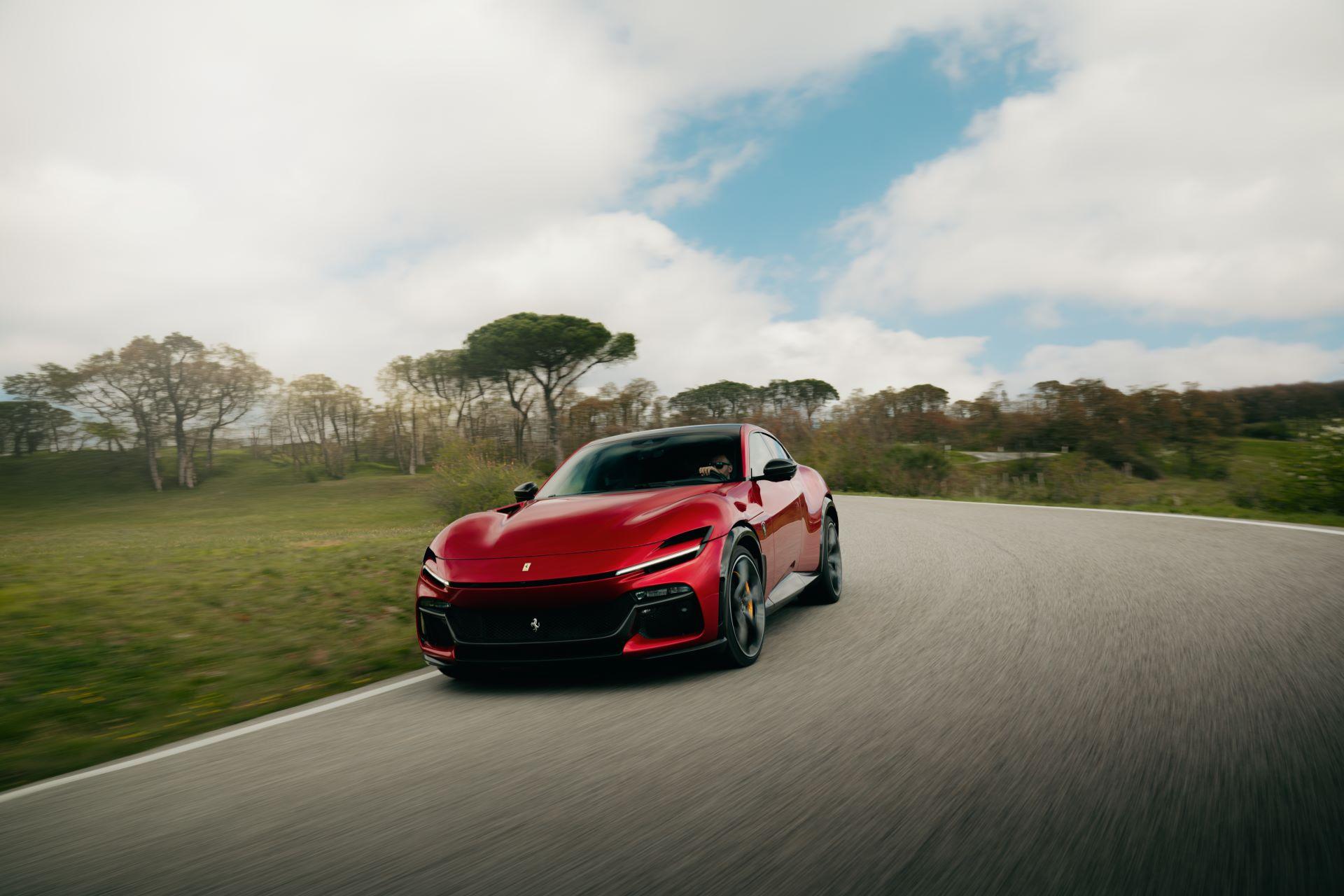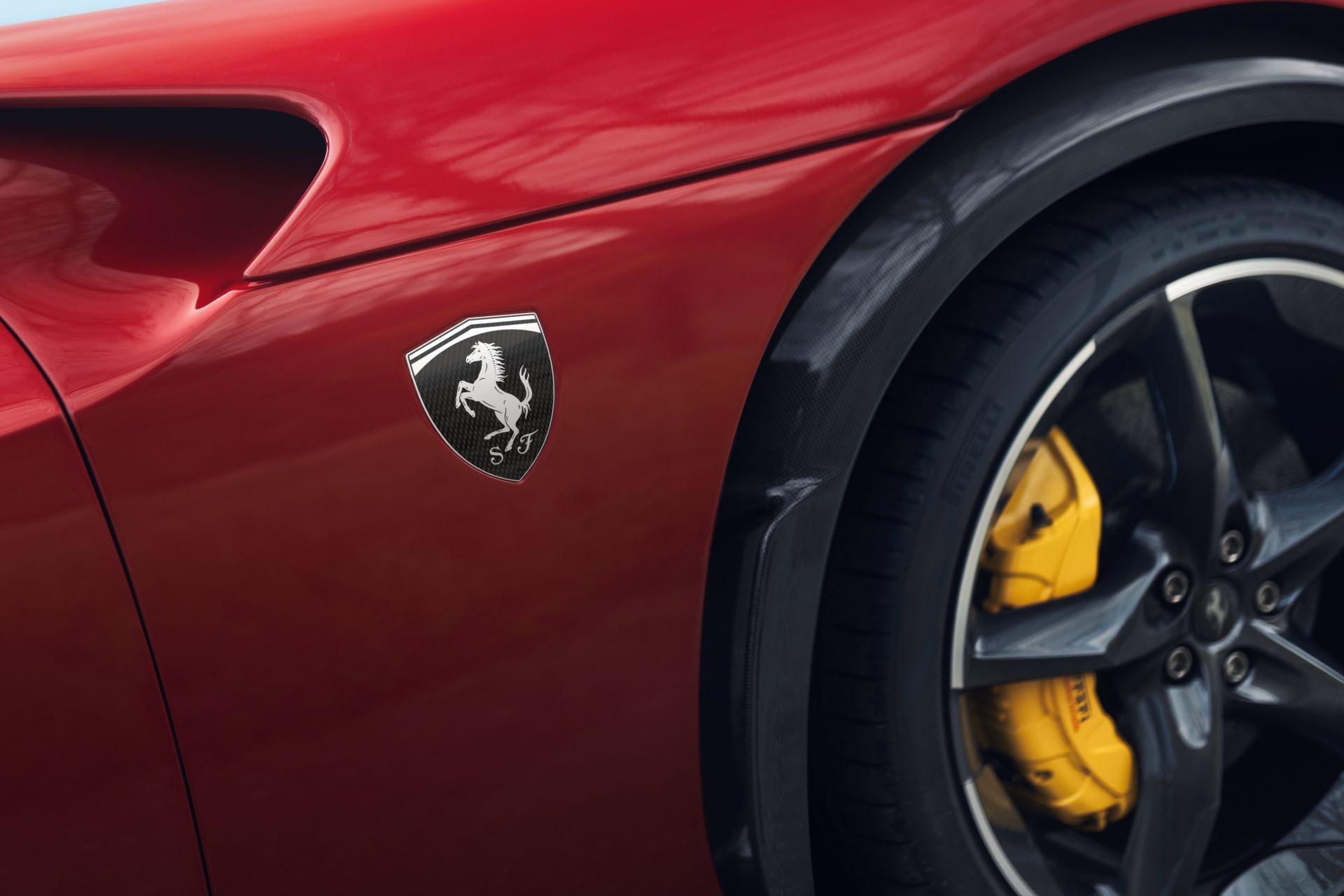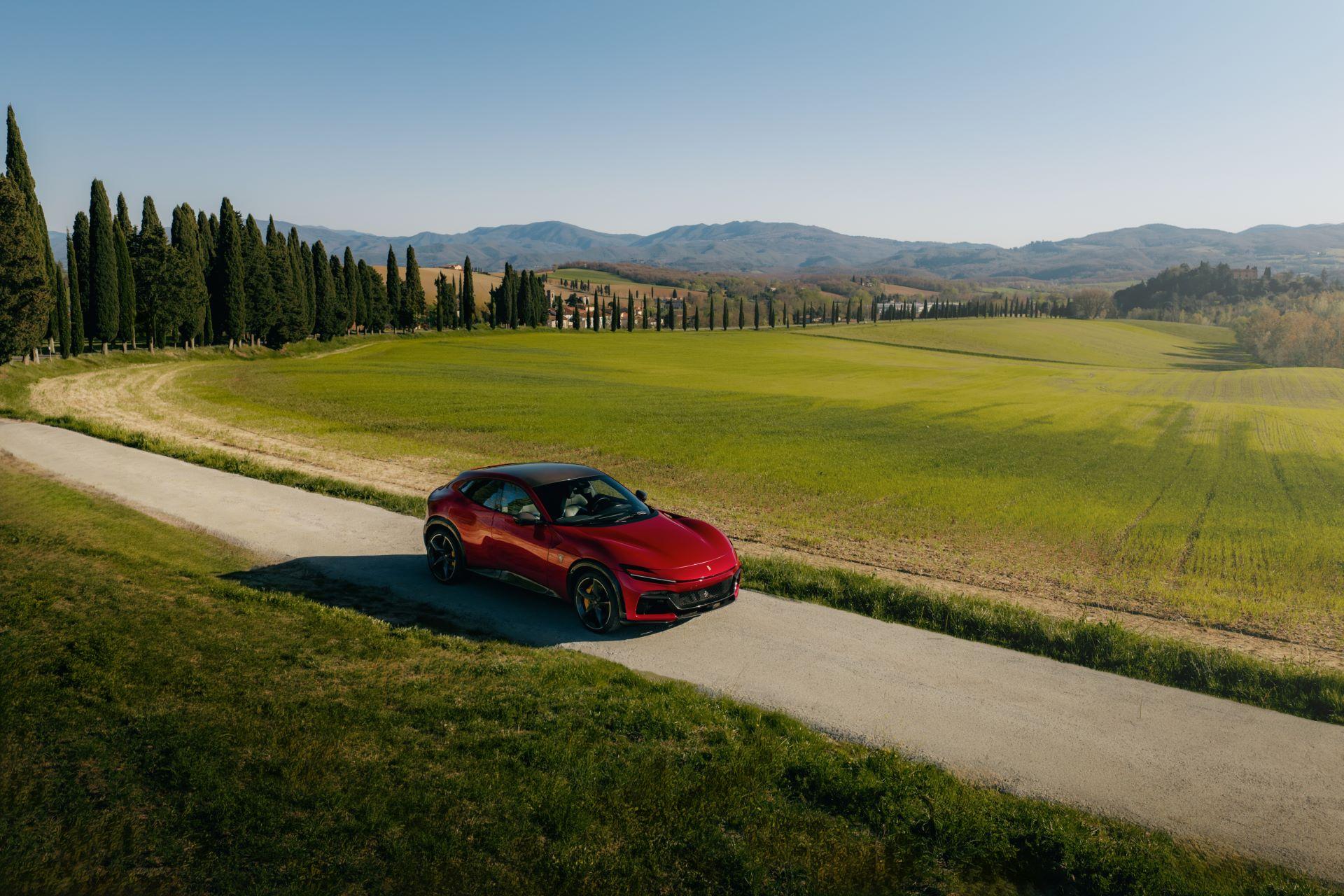



Ferrari has entered a new era with the unveiling of the Ferrari Luce, a landmark model that does more than introduce the brand’s first fully electric grand tourer. It signals a philosophical expansion of what Ferrari believes performance, luxury, and driving emotion can become when freed from the constraints of traditional architecture.
As John Elkann describes it, Luce is not merely a new car but a turning point, where innovation in process and design converge to “redefine the limits of what is possible.” That ambition is reinforced by Benedetto Vigna’s assertion that true leadership comes from the courage to embrace new technologies without compromise. In the Luce, Ferrari attempts exactly that, combining fully electric, hybrid, and combustion architectures within a unified technological ecosystem while still preserving the emotional core that defines every Prancing Horse.
At its heart, the Luce is Ferrari’s first production electric vehicle, built around an 800V system and a four-motor configuration, one at each wheel. This allows for precise torque vectoring and a level of control that transforms the relationship between driver and machine into something more fluid and responsive than ever before. With a peak output of 772 kW and a wheel torque figure reaching 11,500 Nm, the Luce accelerates from 0 to 100 km/h in 2.5 seconds and continues to a top speed of 310 km/h, positioning it firmly within Ferrari’s high-performance lineage despite its electric foundation.
The architecture itself is a departure from convention. A 122 kWh battery is integrated into the floor, lowering the centre of gravity and contributing to a chassis that is both lighter and significantly stiffer than previous applications. The result is a vehicle that feels smaller and more agile than its 2,260 kg kerb weight suggests, with handling characteristics sharpened by a 95 mm reduction in centre of gravity and a 15 percent reduction in yaw inertia compared with the Ferrari Purosangue.
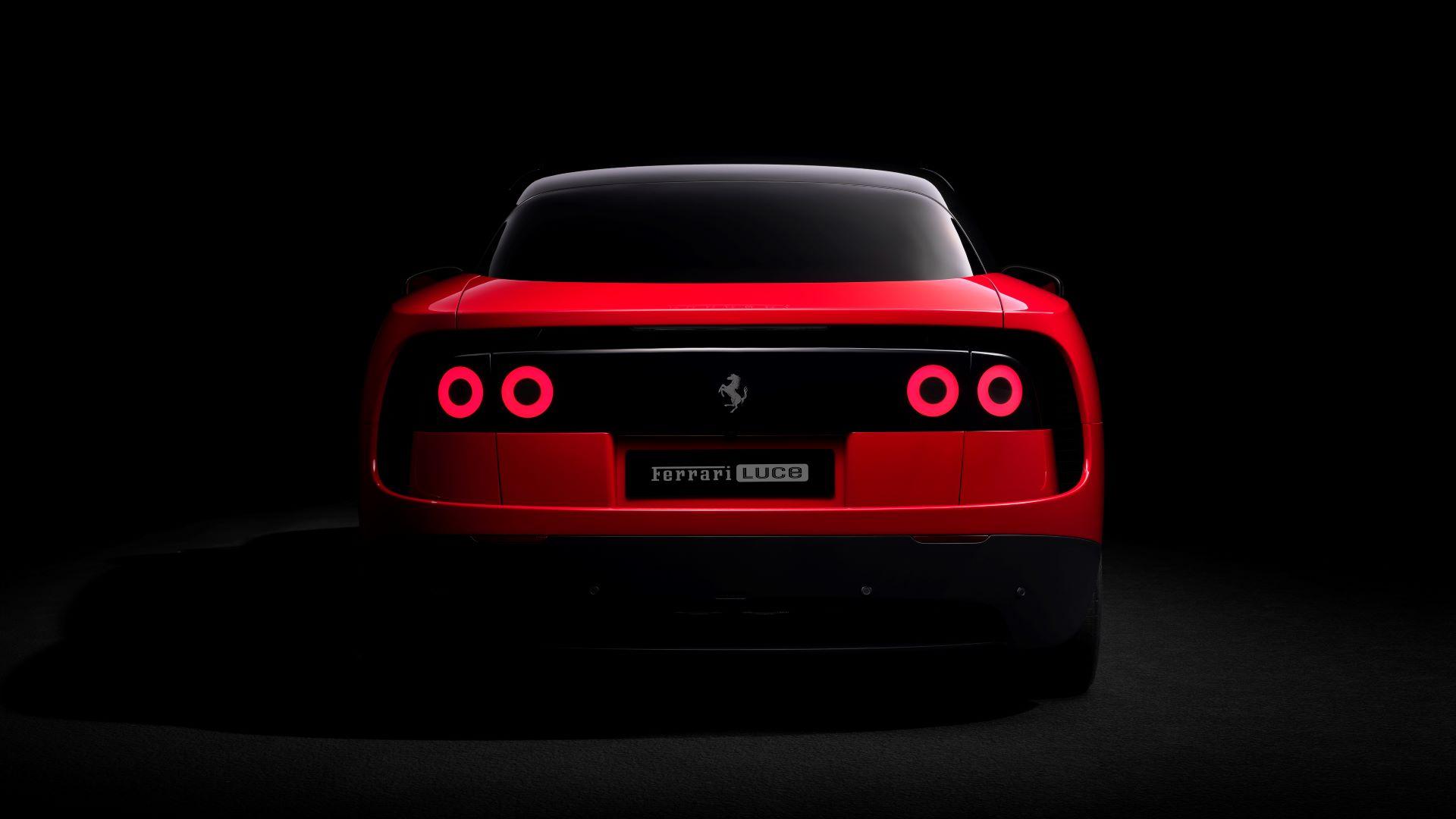
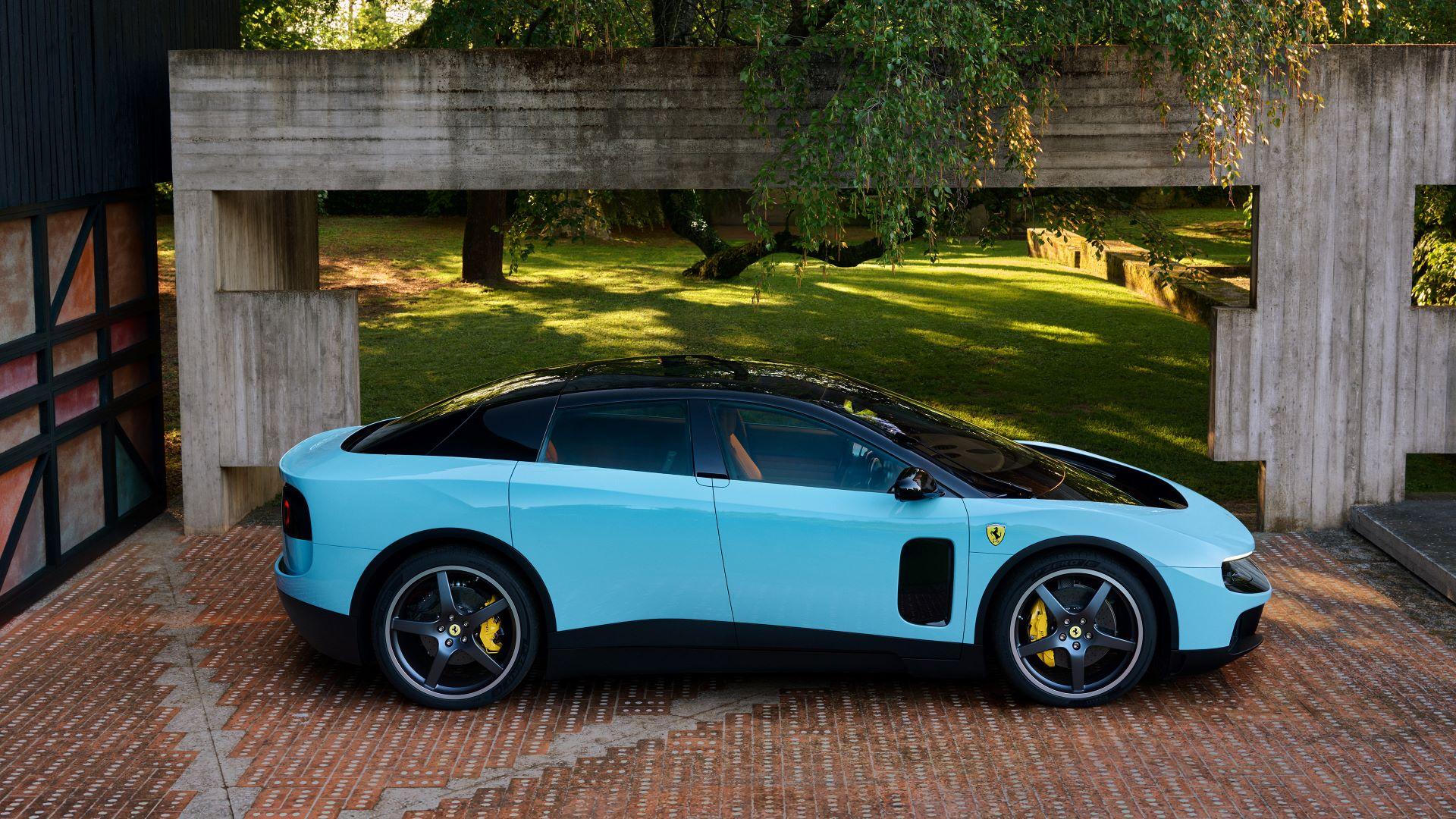
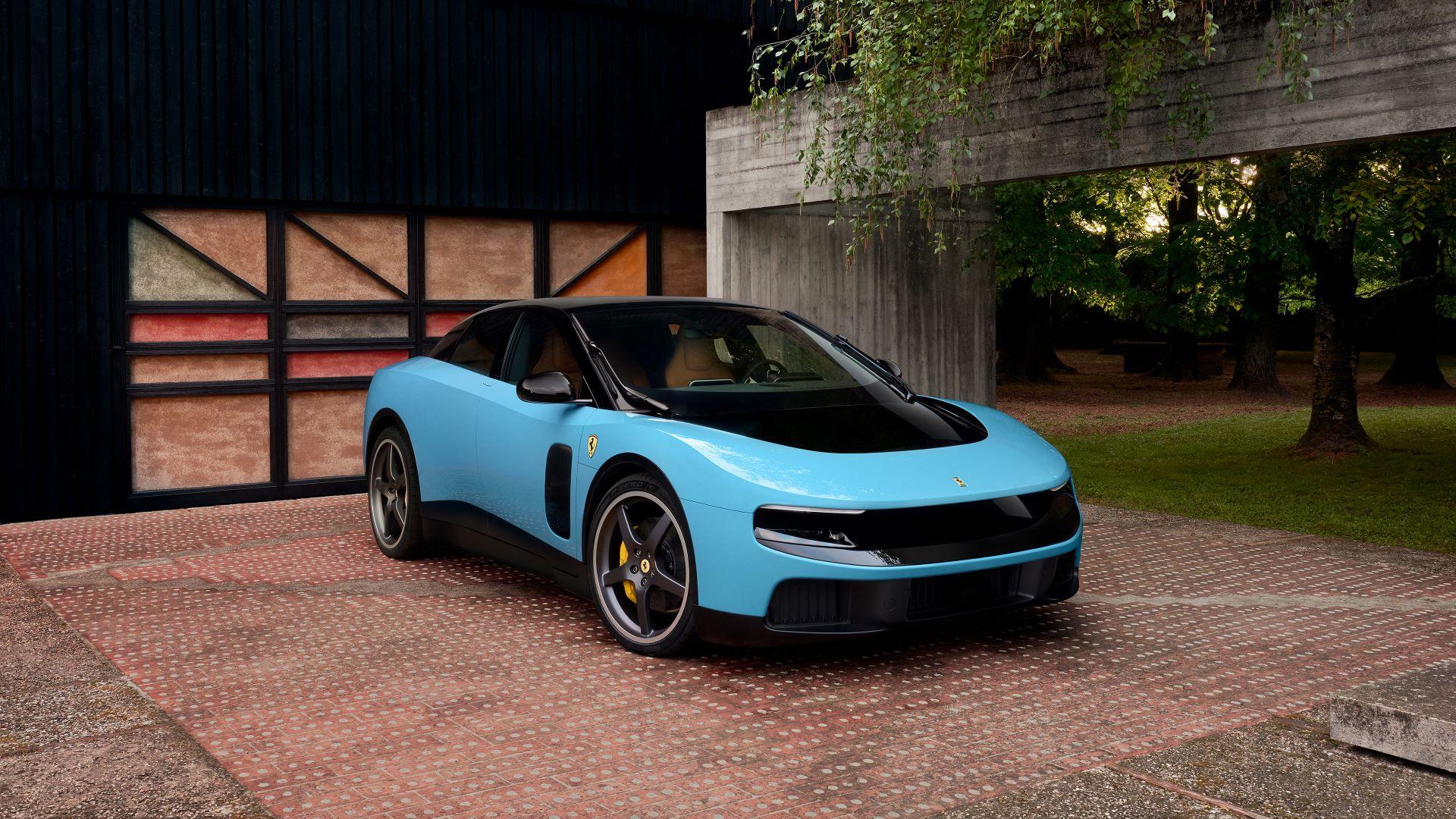
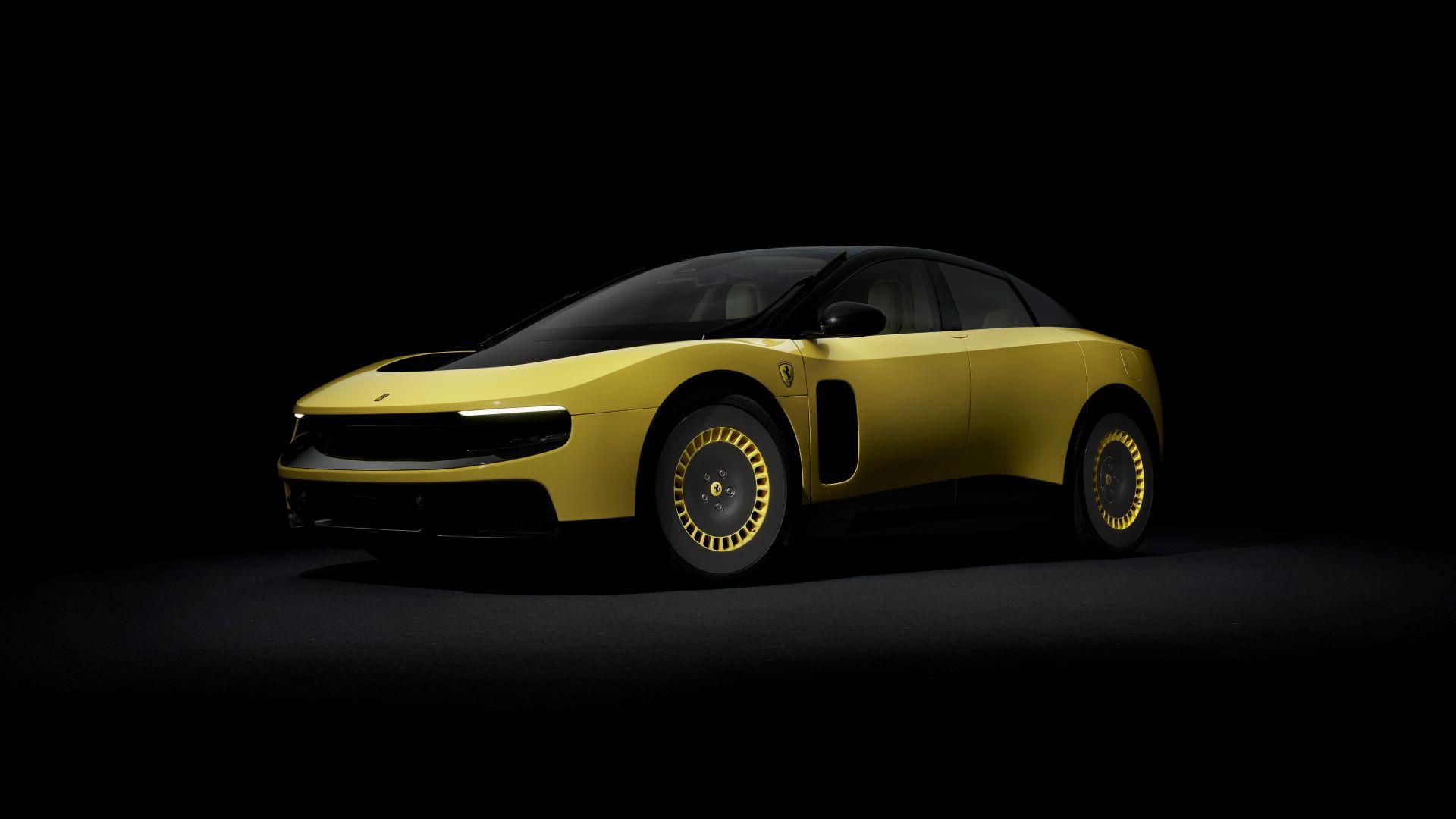
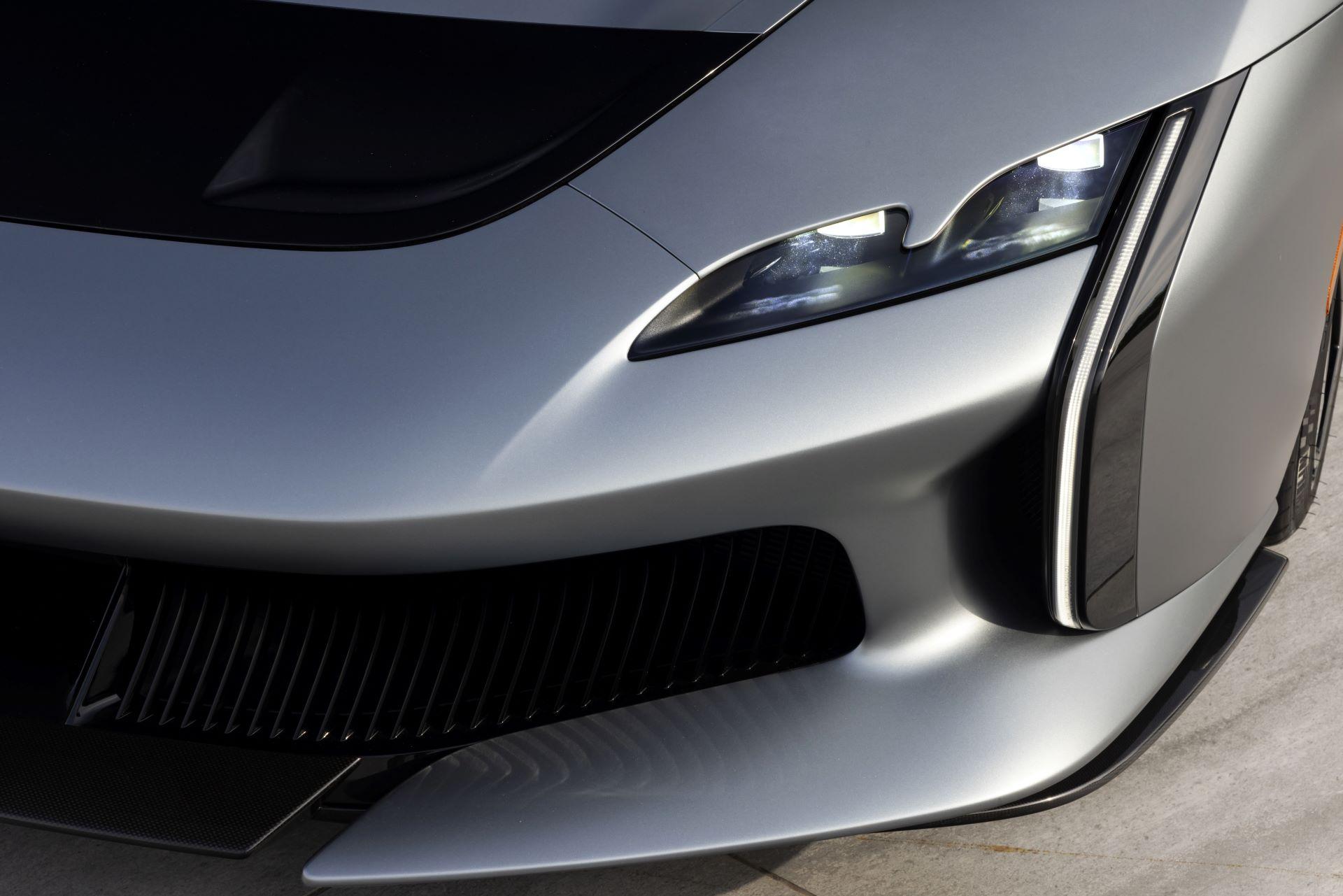
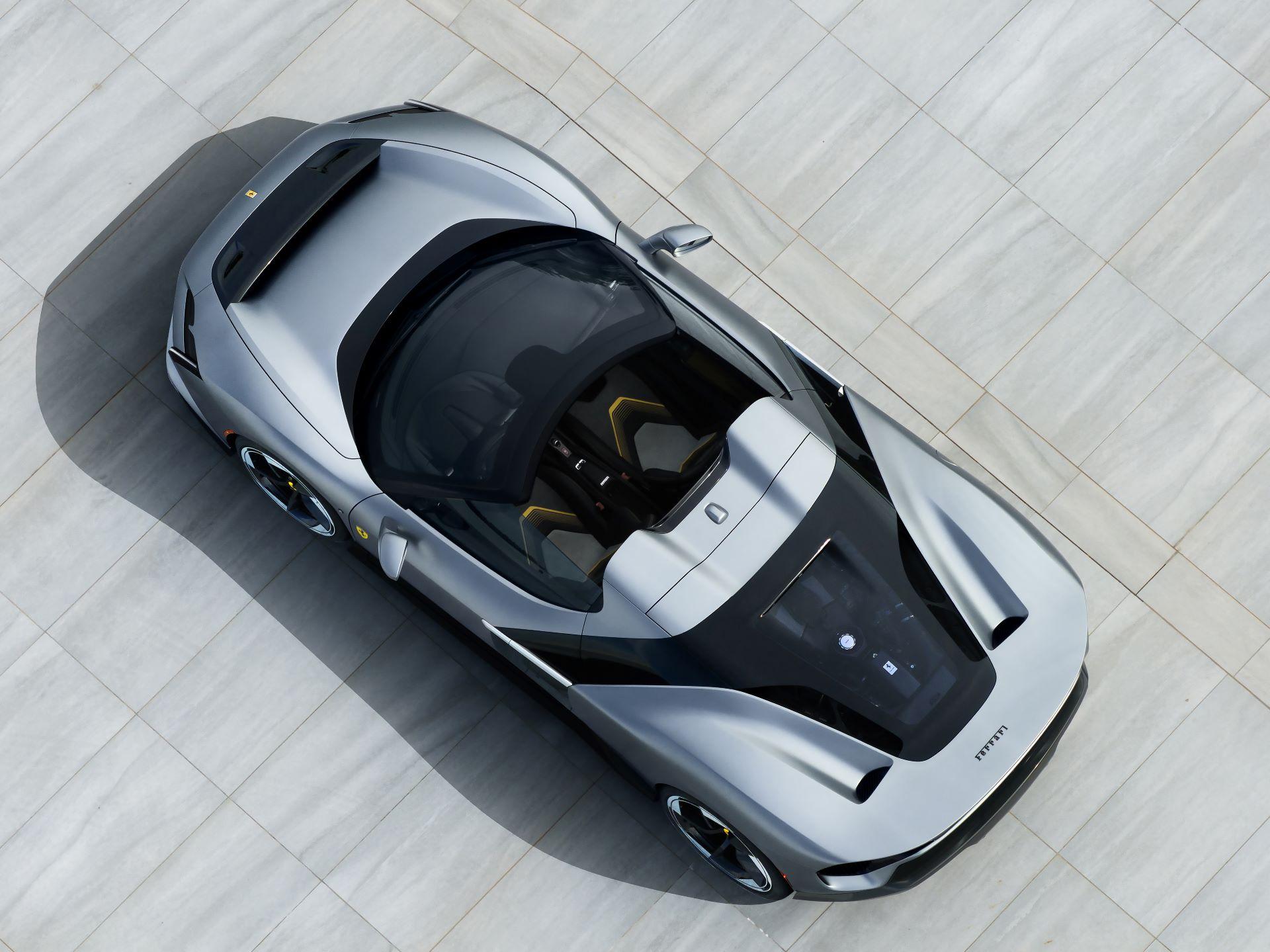
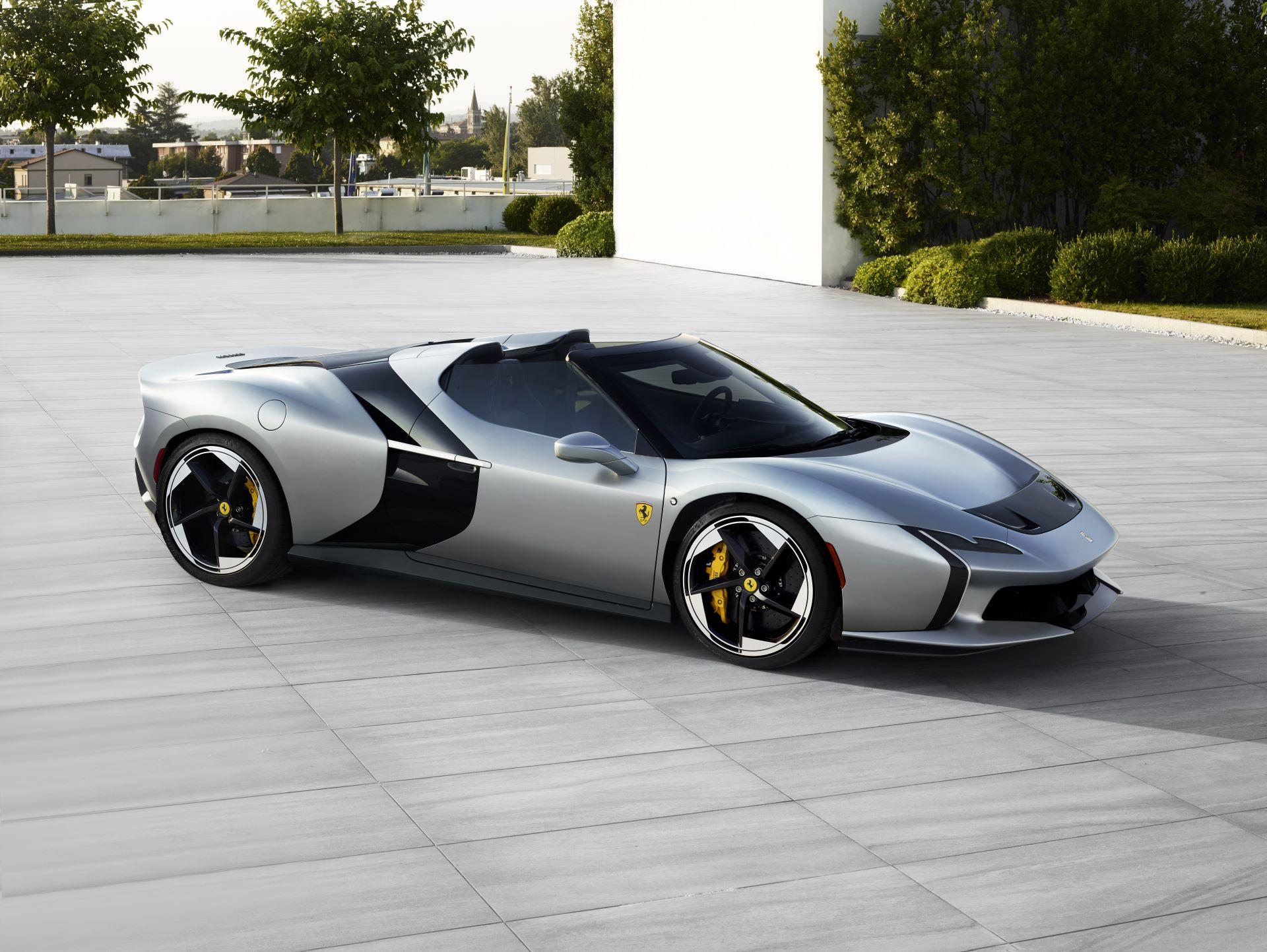
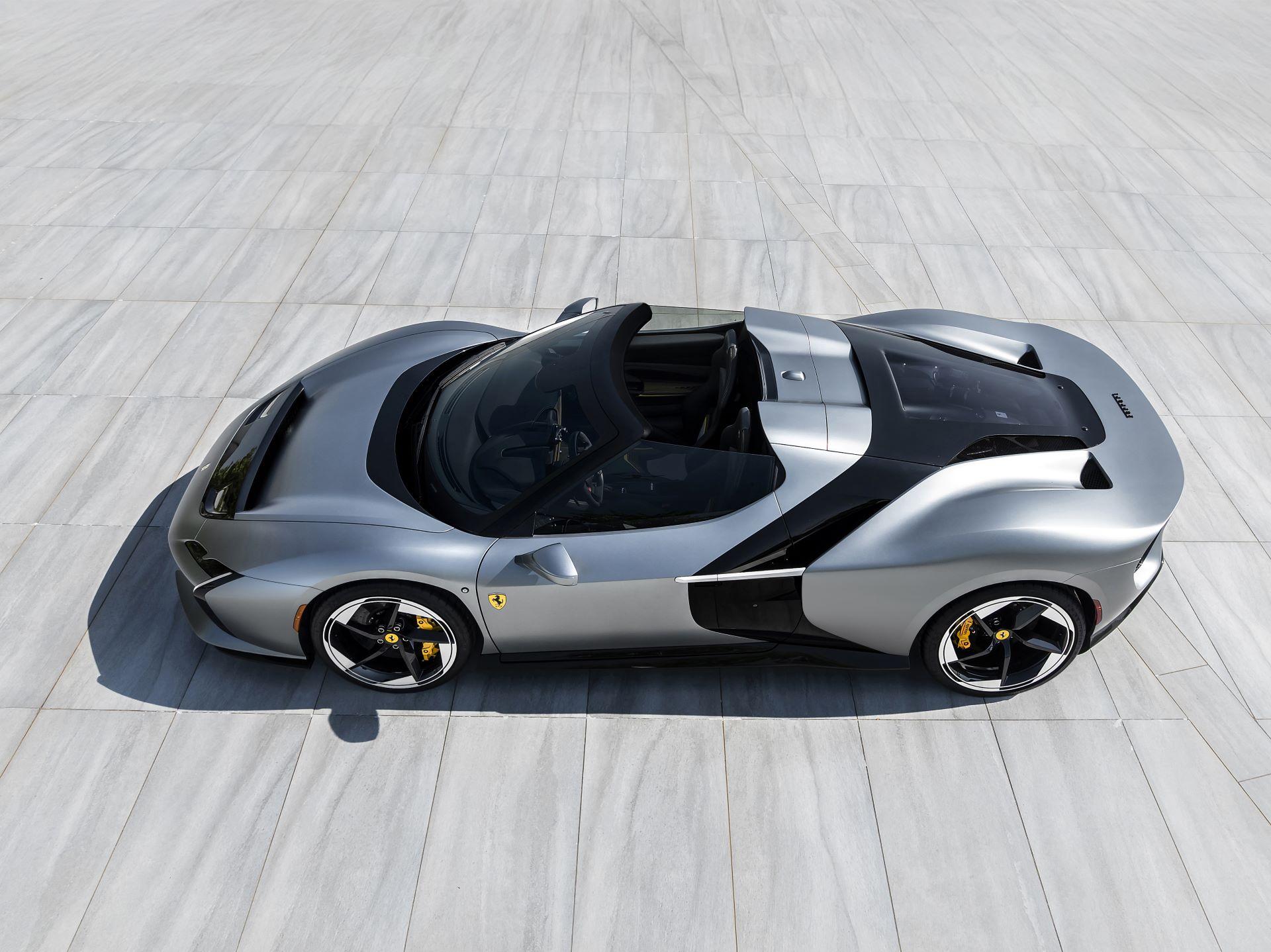
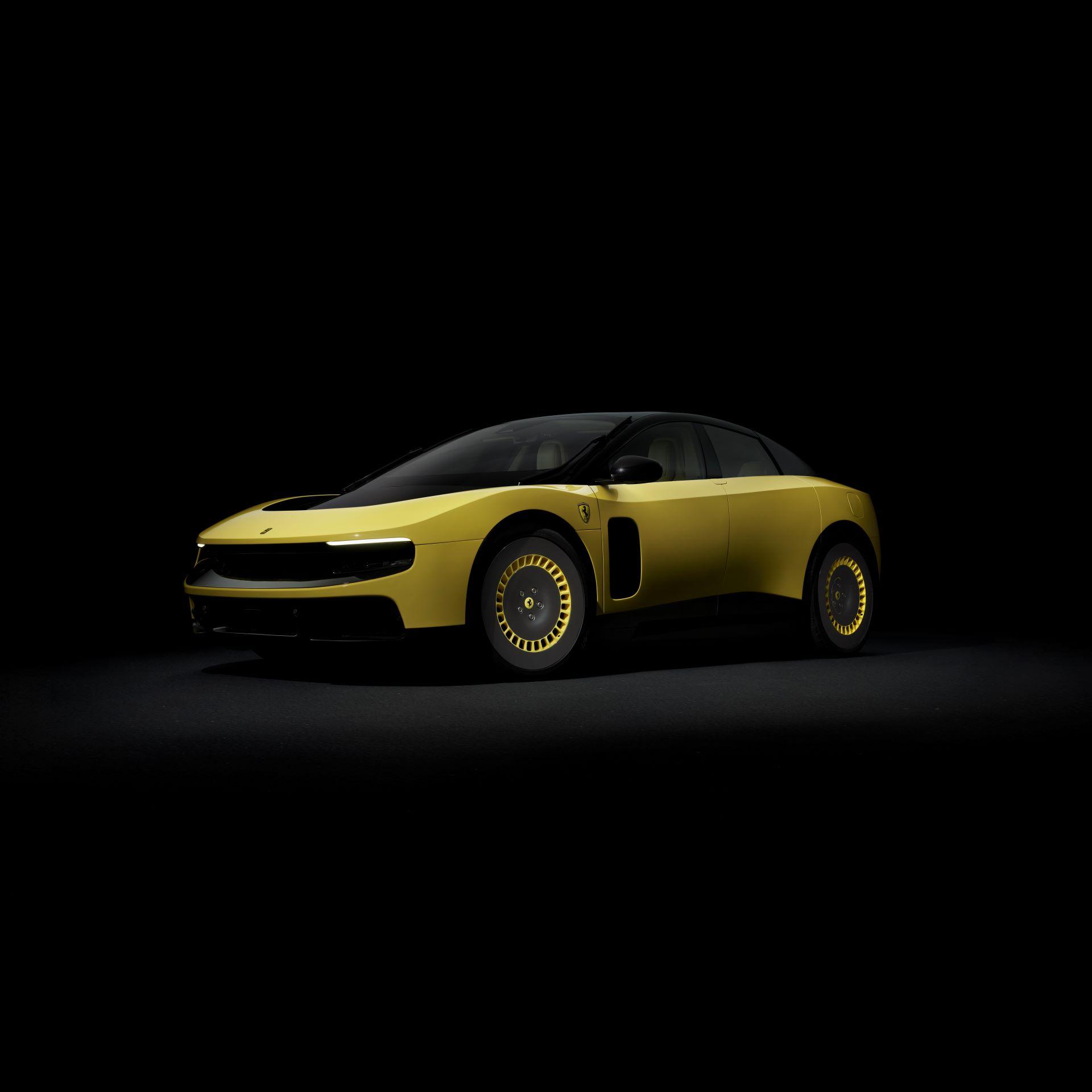
Design plays a central role in defining the Luce’s identity. Developed in collaboration with LoveFrom, the car explores a philosophy of radical simplification. The exterior is defined by uninterrupted surfaces and a near-shell-like glasshouse that extends below the beltline, creating a purity of form rarely seen in the automotive world. Aerodynamic efficiency shapes every surface, with suspended front and rear elements allowing airflow to define the car’s silhouette while maintaining visual clarity and elegance.
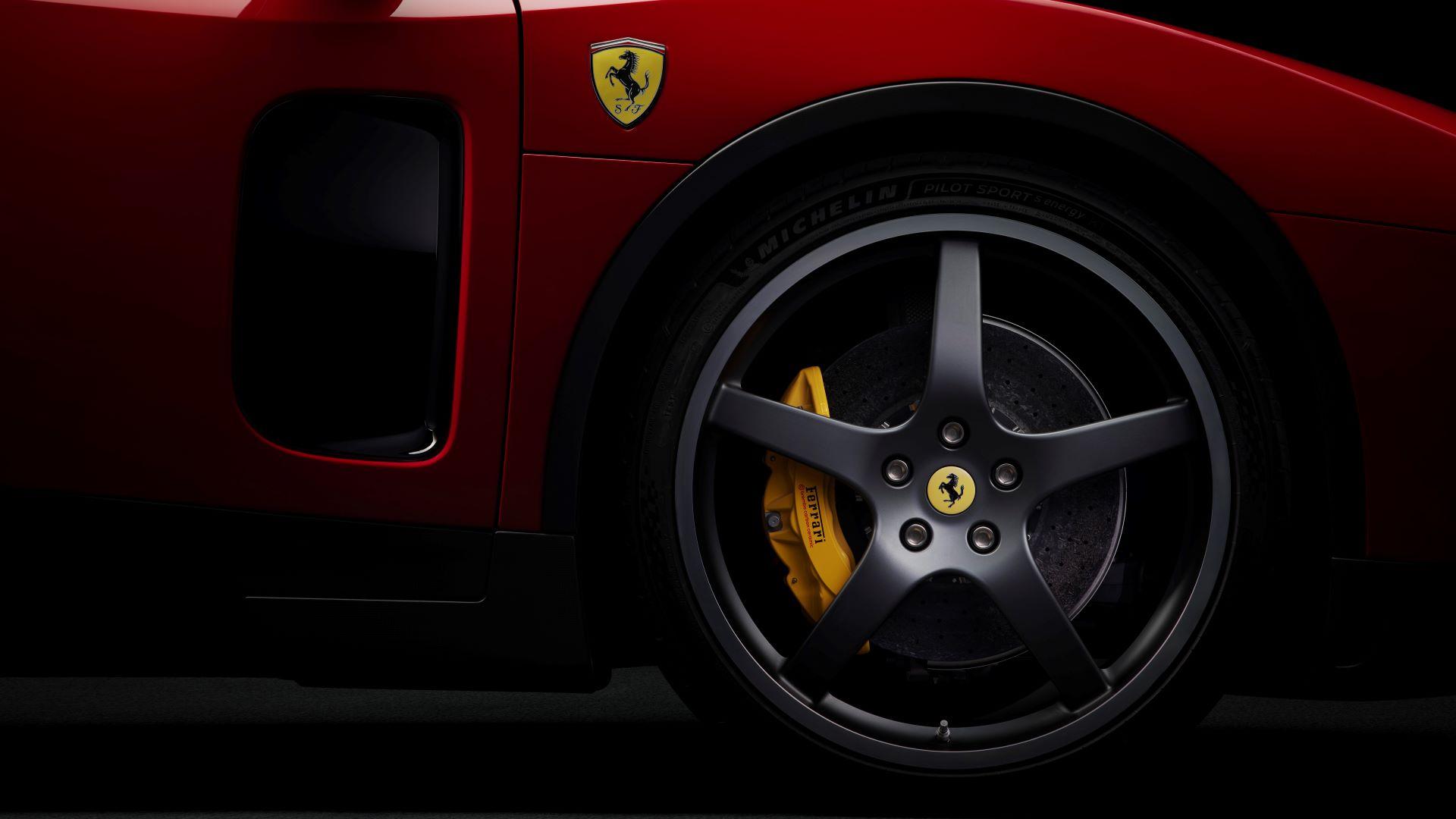
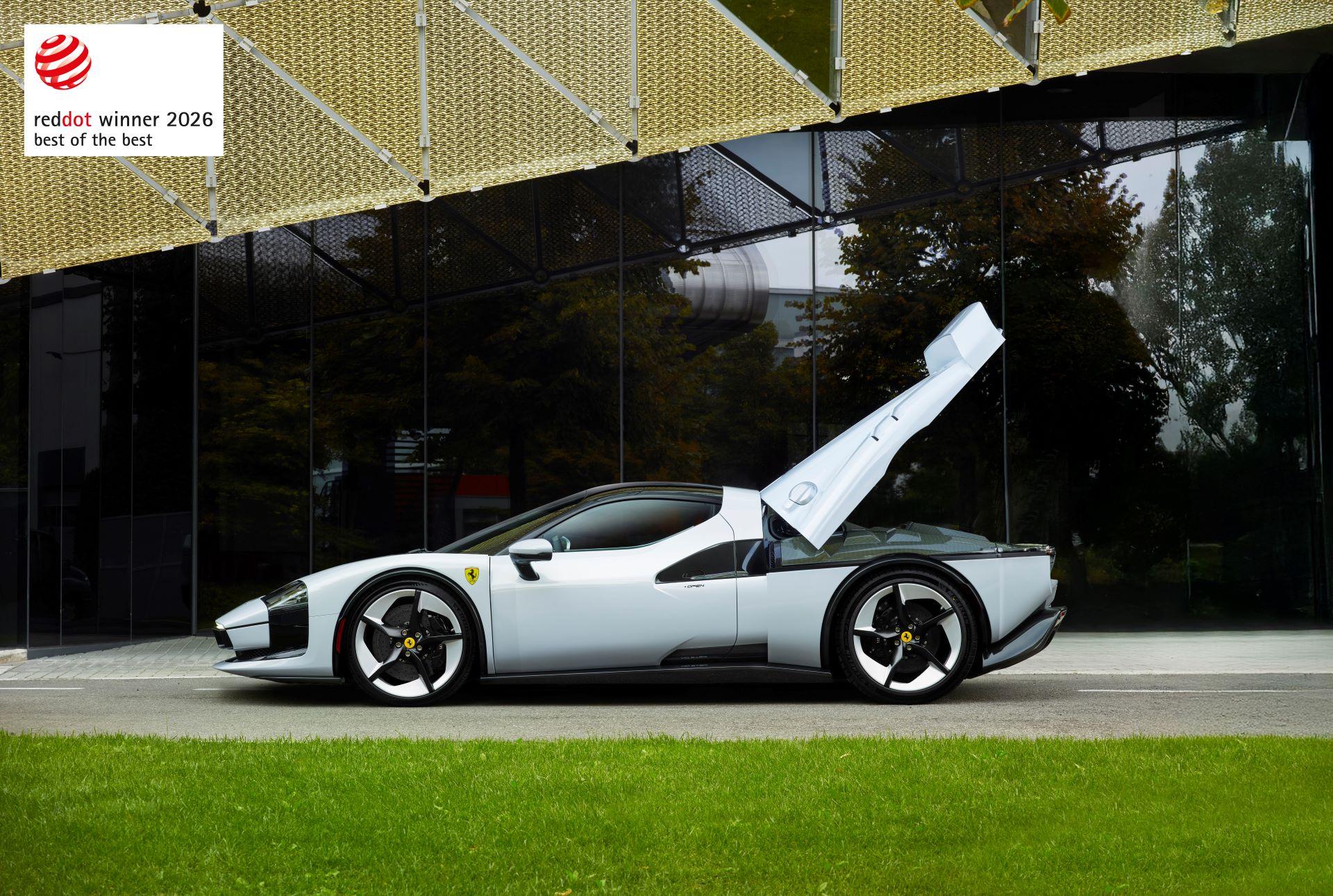
The result is a four-door, five-seat Ferrari that does not dilute the brand’s identity but expands it. The Luce becomes only the second four-door Ferrari, and the first to offer full five-seat practicality, without sacrificing the sense of occasion associated with Maranello’s creations. Its proportions are enhanced by the largest staggered wheels ever fitted to a production Ferrari, measuring 23 inches at the front and 24 inches at the rear, available in both aerodynamic turbine and forged five-spoke designs.
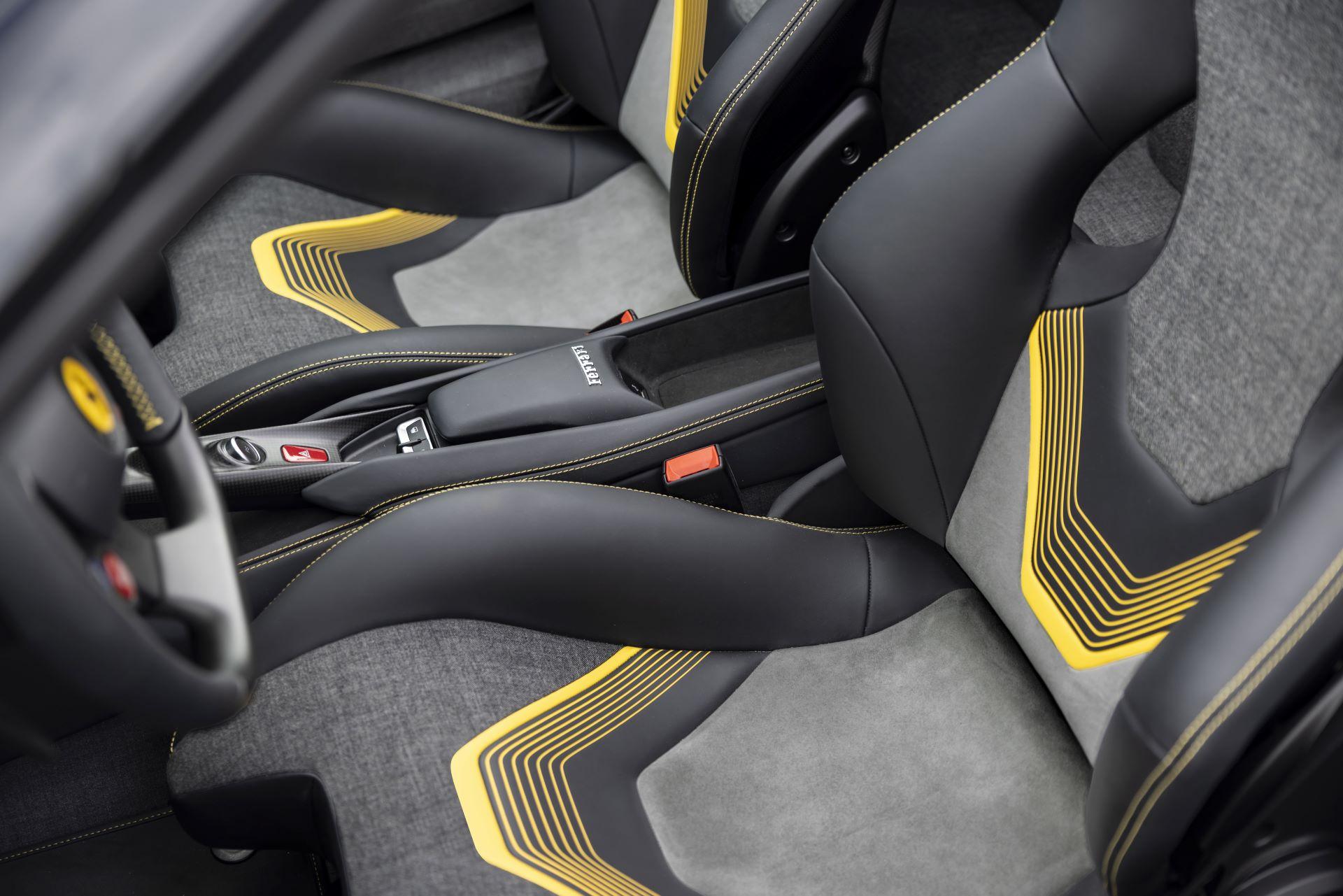
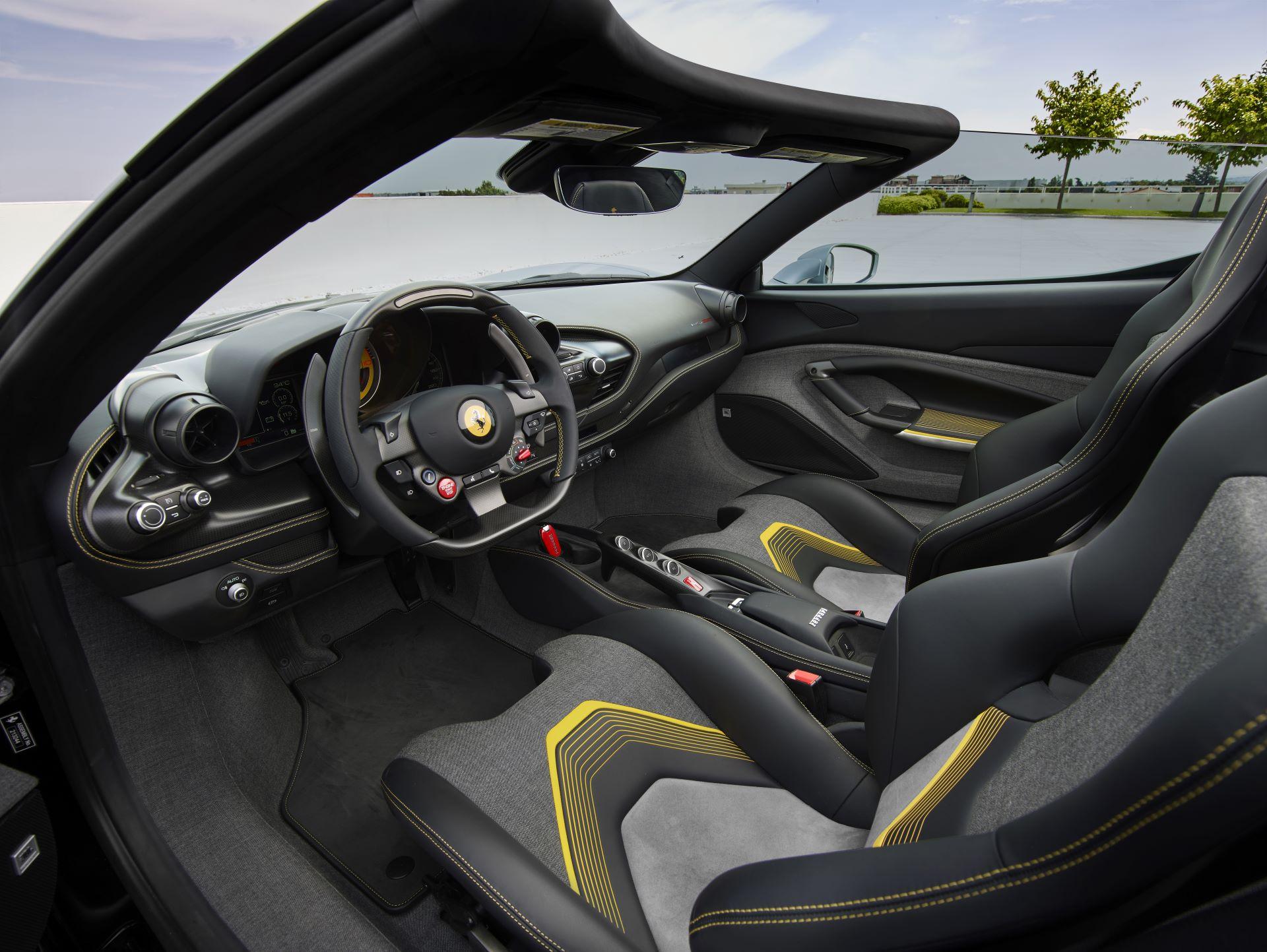
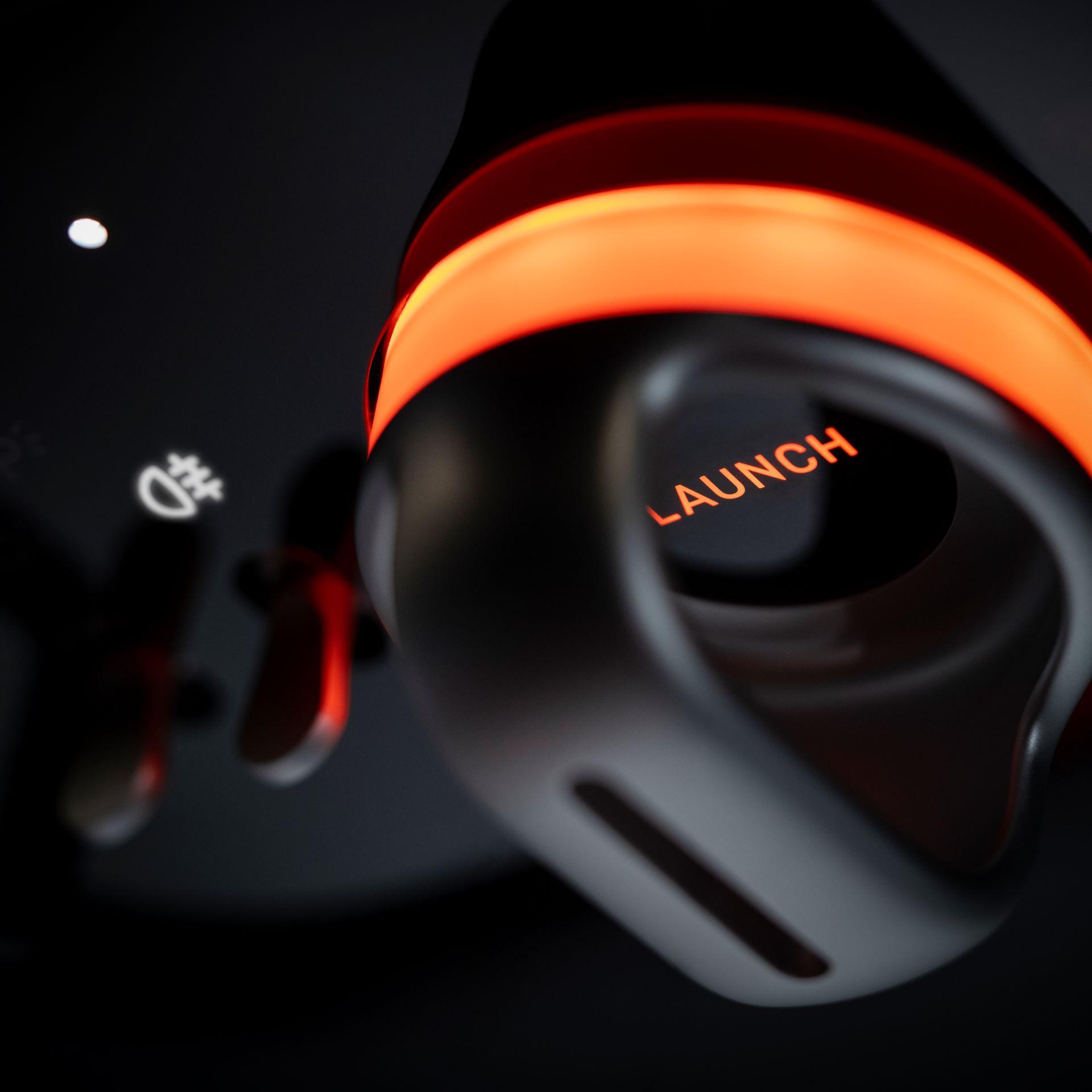
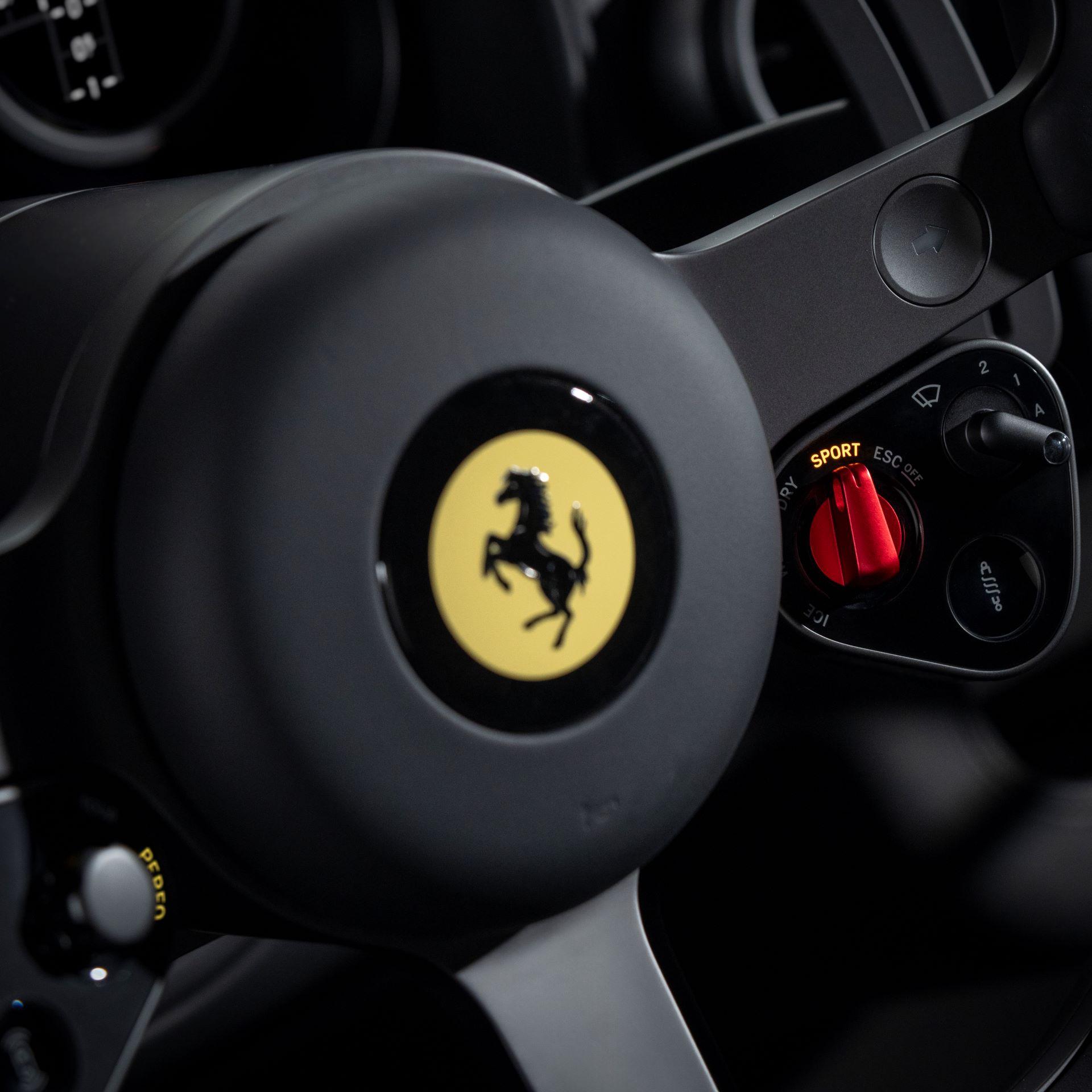
Inside, the Luce presents a cabin that feels both expansive and meticulously controlled. Rather than relying on visual excess, the interior is structured around functional clarity. Mechanical controls and digital interfaces coexist, forming a unified language of interaction. The steering wheel, crafted from recycled aluminium and finished with precision-machined detailing, integrates both analogue and digital control modules. The driving experience is further refined through systems such as the e-Manettino and Manettino, which allow the driver to shift between energy strategies and dynamic behaviours with immediate effect.
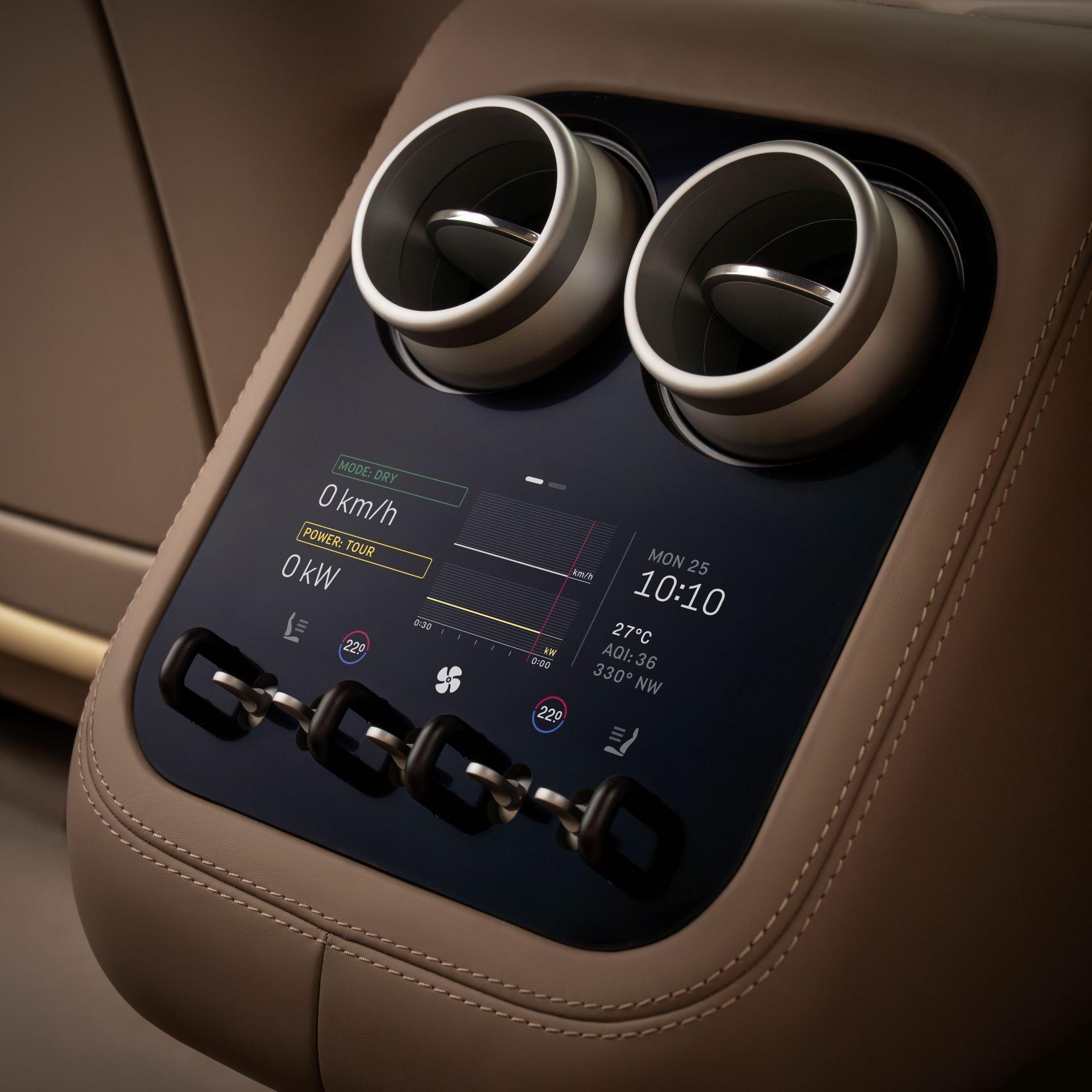
Instrumentation is layered across a custom binnacle that blends analogue dials with digital displays, creating a reading experience that is both intuitive and performance-focused. A central dial combines speed and battery status, while auxiliary displays provide performance, efficiency, and driver data. The interface is designed not as decoration but as a functional extension of driving intent.
Across the cabin, Ferrari introduces new levels of material and technological integration. OLED displays developed with Samsung Display span multiple surfaces, while Corning® Gorilla® Glass is used in the key system, which features an E Ink interface that activates only when updated. Even the act of starting the car becomes a tactile ritual, with the key docking into the centre console and triggering a visual cascade of Ferrari’s signature yellow across the interface.
Sound, traditionally absent in electric vehicles, is reinterpreted rather than replaced. Instead of synthetic tones, the Luce captures and amplifies the natural vibration of its electric axles, translating mechanical resonance into a living acoustic texture. This approach preserves authenticity while creating a soundscape that evolves with speed, torque, and driving style, reinforcing the connection between driver and machine.
Aerodynamics, thermal efficiency, and vehicle dynamics are deeply interwoven throughout the Luce’s development. Over five years of simulation and testing informed a design that reduces drag through smooth convex surfaces, active airflow management, and integrated cooling systems. Active suspension, regenerative braking up to 0.5 MW, and advanced control systems such as Side Slip Control X ensure that performance is not only achieved but intelligently distributed across all driving conditions.
Underneath its sculpted exterior lies a deeply integrated structural philosophy. The chassis, constructed entirely from aluminium alloys with extensive use of recycled materials, is designed as a single system with the battery. This integration improves torsional rigidity by 35 percent while reducing overall weight compared with comparable performance platforms, reinforcing Ferrari’s commitment to combining sustainability with structural excellence.
The result is a vehicle that does not simply translate Ferrari’s identity into electric form but reinterprets it. The Luce stands as a synthesis of engineering precision, digital intelligence, and emotional driving engagement. It represents a shift in how performance is defined, where control, efficiency, and responsiveness converge into a new kind of driving experience that is as much about sensation as it is about speed.
Ferrari Luce is not positioned as a departure from tradition, but as an evolution of it. In embracing electrification without abandoning its core philosophy, Ferrari opens a new chapter where silence can still carry intensity, and where innovation becomes the most expressive form of emotion.