


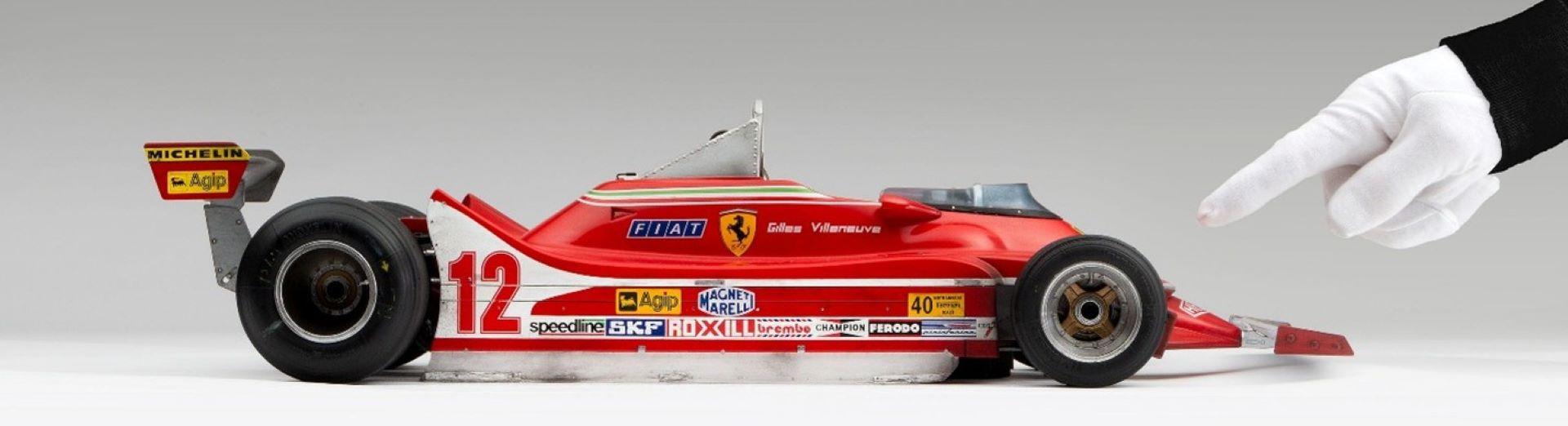
In the rarefied world where engineering becomes art and motorsport memory is preserved in miniature, Amalgam Collection has unveiled one of its most emotionally charged creations to date: a strictly limited edition of just 12 1:8 scale recreations of the Ferrari 312 T4 driven by Gilles Villeneuve to victory at the 1979 United States Grand Prix at Watkins Glen.
Timed to launch ahead of the Canadian Grand Prix at Circuit Gilles Villeneuve, the release is more than a collector’s piece. It is a meticulously crafted act of remembrance, honouring one of Formula One’s most instinctive and fearless drivers with the close support and endorsement of the Villeneuve family.
Each model begins its life in Bristol, where Amalgam’s artisans dedicate more than 450 hours to hand-building every component of the legendary Ferrari machine. But precision alone is not the defining feature of this edition. What elevates it into something closer to historical reconstruction is the process of hand-applied weathering, executed using archival reference imagery to replicate the exact condition of Villeneuve’s car as it crossed the finish line in one of the most iconic wet-weather performances in motorsport history.
The result is not a pristine showroom replica, but a machine frozen mid-memory. Dirt, grit, and race-day wear are not simulated in abstraction, but placed with forensic care, echoing the intensity of that rain-lashed afternoon at Watkins Glen where instinct and courage defined the outcome as much as engineering.
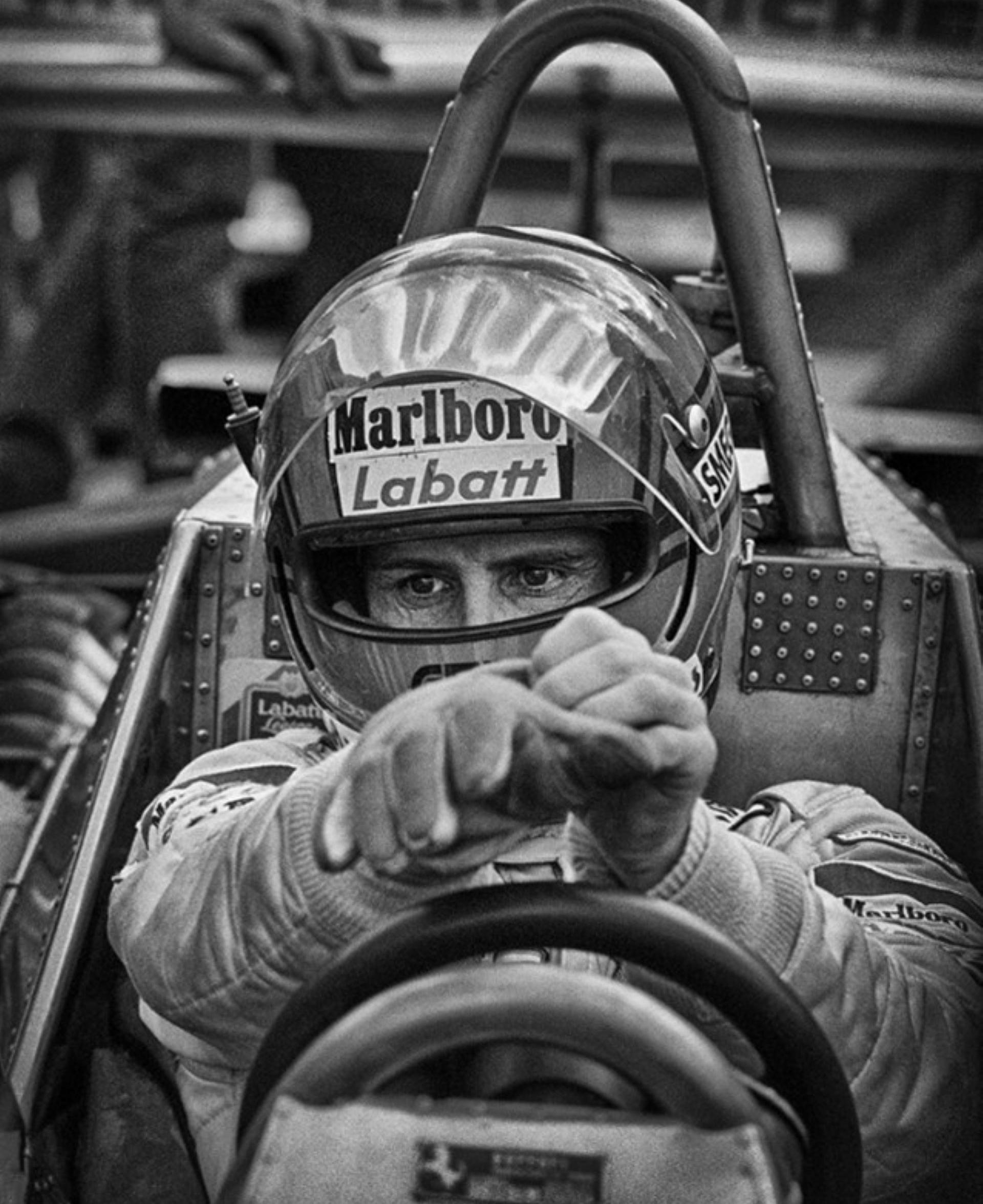
The emotional weight of the project is further amplified through its accompanying photographic collection. Each edition includes four A2 archive-quality prints captured by renowned Formula One photographer Richard Kelley, whose intimate documentation of Villeneuve’s Ferrari years offers a rare window into the driver’s focus, solitude, and intensity during competition. Many of the images included in this release have remained unseen publicly until now.
The selection has been personally curated and endorsed by Melanie Villeneuve, daughter of Gilles Villeneuve, who has also signed a certificate of authenticity included with each set. Her involvement adds a generational continuity to the project, connecting memory, legacy, and material craft into a single collector’s narrative.
Melanie Villeneuve reflected on the collaboration with a sense of personal resonance, describing how the combination of model and imagery captures not only the machine itself, but the emotional essence of her father’s defining moments in Formula One. The sentiment is echoed throughout the project’s presentation, which leans heavily into atmosphere and authenticity rather than stylised nostalgia.
Richard Kelley’s recollections of that 1979 weekend deepen the historical texture further, painting a vivid picture of Villeneuve’s calm isolation on the grid as rain approached, the surrounding tension of competitors, and the unmistakable sense that one driver was operating on a different emotional frequency. Kelley’s imagery and memory together frame Villeneuve not only as a racer, but as a force of nature within the sport’s evolving modern era.
For Sandy Copeman, the project represents a defining expression of the company’s philosophy, where craftsmanship, historical fidelity, and storytelling converge in physical form. It is a reminder that objects can carry narrative weight when made with uncompromising intent.
Limited to just 12 examples worldwide, each edition is priced at £14,295 and includes the hand-built 1:8 scale model, the full set of Richard Kelley archival prints, a signed certificate from Melanie Villeneuve, and premium presentation packaging designed to match the significance of the subject matter.
More than four decades after that rain-soaked victory at Watkins Glen, Villeneuve’s performance continues to resonate as one of Formula One’s purest demonstrations of instinct over caution. This latest Amalgam release does not simply recreate a car. It preserves a moment when driver, machine, and weather aligned into something approaching legend, now distilled into twelve objects that bridge memory and craftsmanship.