



Ferrari has officially stepped into a new era.
Unveiled in Rome beneath the dramatic architecture of the Vela di Calatrava, the all-new Ferrari Luce represents far more than the company’s first fully electric production vehicle. It is a complete rethink of what a Ferrari can be when liberated from the mechanical constraints of combustion. The result is a machine that attempts to blend the soul of Maranello with an entirely new technological vocabulary.
The timing carries symbolic weight. Ferrari earned its first-ever victory in Rome in 1947 when the Ferrari 125 S conquered the Gran Premio di Roma at the Baths of Caracalla. Nearly eight decades later, the Prancing Horse returned to the Italian capital to reveal a project that could prove just as historically significant.
Named after the Italian word for “light,” the Ferrari Luce has been engineered not as a replacement for Ferrari’s traditional powertrains, but as an expansion of the brand’s identity. Electrification here is treated as a tool for unlocking new dimensions of performance, comfort and design freedom rather than a surrender to industry trends. Ferrari’s existing petrol and hybrid models remain central to the company’s future, but Luce opens a completely new lane on the Maranello autobahn.
From the outset, the project was approached differently. Ferrari entrusted the design direction to LoveFrom, the creative collective led by Sir Jony Ive and Marc Newson. Bringing in an external team allowed Ferrari to challenge its own assumptions and develop a radically fresh design language without abandoning the emotional drama expected from the badge.
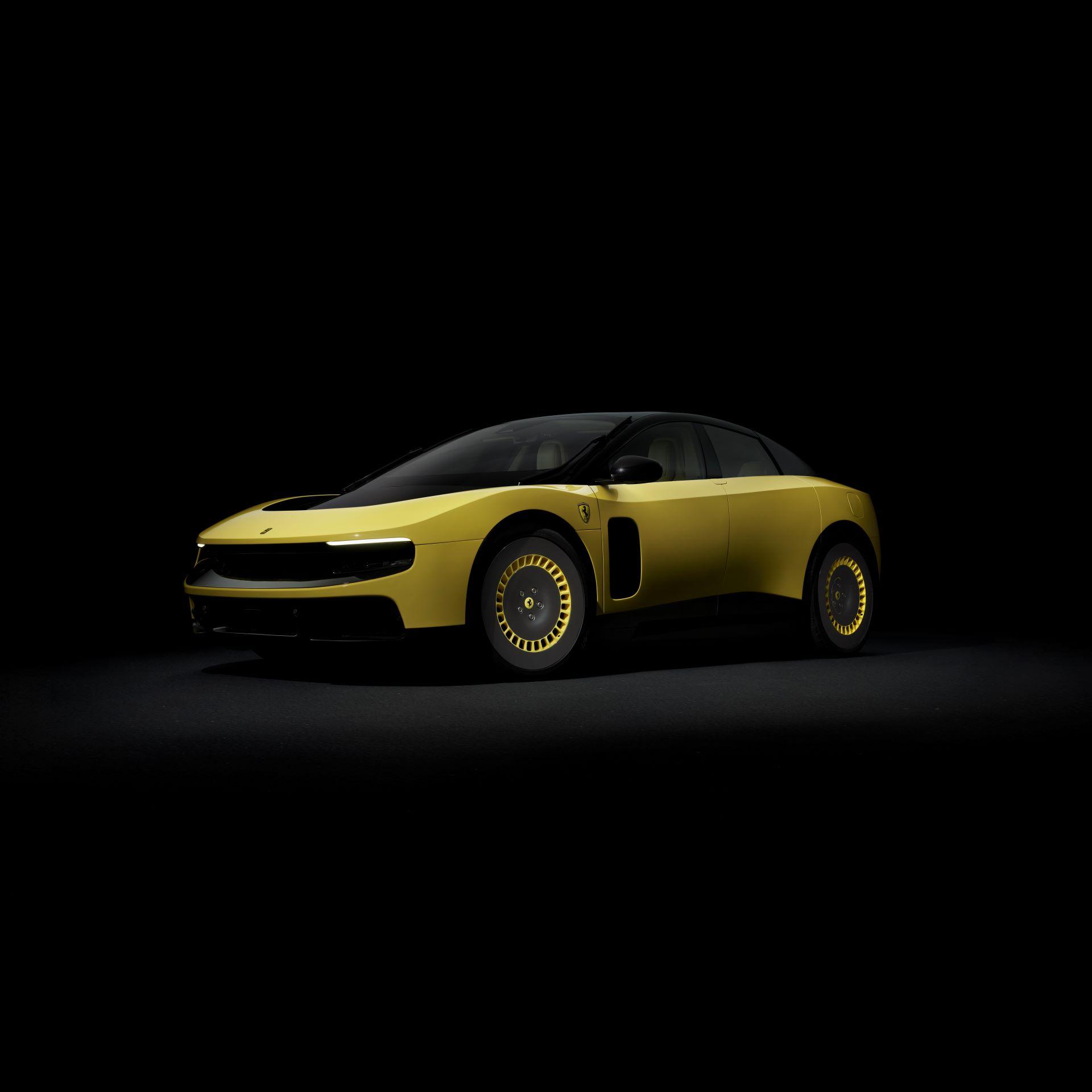
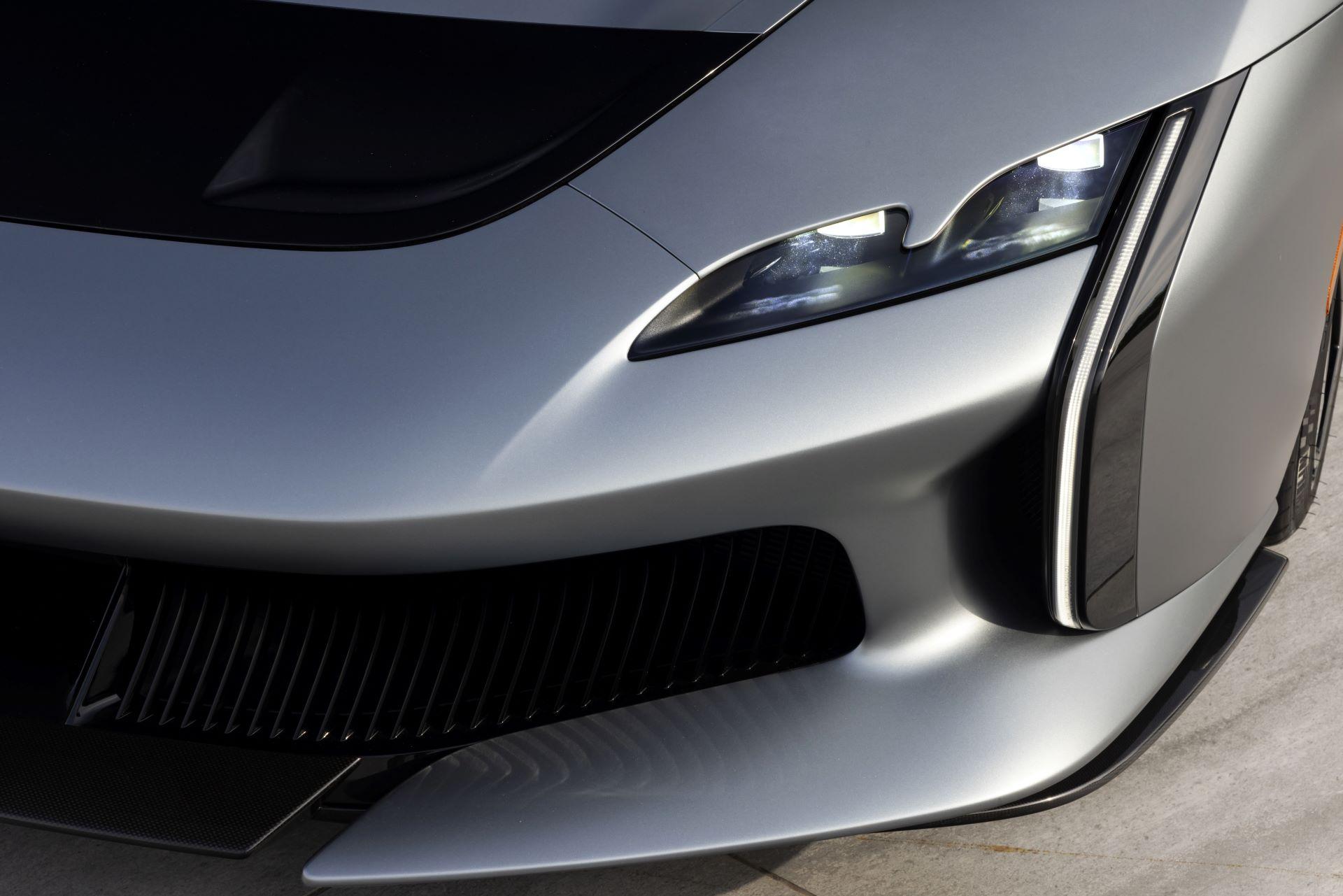
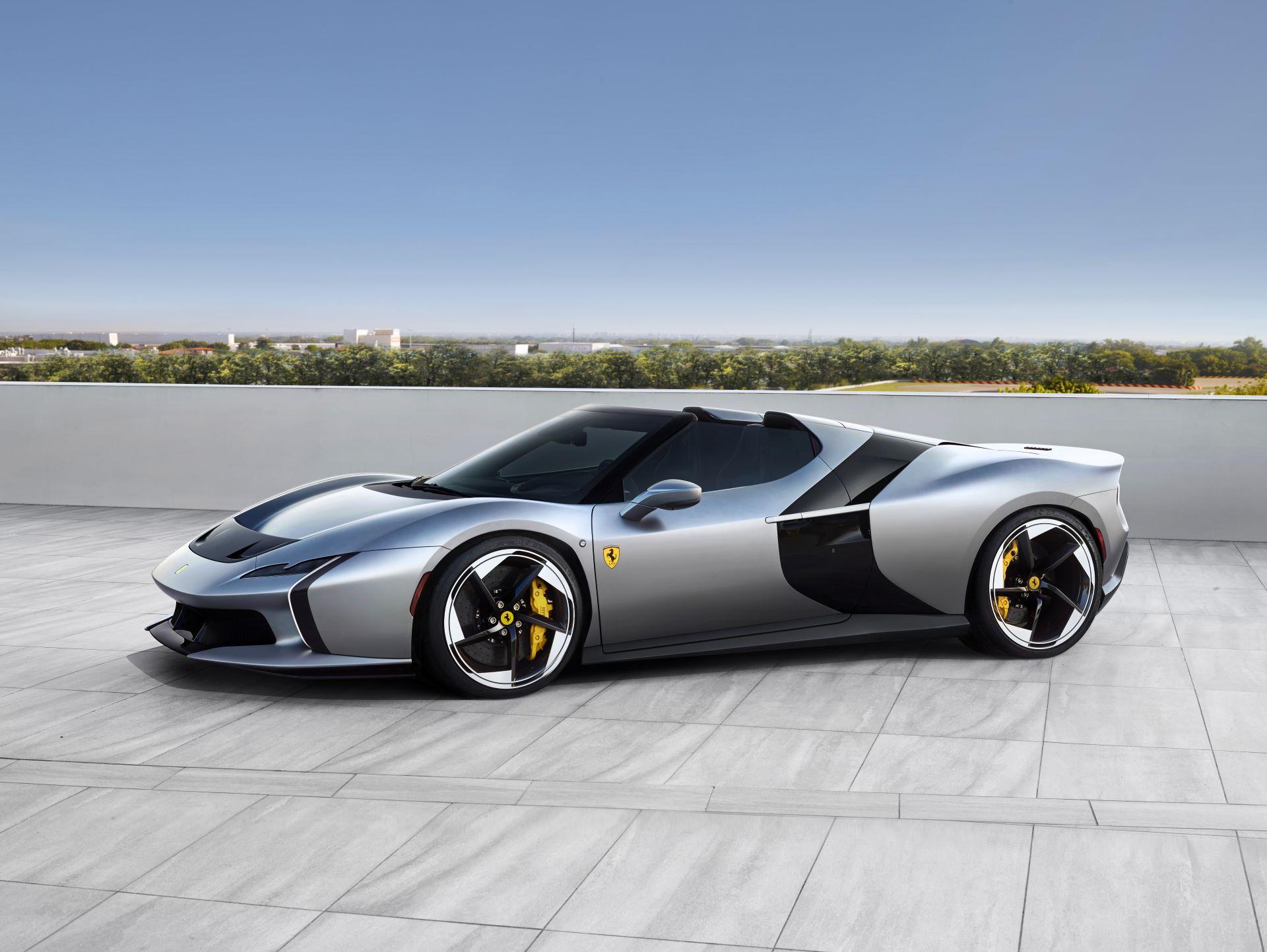
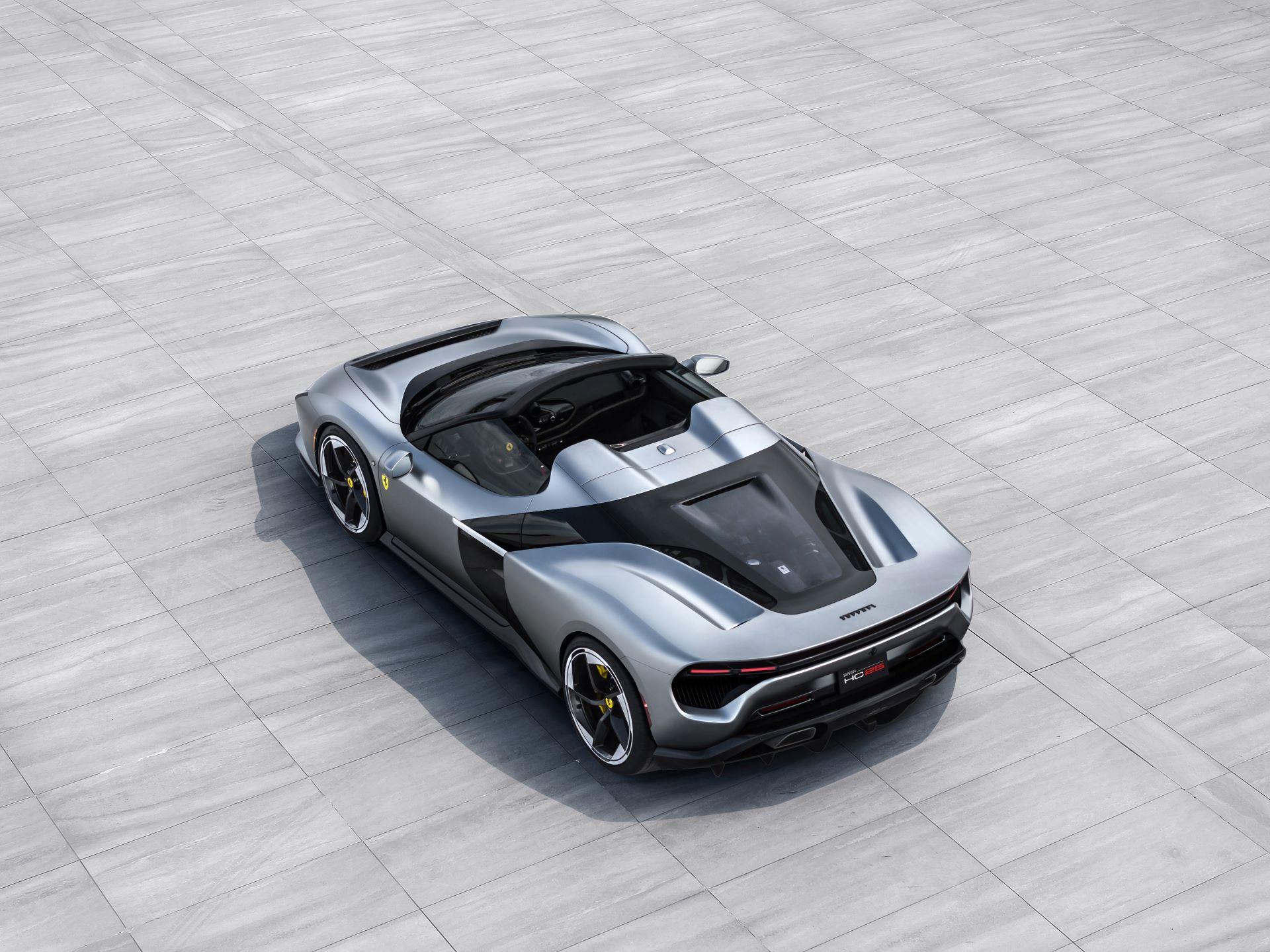
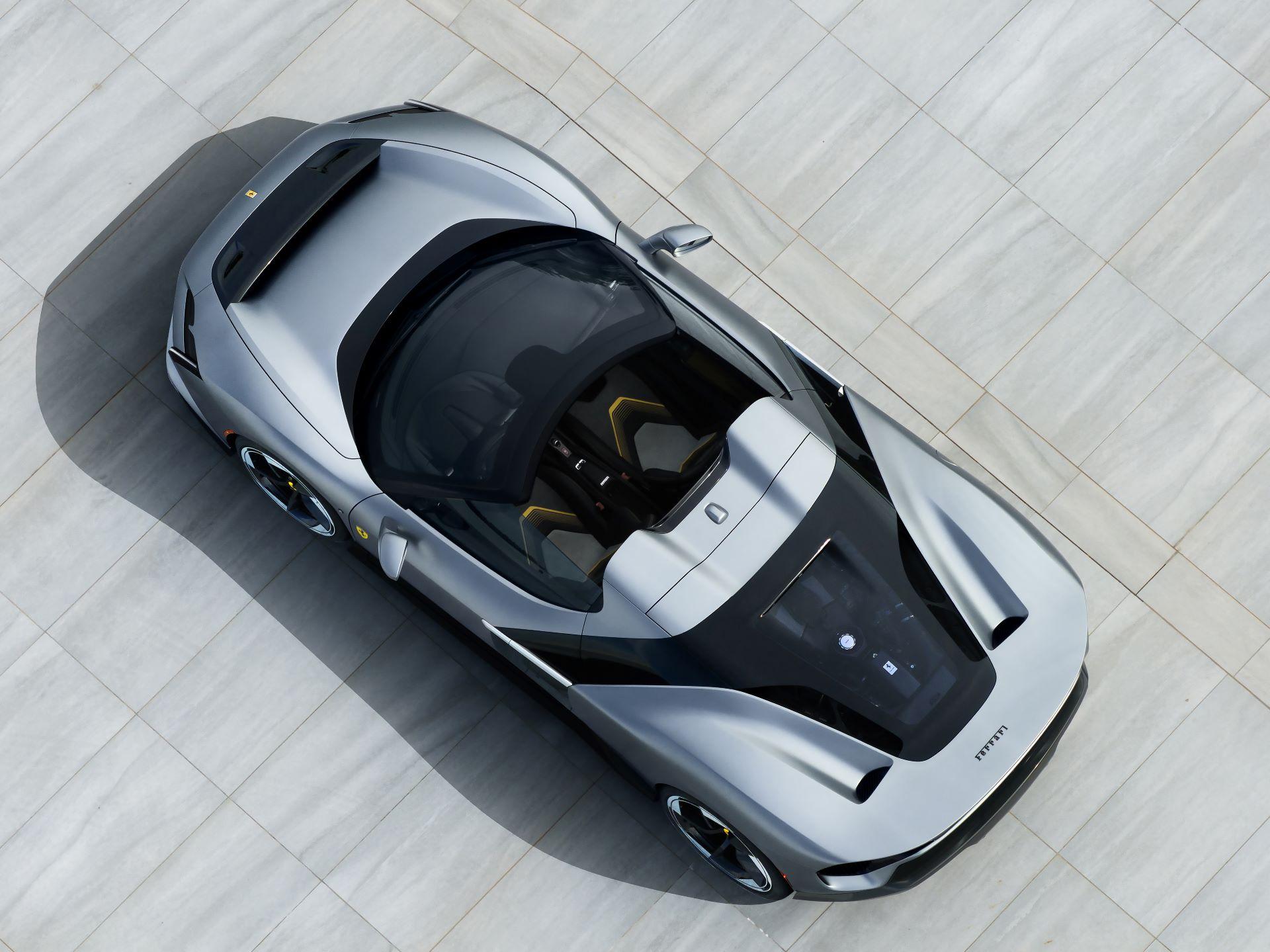
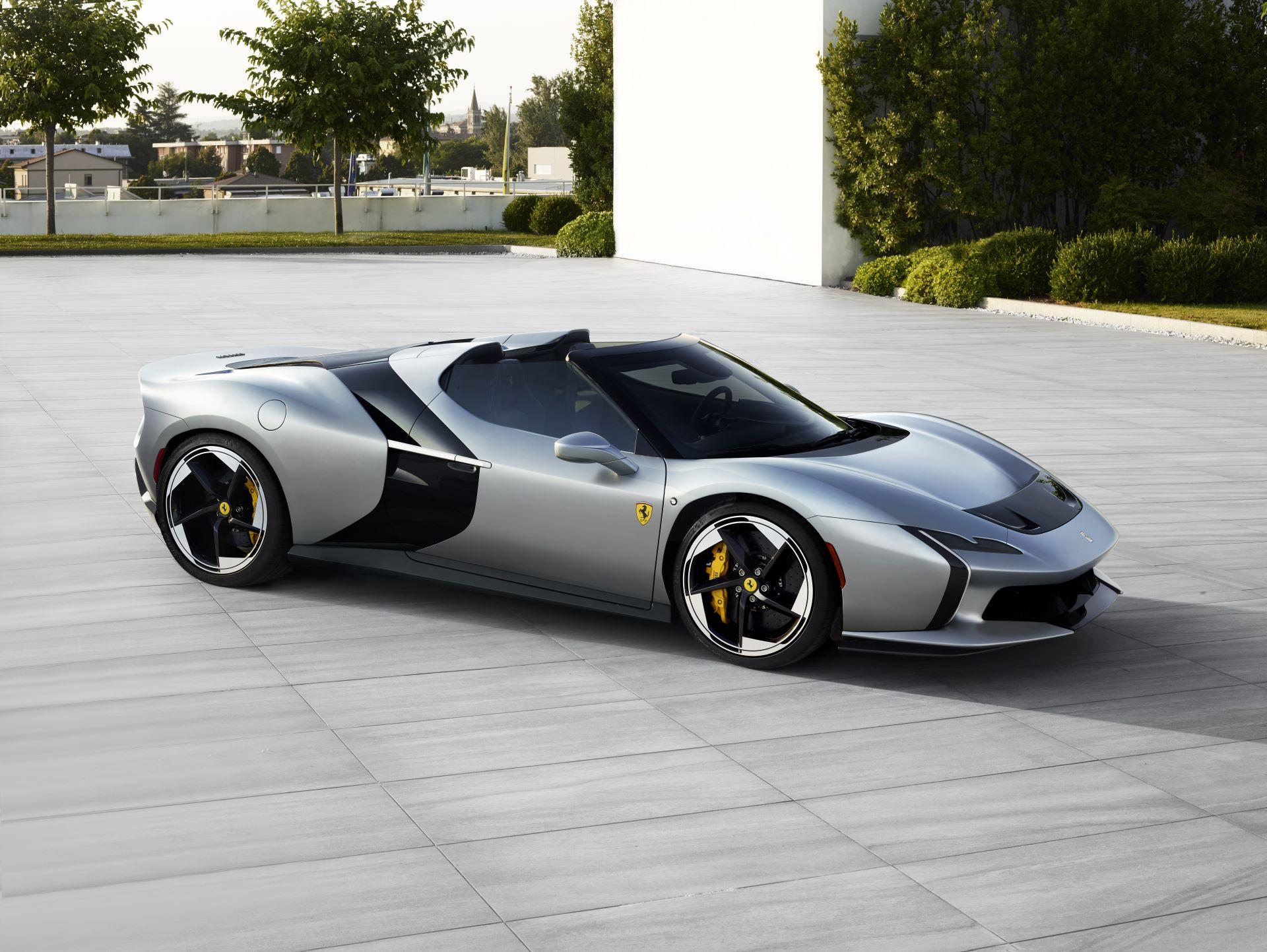
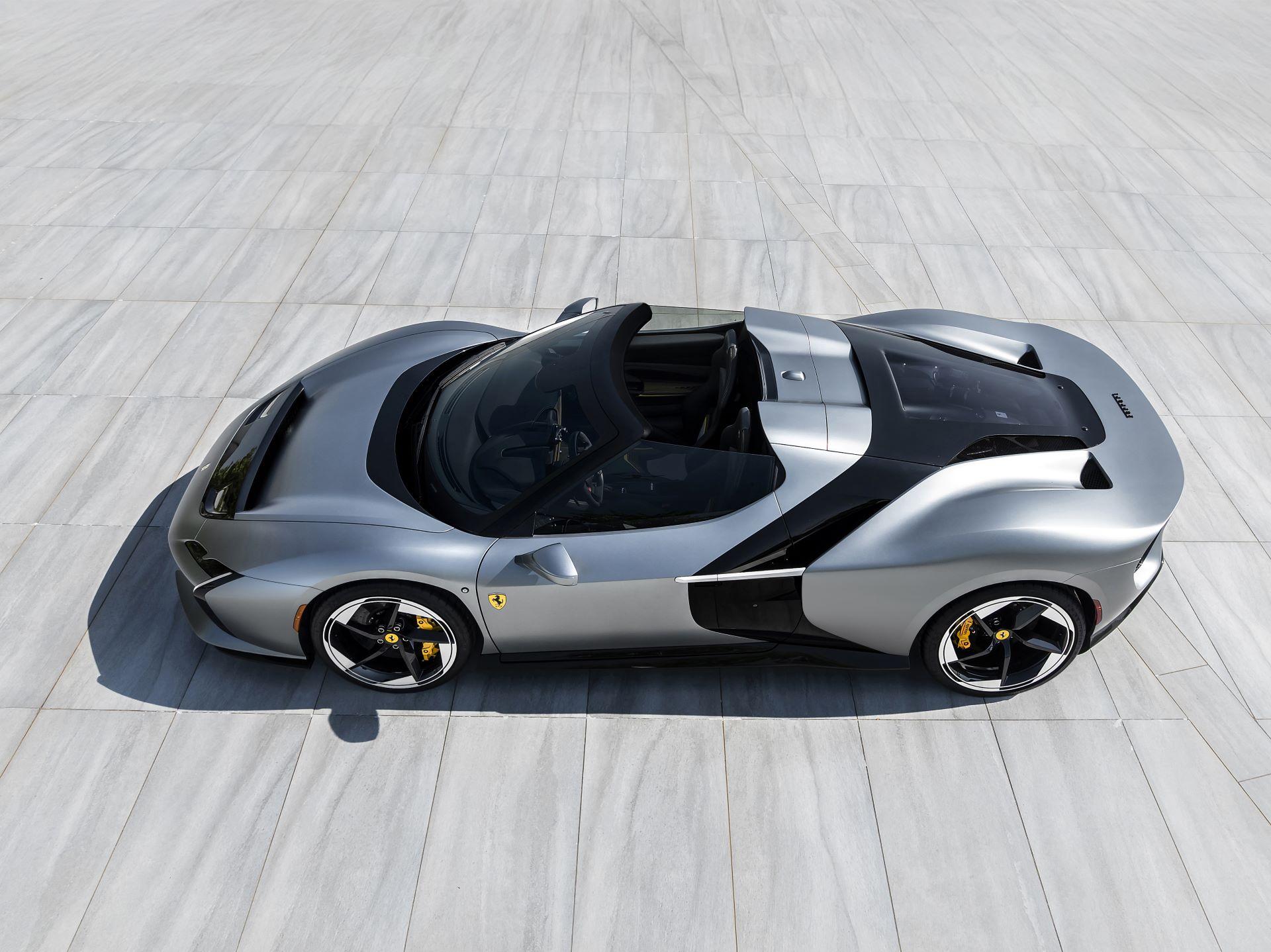
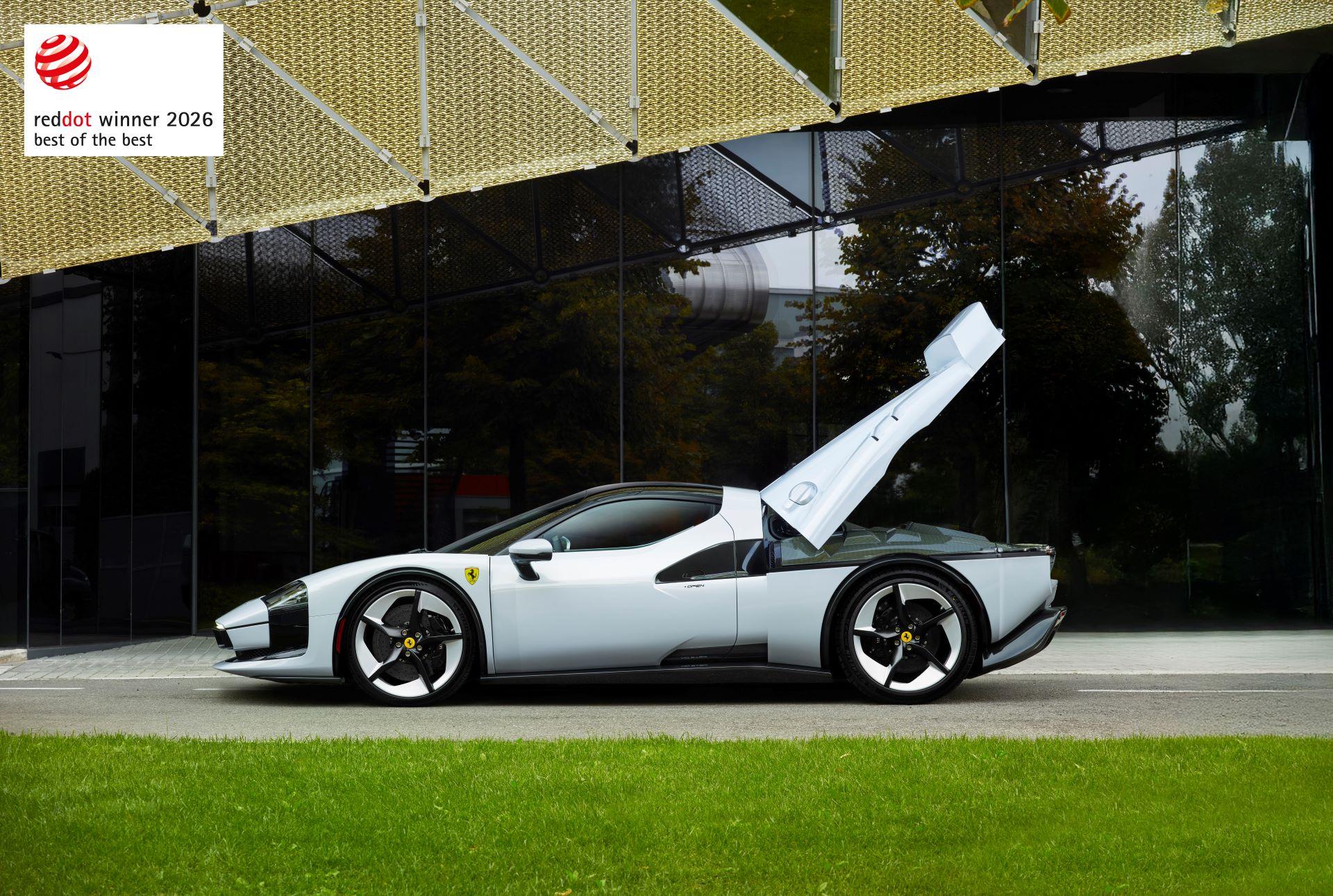
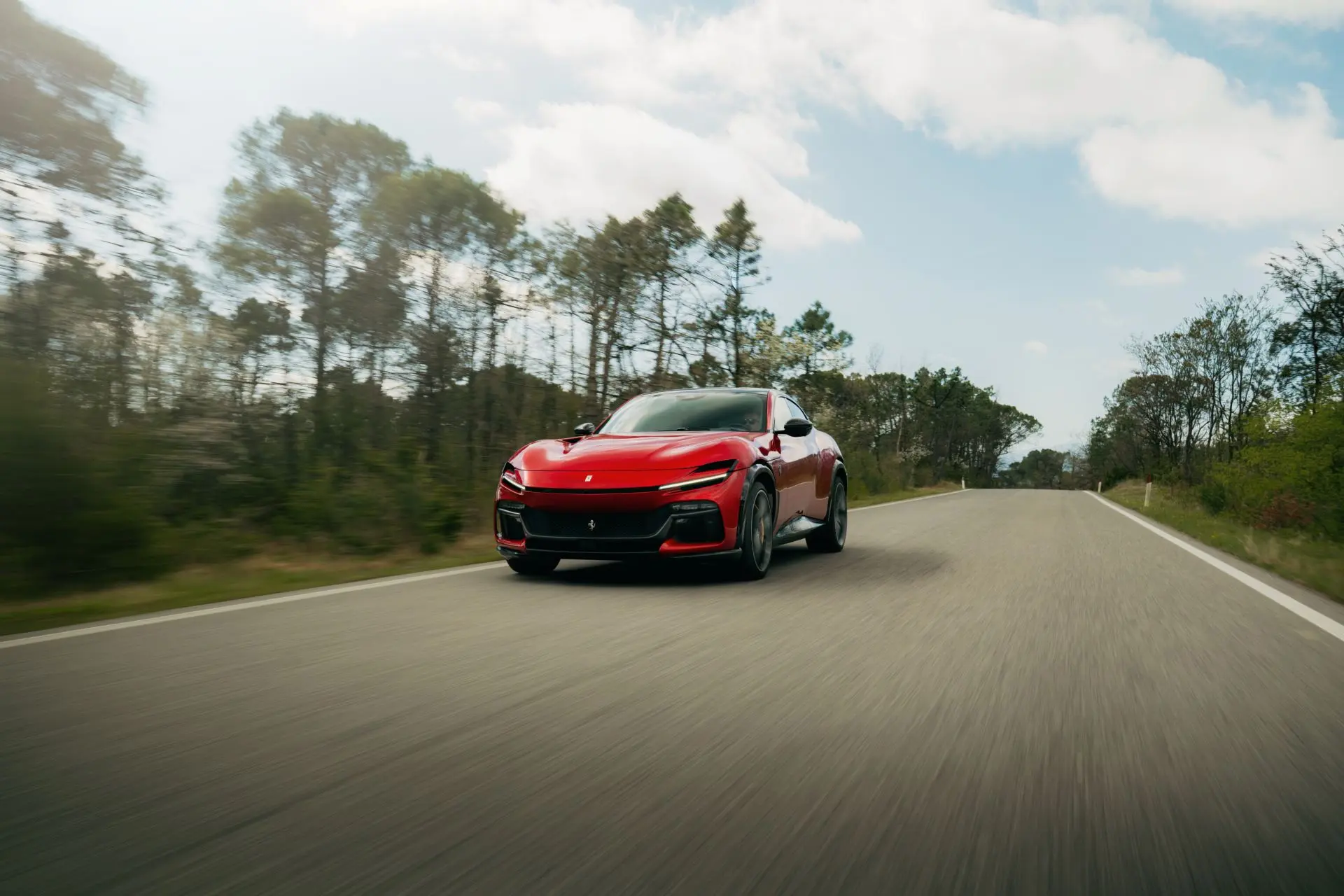
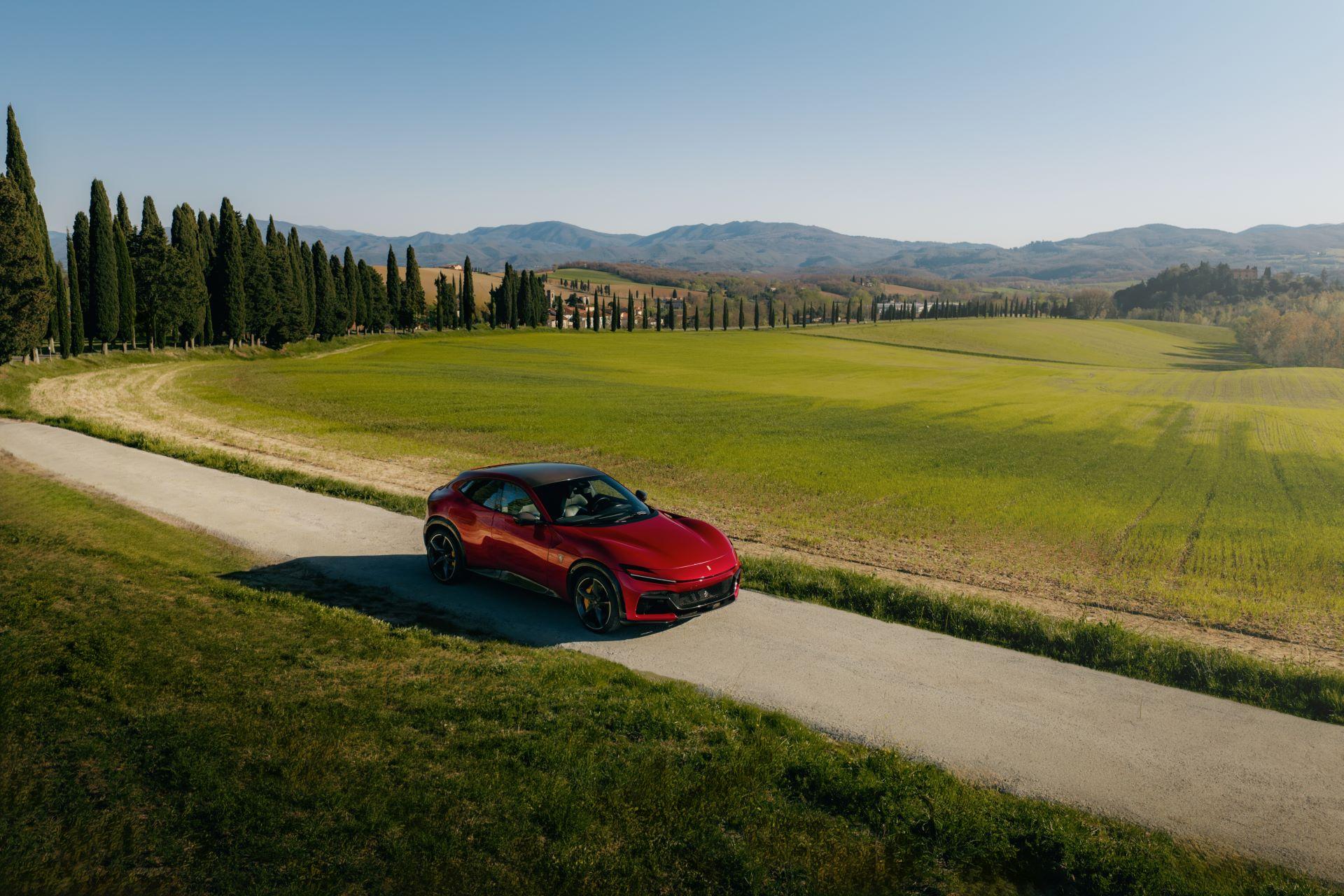
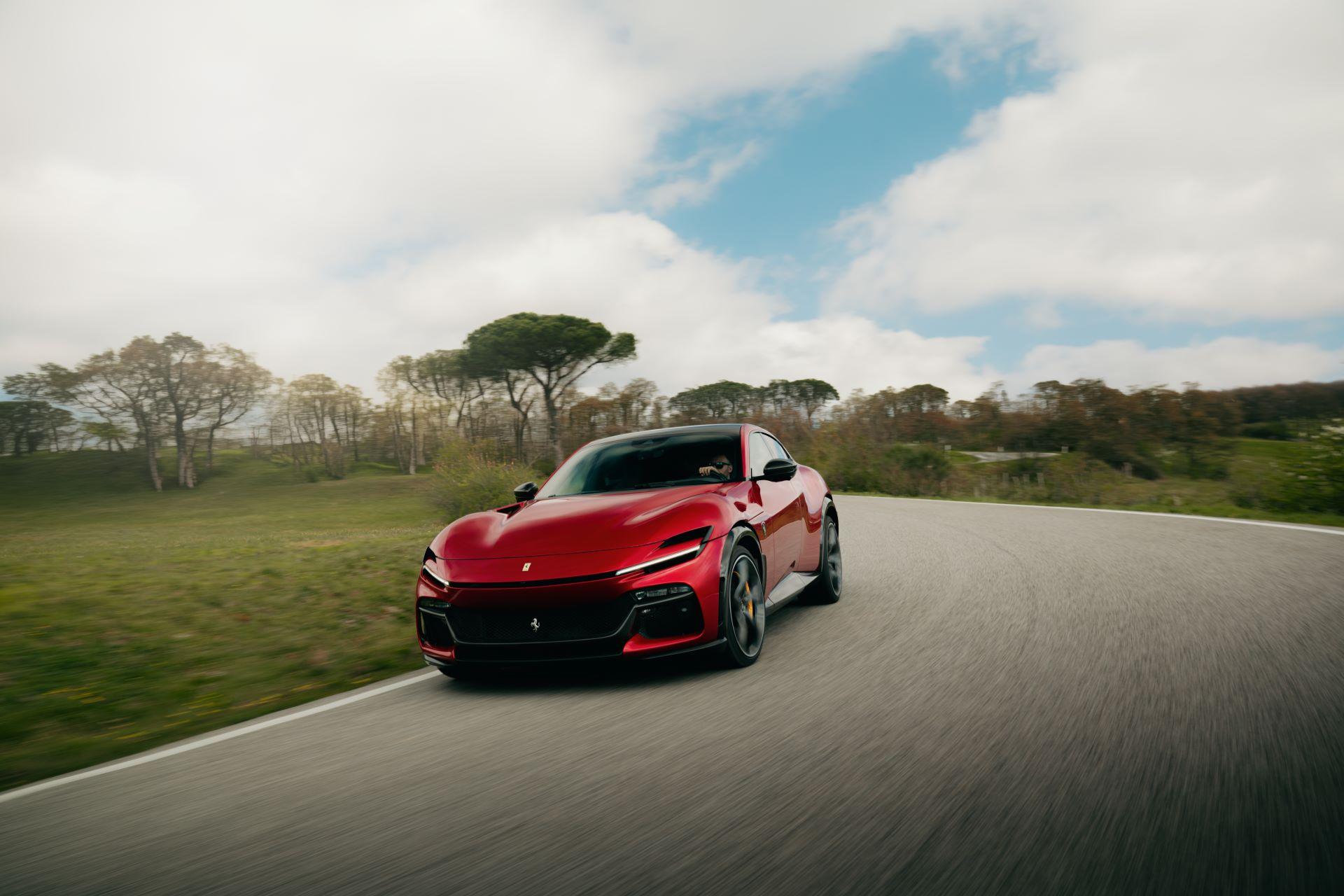
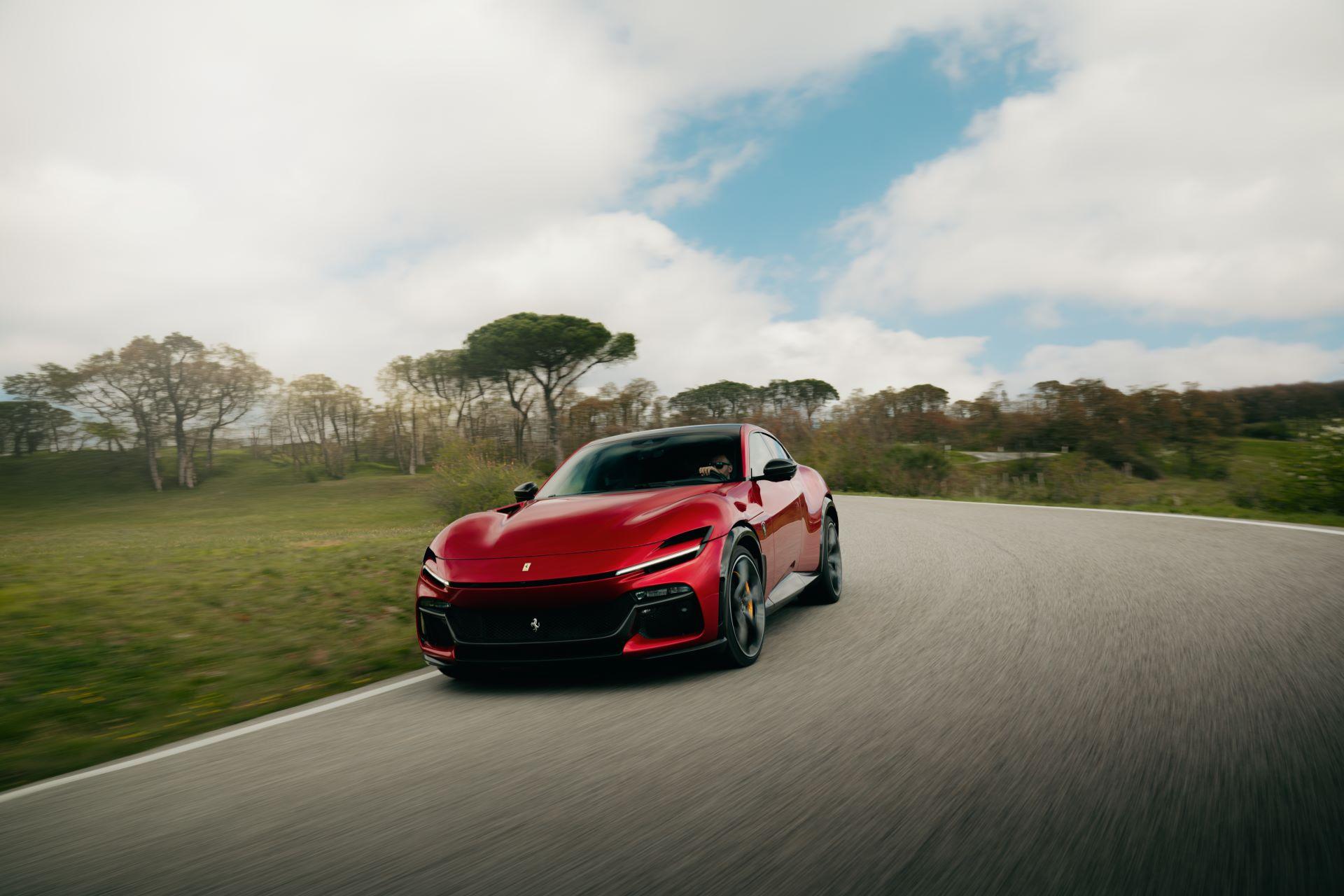
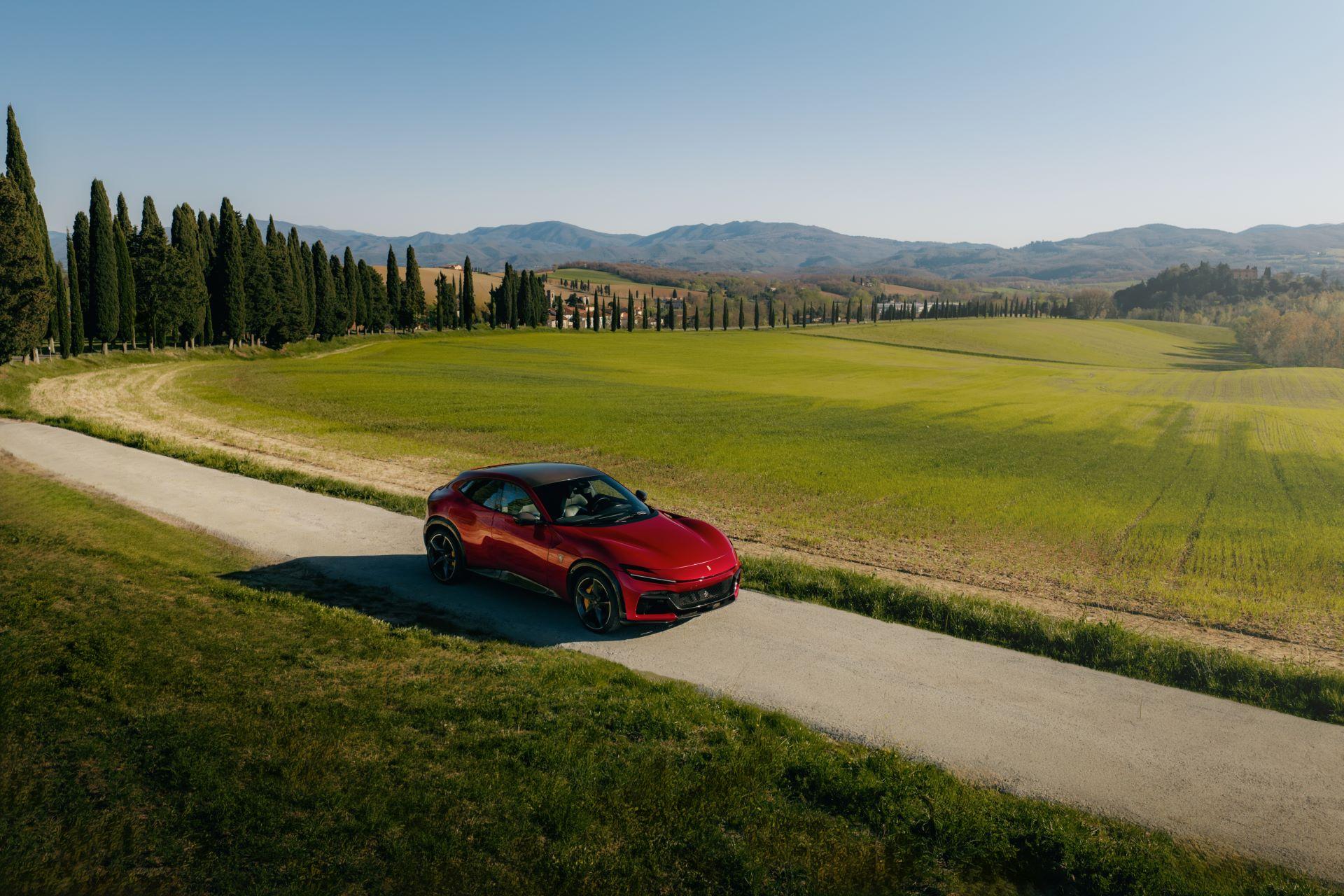
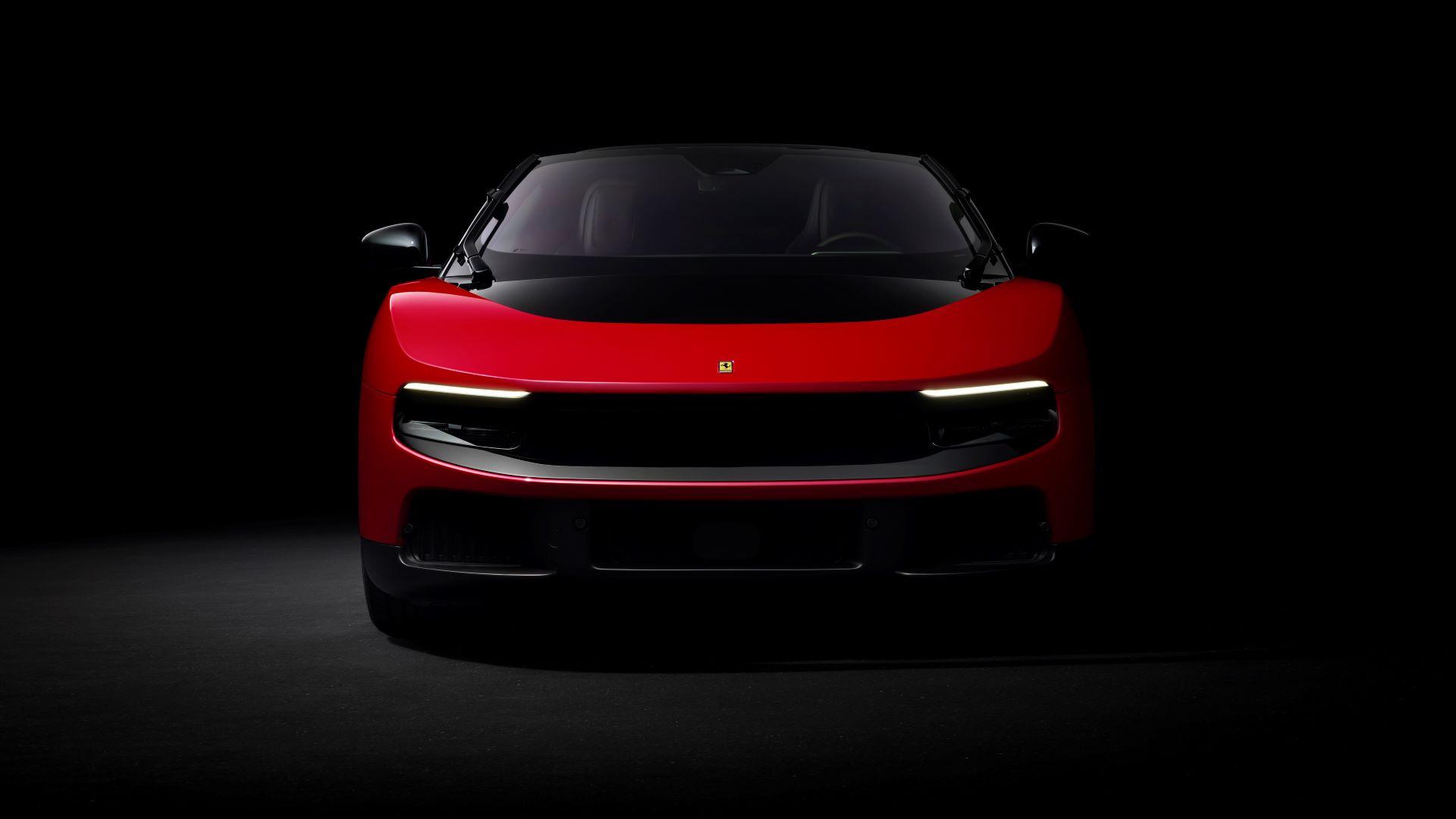
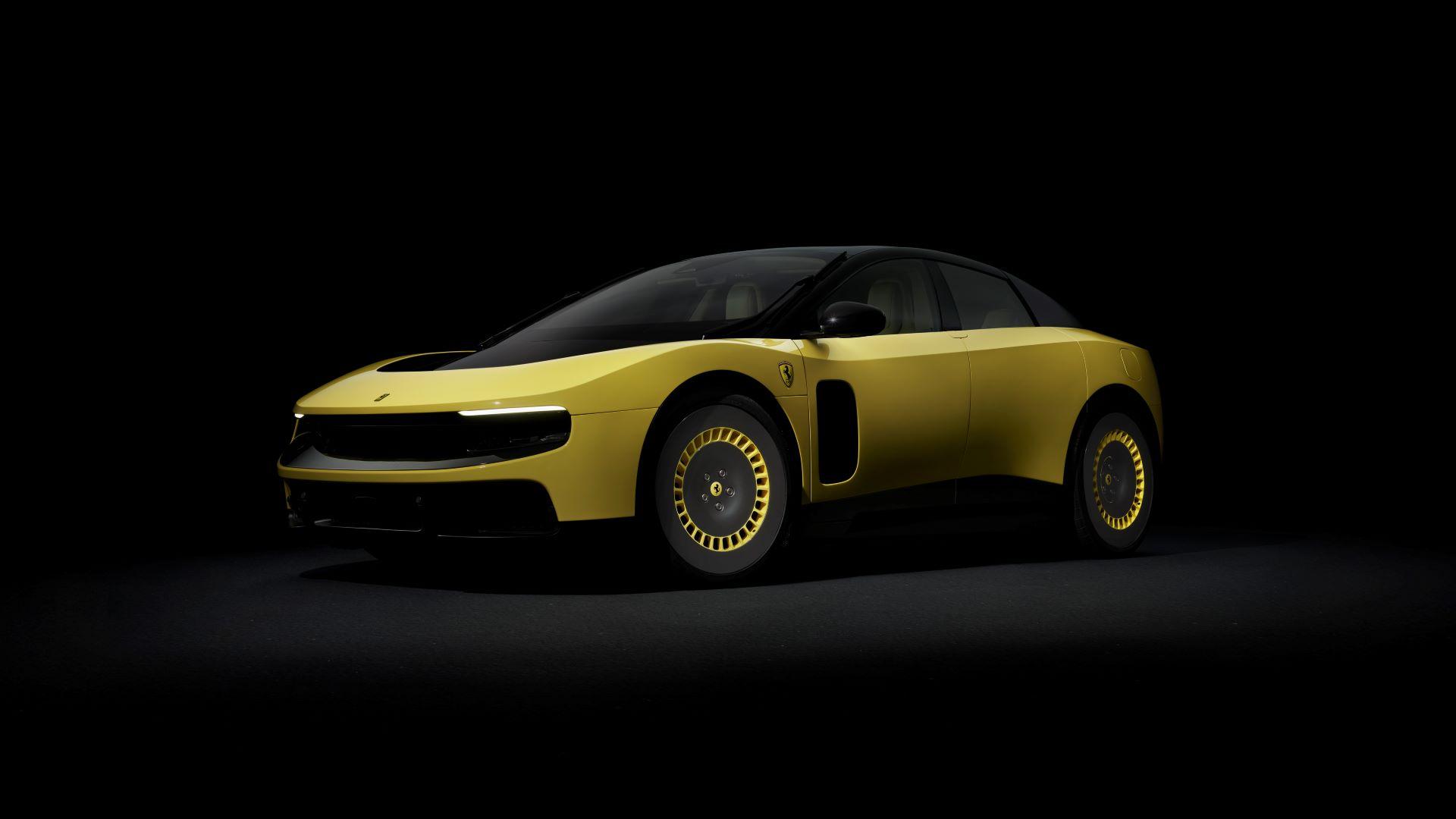
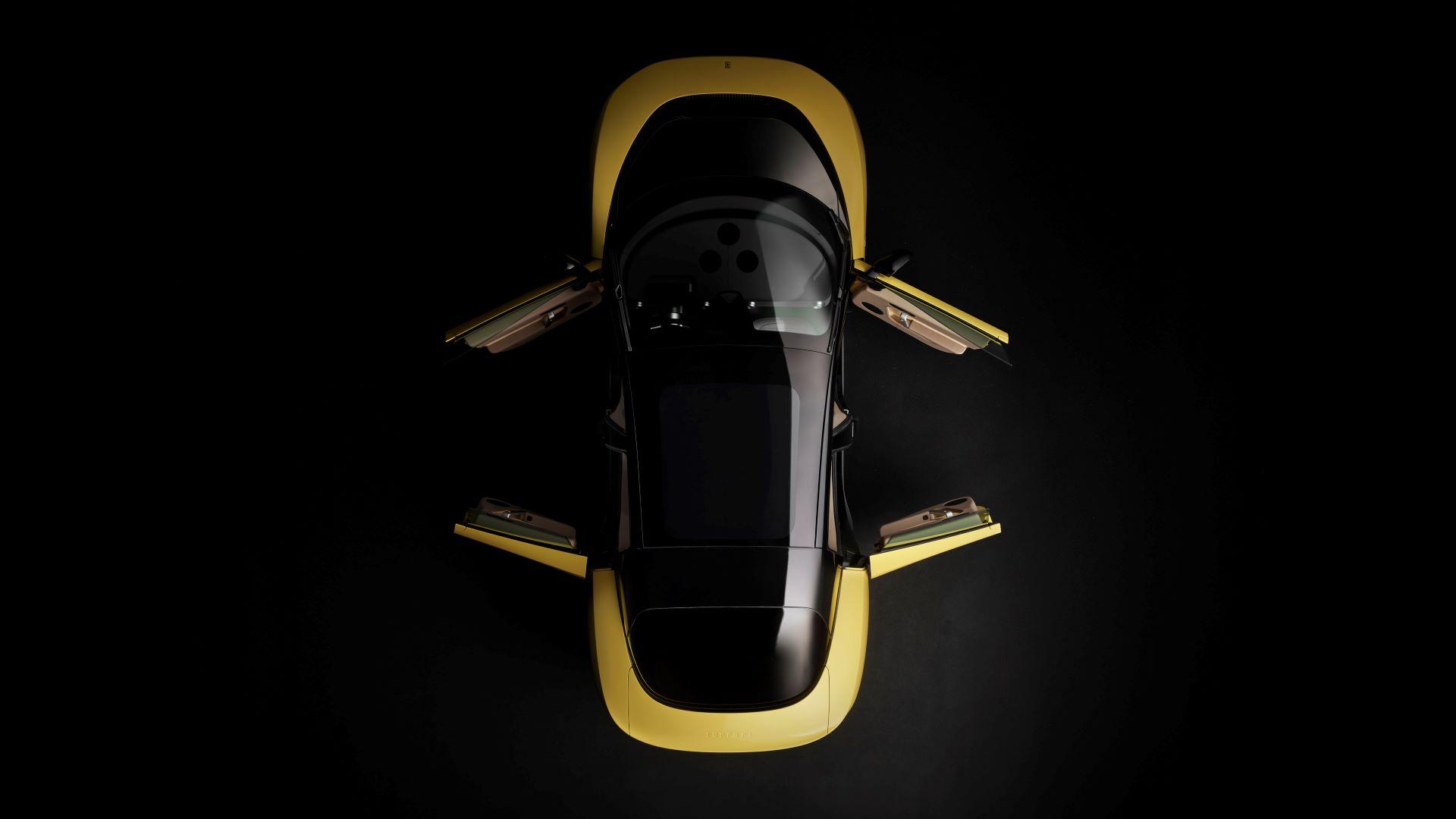
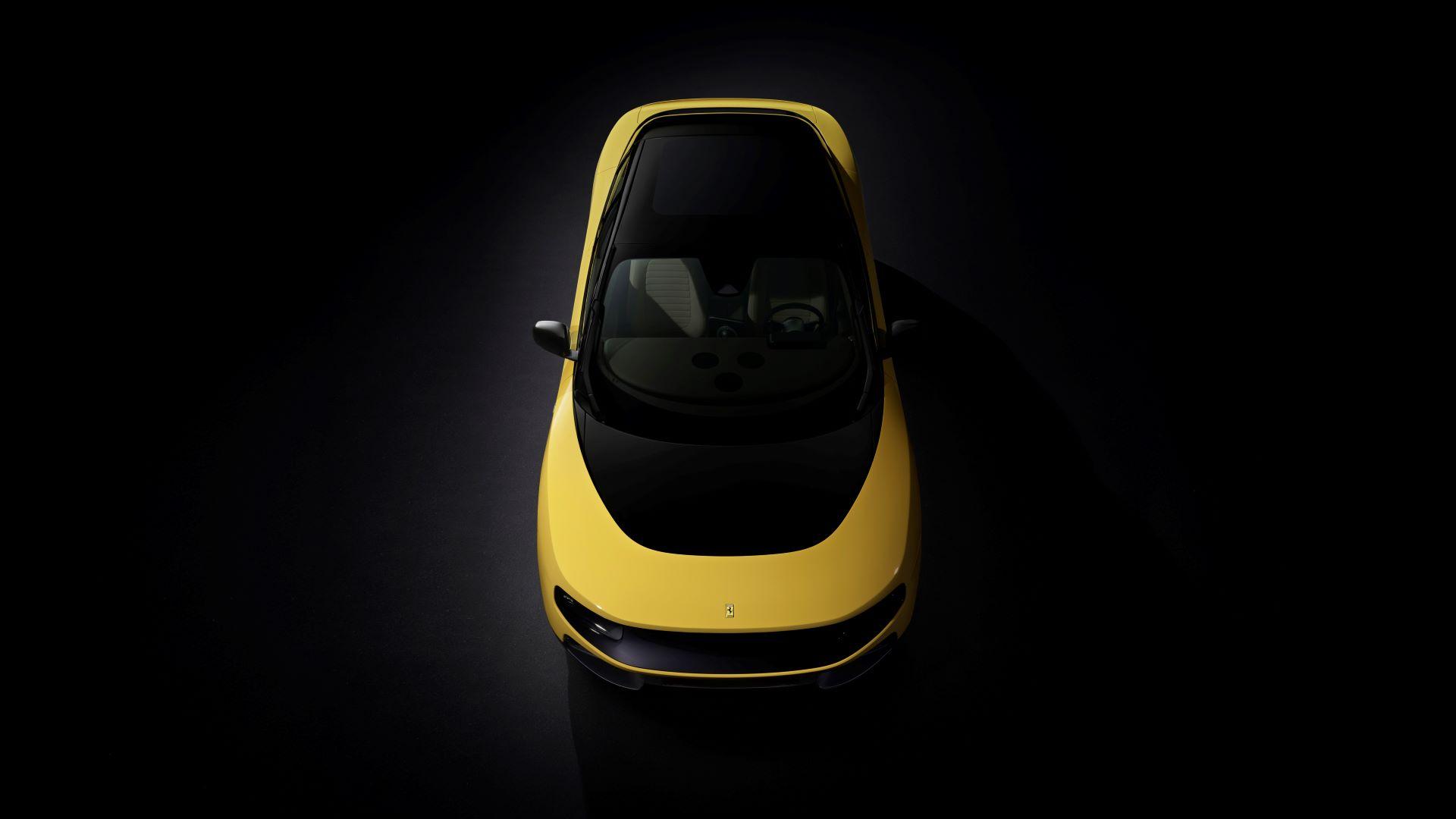
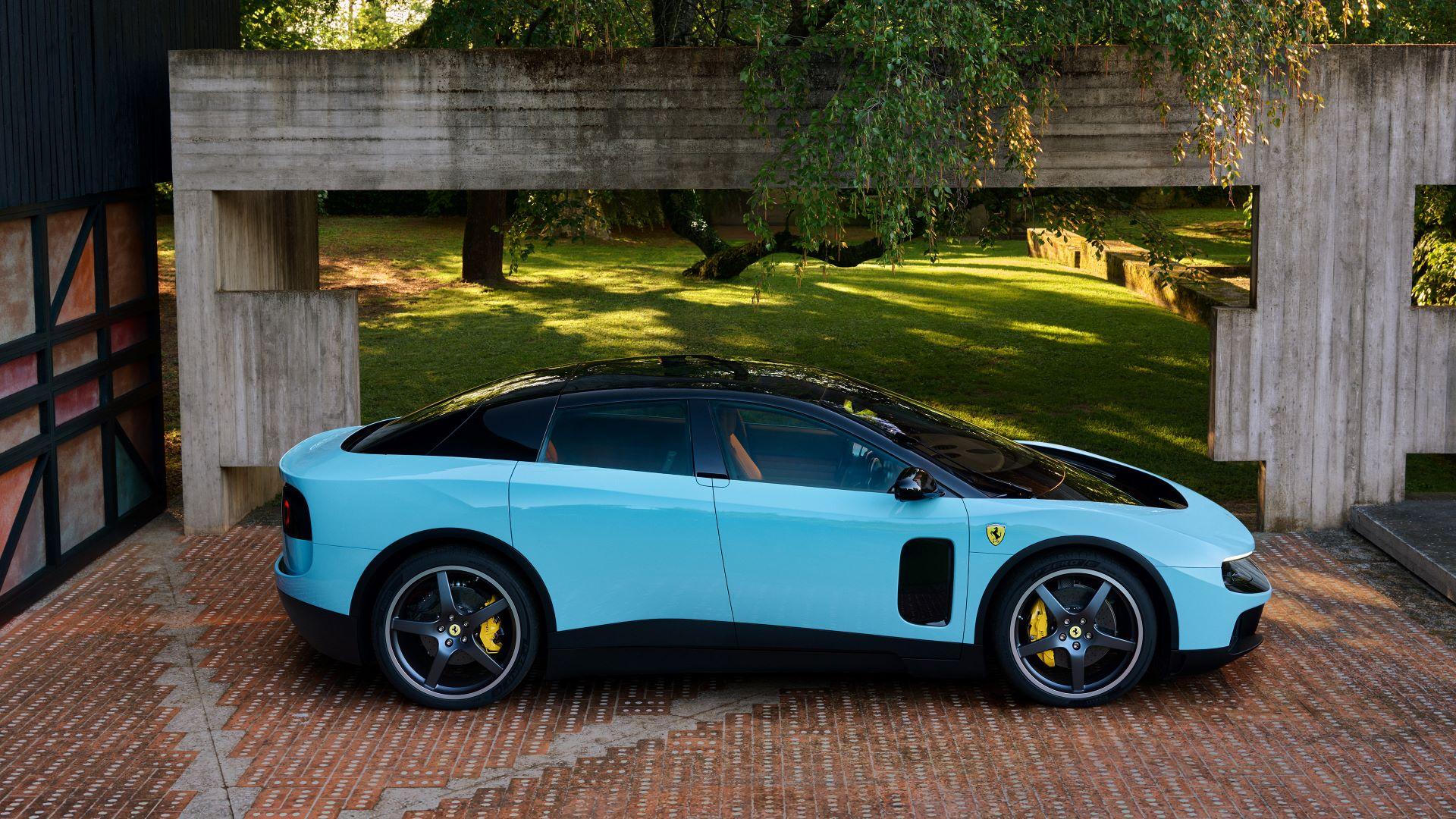
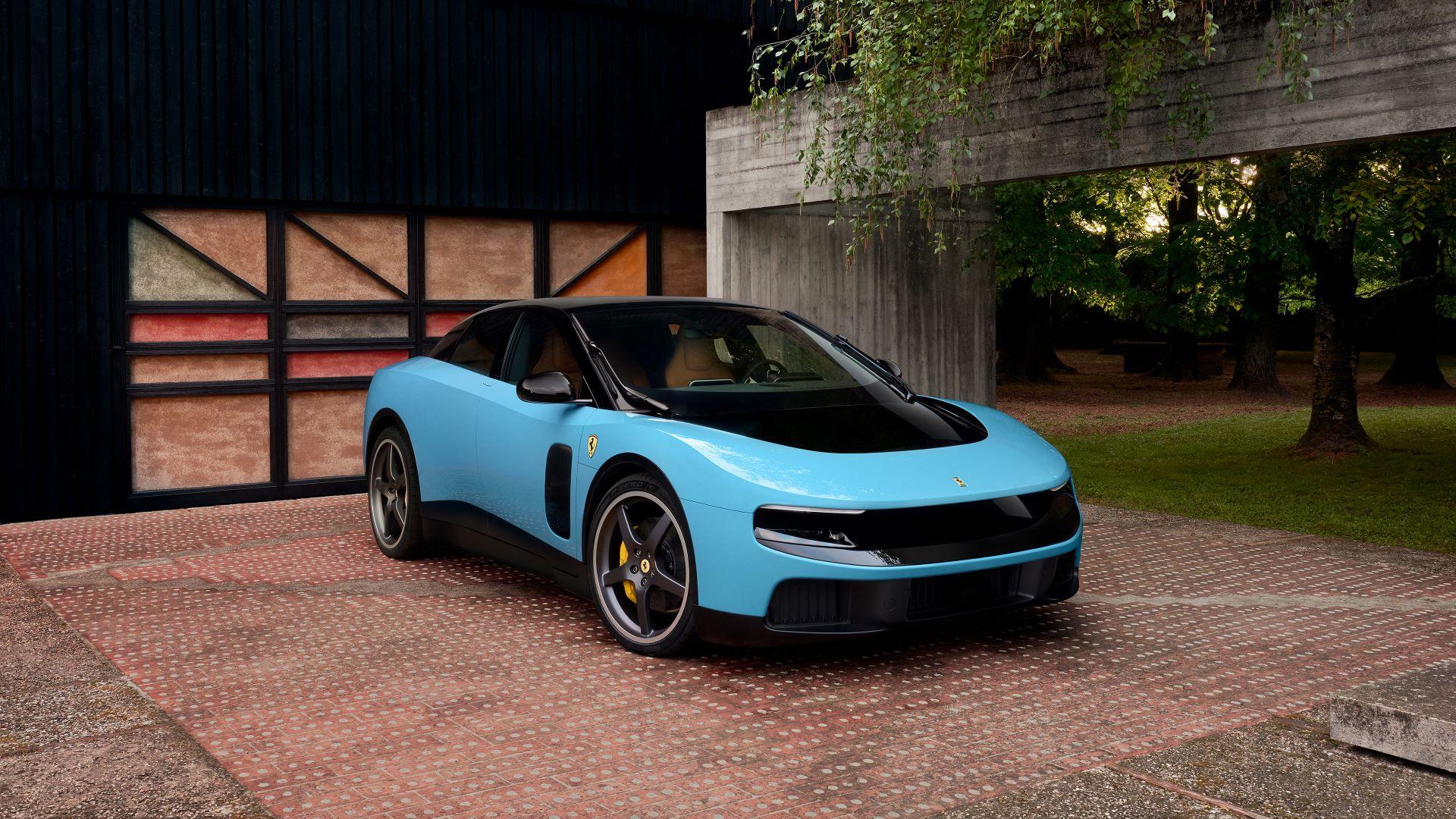
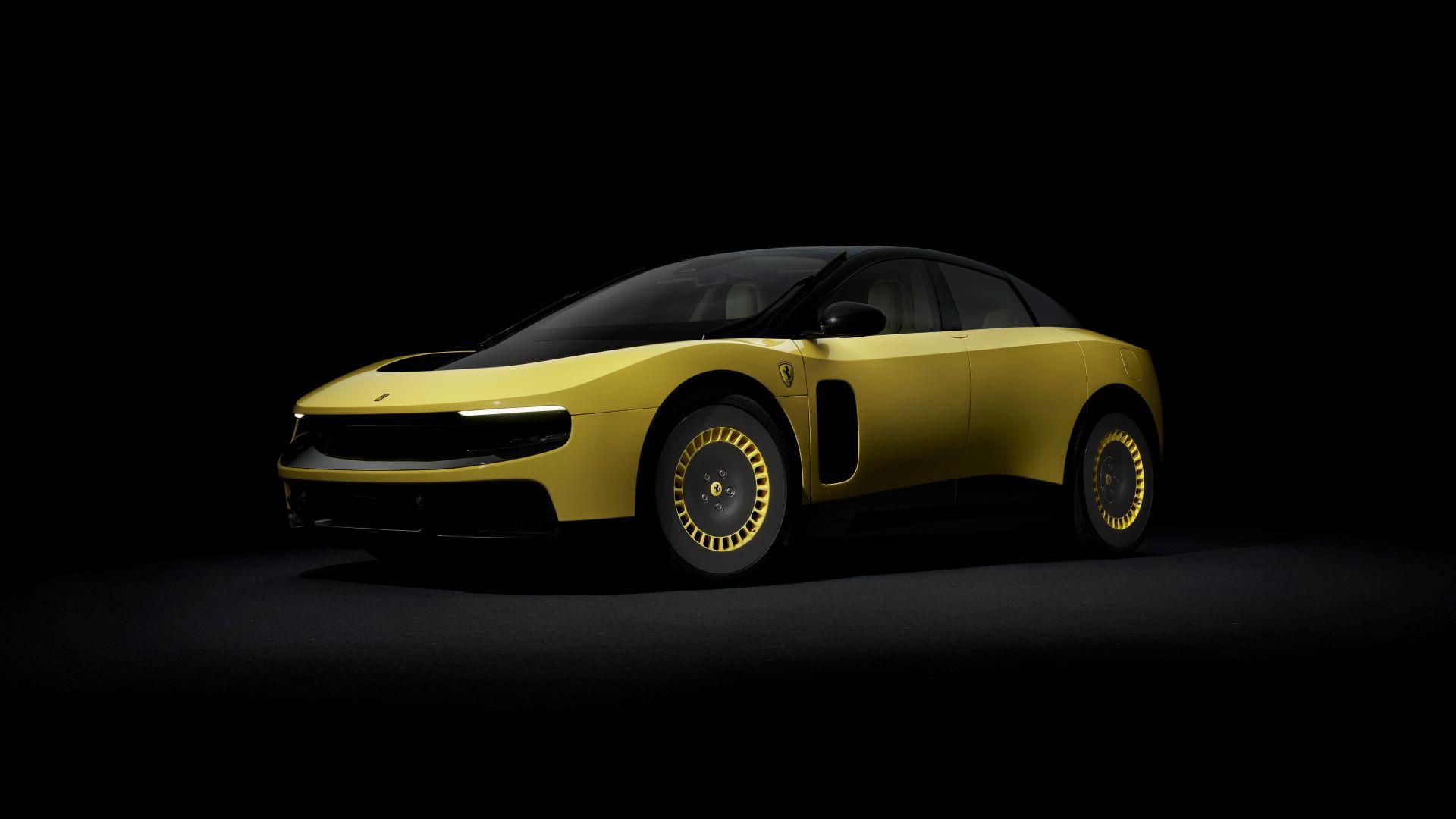
The exterior is dominated by what Ferrari describes as a “glass house,” an uninterrupted shell-like form that stretches deep below the beltline. Floating aerodynamic wings at the front and rear frame the structure almost like aircraft surfaces wrapped around a transparent cockpit. The effect is startlingly clean. Less snarling predator, more high-speed sculpture carved from airflow itself.
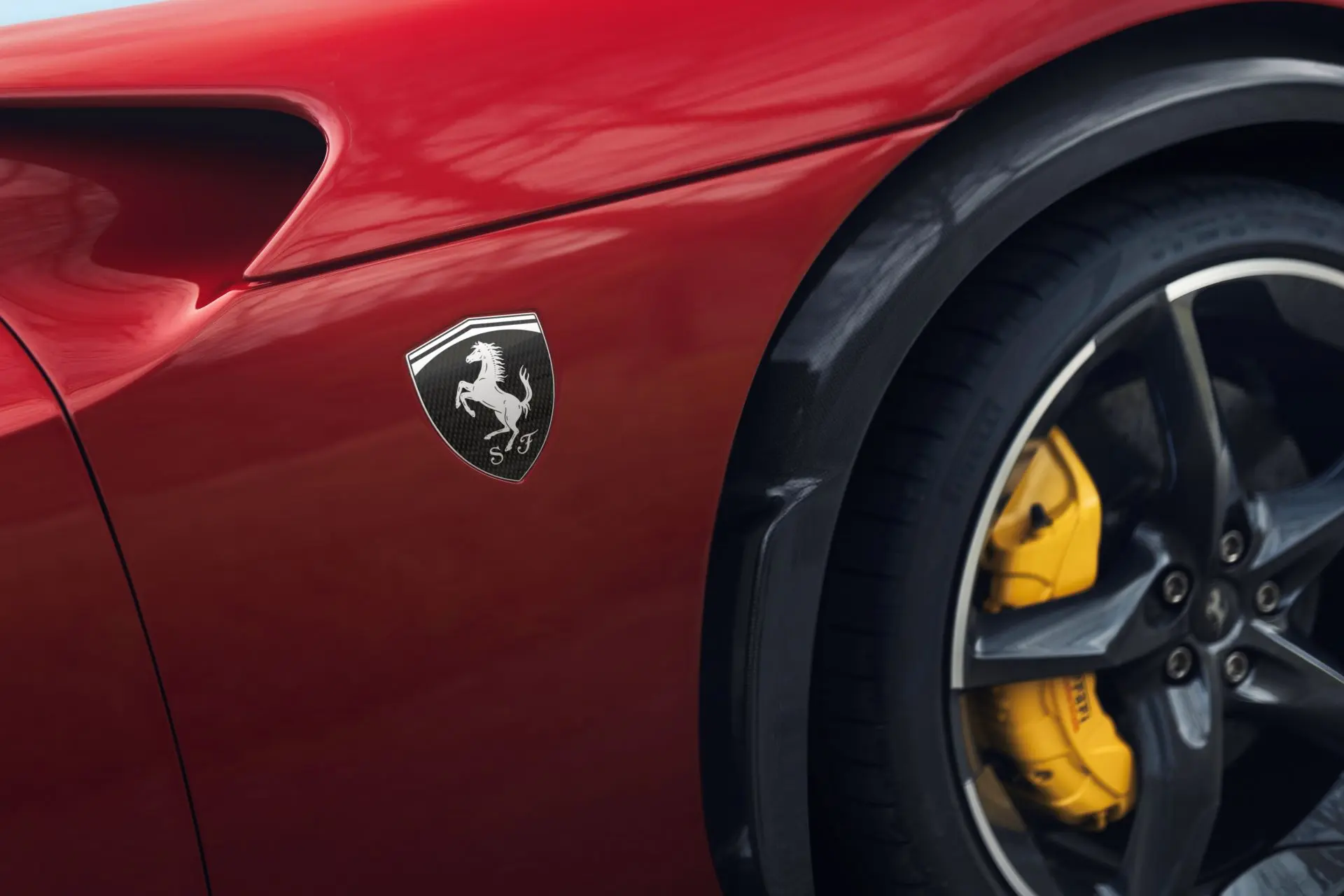
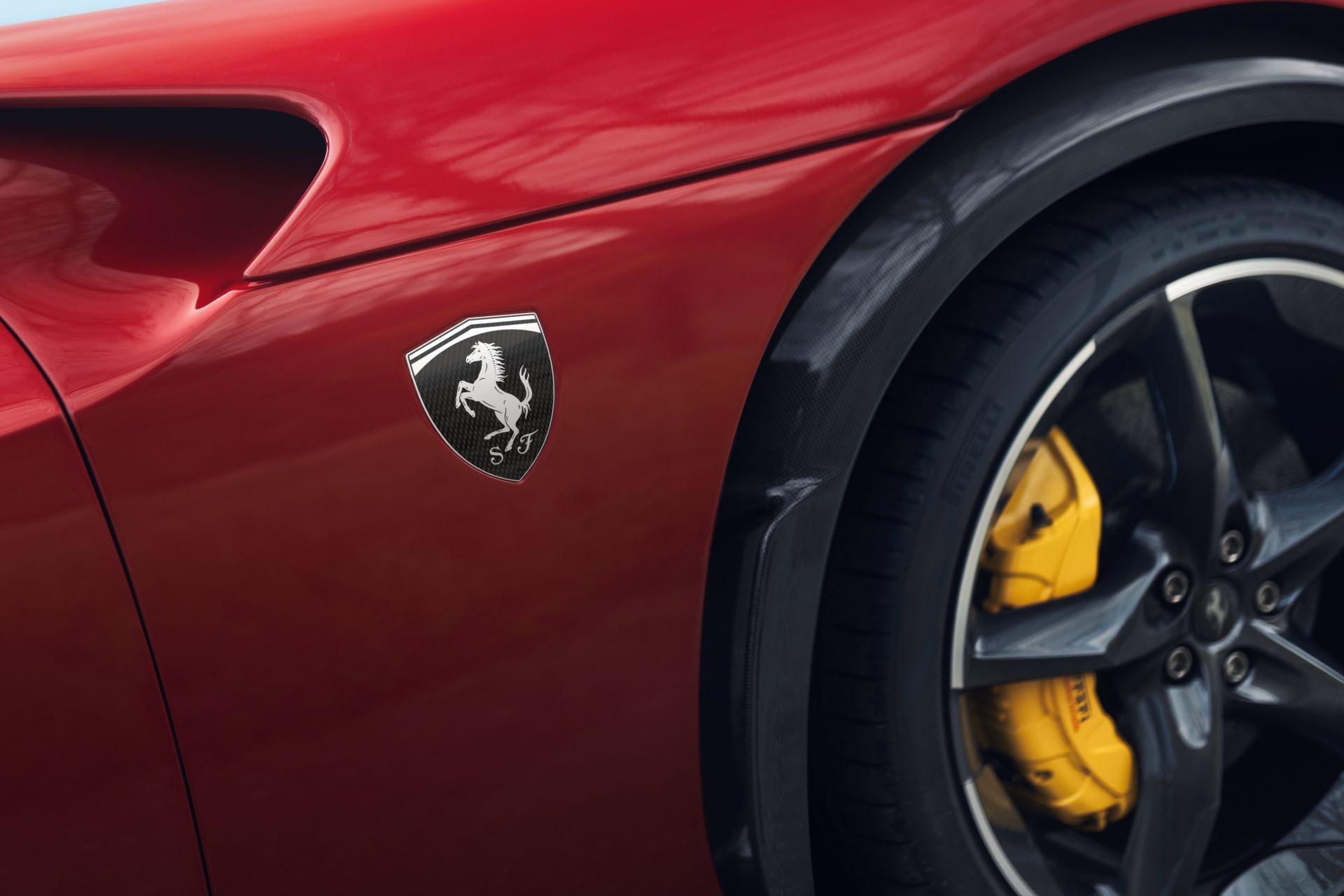
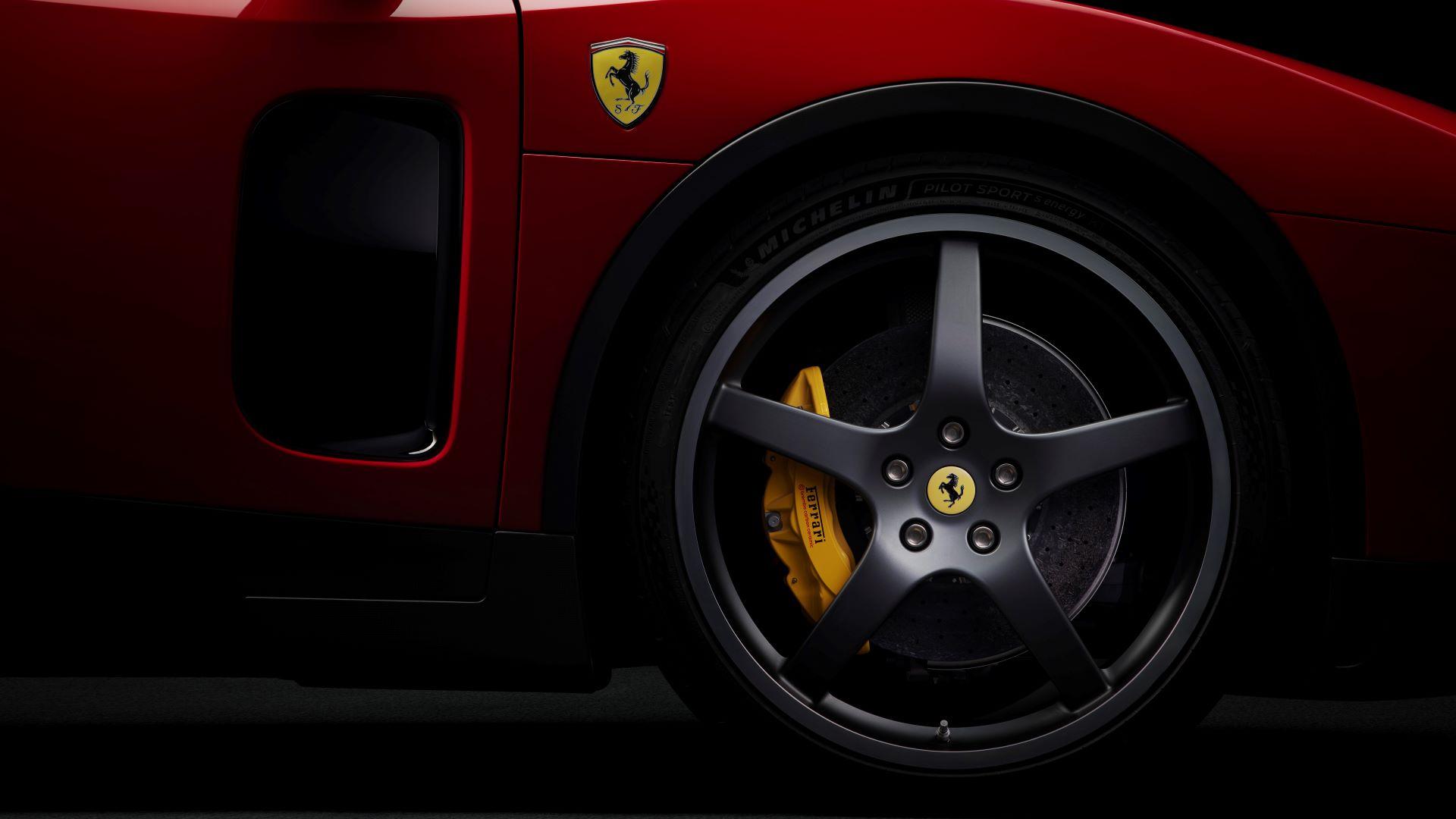
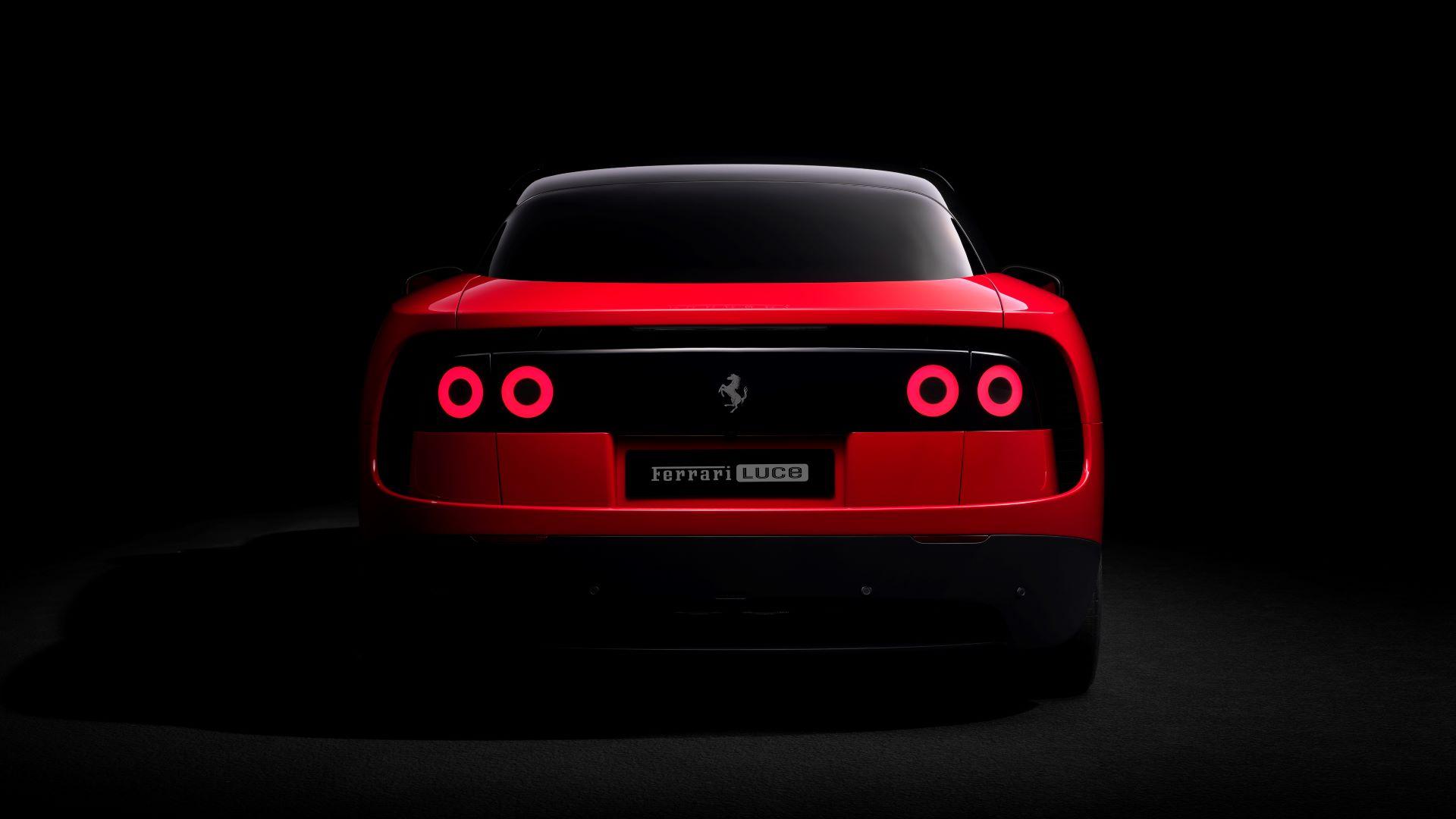
Lighting elements disappear seamlessly into the bodywork when inactive, preserving the purity of the surfaces. At the rear, halo tail lamps pay tribute to icons such as the Ferrari 360 Modena and 458 Italia while introducing a futuristic visual signature. Massive staggered wheels measuring 23 inches at the front and 24 inches at the rear complete the concept with proportions that feel closer to a concept car than a traditional grand tourer.
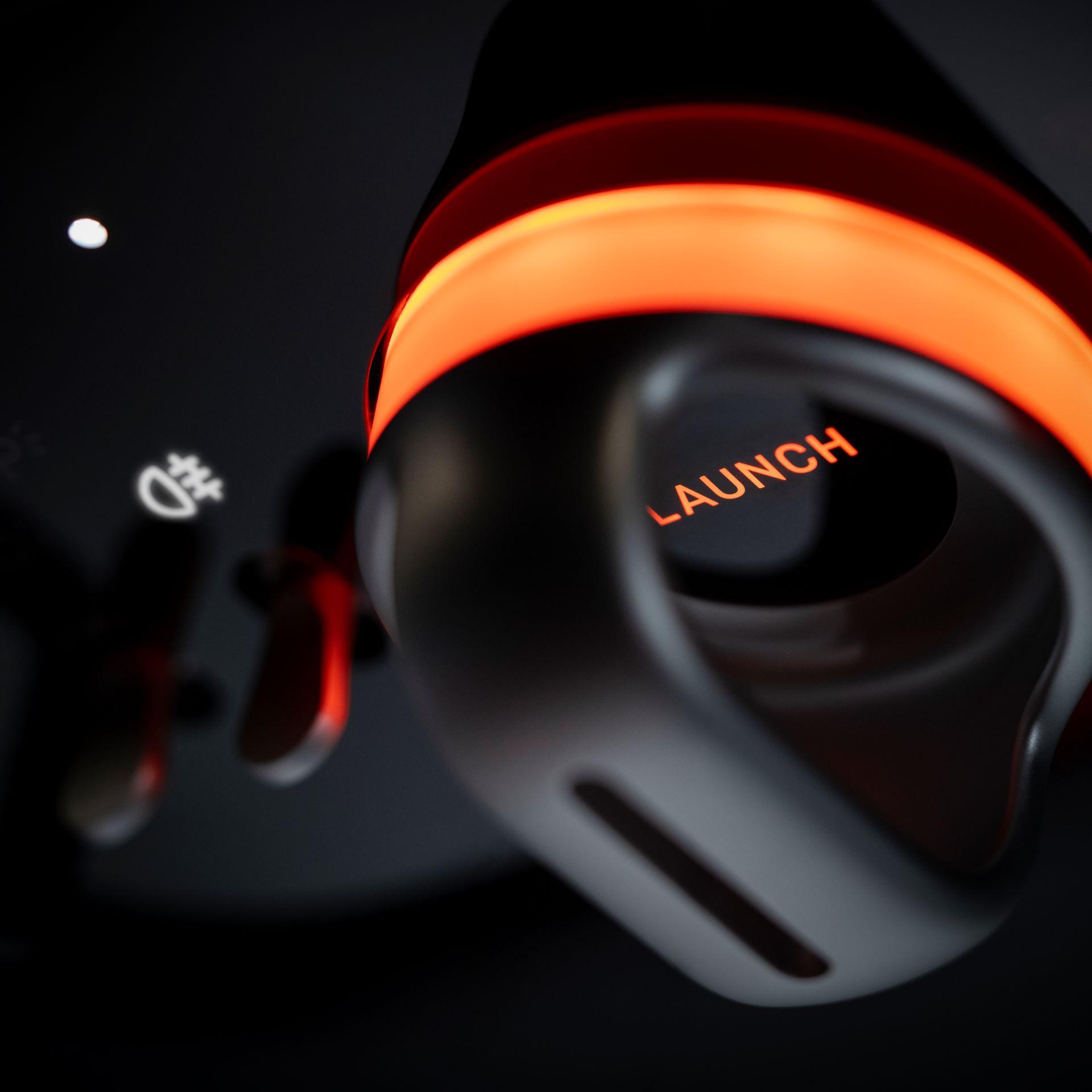
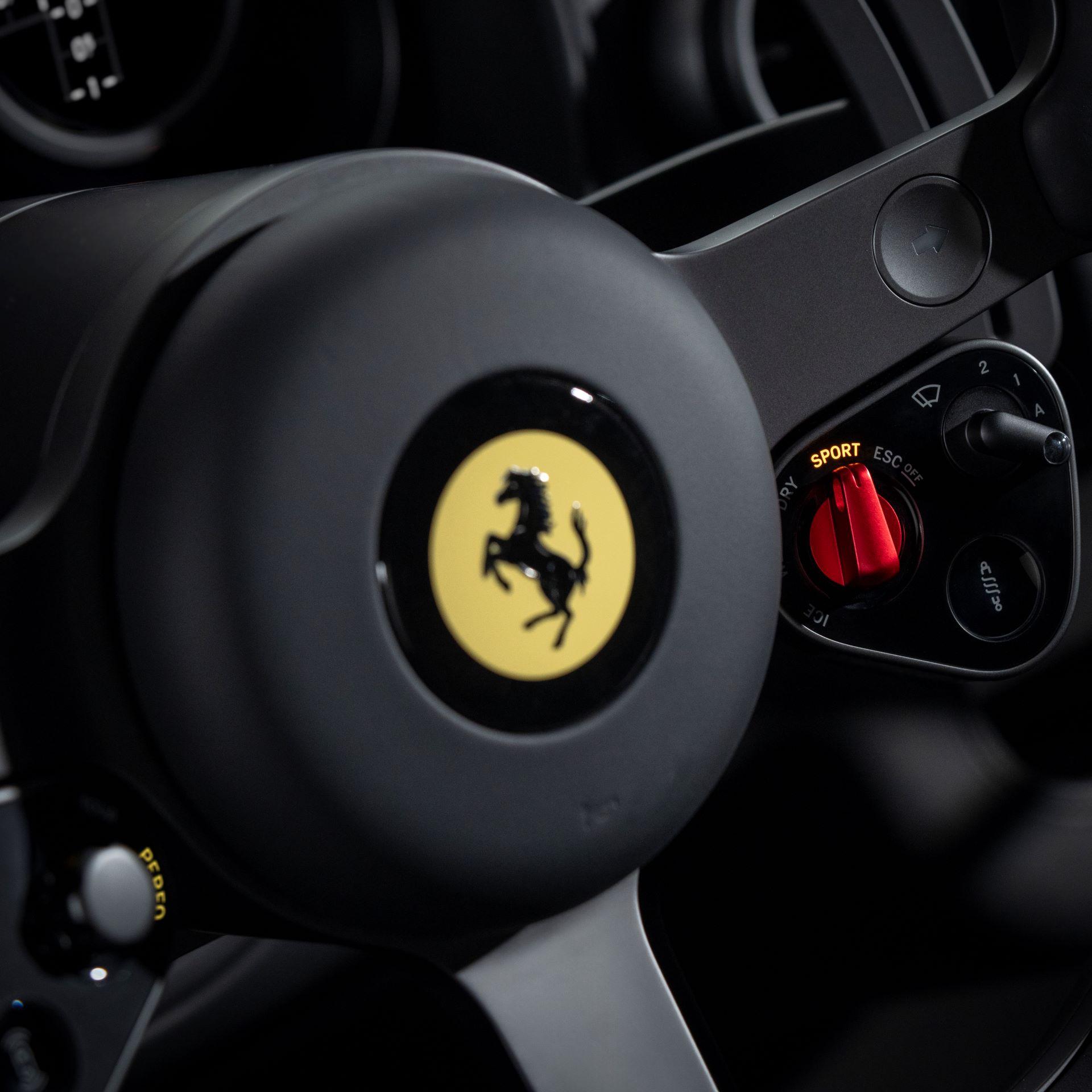
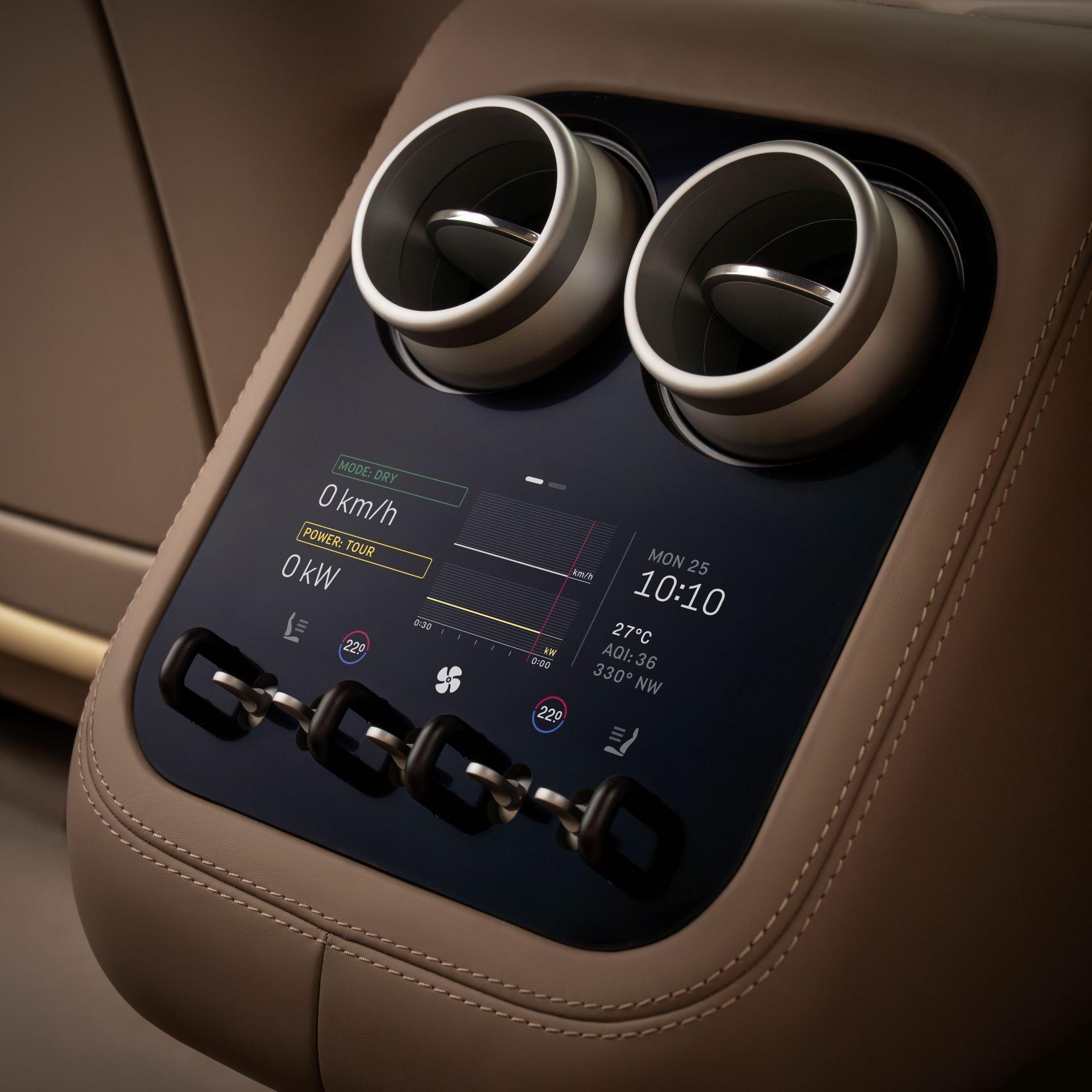
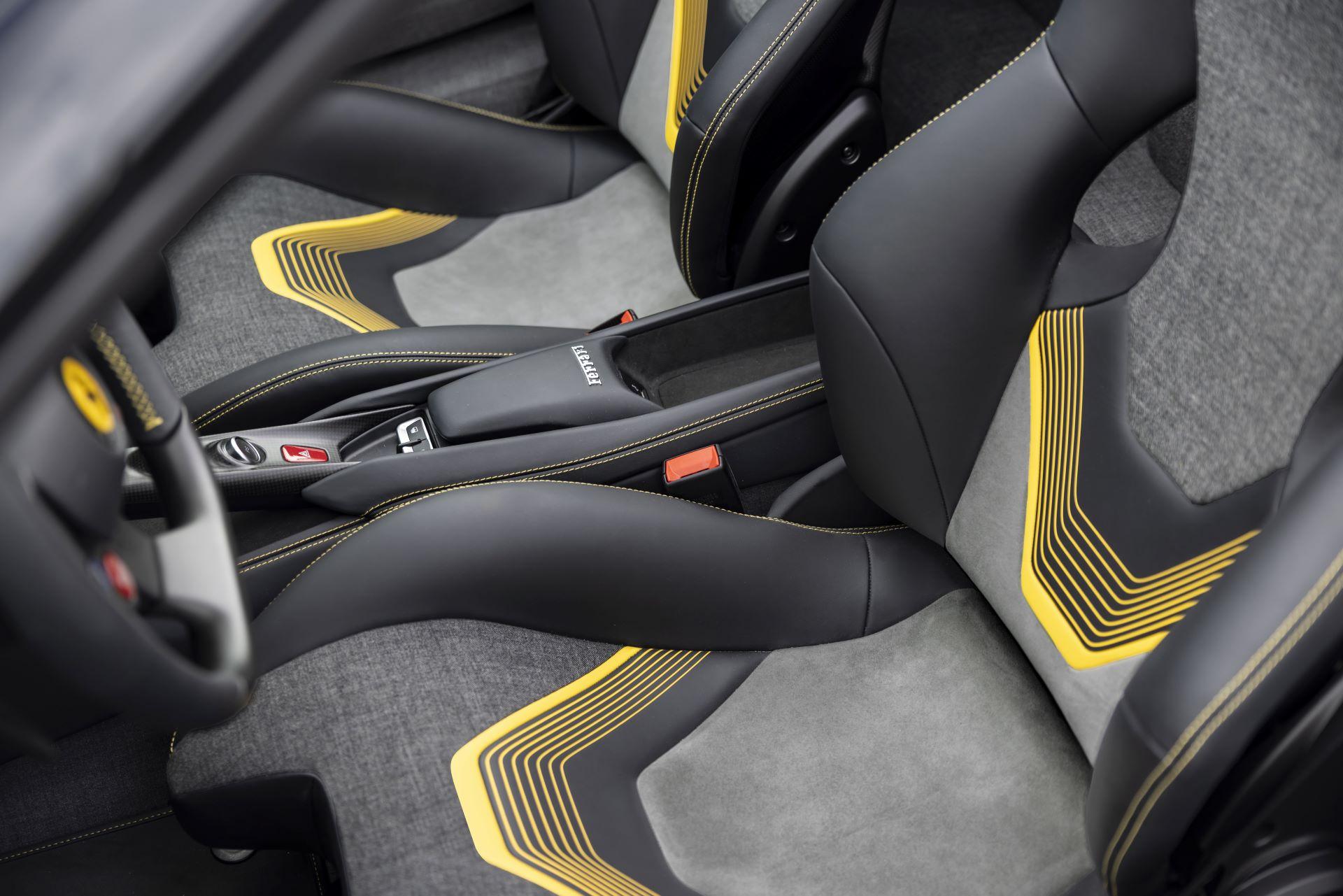
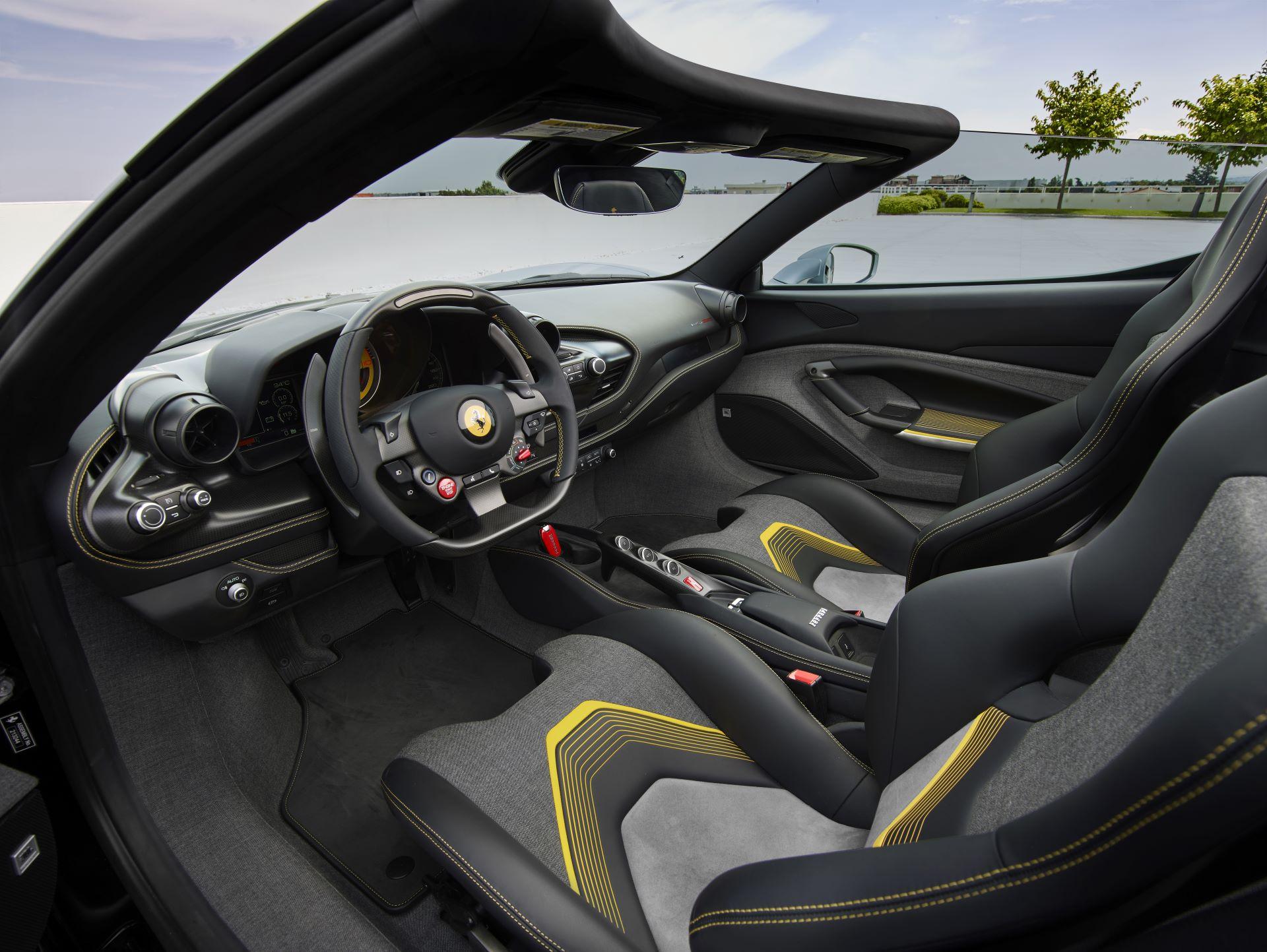
Inside, Ferrari has attempted to avoid the cold minimalism that often infects modern EV cabins. Instead of replacing every function with touchscreen menus and glossy black fingerprints, the Luce combines tactile mechanical controls with intelligently layered digital systems. Beautifully machined switches, toggles and dials sit alongside Samsung-developed displays, creating an interface that feels deliberate rather than overwhelming.
Materials have been selected with unusual restraint. Recycled anodised aluminium, premium leather and Corning Gorilla Glass create an atmosphere that feels technical yet warm. The absence of a central transmission tunnel, made possible by the dedicated EV platform, frees up cabin space dramatically. For the first time in Ferrari history, the company has created a true five-seat configuration without compromising the proportions expected of a performance car.
The Luce is also the most acoustically ambitious Ferrari ever built. Rather than synthesising fake engine sounds through speakers like some digital karaoke machine wearing racing gloves, Ferrari developed a patented system that amplifies genuine vibrations and frequencies generated by the drivetrain itself. Accelerometers mounted within the vehicle capture the mechanical texture of the rotating components, which are then filtered and enhanced in real time.
The result changes depending on the selected driving mode and paddle inputs. In quieter settings, the cabin becomes calm and refined. Push harder and the sound transforms into something sharper and more expressive, projected both inside and outside the vehicle. Ferrari says the goal was authenticity rather than theatre, though in typical Ferrari fashion it somehow aims for both simultaneously.
Underneath the sculpted bodywork lies one of the most advanced platforms Ferrari has ever engineered. The Luce rides on a bespoke architecture developed entirely in-house, featuring four independently controlled electric motors, one for each wheel. Combined output reaches an astonishing 1050 cv.
Performance figures are predictably absurd.
The Luce launches from 0-100 km/h in just 2.5 seconds, reaches 200 km/h in 6.8 seconds and exceeds 310 km/h flat out. Yet Ferrari claims the car can still travel more than 530 km on a charge thanks to an advanced 122 kWh battery pack operating on an 800-volt electrical architecture.
Every wheel effectively acts as its own intelligent performance unit. Each corner manages traction, regenerative braking, steering angle and vertical movement independently. The system constantly adjusts torque distribution and suspension behaviour in real time, creating an almost eerie level of precision.
Ferrari’s new Vehicle Control Unit processes dynamic inputs 200 times per second, orchestrating everything from torque vectoring to regenerative braking. The company says the aim was to preserve the organic, flowing handling characteristics expected of a Ferrari despite the immense complexity happening beneath the surface.
Perhaps the most fascinating innovation is Ferrari’s approach to torque delivery. One common criticism of high-performance EVs is that their brutal instant acceleration can feel strangely flat after the initial shockwave. Ferrari tackled this by developing a patented torque management system controlled through steering wheel paddles. The right paddle progressively unlocks additional torque while maintaining the sensation of building acceleration, mimicking the emotional crescendo traditionally associated with combustion performance cars.
The left paddle increases regenerative braking intensity, allowing drivers to shape corner entry and weight transfer with remarkable precision. It is an EV interpretation of mechanical engagement rather than an attempt to erase it.
Aerodynamics also play a central role in the Luce’s identity. Ferrari claims it achieves the lowest drag coefficient ever recorded on one of its road cars. Active aerodynamic grilles regulate cooling airflow automatically, while the suspension can lower the front ride height by 10 mm at speed to optimise efficiency and stability.
Despite all the technology, Ferrari insists the Luce remains emotionally driven at its core. This is perhaps the most important detail of all. The company understands that numbers alone do not create legends. A Ferrari must feel alive. It must provoke. It must make your pulse behave like it just spotted a tax audit sprinting toward it through a thunderstorm.
The Luce may be electric, but Ferrari clearly has no intention of making it sterile.
Instead, the company has created something unusually ambitious: a luxury EV, a grand tourer, a technology flagship and a true performance machine fused into a single identity. Whether traditionalists embrace it or not, the Ferrari Luce signals that Maranello is no longer merely adapting to the electric future.
It intends to shape it.