


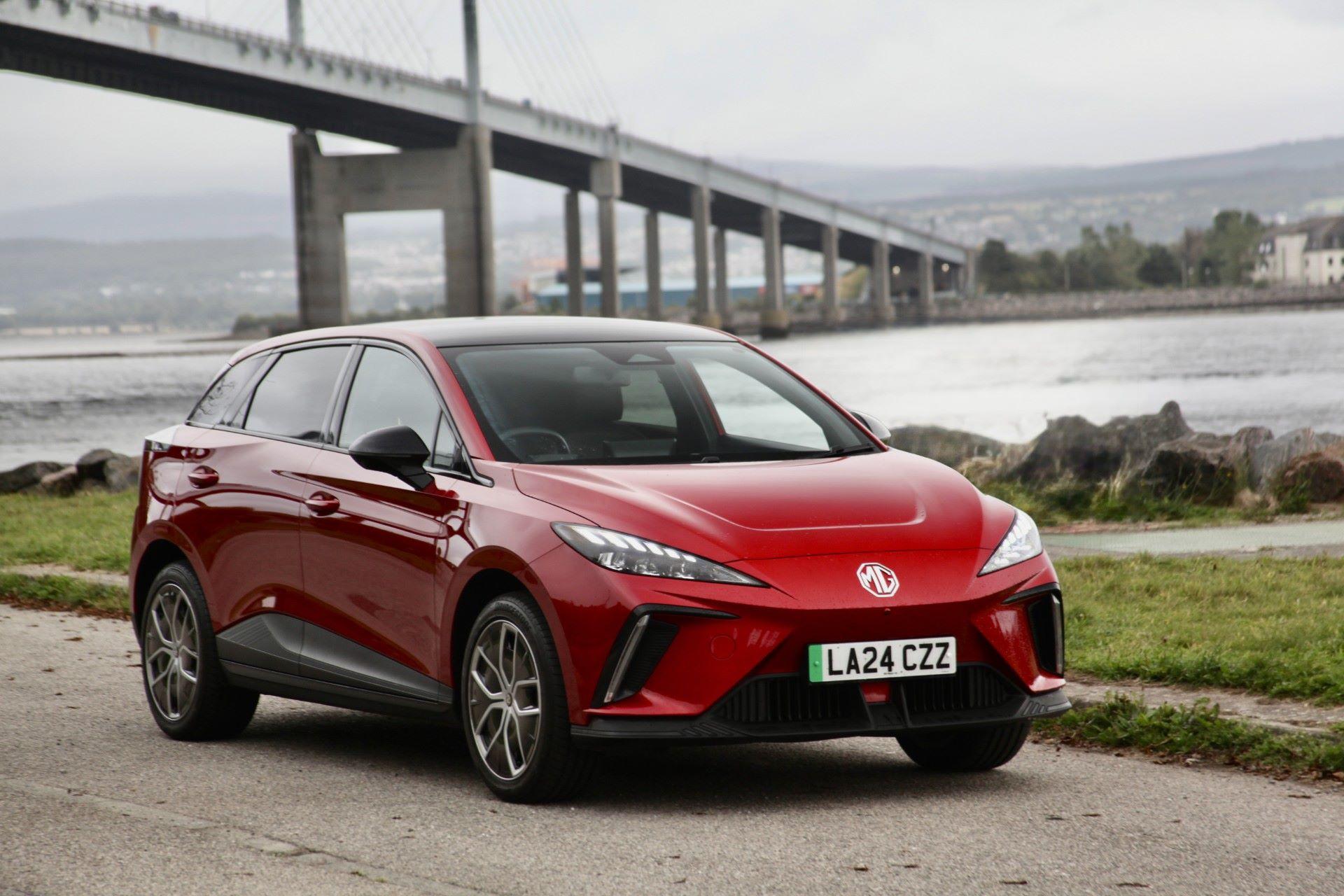
Electric vehicles are edging closer to the point where they make sense for drivers without home charging, a new long-distance test reveals. A recent 1,285-mile marathon drive in a 2024 MG4 Extended Range, conducted entirely on roadside chargers, demonstrated that the cost of running an EV is now approaching that of a diesel car with strong fuel efficiency.
The journey, undertaken by a team from leading consumer motoring website honestjohn.co.uk, covered the route from Cambridgeshire to the Scottish Highlands and back. Costs were compared directly with a Mercedes-Benz E220d, which averaged 48.8mpg over the same distance. Total expenditure for charging the MG4 came to £203.03, while diesel fuel cost £172.48.
However, the study highlighted a clear policy impact: if roadside EV charging were subject to the same 5% VAT rate as domestic electricity rather than the standard 20%, the charging cost would have been virtually identical to diesel at £172.57.
David Ross, editor of honestjohn.co.uk, said the experiment aimed to address some of the biggest concerns prospective EV buyers express: lack of home charging, range anxiety, and the cost of charging. “What we found was enlightening,” Ross said. “The newest generation of electric cars now travels further than ever between top-ups, and the charging infrastructure has improved dramatically. Long-distance journeys are now achievable with minimal stress, even on stretches like the A9 between Perth and Inverness, which lacks public charging points.”
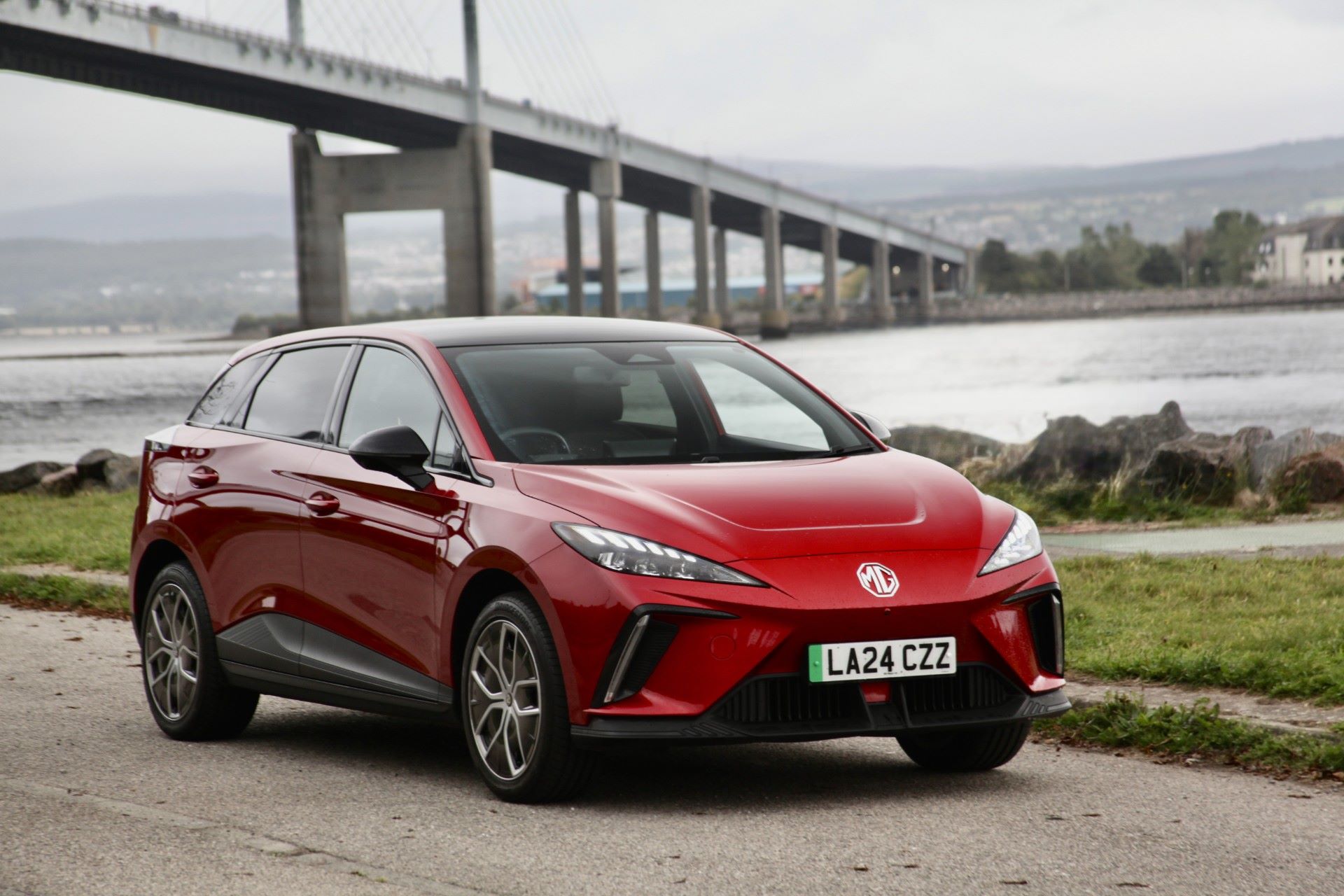
The test also revealed a notable price disparity between motorway and trunk road charging. On the outbound leg, charging exclusively at motorway service stations accounted for £111 of the total cost, while the return leg, relying on trunk road chargers, cost £92. This suggests that motorway charging is, on average, over 10% more expensive.
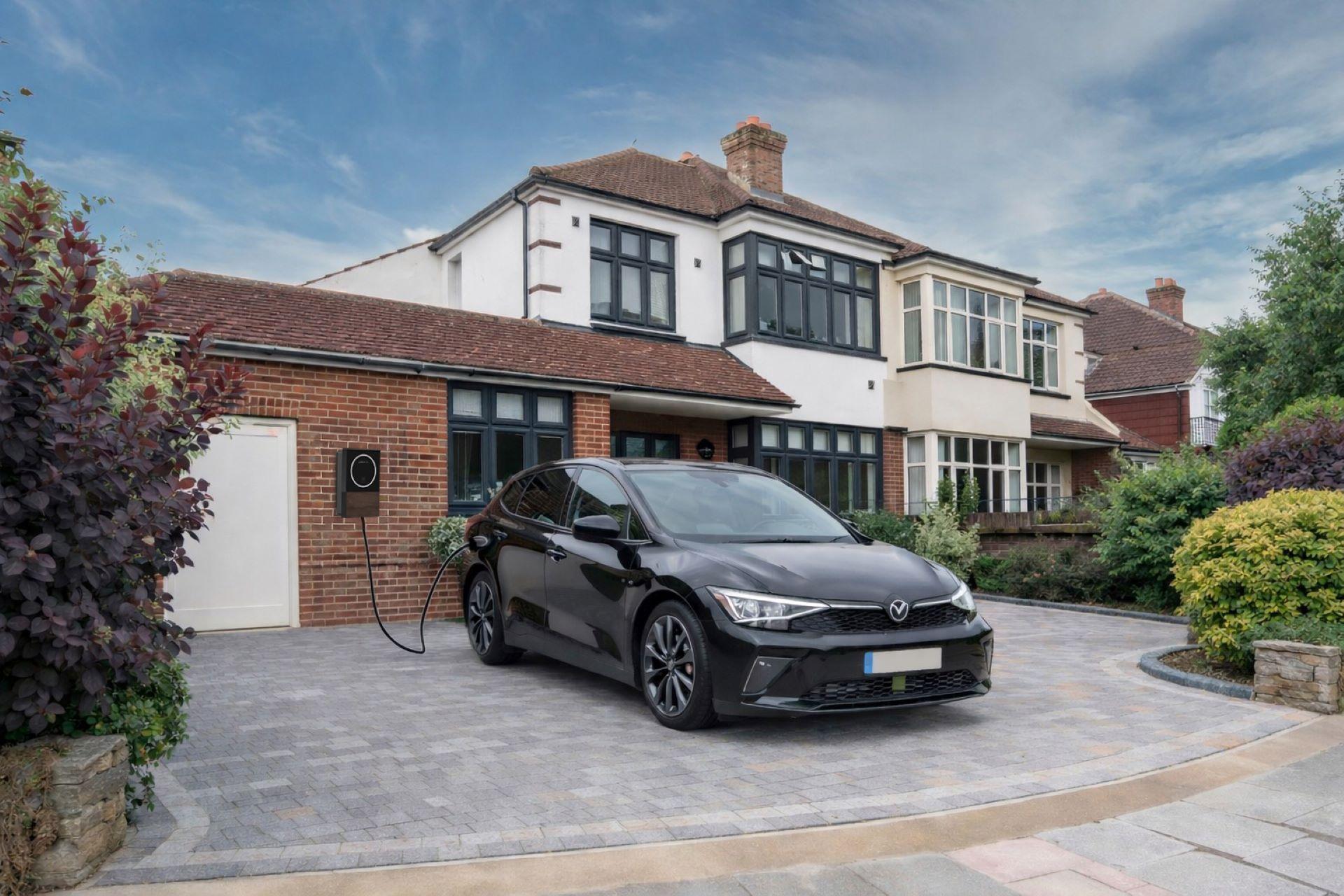
With over a third of UK households lacking access to home charging—a key factor in EV affordability—the findings signal a significant shift. “Even for drivers who cannot charge at home, running an EV is now approaching parity with a highly efficient diesel car,” Ross explained. “If suppliers capped motorway charging to align with trunk road prices, or the government reduced VAT to 5%, EVs could be cheaper to run than a 50mpg diesel, removing a major barrier for many drivers.”
The timing could not be more significant. In August 2025, electric vehicles captured a record 26.7% of new car registrations in the UK, reflecting growing consumer confidence. Reducing the cost of public charging could expand the appeal further, particularly for those living in flats, on-street parking areas, or off-grid properties.
Ross concluded: “For a third of drivers, an electric car has never made sense. But with costs approaching parity—even for those without home charging—the tipping point is here. By taking modest steps to lower public charging costs, the government and suppliers could make EVs a realistic choice for everyone, finally clearing the last major hurdle to mainstream adoption.”