




As the UK accelerates towards a future dominated by electric vehicles (EVs), an unexpected and critical challenge has emerged: the shortage of qualified technicians capable of servicing and maintaining these advanced machines. Lawrence Whittaker, CEO of leading aftermarket warranty company Warrantywise, has sounded the alarm on this issue, warning that without swift intervention, the country’s ambitious EV plans could be severely hindered.
The Current State of the UK EV Technician Workforce
According to the latest report from the Institute of Motor Industry (IMI), the UK faces a significant shortfall in trained EV technicians. Currently, only 58,800 technicians are qualified to work on electric vehicles, representing a mere 24% of the automotive workforce. This number pales in comparison to the more than 1.19 million fully electric cars already on UK roads, and with the number of EVs set to rise sharply in the coming years, the shortage of skilled technicians is predicted to become even more acute.
The IMI’s forecast is particularly concerning, predicting a shortfall of 3,000 technicians by 2031 and a staggering 16,000 by 2035. This skills gap is not just a matter of numbers; it’s also a geographic issue. The disparity in the distribution of EV-certified technicians across the UK has led to what Whittaker describes as a “postcode lottery” for EV owners, where access to skilled technicians is unevenly spread across the country.
Regional Disparities: A Postcode Lottery for EV Skills
The IMI report highlights significant regional differences in the availability of EV-trained technicians. While London and the South East boast the highest concentration of EVs, they also suffer from some of the lowest proportions of EV-certified technicians, with only 6.1% and 6.4% respectively. In contrast, the East of England has the highest rate of EV qualifications at 9.5%, while Northern Ireland lags behind with just 3.7%.
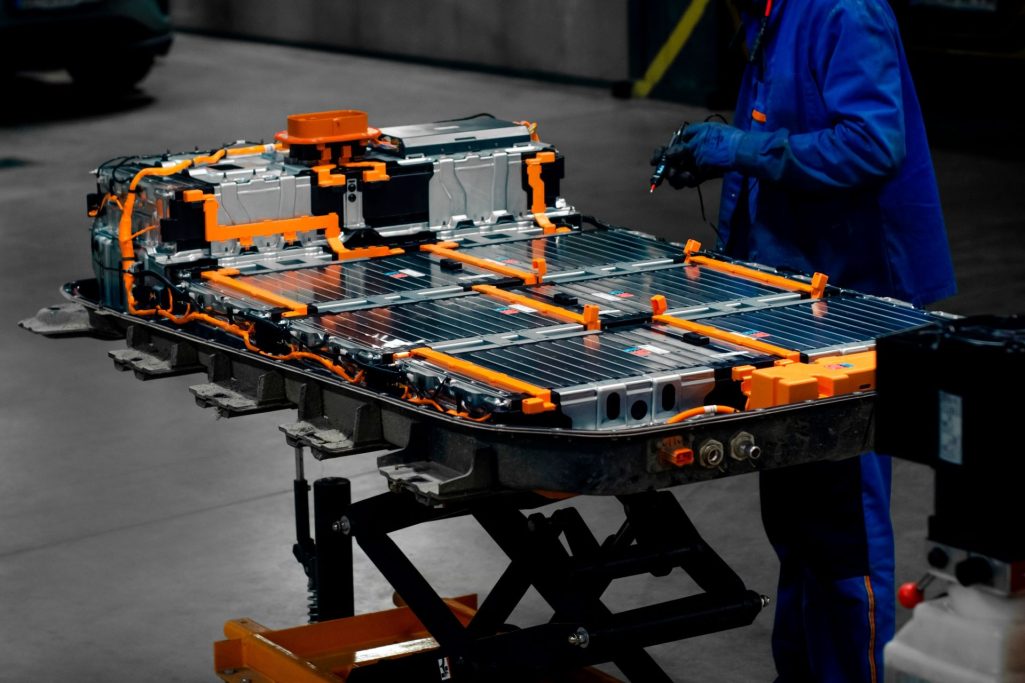
This uneven distribution of skills could lead to increased wait times for repairs, higher costs, and a potential slowdown in the adoption of EVs, particularly in regions where technician availability is low. As Whittaker points out, the implications of this shortage extend far beyond simple vehicle maintenance. The complexity of EVs, with their advanced software, battery systems, and high-voltage components, requires a level of expertise that goes beyond the training of traditional automotive technicians.
The Wider Impact: Risks to EV Adoption and Industry Growth
The shortage of qualified EV technicians poses a direct threat to the rapid adoption of electric vehicles in the UK. As demand for EVs continues to surge, the pressure on the industry to train and certify technicians is mounting. Without sufficient skilled professionals, the transition to greener transportation could stall, leading to safety risks, delayed repairs, and increased costs for consumers.
Whittaker expresses particular concern from a business perspective. As the CEO of Warrantywise, he is acutely aware of the potential impact this skills gap could have on the ability to provide seamless repair services for EV customers. With the demand for these skills outpacing supply, repair services for EVs are likely to become more expensive and take longer to complete, especially when compared to those for traditional petrol or diesel vehicles.
Moreover, the shortage could have broader economic implications, particularly if it leads to a slowdown in new EV purchases after the government’s 2030 ban on internal combustion engine vehicles. For the UK’s EV industry to thrive, it is crucial that the government and industry leaders recognize the importance of investing in a skilled workforce alongside the infrastructure needed to support electric vehicles.
Addressing the Crisis: A Call for Coordinated Action
To address this looming crisis, Whittaker advocates for a coordinated effort involving educational institutions, automotive companies, and the government. Developing and funding programs to train a new generation of EV technicians is essential. This includes updating curriculums to cover the latest EV technologies, providing incentives for students to pursue careers in this field, and ensuring that current technicians have access to upskilling opportunities.
Investing in a skilled workforce is not just about meeting the immediate demands of the EV industry; it’s about laying the foundation for a sustainable future. By taking proactive steps now, the UK can build a robust support system for the electric vehicle revolution, ensuring that the transition to greener transportation is not only successful but also enduring.
The Road to a Sustainable EV Future
The future of mobility in the UK hinges on the ability to address the technician shortage that threatens to undermine the country’s EV aspirations. As Lawrence Whittaker’s warnings highlight, the stakes are high, but with the right investments in training and education, the UK can overcome this challenge. A well-prepared workforce will be crucial in supporting the rapid adoption of electric vehicles, ensuring that the country’s green transport goals are not only met but exceeded.


