



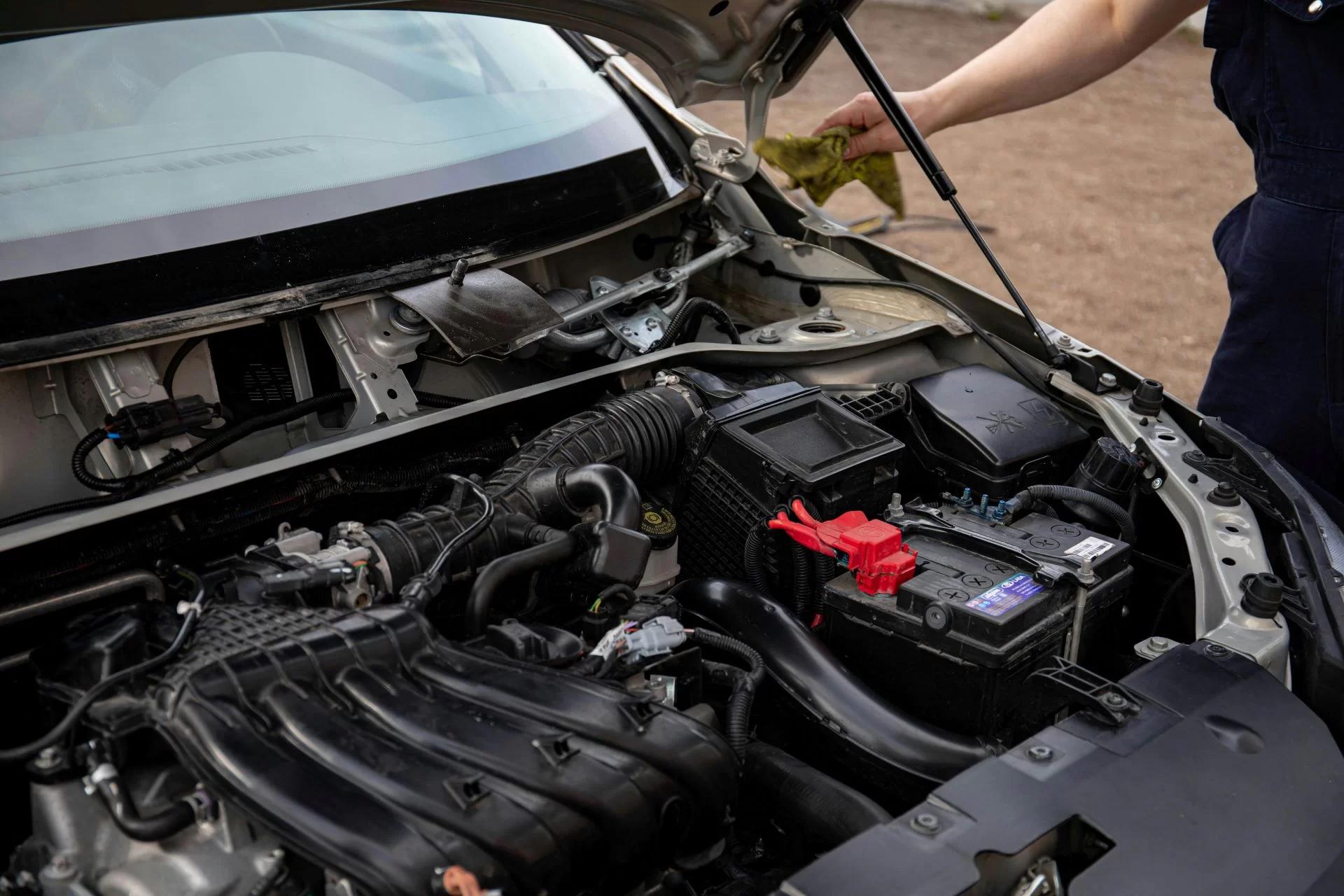
As winter approaches, with its inevitable cold weather just weeks away, it’s crucial to prepare your vehicle for the season. Eugene Herbert, CEO of MasterDrive, emphasizes the importance of getting ready, referencing a helpful acronym created by the RAC in the UK. “The FORCES acronym provides a thorough checklist for drivers to ensure their vehicles are winter-ready. Make sure to run through this list before winter arrives in full force,” Herbert advises.
FUEL: Maintaining adequate fuel levels is essential year-round, but it’s especially critical during winter. In the Western Cape, where winter rainfall is common, rain during commutes can lead to increased traffic congestion and higher fuel consumption. Avoid driving with low fuel levels to prevent getting stranded in bad weather.
OIL: Cold weather thickens oil, so it’s vital to check your oil levels and ensure they’re correct. Overfilling can cause problems, just as much as having too little oil can. While newer vehicles alert drivers to low oil levels, older vehicles require manual checks.
RUBBER: This encompasses both tires and wiper blades. Checking tire tread is essential in all seasons, but tires experience more wear and tear in cold weather. For every 10°C drop in temperature, tire pressure decreases, particularly noticeable in the mornings before driving warms the air. Overinflated tires might seem normal at first but can become problematic once they warm up. Regularly check tire pressure and don’t rush to inflate tires if the warning light appears in the morning; allow time for the air to warm up first. Additionally, windscreen wipers must be in good condition to handle dirty windscreens, which are common in winter, especially if vehicles are parked outside overnight.
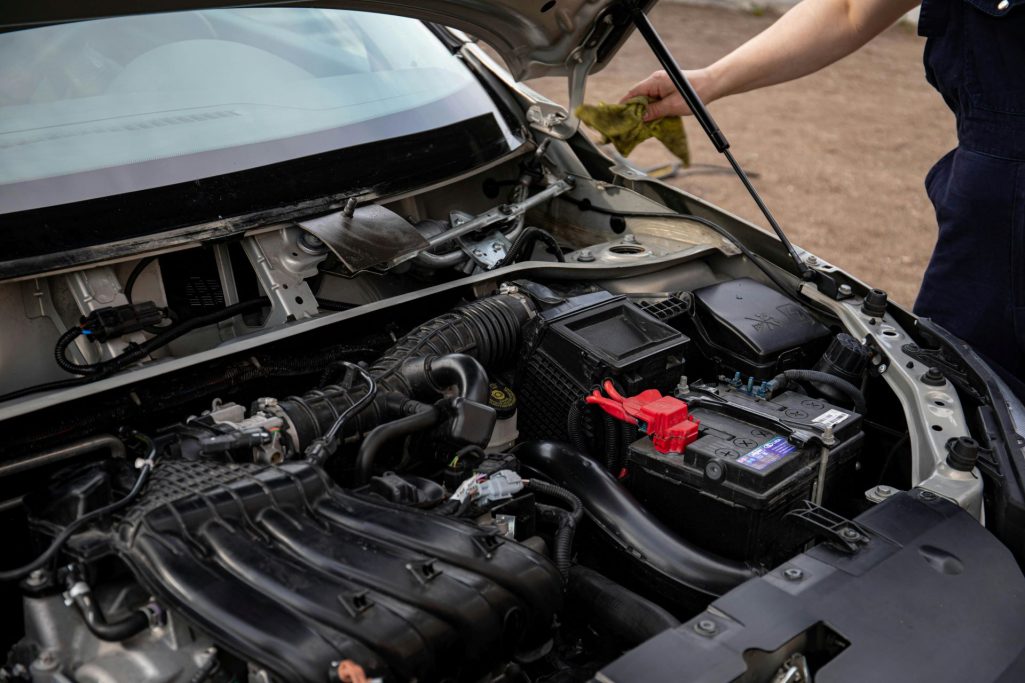
COOLANT: Coolant is crucial for protecting your engine from cold weather damage. It lowers the freezing point of the fluid, ensuring it remains liquid while circulating through the engine during frigid conditions.
ELECTRICS: When temperatures fall below 10°C, the chemical reaction in batteries slows down. While there’s little one can do if a battery is nearing the end of its lifespan, preventive measures include parking in a garage, maintaining lead-acid batteries by topping up battery water (if required), and avoiding leaving vehicles idle for extended periods. Using a trickle charger can help if the vehicle must remain stationary for long.
SCREEN WASH: On cold winter mornings, condensation or frost can obscure your windshield, making washer fluid essential for clear visibility. If you park outside overnight, consider using a freeze prevention washer fluid to prevent your windscreen from freezing.
Although South African drivers don’t face the extreme winter conditions experienced in the northern hemisphere, preparing your vehicle for winter is still necessary. Taking these steps can help ensure your safety and maintain your vehicle’s performance during the colder months.


