



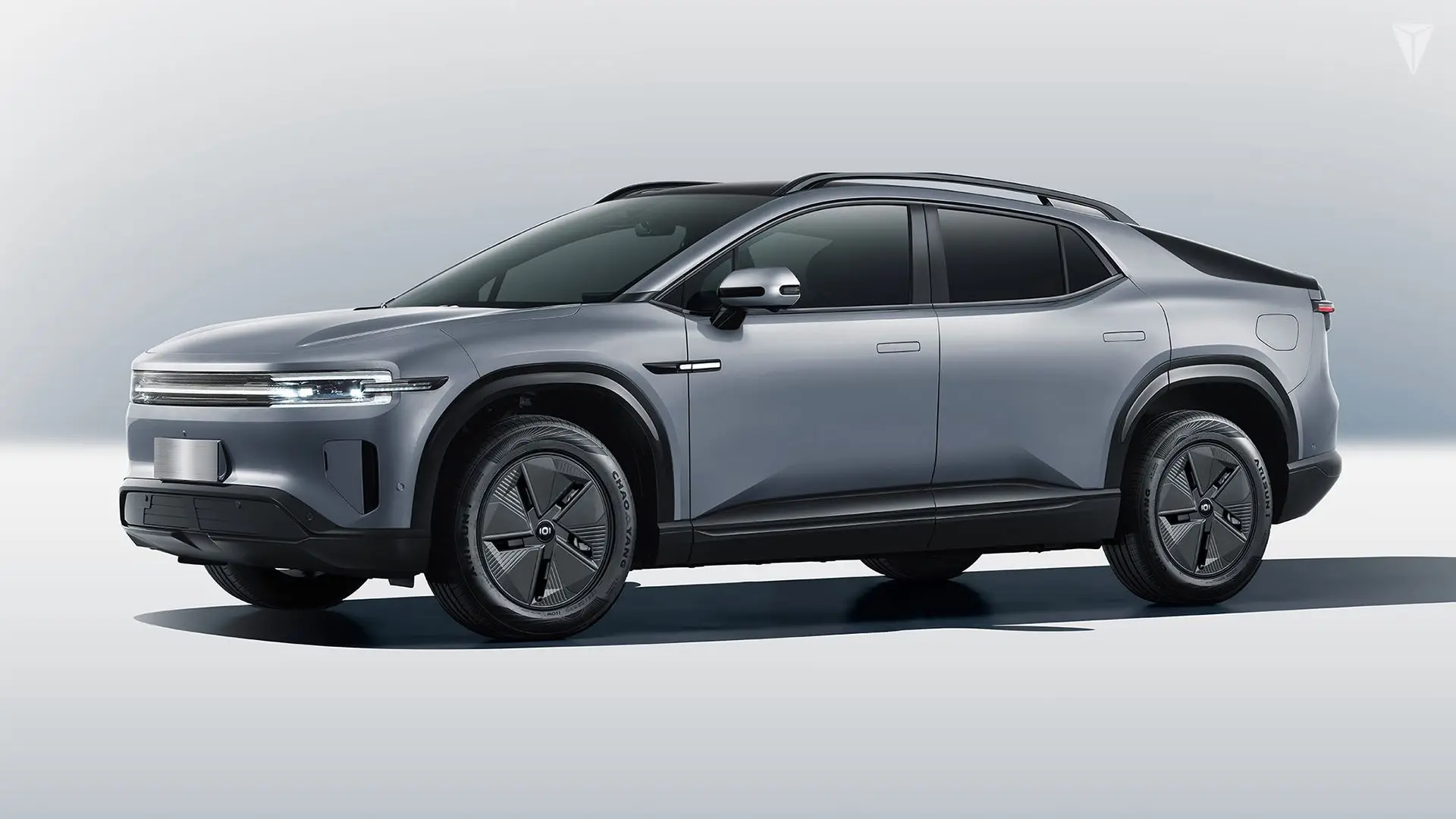
Over the last decade, the automobile has evolved from a mechanical conveyance into a sophisticated digital companion. Beneath sleek exteriors and sculpted lines, artificial intelligence (AI) is transforming every aspect of the automotive experience—from the way vehicles are designed and manufactured to the ways they anticipate and interact with drivers. Today, AI is not merely an enhancement; it is fast becoming the central nervous system of modern mobility.
Among the pioneers leading this transformation is Changan Automobile, a brand leveraging its manufacturing expertise and technology ambition to redefine what a car can be.
AI on the Road
Autonomous driving remains the most visible—and arguably the most challenging—application of AI in the automotive world. Successfully navigating real-world roads requires machines to process complexity at speeds and scales far beyond human capability.
Changan has taken these challenges head-on in China’s mountainous Chongqing region, an environment notorious for dense traffic, steep gradients, and continuous curves. Over a 34-day testing period, the company demonstrated that its vehicles could navigate such real-life conditions with remarkable reliability. With 17 licenses for L3-level autonomous driving tests—more than any other company for high-speed routes—Changan is setting benchmarks for highway autonomy.
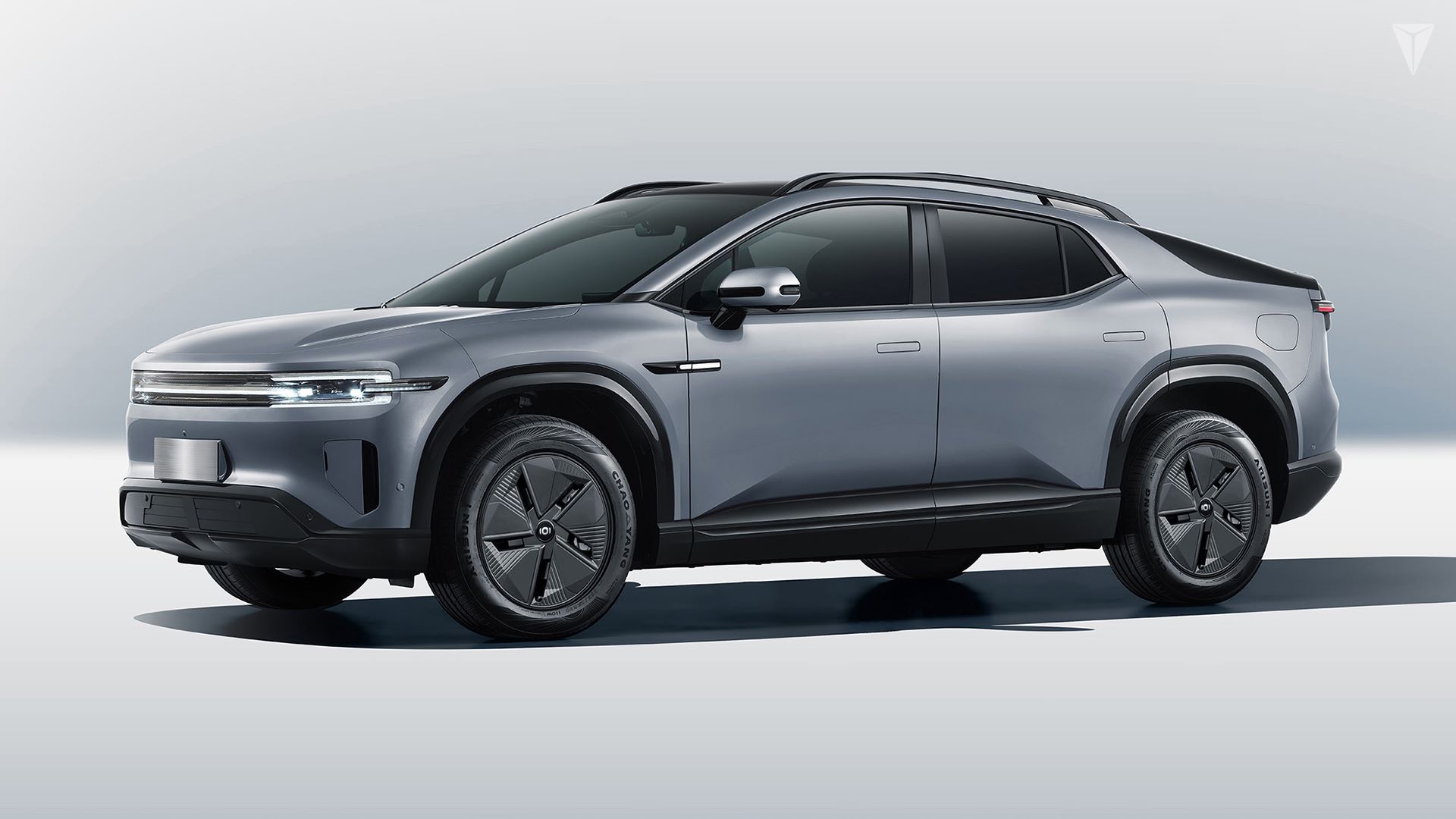
Vehicles like the DEEPAL L07 and S07i showcase AI systems capable of tackling over 97% of urban merging and challenging parking scenarios, offering a degree of autonomy that many thought was decades away. These vehicles are not just self-driving machines; they are learning entities, continuously refining their understanding of complex road environments.
Intelligence as an Engine
The influence of AI begins long before a vehicle hits the road. Modern manufacturing is increasingly driven by data, predictive algorithms, and smart robotics, allowing automakers to achieve precision, efficiency, and scalability. Changan’s “Dubhe Plan,” launched in 2018, exemplifies this approach. At its core is a software-defined vehicle architecture—a digital chassis capable of evolving over time, accommodating new features, apps, and even driving habits.
Supporting this architecture is a robust AI stack: the UNIBrain central computing platform, the real-time operating system RateX, and the Quark Intelligent Computing Centre, designed to simultaneously manage over 10 million connected vehicles. Together, these systems ensure Changan’s cars are not only intelligent but also adaptable, resilient, and future-ready.
AI’s Expanding Footprint
The benefits of AI extend far beyond autonomy. Advanced driver-assistance systems such as lane keeping, adaptive cruise control, and drowsiness detection are now common features. Inside the cabin, vehicles learn to personalize climate, music, and lighting to driver preferences, while natural-language voice assistants replace traditional buttons. Predictive maintenance systems quietly monitor vehicle health, alerting drivers to potential issues before they arise.
AI also enriches the customer journey. Intelligent chatbots facilitate service appointments, while algorithms recommend vehicles suited to individual driving patterns, creating a more intuitive, seamless, and satisfying experience for the driver.
Global Vision, Grounded Ambitions
The next era of mobility will favour companies that combine technological capability with global scale. Changan is strategically expanding into Southeast Asia and Europe, supported by overseas production facilities and new model launches. Its goal of reaching 5 million global vehicle sales by 2030 is ambitious, but grounded in reality: a 200 billion RMB innovation investment, a growing R&D team exceeding 10,000, and strategic partnerships with technology leaders like Huawei and Horizon Robotics.
Perhaps most transformative is Changan’s reimagining of the car itself. As L3 autonomous driving becomes commercially viable, particularly on highways, the vehicle is evolving into a “third living space”—a domain where time spent commuting can be reclaimed, making travel more productive and enjoyable.
Driving Tomorrow, Today
The path to full autonomy is long, with AI integration raising complex questions about safety, ethics, and cybersecurity. The industry is responding: certifications like ISO 26262, achieved by Changan for limited-condition autonomy, demonstrate a commitment to safety and responsible innovation.
As mobility accelerates into an era defined by intelligence, connectivity, and sustainability, Changan is emerging as a global leader. Its achievements in autonomous driving, deep AI strategy, and investment in the right digital infrastructure position the brand not just as a carmaker, but as an architect of tomorrow’s mobility.
Changan is proving that the future of driving is not just automated—it is intelligent, adaptive, and human-centric. And that future is already on the road.


